Old Streets and New Ones
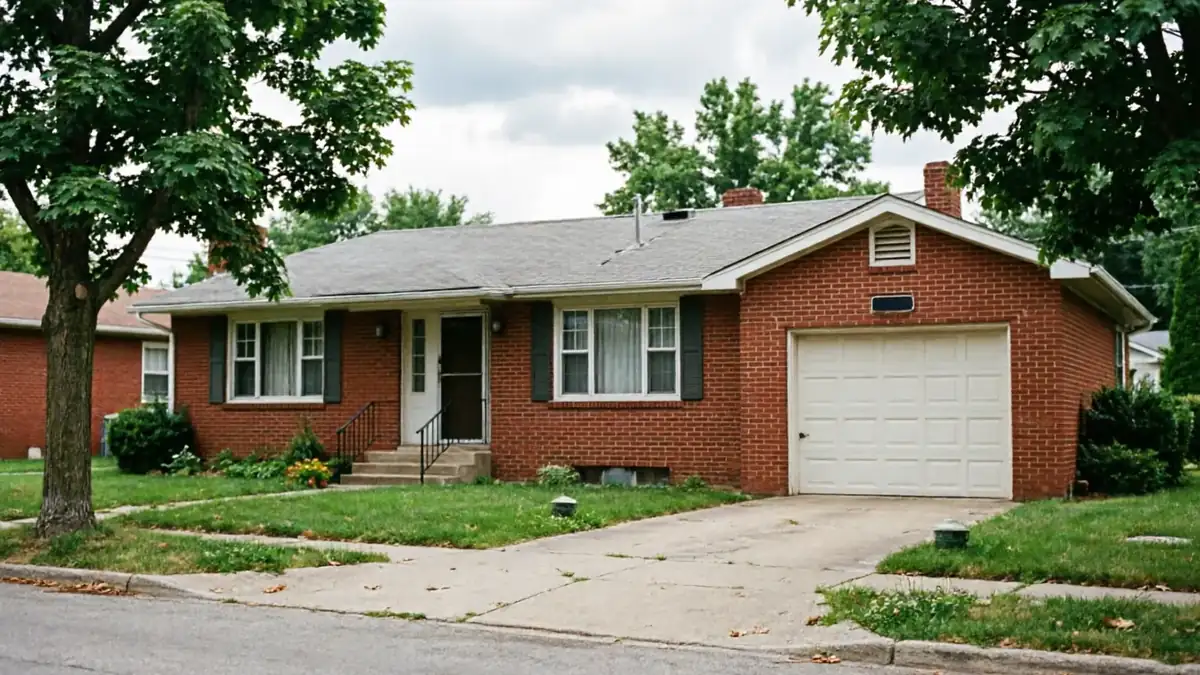
Washington's housing stock centers on 1978, noticeably newer than the mix of 1960s and older construction common across the wider Peoria service area, where the median build year runs closer to 1964. That fourteen-year gap isn't trivial for garage doors - it's roughly the difference between a house built with steel one-piece doors on side hardware and one built after sectional doors and torsion springs became standard builder-grade equipment. With 6,108 households here, you've got a lot of homes built in that same decade-plus window, which means a lot of garage doors that are reaching the end of their expected service life around the same time, not spread out randomly like you'd see in an older or more mixed neighborhood.
What That Means for Doors
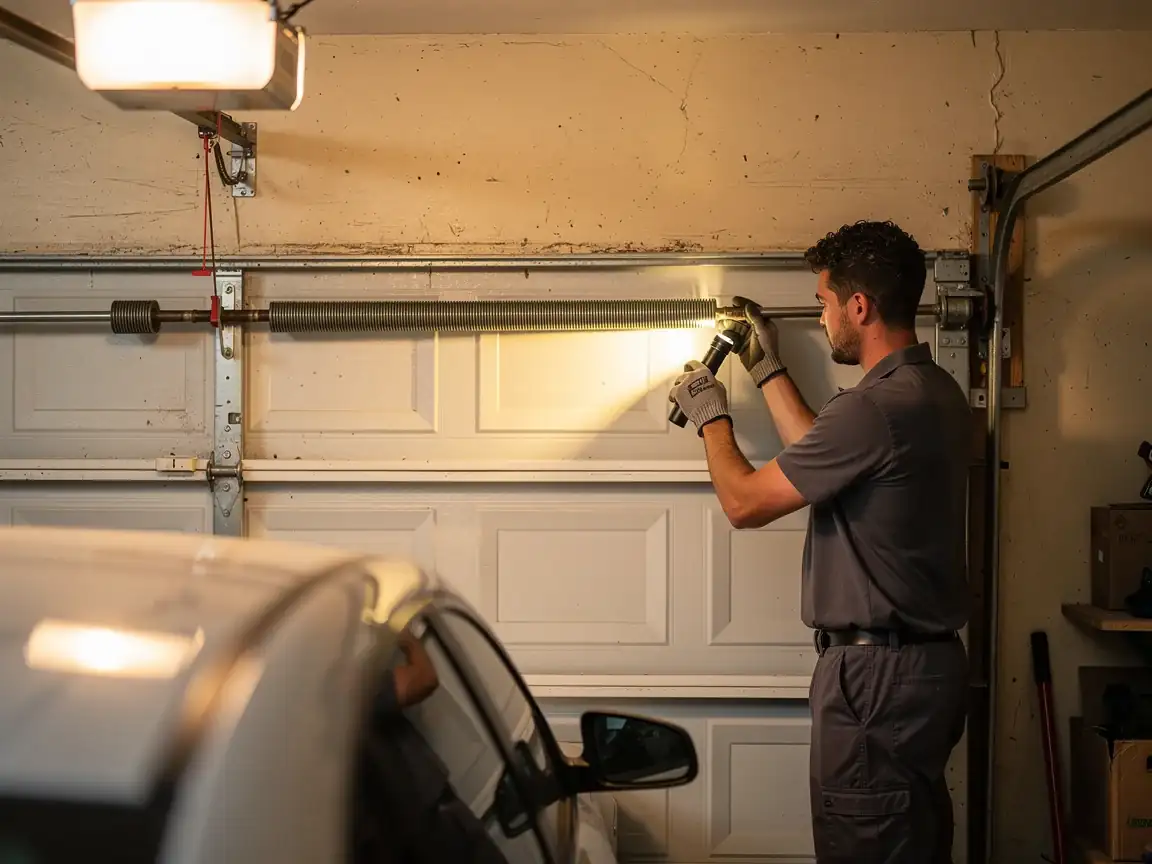
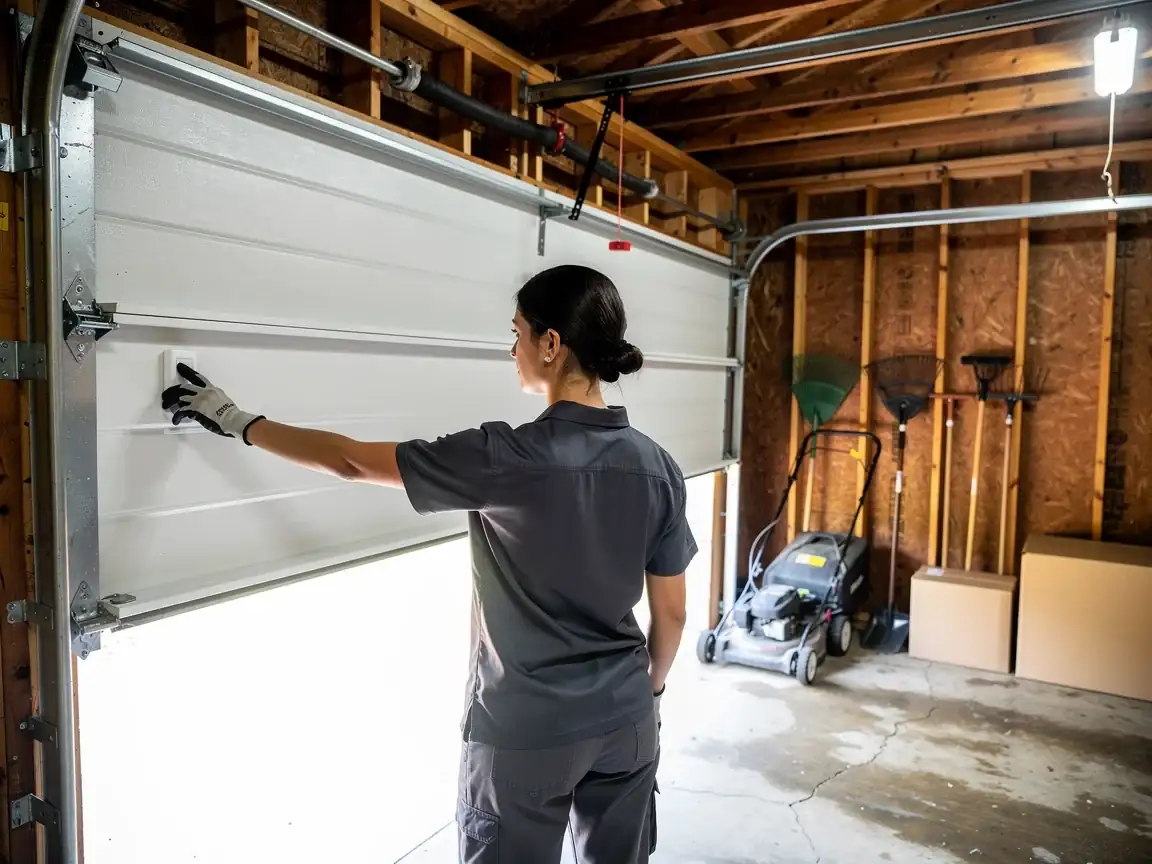
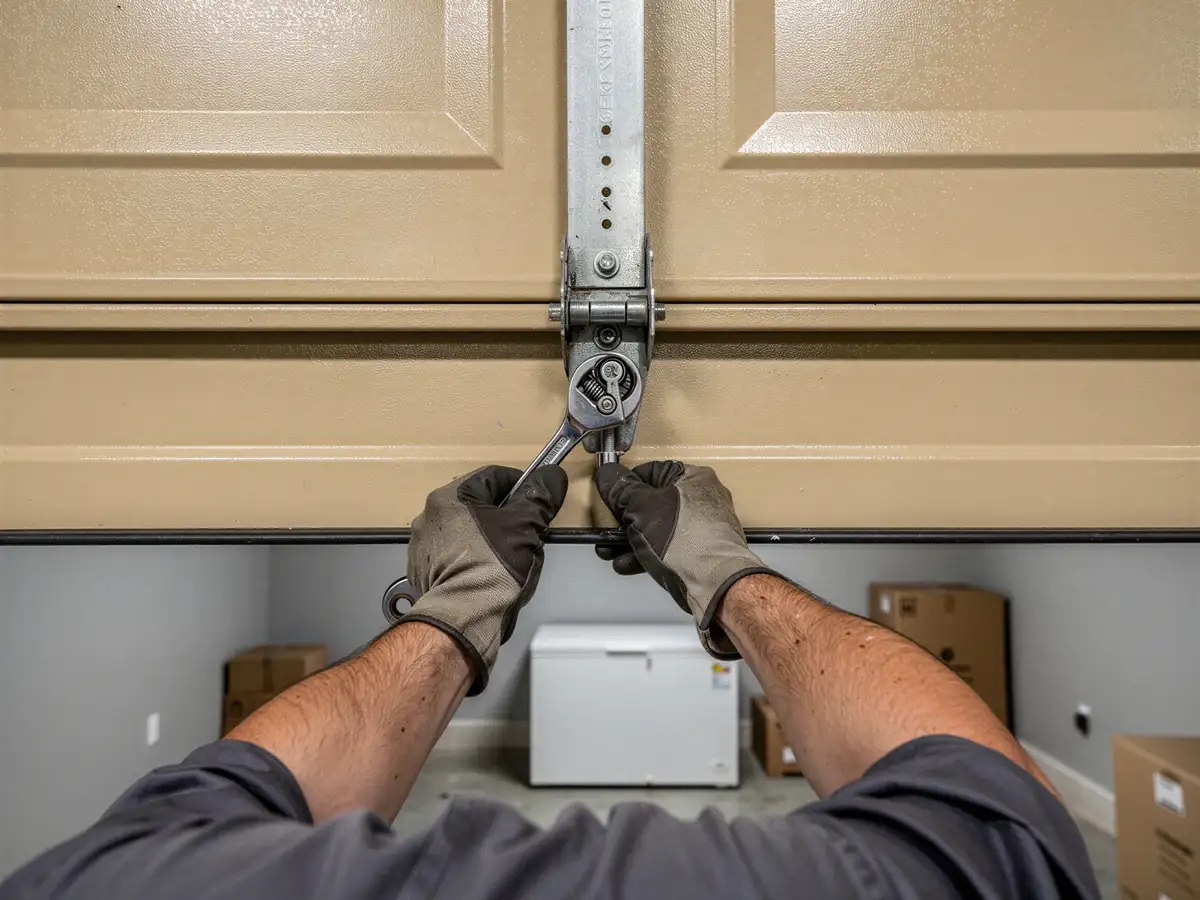
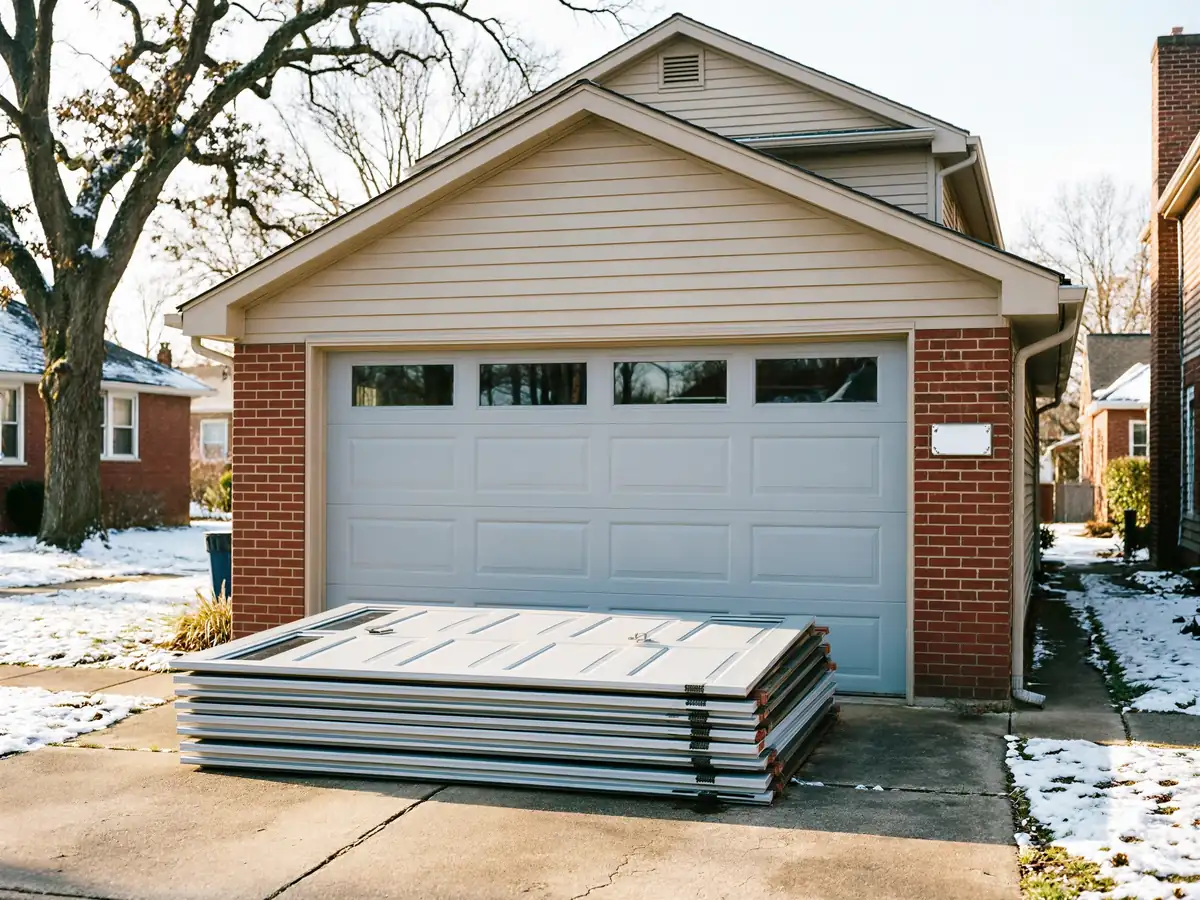
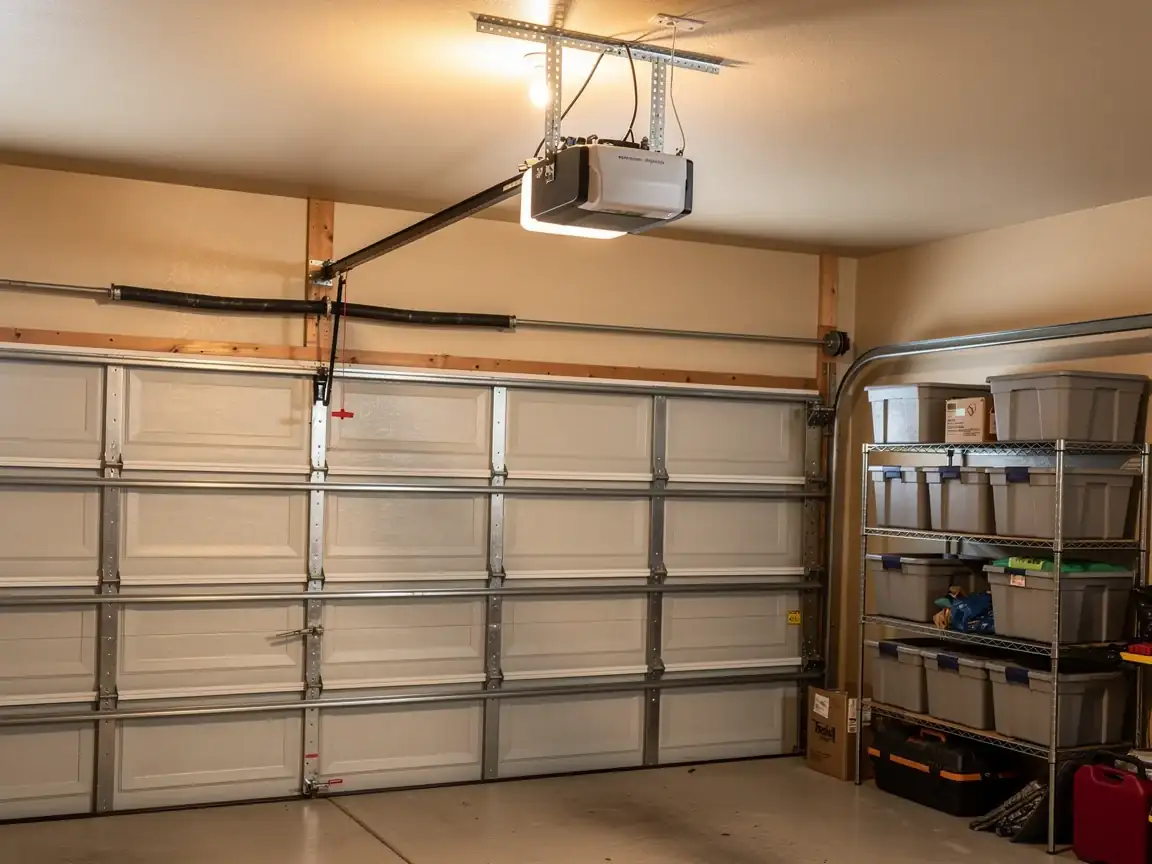
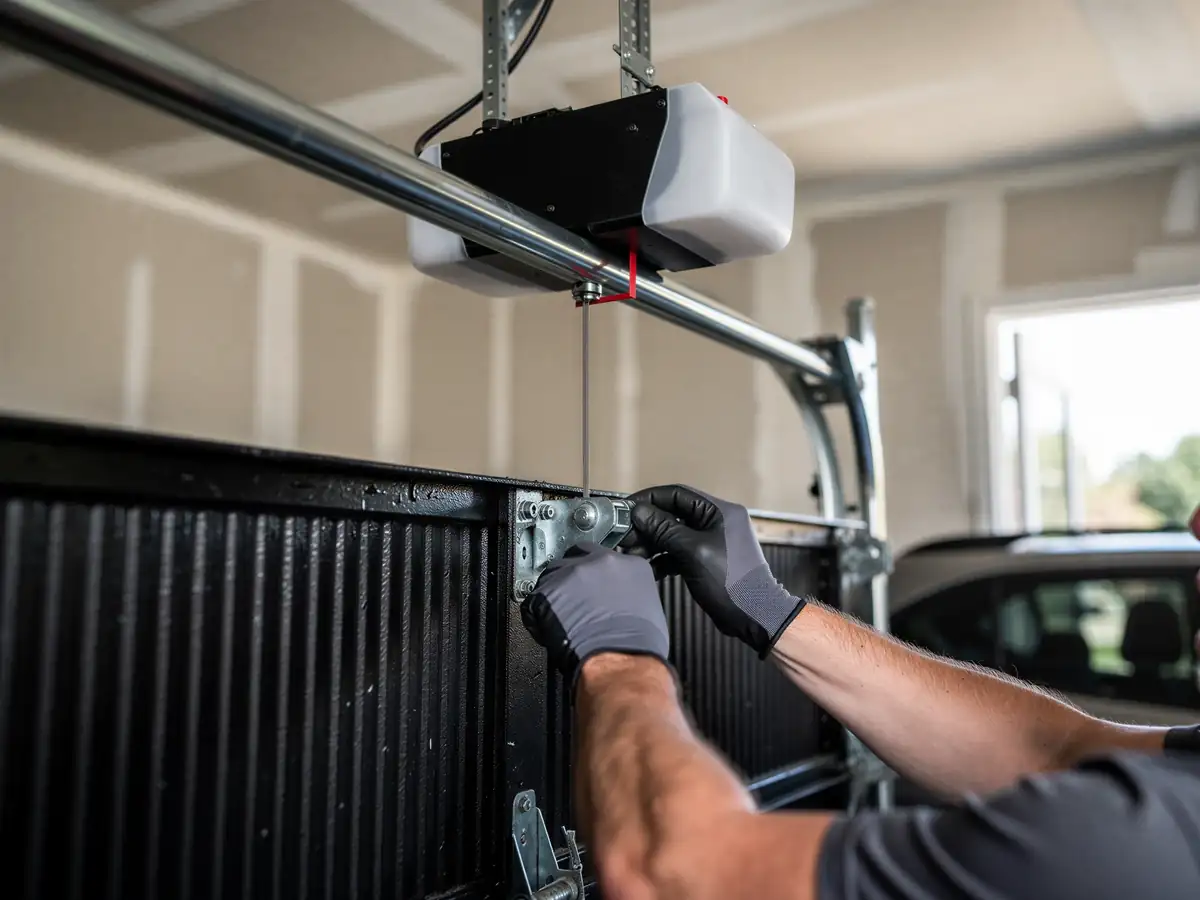
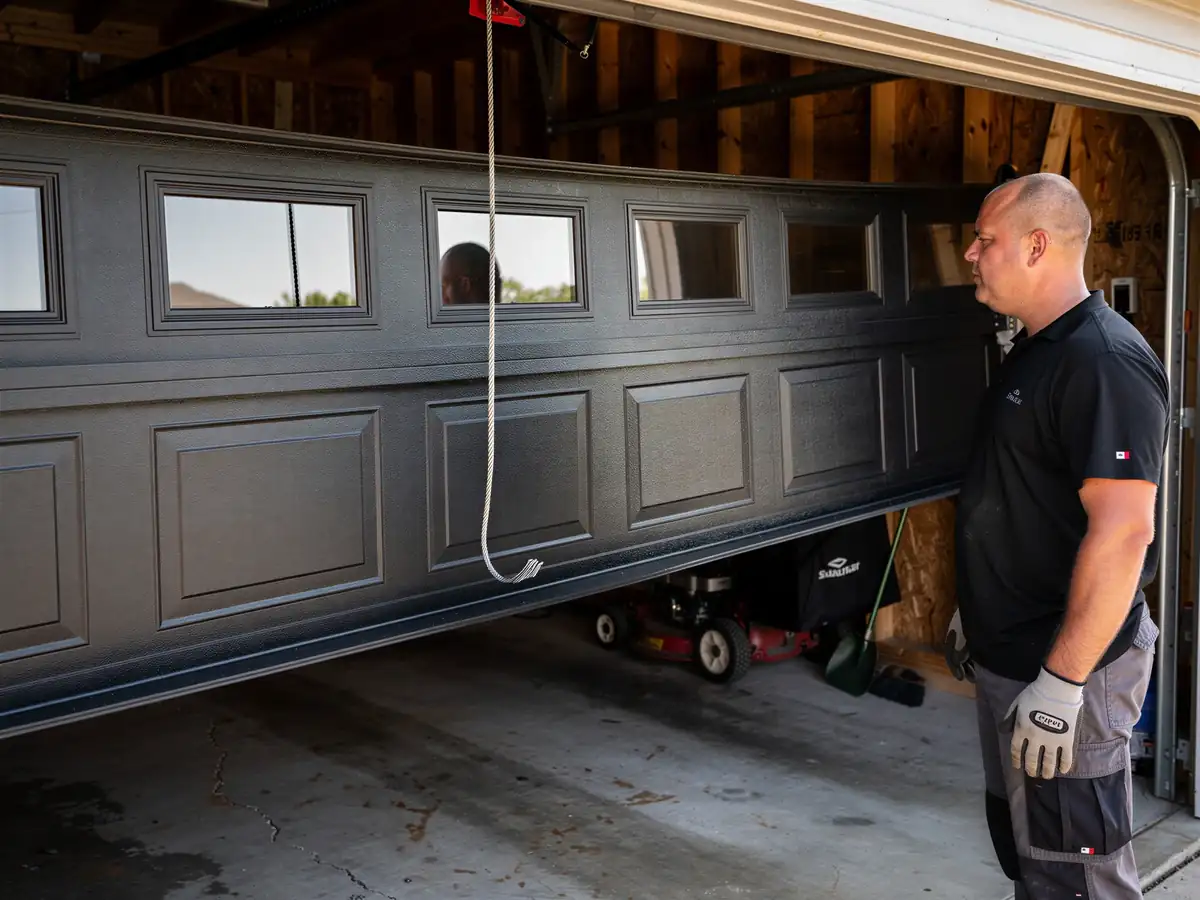
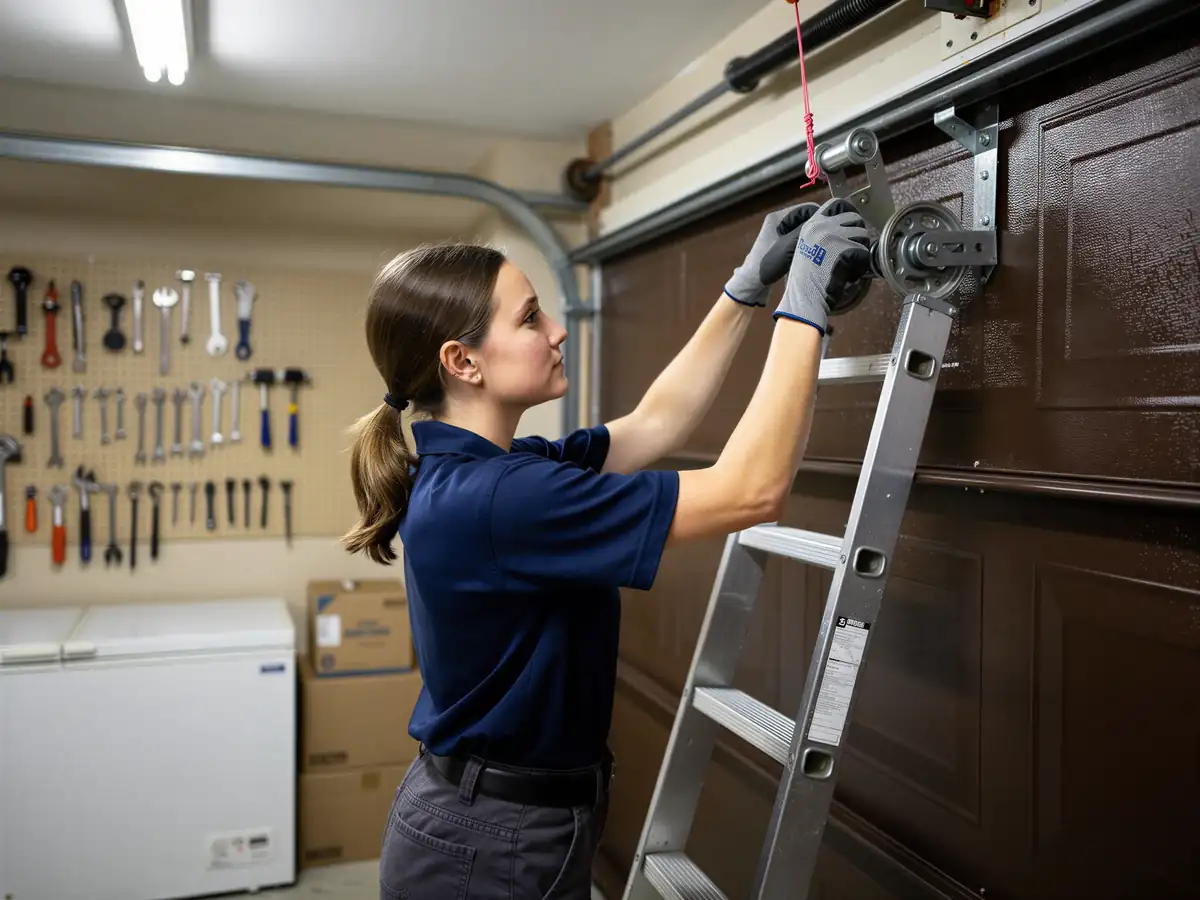
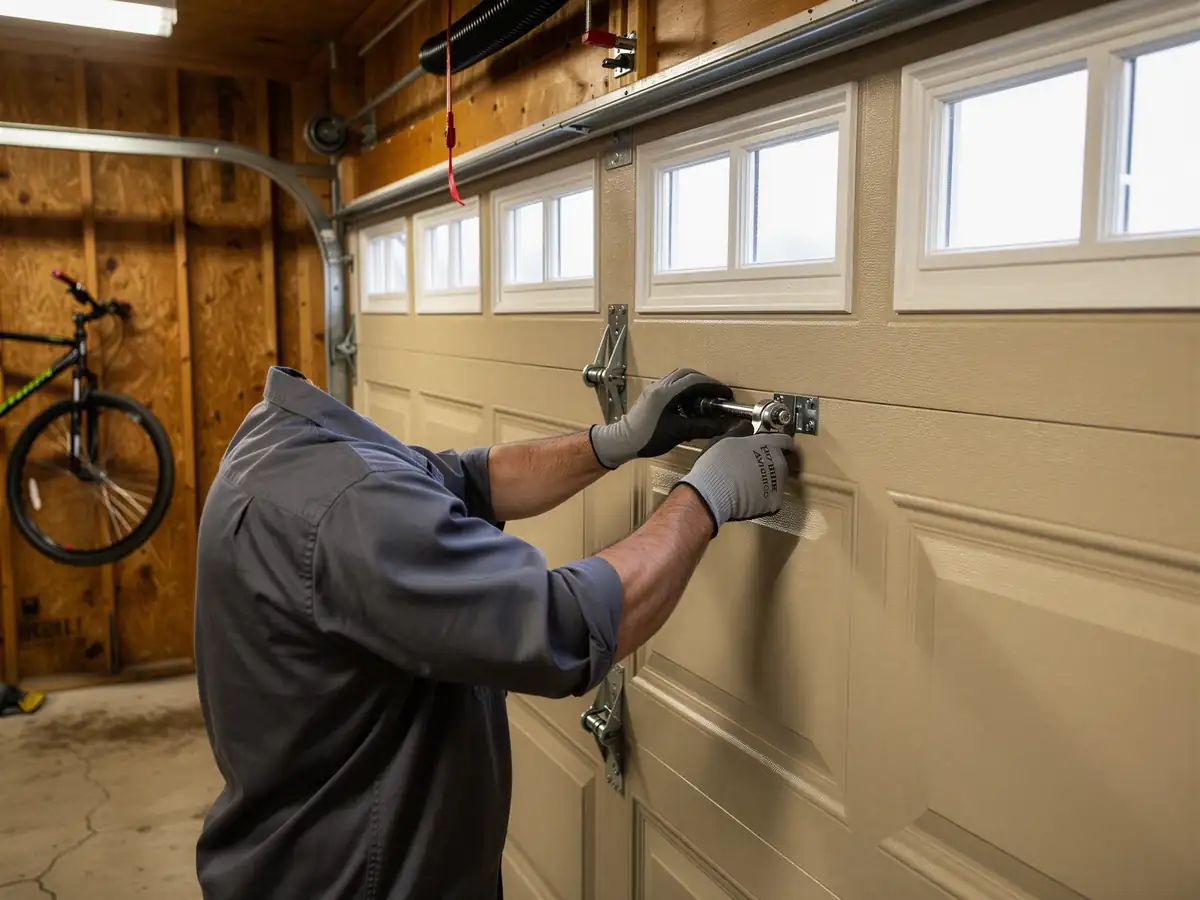
A 1978-era garage door setup usually means a sectional door on torsion spring hardware mounted above the opening, which is easier to service than the old side-mount coil springs on older one-piece doors, but it's not maintenance-free. Torsion springs from that era were sized for lighter doors than what's often installed as a replacement today, and we see broken springs and worn cables on these houses when a heavier insulated door goes in without an upgraded spring to match. Openers from that period, if original, are long past retirement - chain-drive units from the late 70s don't have the safety reversal sensors required on anything sold today. Washington's median household income of $91,360 runs well above the broader area figure, and we find that tracks with more owners choosing to replace a tired door outright rather than keep nursing along a 45-year-old slab and its hardware.