Where We Stop
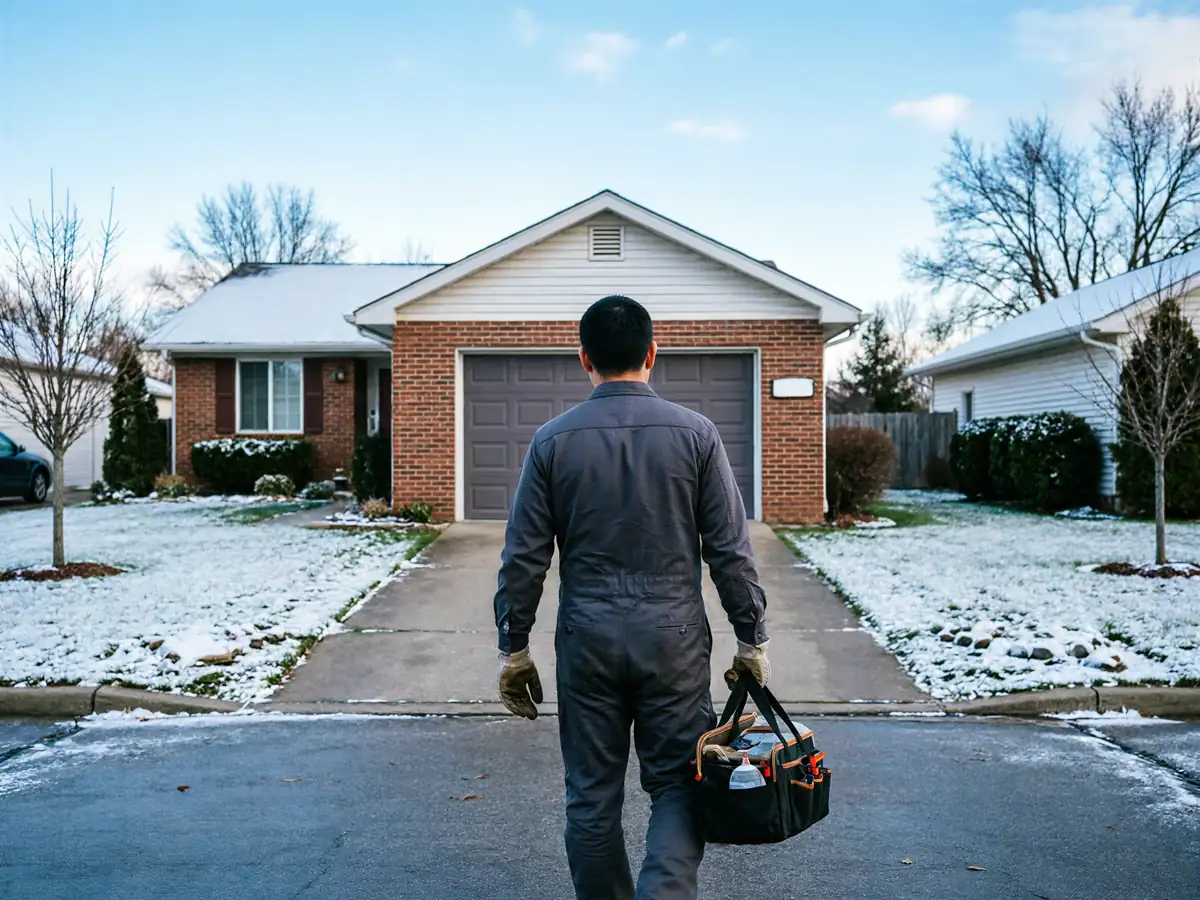
We run trucks out of Peoria, about 8 miles up the road, into Bartonville on a regular basis
This isn't a satellite office or a drop-in depot - there's no building here with our name on it. It's a stop on the route, same as West Peoria four miles out or Bellevue five miles out. What that means for you is simple: we show up with the parts and the hardware knowledge this particular stretch of houses actually needs, because we've already thought about what's different here before the truck leaves the shop.
- 8 miles
Bartonville sits close enough that a same-day call isn't unusual
But we're not going to promise a window we can't back up with a fact. What we can tell you is that the drive doesn't change what we carry - springs, cables, rollers, and openers sized for the housing stock that's actually on the ground in this area, not some citywide average.
Old Streets and New Ones
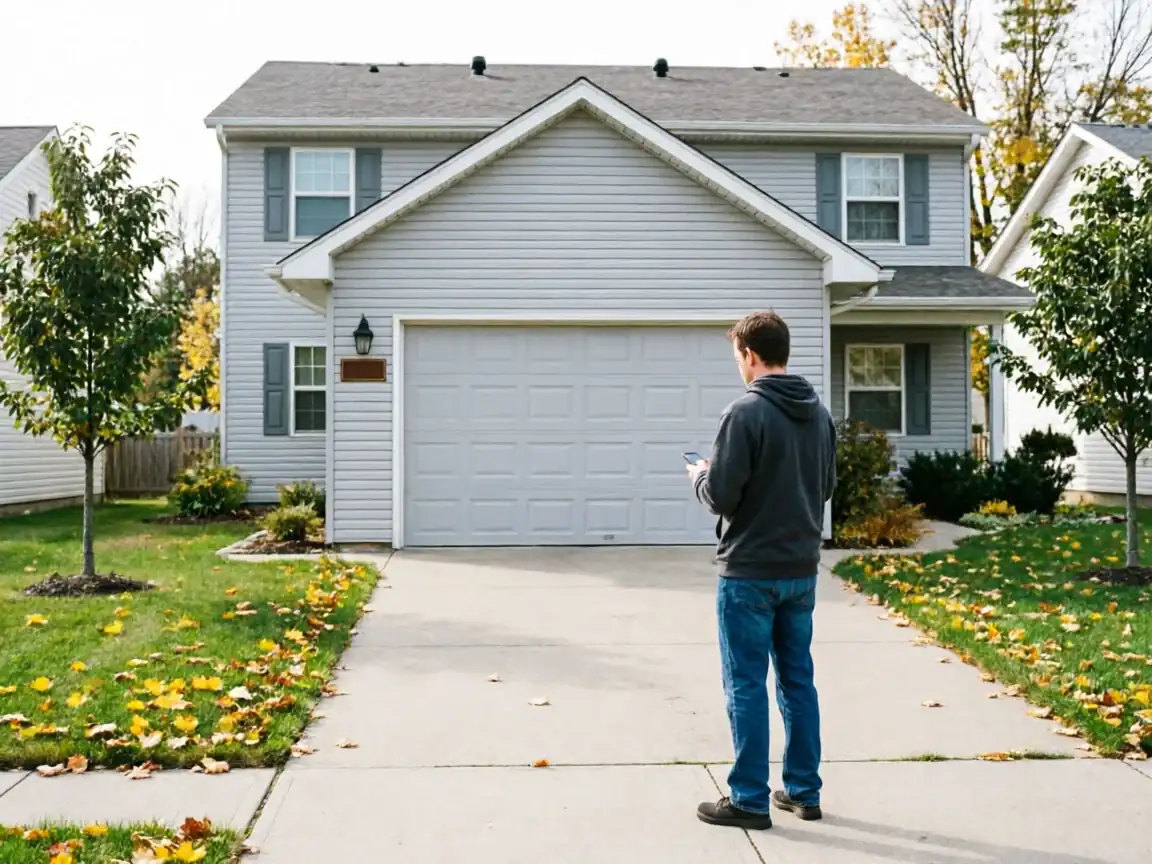
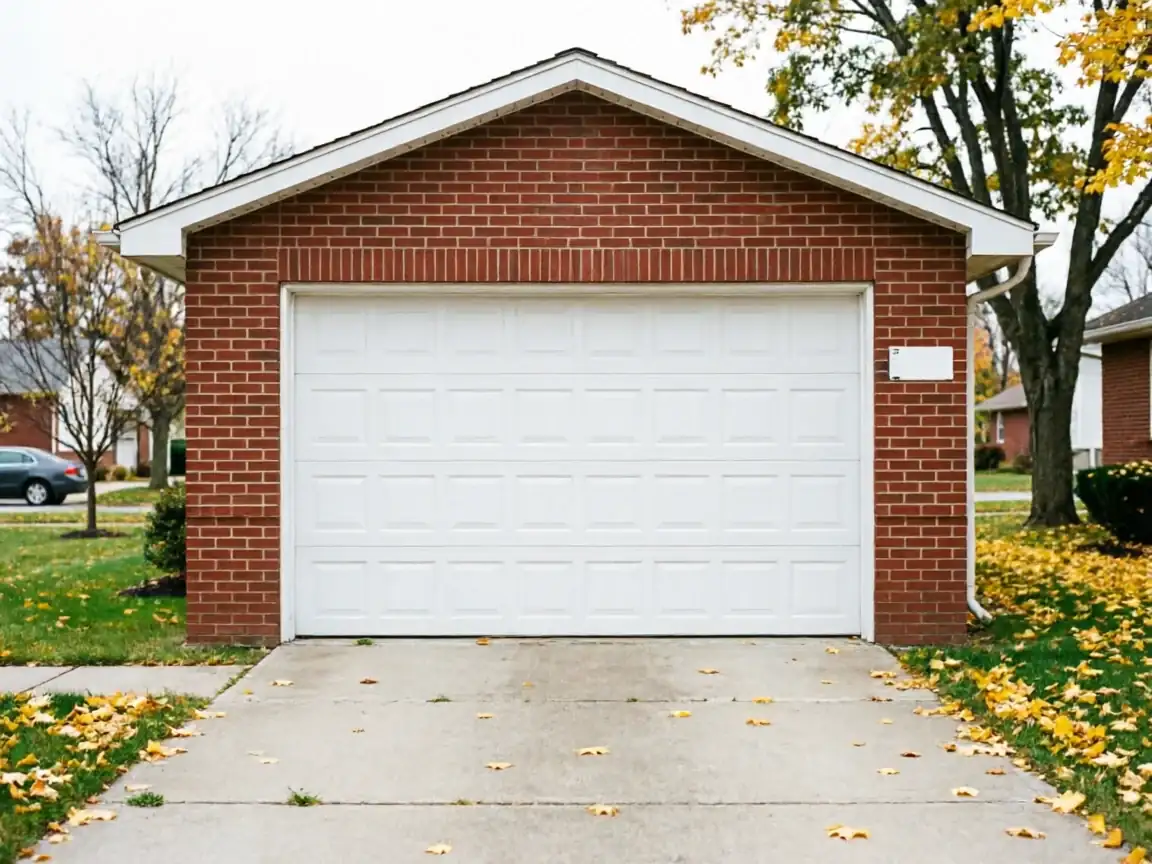
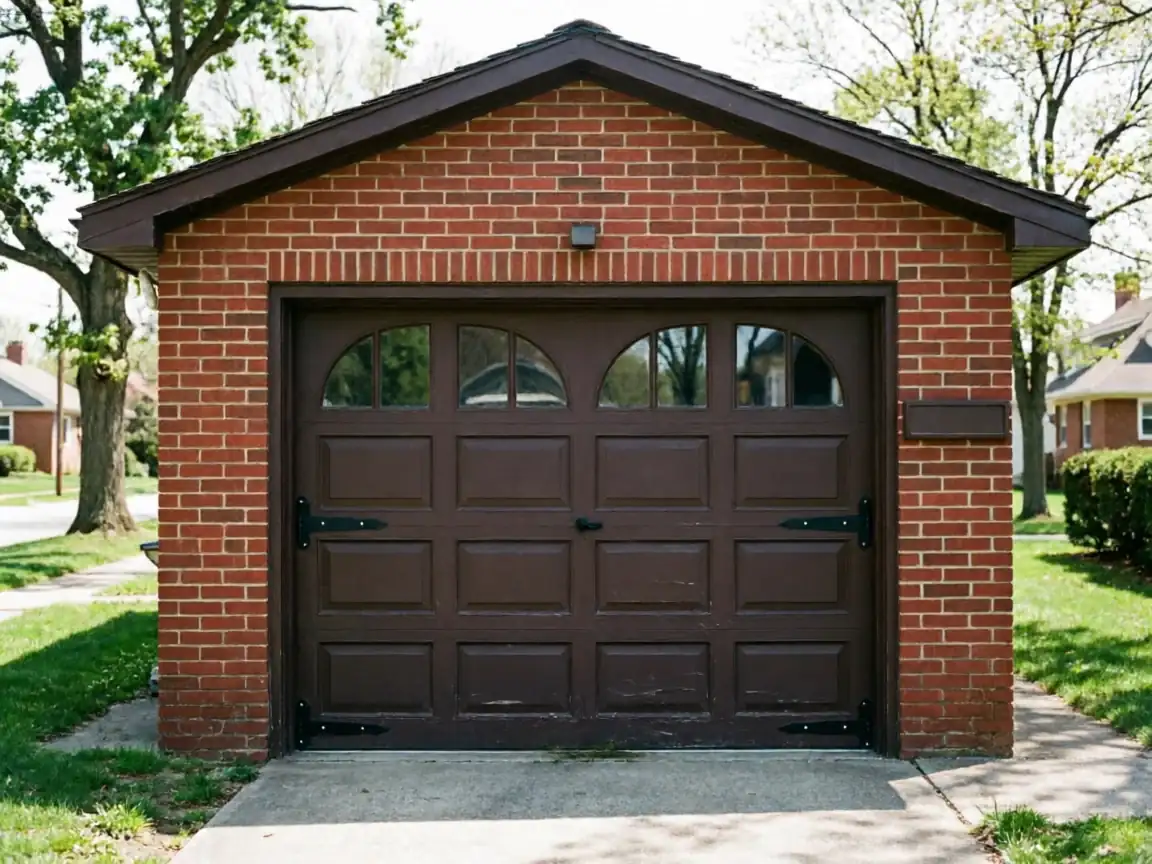
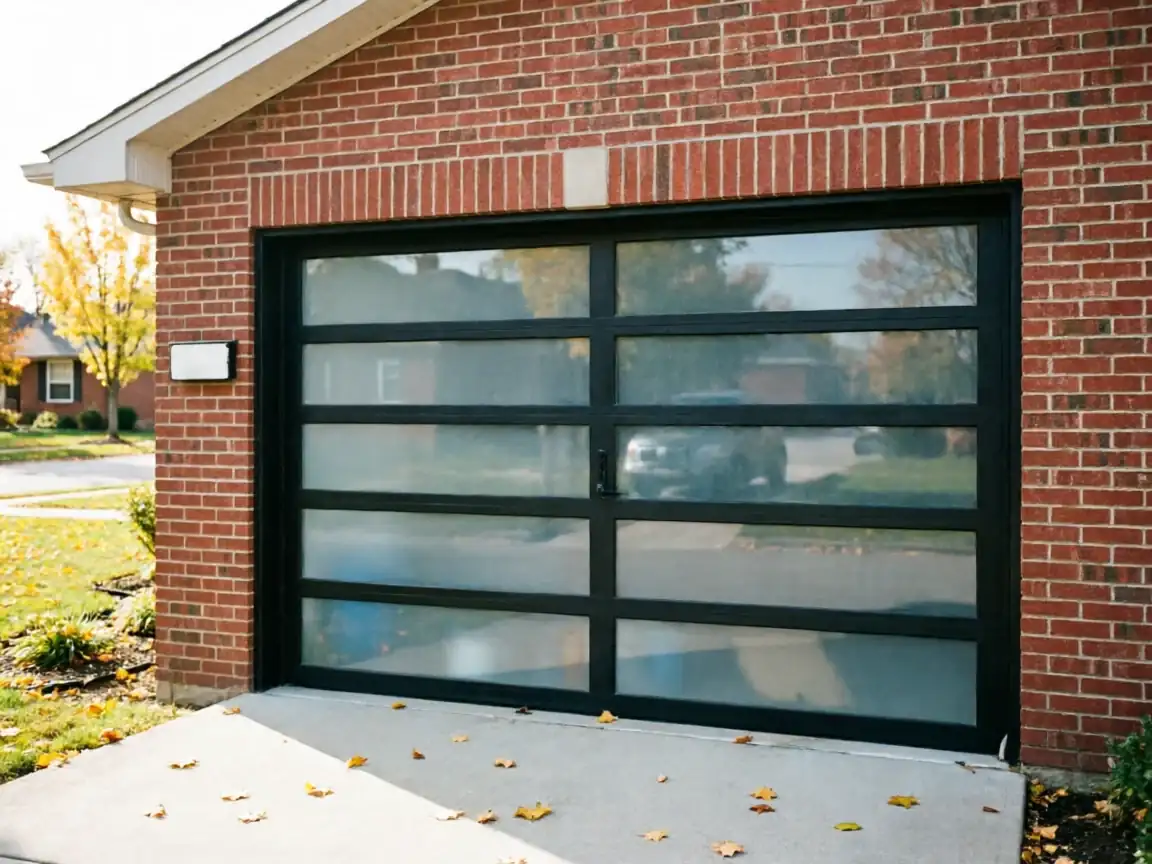
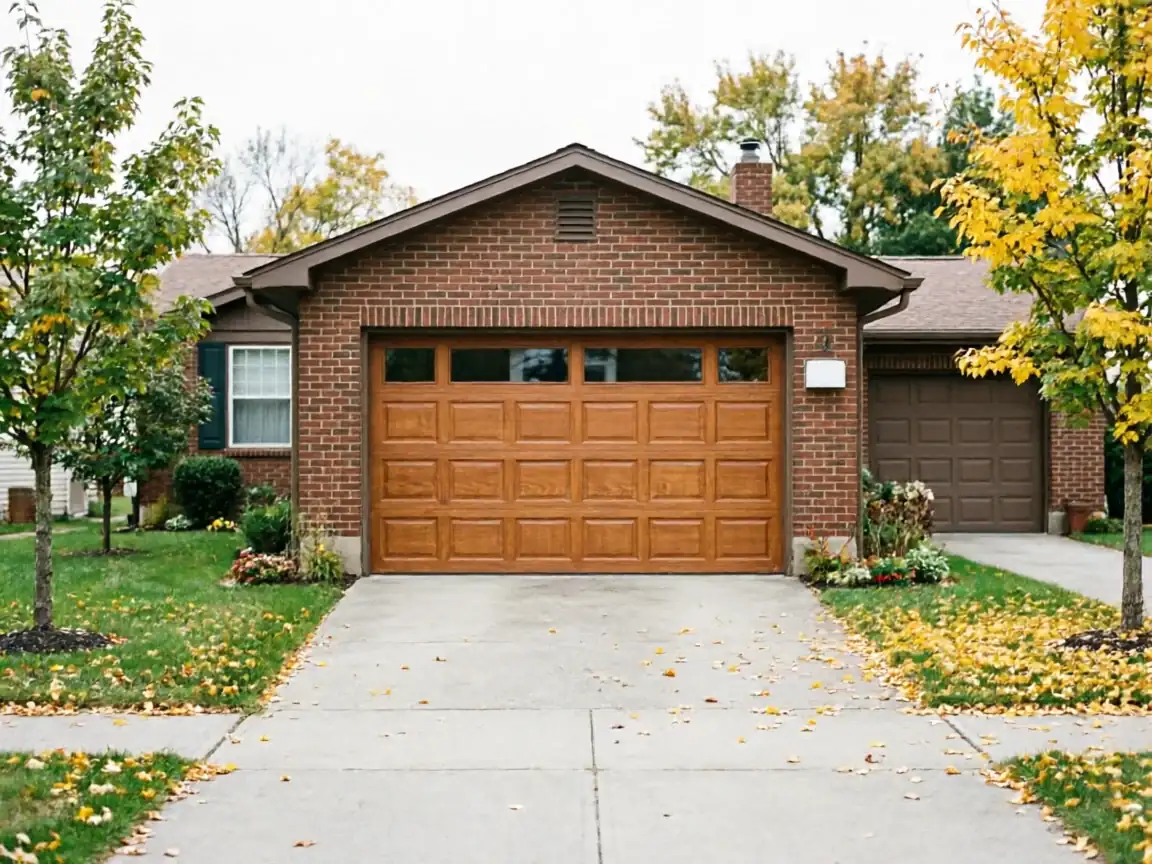
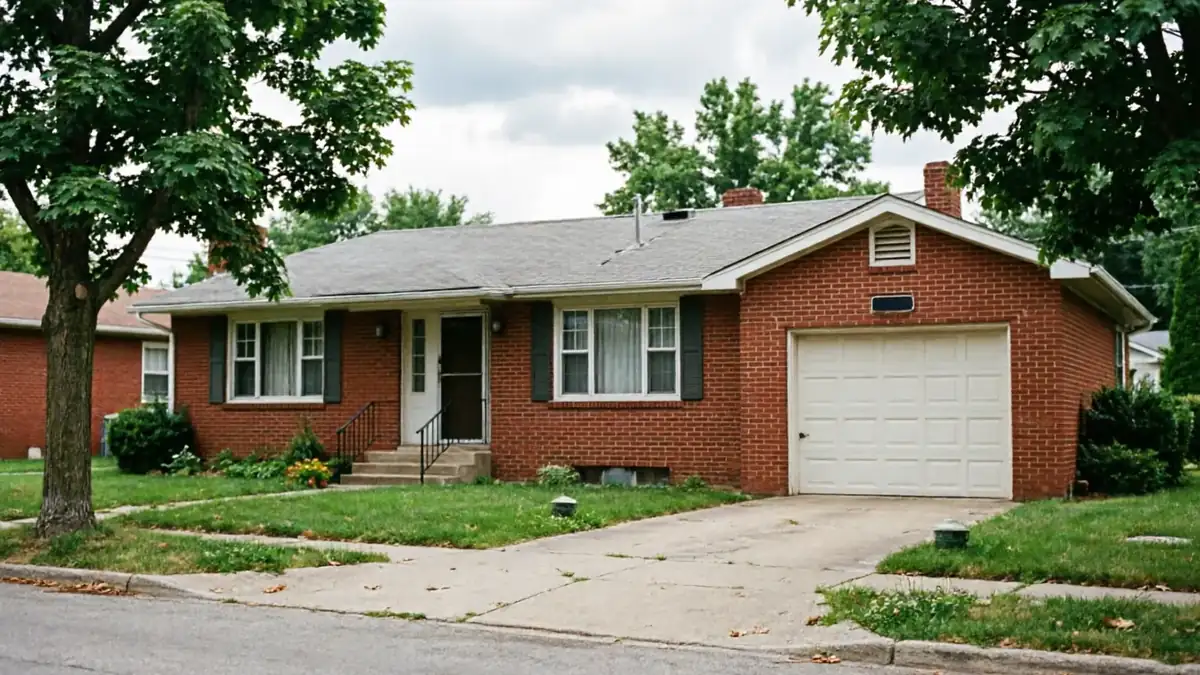
The median home in Bartonville was built around 1956 - a good eight years earlier than the median across the wider Peoria service area, which lands closer to 1964. That's not a trivia point. A house built in the mid-1950s was framed and wired for a garage door that looked nothing like what's sold today, and a lot of those openings never got widened when owners swapped doors over the decades.
Across the broader area you'll find pockets that run newer - stock stretching as late as 2002 in some of the 26 named communities we cover - but Bartonville skews toward the older end. With roughly 2,616 households here, and a median income of $67,674, this isn't a town where people are tearing out garages to rebuild from scratch. Most jobs are repair or like-for-like replacement on openings that have been there since Eisenhower.
What That Means for Doors
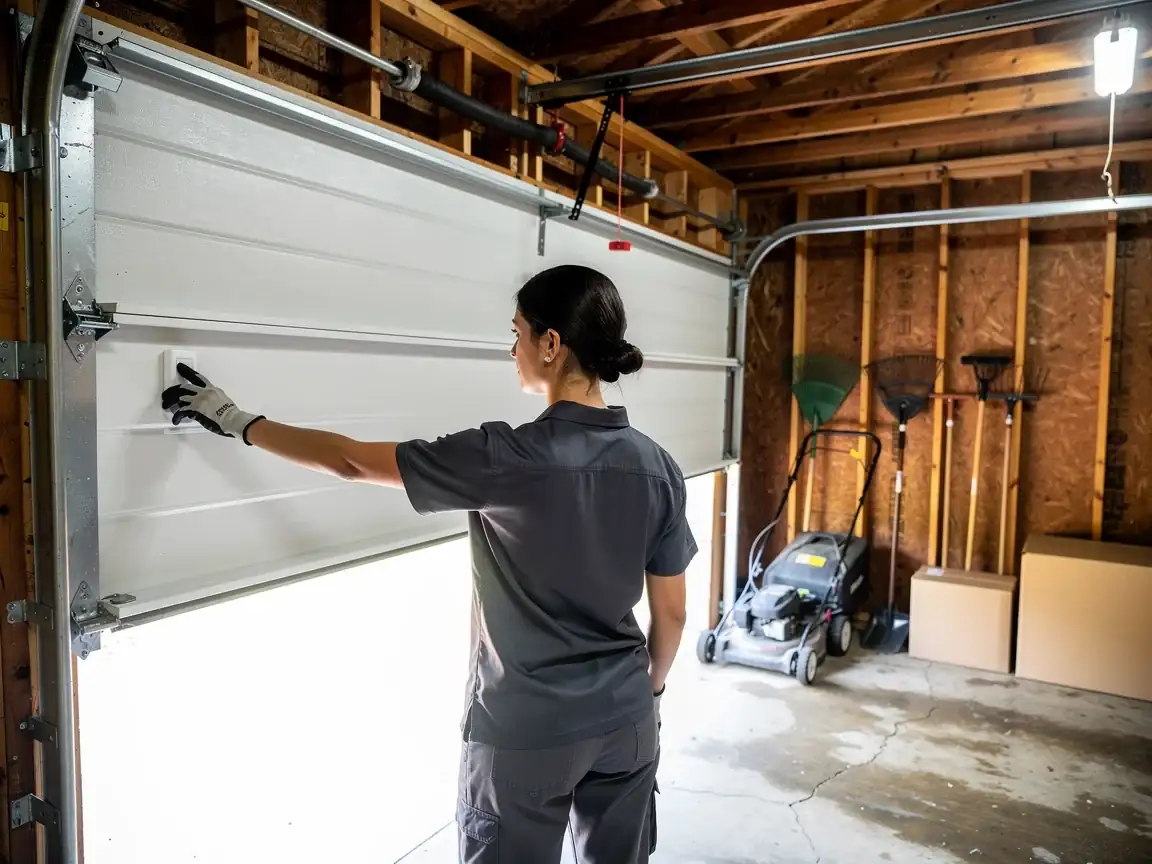
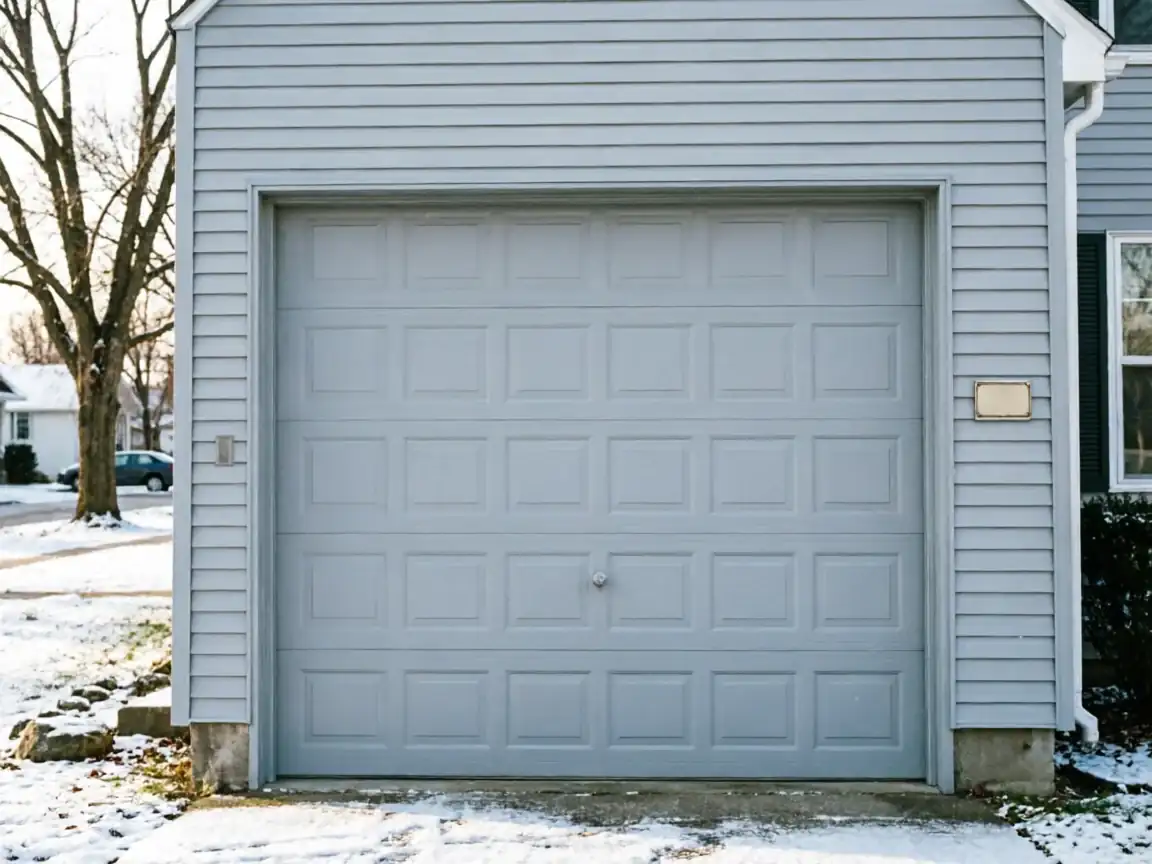
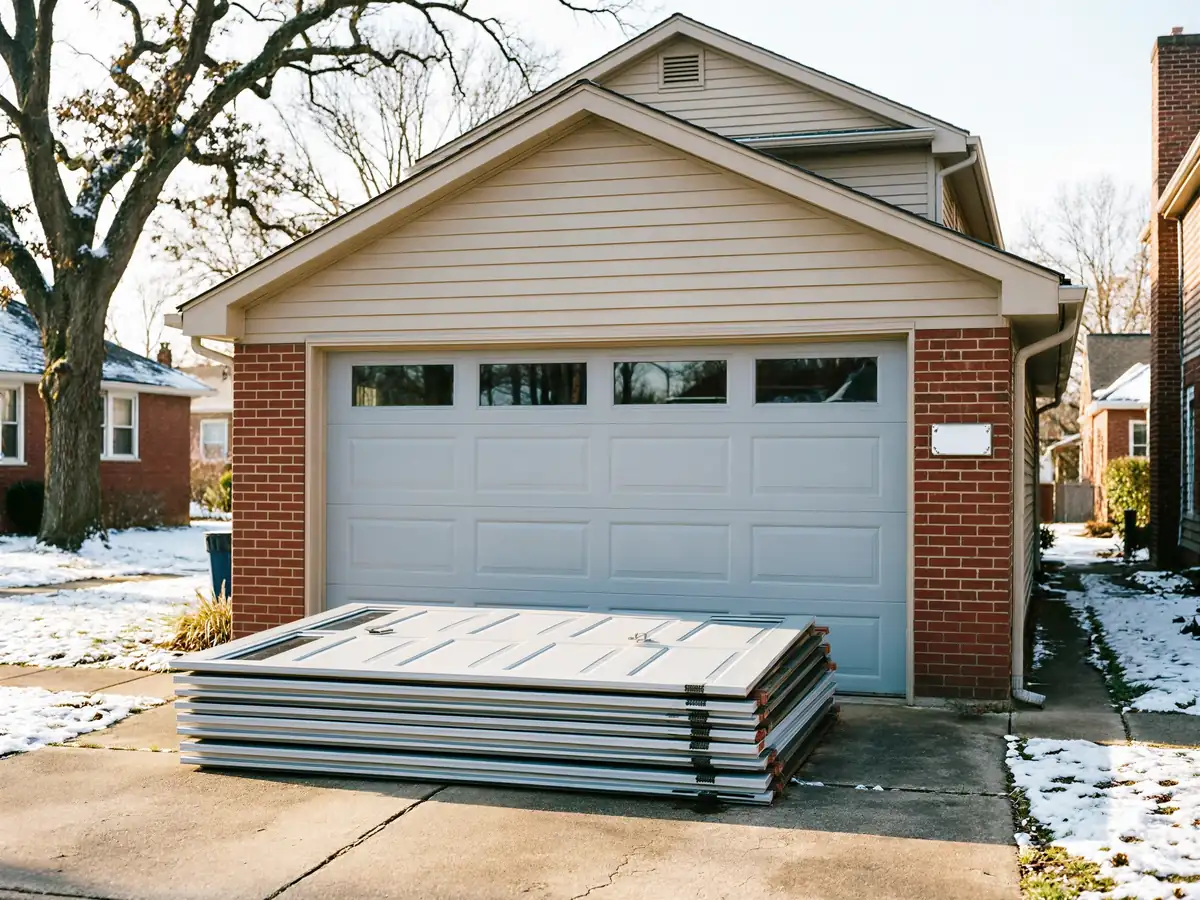
A door frame built in 1956 usually means a narrower standard opening than what you'd spec new construction today, plus hardware that was never meant to hold a heavier insulated panel. We see a lot of single-layer steel doors from an era when nobody was thinking about an R-value, hung on track that's been re-shimmed more than once.
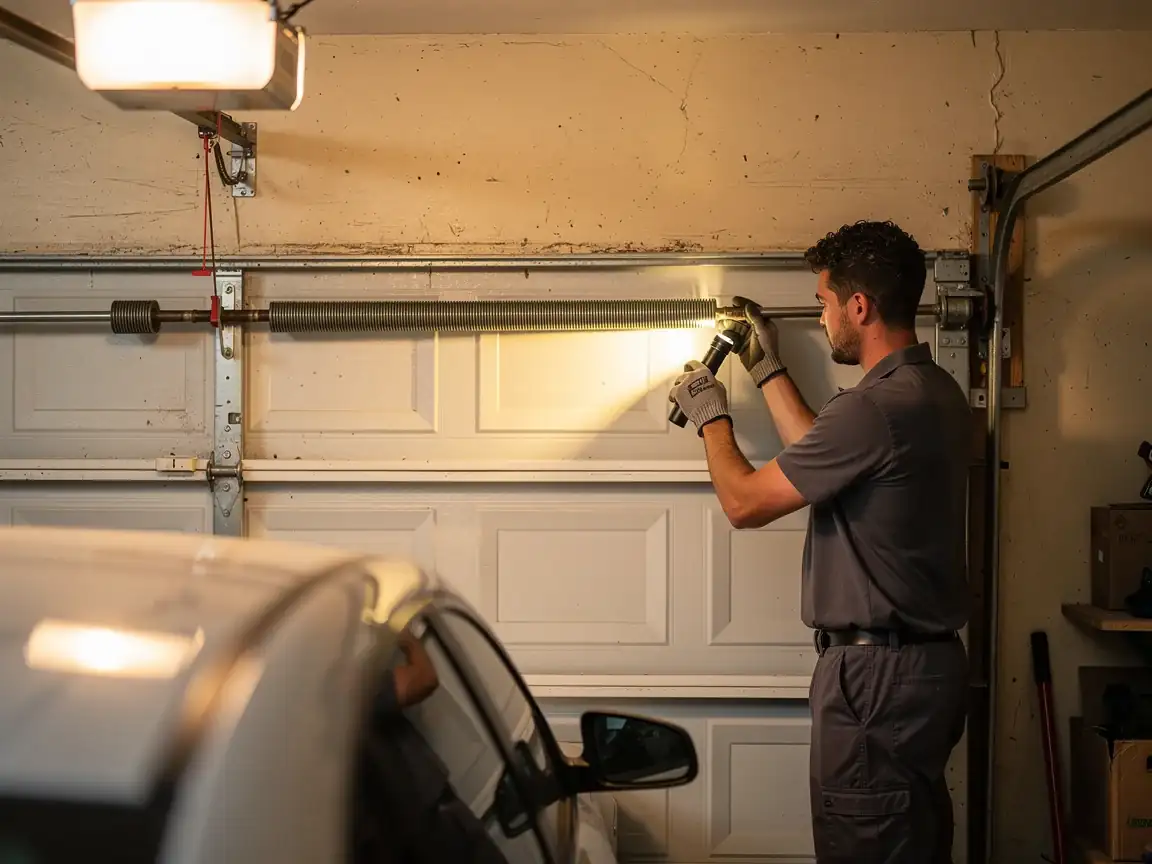
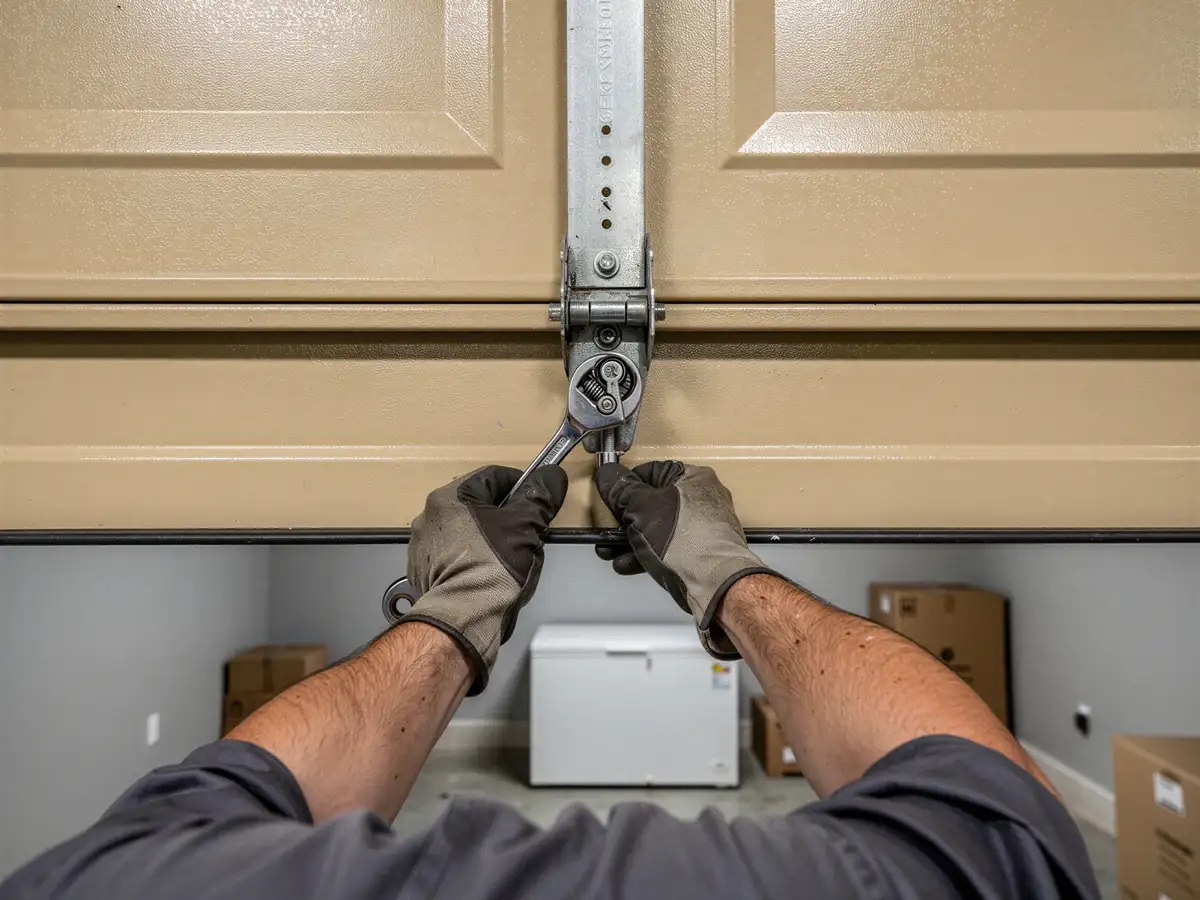
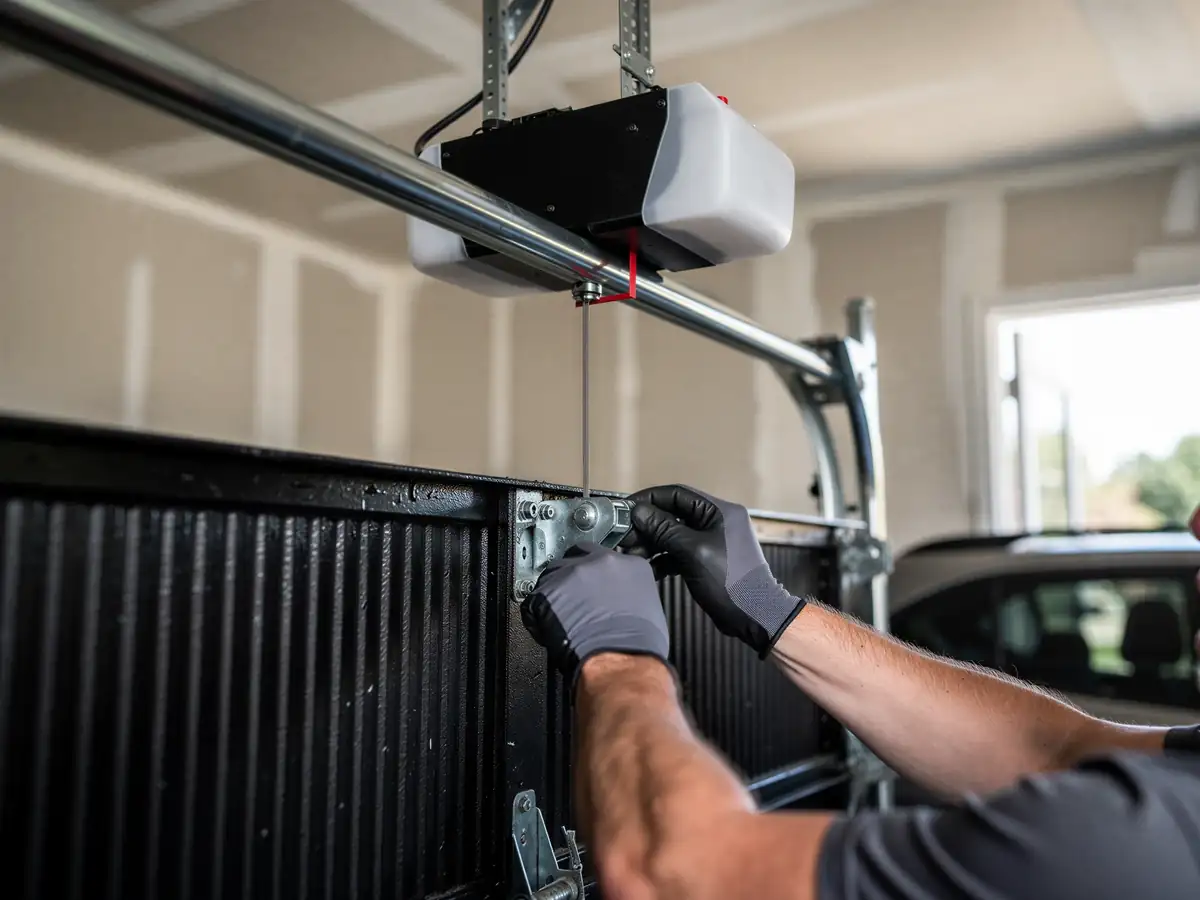
The region sits in a cold, moderate climate band, which matters more on a house this age than on something built in the 2000s with tighter seals and better weatherstripping from the factory. Old bottom seals on a 1950s-era door let more cold air and water through, and that extra moisture cycling in freeze-thaw weather is what chews through cables and corrodes springs faster than it should. If your door is original to the house, the spring on it has probably already outlived its rated cycle count - we're just the ones who get the call when it finally lets go.
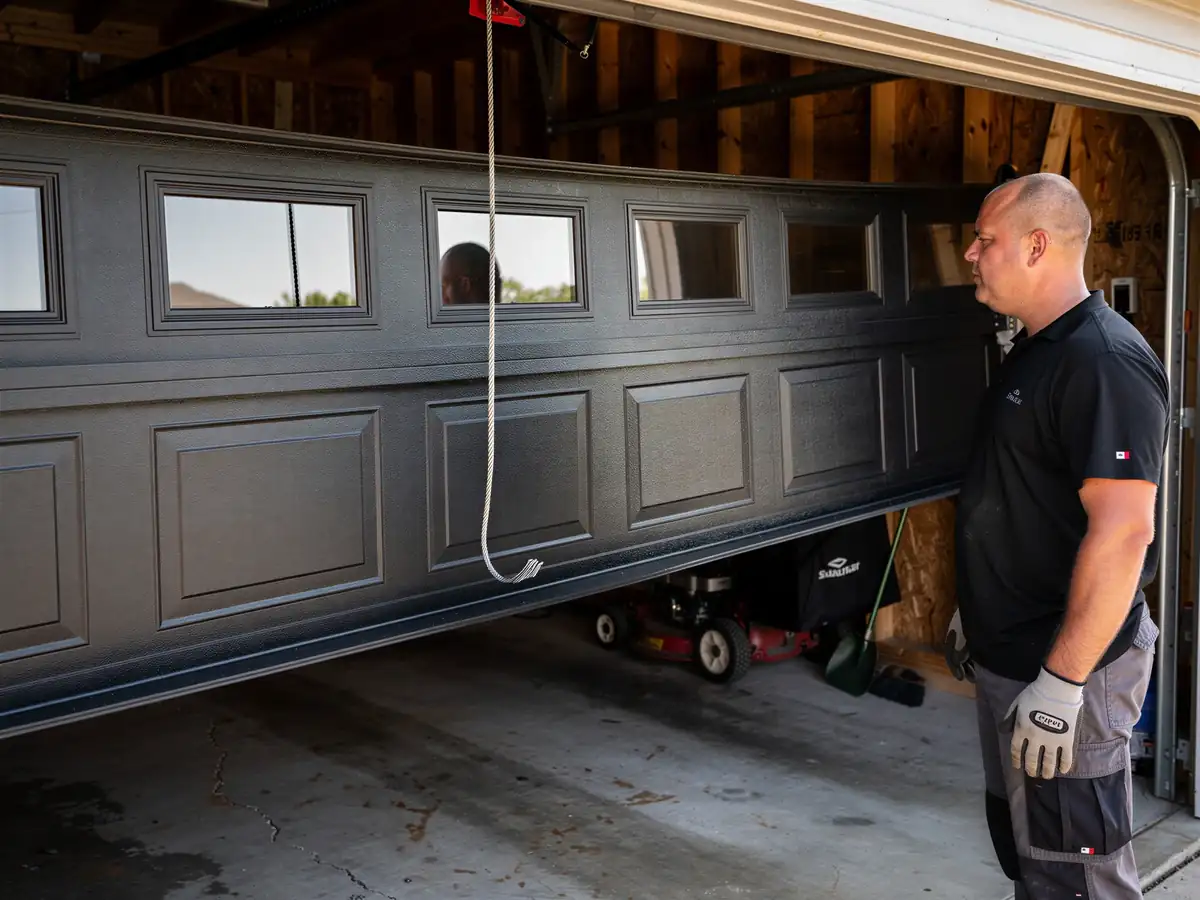
One honest limitation: if the opening itself is out of square from decades of settling, a new door off the shelf won't just drop in. That's a carpentry problem before it's a garage door problem, and we'll tell you straight if that's what you're looking at instead of pretending a panel swap fixes it.
This Area's Housing
With about 2,616 households and a median income of $67,674
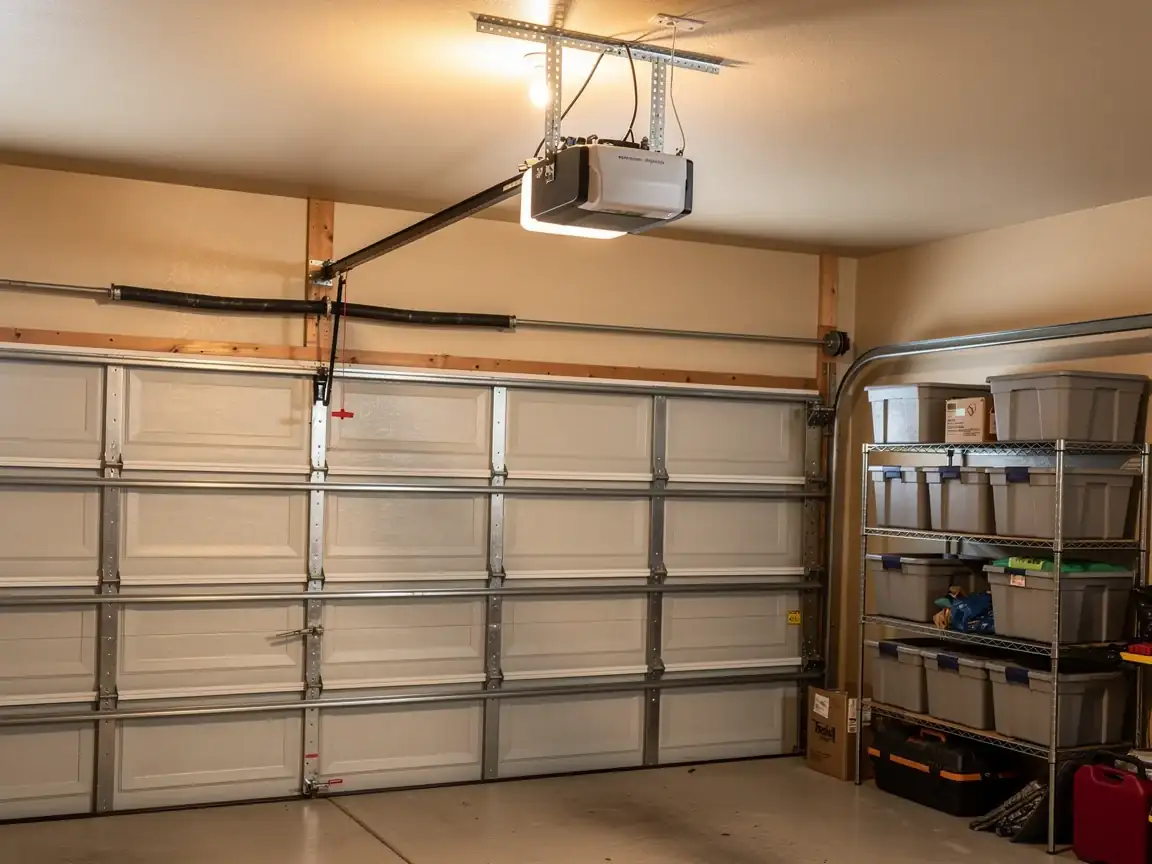
Bartonville isn't flush with money for garage renovations that aren't necessary, and most of the calls we get here are fix-it, not replace-it. That tracks with the age of the stock - 1956 median build year means a lot of original torsion setups, single-car openings, and openers that have been swapped once, maybe twice, since the house was built.
- 2,616 households
- $67,674 median household income
Compare that to somewhere like Dunlap or Germantown Hills, seven and eight miles out respectively
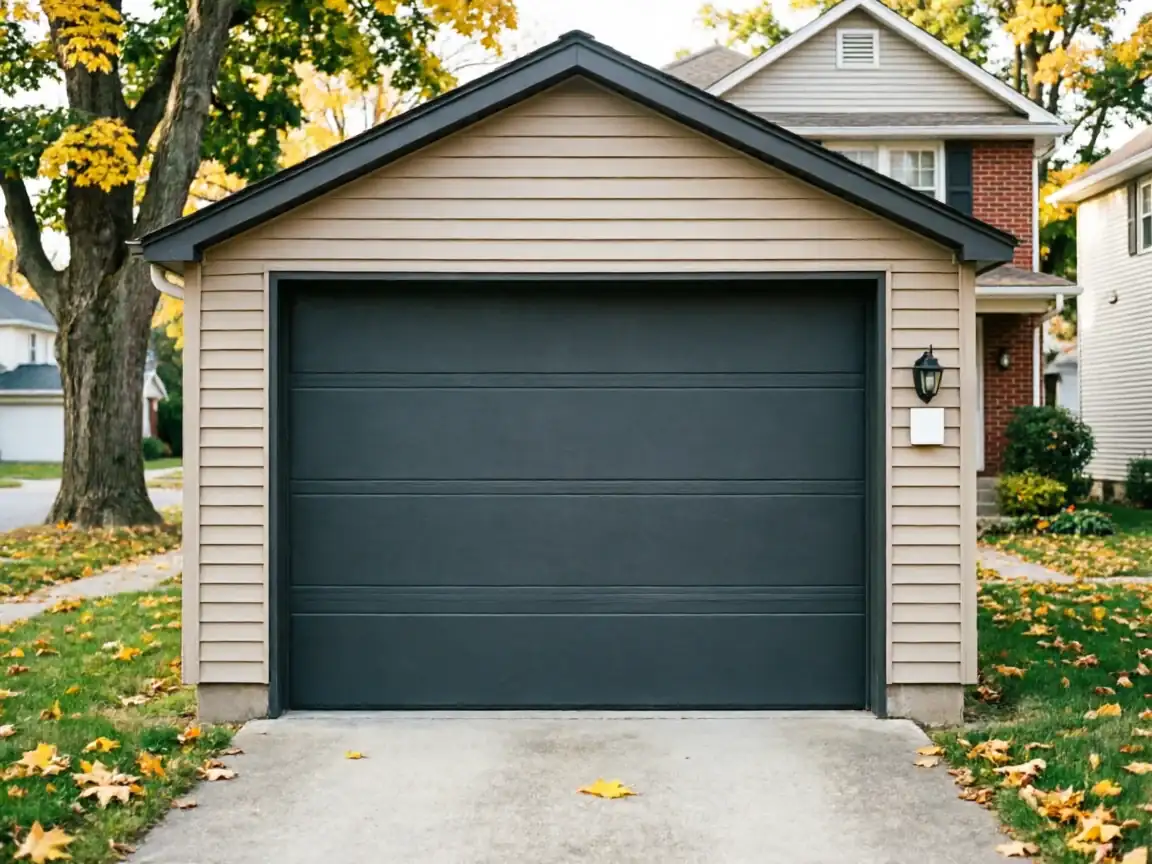
Where newer construction means wider openings and more double-door garages built for two vehicles from the start. Bartonville's older, narrower stock calls for a different parts bin - shorter springs, narrower track, hardware sized for a smaller door. We stock for that difference, not just for whatever's most common citywide.