Old Streets and New Ones
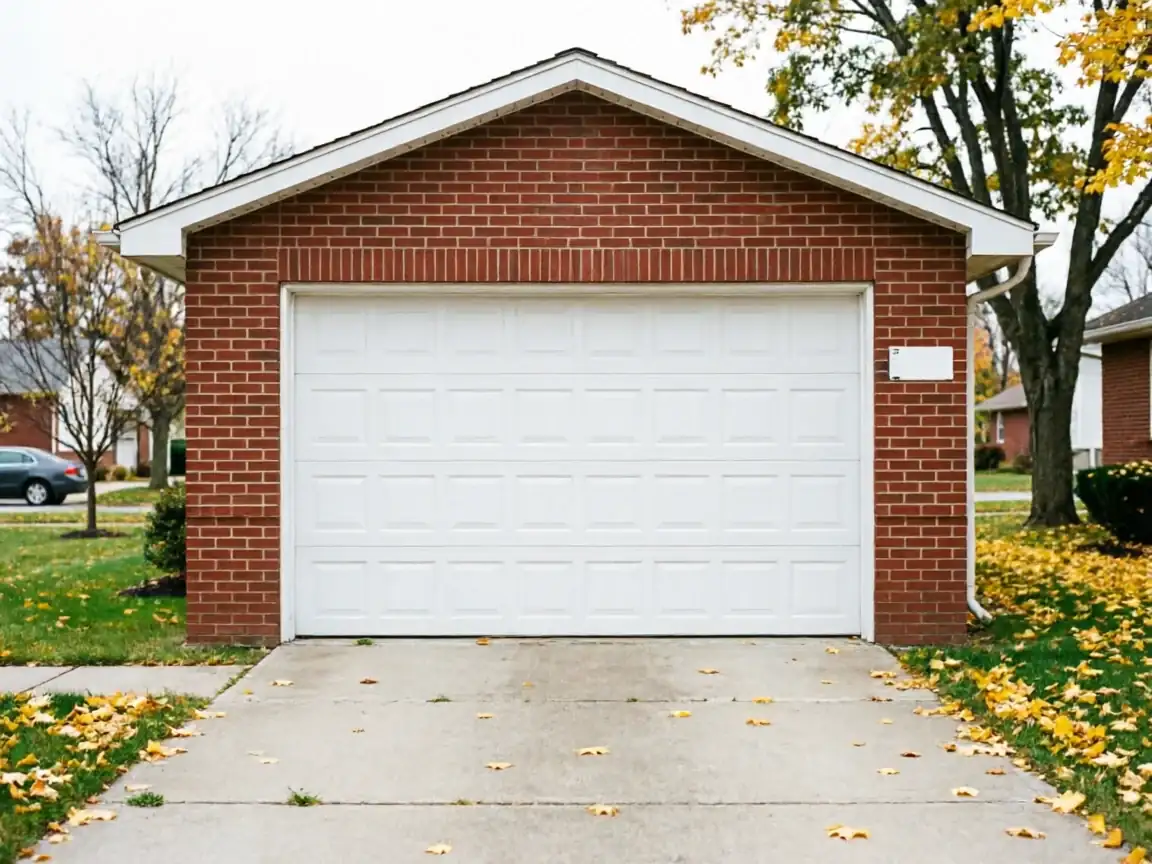
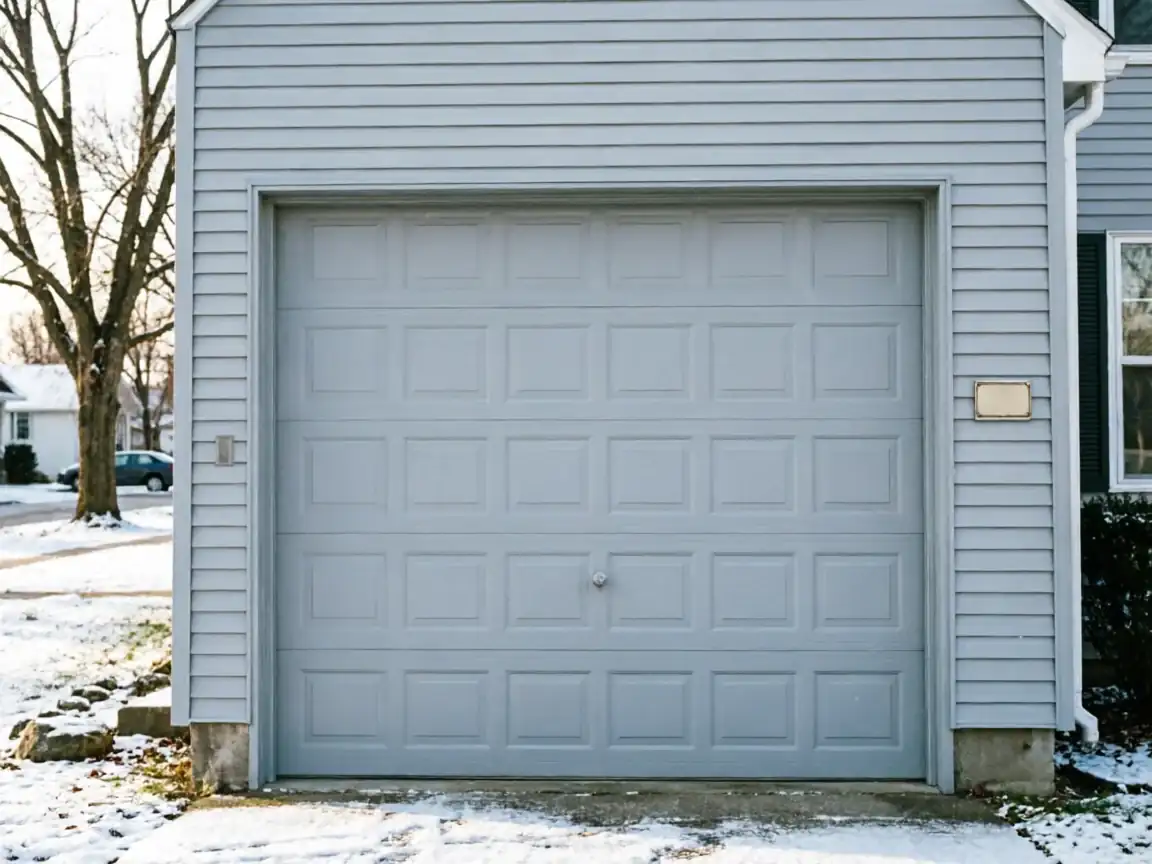
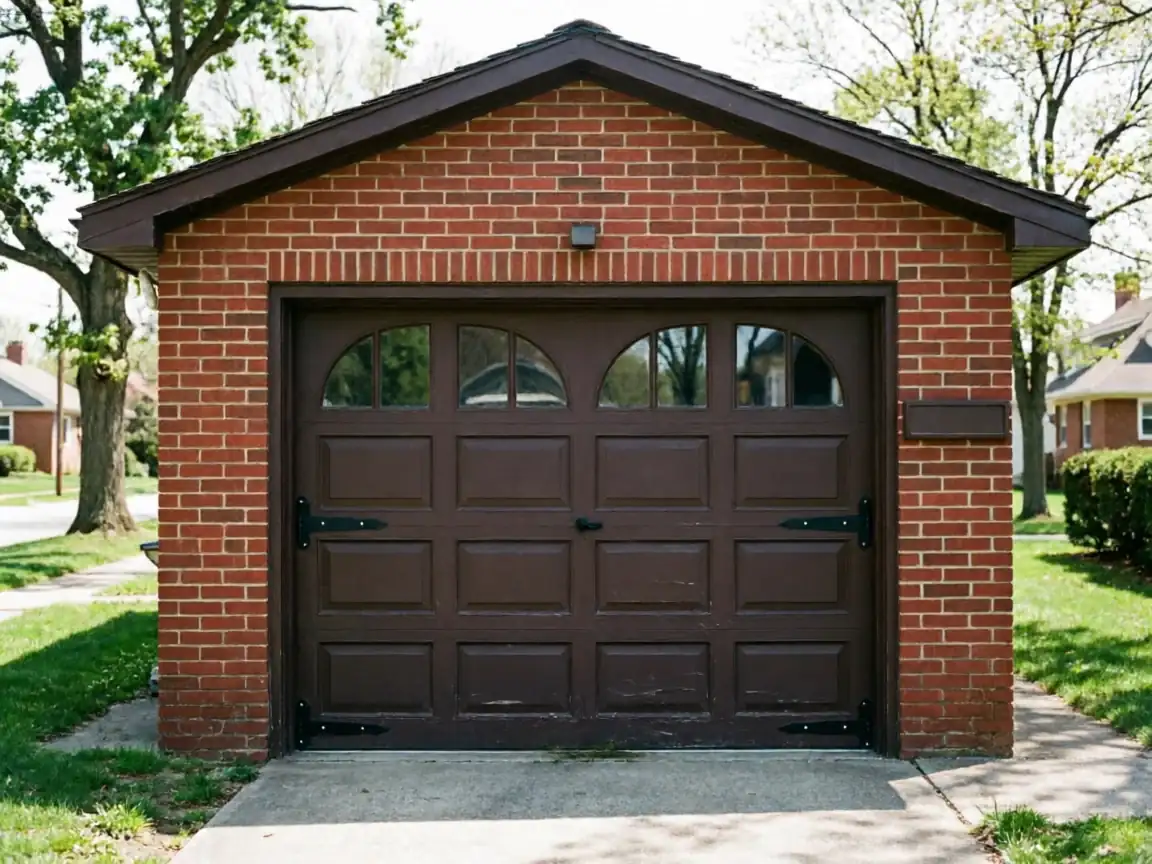
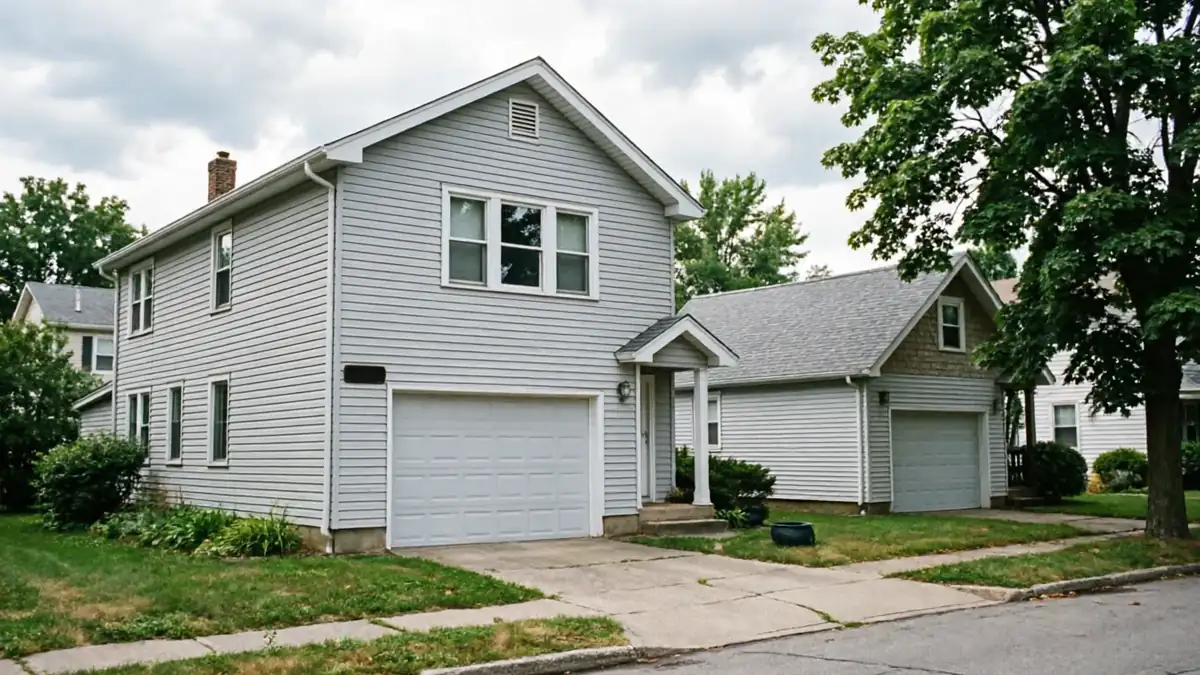
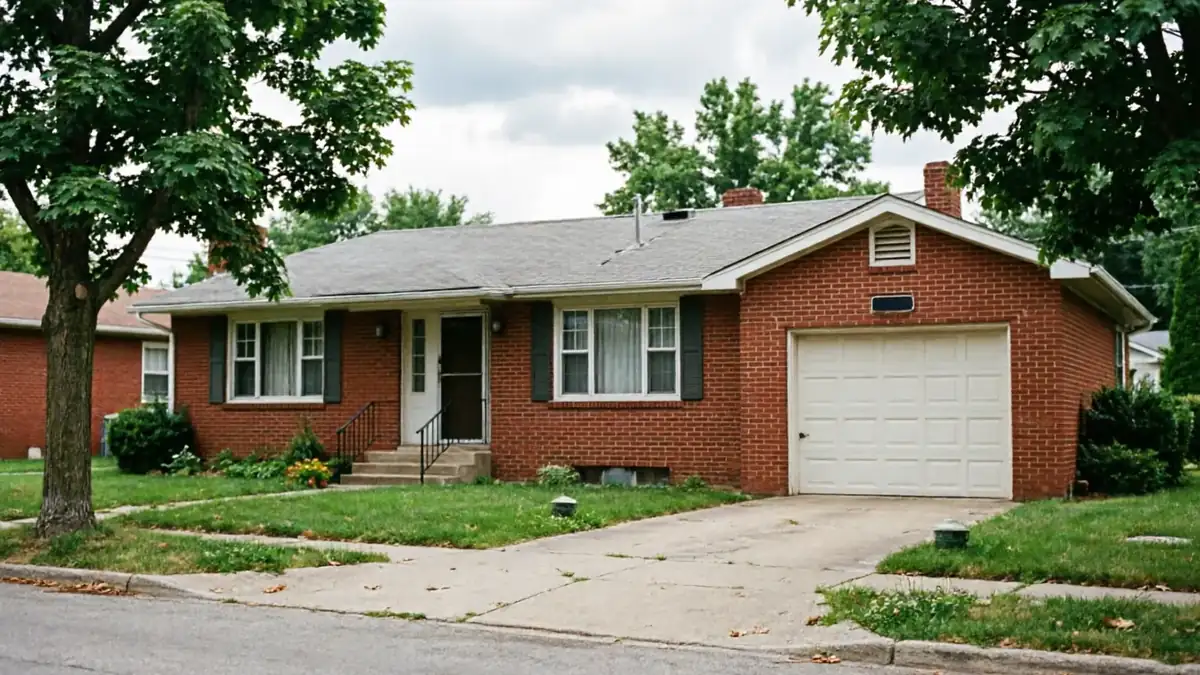
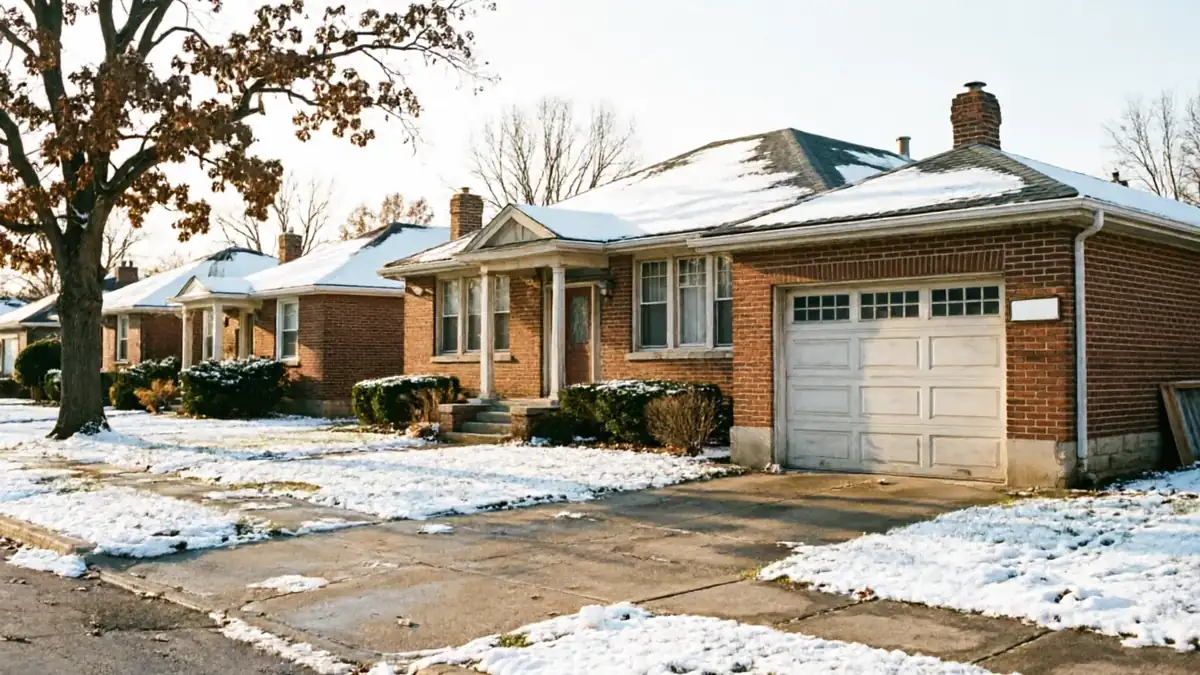
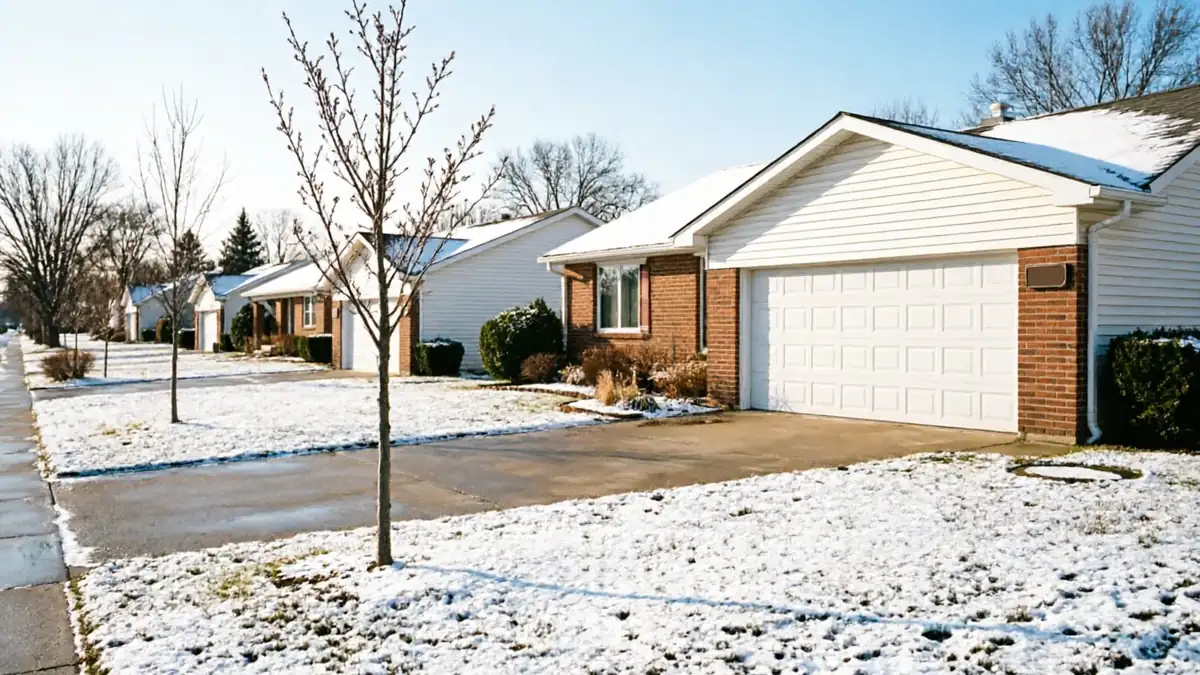
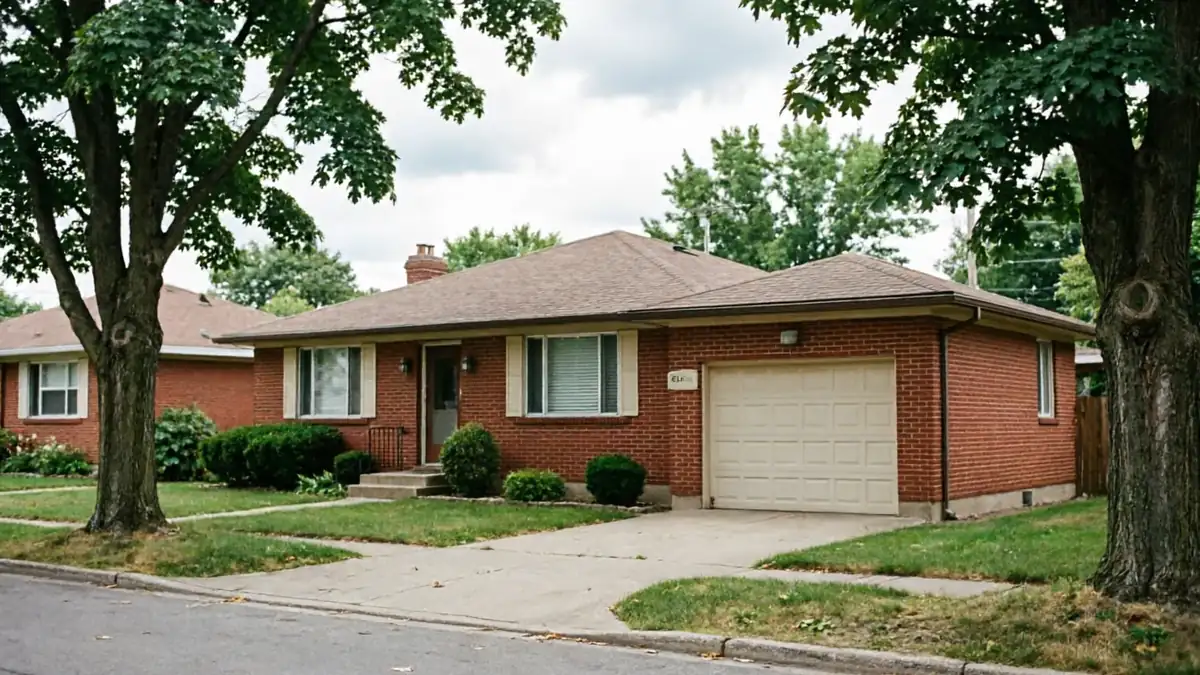
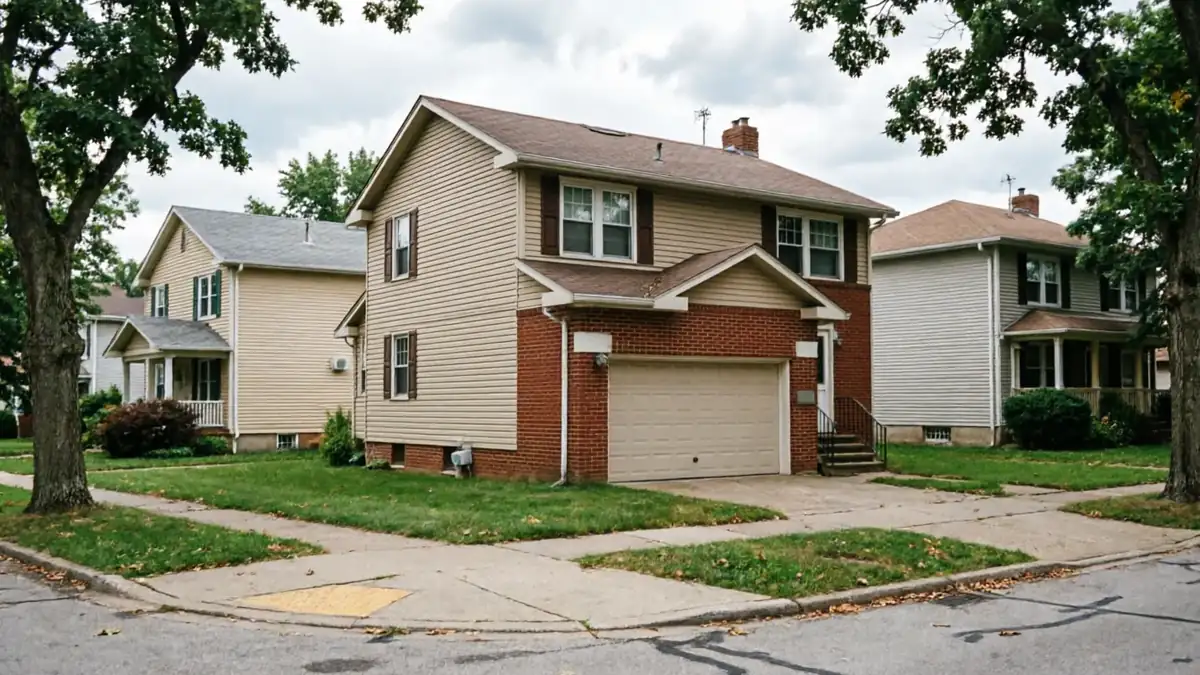
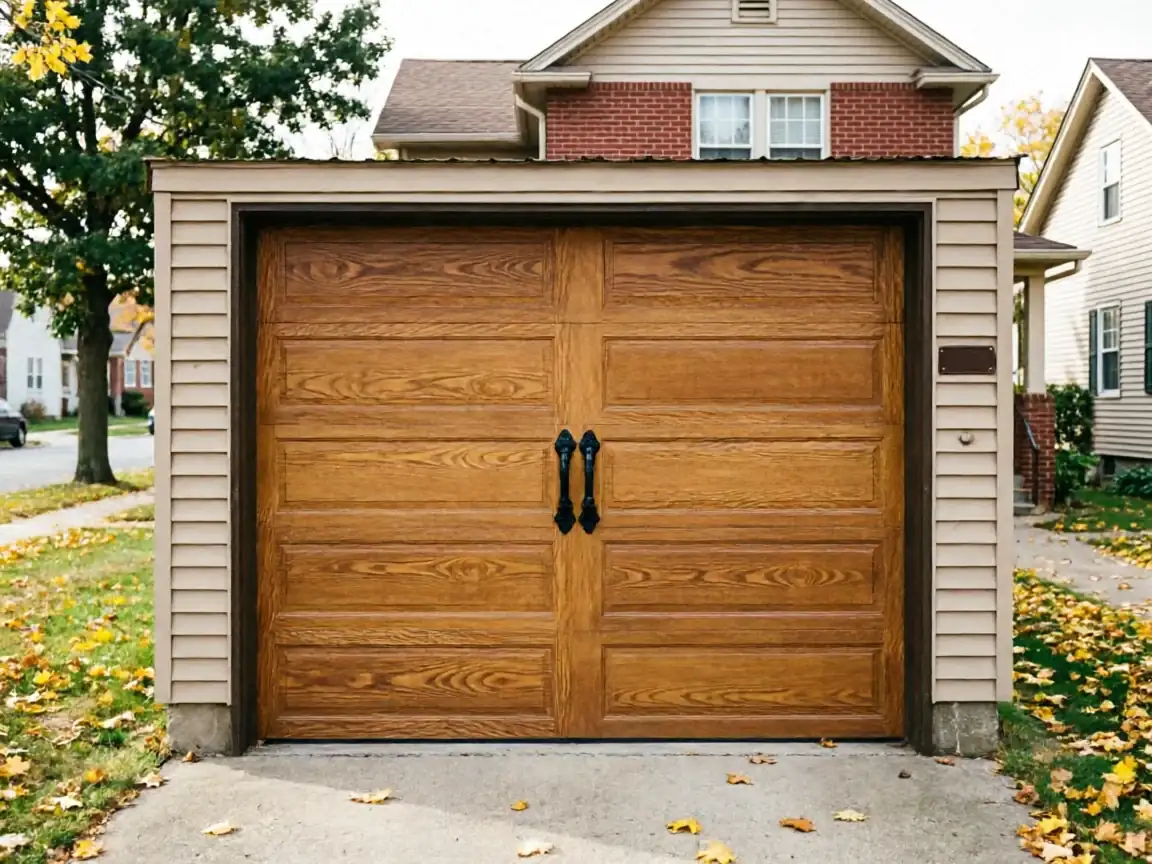
This is the section where Morton actually breaks from the rest of our service area. Across the wider territory, median home construction lands around 1964, with stock running as old as 1938. Morton's own median build year is 1975 - more than a decade newer than the area norm. That gap isn't trivia. A house framed in the mid-1970s was built to different garage opening sizes, different header spans, and different standard door widths than a house framed in the late 1950s. The subdivisions that make up most of Morton came up during and after that building wave, which means the original garage hardware in a lot of these houses is extension-spring, steel-track, and mid-70s to 80s vintage rather than the older side-mounted torsion setups we see on the 1950s streets elsewhere in the territory. If your house falls outside that window - an older farmhouse on the edge of town, say - the hardware story is different again, and worth mentioning when you call.
What That Means for Doors
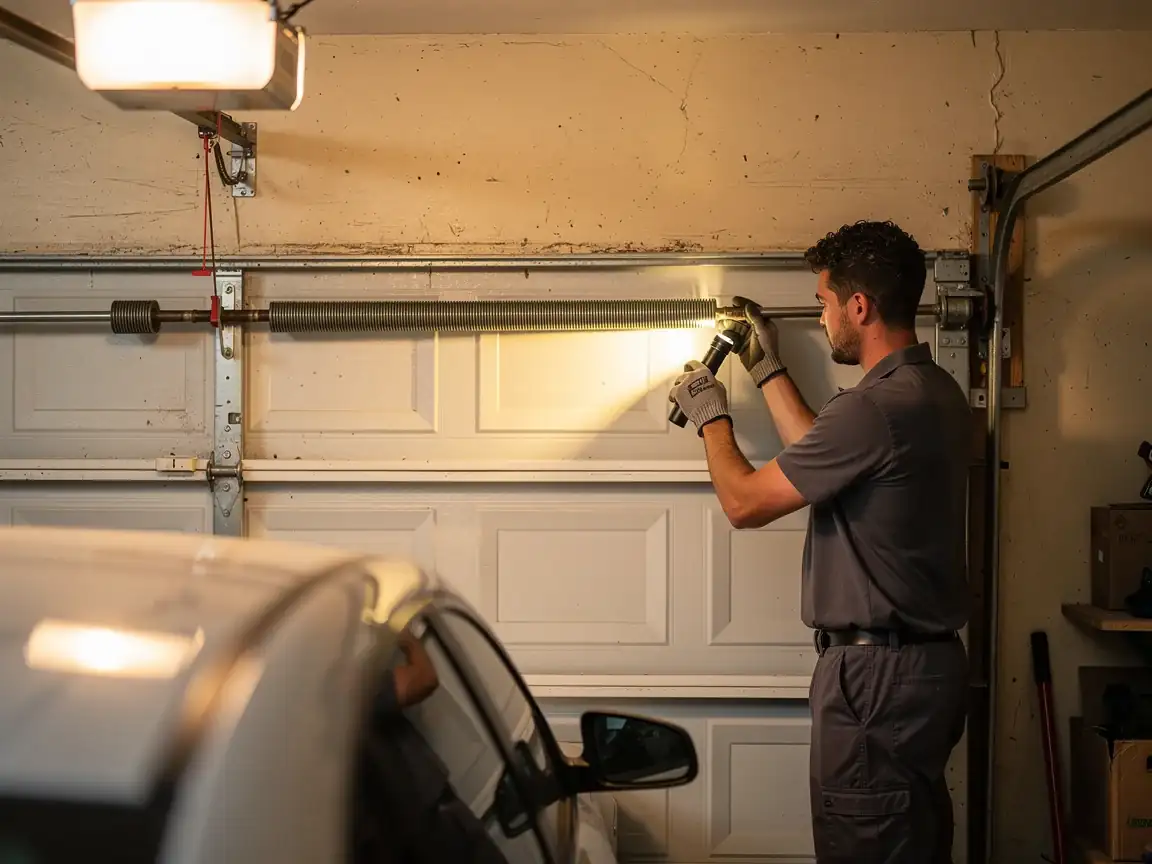
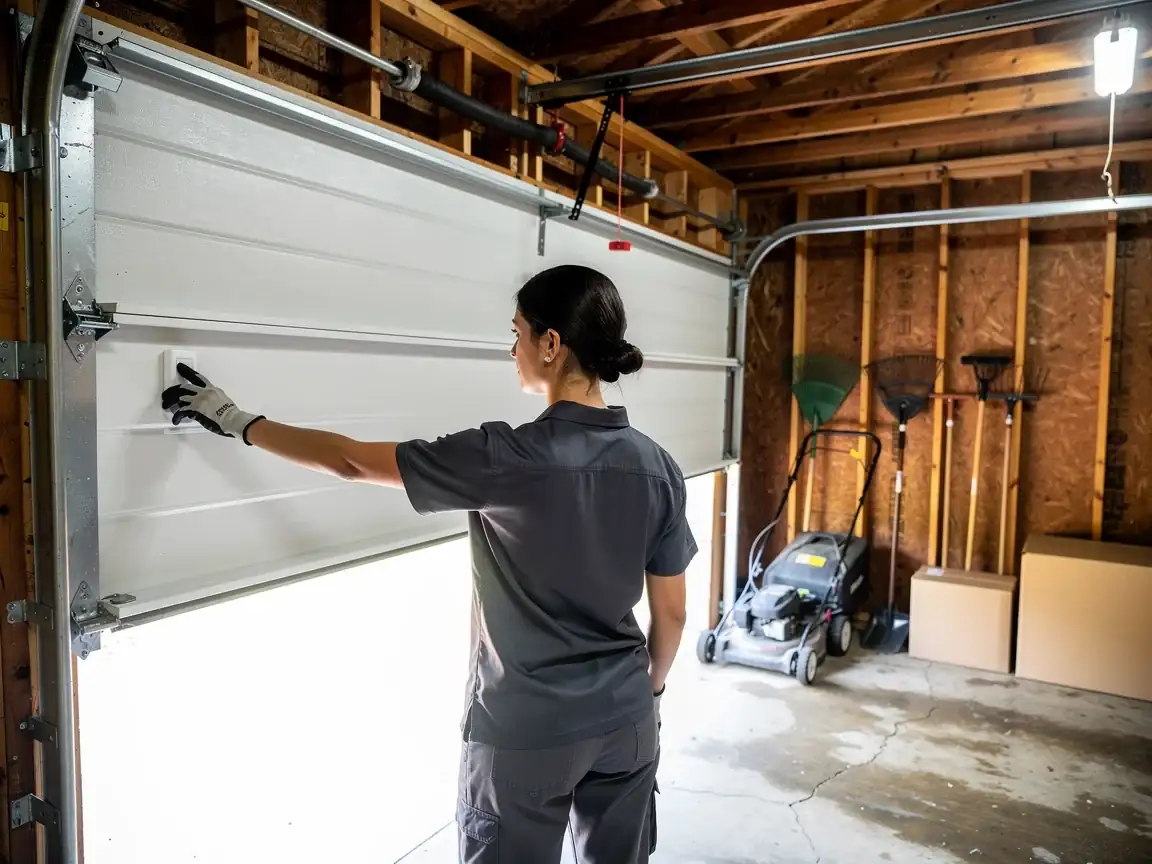
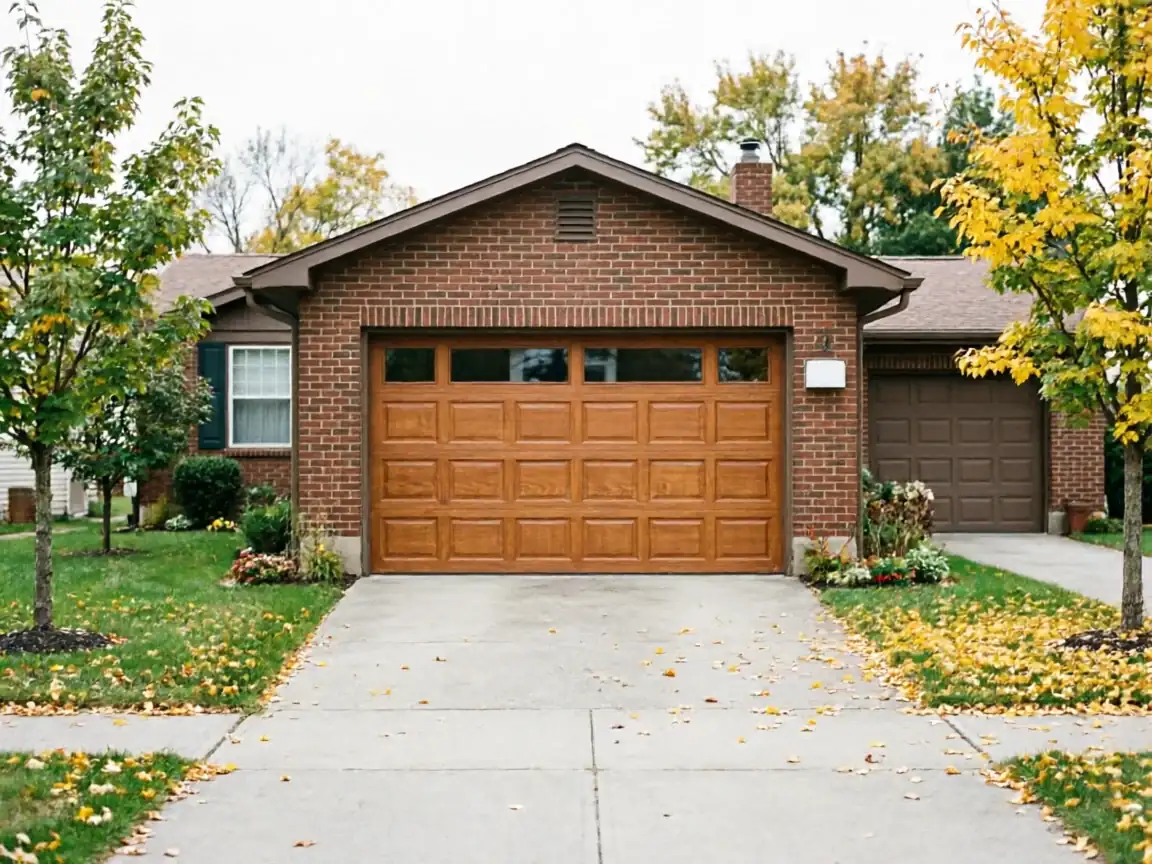
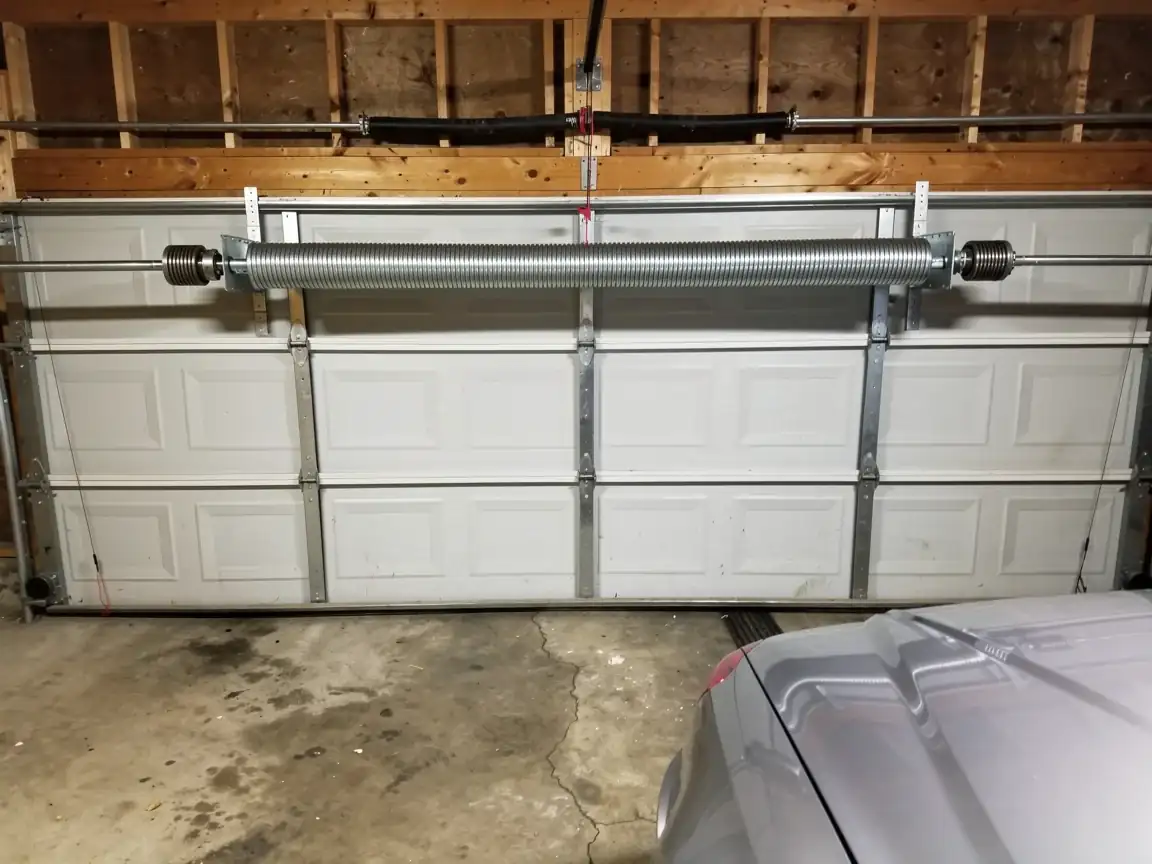
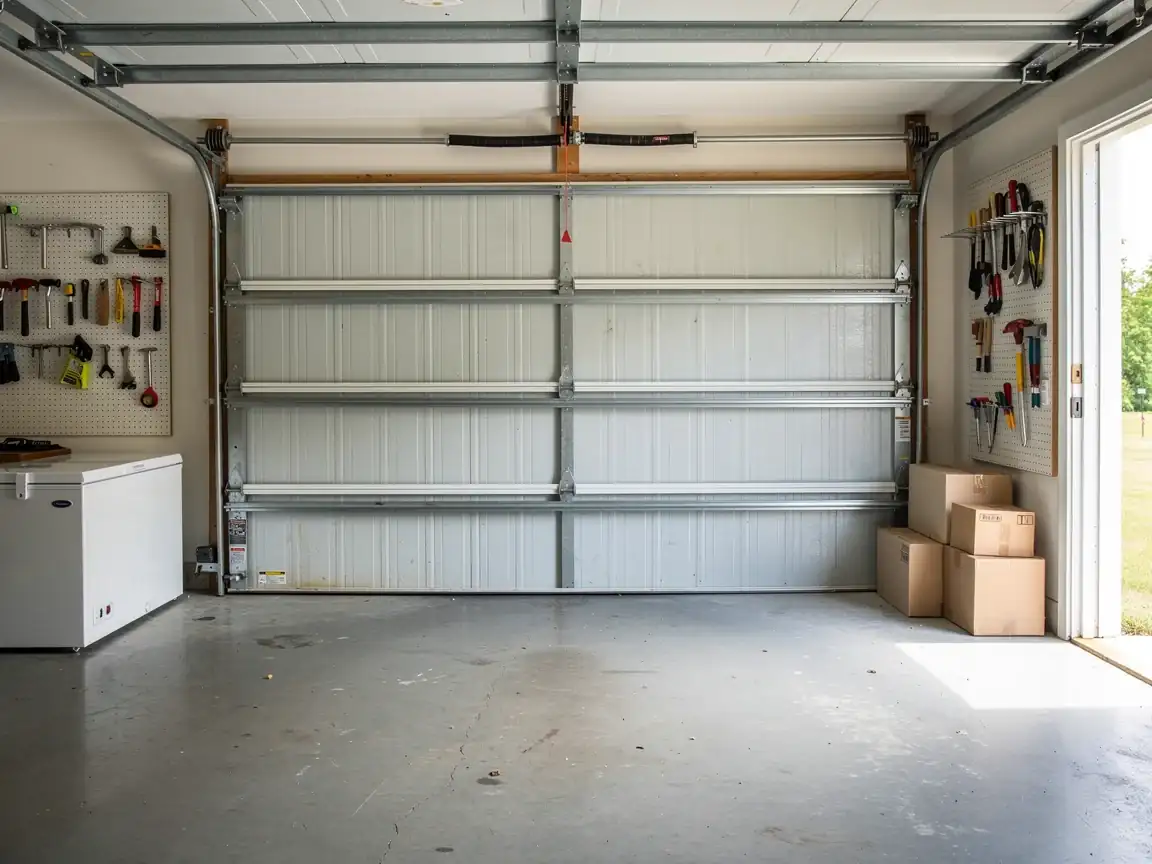
Extension-spring systems from the 1970s and 80s don't fail the way older torsion setups do. The springs run along the horizontal tracks instead of over the header, and when one goes, it's often paired with worn pulleys or a frayed safety cable that nobody's looked at in years. Openers from that same build era are mostly long past their working life by now, and a lot of Morton calls turn out to be about the opener's logic board or drive gear rather than the door itself. The other pattern we see in newer-built subdivisions like this: double-wide doors on single torsion springs undersized for the door's weight, which is common when a builder used one spec across a whole development. We'll tell you straight if a repair is a stopgap versus a real fix - on a door with mismatched original hardware, sometimes the better money is a new spring system sized correctly rather than matching what's already there.