How We Fix It
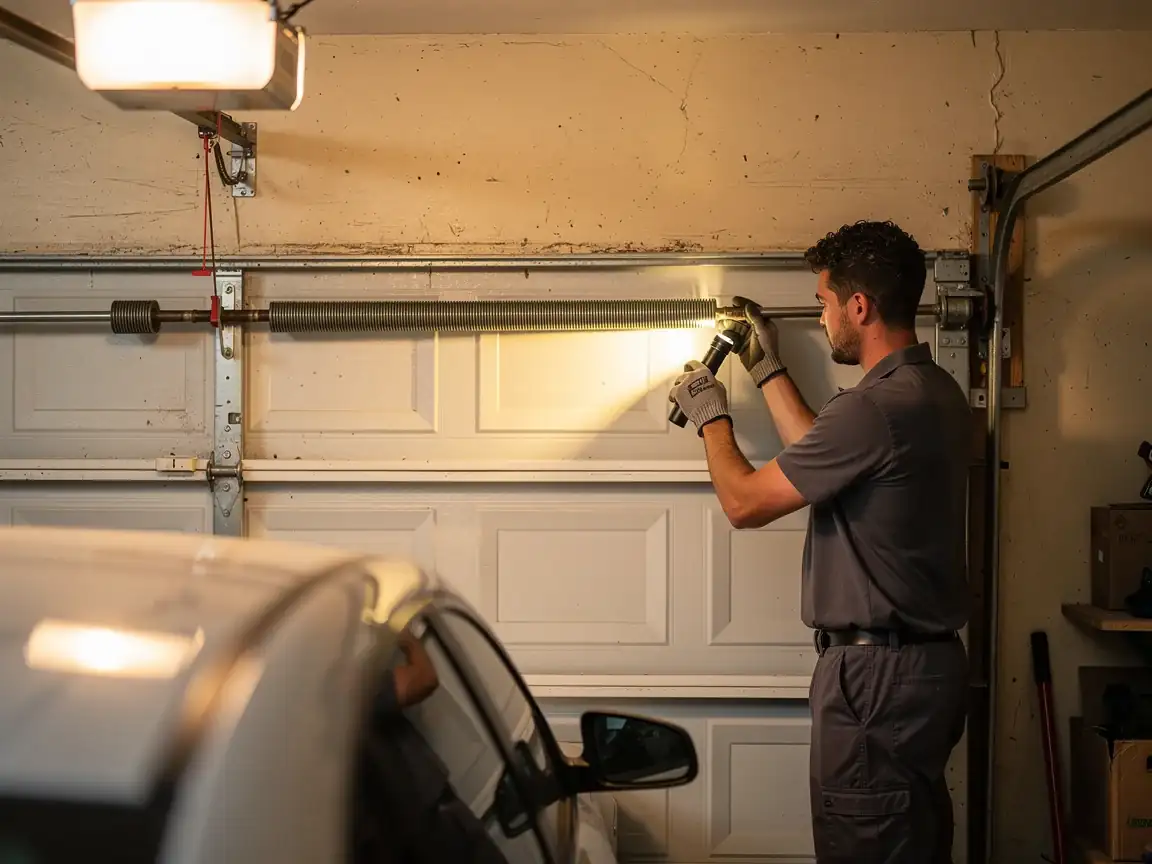
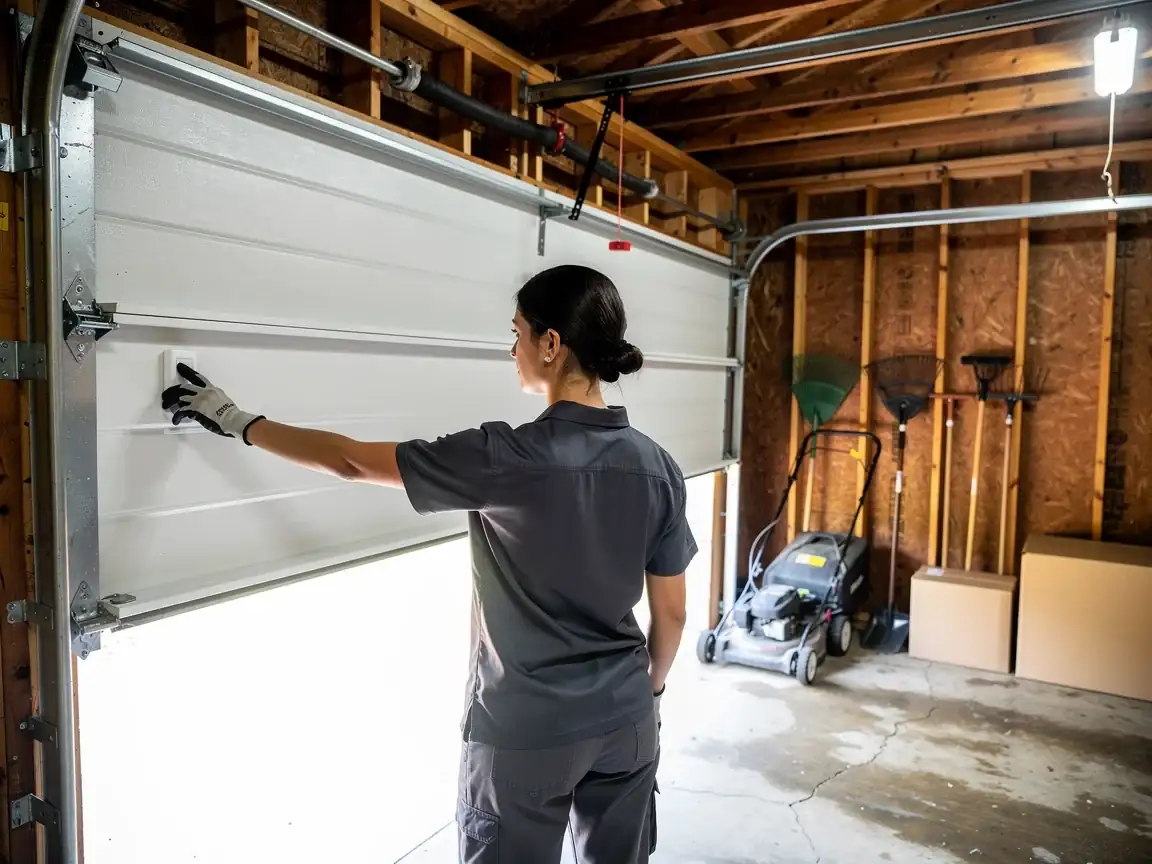
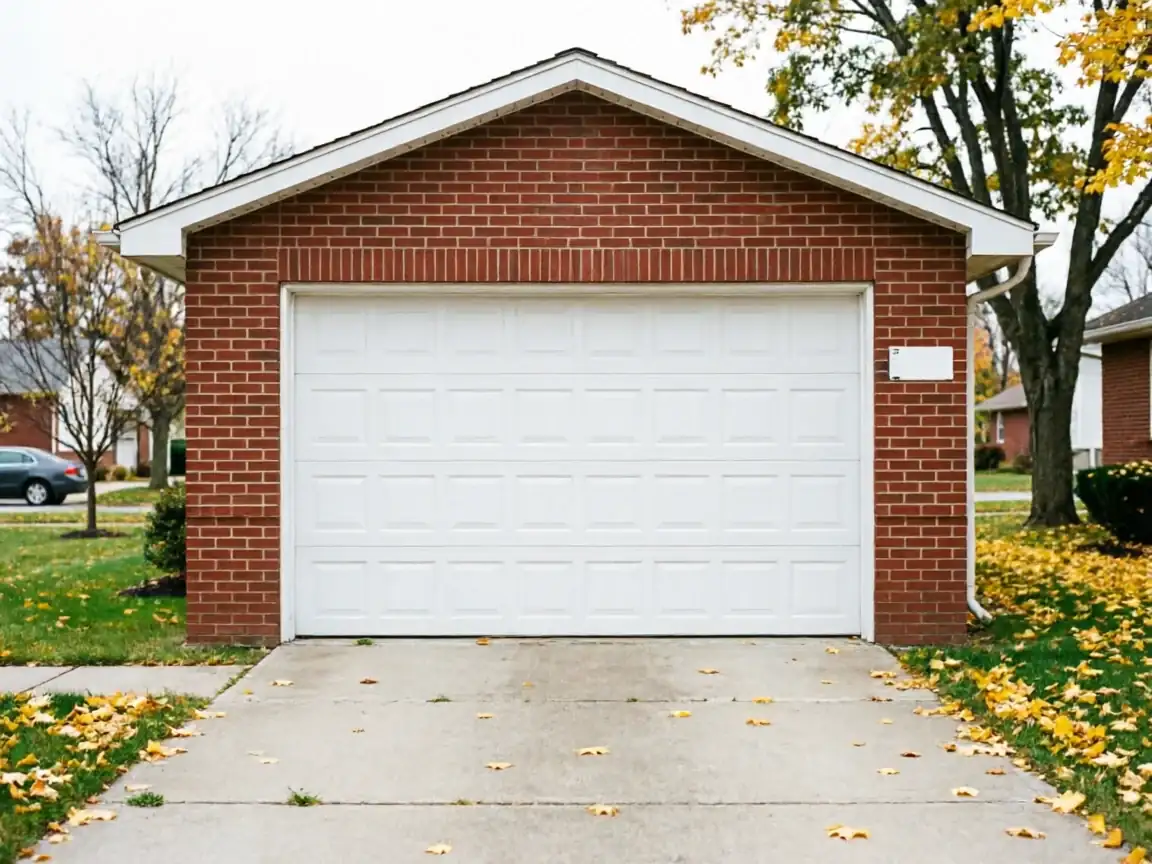
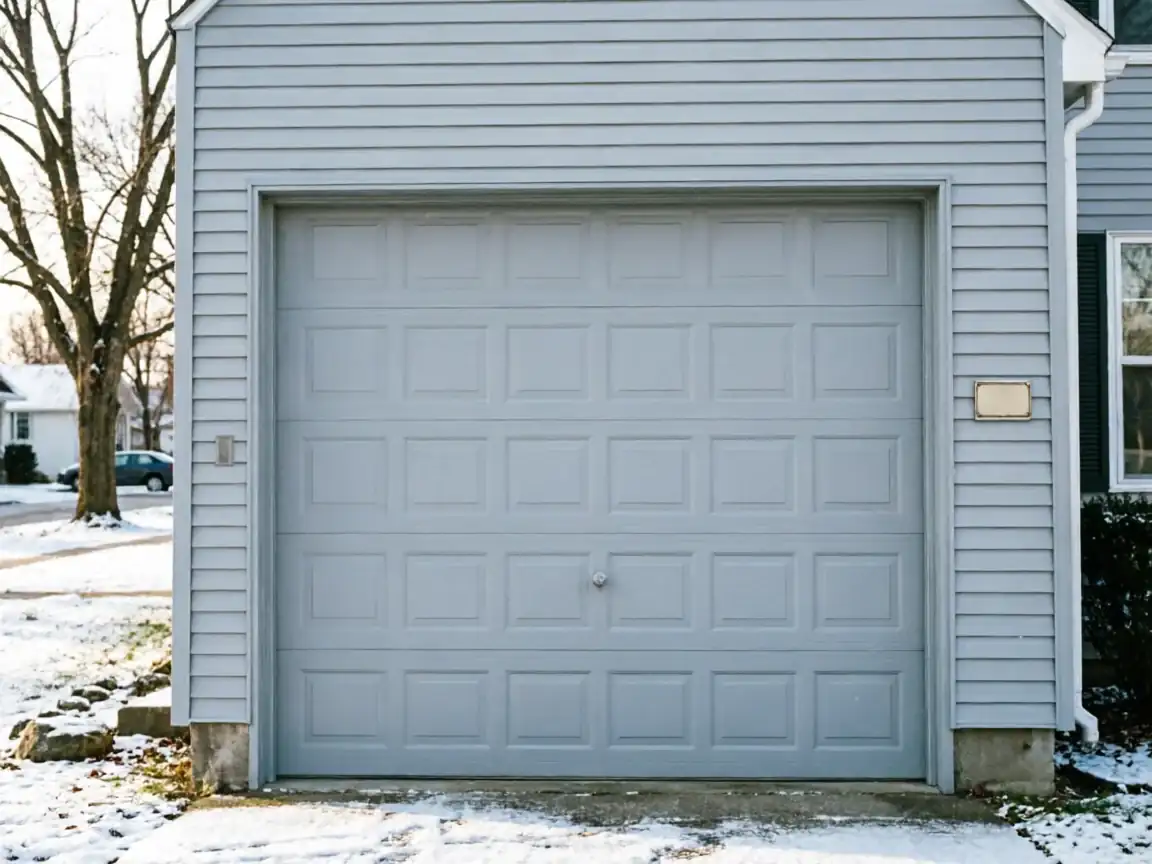
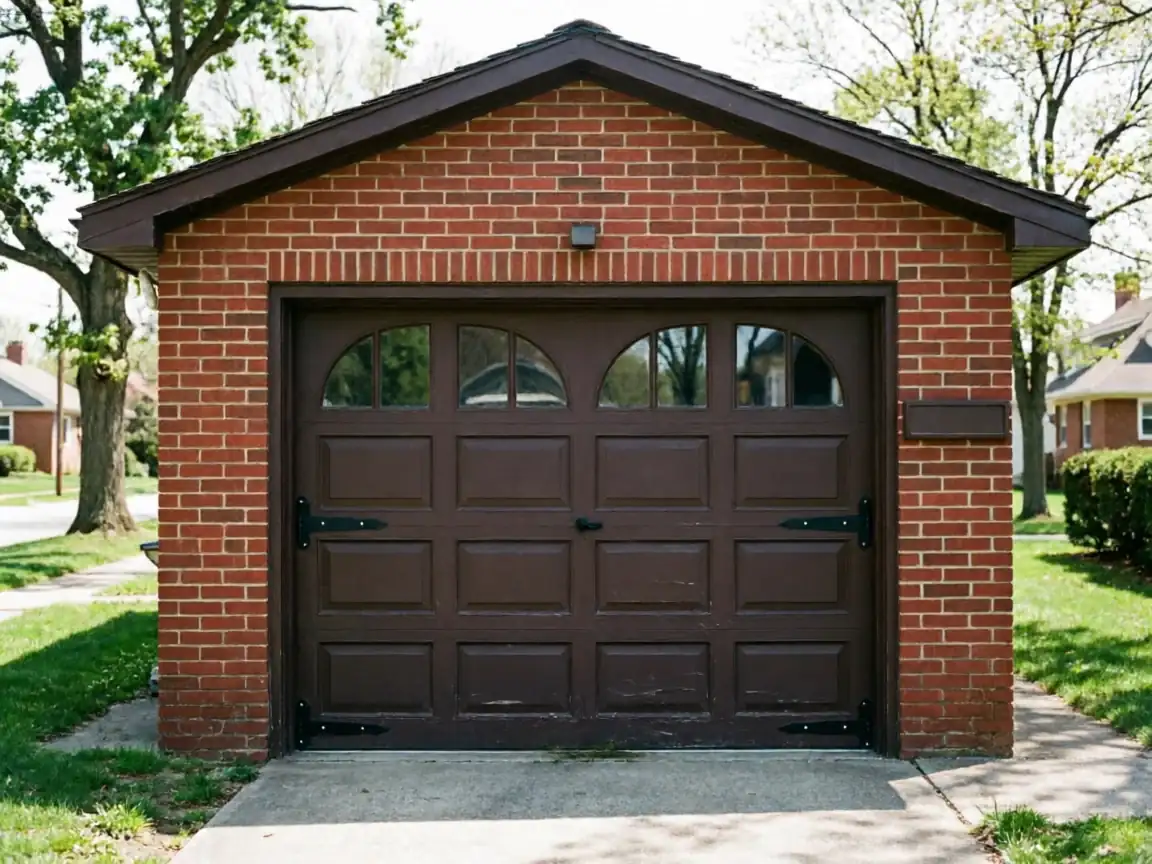
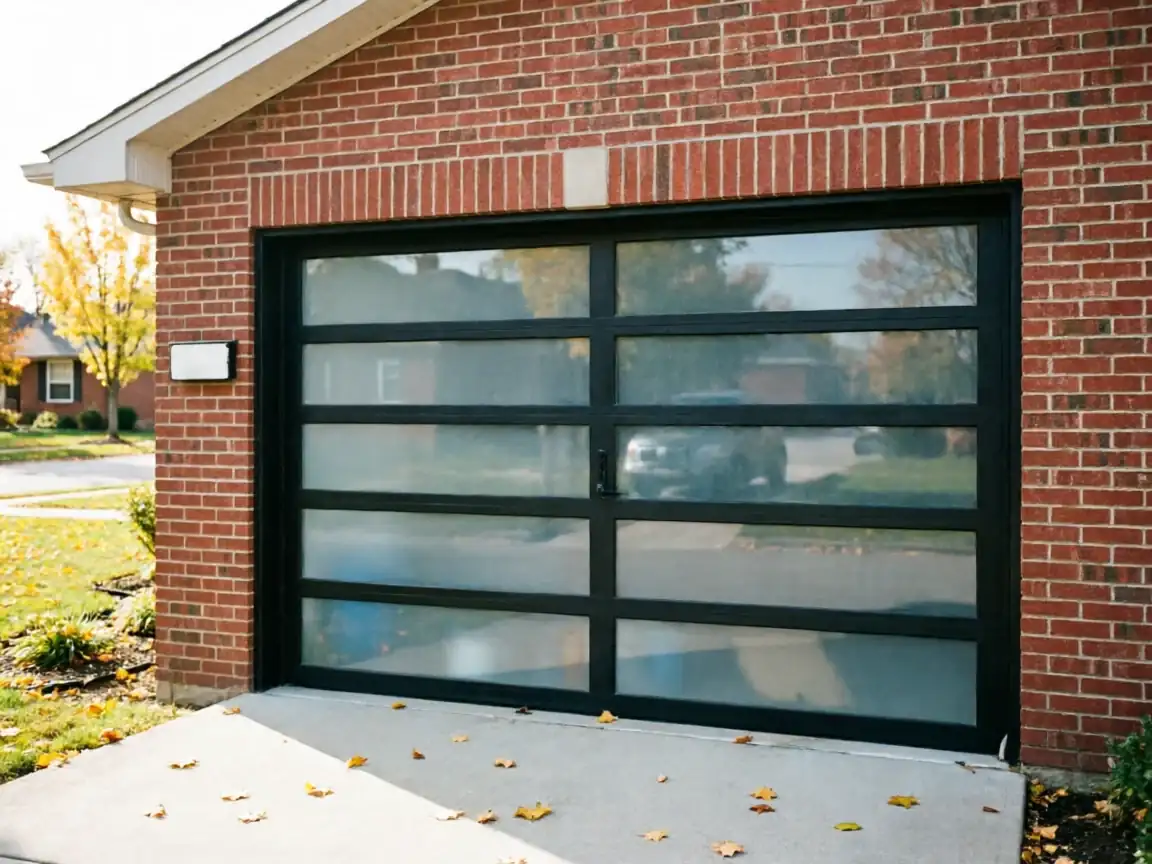
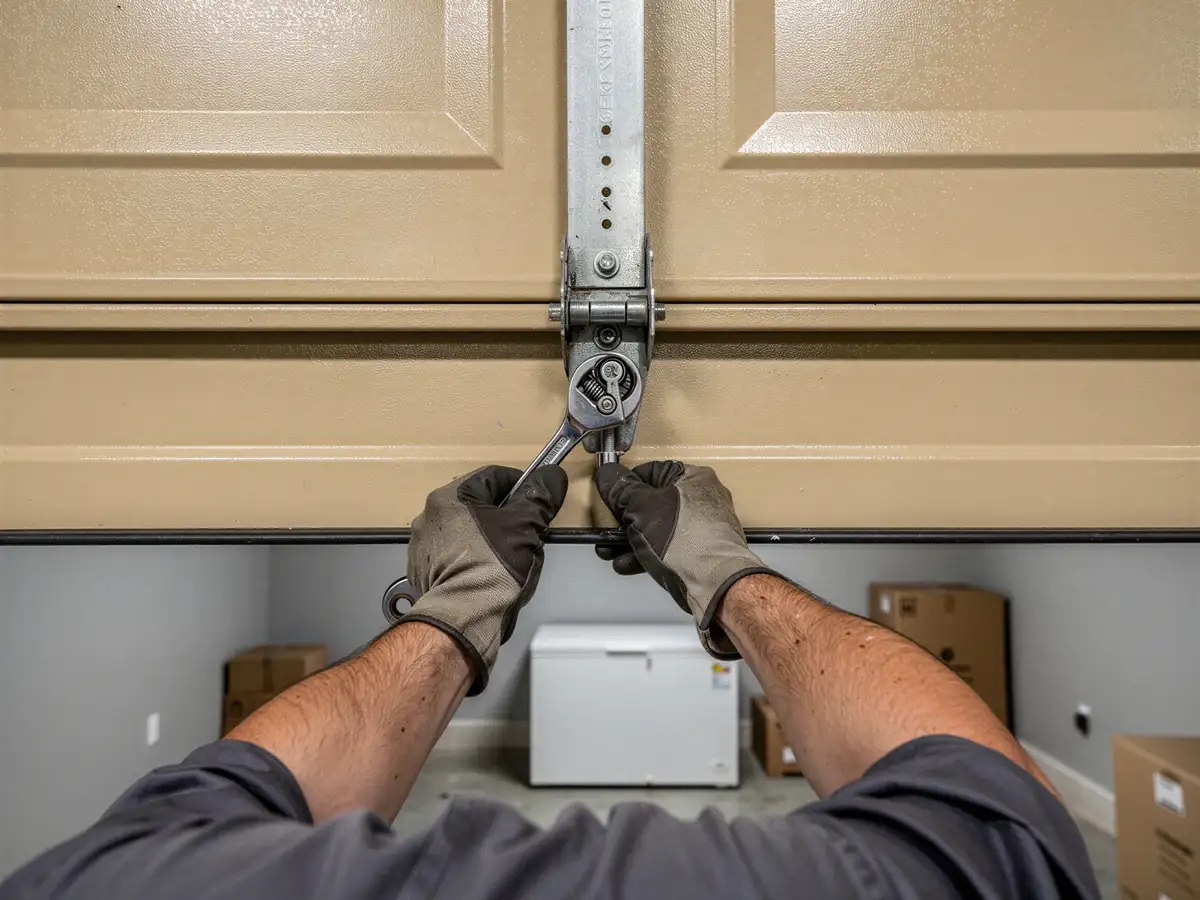
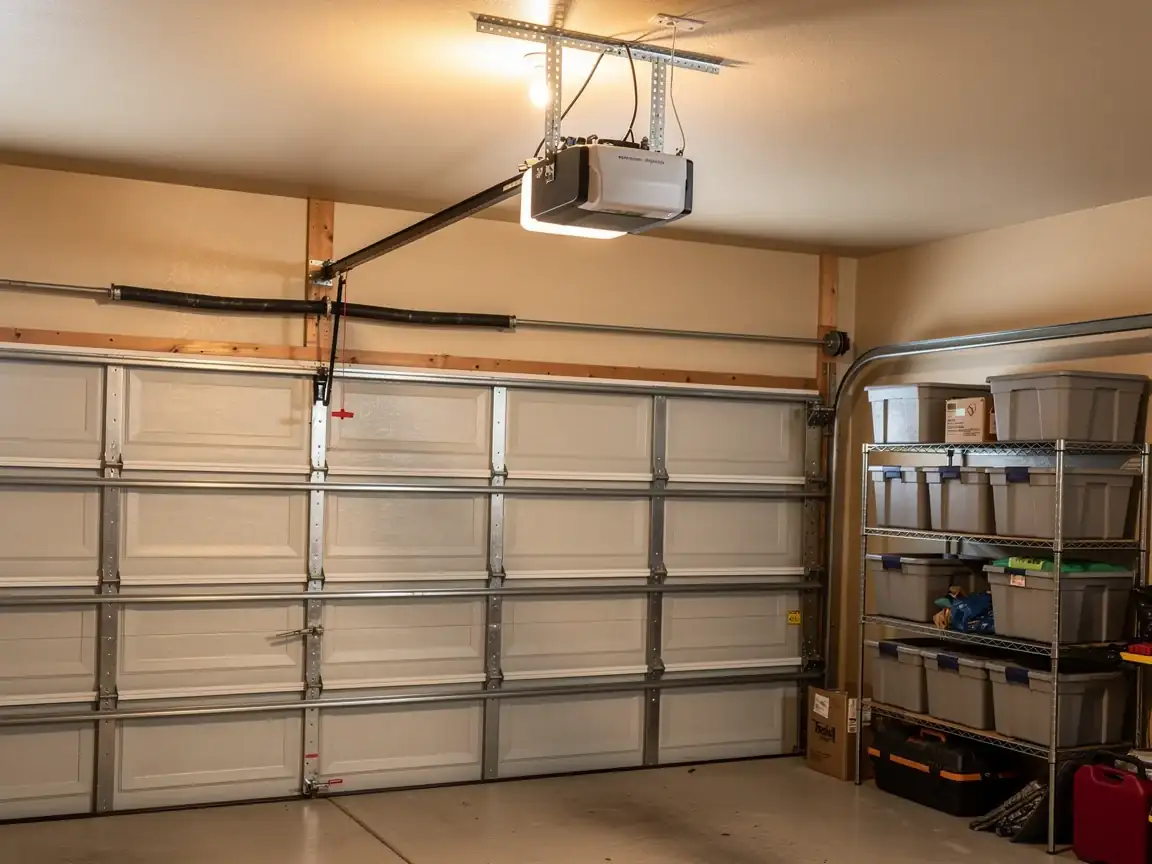
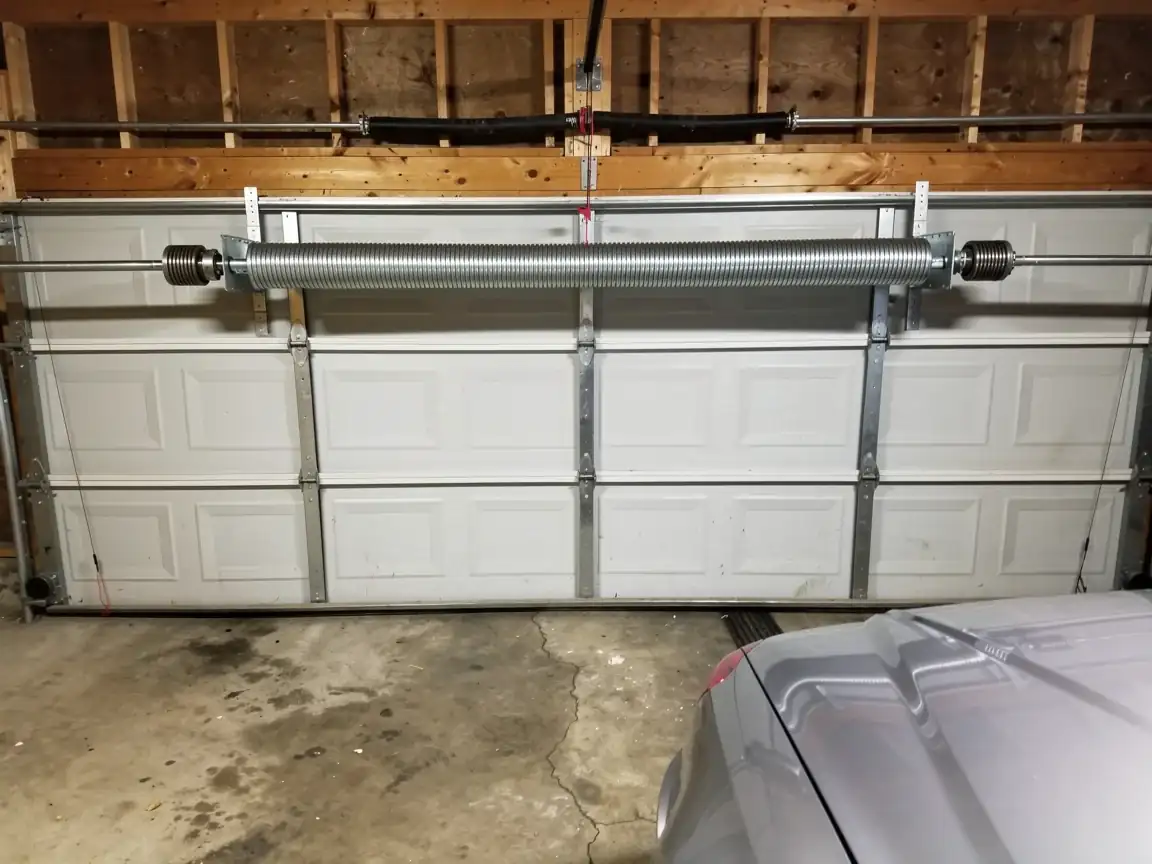
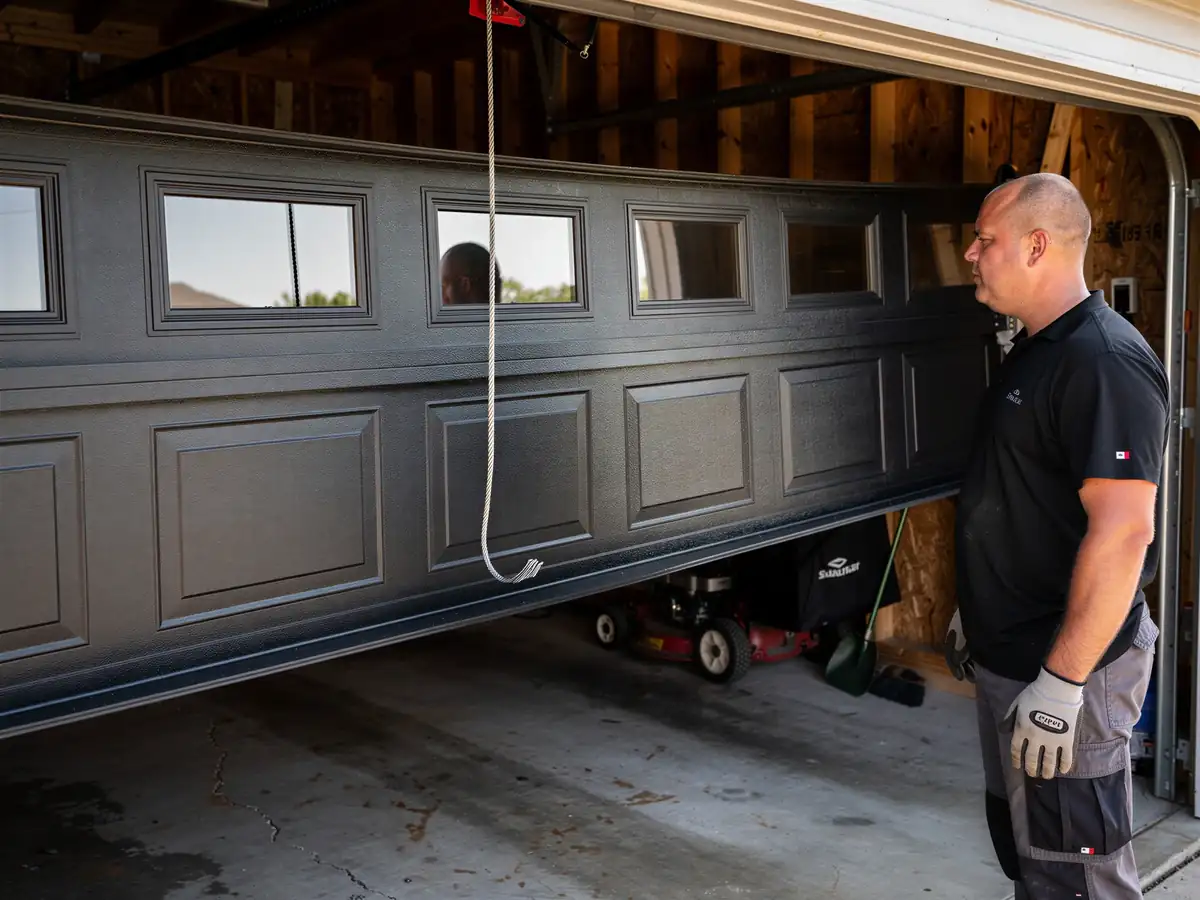
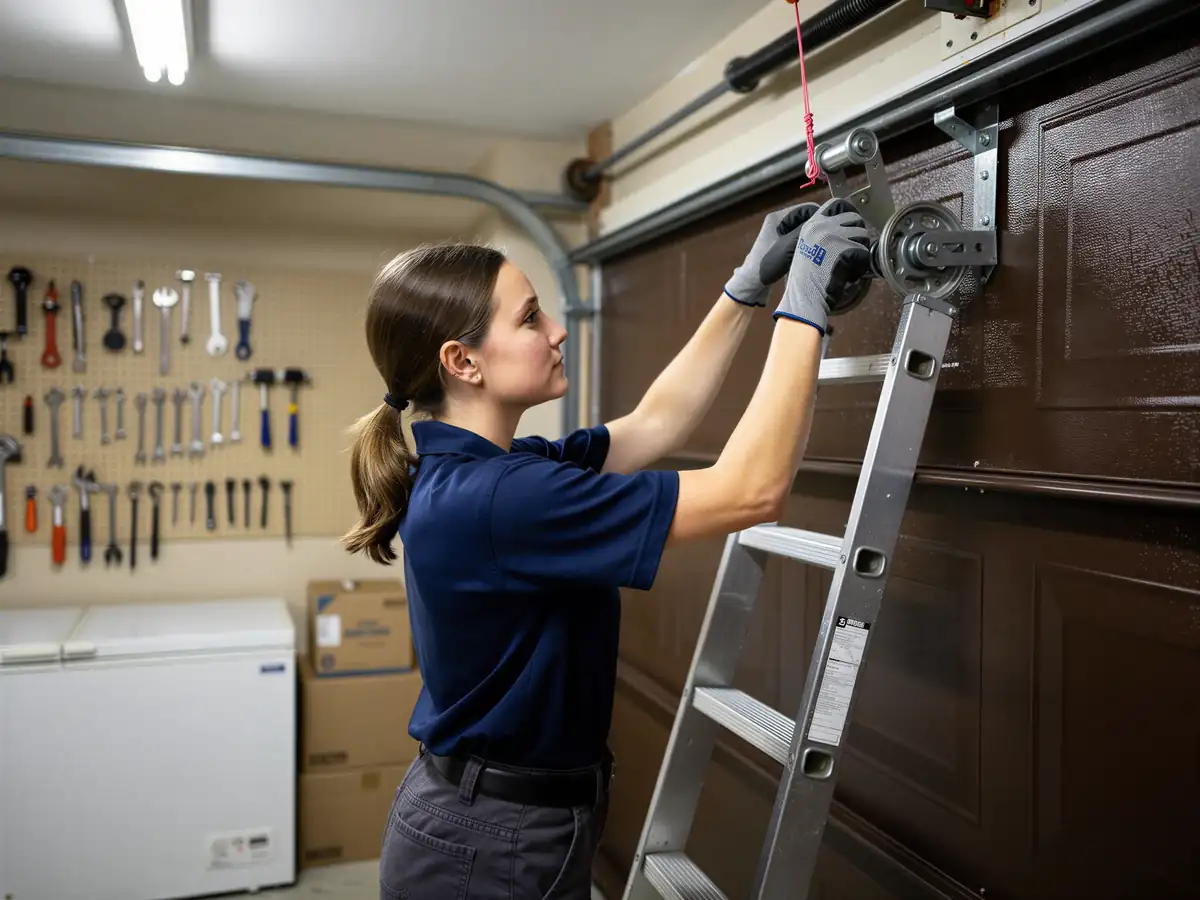
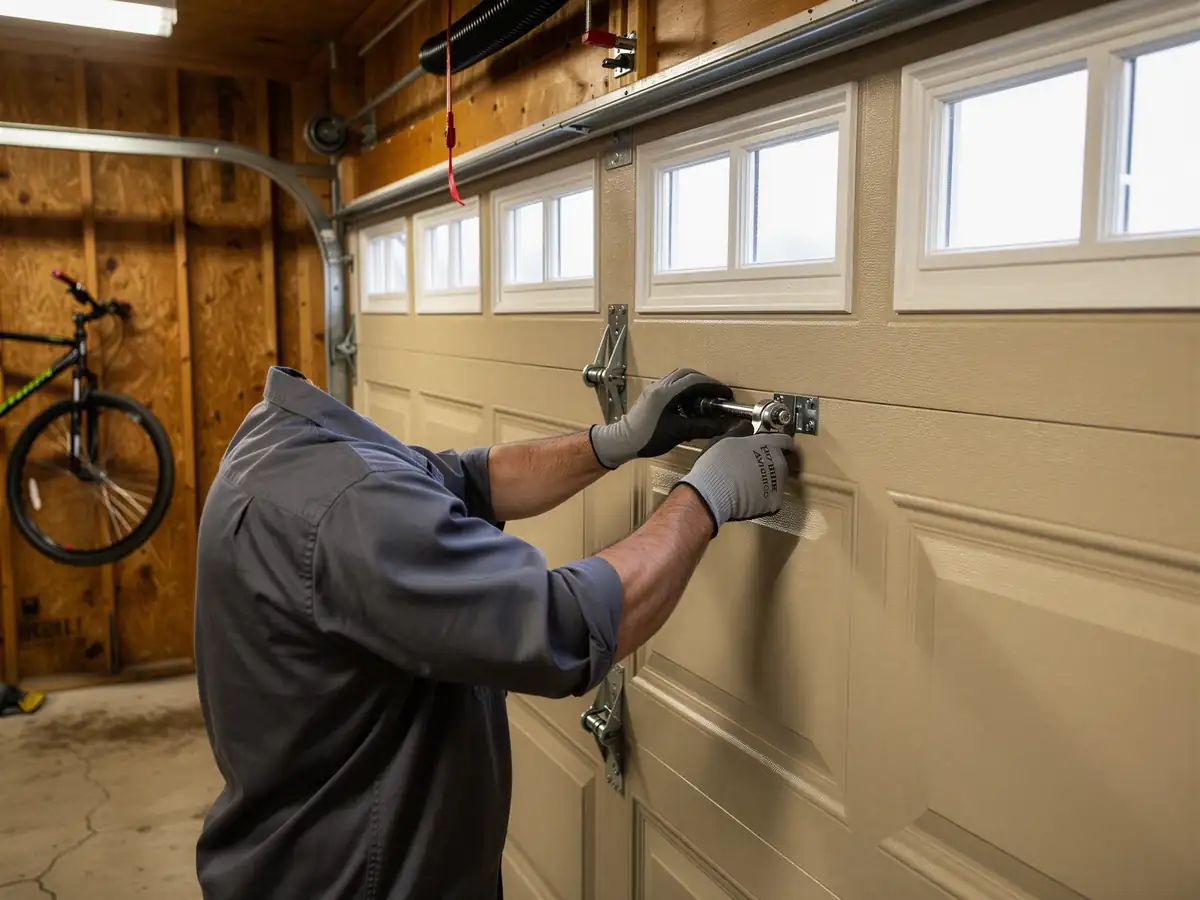
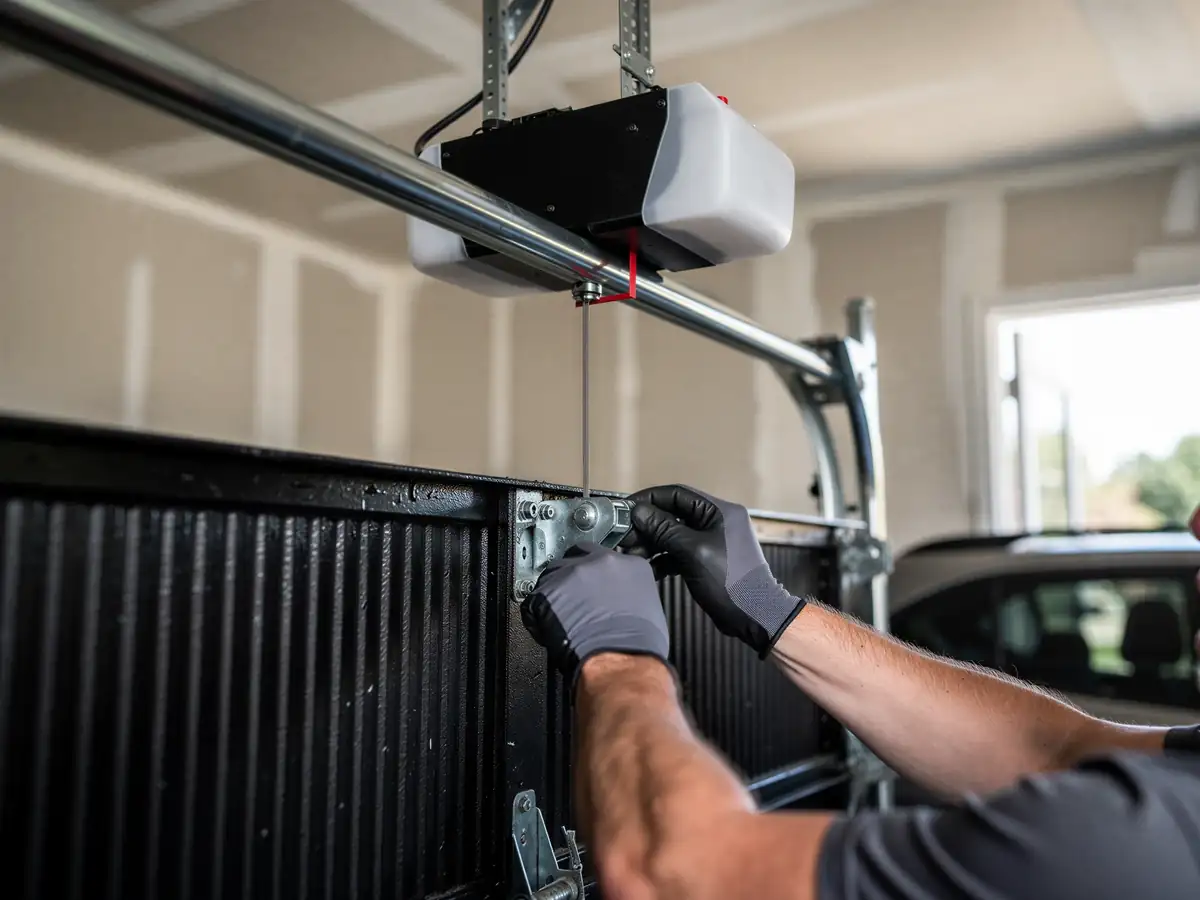
We pull the old unit, check the header clearance and the track geometry against what the door actually needs, and size the new opener to the door's weight and travel - not just whatever unit is on the shelf. A lot of the older houses in this income bracket (median household income here runs $71,763) have single-car doors on shallow headers, which rules out some of the bulkier chain-drive units without a bracket kit. We test the balance of the door itself before we mount anything, because an opener fighting an unbalanced door burns out early no matter how good it is. Wiring gets checked too - houses from the '60s stock often still run the original two-wire run to the garage, and that sometimes needs updating before a modern opener's safety sensors will work right. One thing we don't do: install a new opener on a door with worn-out springs or a bent track and call it done. That's a callback waiting to happen, and we'll tell you before we leave the truck.
Stocked Parts
We carry belt-drive and chain-drive openers in the sizes that actually show up on Peoria-area garages - half horsepower for standard single doors, three-quarter and above for the wider double doors common on houses built after the '70s expansion years. We stock wall consoles, keypads, safety sensor kits, and the bracket hardware that older headers need to accept a newer rail. Battery backup units are on the truck too, which matters here given how often cold-weather outages take out power for a stretch. What we don't keep on hand: openers for the older chain-and-pulley garage-door systems that predate the 1960s torsion-spring standard - those are special order, and if your house is at the old end of that 1938 start date, ask before you assume same-day install.