What Local Conditions Do
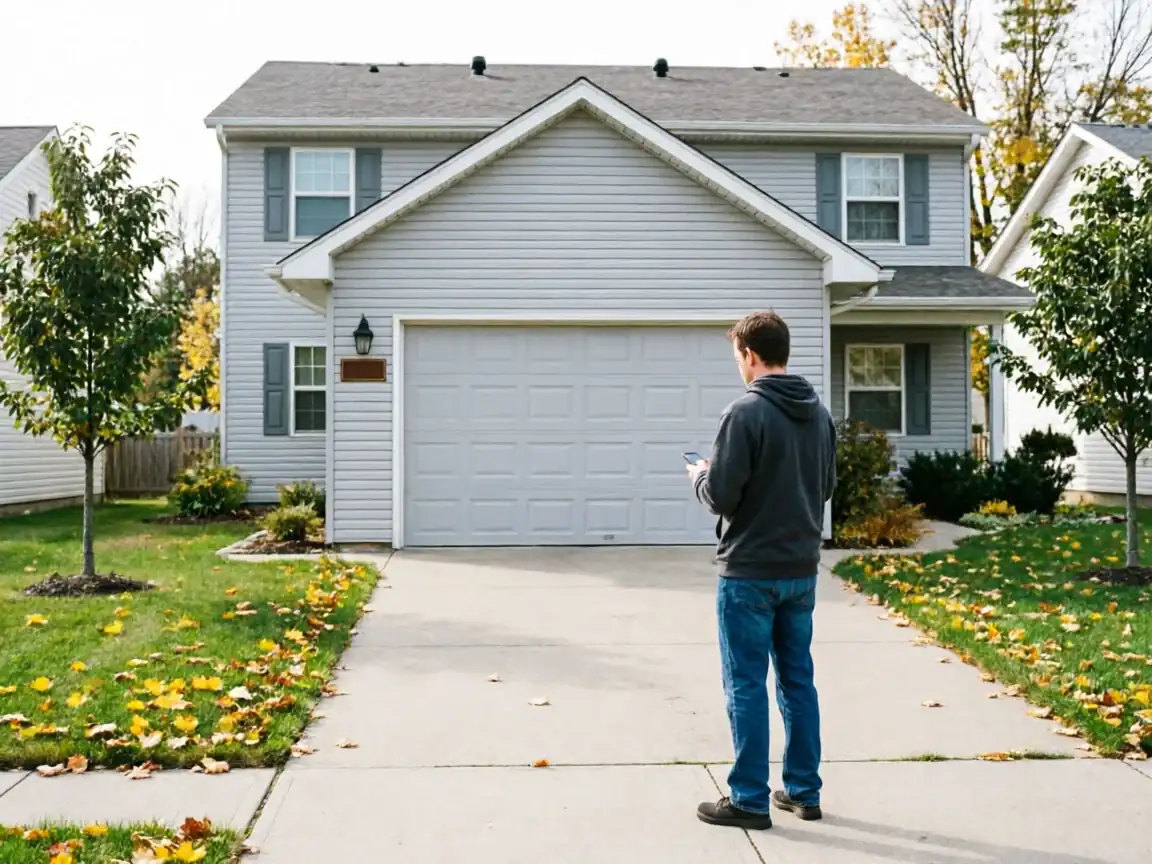
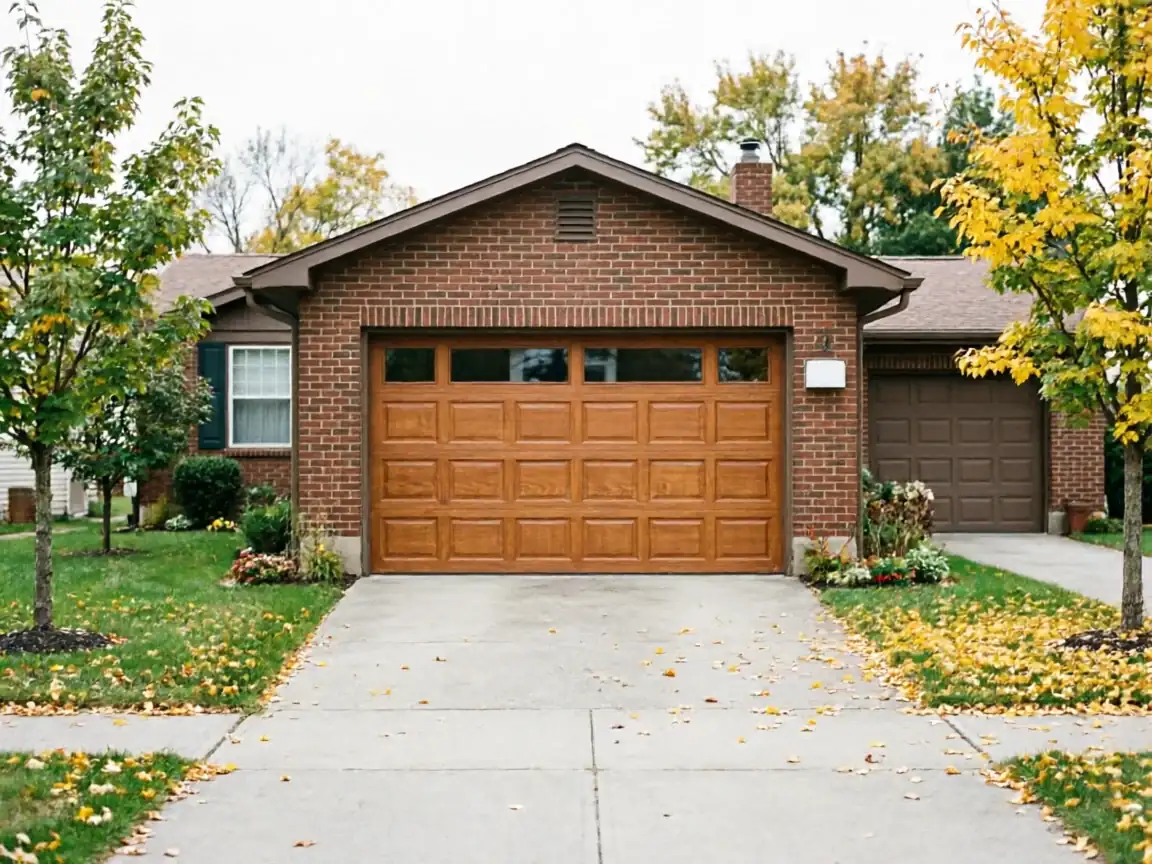
Most of the houses on this side of Peoria went up between 1938 and 1964
And across the 26 communities we work in, the heaviest building boom hit in the 1960s and 70s. That matters here more than almost anywhere else, because the steel track systems installed in that window were lag-bolted into wood framing that has had fifty or sixty years to shift, dry out, and settle.
- 26 communities
Peoria sits in a cold-moderate climate band
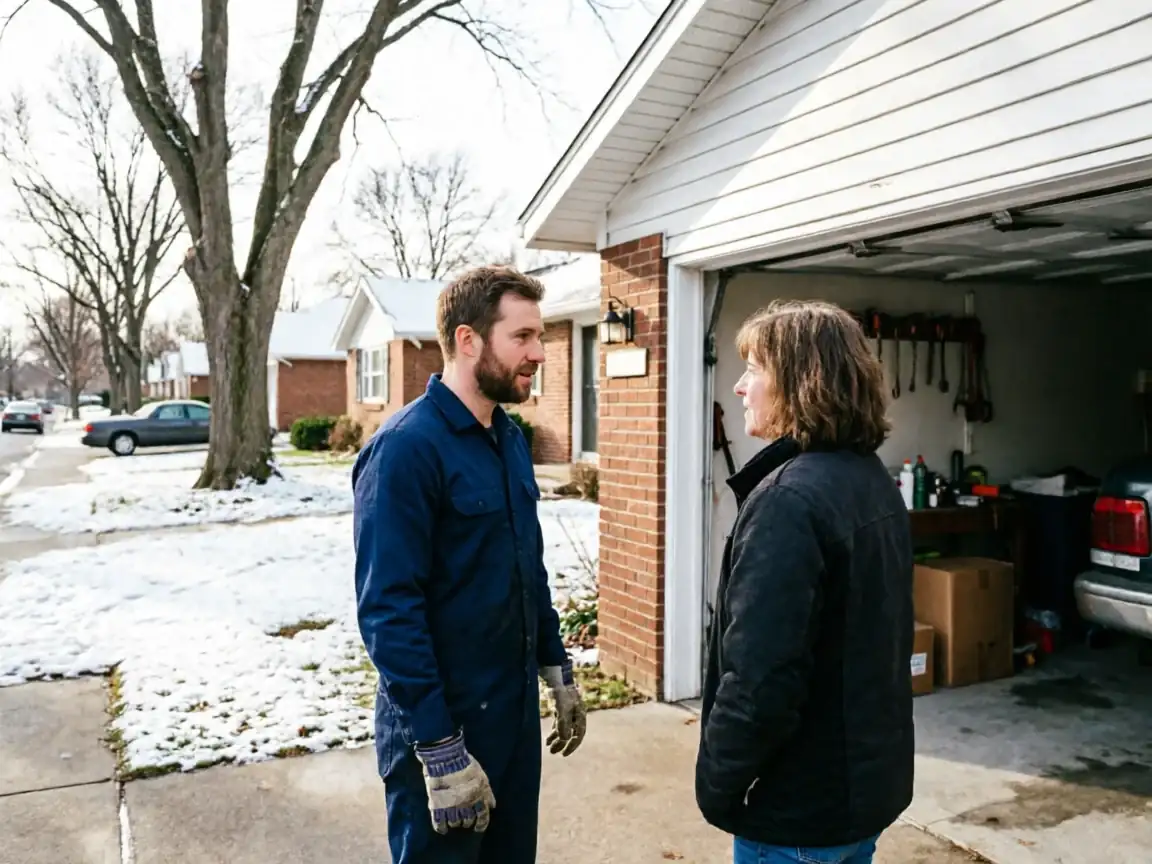
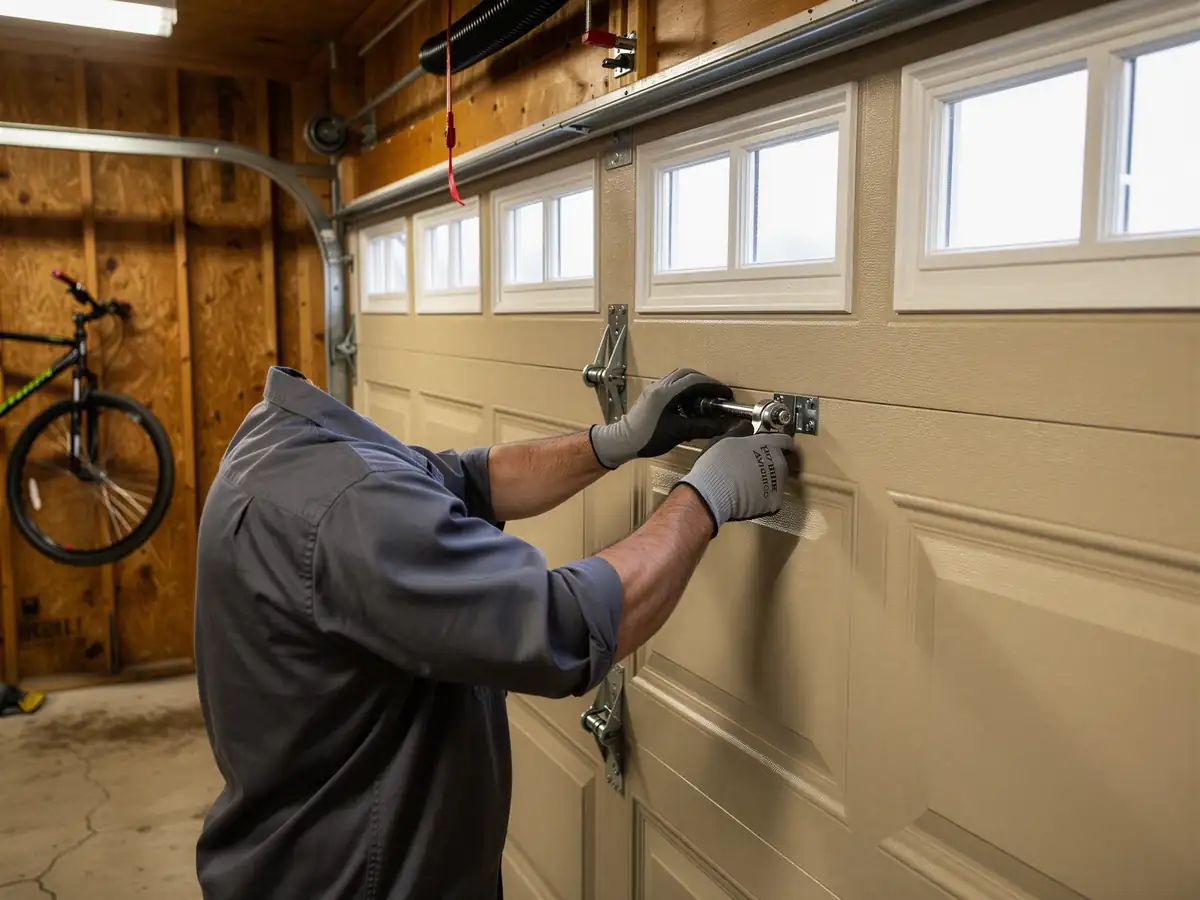
Which means the metal track and the grease packed into the rollers both go through a real freeze-thaw cycle every winter, not just an occasional cold snap. Track brackets expand and contract with the temperature swing, and over decades that movement loosens the lag screws holding the track to the jamb. A door that tracked fine in August can start rubbing or binding the first week it drops below freezing, because the slight looseness that was invisible in warm weather suddenly has room to move.
Newer doors with sealed bearings and synthetic lubricant handle this better
Original hardware from the 1960s and 70s building stock common in this area was never built with that tolerance in mind, so it's the first thing to show wear when the season turns.
The Problem
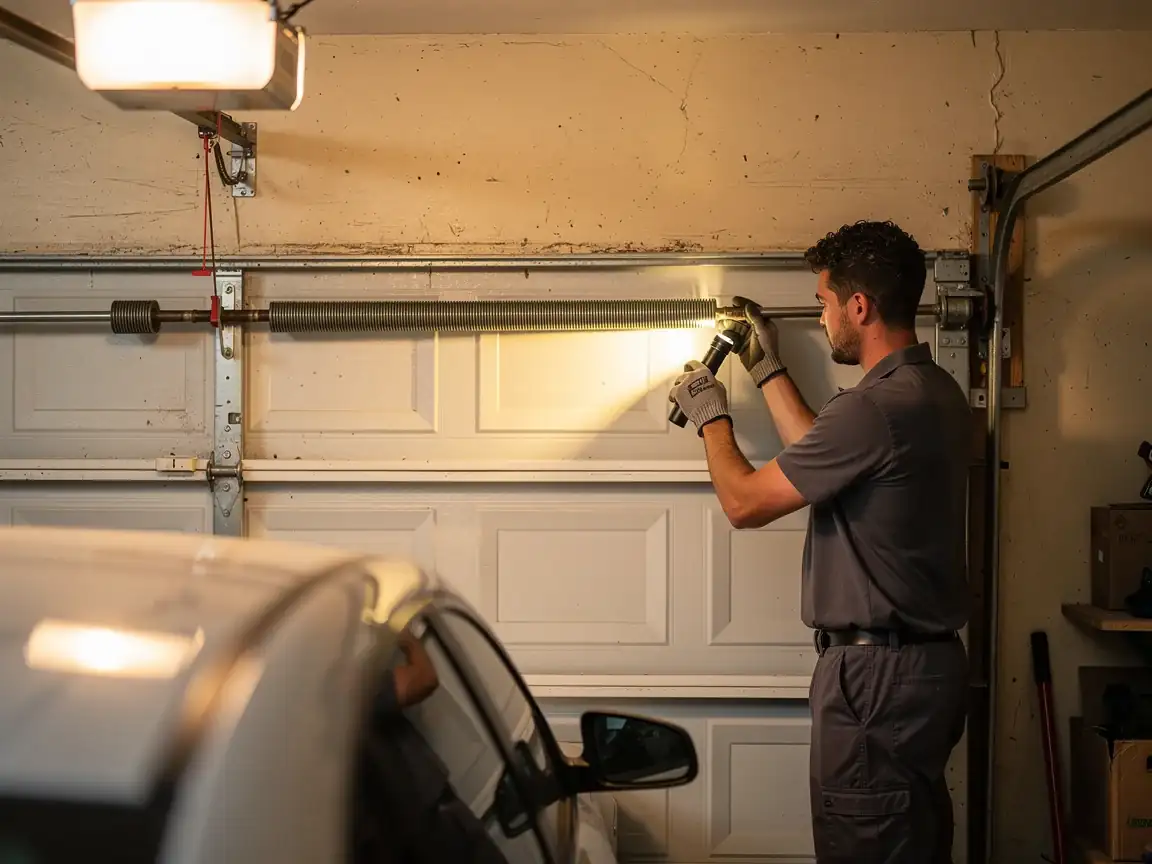
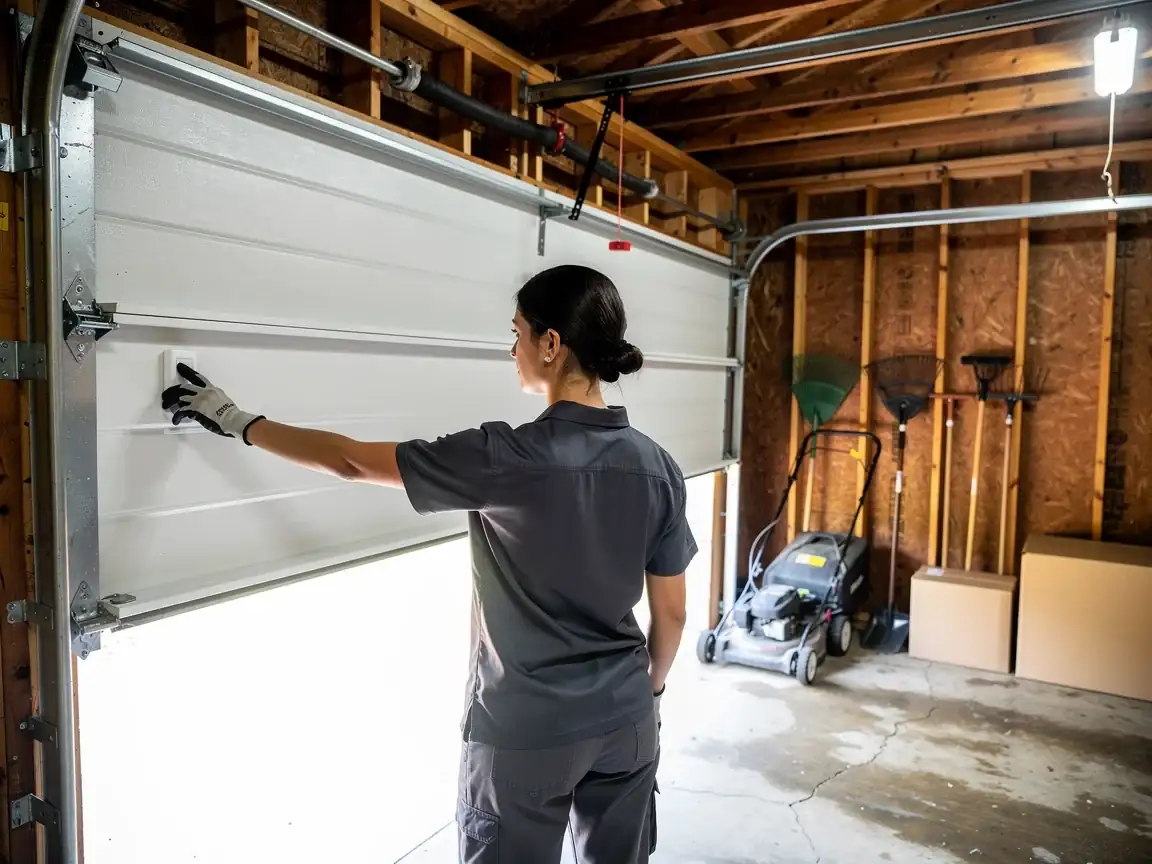
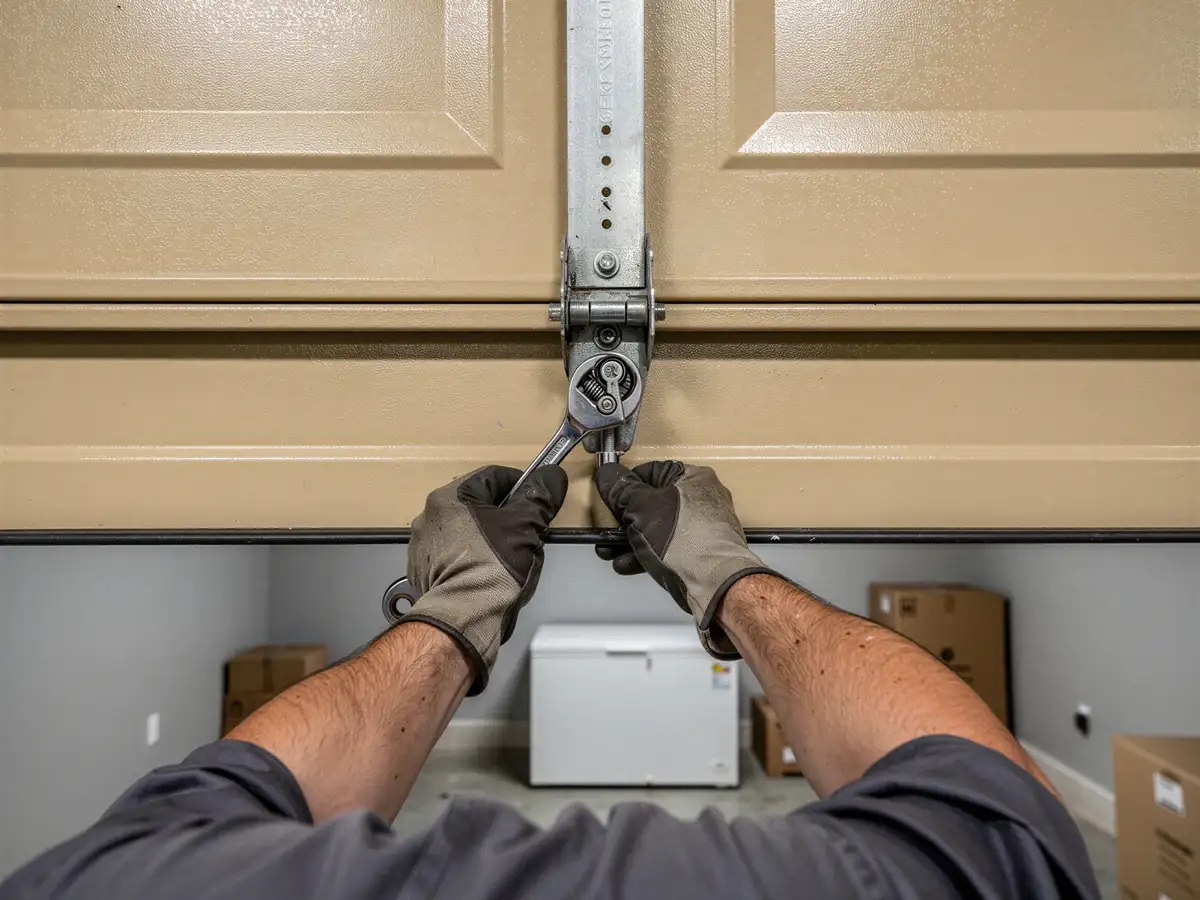
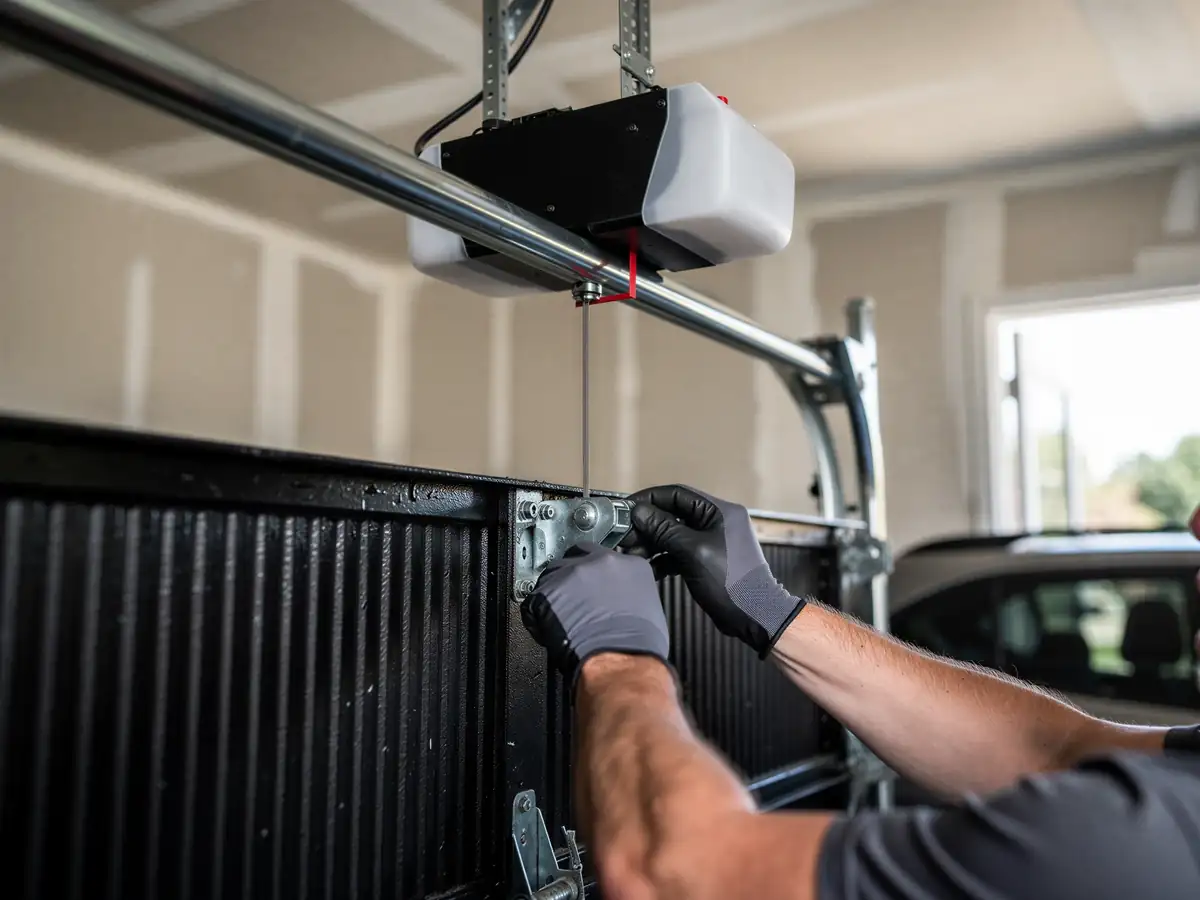
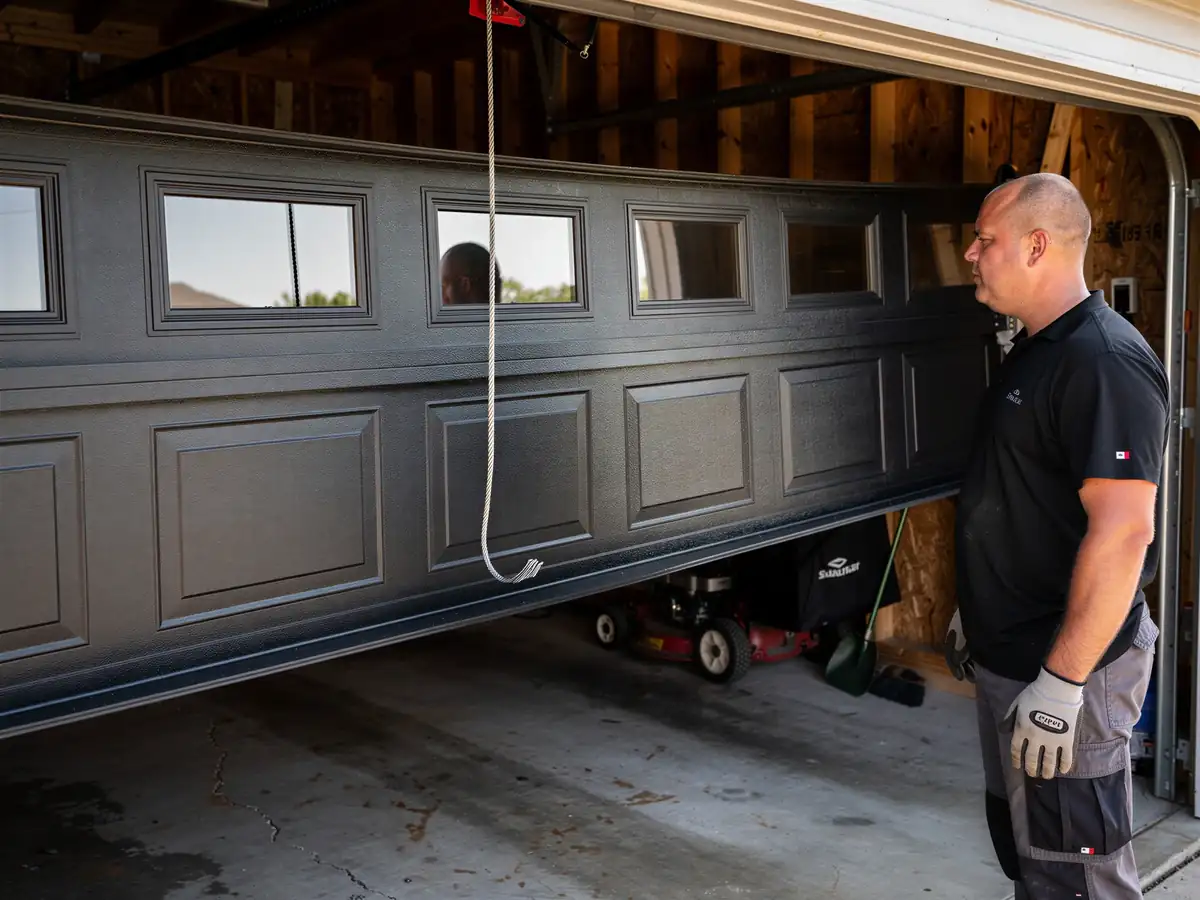
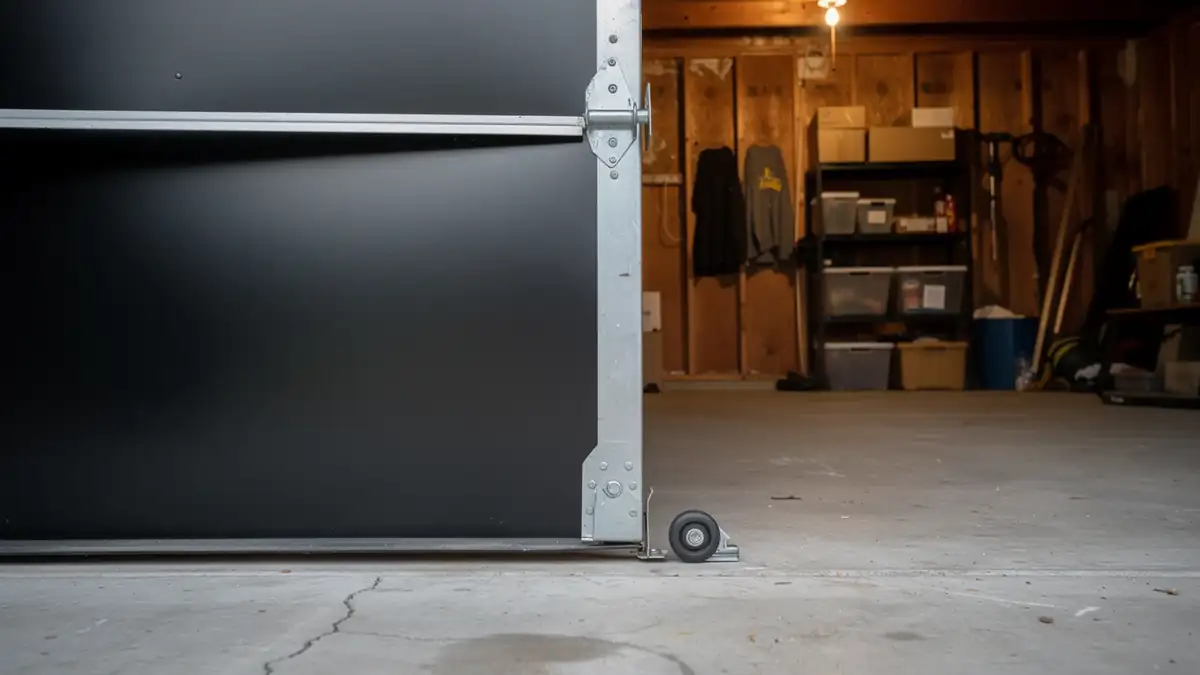
A door goes off track for one of a few reasons, and in this area the pattern is pretty consistent. Track brackets back out of old framing as the wood dries and the house settles - common in homes built before the 2000s, which describes most of the stock here. Rollers wear down after enough winters of thickened grease forcing them to grind instead of roll, and a worn roller rides up out of the channel instead of staying seated in it.
The other cause we see a lot is a bent track from a door that was hit - a car bumper, a ladder, a kid's bike - which pushes the rail out of alignment just enough that the rollers catch the lip instead of running straight through it. On older hardware, that bent section doesn't always bend back cleanly, because the metal has already fatigued from decades of use.
Less often, it's a broken cable on one side pulling the door crooked as it closes, which drags the opposite roller sideways until it jumps the rail entirely. That one's more urgent, because a door hanging on one cable is a door that can fall.
When to Get Help
If the door is grinding, binding, or visibly leaning to one side as it moves, stop running it. Running a door that's partway off track usually bends the track further or tears the roller bracket loose, which turns a tightening job into a track replacement.
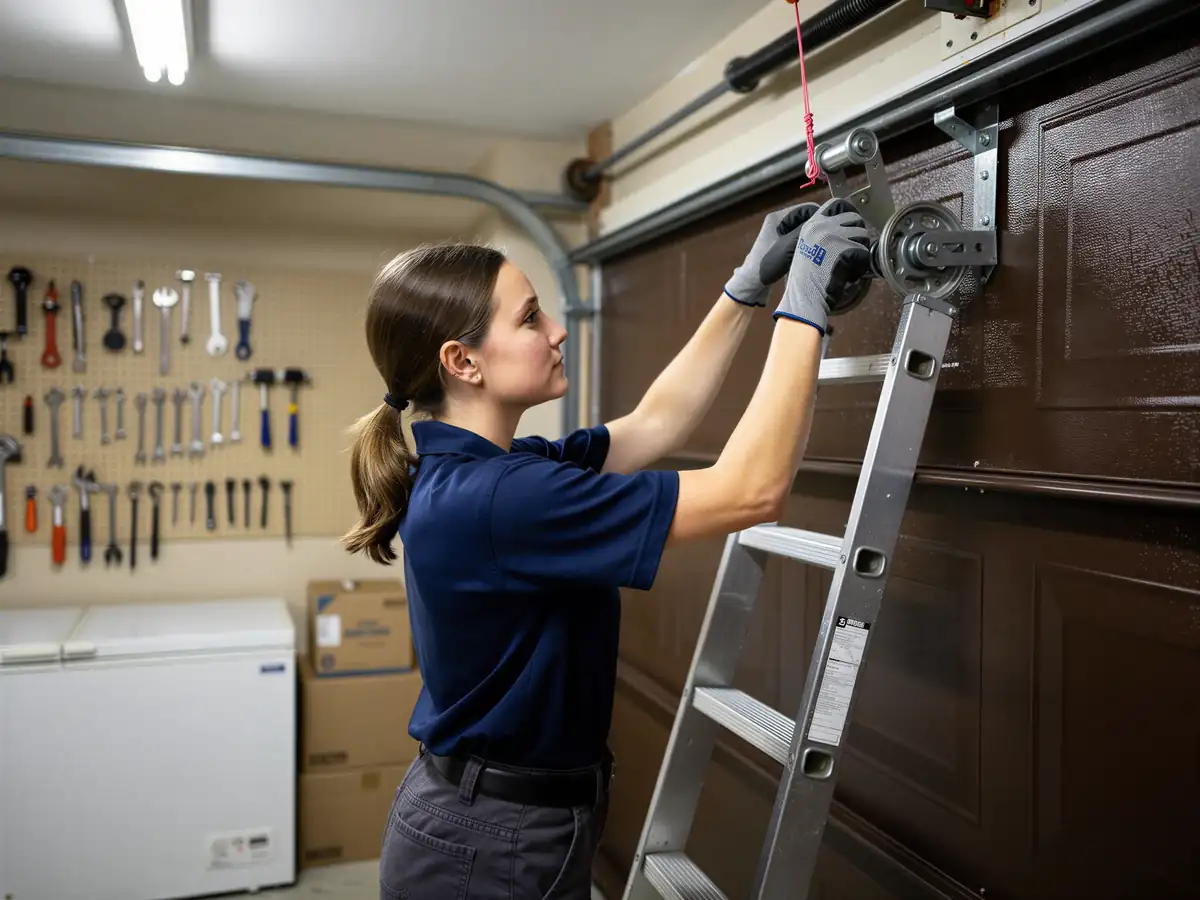
A gap between the roller and the track, a door that scrapes the weatherstrip on one side only, or a bracket you can wiggle by hand are all signs worth a call before the next cold stretch. Given how many houses here are running original 1960s and 70s track hardware, we'd rather look at it while it's still an adjustment than after a cold morning finishes the job.
If a cable has snapped, treat it as urgent - don't try to force the door by hand. One-sided cable failure is how a door ends up hanging crooked off the track altogether.
What It Costs
We don't have a set price list to quote here
And giving one without seeing the door would be a guess dressed up as a fact. What actually drives the cost is whether this is a bracket tightening and roller swap, or a full track replacement because the rail itself is bent or the framing behind it has rotted.
Older hardware, the kind common across this area's 1960s and 70s housing stock
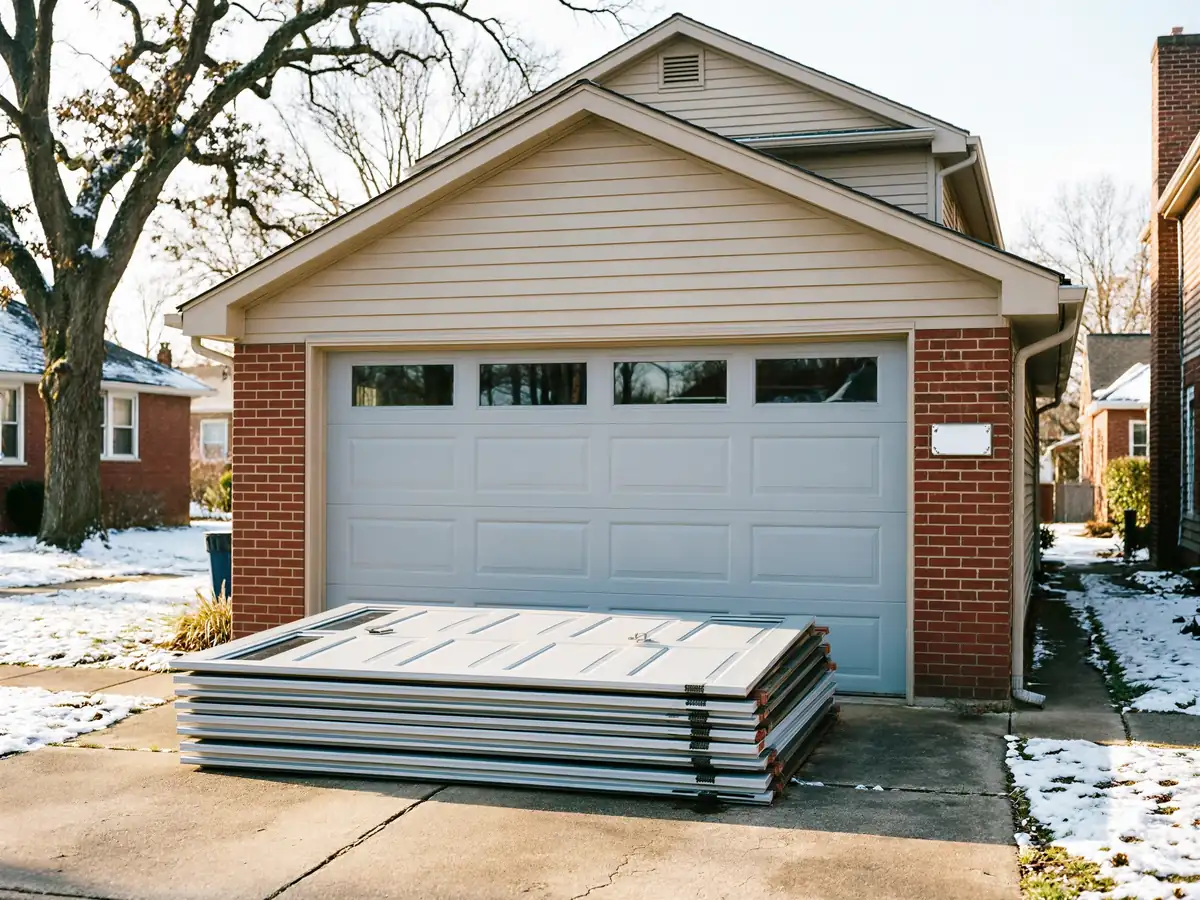
Sometimes can't be matched piece for piece anymore, which means a repair on one section turns into replacing the whole track so the rollers run true on both sides. That's the honest limitation: we'd rather tell a homeowner that upfront than quote a quick fix that doesn't hold through the next freeze.
The straightforward version
A bracket re-anchored into solid framing, a couple of worn rollers replaced - is a different job than one where the slab has settled enough to pull the track out of square. We price it once we've seen which one it is.