What an Older Garage Door Is Actually Worth Fixing in Peoria
Peoria homes built 1938-2002 often still run original hardware. See what's worth repairing on an older door here, and when cold-climate wear means it's time to stop patching.
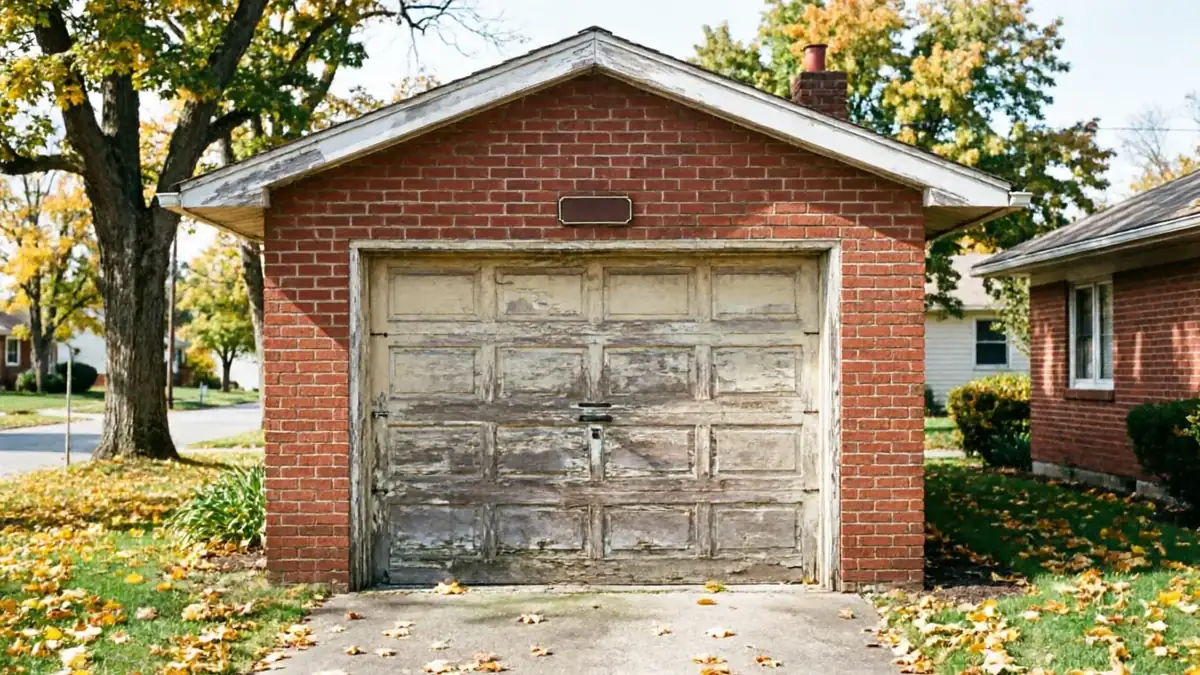
Most of the housing stock around Peoria went up between 1938 and 2002, with the median build year landing at 1964. That puts a huge share of doors in this city into the 1960s and 70s bracket - the era of steel panels, single-layer construction, and torsion springs sized for a lighter, less insulated door than what gets installed today. Peoria sits in a cold, moderate climate band, which means these older doors go through real freeze-thaw cycling every winter. Steel contracts in the cold, condensation forms on uninsulated panels, and hardware that was fine in July seizes up or snaps in January. None of that is unique to one house - it's the baseline condition for a big chunk of the 26 named areas that make up this service territory, from the older cores near West Peoria and East Peoria out to the newer subdivisions. A door's age alone doesn't tell you much. What it tells you, combined with the climate, is which parts are under the most stress and which ones are close to the end of their working life.
The Problem
A door built around the median year here is pushing six decades old if it's never been replaced, and even a door from the 80s or 90s is dealing with hardware that wasn't designed for the number of open-close cycles it's seen. In this climate, the failure pattern is predictable: torsion springs lose tension and snap on a cold morning when the steel is stiffest, rollers dry out and bind in track that's already slightly out of square from decades of settling, and single-layer panels that took on moisture years ago are now bowing or rusting from the inside out. The honest problem isn't that the door is old - it's that parts sourcing for a one-piece door or a non-standard torsion setup from this era is slow, and sometimes a part just isn't made anymore. That changes the math on repair versus replace pretty fast, regardless of how clean the rest of the door looks.
When to Get Help
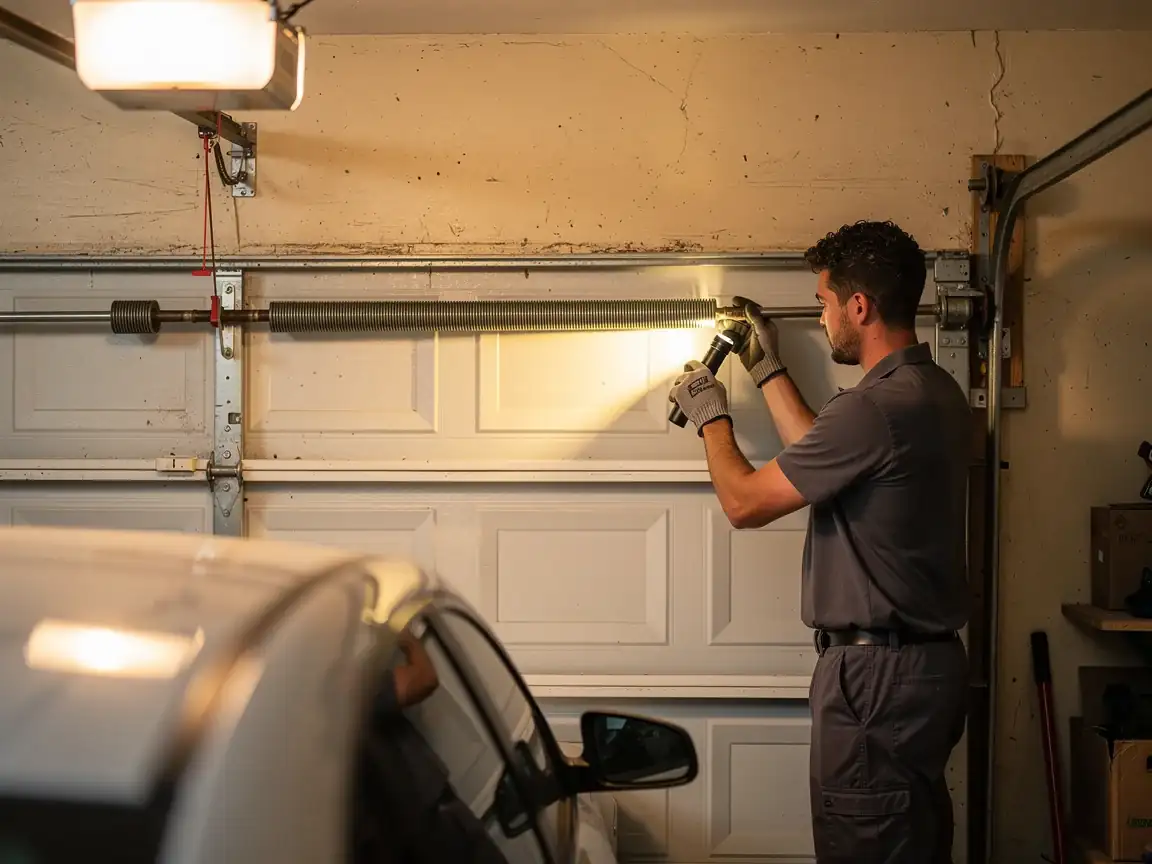
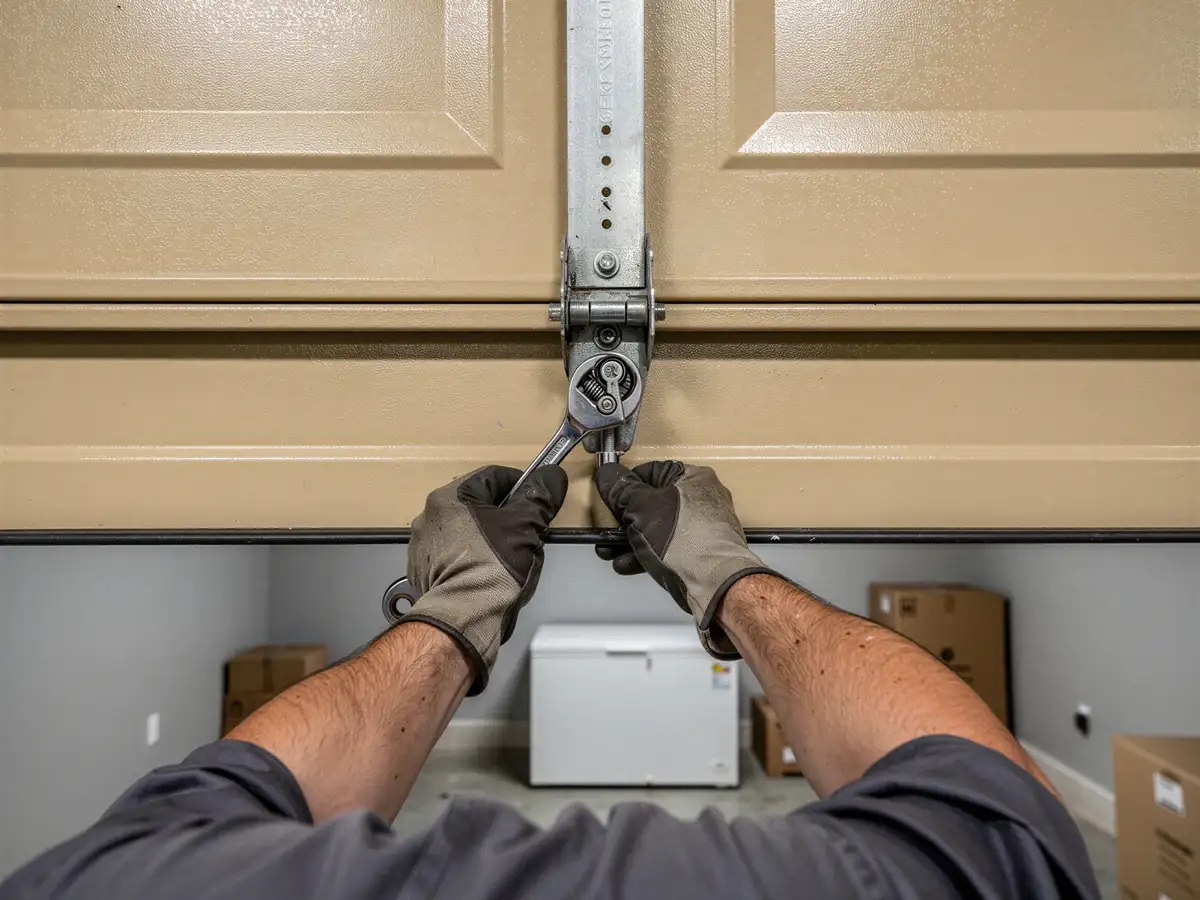
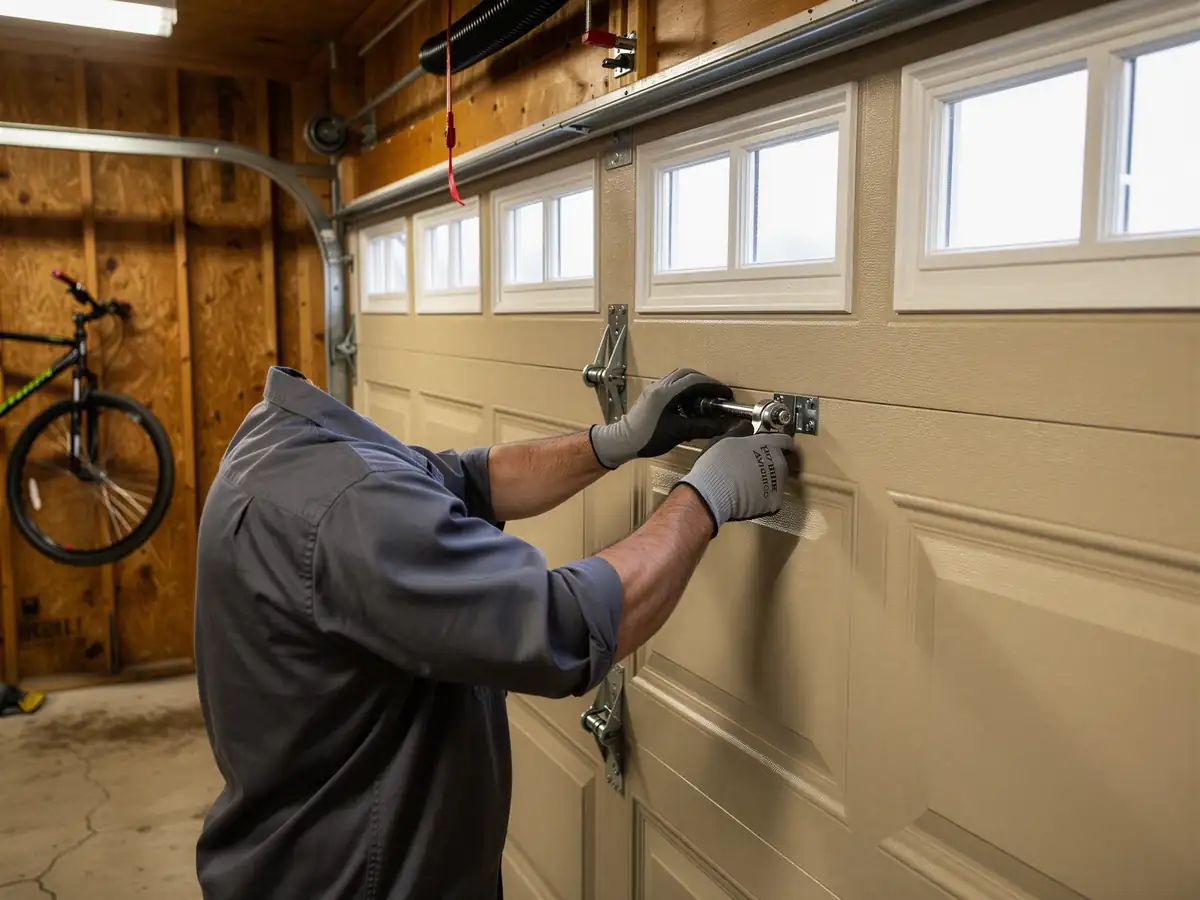
Call before a spring finishes failing, not after. A torsion spring that's visibly stretched, has a gap in a coil, or makes a grinding noise when the door moves is close to done, and a full snap under tension can bend the shaft or damage the opener. If the door drags, hangs unevenly, or needs a shove to close the last foot, the track is likely out of alignment - common on a house where the slab has shifted over fifty-plus years, which is typical for construction from the 1960s-70s era that makes up most of this stock. Rust at the bottom panel seam, especially after a wet winter, is worth a look before it spreads. If the door is original to a house built in the 1938-2002 range and nobody's serviced the hardware, get it inspected even if nothing's broken yet - the parts most likely to fail are the ones nobody looks at until they're on the garage floor.
What It Costs
We don't have a price list to quote here, and giving you a made-up number would do you no favors. What actually drives the cost on an older door is parts availability more than labor: a standard torsion spring is a straightforward swap, but a non-standard shaft size or a discontinued track profile from a 60s-era door takes longer to source and costs more to match. Median household income across this service area runs a little over $71,000, and most owners we talk to want a straight answer on whether a repair is worth doing at all before they commit to it - that's a fair question, and it's one we can only answer once we've seen the door. One honest limitation: if the cabinet or frame has racked out of square, a spring or roller repair won't fix the underlying problem, and replacement ends up being the better use of money even on a door that still looks fine.
How it works
From “it’s stuck” to “it’s fixed”
1
Tell us what’s wrong
Describe the symptom - won’t open, loud bang, opener runs but the door won’t move.
2
On-site diagnosis
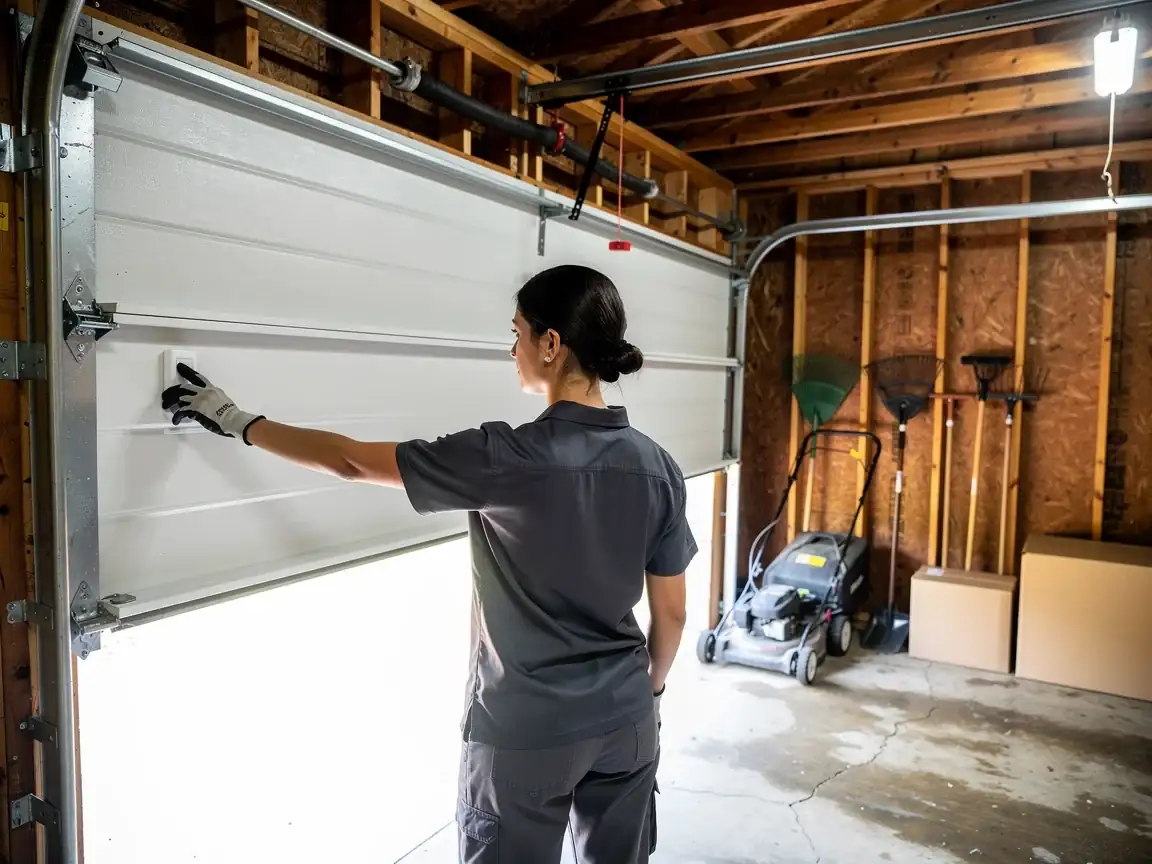
A technician tests the door under power and by hand and finds what actually failed.
3
Clear, up-front plan
You get the fix that’s needed and what drives the cost - before any work starts.
4
Repaired & tested
The repair is done, the door is set true and tested, and the work area left clean.
Not sure which repair your door needs in Peoria, IL? Describe what it’s doing - every job starts with a diagnosis.
01How old does a garage door have to be before repair stops making sense?
Age by itself isn't the deciding factor - it's whether parts for that specific door are still available and whether the frame is still square. A lot of houses here date to the 1960s-70s, and a door from that era can still be worth fixing if the track and hardware are standard sizes. If the shaft or spring size is non-standard, repair gets slower and pricier fast.
02Why do old garage doors fail more in winter here?
Peoria sits in a cold, moderate climate band, and steel hardware stiffens and contracts in freezing temperatures. A torsion spring already near the end of its life is far more likely to snap on a cold morning than in mild weather, and uninsulated single-layer panels common on older doors take on more condensation stress through winter cycling.
03Is it worth insulating an old single-layer door instead of replacing it?
Sometimes, if the panels and frame are still sound. But a lot of the original doors from the 1964 median build era are steel panels that have already seen decades of moisture exposure, and retrofitting insulation on a door that's rusting from the inside doesn't solve the real problem. We'd want to look at the panel condition first.
Ready to get your garage door sorted?
Tell us what it’s doing and where you are in Peoria - we’ll take it from there.