Where We Stop
We run out of Peoria, and East Peoria sits about seven miles out across the river
That's a short run for us, and it means a truck can get to your driveway without the delays you'd get calling a shop that isn't local to this side of the Illinois River at all. We don't keep a depot in East Peoria itself - the trucks come from Peoria, same as they do for the other communities we reach in that seven-to-eighteen-mile ring. If you're further out than that, ask when you call; we'd rather tell you straight than have you wait on a truck that's not coming soon.
What we do have is familiarity with what's actually on the ground here
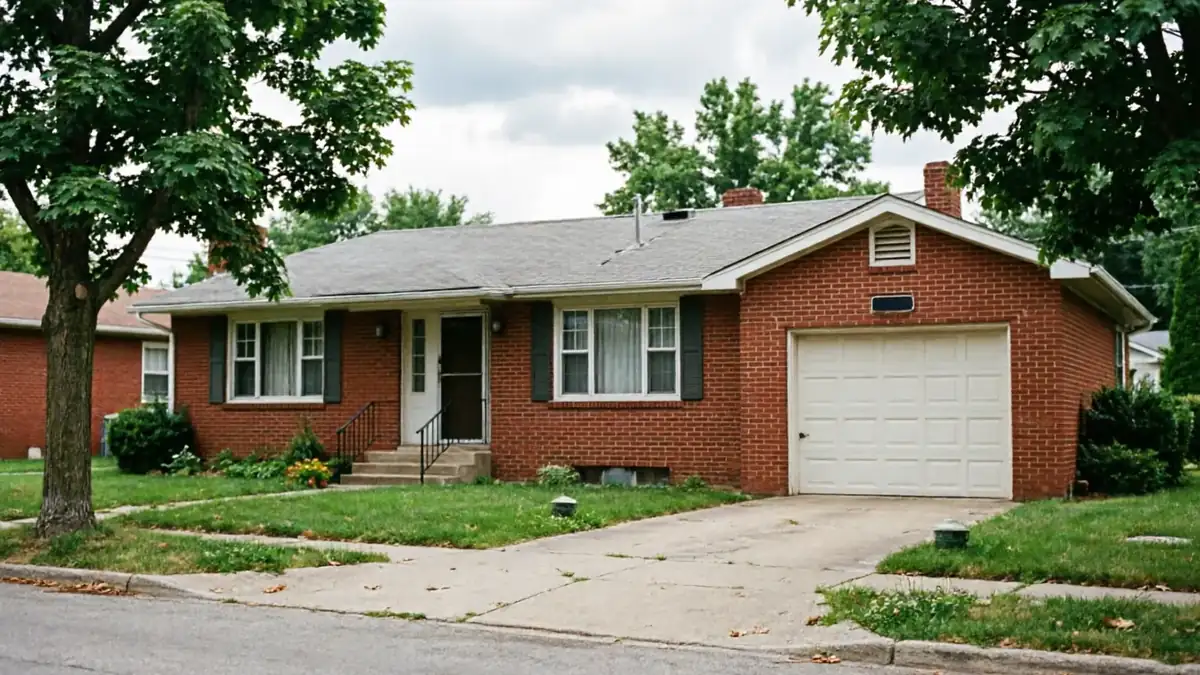
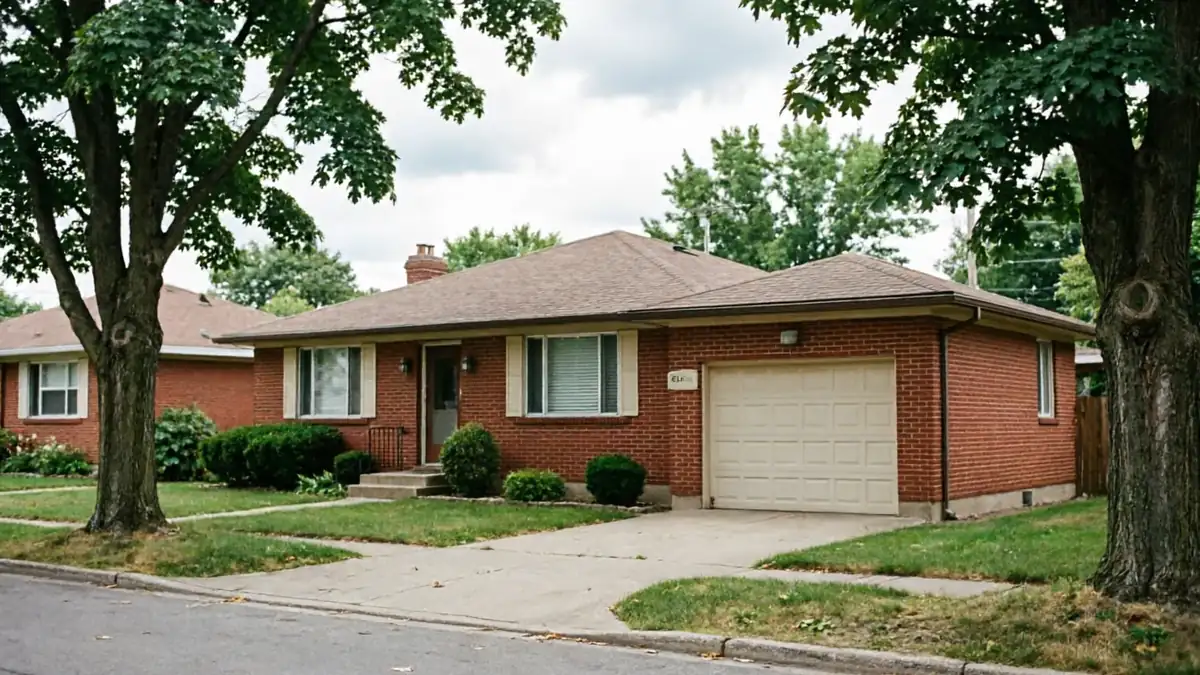
East Peoria isn't a suburb that sprang up in the last decade with cookie-cutter doors and matching openers. It's older than that, and the housing stock shows it. That's the part that actually changes how we work on your door, more than the mileage does.
Old Streets and New Ones
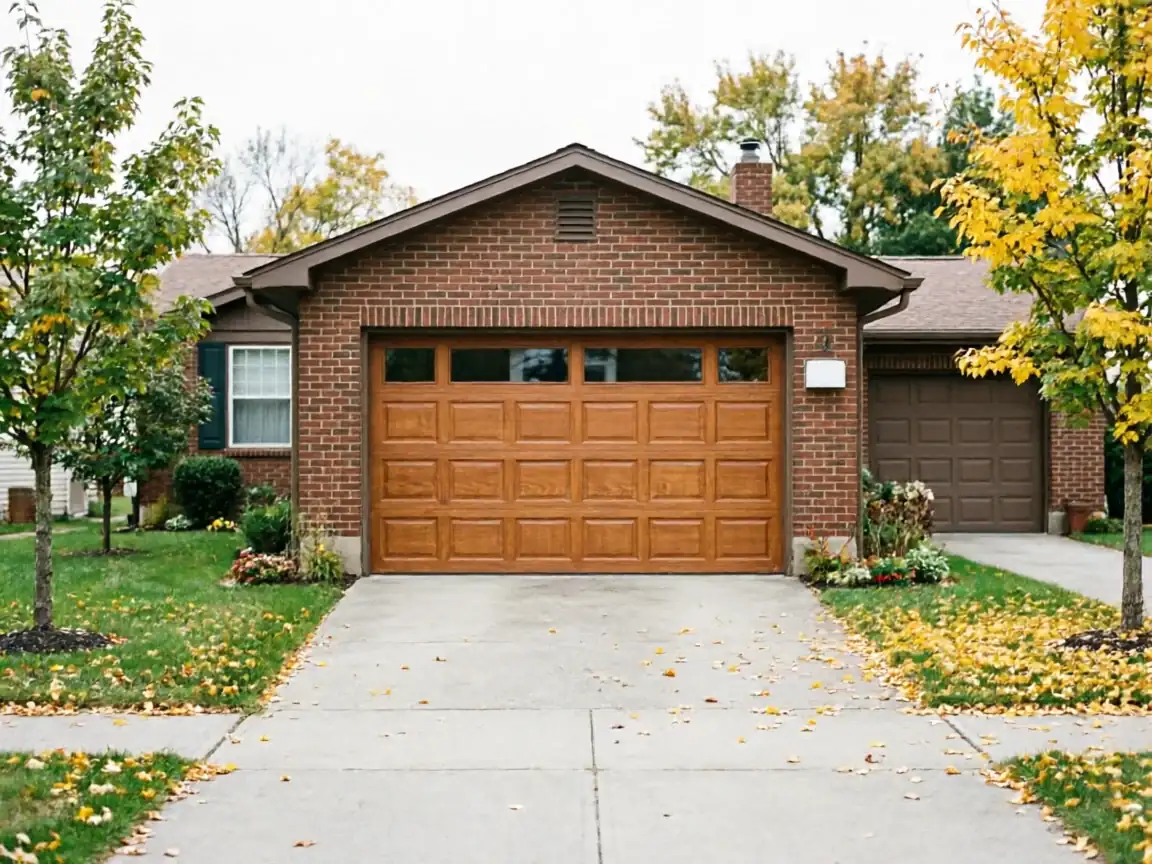
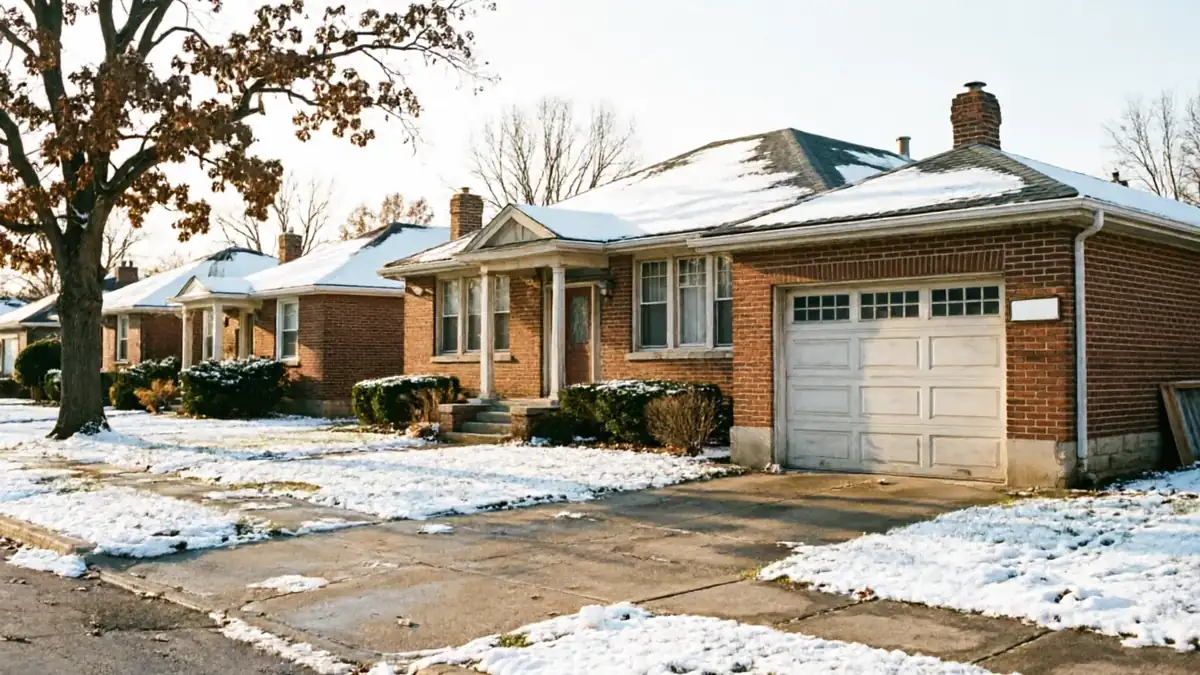
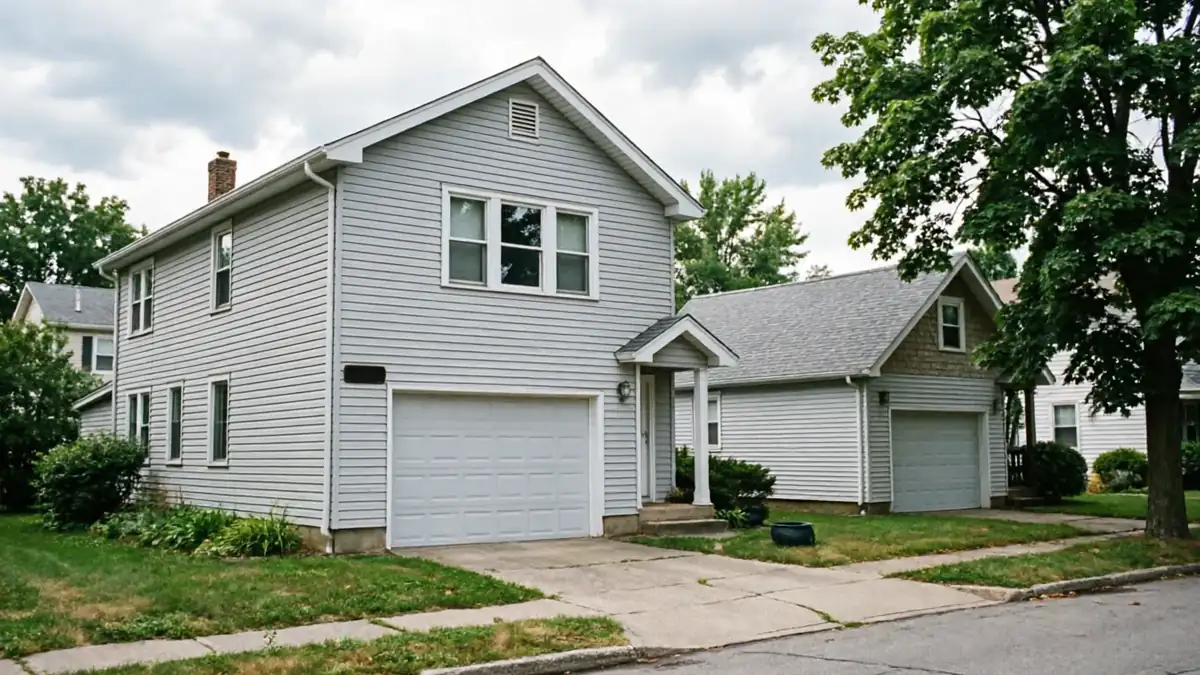
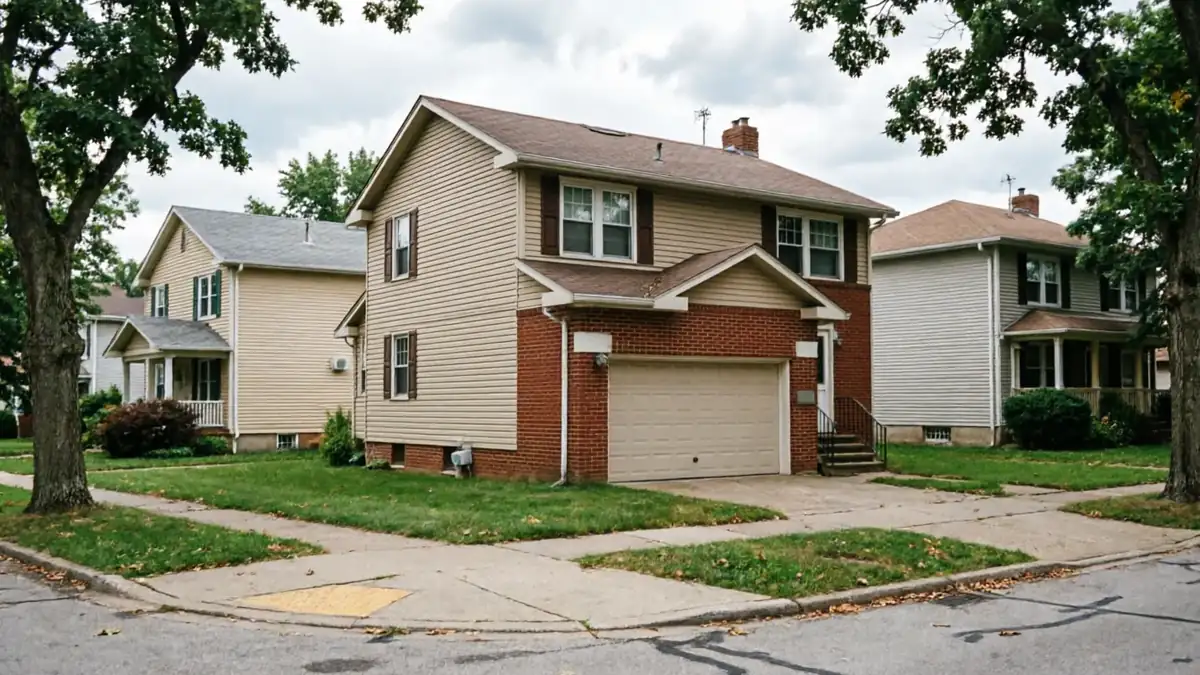
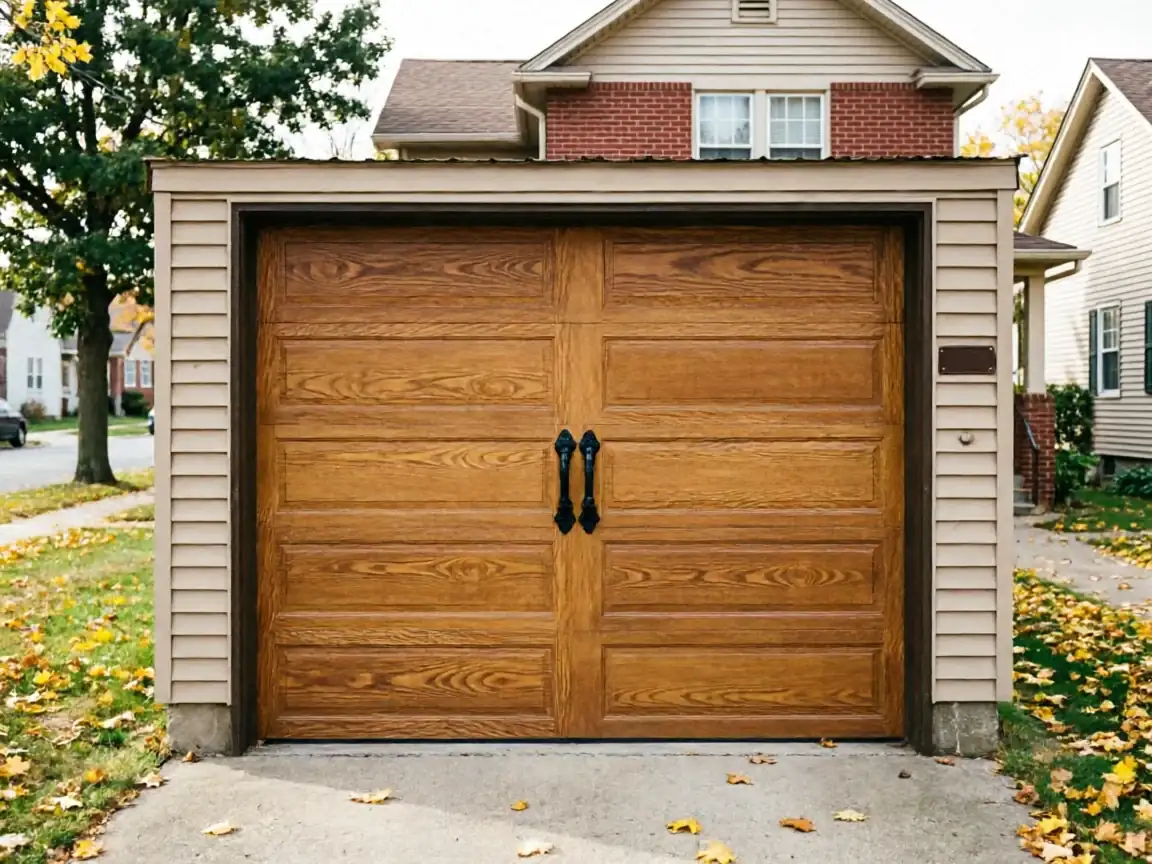
The median year built across our whole coverage area is 1964, but East Peoria runs a touch younger - closer to 1968 as a typical build year. That's not a huge gap, but it's enough to matter on a garage door. A house built in the late 1960s usually got a single wide door rather than the older one-piece swing-up style you still find on some mid-century blocks nearby. By the late 60s, sectional doors with roll-up track were becoming standard, which means more of what we see in East Peoria is repairable with parts that still exist, rather than the oddball hardware from a decade earlier.
The area has roughly 9,894 households, which tells you this isn't a sprawling exurb - it's a settled, built-out community where most of the housing went up in a couple of decades rather than getting added lot by lot over fifty years. That matters because it means the common failures cluster. When one torsion spring from a certain era starts going, we usually see a run of calls from the same few streets within a season or two.
What That Means for Doors
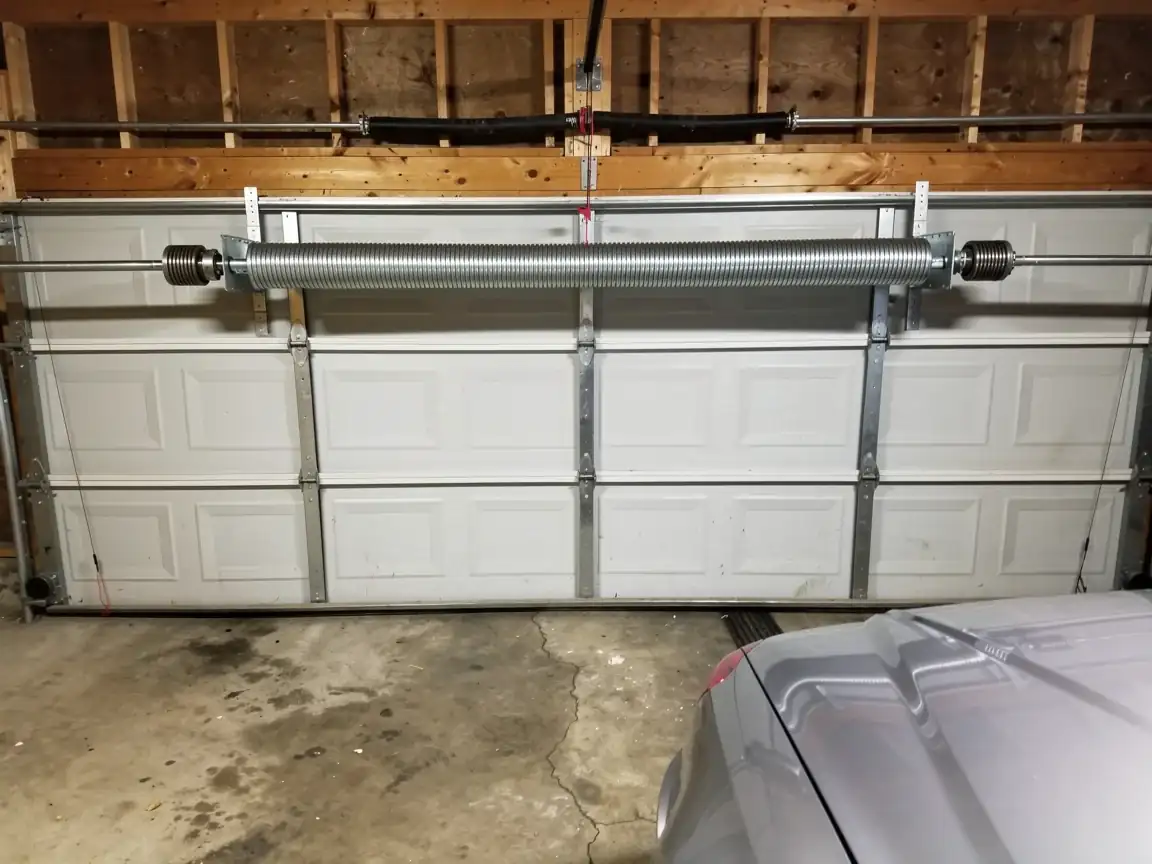
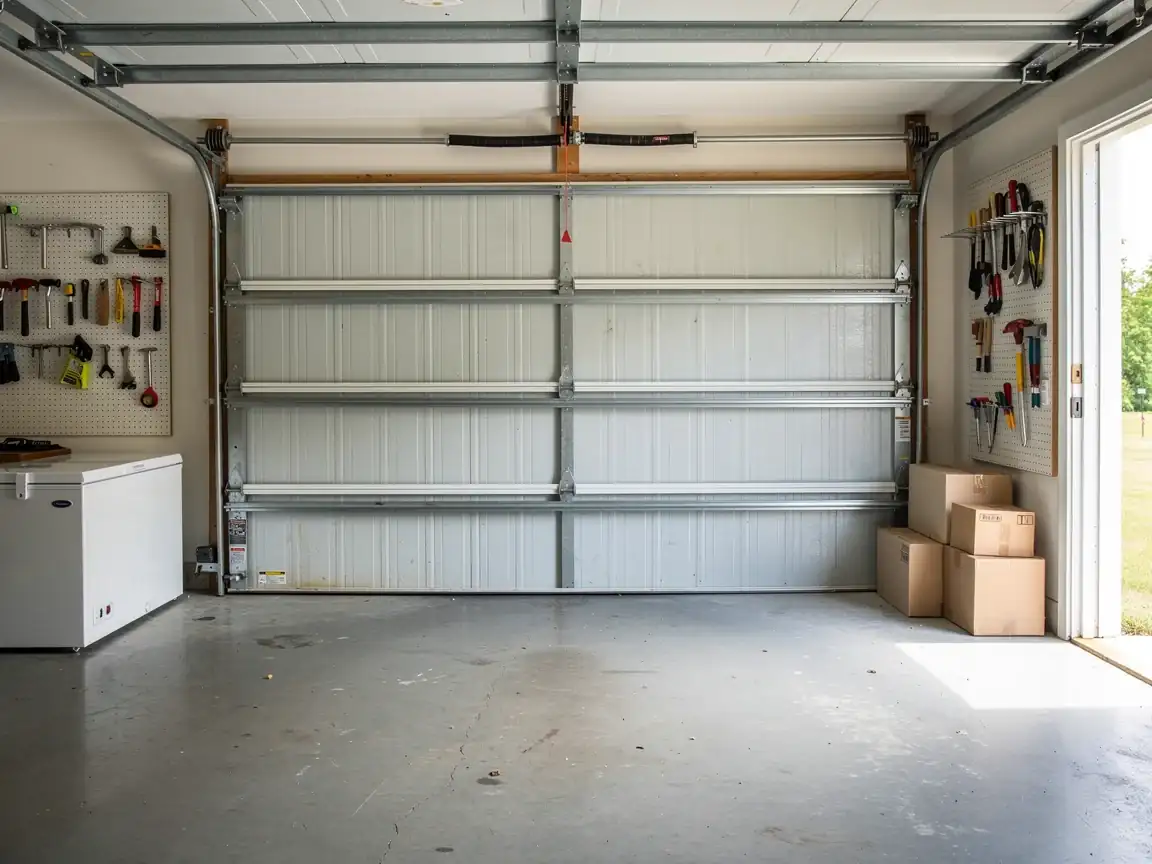
A door installed when East Peoria was filling in during the late 60s is now pushing sixty years old if it's original, and most aren't - they've been replaced once, sometimes twice. What we see more often is openers and torsion springs from a mid-life replacement done in the 80s or 90s, now at the end of their own service life. Springs are rated in cycles, not years, so a door that gets used twice a day for twenty-five years is a candidate for a spring failure regardless of what decade the house went up.
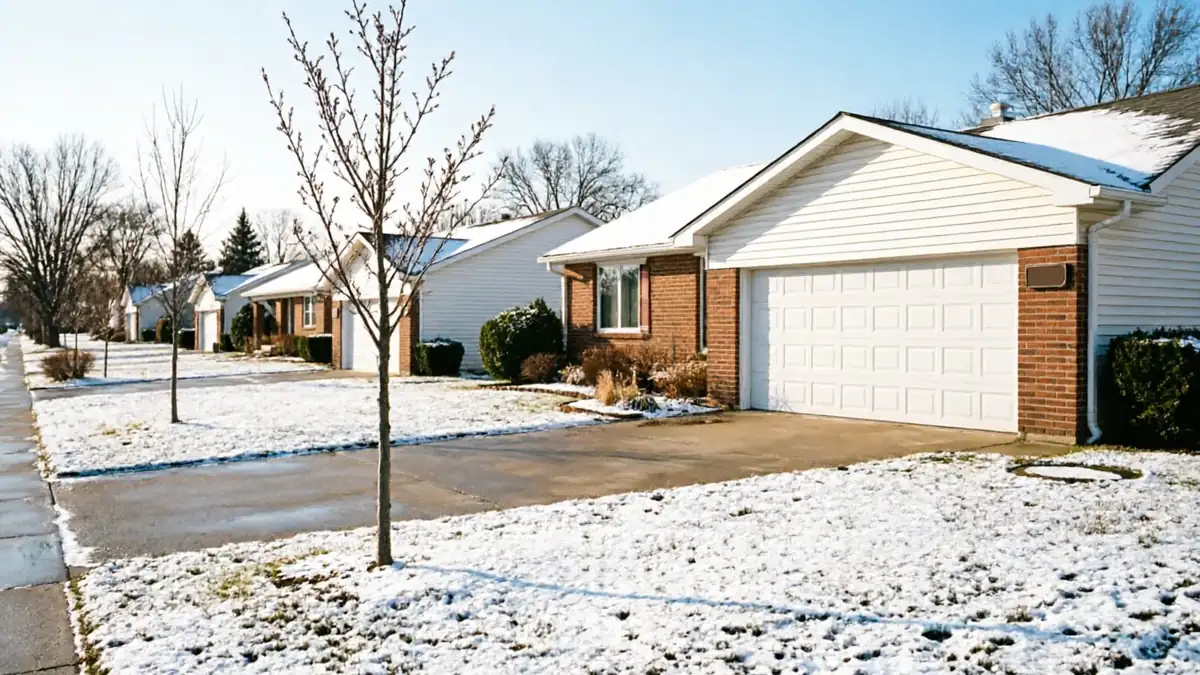
The cold matters here too. This is a cold-moderate climate band, and a garage that isn't insulated - common in houses from this build era - puts stress on nylon rollers and on opener gear sets that weren't designed with a heated space in mind. We see more broken rollers and stripped gears in the first real cold snap than at any other time of year. One limitation worth saying plainly: if your opener is original to a 1960s build, parts for it likely don't exist anymore, and replacement is the honest answer, not a repair quote that keeps you paying for a dead design.
This Area's Housing
Median household income across our coverage area sits at $71,763
Which lines up with what we see on service calls - people who maintain a house rather than let it slide, but who also want a repair quote before they hear the word 'replace.' We respect that. A worn roller or a frayed cable is a repair. A door that's racked in the track because the opener's been fighting bad springs for months is usually past the point where a patch job makes sense.
East Peoria sits among a cluster of similarly aged communities
Bellevue and West Peoria a few miles the other direction, Mossville to the north - and the pattern holds across most of them: housing stock from the 1960s and 70s, openers and springs that are now on their second or third life, and garages that weren't built with insulation in mind. If your house falls into that window, we're not guessing at what's behind the panel when we show up.