The DIY Question
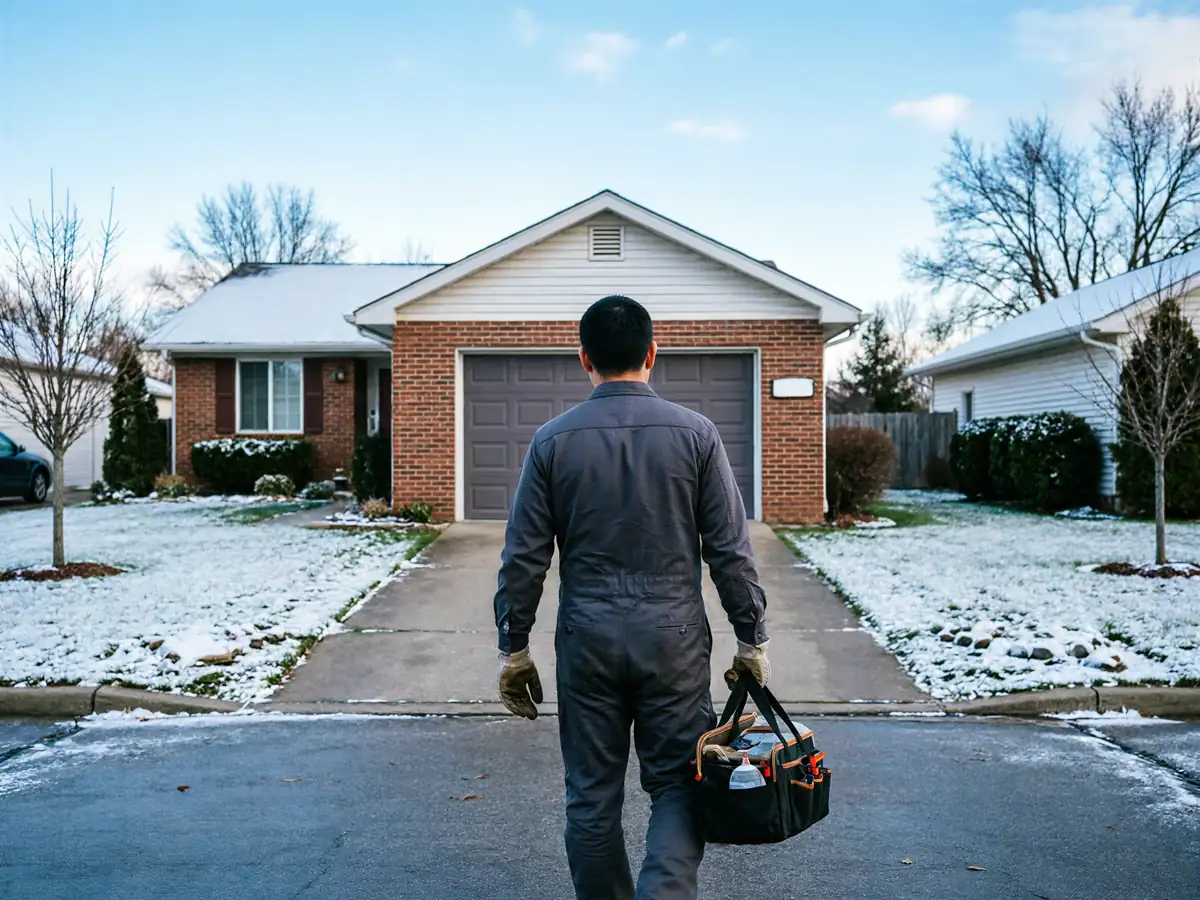
Most garages in East Peoria went up around 1968
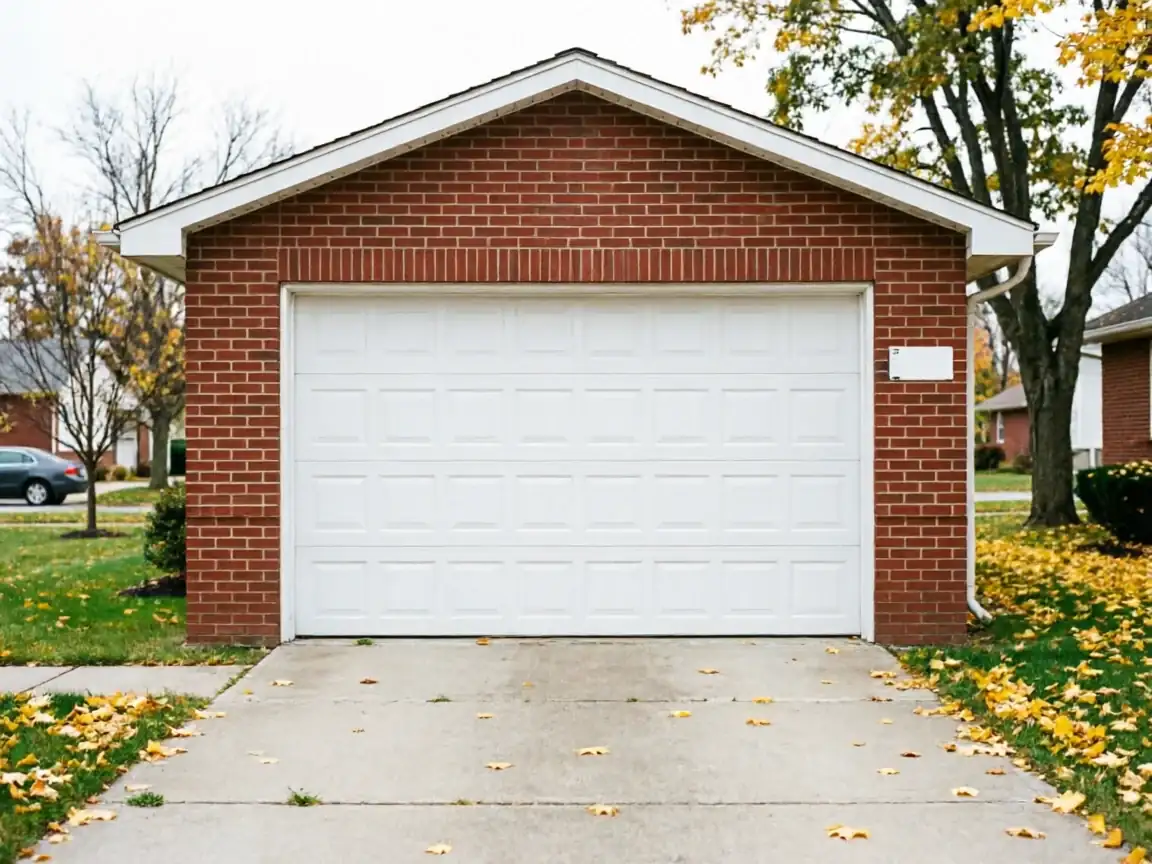
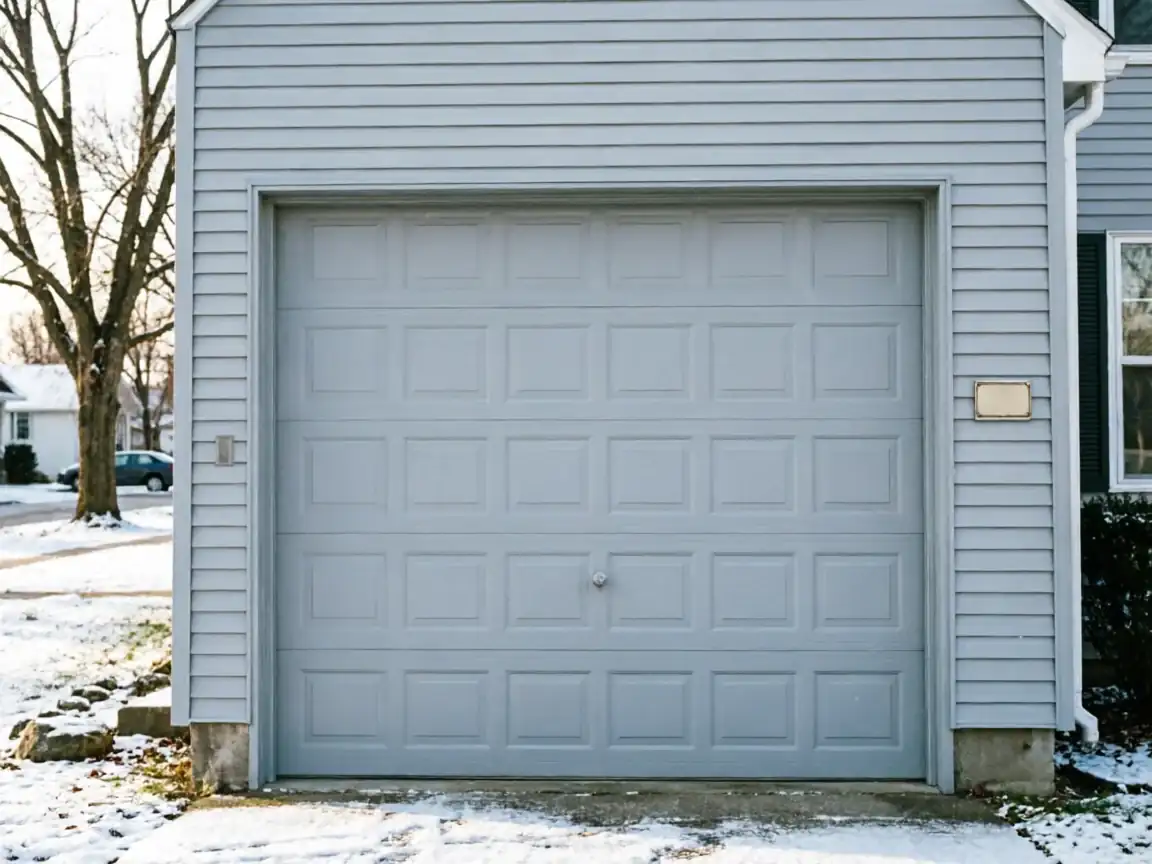
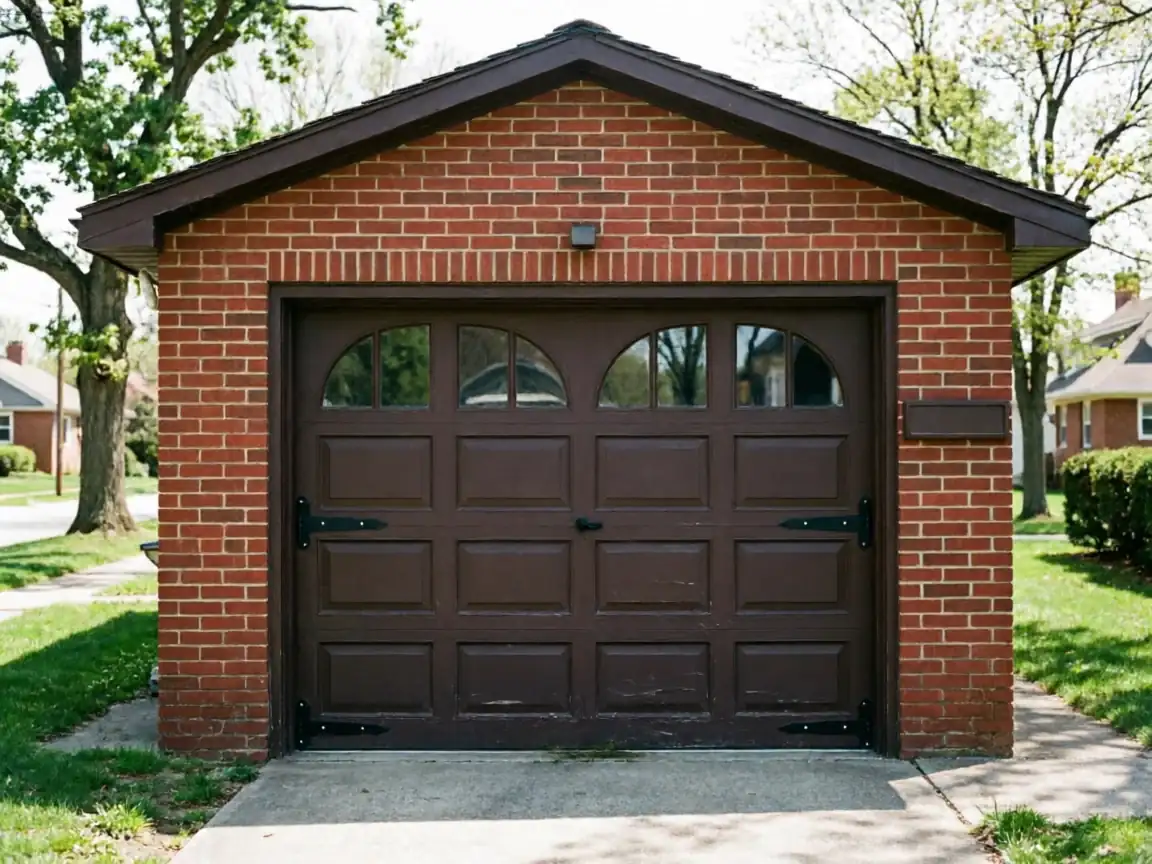
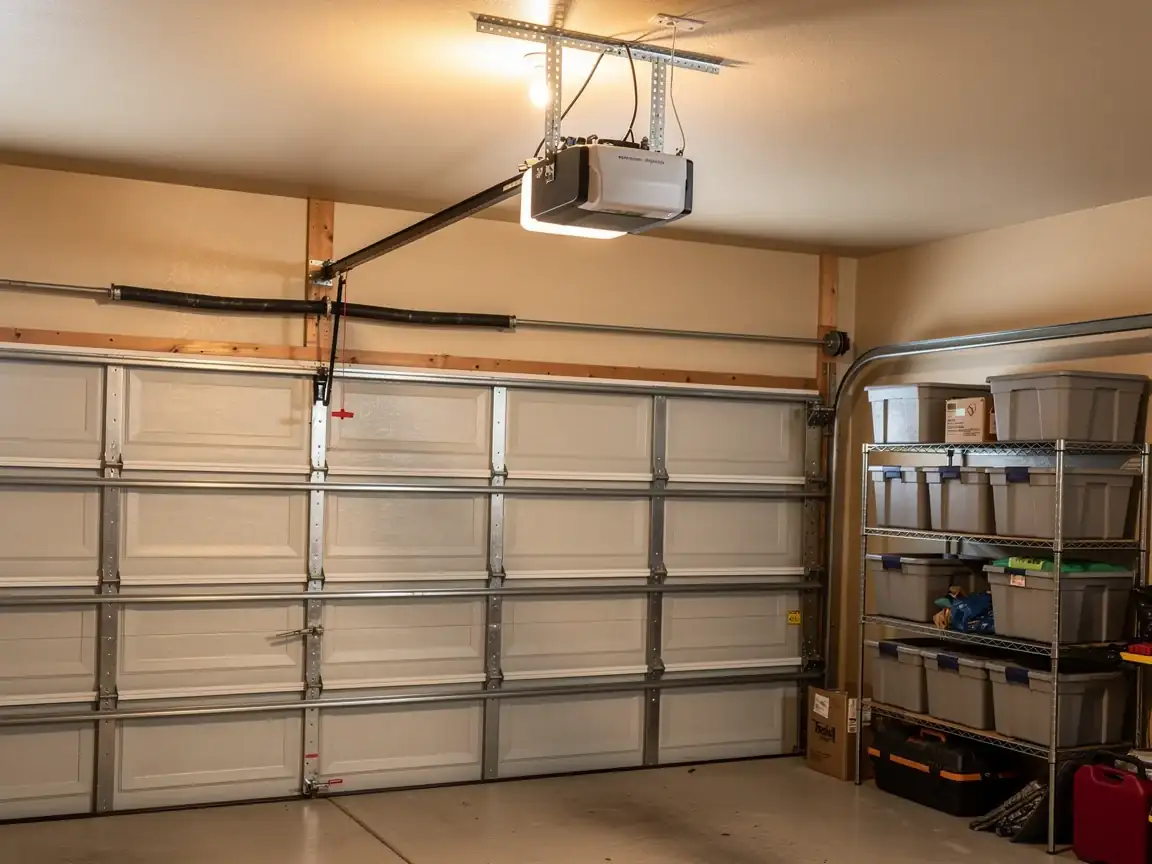
And that means steel doors - single openings on some houses, double on others - running on torsion spring hardware that was standard for the decade. These aren't the lightweight panel doors you'd find on a house built in the 2000s. They're heavier, the springs are wound to carry more weight, and the track alignment tends to be original unless someone's replaced it.
That matters for what you can safely do yourself
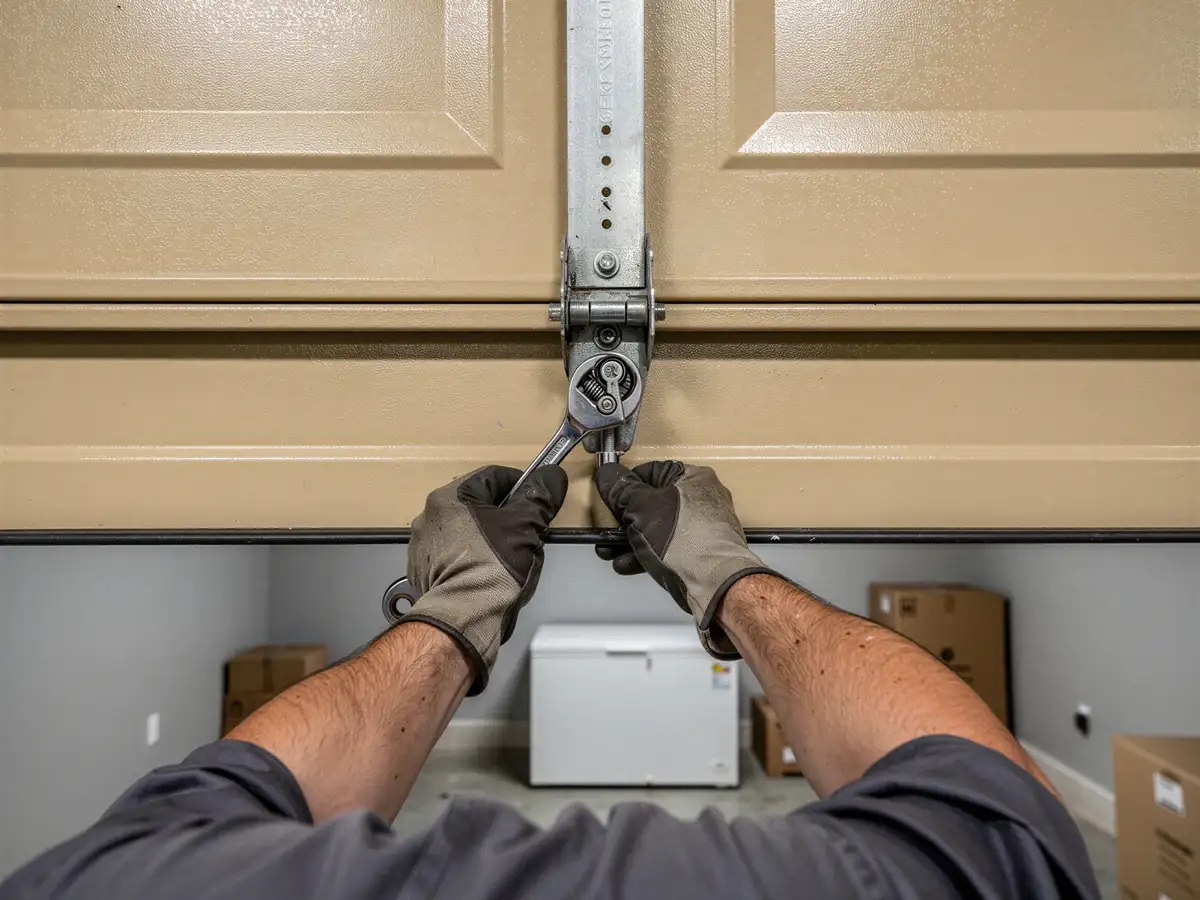
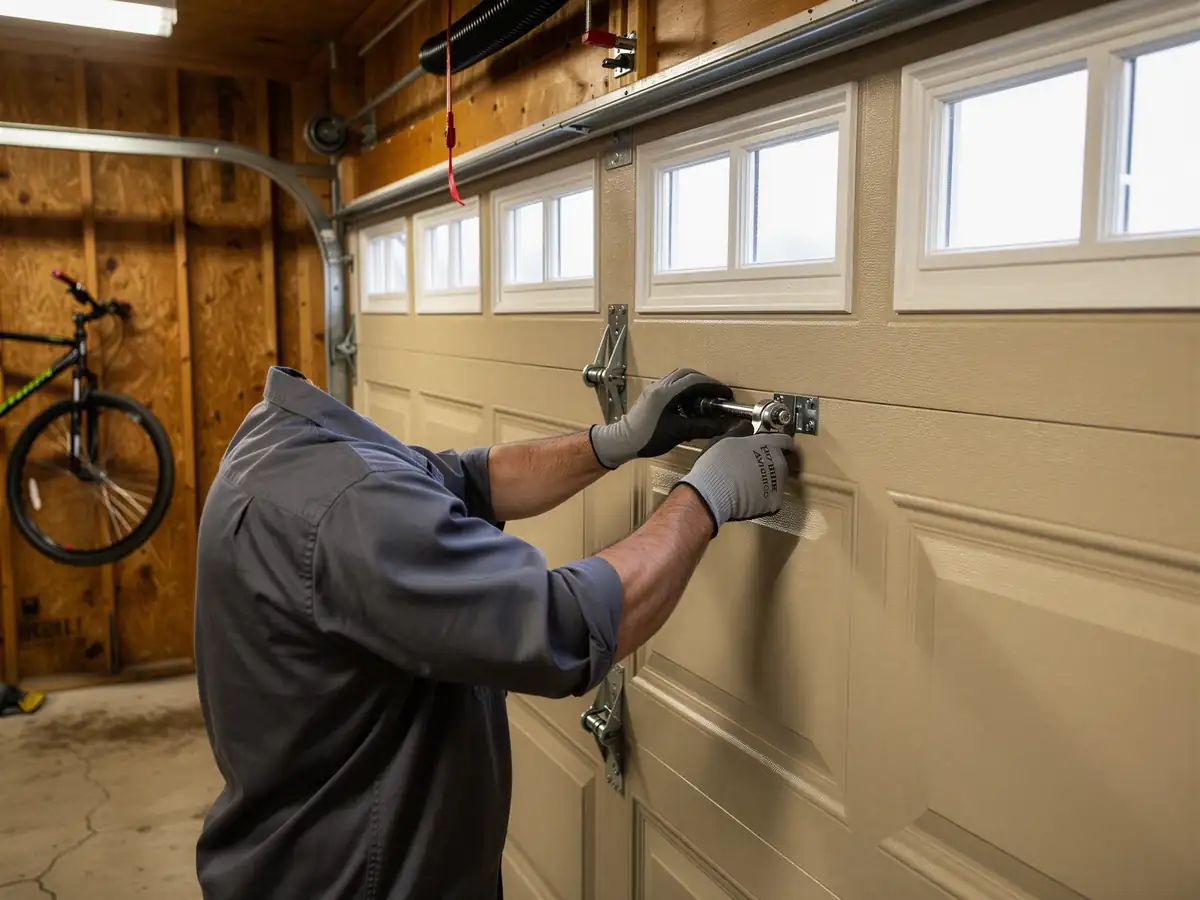
Lubricating hinges and rollers, checking the weatherstrip, tightening loose bolts on the track brackets - that's homeowner work, and it's worth doing twice a year. Adjusting spring tension or replacing a cable is not. A torsion spring under load can put you in the ER faster than almost any other home repair job, and on a door this age the spring is likely original or a prior replacement you don't have records for. If you don't know the wind count or the wire gauge, don't touch it. That's not caution for its own sake - it's the one honest limitation we'll put in writing: we won't walk you through a spring swap over the phone, because on a door this old, guessing gets someone hurt.
What It Costs
We don't have a fixed number to quote you here, and we're not going to invent one. What we can tell you is what drives the cost on a typical East Peoria visit: whether the springs need adjustment or replacement, whether the rollers are the original steel wheels (common on 1968-era doors) or have already been swapped for nylon, and whether the opener has been added later and needs its own check.
At a median household income of $71,763 for the area, a lot of owners here are weighing a maintenance visit against eventually replacing the whole door. That's a real tradeoff, and we'll tell you straight if a repair is close to the cost of letting the door go. We won't push a full replacement on a door that just needs its hardware serviced, and we won't talk you into maintenance on a door that's genuinely at the end of its life. Ask for a walk-through of what we're checking before we start, and you'll get a straight answer, not a guess dressed up as a number.
Getting It Booked In
East Peoria sits about 7 miles from our shop in Peoria, which is close enough that a maintenance visit fits into a normal day on the schedule without turning into a special trip. We don't run a branch or a depot in East Peoria itself - we come from Peoria for every call here, same as we do for the other towns in the area.
When you call, have the age of the house handy if you know it, or just tell us it's an older East Peoria garage. That alone tells us a lot about what we're likely walking into - torsion springs rated for a different era, hardware that may never have been serviced, an opener that could be original or a later add-on. Booking a maintenance visit isn't urgent the way a broken spring is, so there's no reason to rush it onto the calendar - but there's also no reason to put it off once a door starts binding or the opener starts straining, since that's usually the hardware telling you it's close to done waiting.
Why This Fails Locally
The area sits in a cold-moderate climate band
And that's the detail most maintenance checklists skip. Cold doesn't just stiffen grease - it changes how steel contracts, how a torsion spring behaves under tension, and how much extra pull an opener has to generate on a frozen morning. A spring rated for a certain cycle count back in 1968 wasn't rated with fifty-plus winters of that cycle in mind.
With 9,894 households in East Peoria, a large share of them sitting on housing stock from the same two-decade build window
That means a lot of torsion springs and a lot of steel rollers hitting the same age-related wear at roughly the same time. It's not one unlucky door - it's a whole generation of hardware aging out together. Owners who assume their door is fine because it still opens are usually looking at a spring that's lost tension gradually, not suddenly, and a roller track that's slowly going out of alignment without ever fully jamming. Those are the two failures that maintenance is built to catch before they turn into a 2 a.m. call.
- 9,894 households
How We Fix It
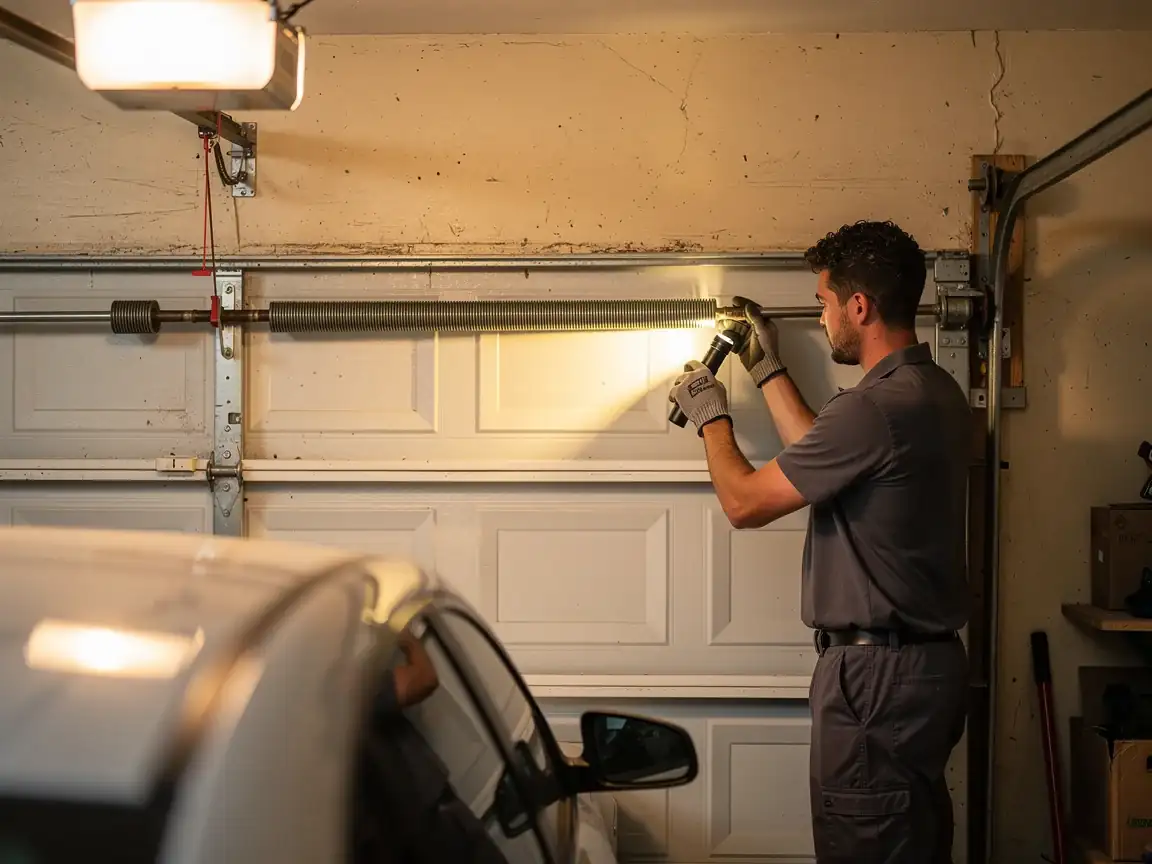
On a 1968-era East Peoria door, the visit starts with the spring - checking wind tension, wear on the coils, and whether the cable drums are still true. From there it's rollers and track: steel rollers on original hardware wear differently than nylon, and track alignment on a door this age has usually shifted some over fifty-plus years of seasonal temperature swings.
We check the opener's force settings against the door's actual weight, not a factory default, since a lot of these doors have had hardware changes over the years that the opener was never recalibrated for. Weatherstripping gets a look too - on a cold-climate door, a gap there costs you more in heat loss than most owners expect. We'll tell you if something's past the point where adjustment helps and replacement is the better money. That's the whole job: catch what's wearing down before it becomes a broken spring or a door stuck on the track, on hardware that was built for a different decade than the one it's aging into now.