The DIY Question
East Peoria's median household income sits at $71,763
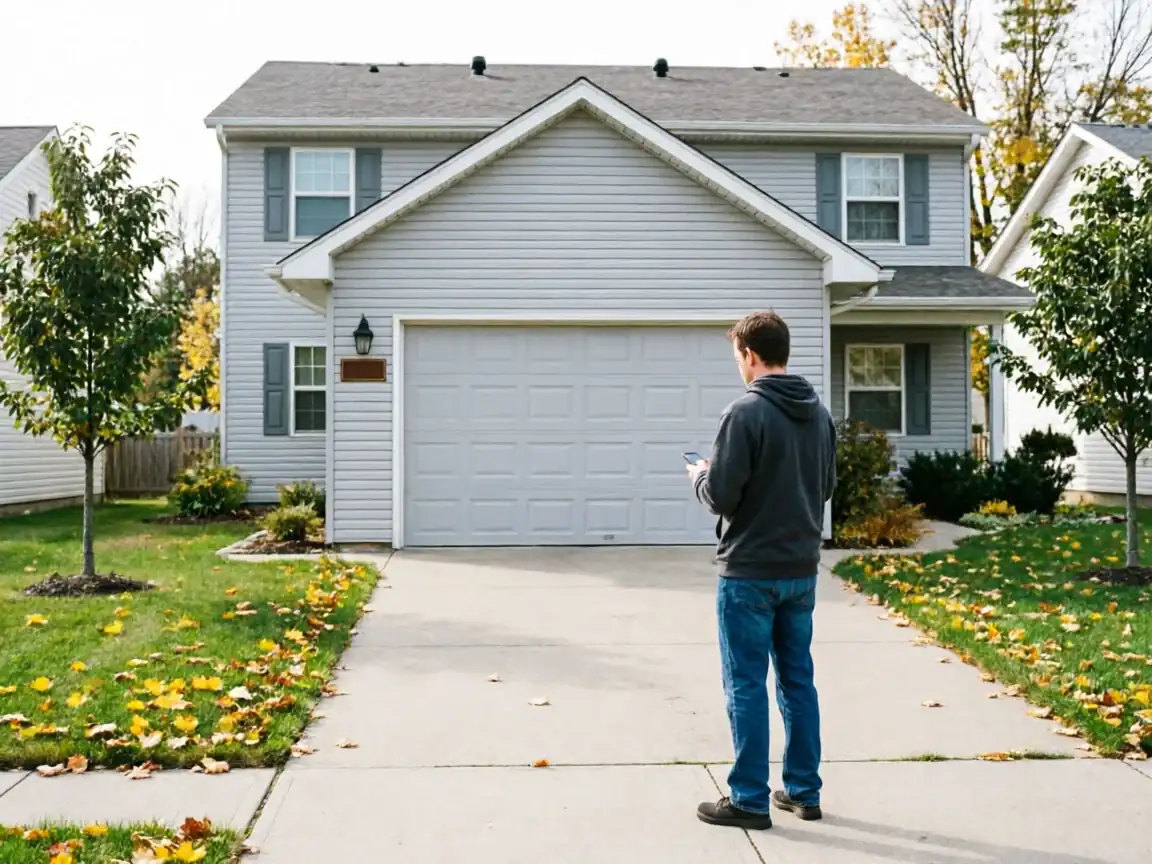
Which is the number that actually decides whether you grab a wrench or make a call. At that income level, a torsion spring swap or a cable replacement is usually worth doing right rather than patching. Where people get into trouble is on the double door with two springs - if one broke from age, the other is close behind, and a DIY job that only fixes the symptom means a second failure inside a season.
- $71,763 median household income
Most East Peoria houses were built around 1968, median year
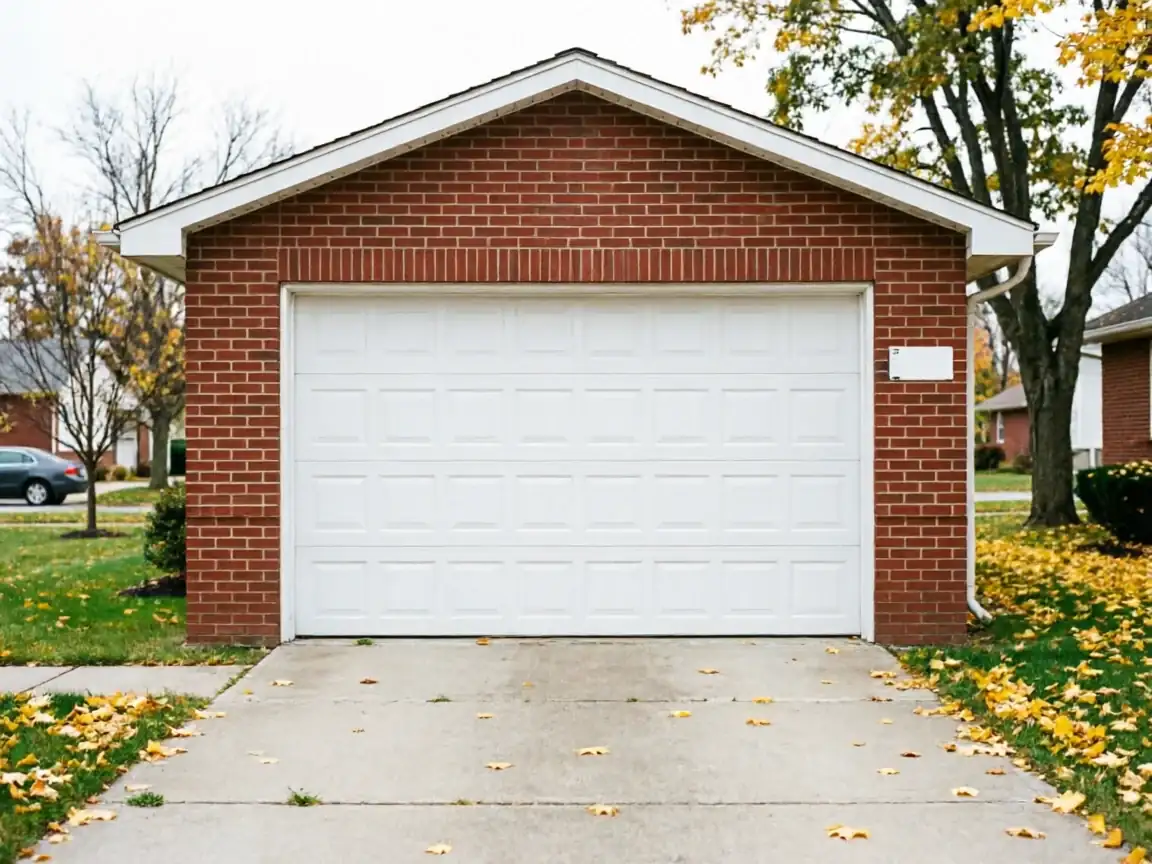
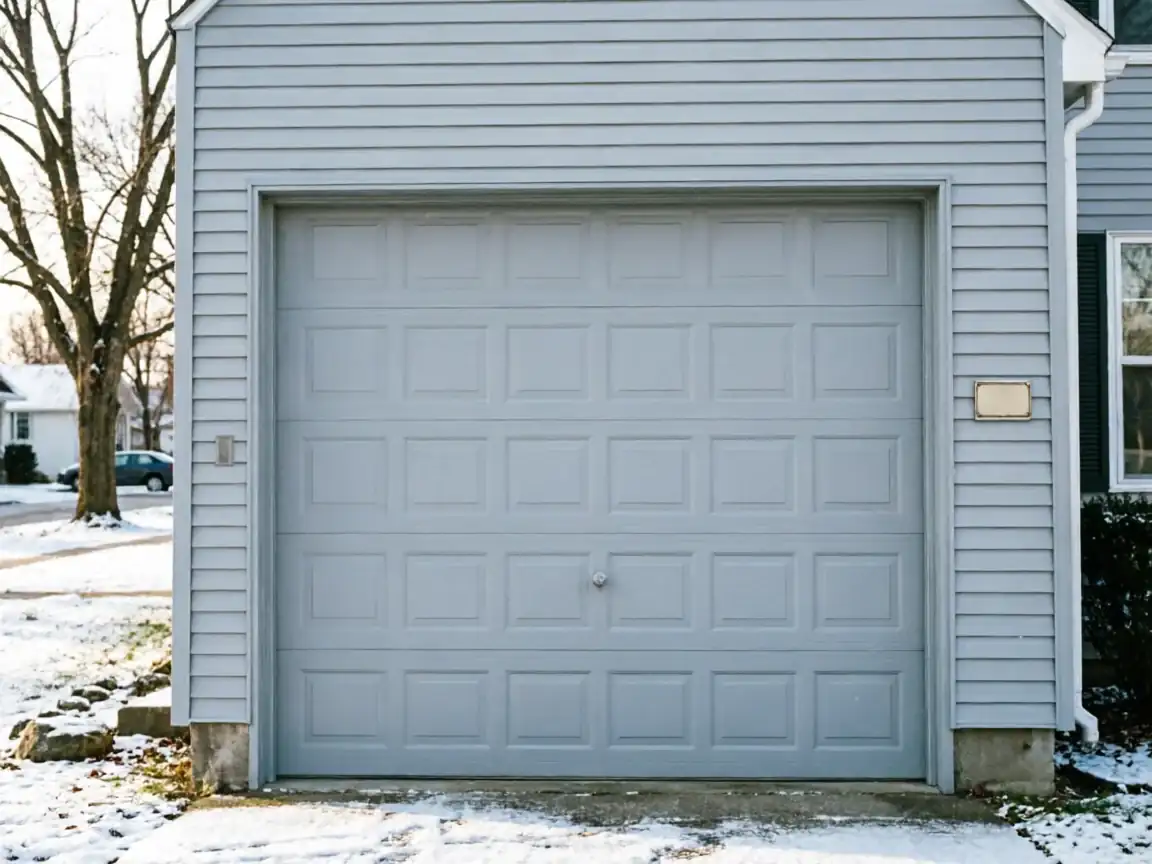
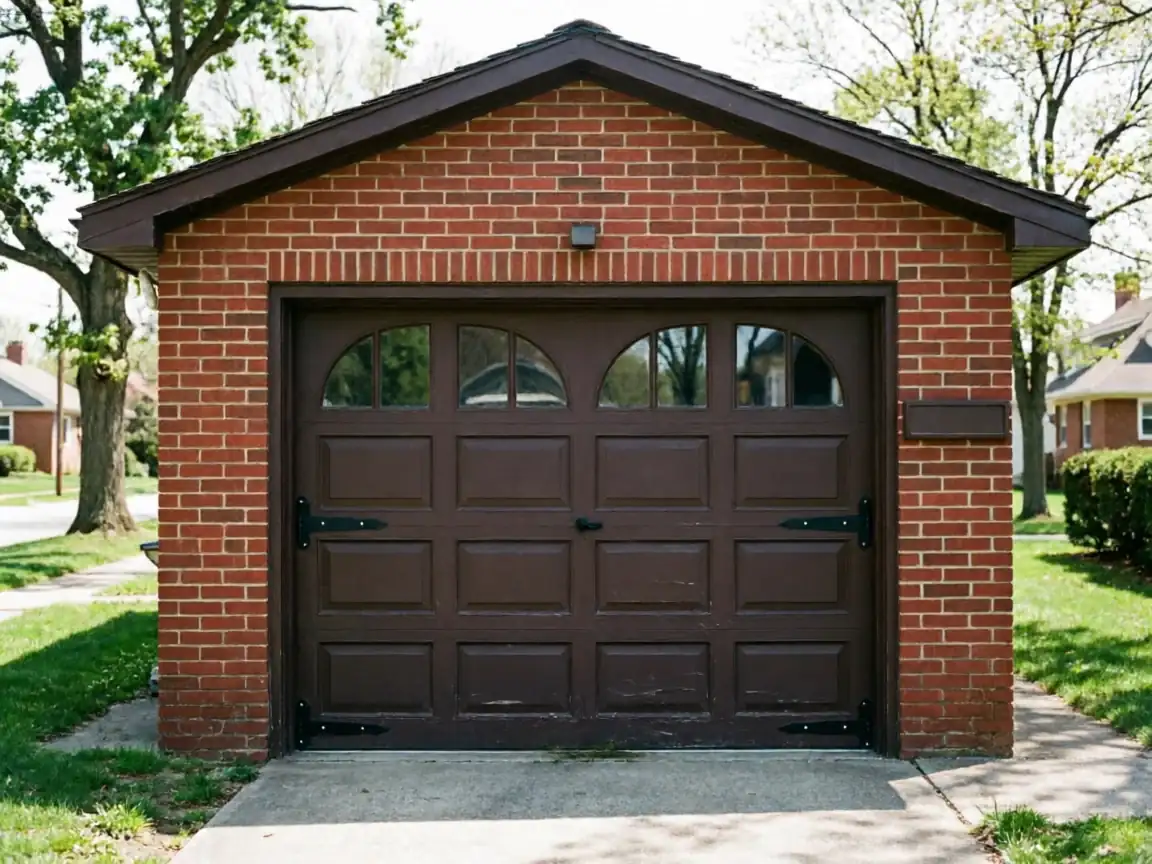
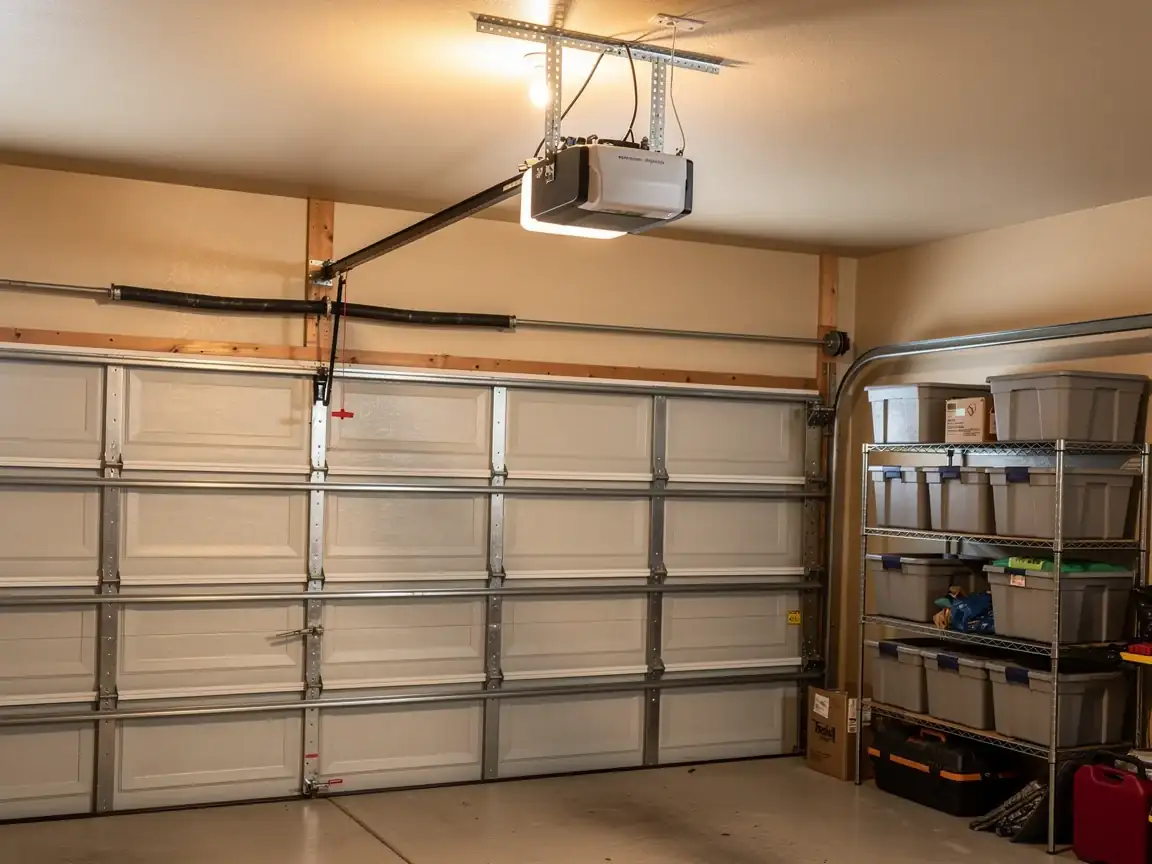
Which puts a lot of original hardware still in service: steel sectional doors, torsion springs rated for a specific door weight, and openers that may have been swapped once since but not the track or the drum. None of that is a reason to avoid working on your own door. It's a reason to know what you're actually replacing before you order a part off the shelf, because a spring sized for a 1968-era door doesn't always match what a hardware store stocks today.
If the door is binding, off-track, or the opener is straining and reversing
That's past the point where tightening a bolt fixes it. That's a call.
What It Costs
We don't post a flat number here because what a 1968-built East Peoria house needs varies more than people expect. A door from that build era with its original torsion hardware is a different job than a door someone replaced in the last ten years with a newer opener bolted on. A broken spring, a bent track, or a slipped cable are three different repairs with three different parts lists.
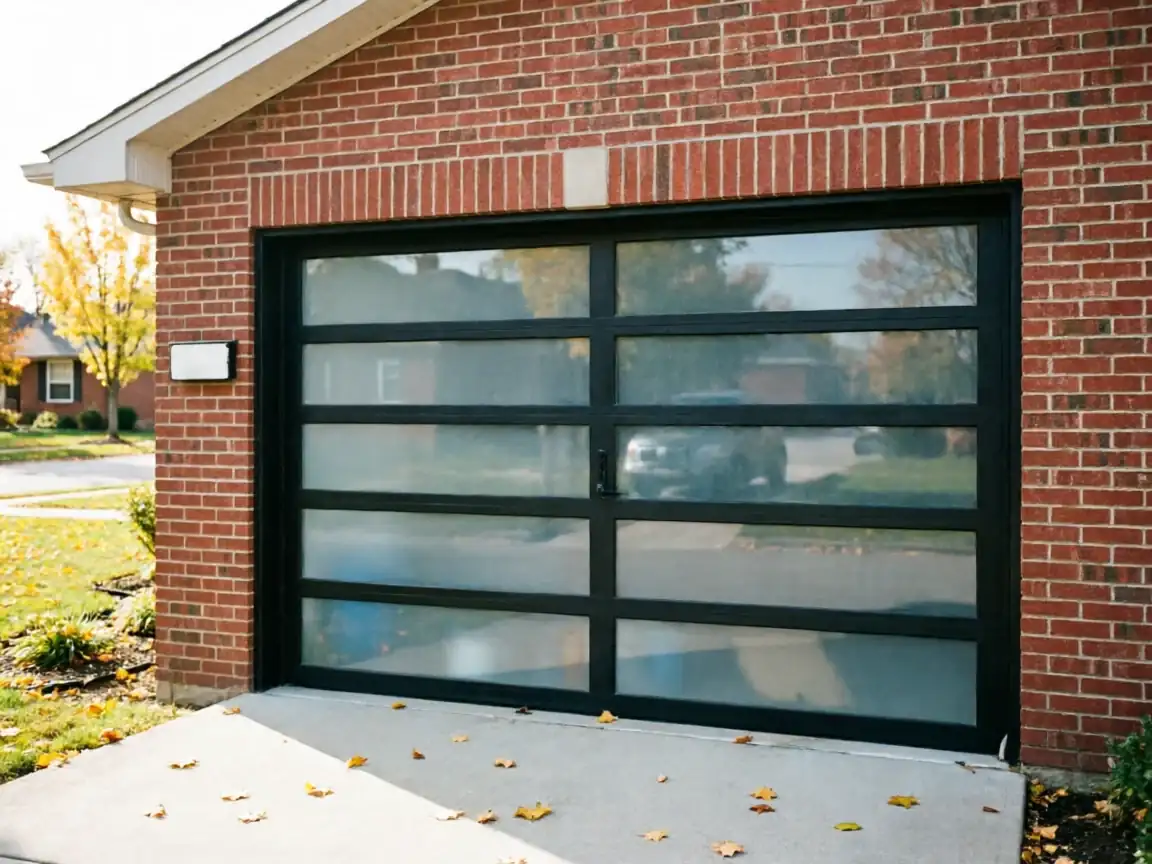
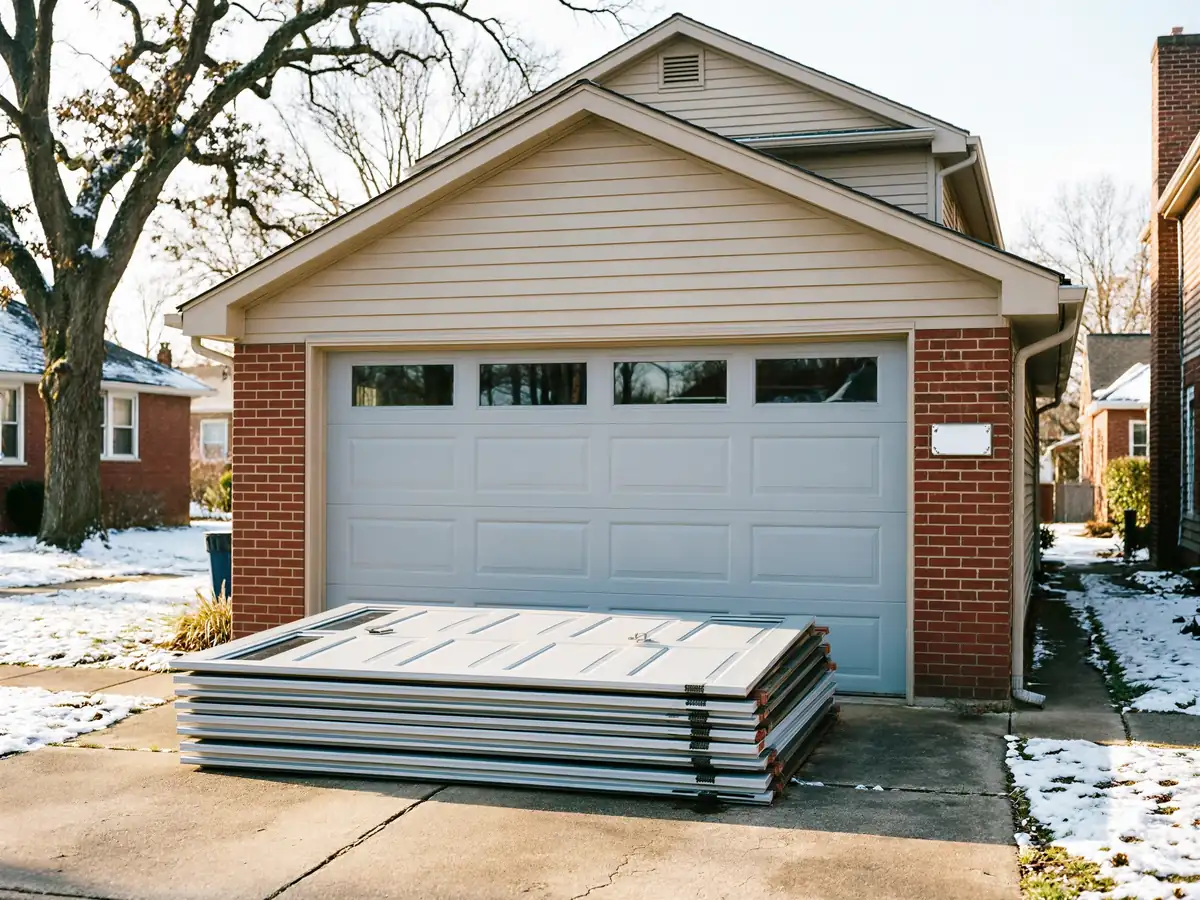
What we can tell you is where the line falls. At East Peoria's income level, a spring or cable repair is almost always the right call over replacing the whole door - the labor and parts for a repair stay well under what a new door and installation run. Replacement starts making sense when the door itself is failing structurally: rust-through on a steel panel, a warped track that keeps bending back out of alignment, or an opener that's cycling several systems past its working life.
We'll look at the door in person before we quote anything, because guessing at a number over the phone for a door we haven't seen is how people get surprised later.
Getting It Booked In
We run out of Peoria, about 7 miles from East Peoria, so when you call, that's the travel distance we're working with - not a promise of a set arrival window, since that depends on what else is on the truck that day. Tell us the door's age if you know it, or roughly when the house was built, since that alone narrows down what kind of spring and track setup we're likely dealing with before we even arrive.
If the door won't open at all and a vehicle is trapped inside, say that when you call - it changes the order of the day. If it's a slow problem, a grinding noise or a door that's started drifting off level, that's worth booking ahead rather than waiting for it to fail outright, since a spring under uneven tension tends to go all at once, usually when you're already late for something.
Why This Fails Locally
East Peoria's housing stock runs from 1938 up through 2002
But the median build year here is 1968 - a full four years newer than the wider service area's 1964 median. That gap matters more than it sounds. Doors and openers installed in the late 60s and into the 70s often used a different spring mounting than houses built a decade earlier, and whoever serviced the door in between may have swapped only the part that broke rather than updating the whole assembly to match.
Add the climate band this area sits in
Cold, moderate - and you get a specific failure pattern: steel contracts in sustained cold, torsion springs lose a little tension every freeze-thaw cycle, and a spring that was already near the end of its rated cycles gives out on the coldest morning of the stretch, not the warmest. That's not unique to any one house. It's what happens across a neighborhood built in the same five-year window, which is most of East Peoria.
We've worked across the 26 named areas that make up this part of the region
And the pattern holds: age of the house tells you more about what's about to fail than anything the homeowner did.
How We Fix It
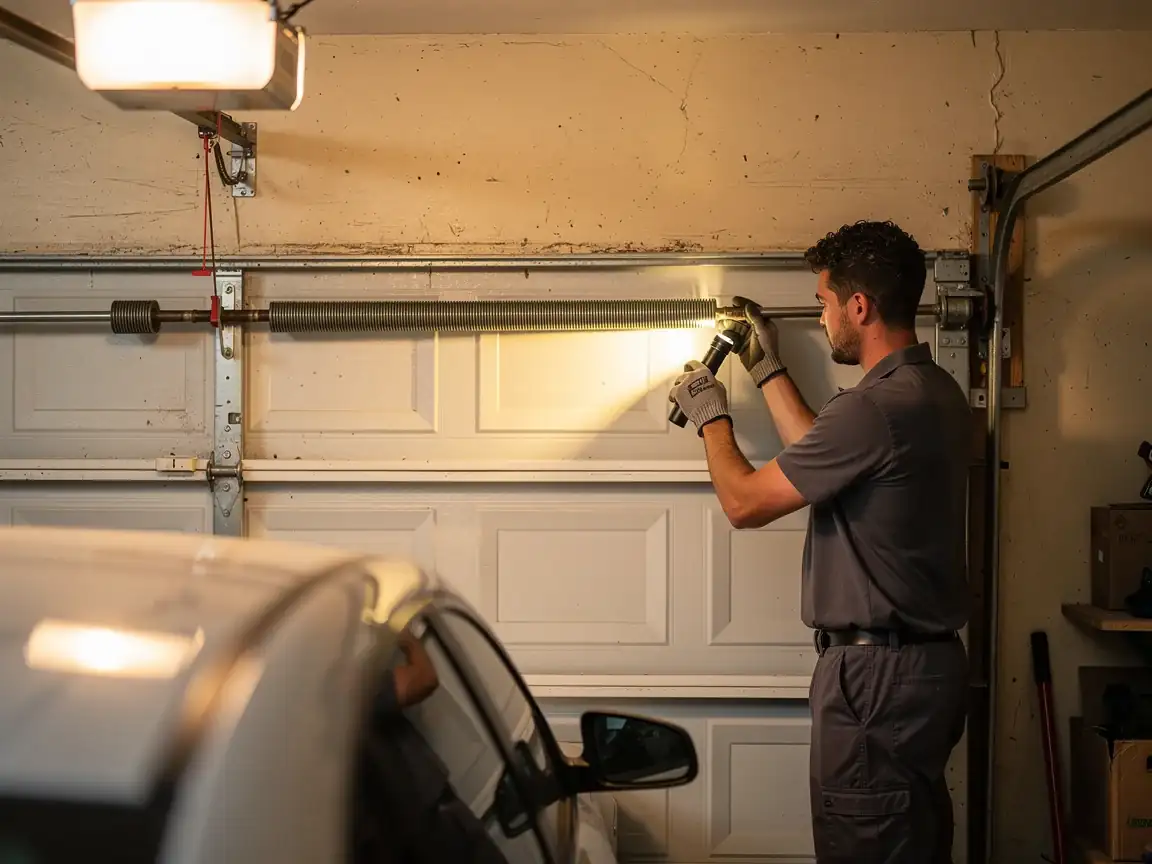
We start by matching the spring and drum to what the door actually weighs now, not what a factory sticker from 1968 says it weighed new - paint, insulation retrofits, and added hardware all change that number over the years. Guessing low is how a spring fails again in under a year.
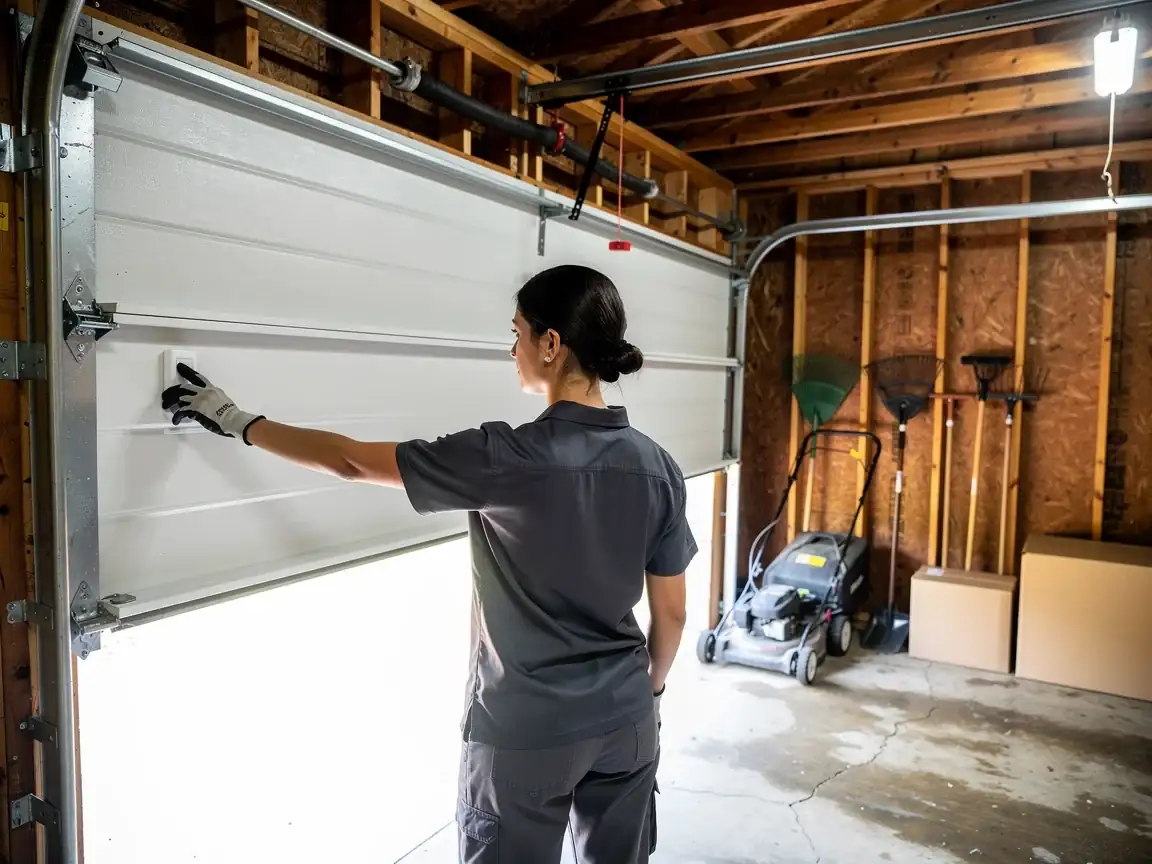
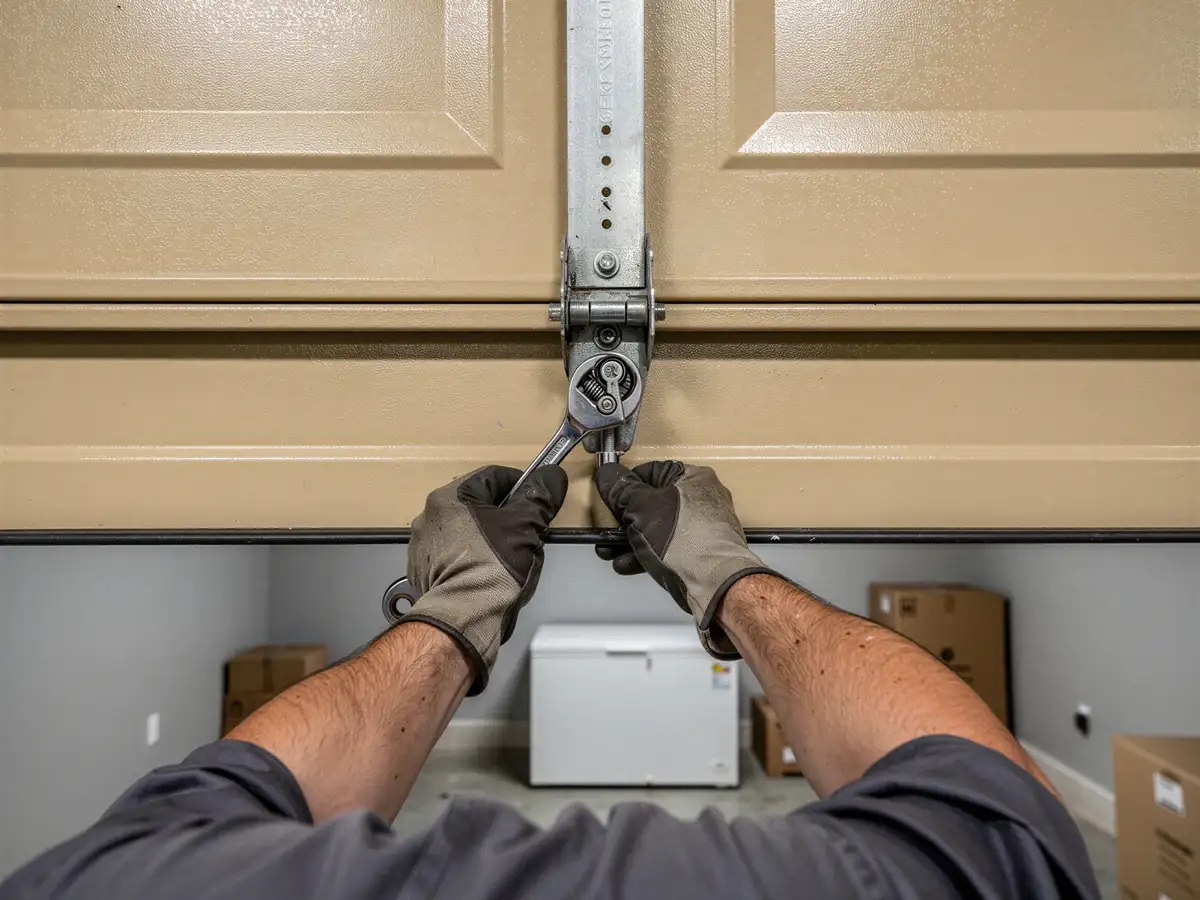
For a door on original or near-original hardware, we replace the full torsion assembly rather than one spring on a two-spring door, for the reason above: if one went from age and cold-cycle fatigue, the other's on the same clock. For a cable or roller problem, we check the track alignment at the same time, since a bent track and a frayed cable often show up together on a door that's been running slightly off level for a while without anyone noticing.
One limit worth saying plainly: if the door itself has rusted through at the bottom panel or the track brackets have pulled loose from a wall that's shifted, repair isn't the honest answer - that's a replacement conversation, and we'll tell you that instead of billing you for a fix that won't hold.