The DIY Question
East Peoria's housing stock centers on 1968
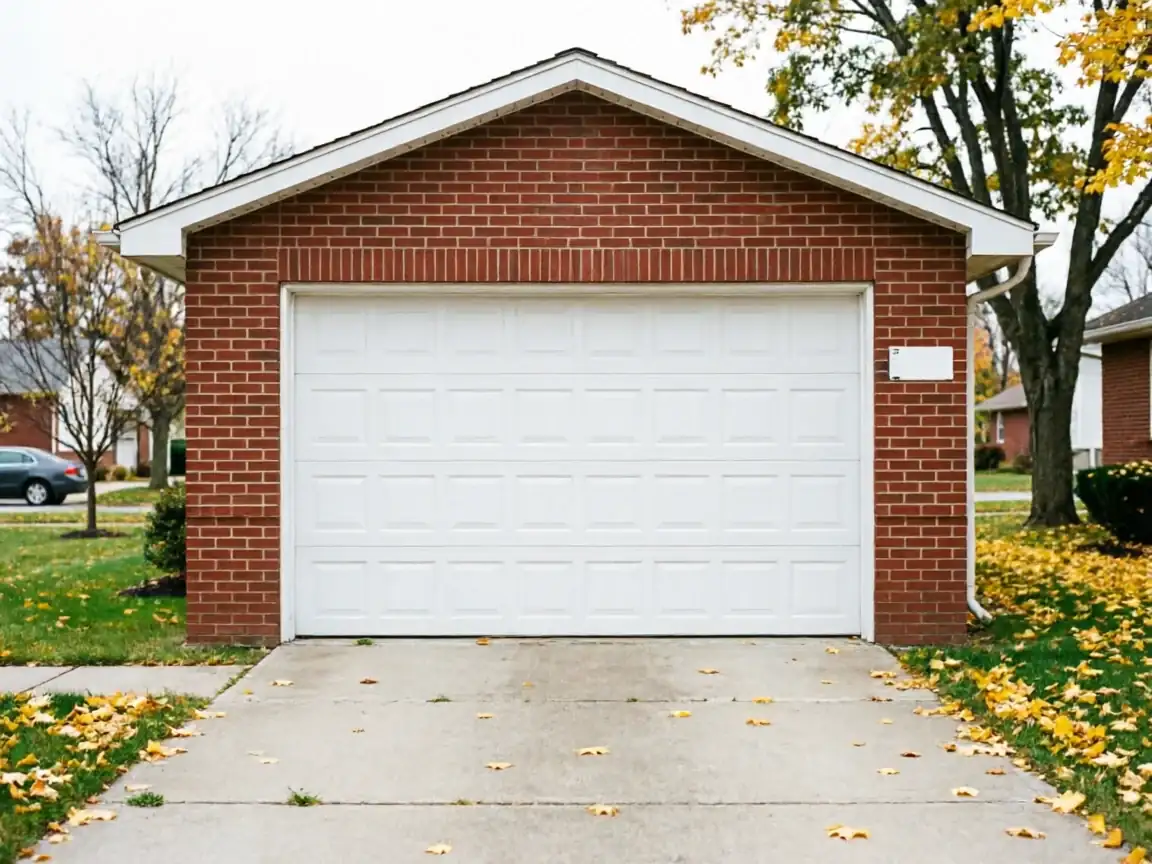
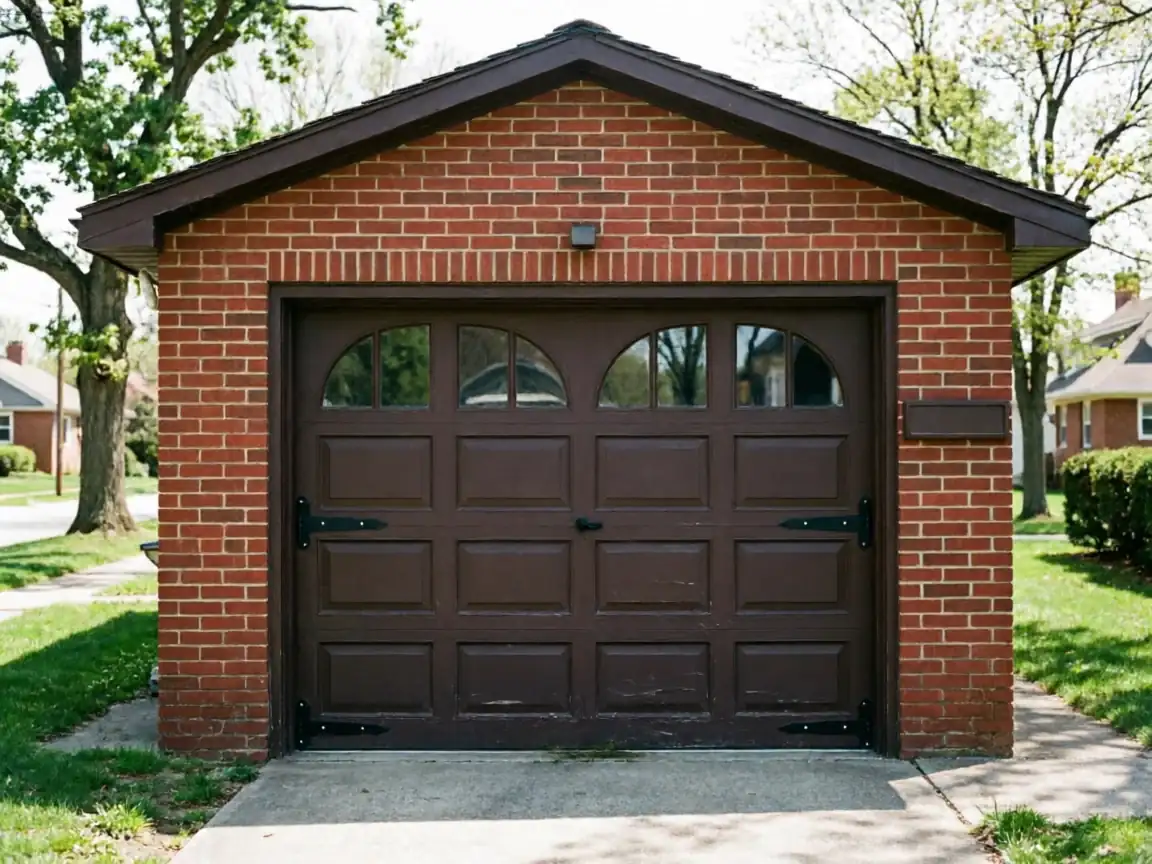
A bit newer than the 1964 median across the wider Peoria service area. That gap matters more than it sounds like it should. A door and opener installed new in a late-1960s build is often still the original, or a direct swap from decades ago, sitting on framing that was never squared for today's standard door widths. Pulling the old unit yourself tells you nothing about whether the opening is true, whether the header can carry a heavier insulated door, or whether the jambs have shifted enough over fifty-plus years to need shimming before a new door will seal right.
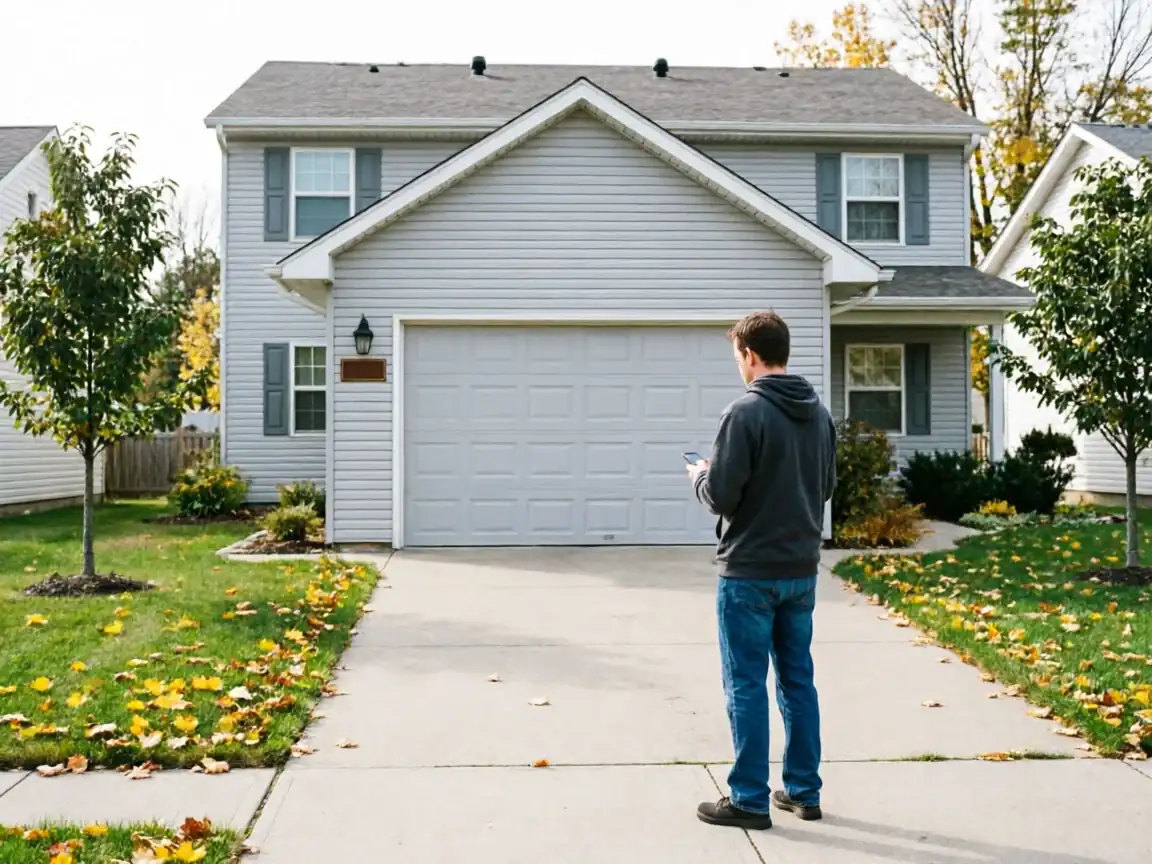
If you've priced doors online and are tempted to order one and fit it yourself on a weekend
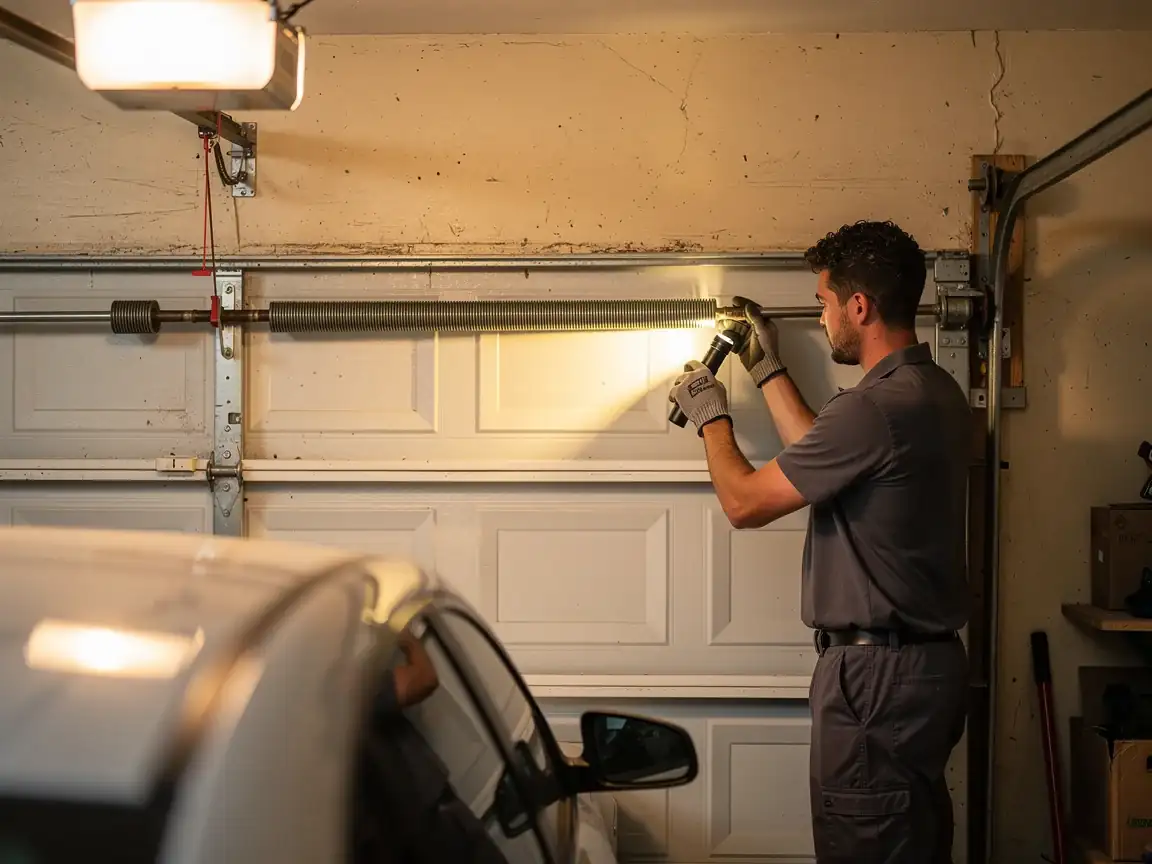
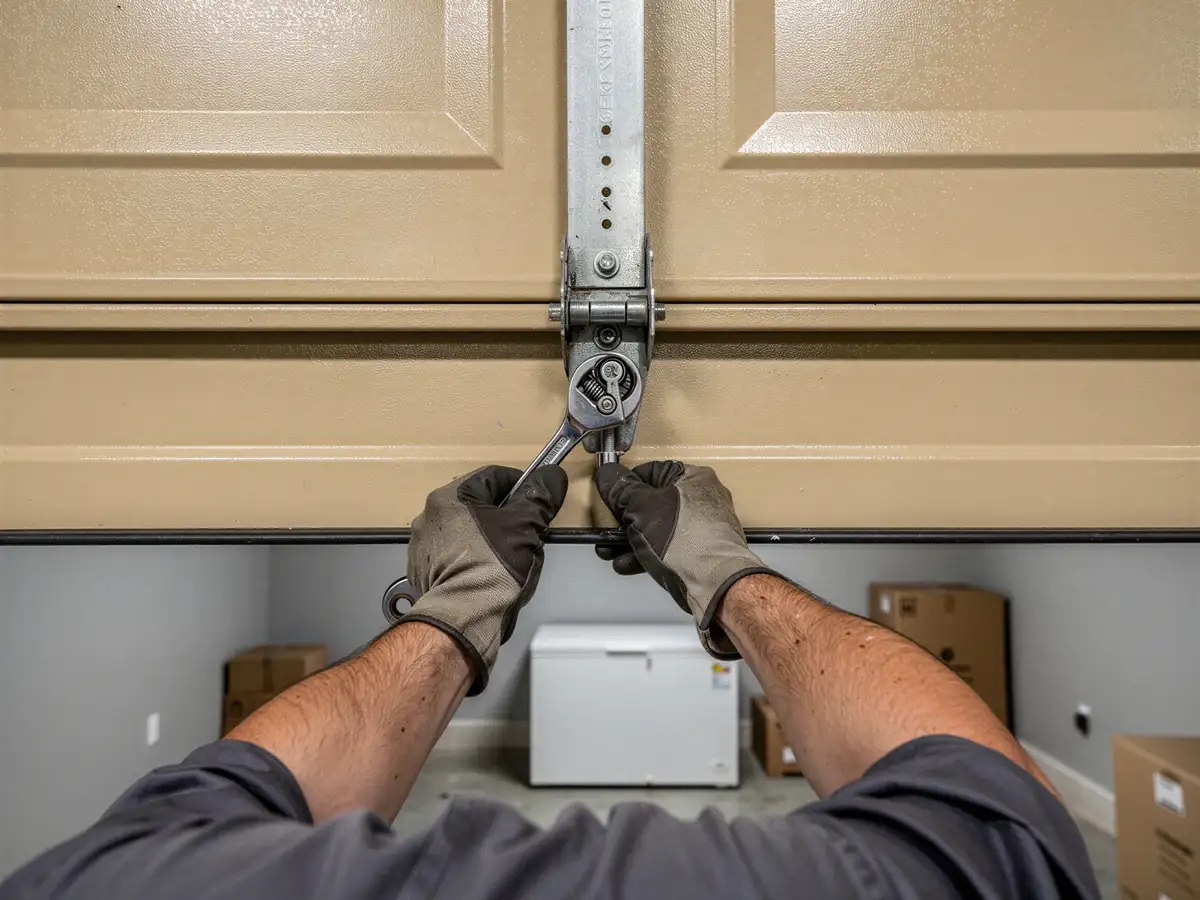
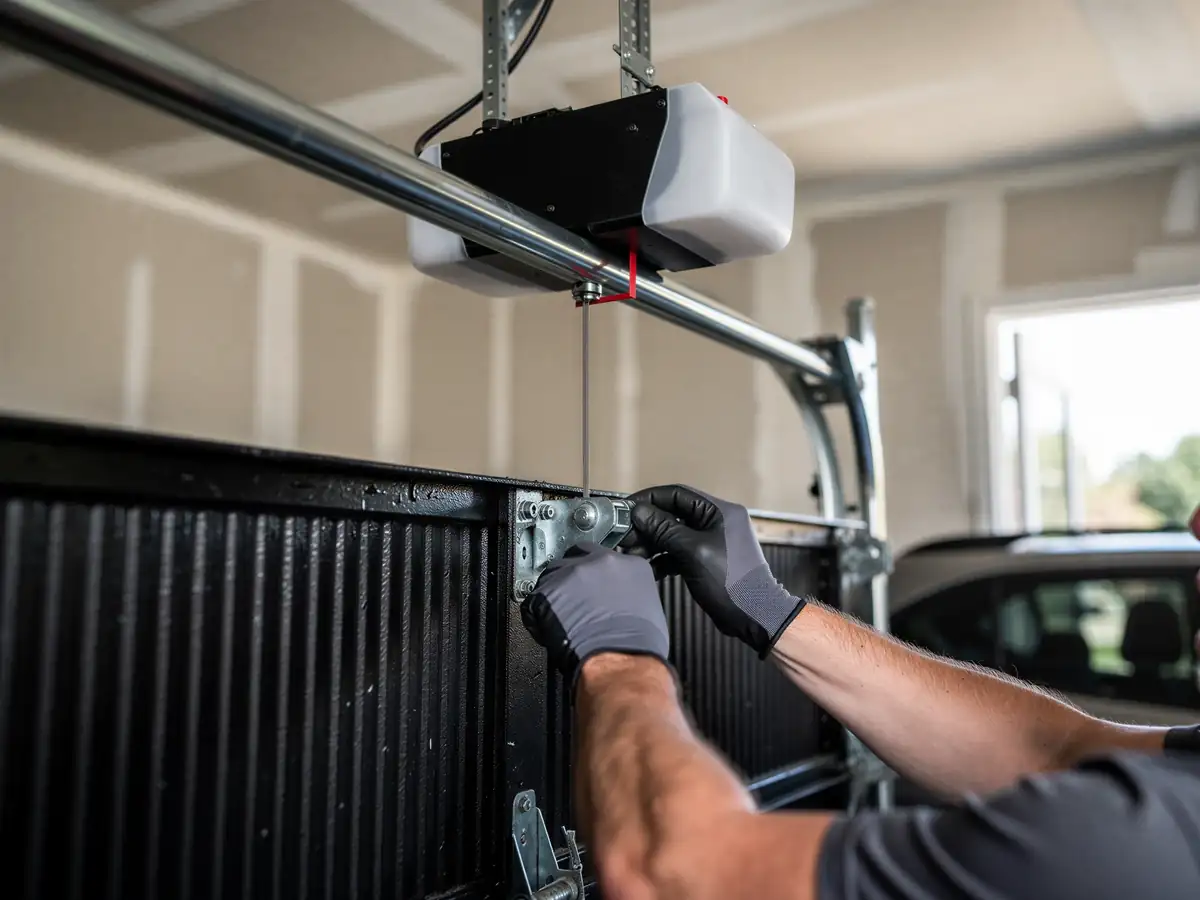
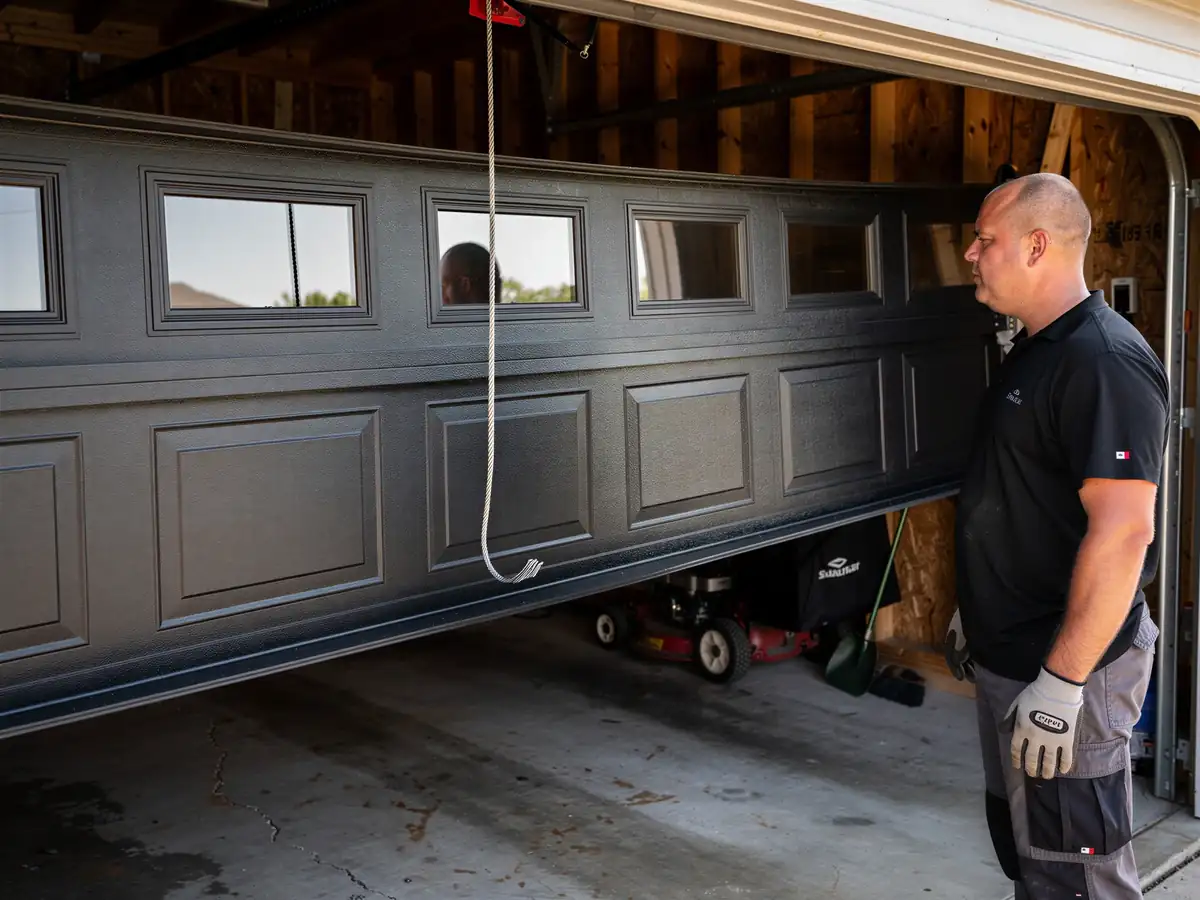
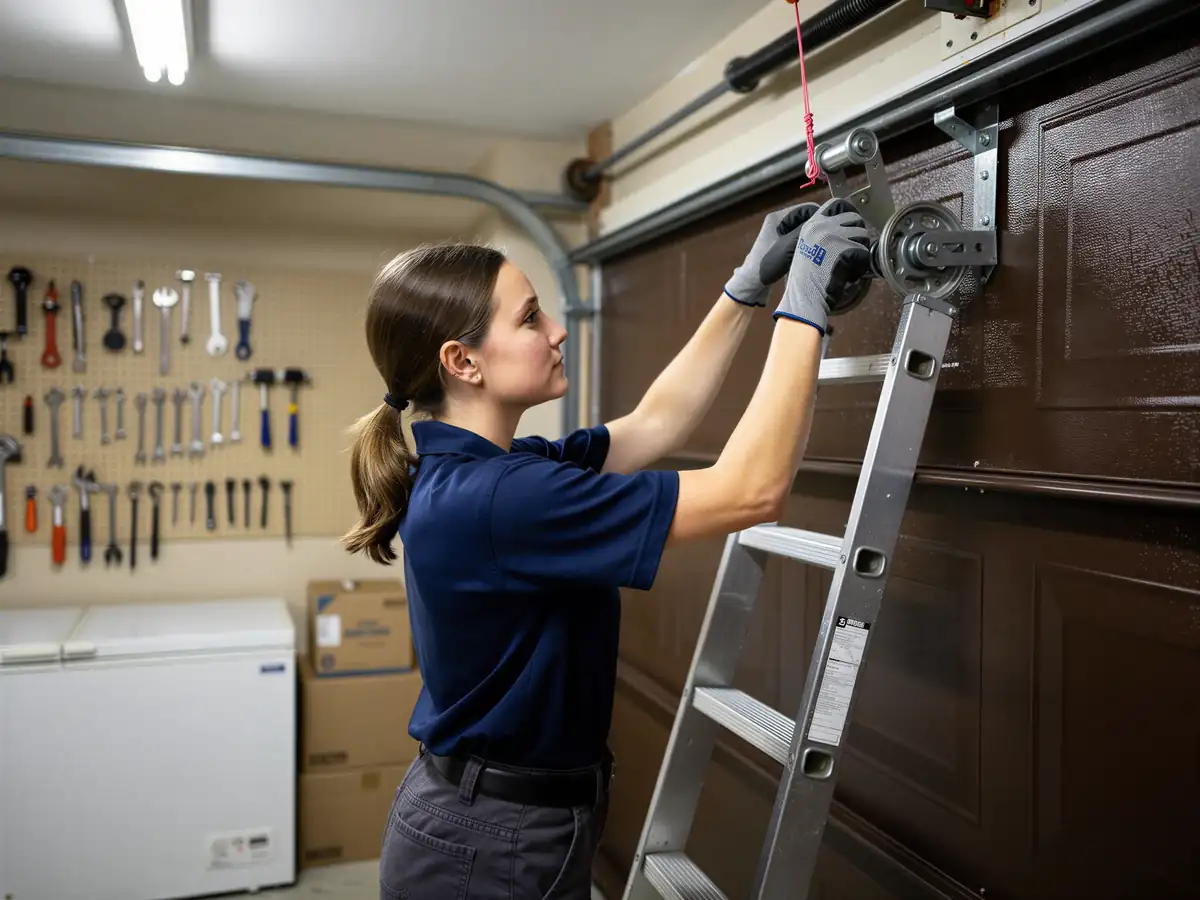
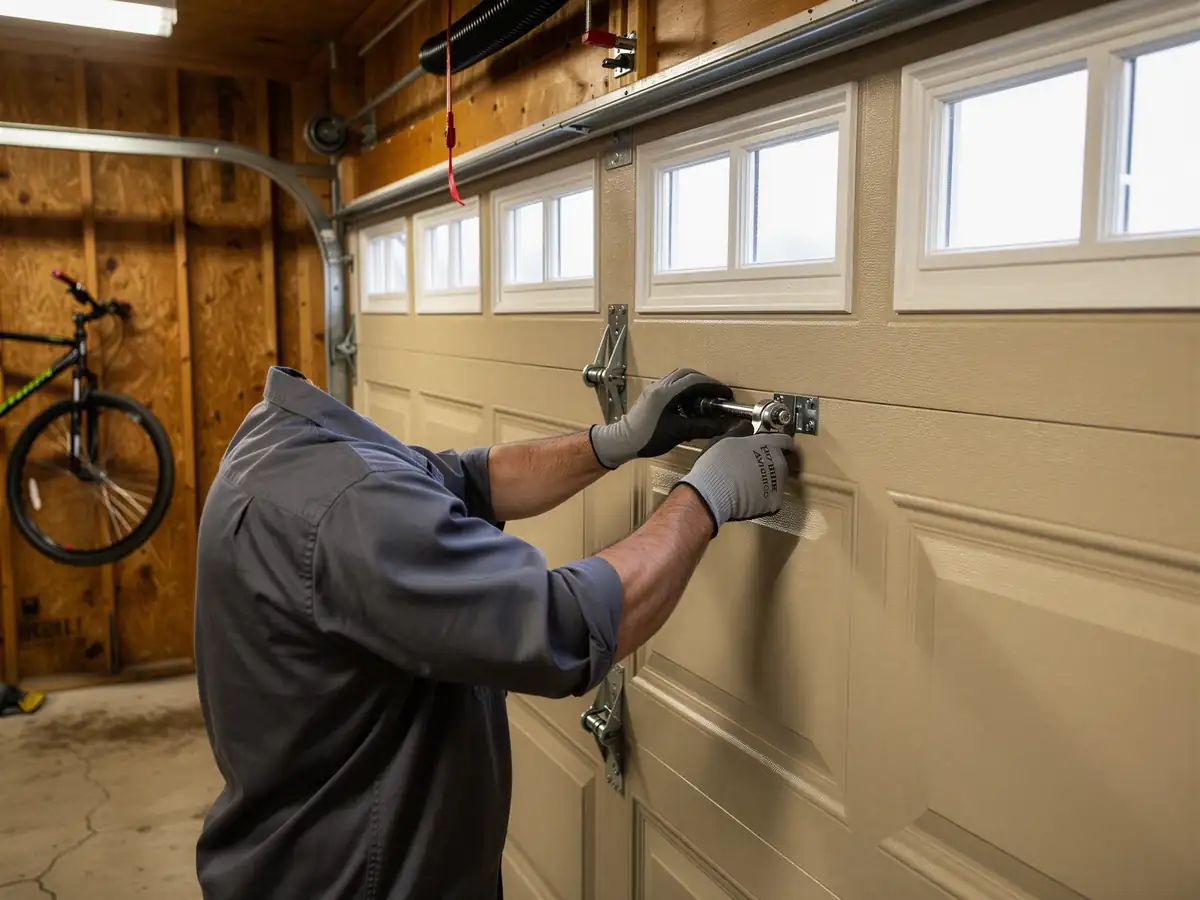
The honest answer is that measuring the rough opening is the easy part. Getting the track plumb, the spring sized to the actual door weight, and the opener bracket anchored into solid framing is where most DIY installs go sideways, and a door that's slightly out of square will bind, wear its rollers fast, and strain the opener from day one. We're not against homeowners who are handy. We are against guessing on the one part of the house that weighs 150-plus pounds and swings over your head.
What It Costs
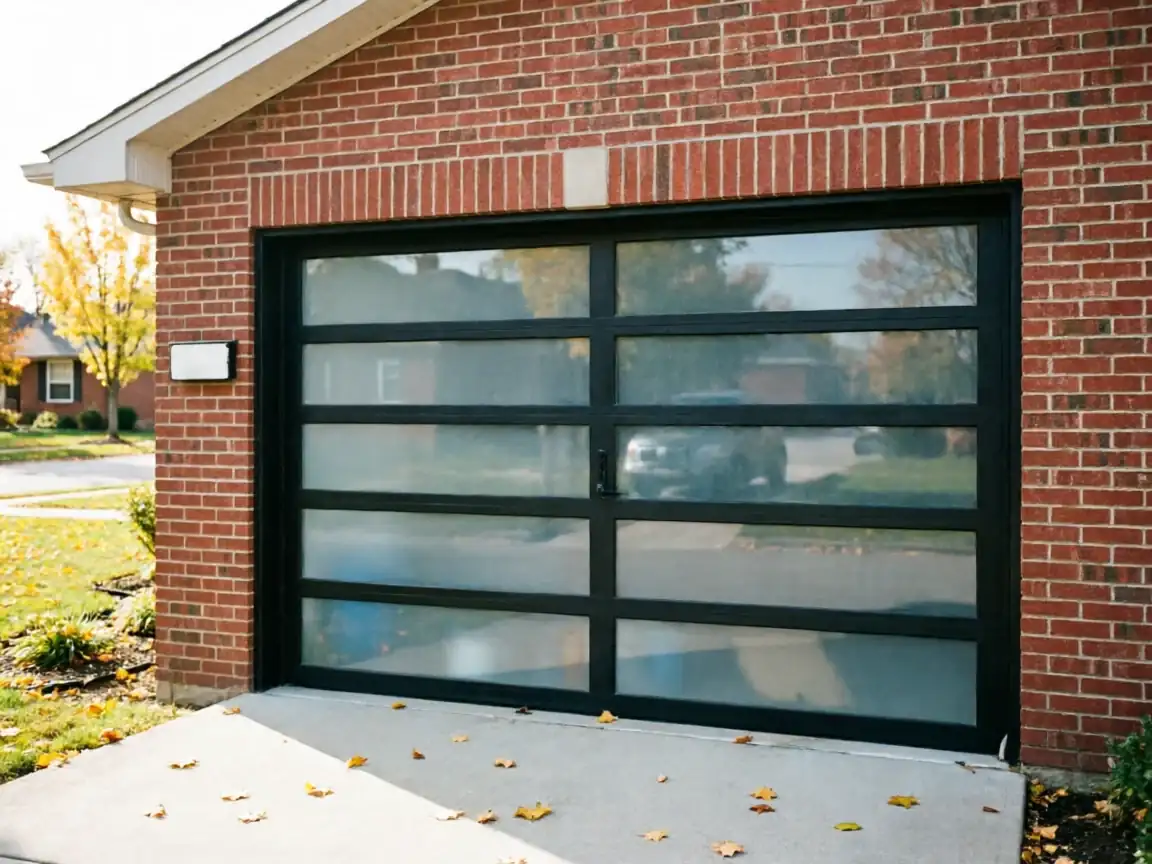
We don't have a posted price list for East Peoria specifically, and quoting one here would be a guess dressed up as a fact. What we can say is that with a median household income of $71,763 across the area, most East Peoria jobs we quote land in a middle range: a standard steel door and a mid-grade opener, not the bargain-bin option and not a custom wood overlay. The real cost driver on homes built around 1968 isn't usually the door itself, it's whether the opening needs header or track reinforcement first, since that framing was built to a lighter original door spec than what's sold today.
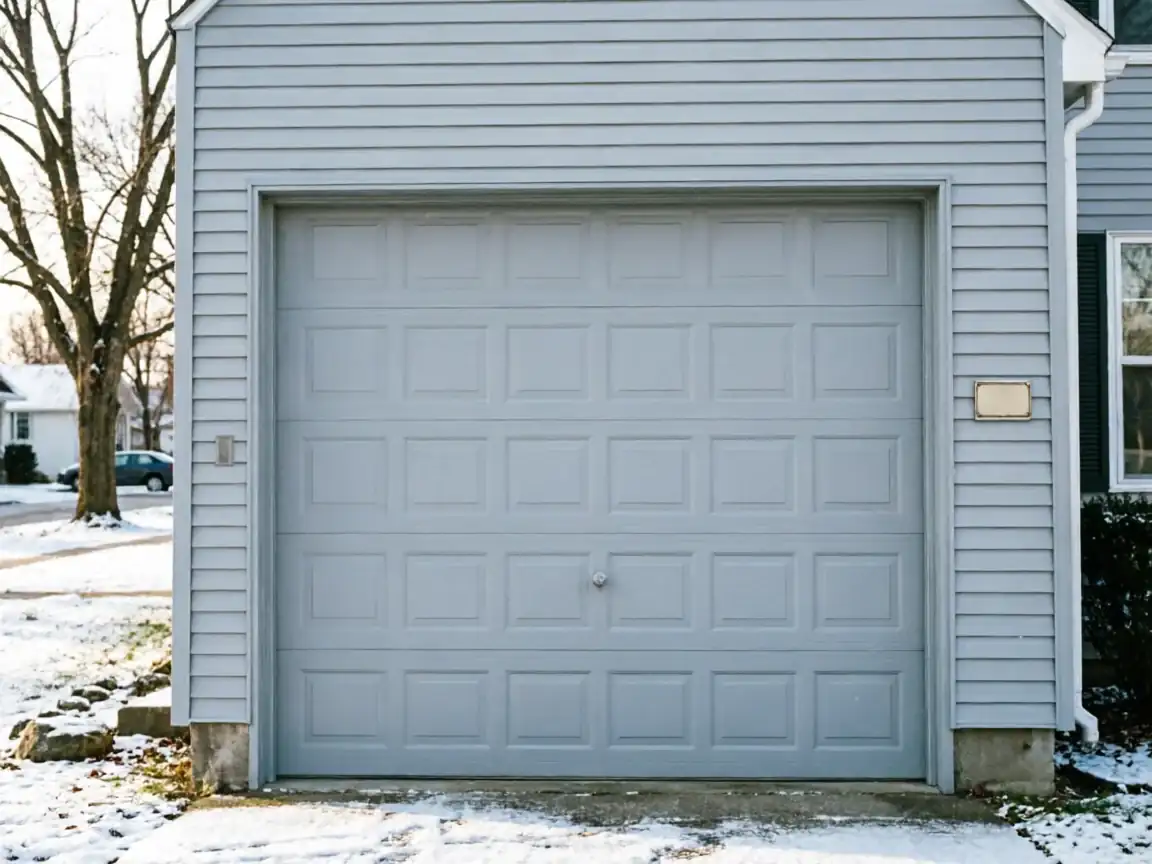
Climate plays into cost too. This area sits in a cold-moderate climate band, which means an insulated door with a sealed bottom panel isn't a luxury upsell, it's what keeps a garage from being ten degrees colder than the driveway every January morning. We'll give you a real number once we've seen the opening and the framing behind it, not before.
Getting It Booked In
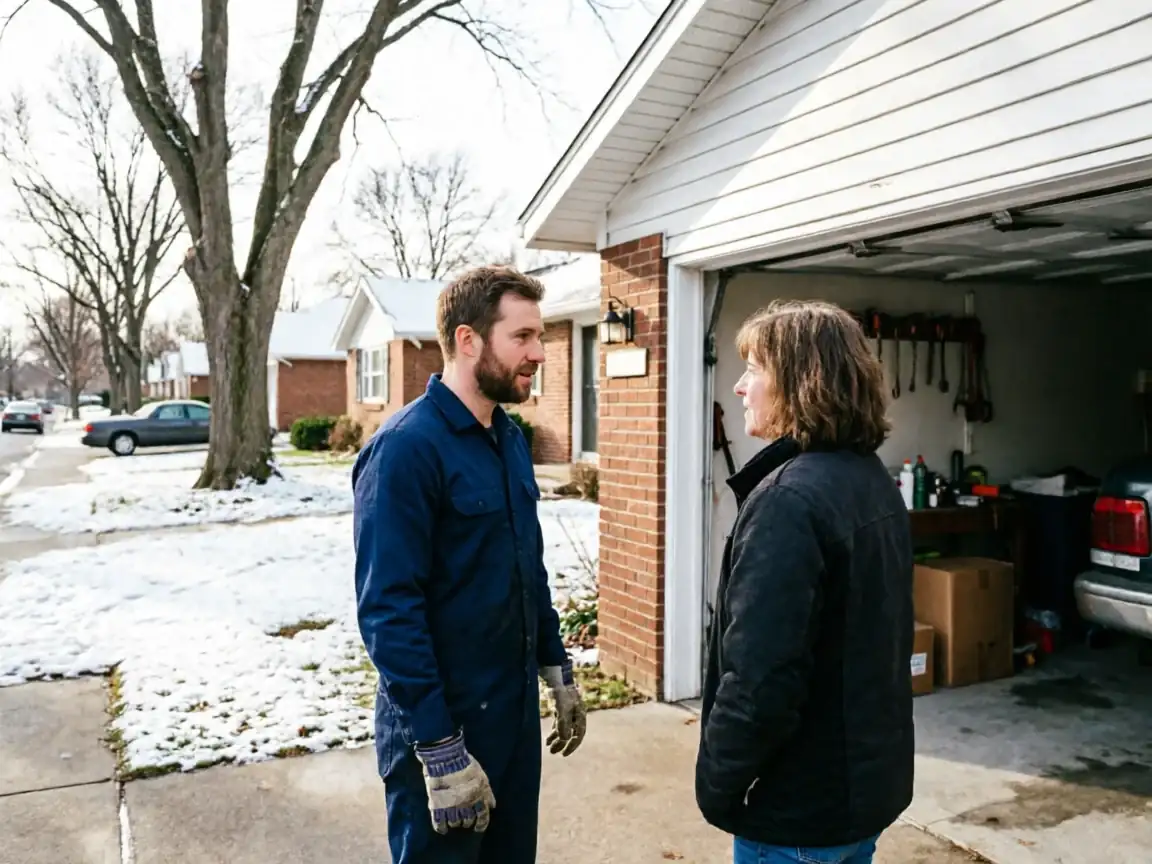
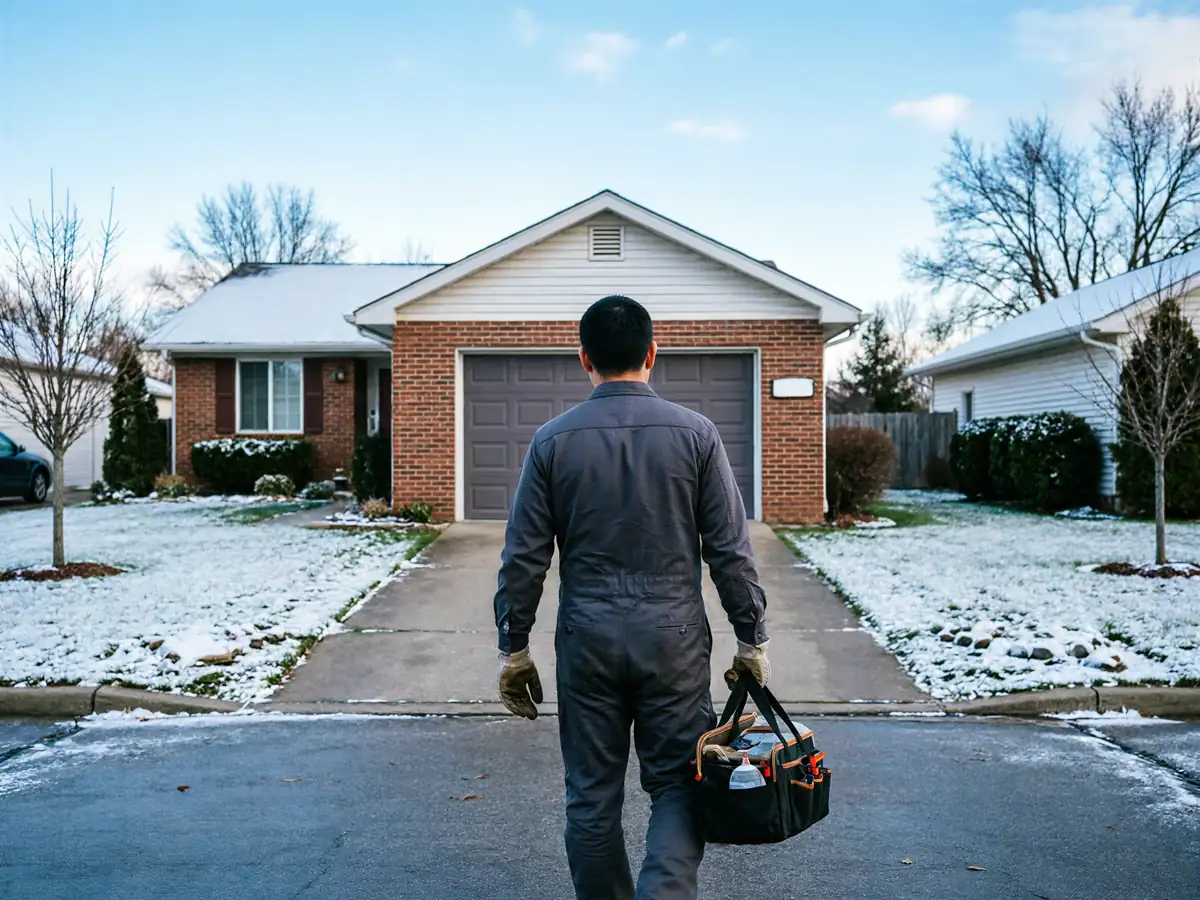
We run installs in East Peoria out of our Peoria base, about 7 miles from most of the addresses we work on there. That distance doesn't change the job, but it does mean we schedule the trip rather than drop by on a whim, so it helps to have your door picked out, or at least narrowed to two options, before we come measure. Most East Peoria customers reach us the same way: a call, a measurement visit, then a scheduled install date once the door's in.
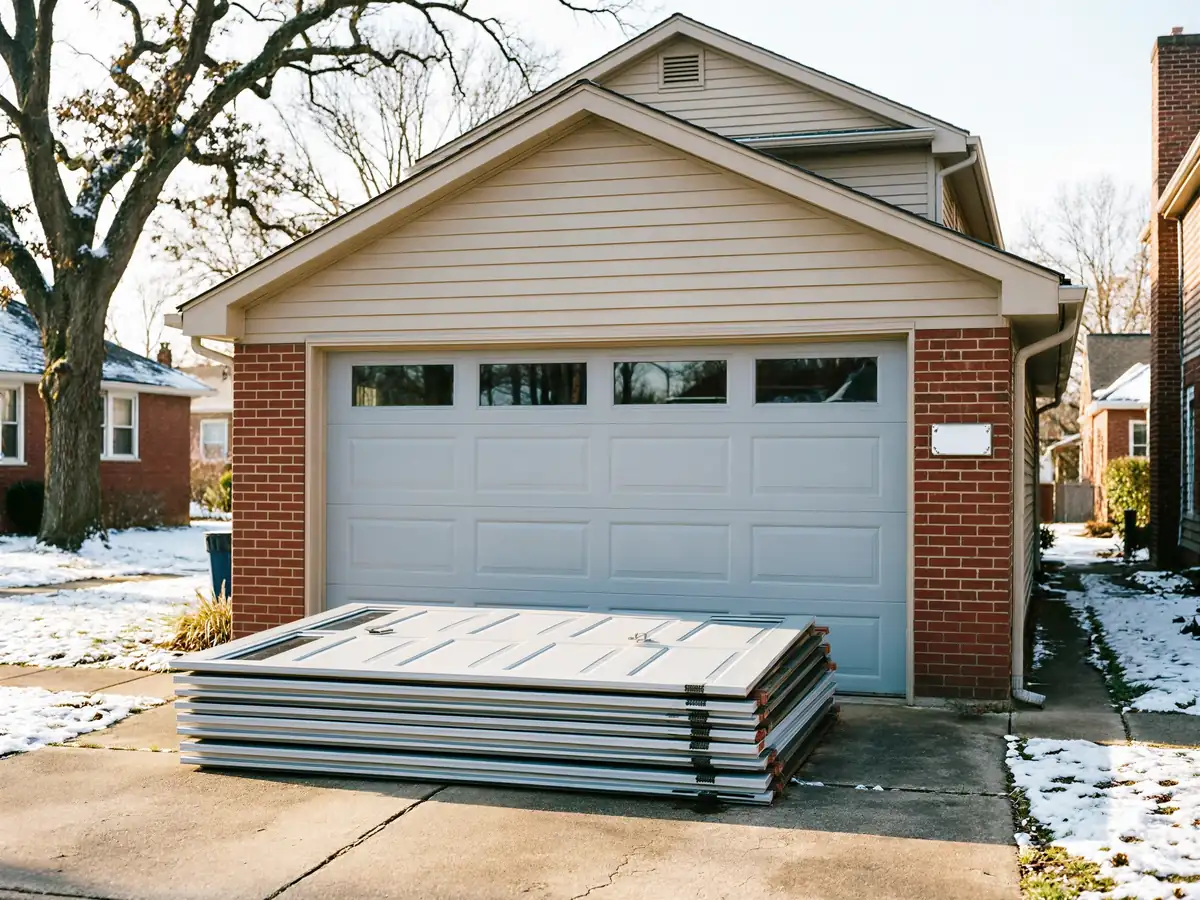
We don't keep every size and style in stock on the truck for same-day swaps, especially on wider double doors or anything custom. If your opening turns out to need a non-standard width, which does happen on some of the older framing here, expect a short lead time on the order before we're back to install.
Why This Fails Locally
With roughly 9,894 households in East Peoria, we see a repeating pattern
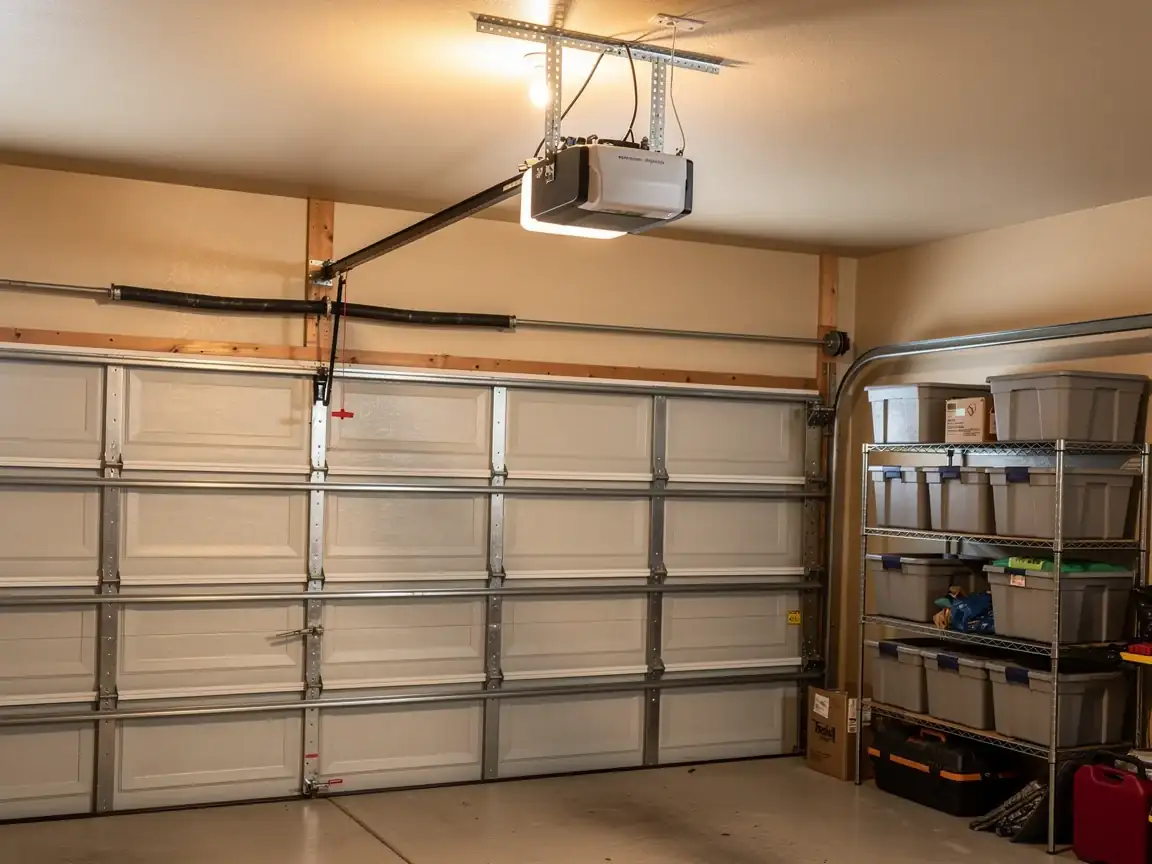
Openers original to a 1968-era build, paired at some point with a replacement door that's a different weight than what the opener was set up for. Someone swapped the door in the 1990s or 2000s without touching the opener or the spring, and now the door is heavier or lighter than the hardware expects. The opener strains, the spring wears out faster than it should, or the door reverses on its track for no obvious reason.
- 9,894 households
The cold-moderate climate adds a second failure mode
Original steel doors from that era rarely have a thermal break or a sealed bottom astragal, so the panel itself can warp slightly with seasonal temperature swings, just enough to throw off alignment on tracks that were already old. Neither of these is a dramatic failure. They're slow ones, which is exactly why they get ignored until the door won't open at all.
How We Fix It
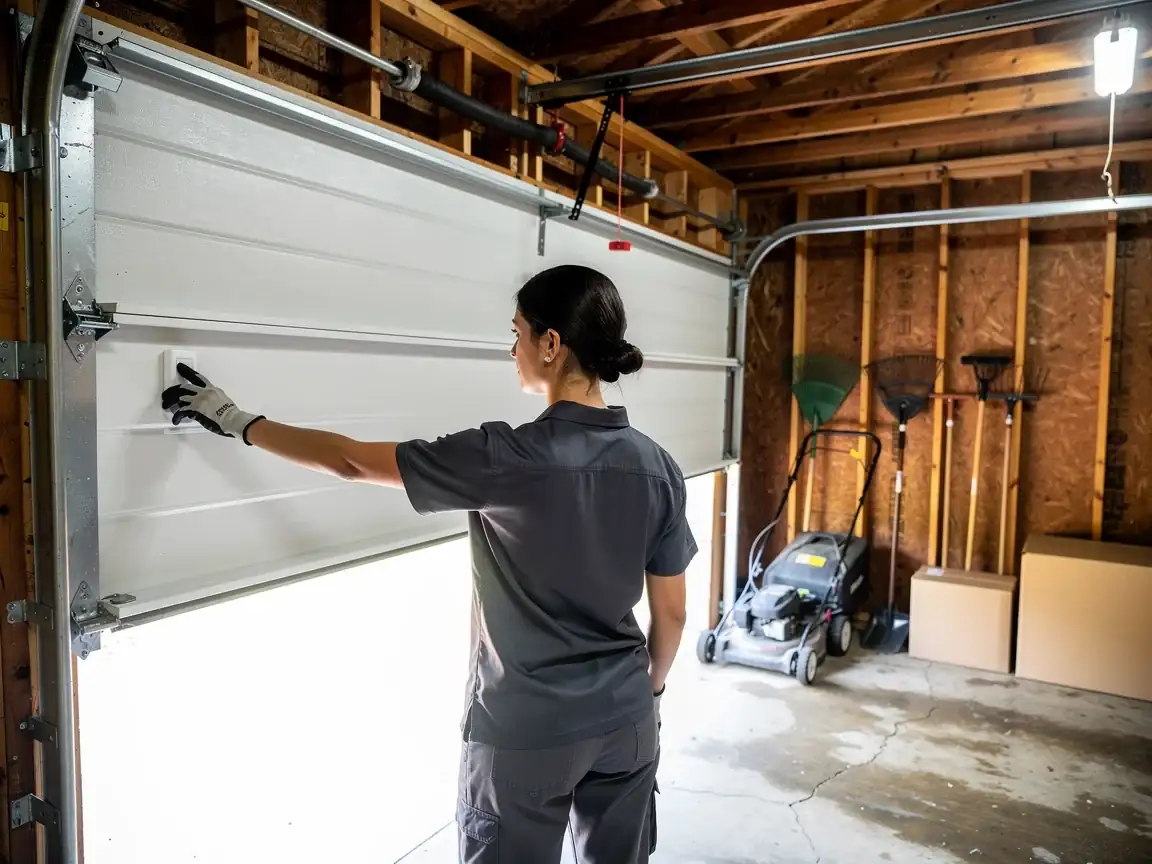
On a new install we start by checking the opening itself, not just the door that's coming out, because on a house built around 1968 the framing is the variable, not the door hardware catalog. If the header's solid and the jambs are square, it's a straightforward swap to a properly sized, insulated door matched to a spring and opener rated for its actual weight. If the opening's moved over the decades, we tell you before we order anything, not after.
We also size the opener to the door you're getting installed, rather than reusing whatever's already mounted on the wall, since that mismatch is the single most common cause of early opener failure we see on homes from this build era. We'll walk you through insulation ratings that make sense for a cold-moderate climate without upselling a feature you don't need.