What Local Conditions Do
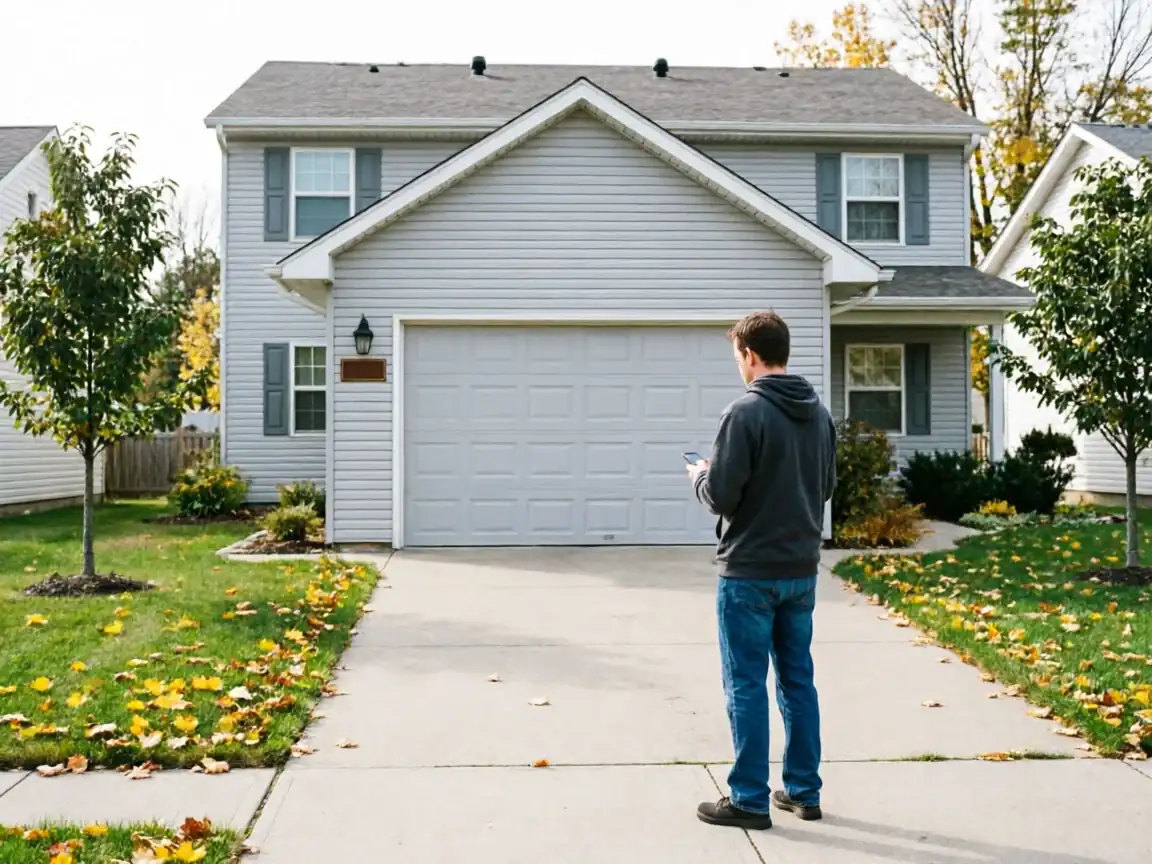
Most of the doors we open up around Peoria sit on houses built somewhere between 1938 and 2002
With a lot of that stock clustered in the 1960s and 70s across the 26 areas we work in. That matters because hardware ages on a schedule, and a door installed when a house was built in 1964 has had sixty years of Illinois winters to work on its springs, hinges, and track bolts.
The cold band we sit in does its own damage separate from age
Steel contracts in low temperatures, which tightens tolerances between rollers and track that were already worn loose from decades of use. Lubricant that was fine in August gets stiff in January, and a door that rolled quiet all summer starts talking to you the first hard freeze. None of this is random. A door's noise is a readout of what the metal is doing in response to temperature and mileage, and in a house from the 60s or 70s that metal has usually seen more cycles and more freeze-thaw than a door from a newer build.
We don't treat every squeak the same because the houses aren't the same age
A noise on a 1964-built door gets diagnosed differently than one on a 2002 build, because the hardware generation is different.
The Problem
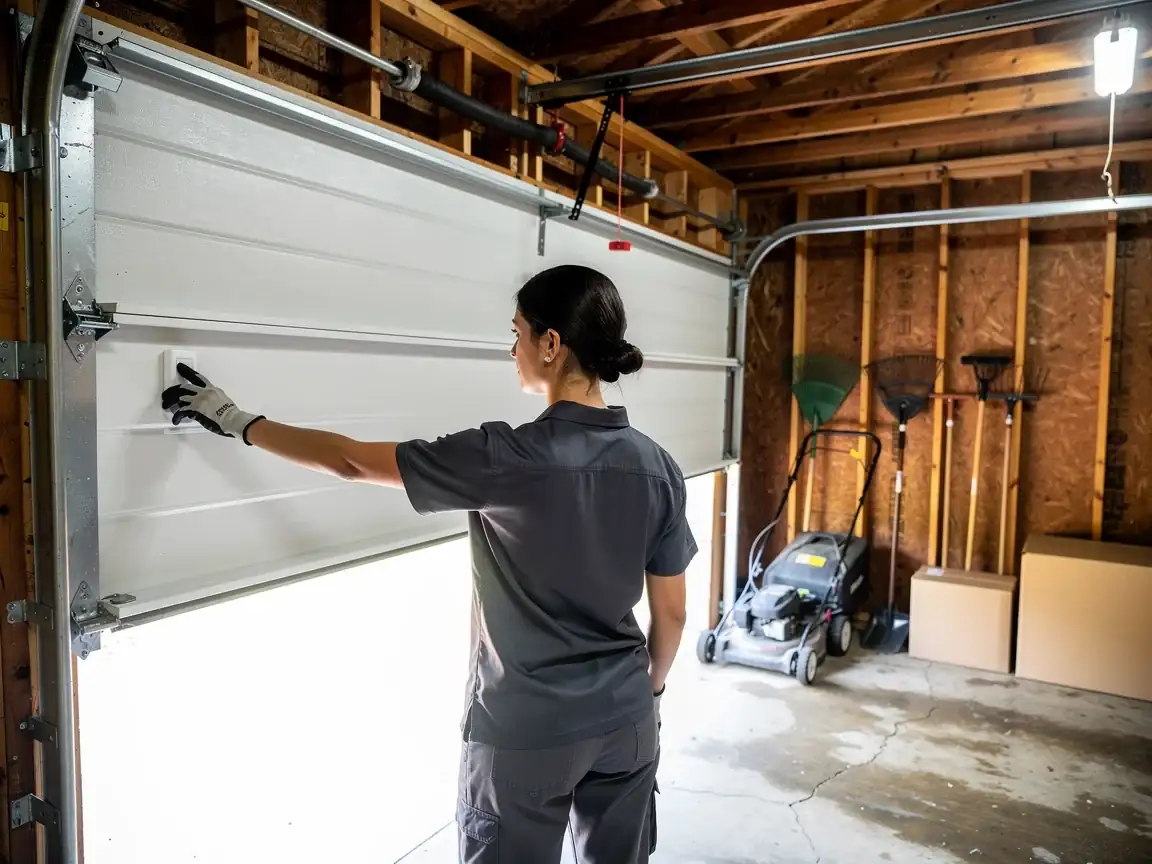
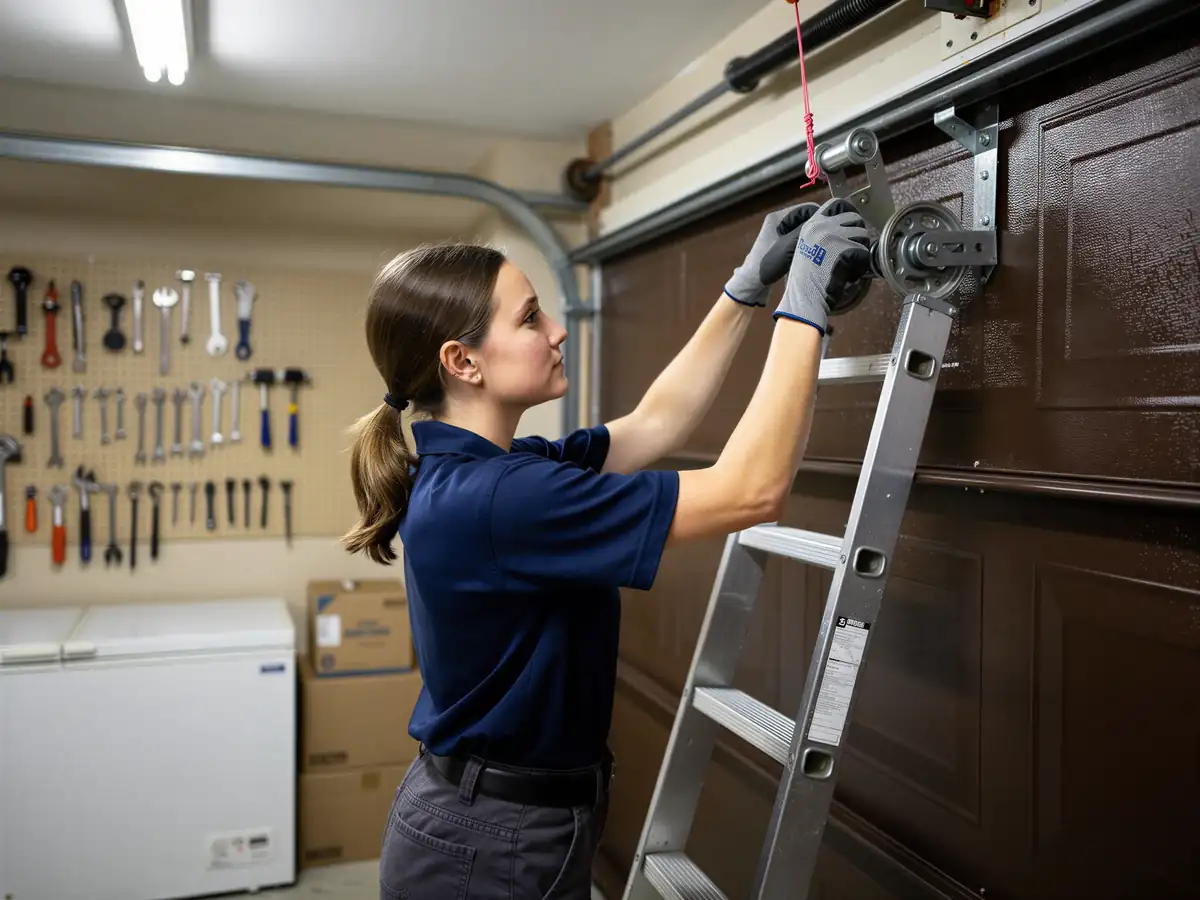
A grinding sound usually means a roller with a dead bearing, and on older torsion setups common to the 1960s-70s houses in this area, that roller has probably been grinding against a track that's worn a matching groove into itself. Replace one without checking the other and you're back out here in a month.
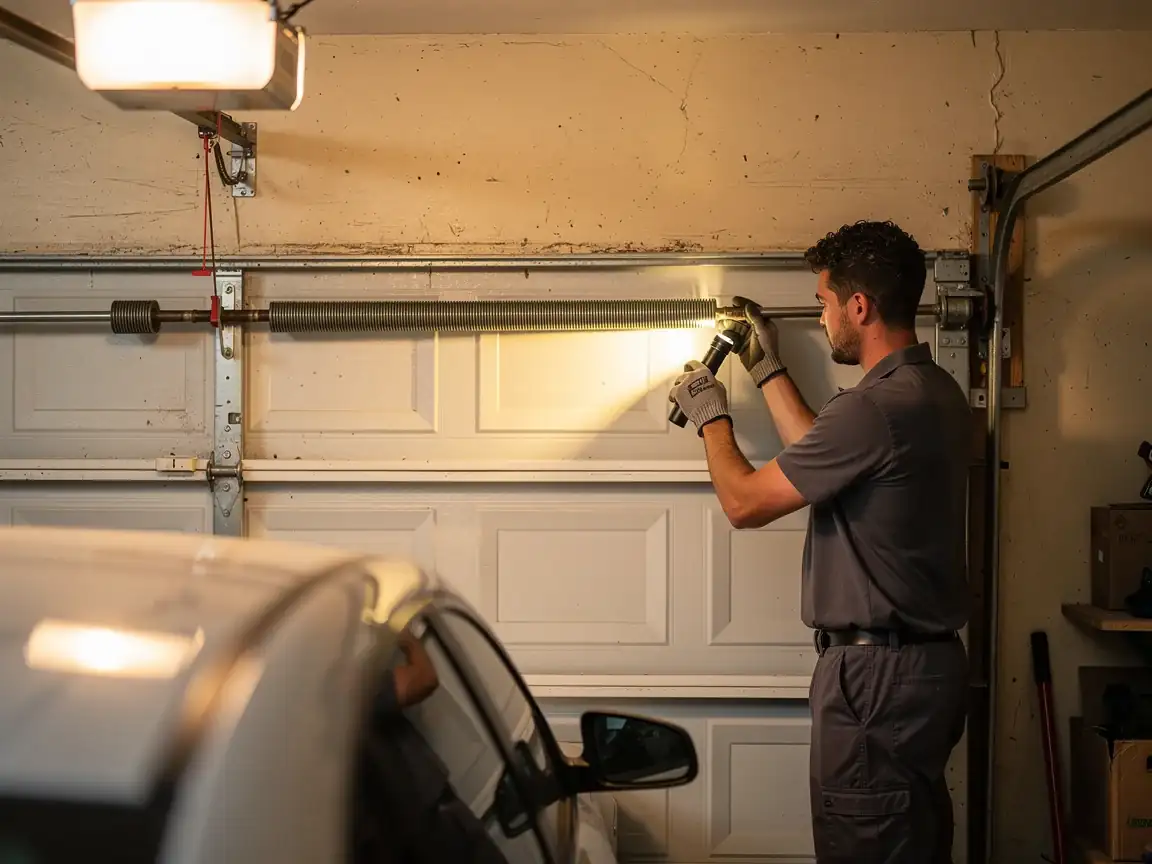
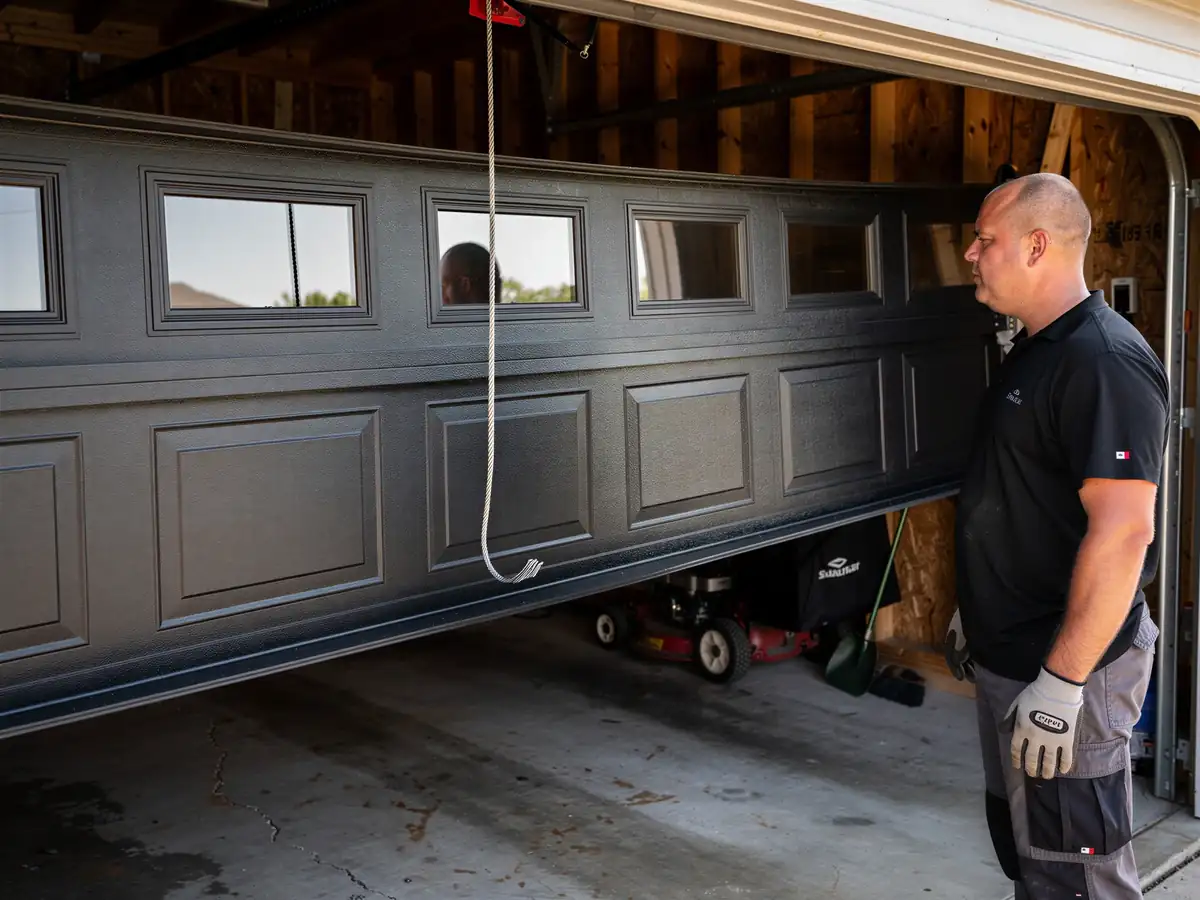
A loud bang, followed by the door refusing to move, is almost always a broken spring. Cold makes springs more likely to snap because the steel gets brittle at lower temperatures, and a spring that was already fatigued from forty-plus years of cycling doesn't need much of a push in a hard freeze.
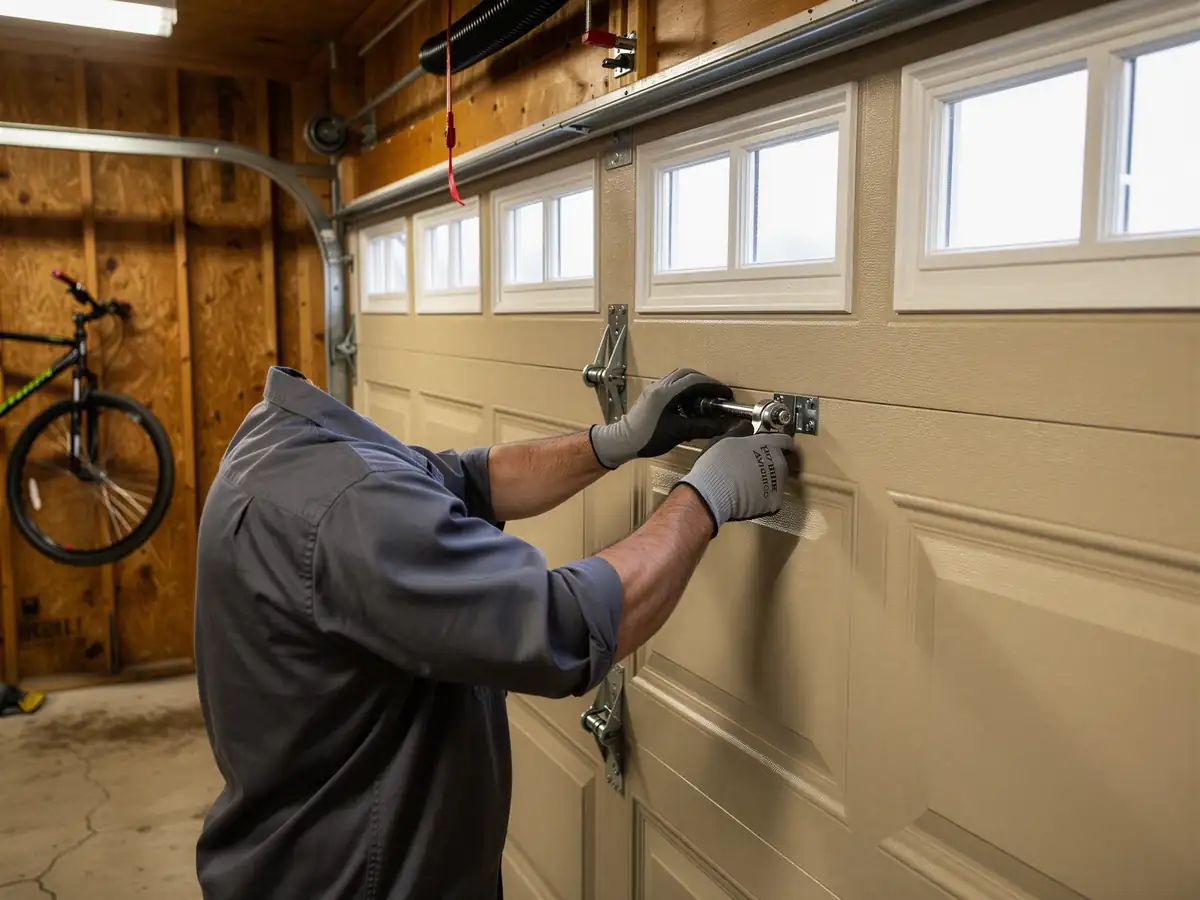
A rhythmic thump once per rotation points to a flat spot on a roller or a bent track section, something you see more on original hardware than on anything installed in the last couple decades. A high-pitched squeal that comes and goes with temperature is usually just dry hinges, the cheapest problem on this list and the easiest to ignore until it isn't.
What we can't tell you over the phone is which one you've got without hearing it. Noise diagnosis by description alone is unreliable enough that we won't quote a repair off a text description of a sound.
When to Get Help
If the door bangs once and stops moving, that's a spring and it's not a DIY job - the stored tension in a torsion spring on a full-size door can break bones. Call before you touch it.
If you hear grinding that's gotten louder over a few weeks, get it looked at before it fails completely. A roller that grinds for a month is cheaper to fix than a track it's damaged on the way out, and track damage on original 1960s-era rail is harder to source replacement parts for than on anything newer.
A squeal that only shows up in cold weather and goes away once the door's been run a few times is usually low on the priority list. Lubricate the hinges and rollers yourself with a garage-door-rated product, not household oil, and see if it clears up.
One honest limit: if your door is original to a house built in the 1940s or 50s, we may tell you the hardware isn't worth chasing part by part. At some point sourcing obsolete track and drums costs more in labor than a full replacement, and we'll say so instead of running up a repair bill on a door that's at the end of its service life.
What It Costs
We're not going to put a number here that doesn't match what you'd actually pay
Because it depends on what's making the noise and what era of hardware you're dealing with. A dry-hinge squeal is a small job. A broken spring on a double door is a bigger one, and replacing worn track on an original 1960s installation costs more than servicing a 20-year-old door with modern parts still in production.
What we can tell you is what drives the number
Whether it's a single part or a cascade (a dead roller that's already chewed up the track costs more than catching it early), whether the hardware is still made or has to be matched to an old spec, and whether the job needs one spring or a pair. A house built when the median around here went up - 1964 - is more likely to need a hardware match than a house finished in 2002.
Give us a call with the sound and the rough age of your door and we'll tell you honestly whether it's a quick fix or something bigger before anyone drives out