The Symptom
You're not calling about a squeak
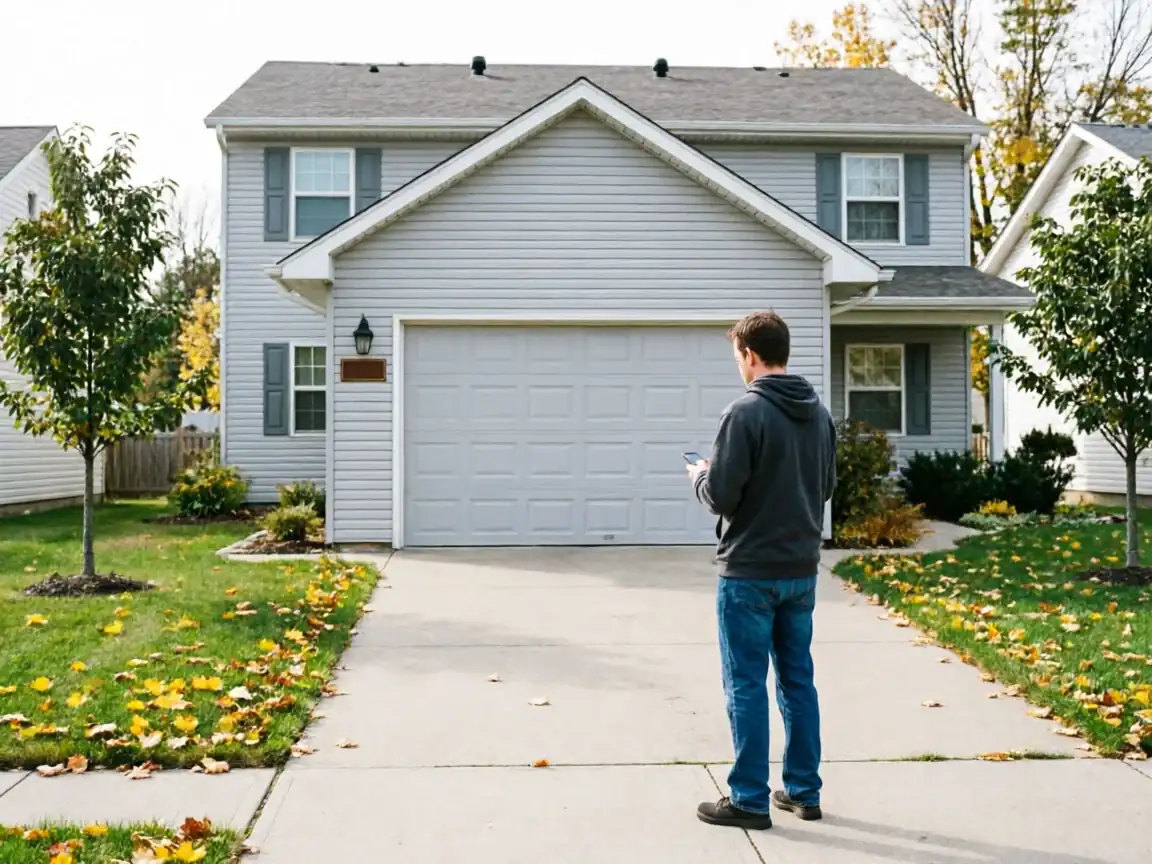
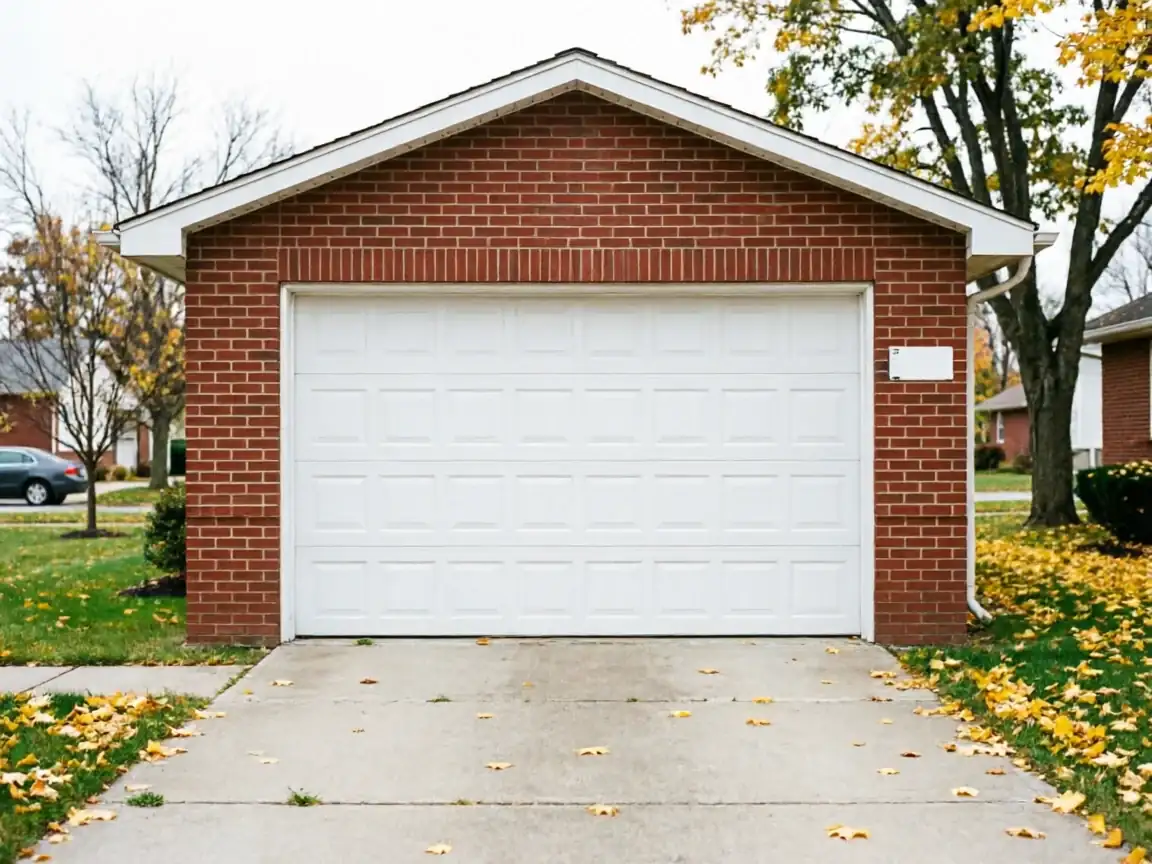
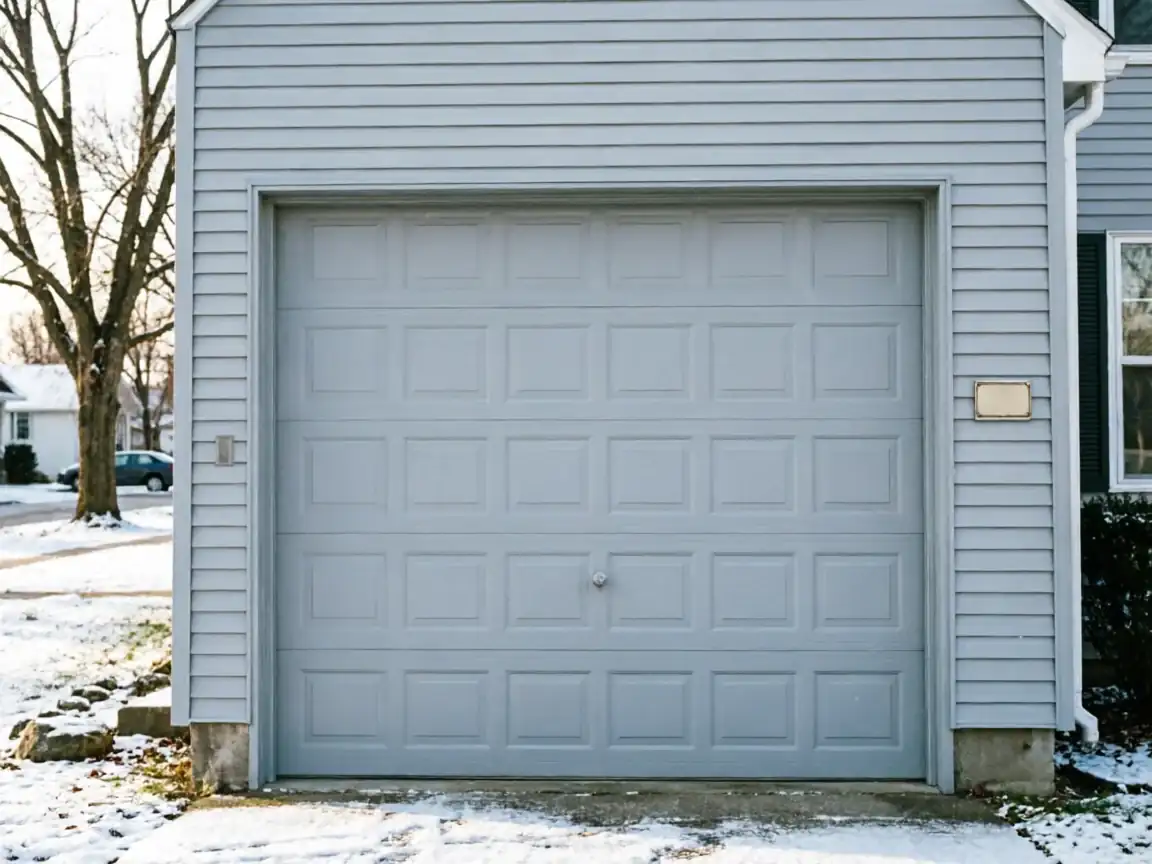
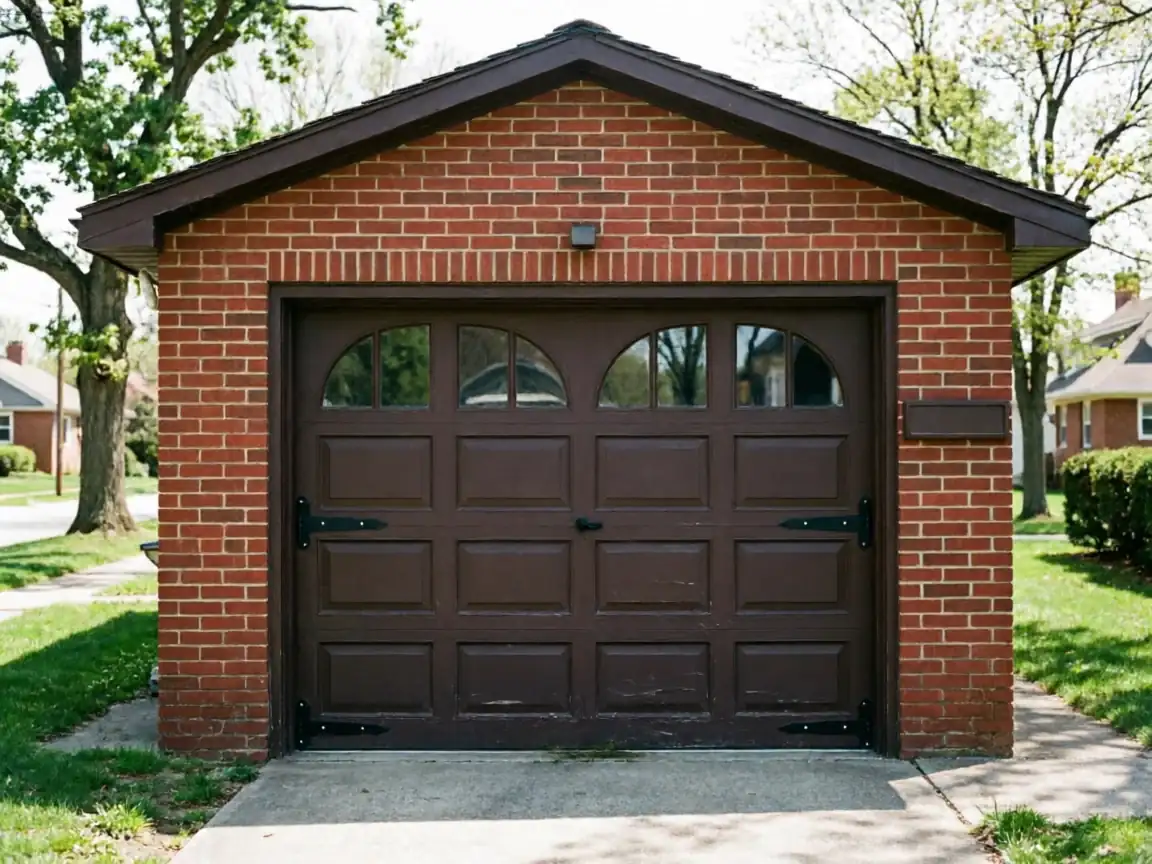
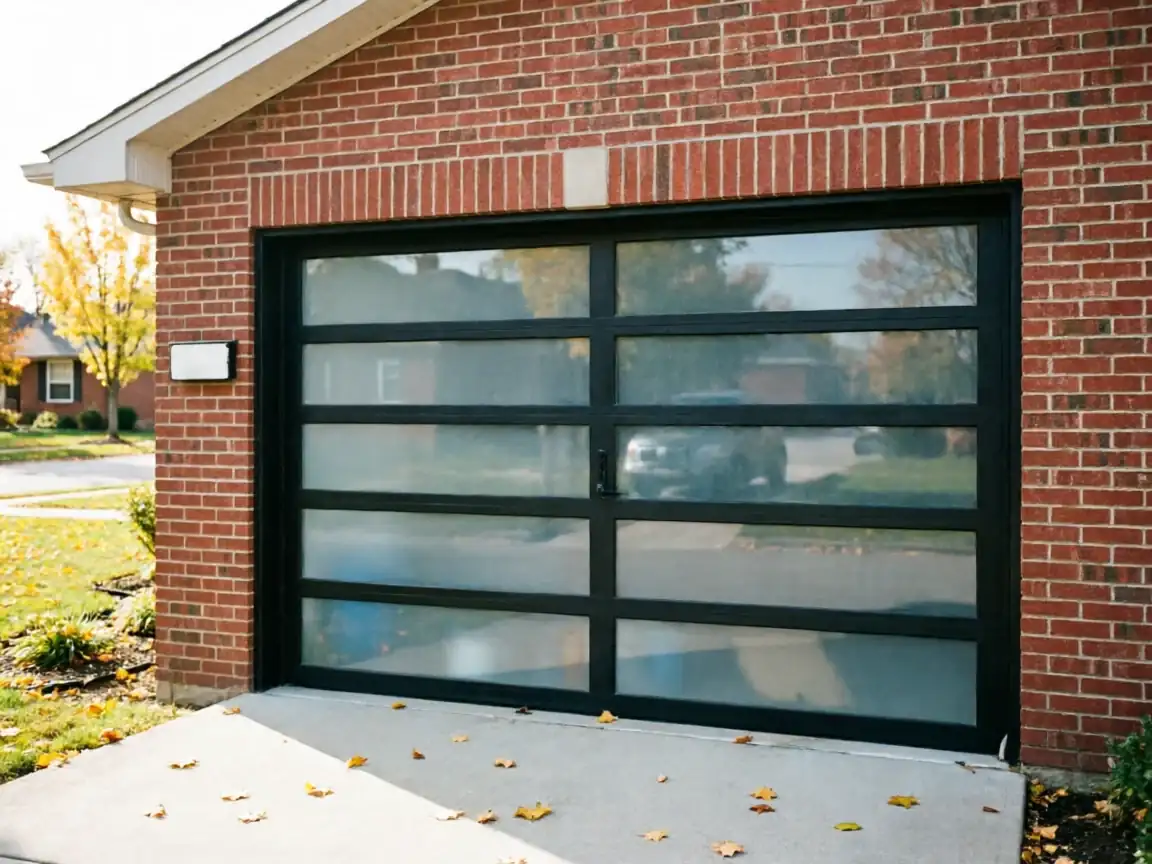
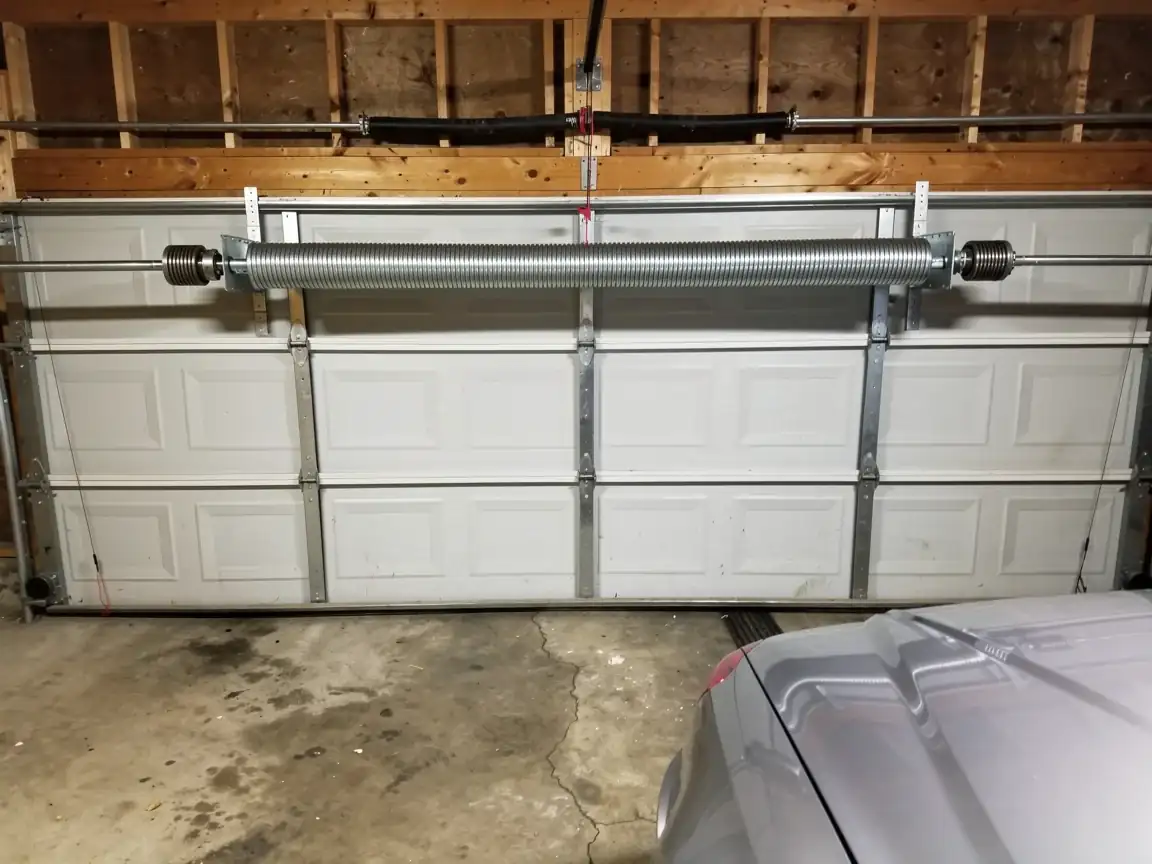
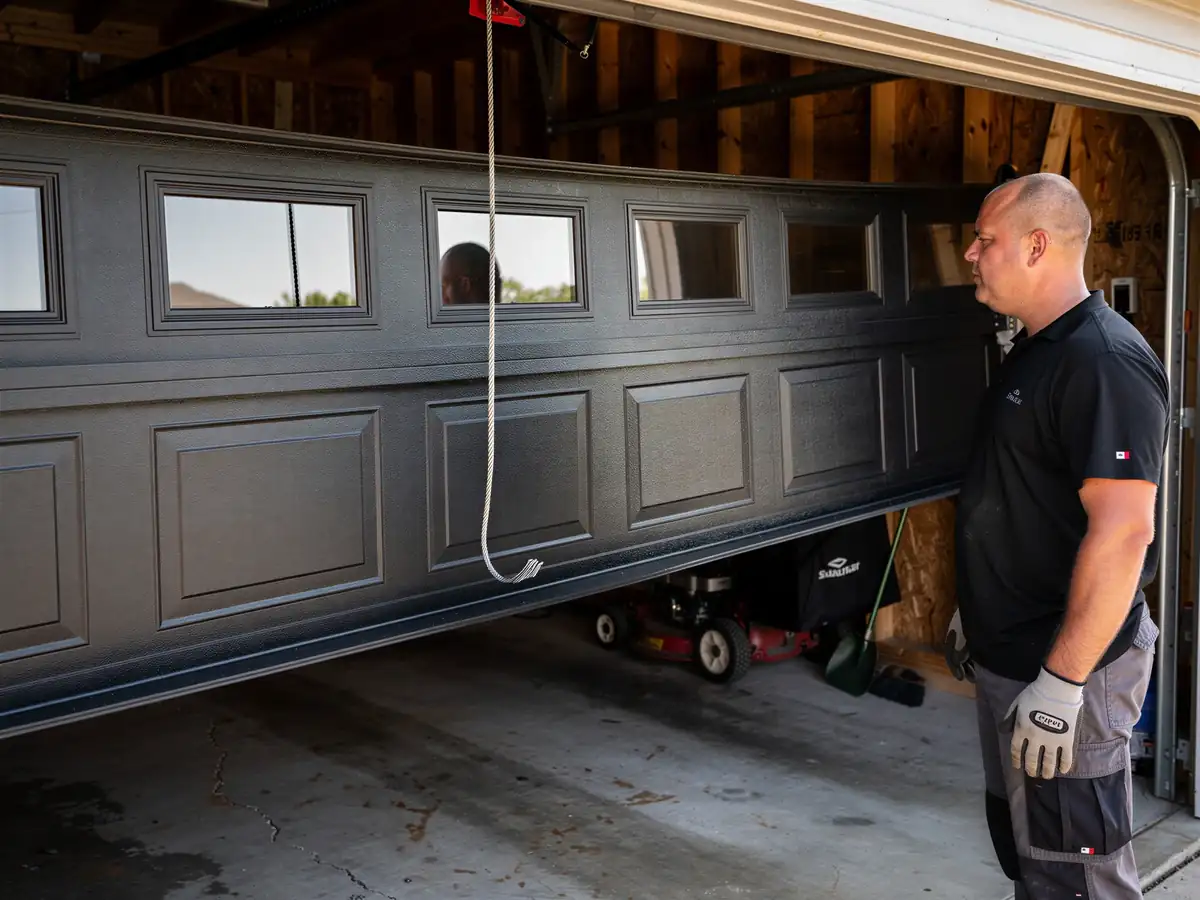
You're calling because the door is done - it's delaminating at the bottom panel, the track has bowed out of plumb, or the opener keeps straining against a door that's gotten too heavy for its own springs to lift. In a lot of Peoria homes, this shows up around the same age: houses here were built mostly between 1938 and 2002, with the bulk of the stock going up in the 1960s and '70s across the area's 26 named neighborhoods. That means a lot of original or first-replacement doors are now 40 to 60 years old, built for a different climate expectation and a different opener standard than what's sold today.
- 60 years
Sometimes it's not failure, it's a remodel
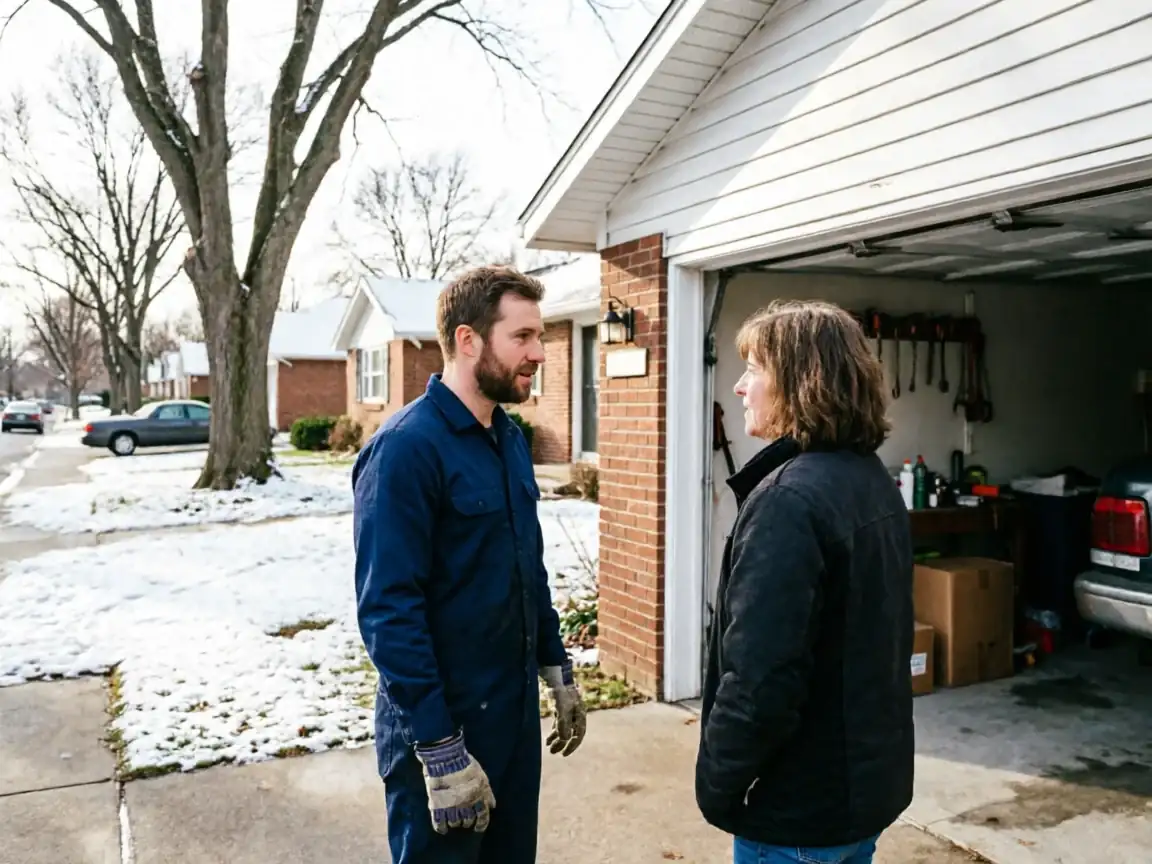
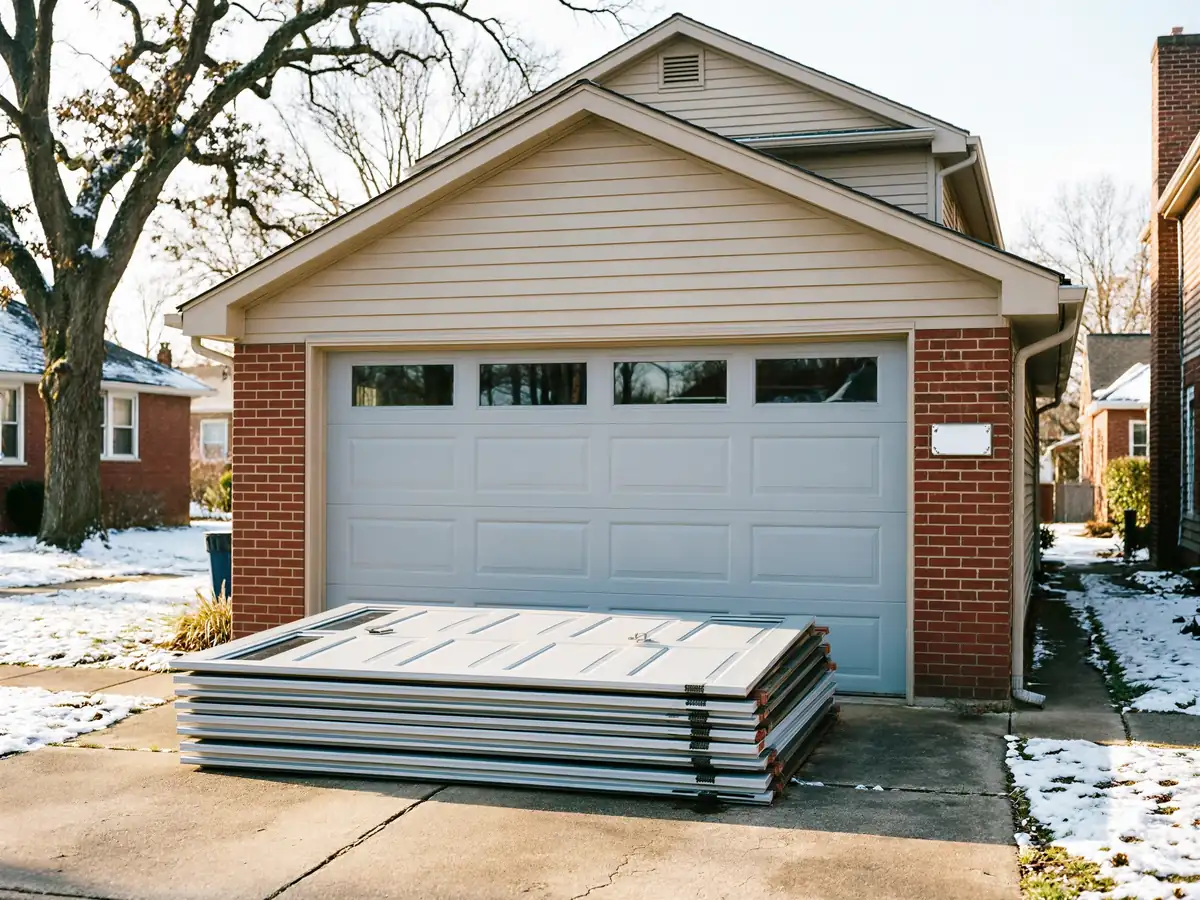
A garage conversion, a new driveway grade, or a homeowner finally swapping a single door for a double. Either way, the decision point is the same: patch an aging door one more time, or put in a door sized and insulated for what the house actually needs now. We'll tell you honestly which one you're looking at before you commit to either.
How We Fix It
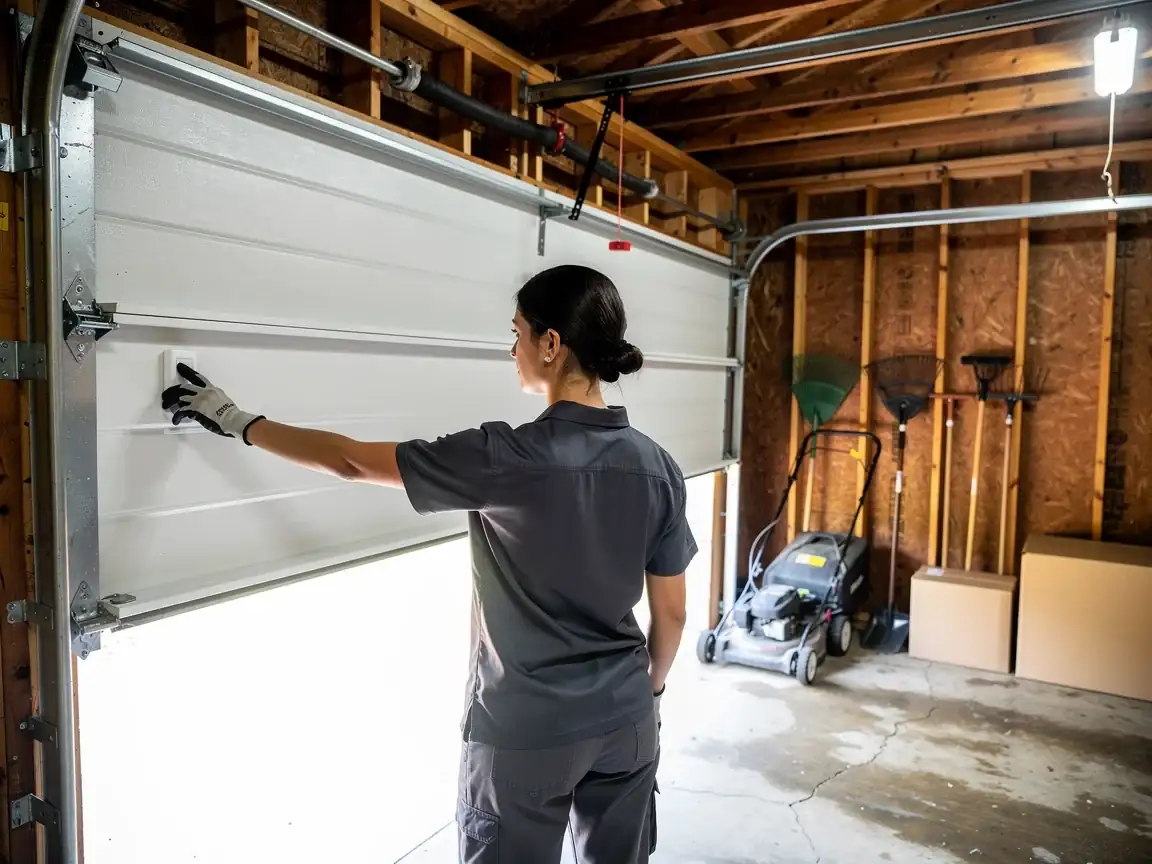
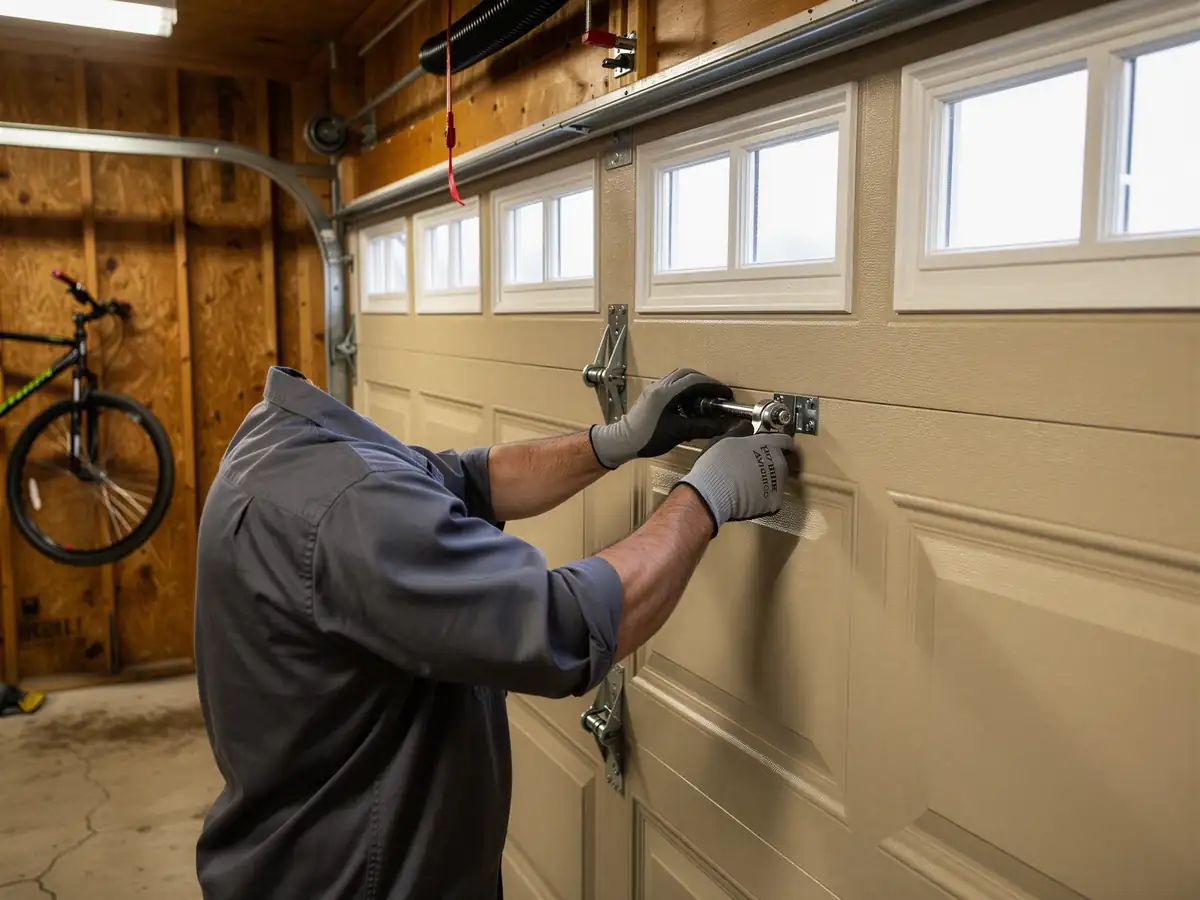
Installation starts with the opening, not the catalog. Houses from the 1960s and '70s era common here were framed to door sizes that don't always match what's stocked at a big box store - so we measure the rough opening, the headroom, and the backroom clearance before we talk panel style. If the track line or header has shifted with age (common in a house pushing 50-60 years old), that gets corrected as part of the job, not left for the door to fight against.
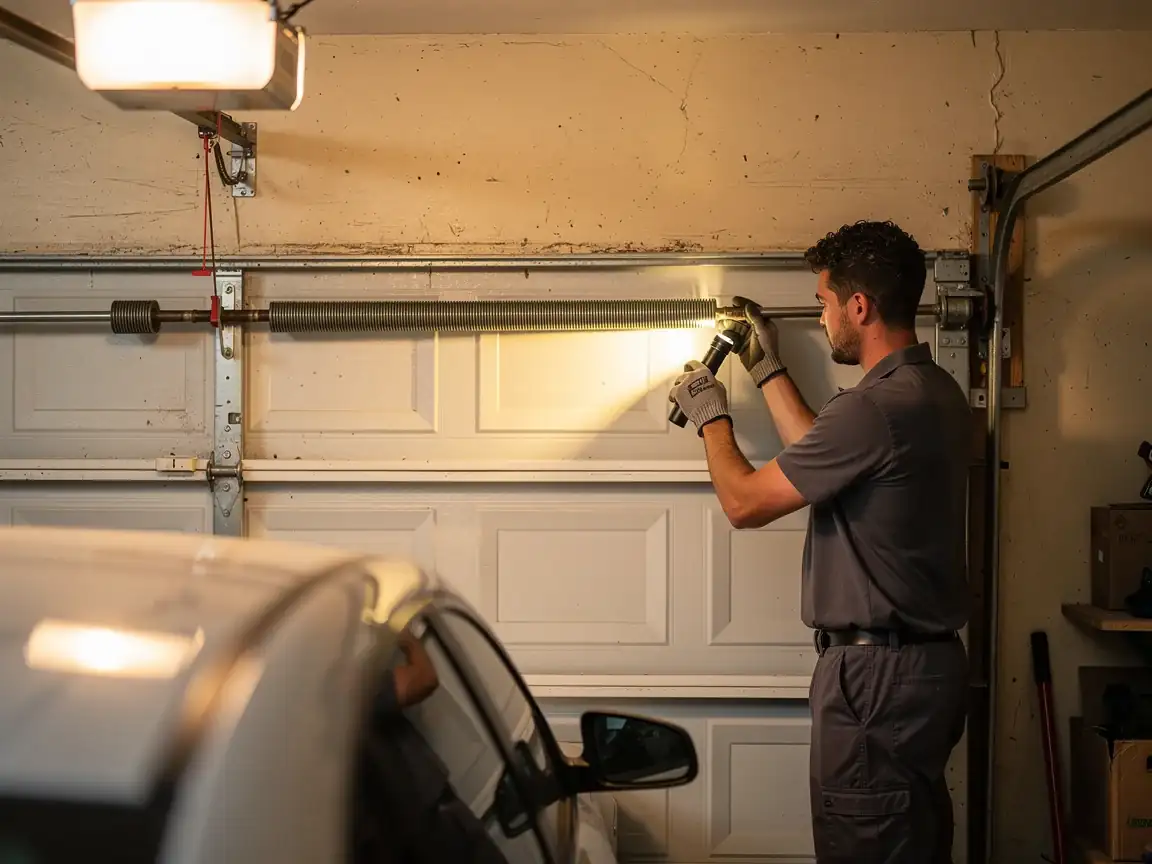
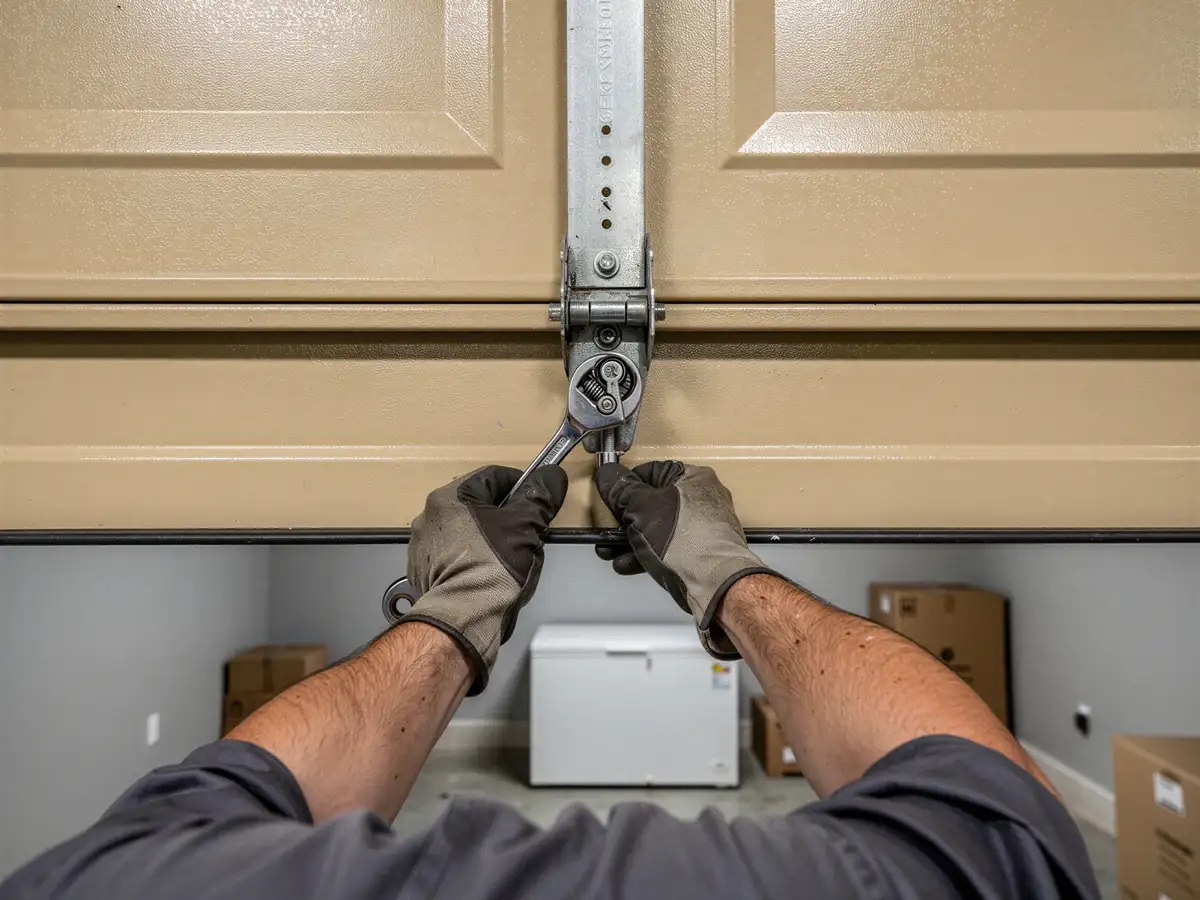
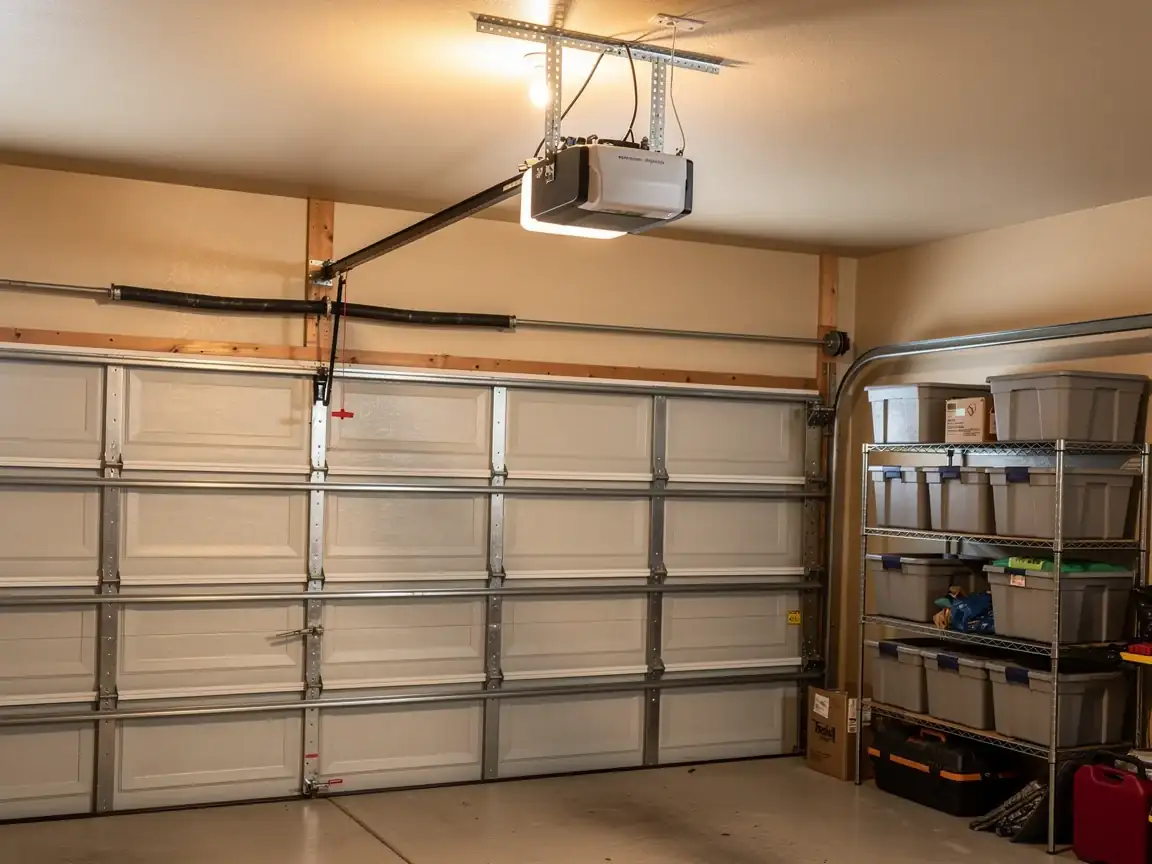
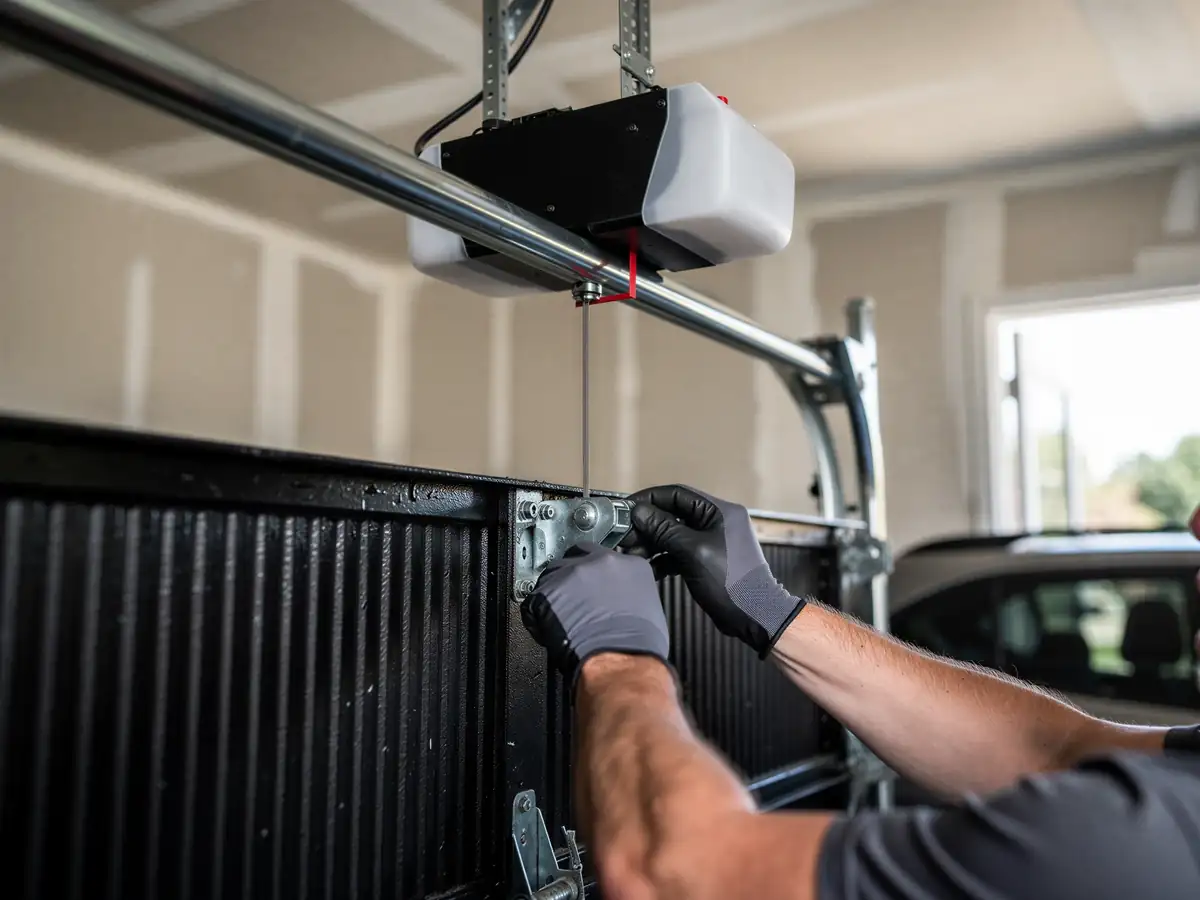
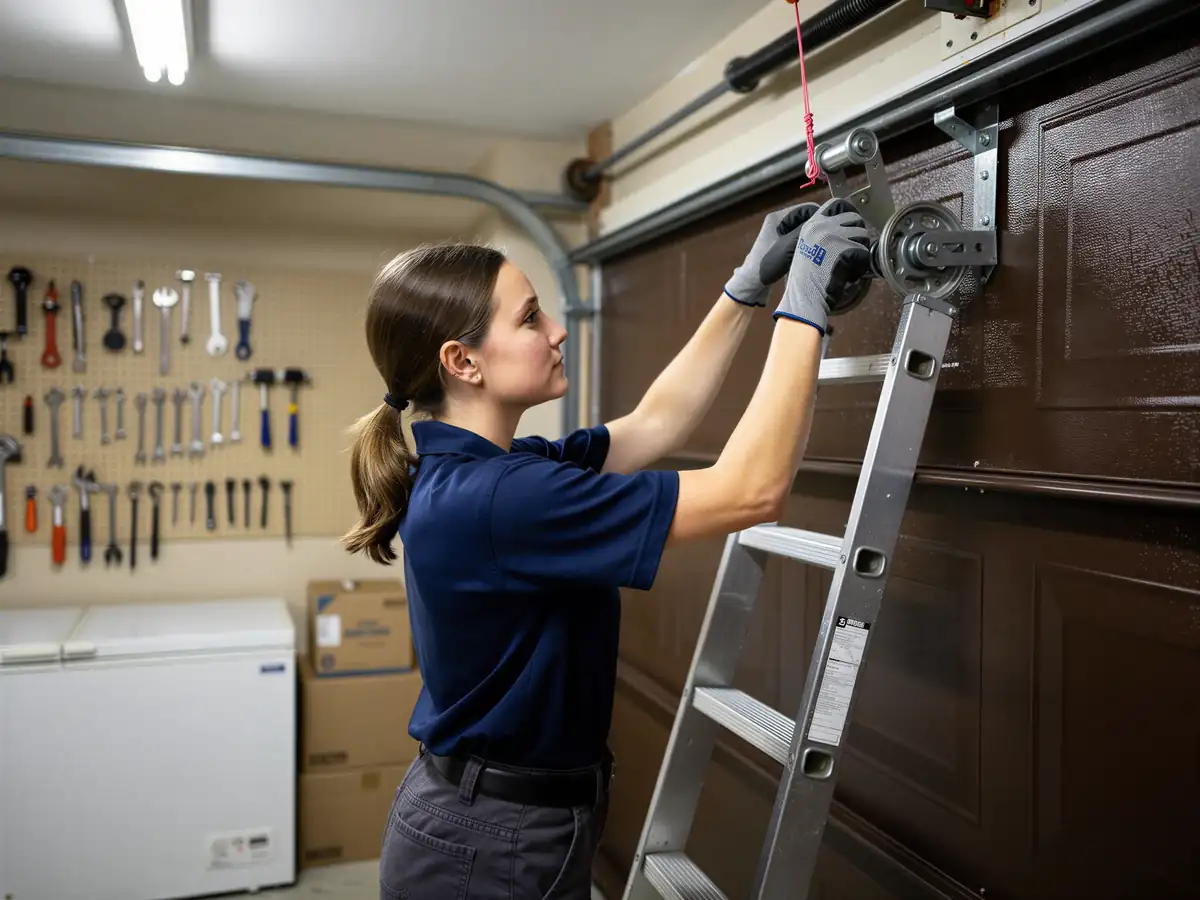
For Peoria's cold-moderate climate band, we size insulation and weatherseal to actually hold against winter drafts rather than just meet a minimum. That matters more here than in a mild climate - an underinsulated door in a cold winter doesn't just waste heat, it lets condensation build on hardware and shortens the life of the opener and springs. We set springs to the correct cycle count for the door's actual weight, mount the opener to code for the track style you've got, and test balance before we call it finished. If your opening is out of square enough that a standard door won't seat right, we say so before ordering, not after.
Stocked Parts
We carry standard-width residential door sections and torsion spring sets sized for the single and double openings most common in houses built through the 1960s-2002 window - those cover the majority of calls across this service area's roughly 31,073 owner-occupied houses. Standard steel and insulated panel doors, common track hardware, and openers matched to typical attached-garage ceiling heights are on the truck or a short order away.
What we don't keep on hand: custom wood doors, oversized commercial-grade panels, and odd legacy widths from older torsion setups that predate current standard sizing. Those get special-ordered, and we'll tell you the lead time up front rather than quote a date we can't hit. If your opening needs a non-standard size, plan for that order time before you set a move-in or remodel deadline around it.
Why This Fails Locally
The reason installation jobs cluster the way they do here traces back to the housing timeline
A door put in when a house was built in, say, 1964 - right at the median build year for the area - is old enough now that its spring system, track gauge, and insulation value are all behind current standards, even if the panels still look fine. Add a cold-moderate climate band and that gap matters more: steel contracts in cold, seals that were adequate in 1970 don't hold the same way after decades of winter cycling, and a door that's slightly out of balance works the opener harder every cold morning.
With median household income at $71,763 across a service area of roughly 45,146 households
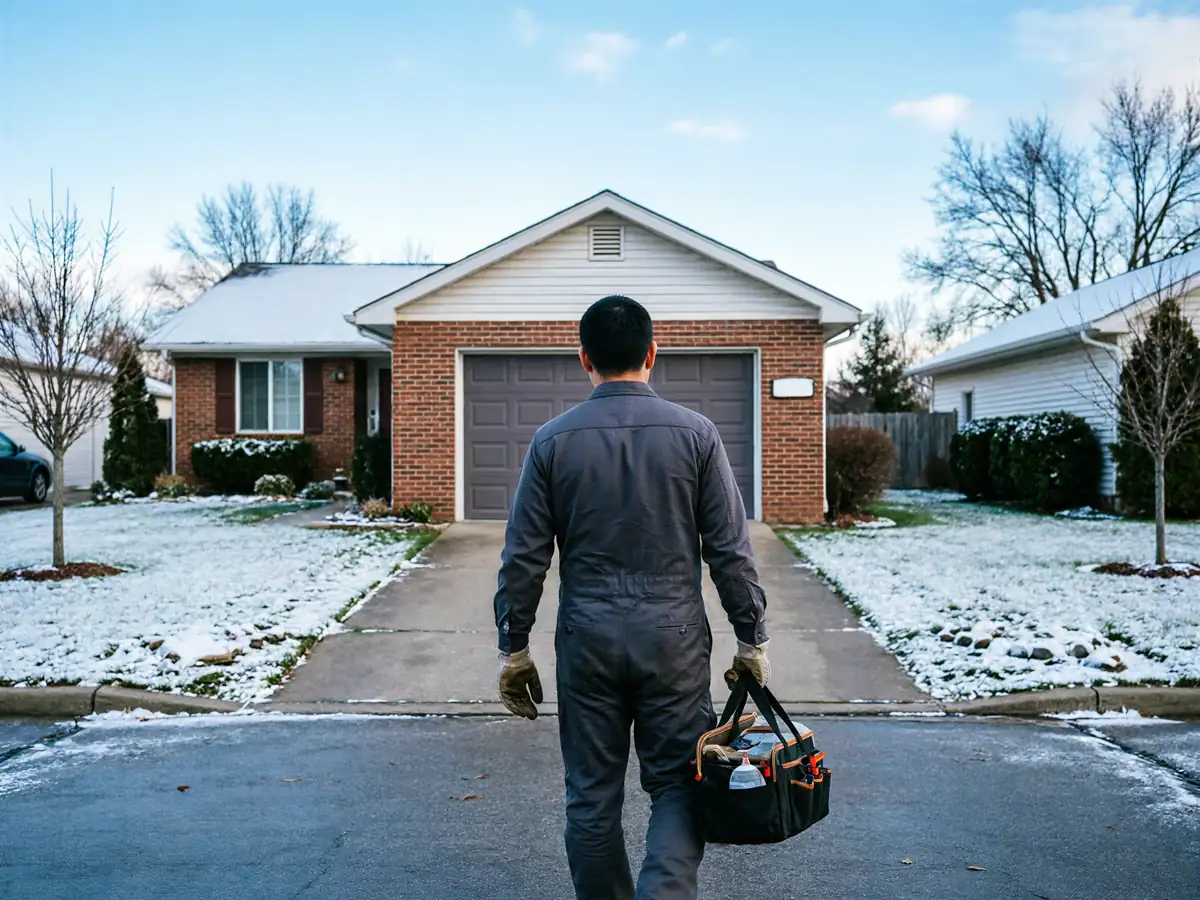
Most of the installation calls we get aren't about affording an upgrade - they're about timing it to when the old door actually fails rather than waiting for a spring to snap on a January morning. We run jobs through West Peoria, Mossville, Bellevue, East Peoria, Dunlap, and the other communities within about 10 to 18 miles of Peoria, and the age pattern holds across most of them.
- $71,763 median household income
- 45,146 households
- 18 miles