The Symptom
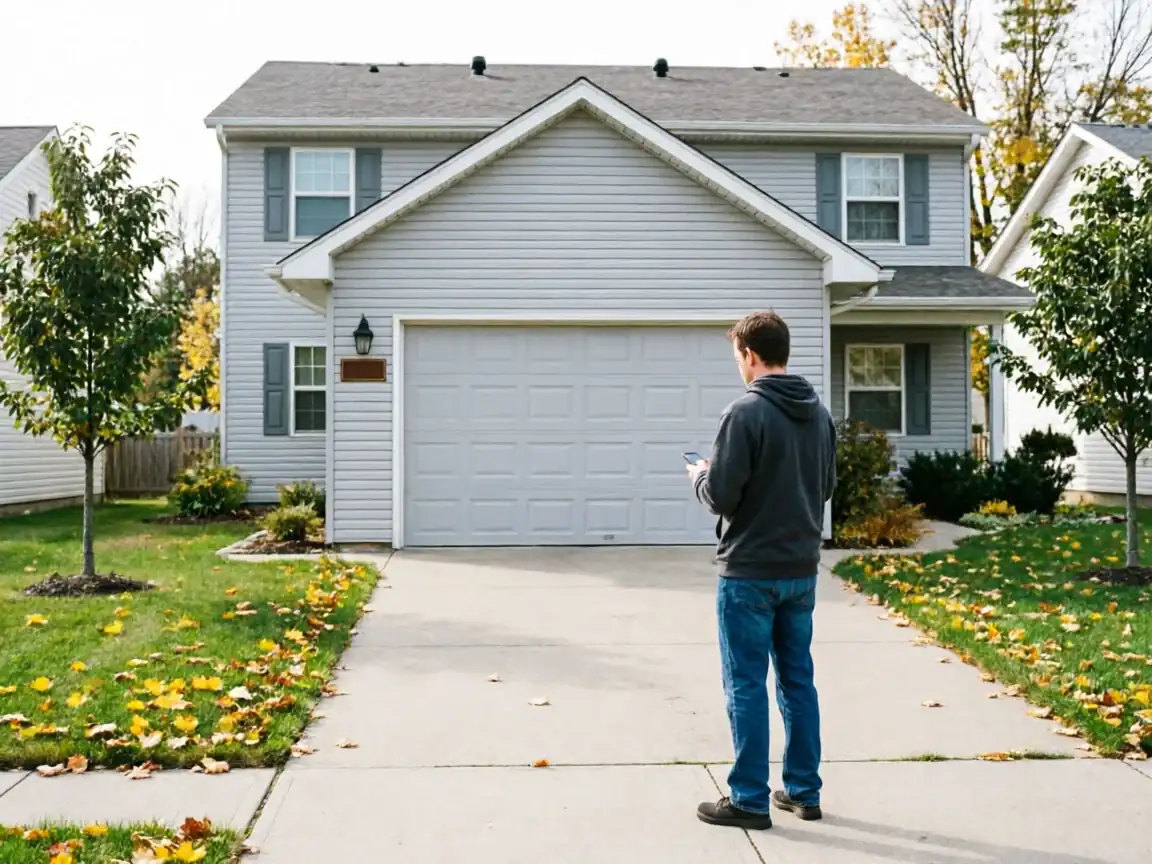
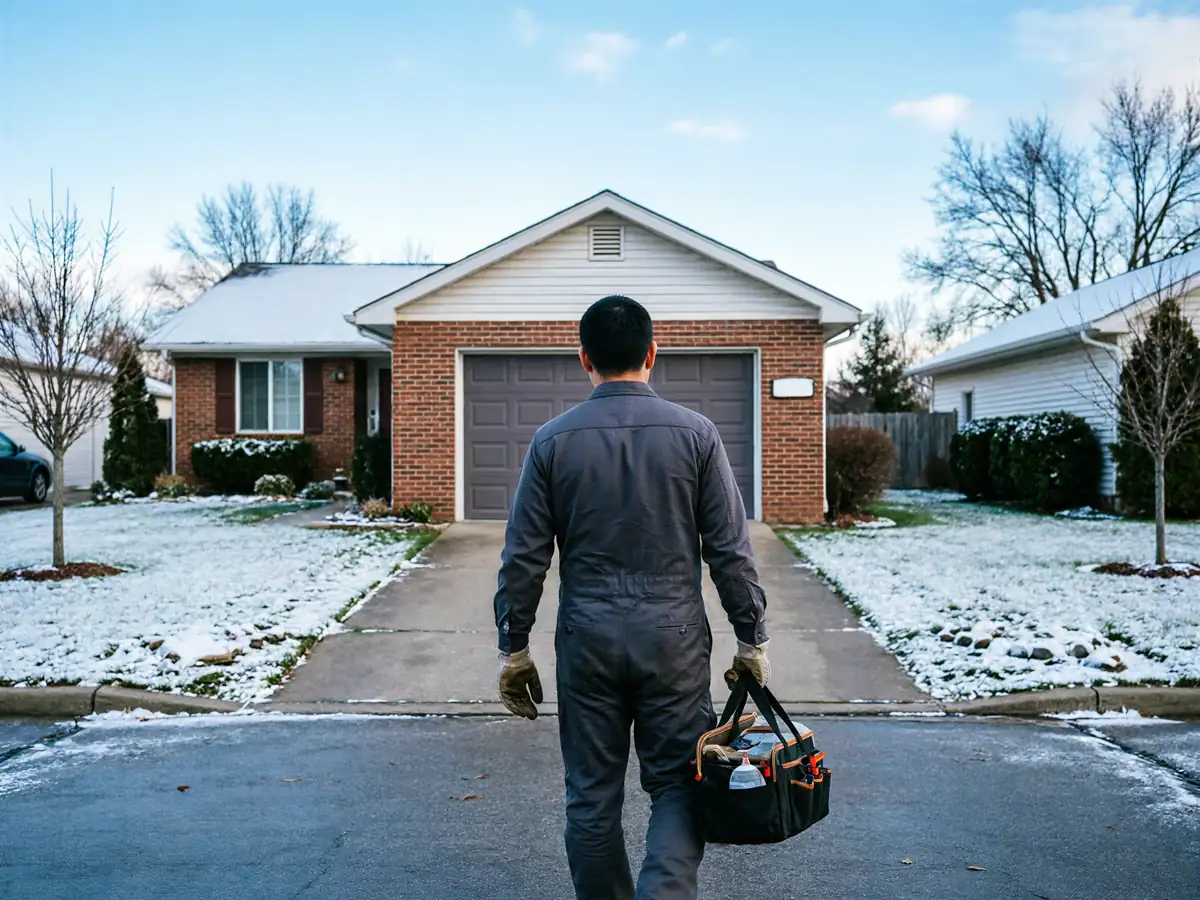
The call we get most from Peoria homeowners is the same one
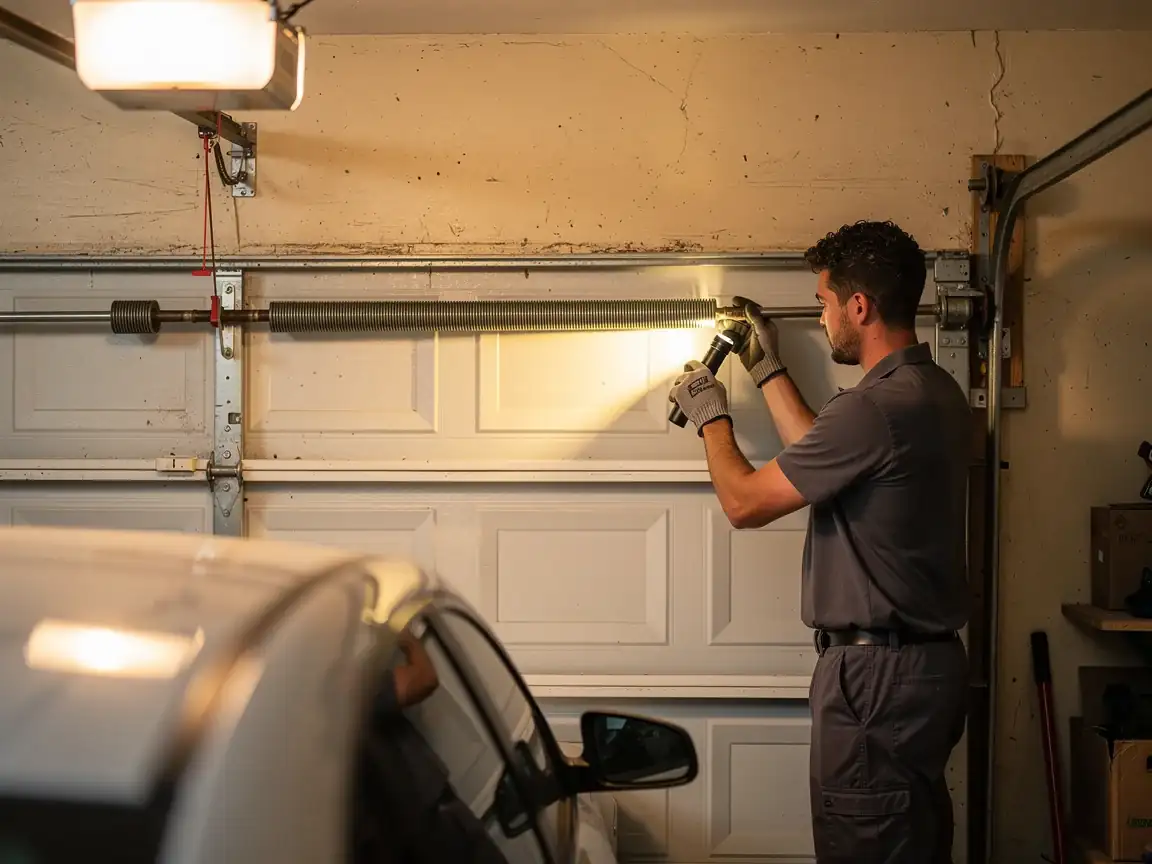
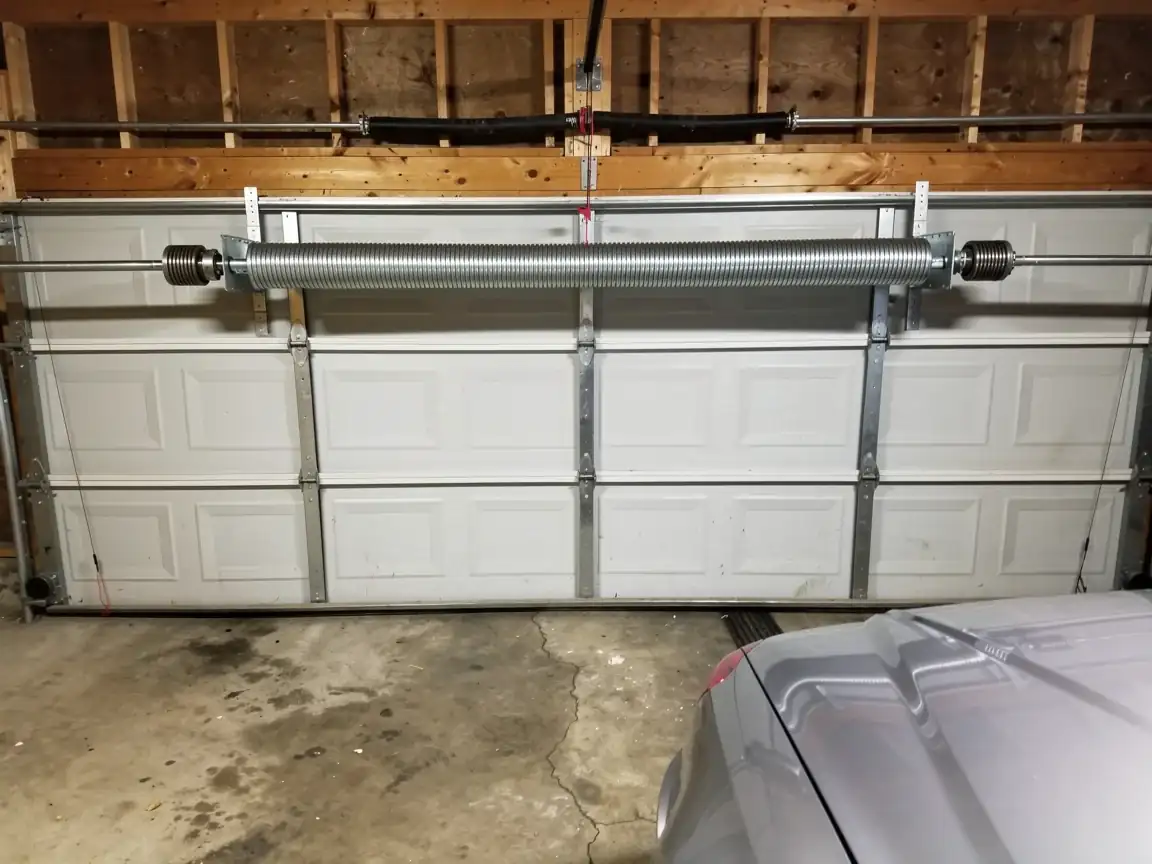
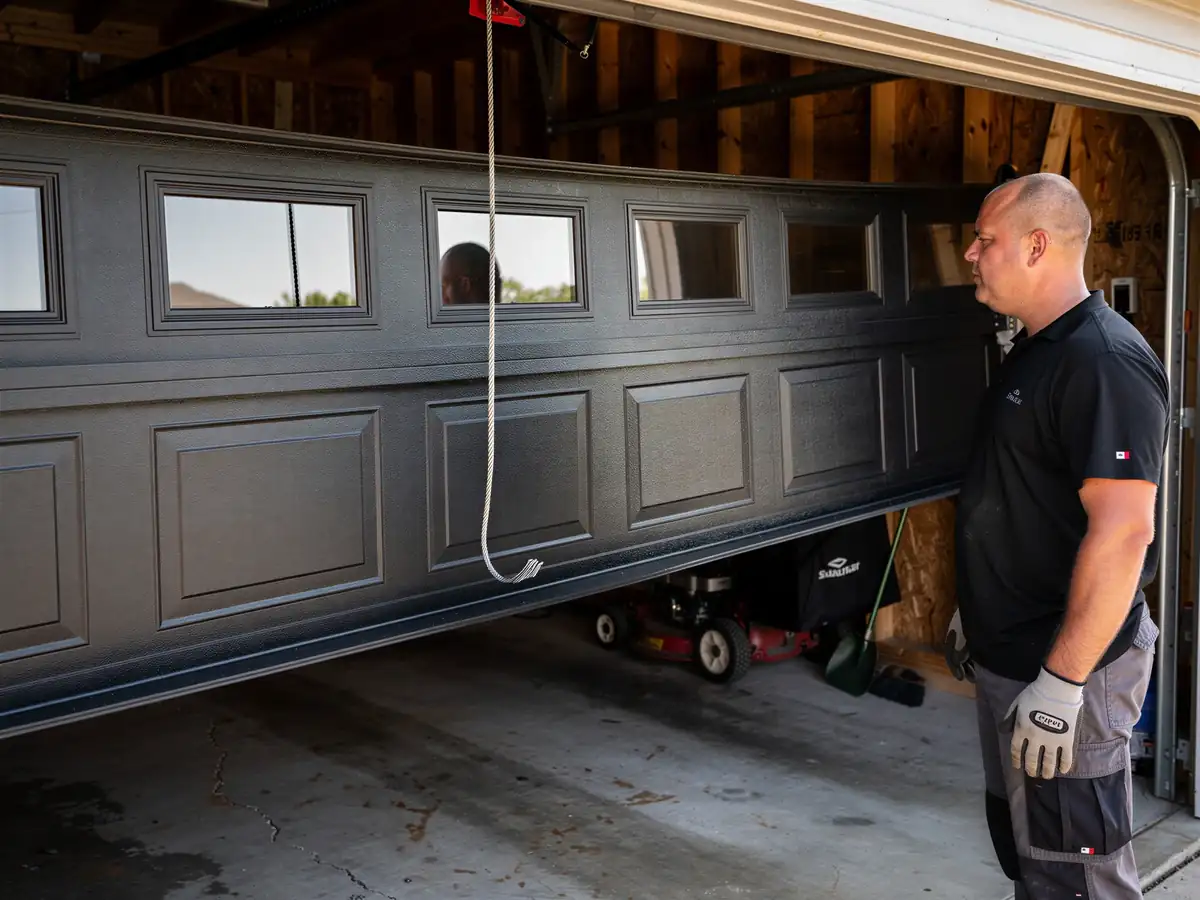
The door won't go up, or it goes up a few inches and stops. Sometimes there's a loud bang from the garage first, followed by the door sitting dead on the track. That bang is almost always a torsion spring letting go.
Peoria's housing was built mostly between 1938 and 2002
With the bulk of it going up in the 1960s and 70s and a median build year around 1964. A door and spring system installed on a house from that era has had sixty years to cycle through heat, cold, and humidity. Torsion springs are rated for a number of open-close cycles, not years, but age still matters because the steel fatigues and the galvanizing wears thin.
On these older systems you'll also hear the door groan or shudder partway through its travel
That's usually worn rollers riding in a track that was never replaced when the rest of the house got updated. Kitchens get remodeled. Garage door hardware almost never does, until it fails.
How We Fix It
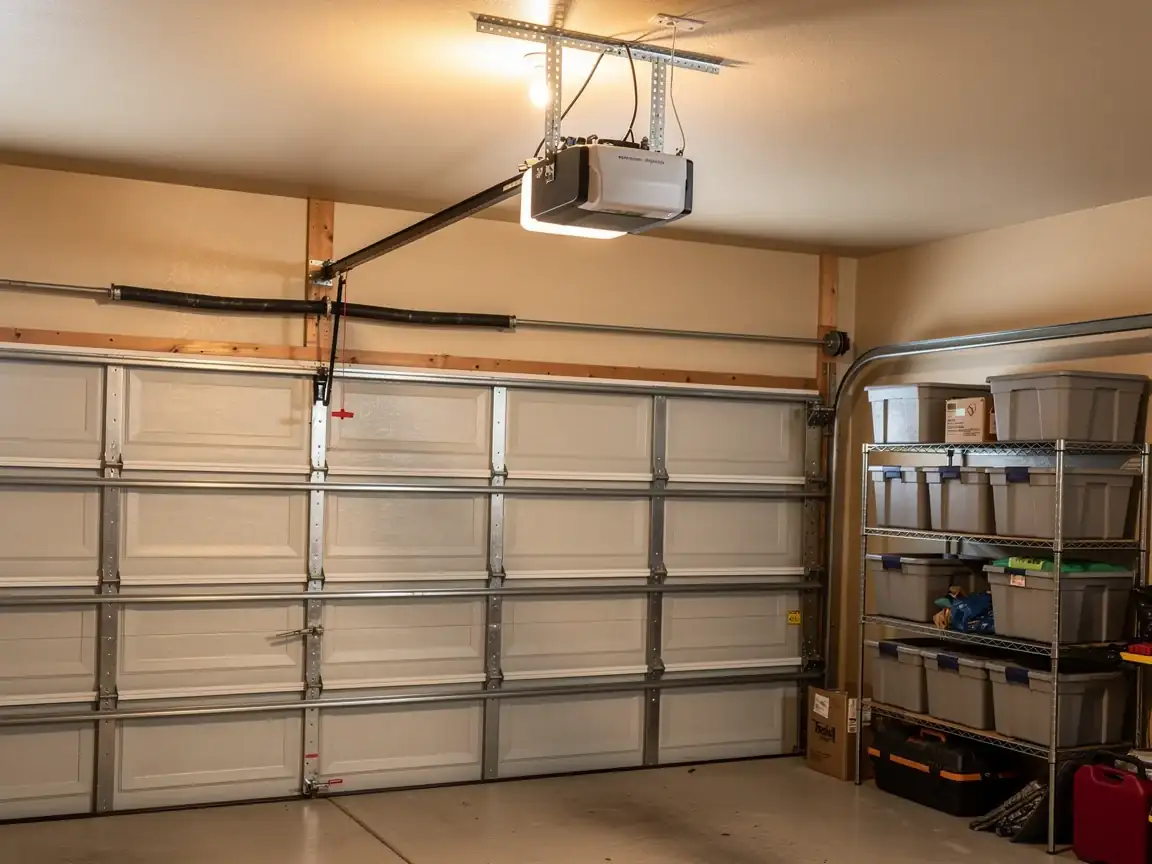
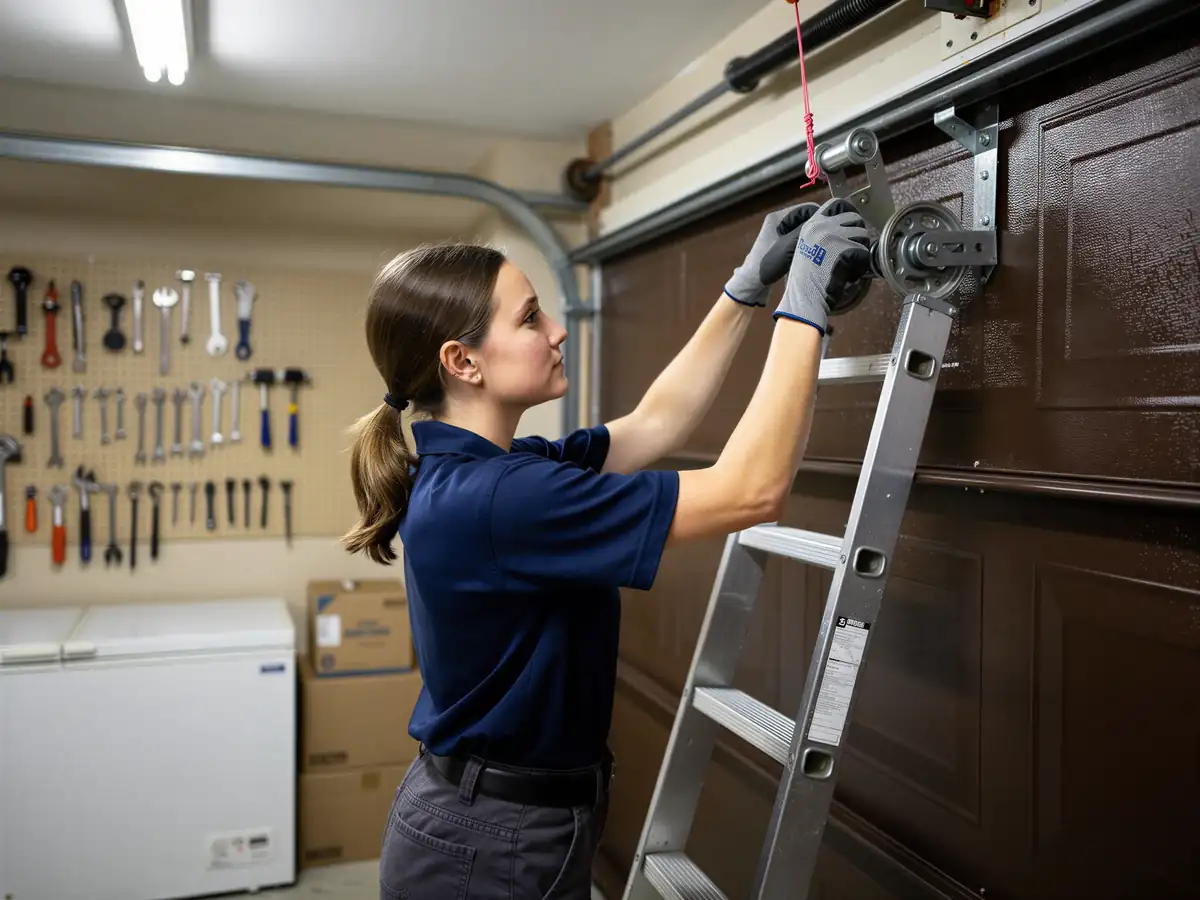
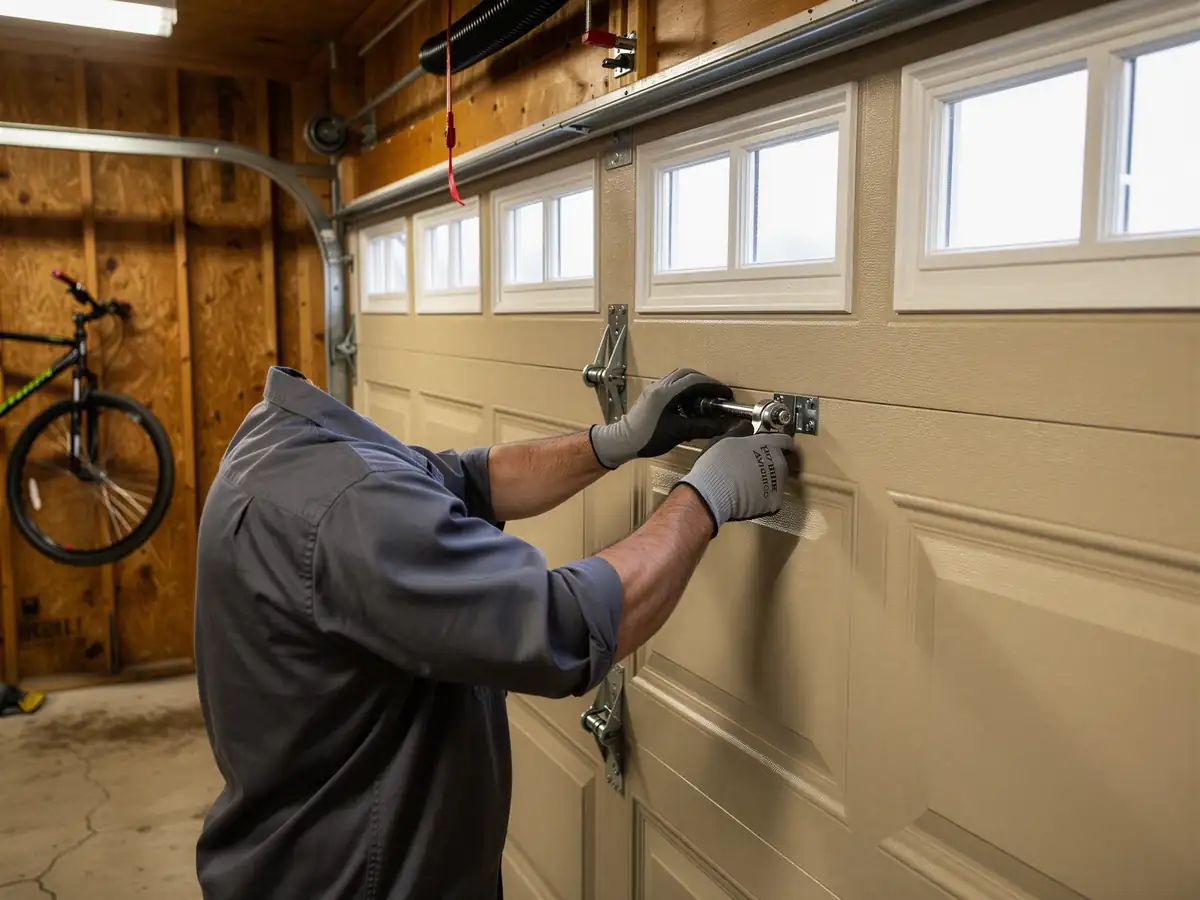
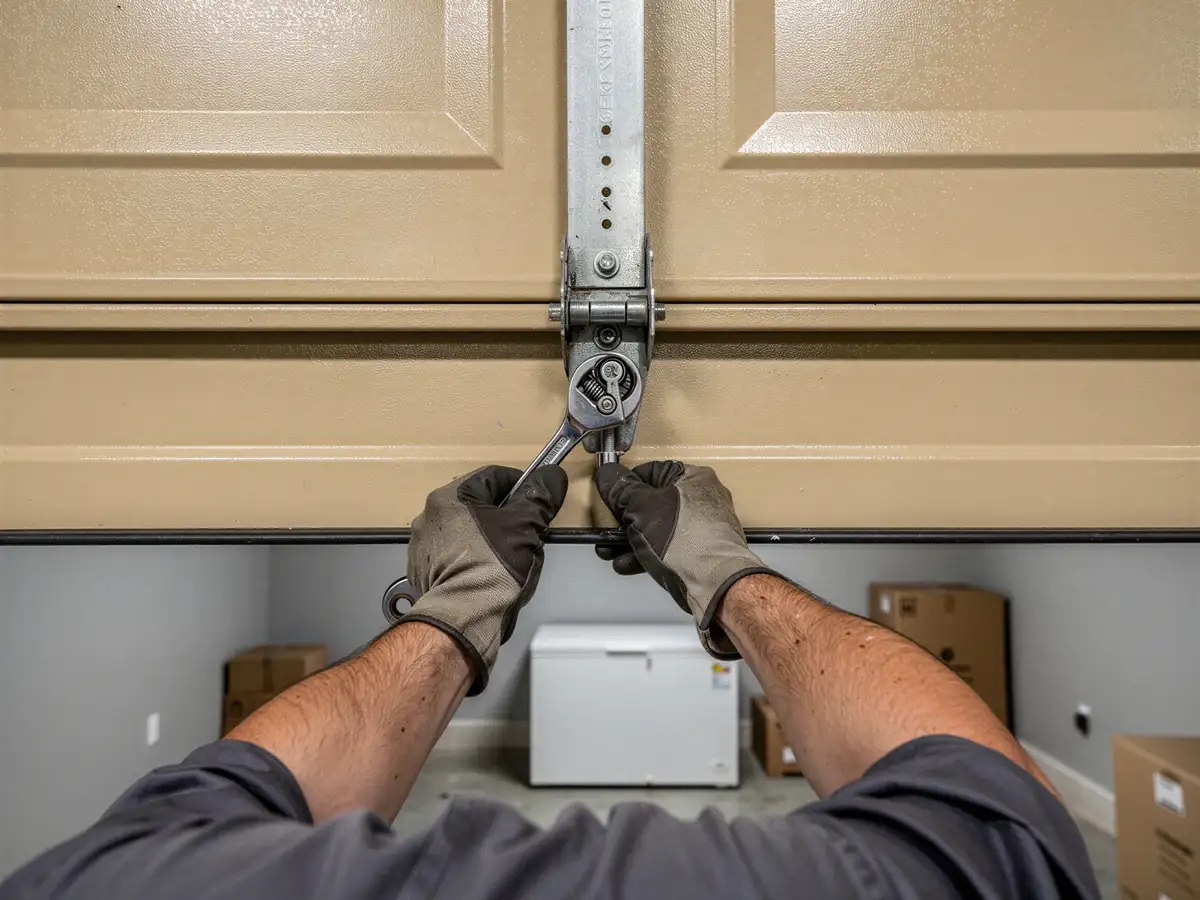
A broken torsion spring gets replaced as a pair whenever possible, even if only one side has gone, because the second one is close behind it and wound to match. We check the torsion tube, bearing plates, and cable drums at the same time, since a spring failure under tension can wear or bend what's around it.
For doors that are sticking or dragging rather than fully down, we check the track alignment first. On a house from the 1960s or 70s, the track brackets are often original, and decades of minor settling in the slab or framing can throw the track out of plumb by enough to bind rollers and strain the opener.
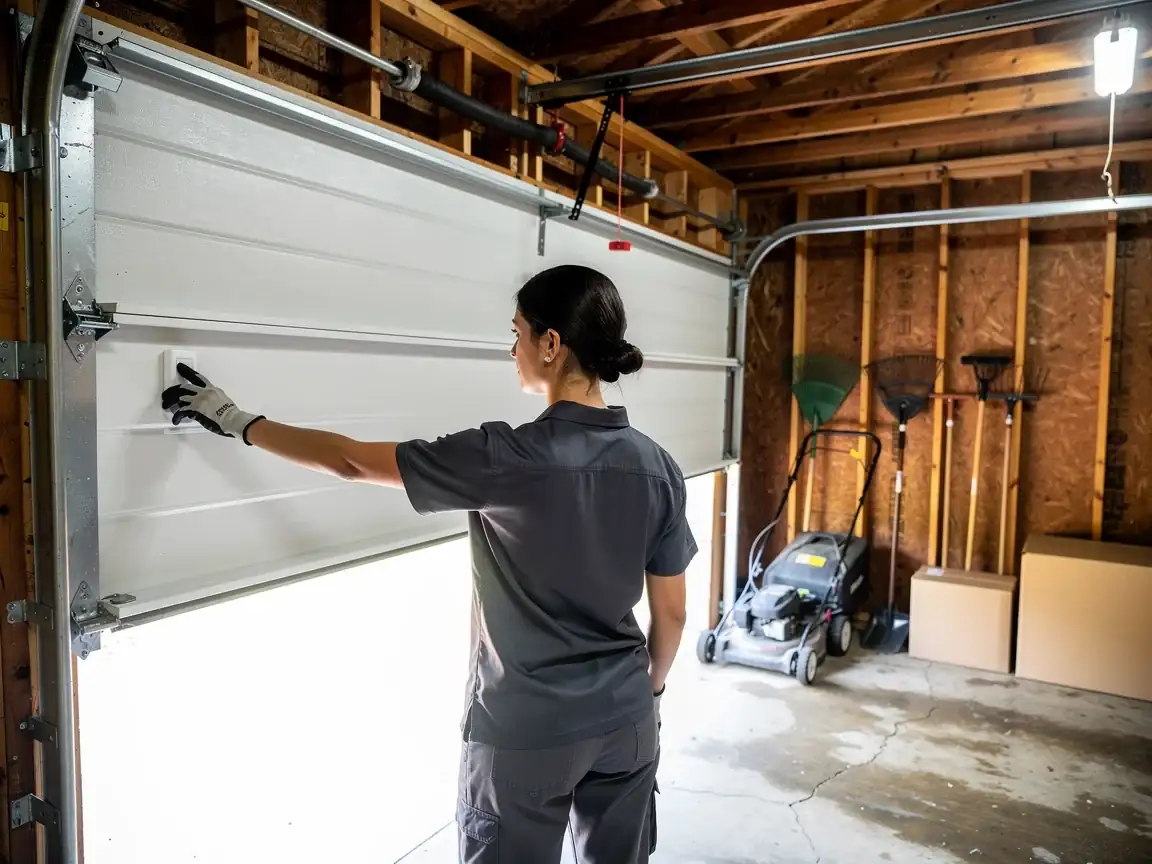
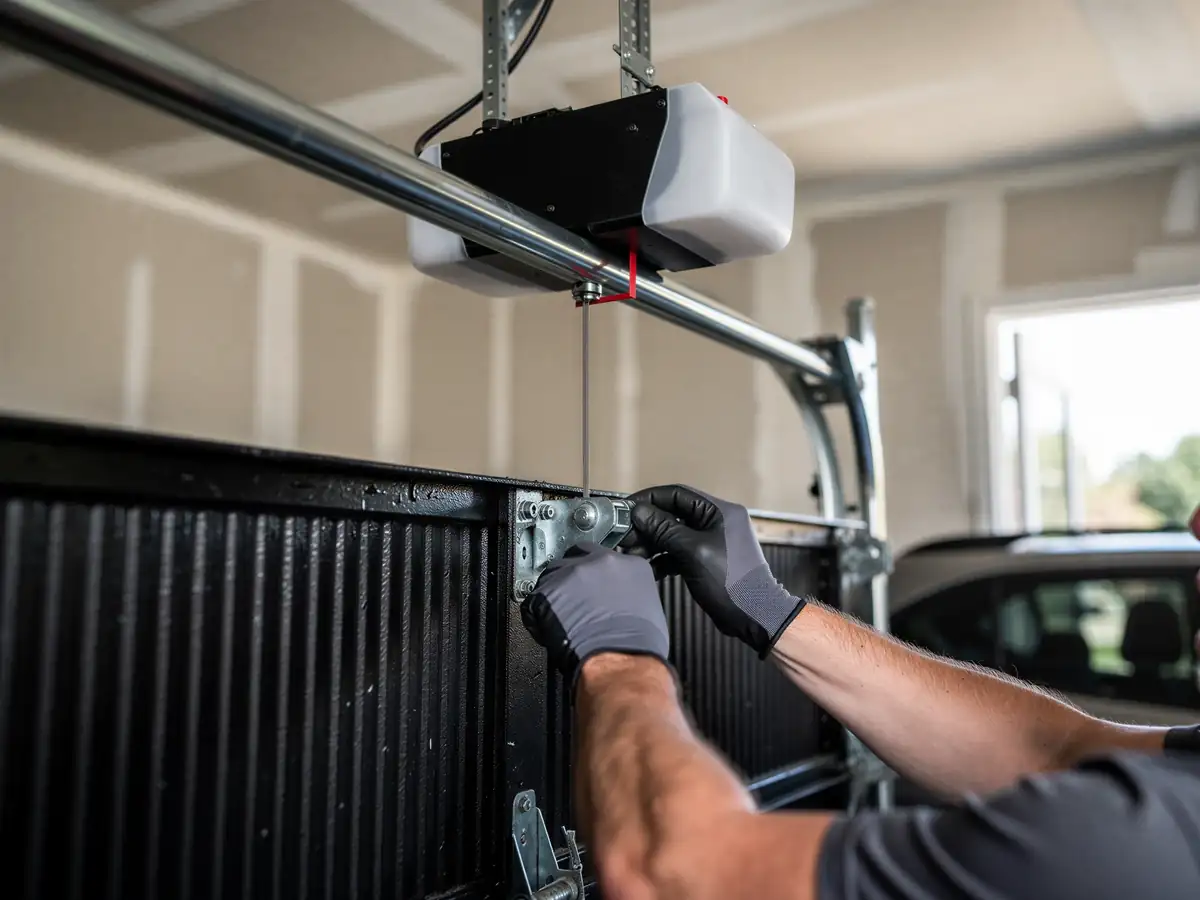
We test the opener's force and travel limits after any spring or track work, not before. An opener fighting a misadjusted spring will burn out its gears trying to compensate, and setting the opener correctly only matters once the door itself moves freely by hand. If the door doesn't lift smoothly with the opener disconnected, no amount of opener adjustment fixes it.
Stocked Parts
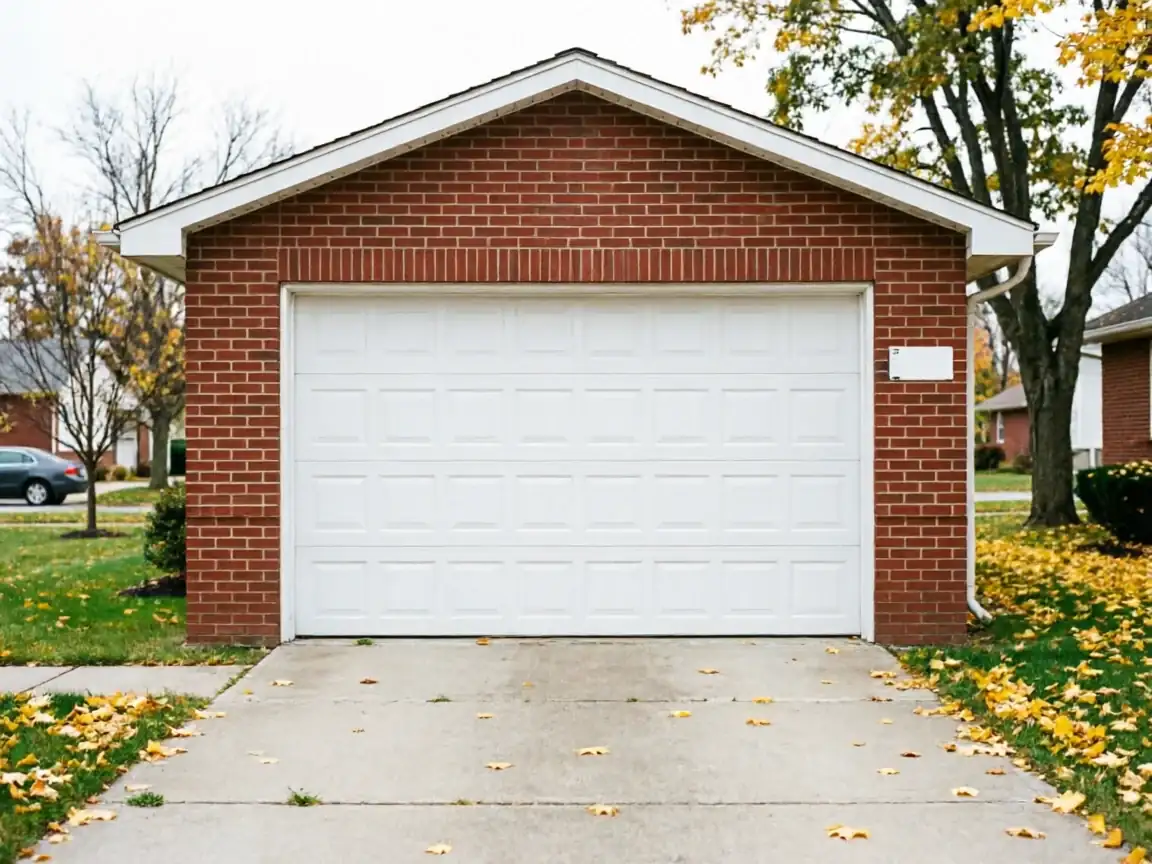
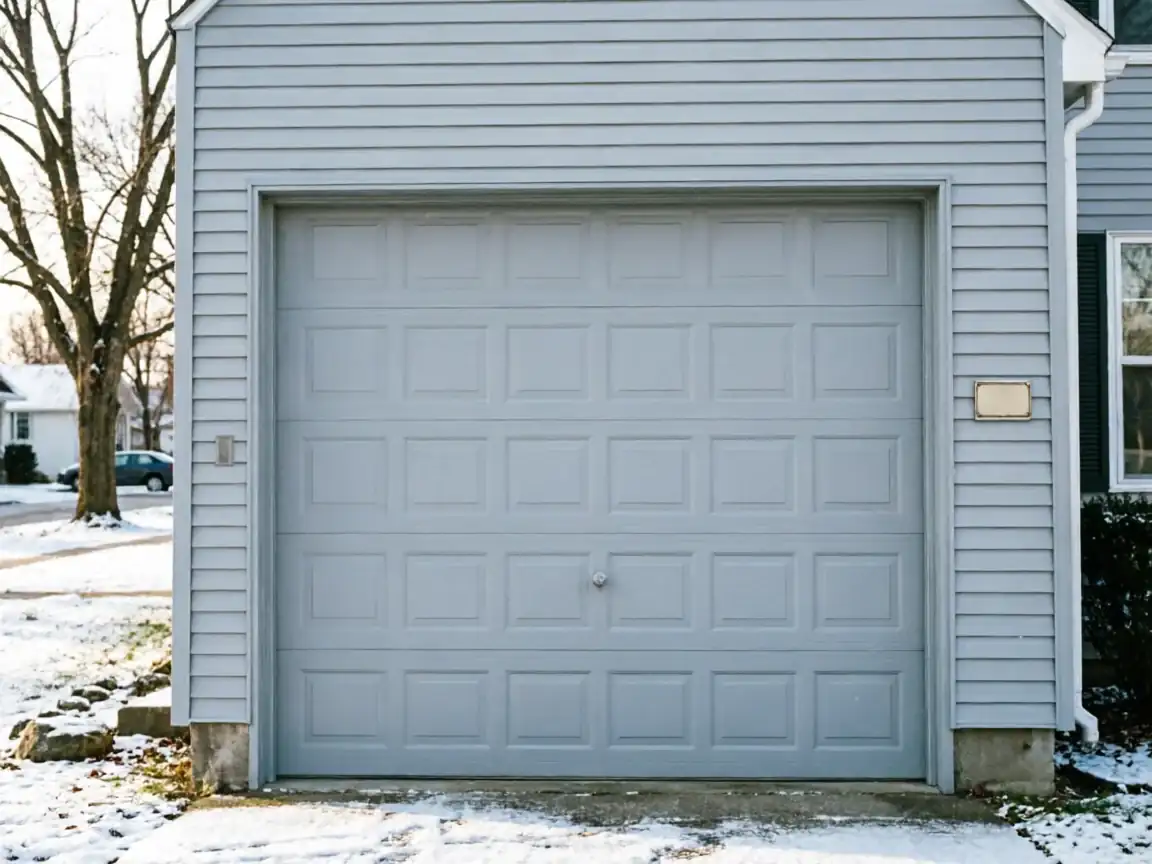
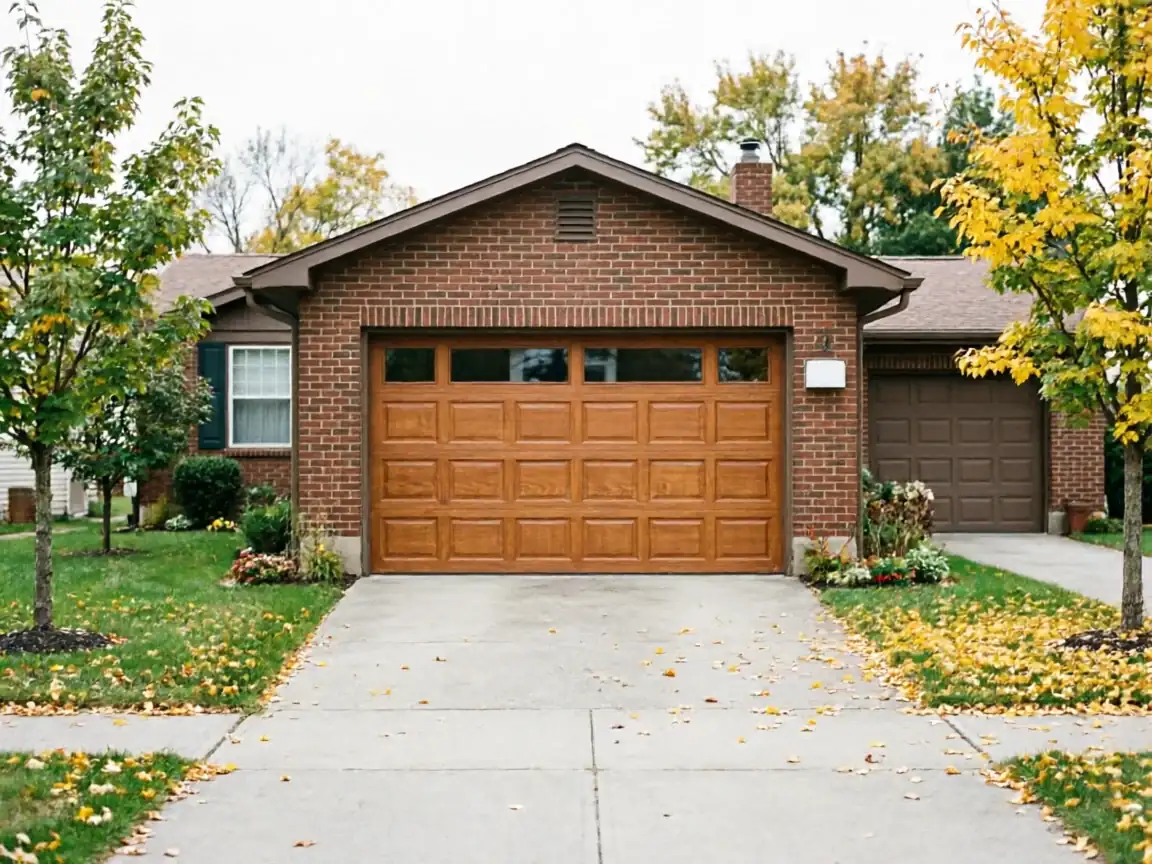
We keep torsion springs sized for the standard single and double door openings common across Peoria's older subdivisions, along with the shafts, cable drums, and bearing plates that pair with 1960s and 70s torsion setups. Sectional door rollers in both nylon and steel stay on the truck, since a lot of original-era doors still run steel rollers that are loud and due for an upgrade.
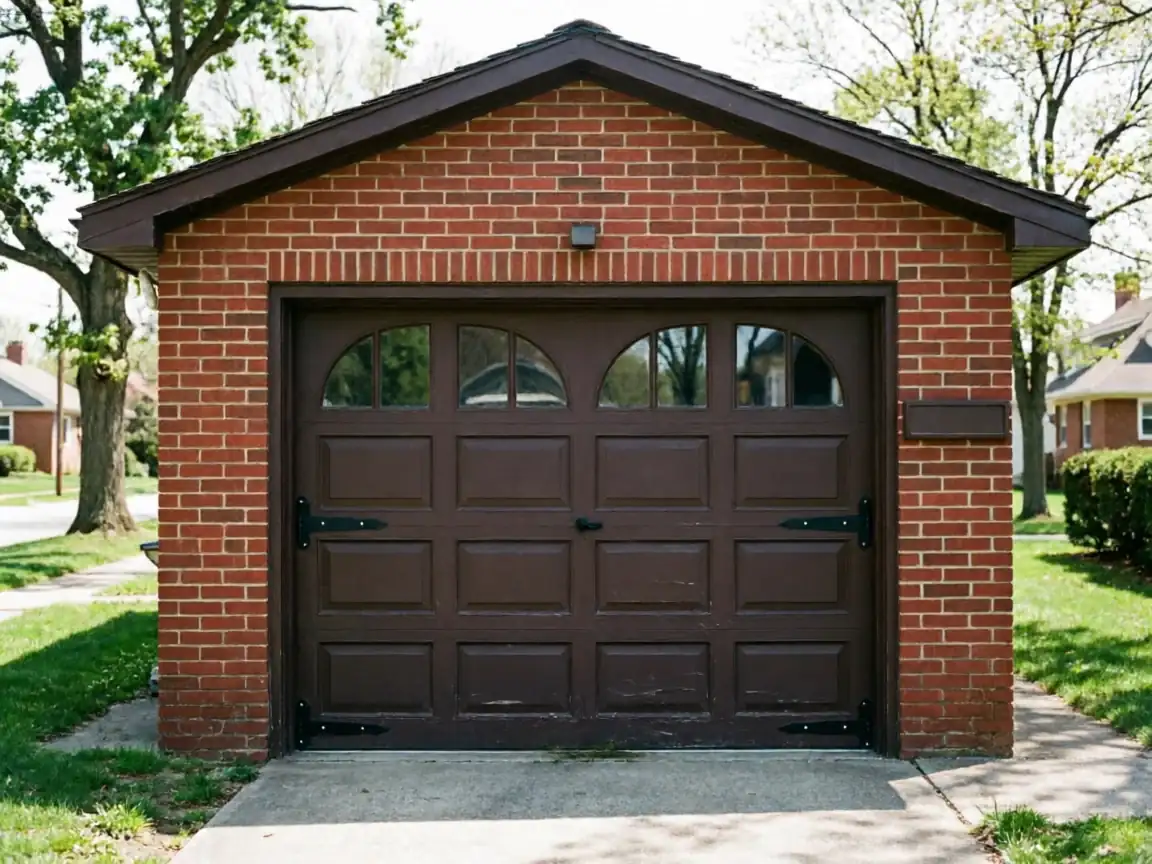
Where we run into trouble is with doors that still carry their original hardware from the earliest part of the build window, the late 1930s through the 1940s. Some of those use spring and track configurations that were phased out industry-wide, and parts for them aren't something any supplier stocks on a shelf. If your door falls into that bracket, we'll tell you honestly whether a repair is worth chasing down special-order parts or whether replacement is the better use of your money.
Why This Fails Locally
Peoria sits in a cold climate band
And that matters more to a garage door spring than most homeowners expect. Steel contracts in the cold, which changes the tension a torsion spring is under through the winter months compared to summer. A spring that's been fine for years can finally give out on the first hard cold snap of the season, not because anything suddenly broke it, but because the cold found the weak point that heat had been masking.
Across the service area, roughly 31,073 of the 45,146 households are owner-occupied houses
And most of them sit on the same 1960s-70s hardware generation. That's a lot of original torsion setups still in daily use decades past when the springs were rated to last. We see the failure cluster hit hardest in late fall and midwinter, right when nobody wants to be stuck with a door that won't close.
- 45,146 households