Where We Stop
West Peoria sits about 4 miles from Peoria
Tucked between Peoria proper and the stretch of townships that run out toward Mossville and Bellevue. It's a small place as these things go - not quite 2,000 households - and it's old in a way most of the surrounding service area isn't. We don't keep a crew stationed here; we run the truck out from Peoria for every call, same as we do for Creve Coeur or Bartonville or any of the other spots on this side of the river. That's worth saying plainly: there's no local depot, no standing inventory sitting in West Peoria. What there is, is a door that needs fixing and a truck that comes to it.
- 4 miles
- 2,000 households
The short drive matters less than what's waiting at the end of it
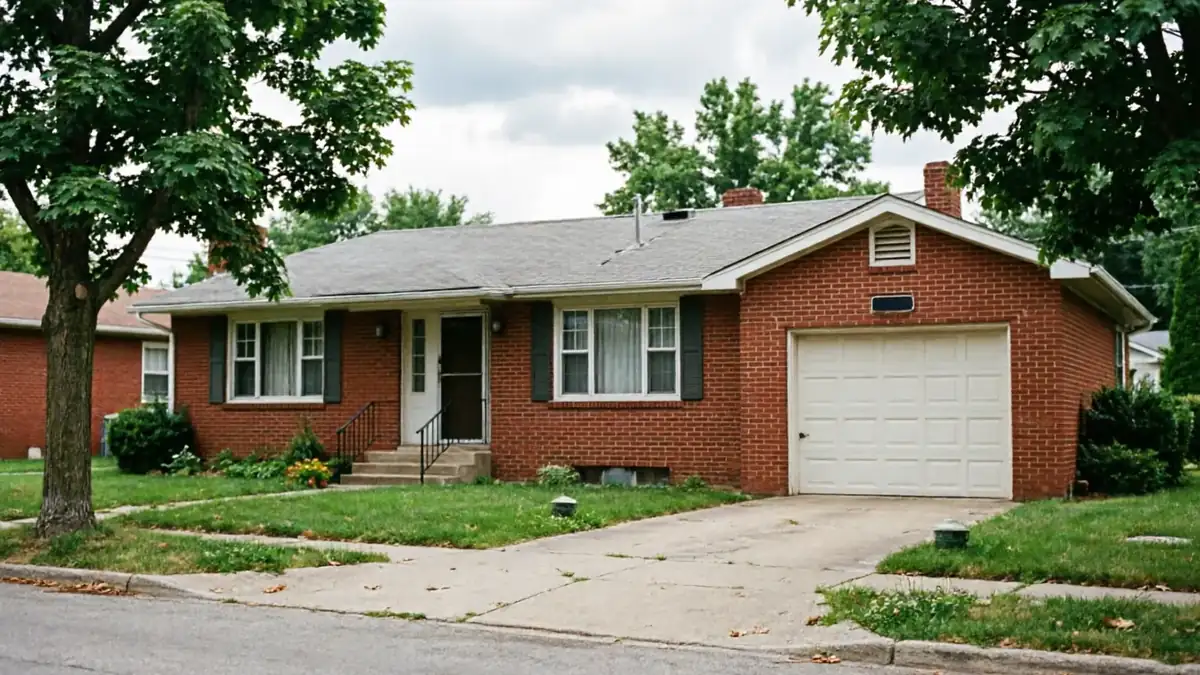
West Peoria didn't grow in the same wave as the rest of the area. It was mostly built out before a lot of its neighbors existed as neighborhoods at all, and that changes what we find when we open up a garage here.
Old Streets and New Ones
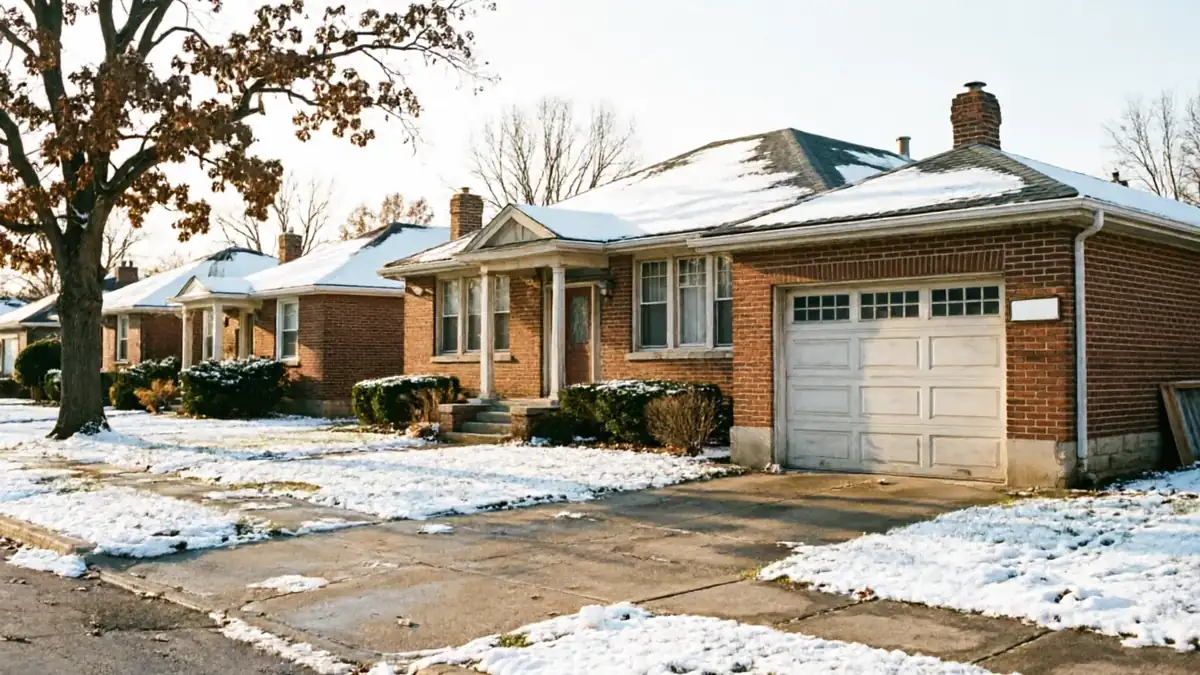
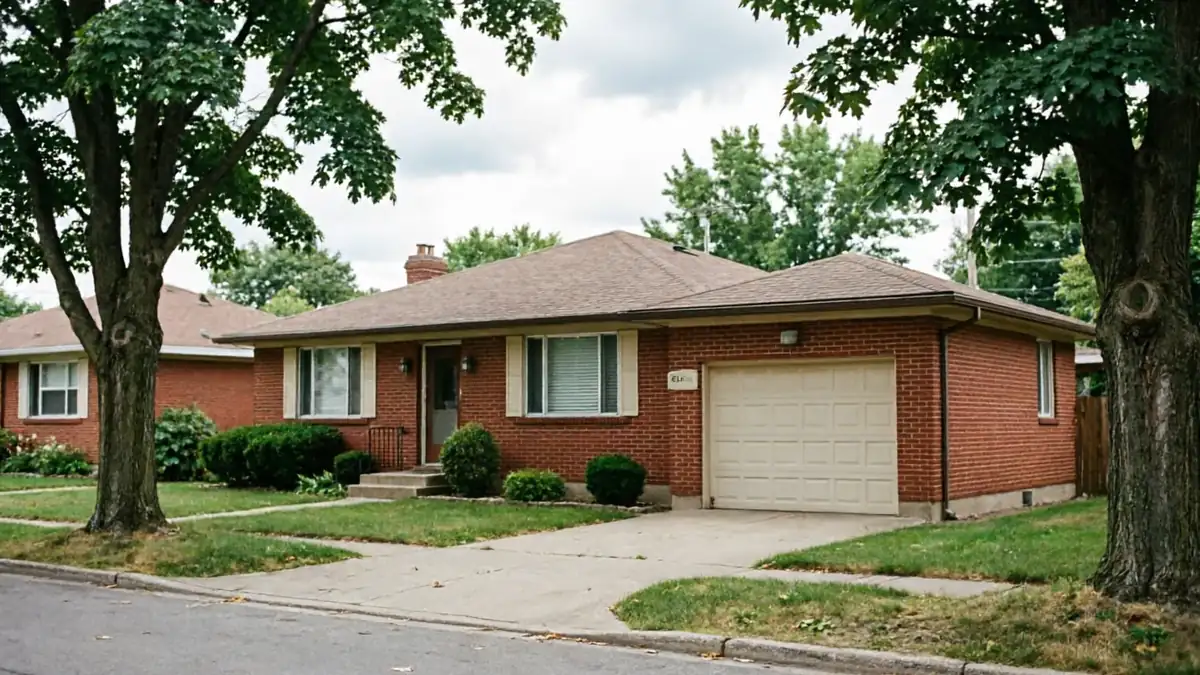
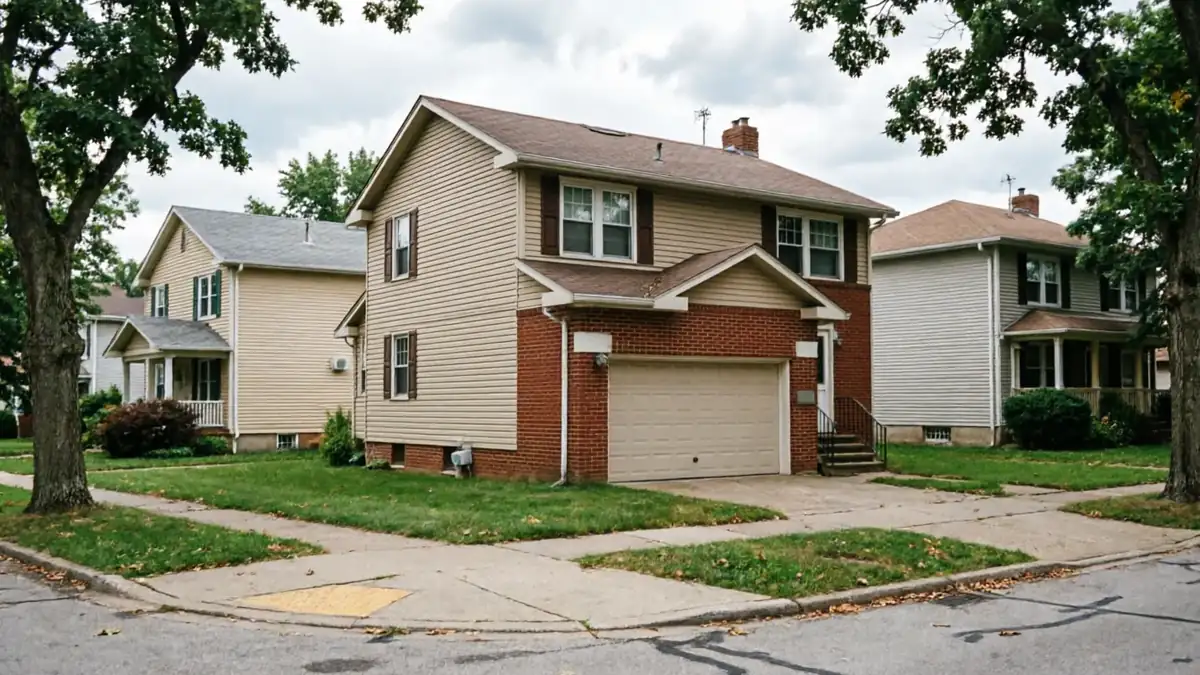
Across the broader service area, the median house went up around 1964, with stock stretching from 1938 to 2002 - a mix of eras depending on which of the 26 named communities you're standing in. West Peoria doesn't follow that curve. The median year built here is 1944, a full two decades earlier than the area-wide number. That's not a small gap. It means a much larger share of garages in this town were framed before the postwar building boom that gave most of the region its 1960s and 70s housing stock.
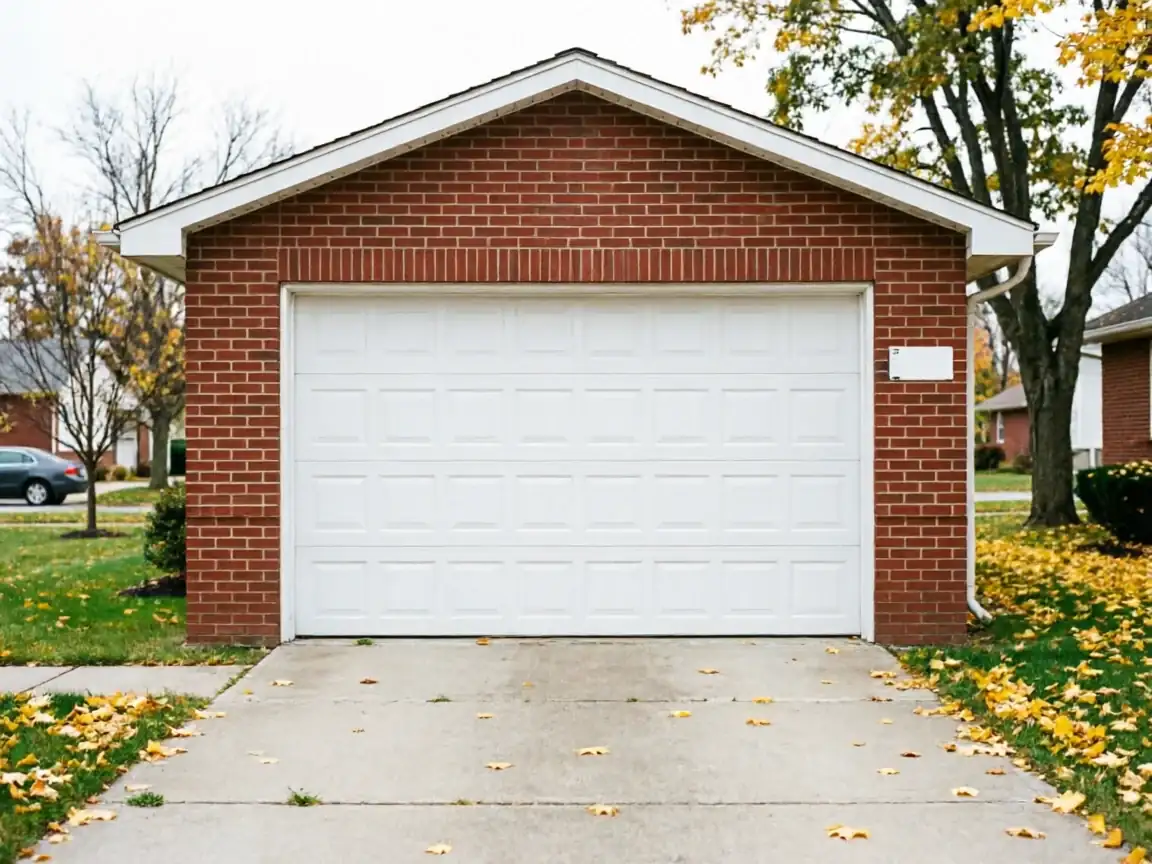
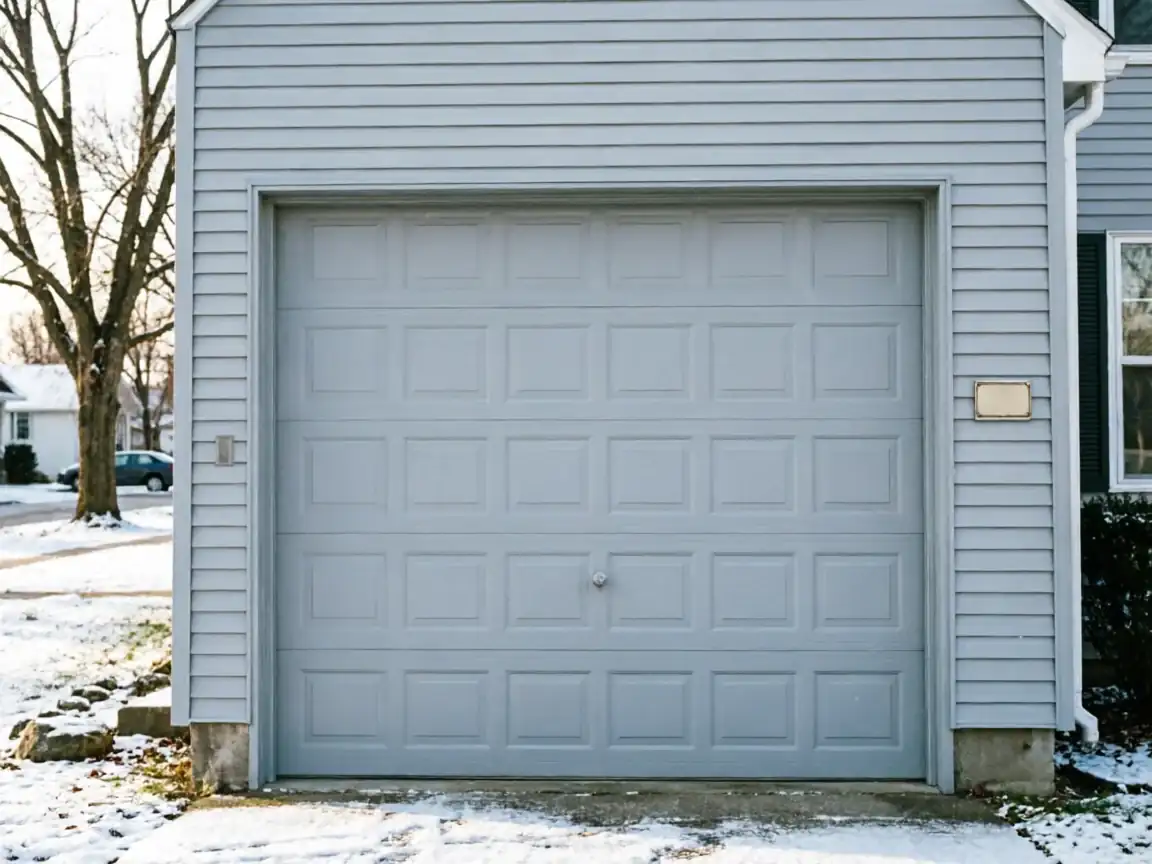
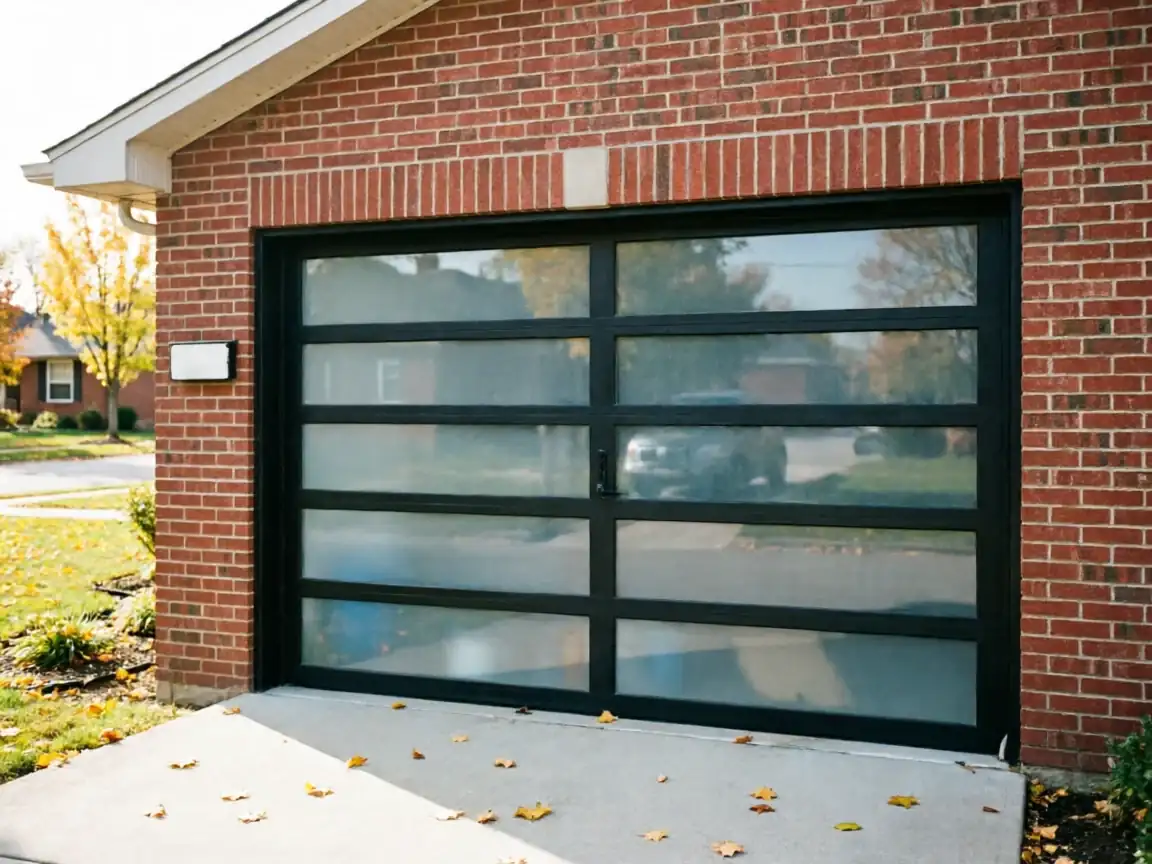
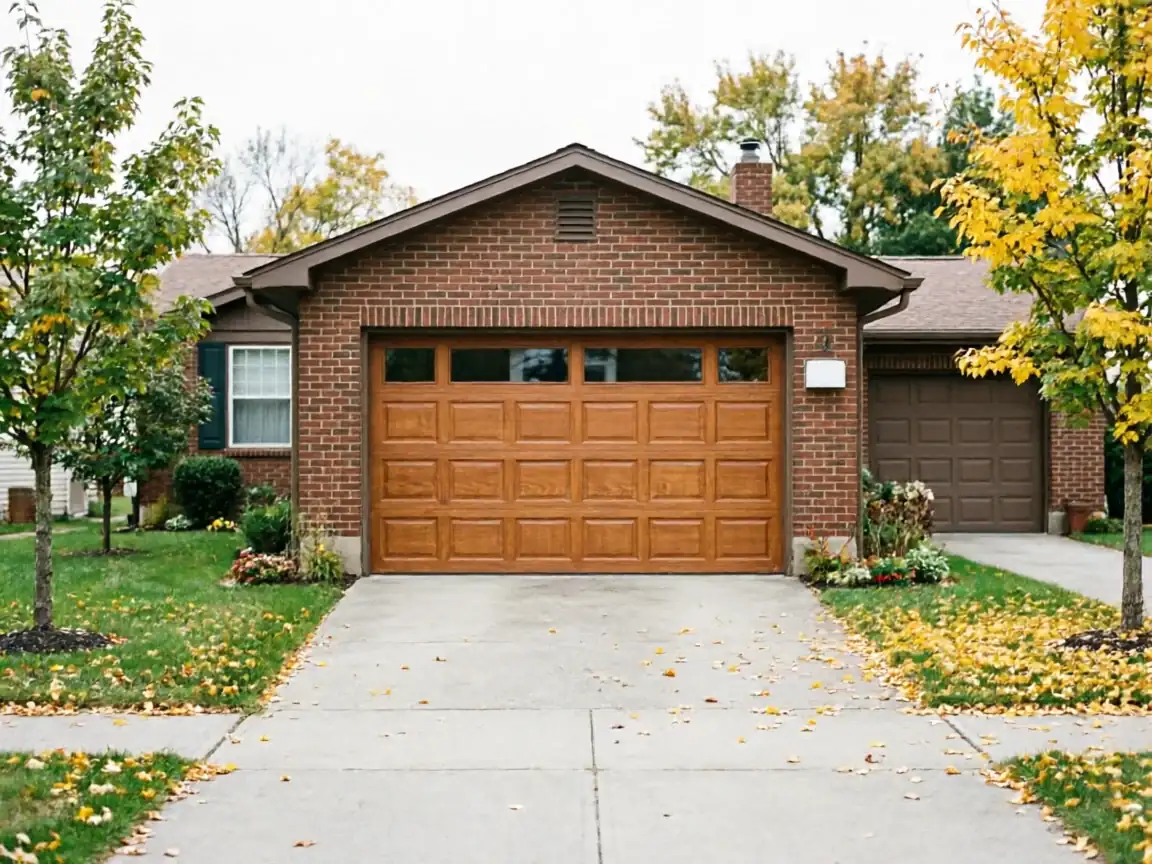
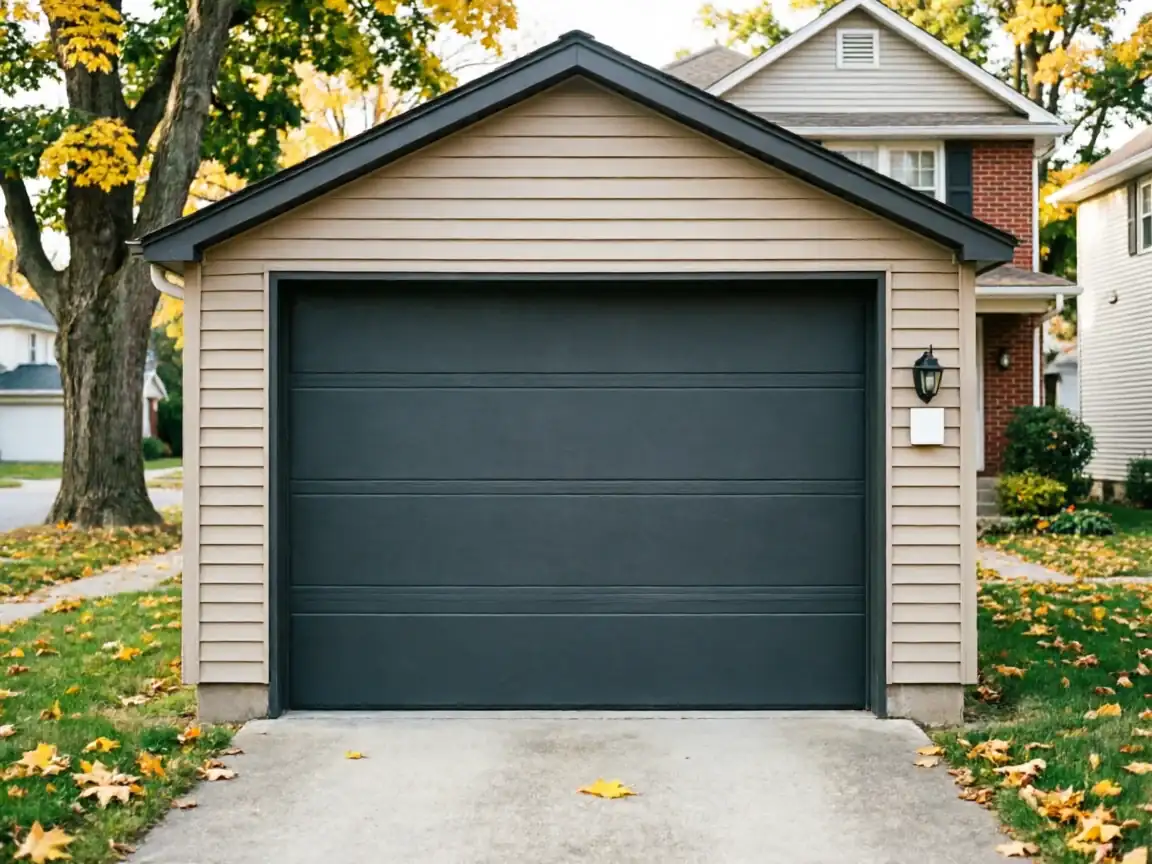
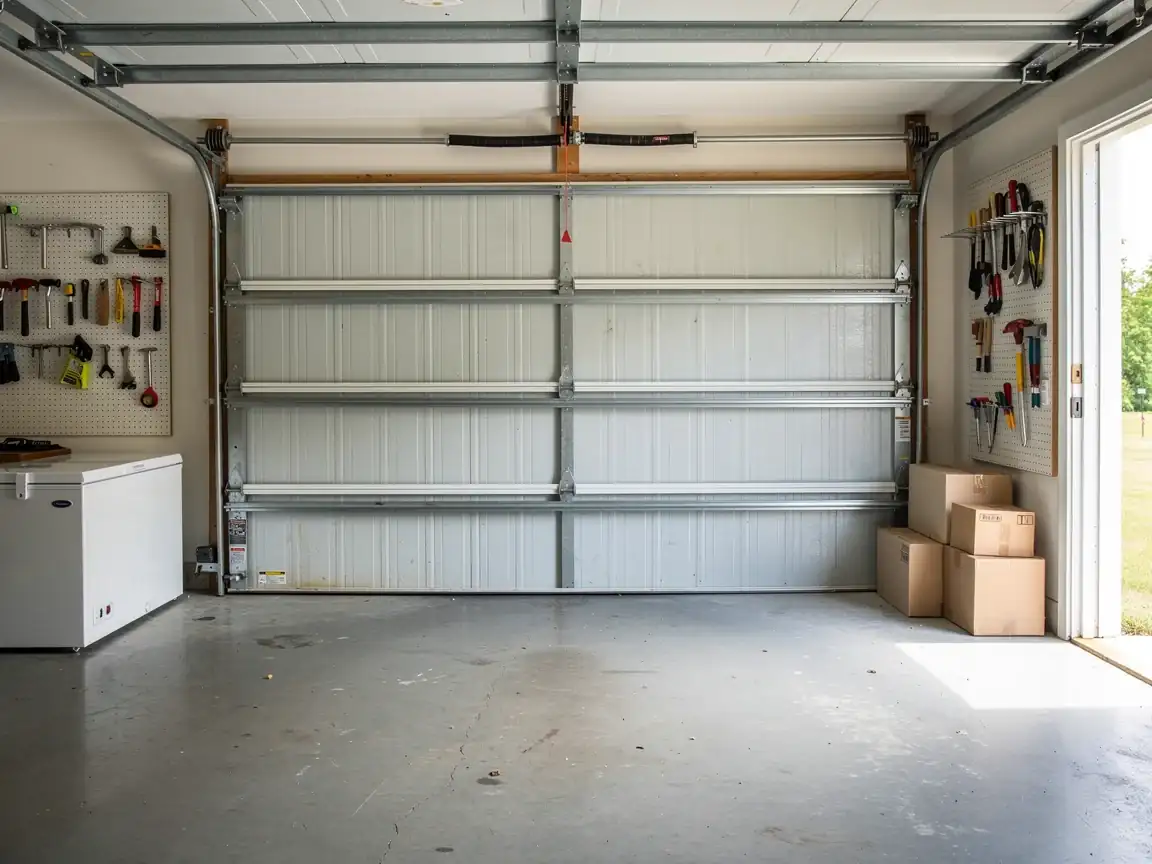
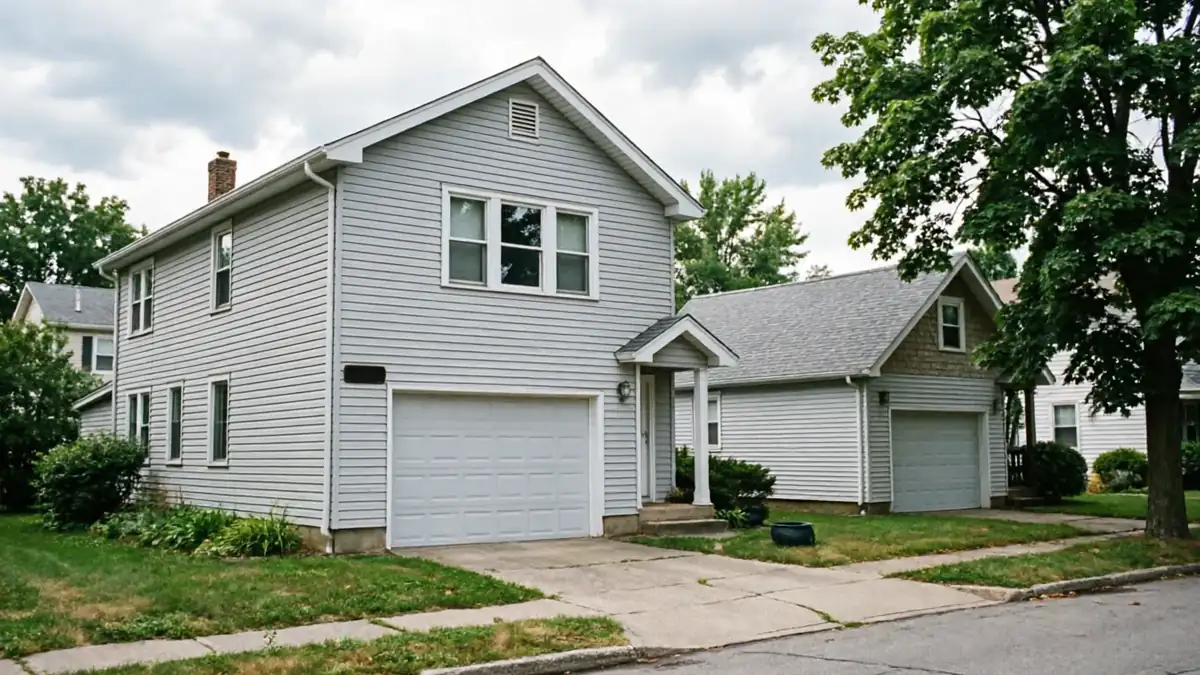
A house built in 1944 was built for a car, not necessarily for a modern double-wide garage door. Openings here run narrower than what you'll find in the newer subdivisions out toward Dunlap or Germantown Hills. Some garages were added on later, after the original house went up, which means the opening, the framing, and the door itself don't always match the age of the house around them. You can't assume anything about a West Peoria garage until you've measured it.
What That Means for Doors
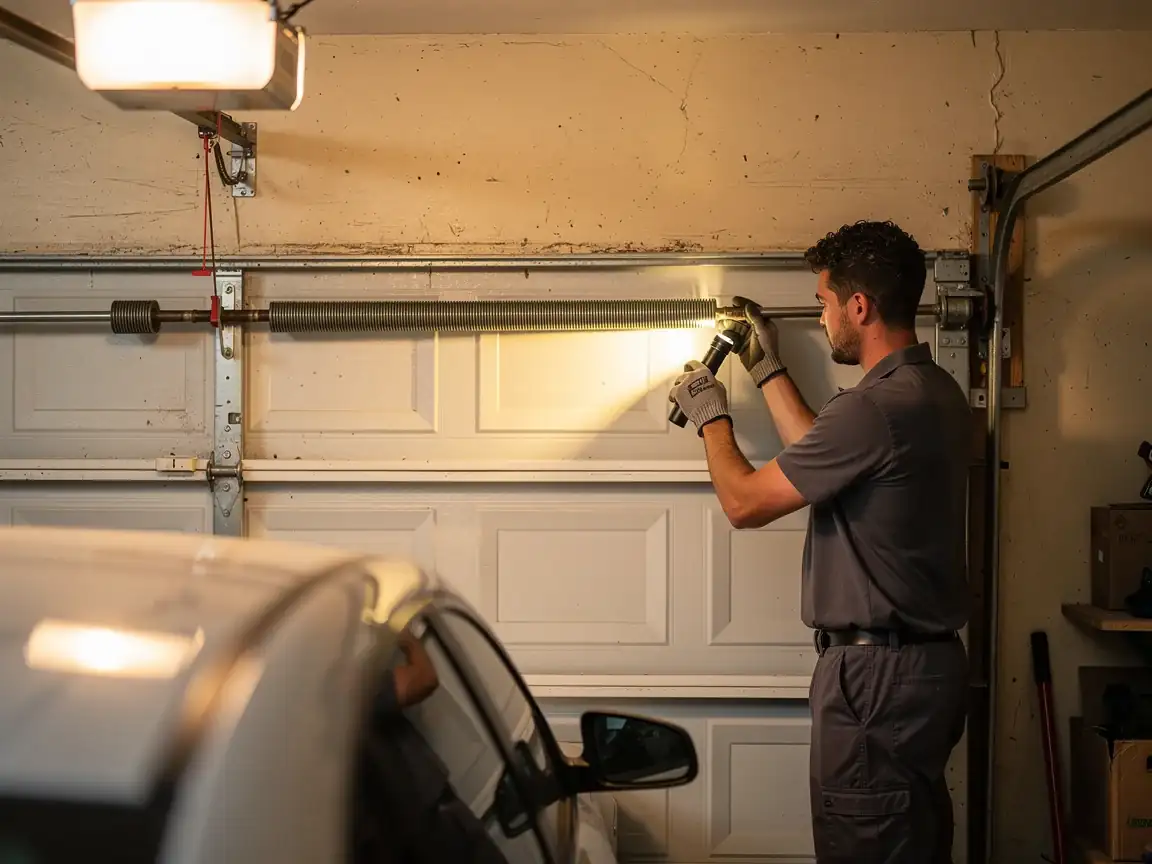
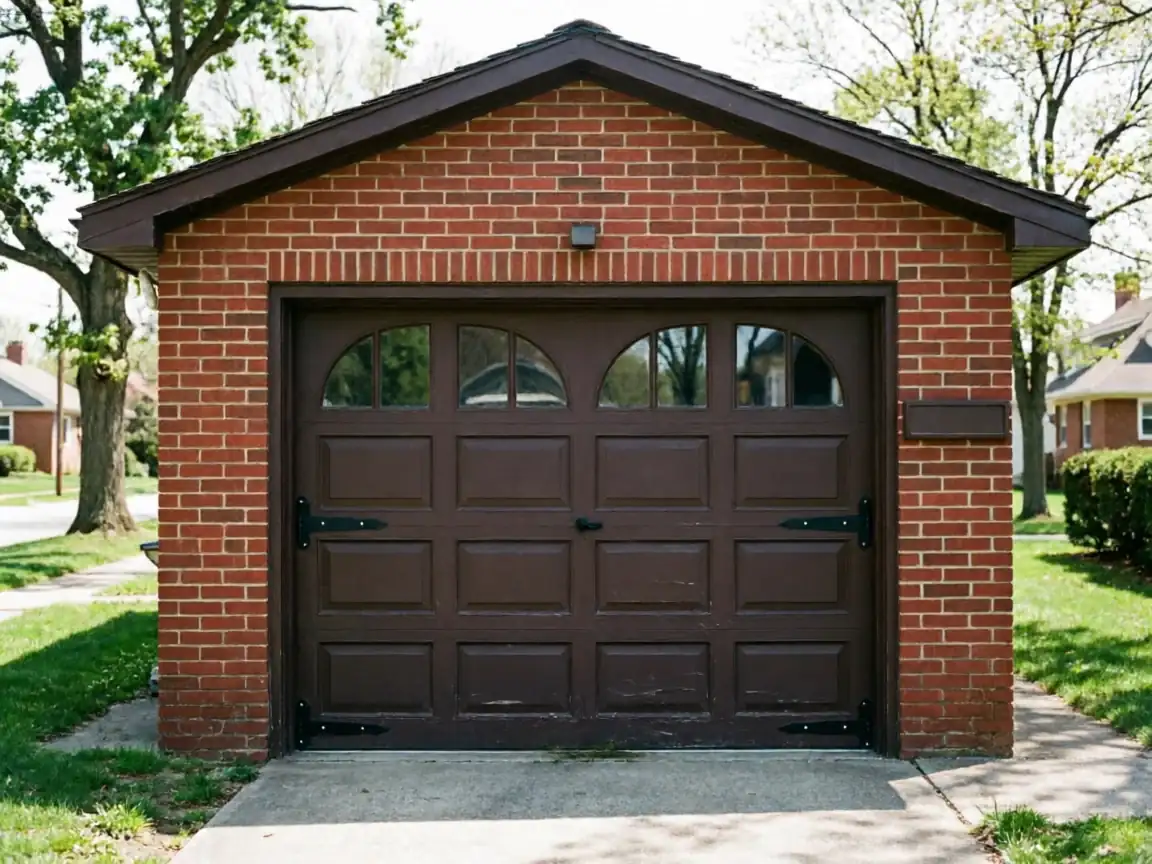
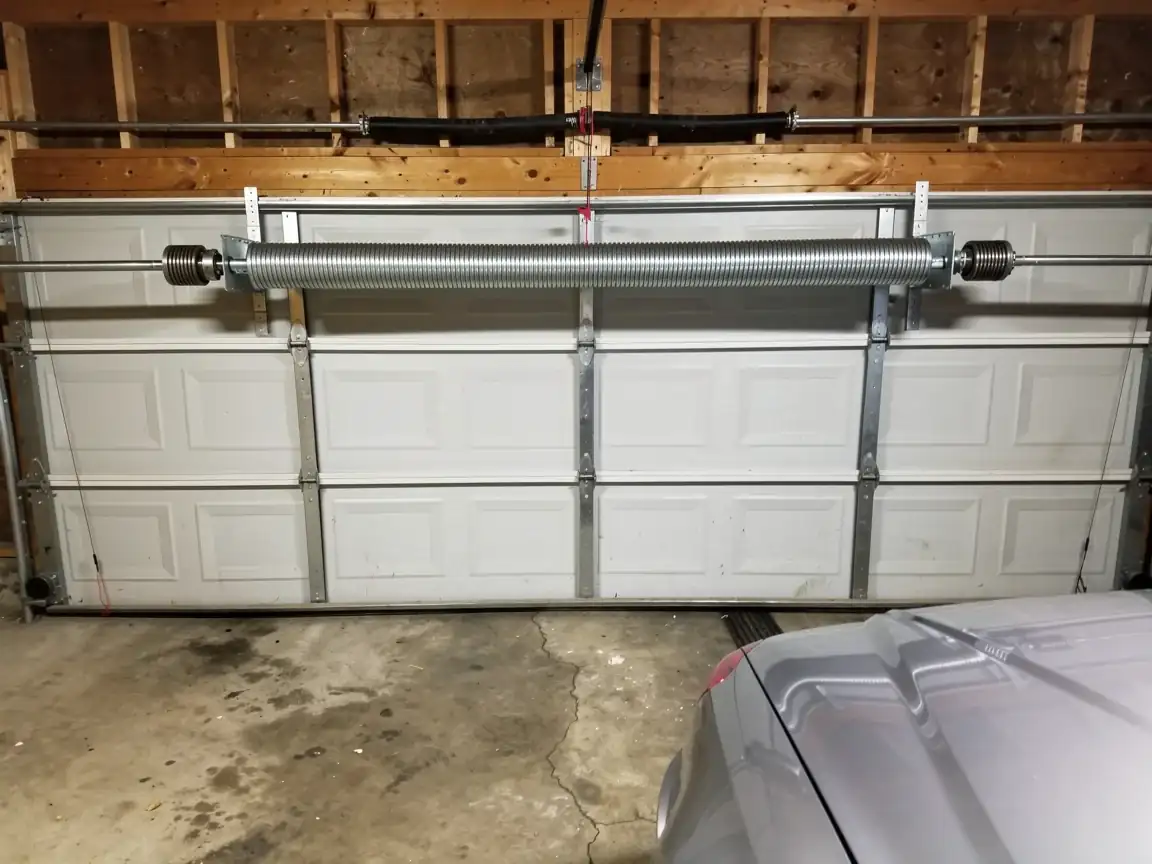
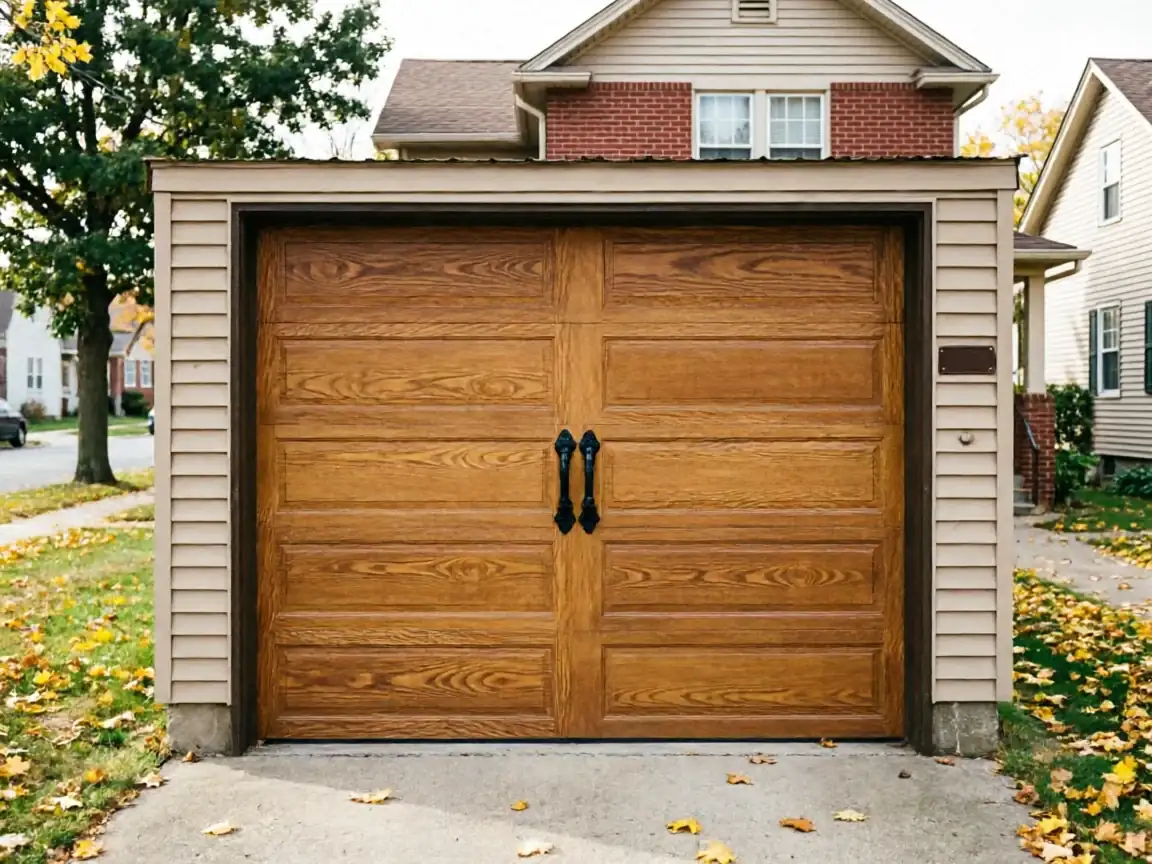
Older openings mean older hardware, and older hardware means parts that aren't on the shelf at every supplier. A door from the 1940s or 50s, if it hasn't been replaced, is more likely to be running on an extension spring setup mounted along the horizontal track rather than a torsion spring over the header - different wear pattern, different failure points, different fix. Panels on original doors are often wood or early steel, heavier than what goes into a new door, which puts more strain on rollers and cable over the decades.
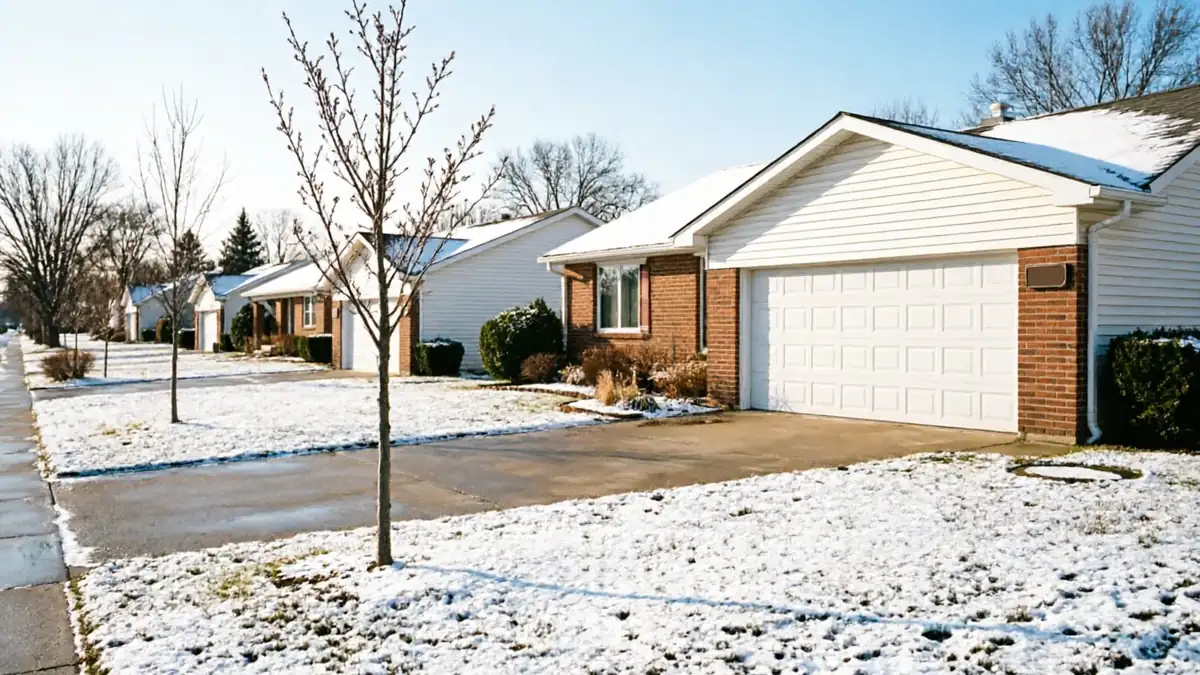
The area sits in a cold climate zone with real winter swings, which doesn't care what decade your door was built in - cold makes steel brittle and grease stiff regardless of age, but it hits older springs and worn cable harder because they've already got less give left in them. If your opener is a retrofit onto an original door, the mounting and the door's actual weight sometimes don't line up the way the opener's manual assumes, and that's a common source of calls we get from houses this age.
One honest limit: if a door's frame and track are original from the 1940s, we may not be able to get an exact-match replacement panel off a shelf. Sometimes the right call is a full new door rather than chasing parts for one that's older than most of the people buying garage doors today.
This Area's Housing
West Peoria has roughly 1,947 households
Small enough that it doesn't dominate the area's housing numbers but distinct enough to need its own read. Median household income here runs about $57,450, lower than the $71,763 median across the full service area. That gap shows up in what kind of work gets requested - more repair calls aimed at keeping an existing door running, fewer full-replacement jobs done just for looks.
- 1,947 households
Across the wider area there are 31,073 owner-occupied houses out of 45,146 households
And West Peoria's share of that is modest but steady. What stands out isn't size, it's age: a town built mostly by 1944, sitting inside a region whose typical house came along twenty years later. That's the detail that should shape any work done on a door here - start by figuring out what decade you're actually dealing with, not what decade the rest of the map suggests.
- 31,073 owner-occupied
- 45,146 households