How We Fix It
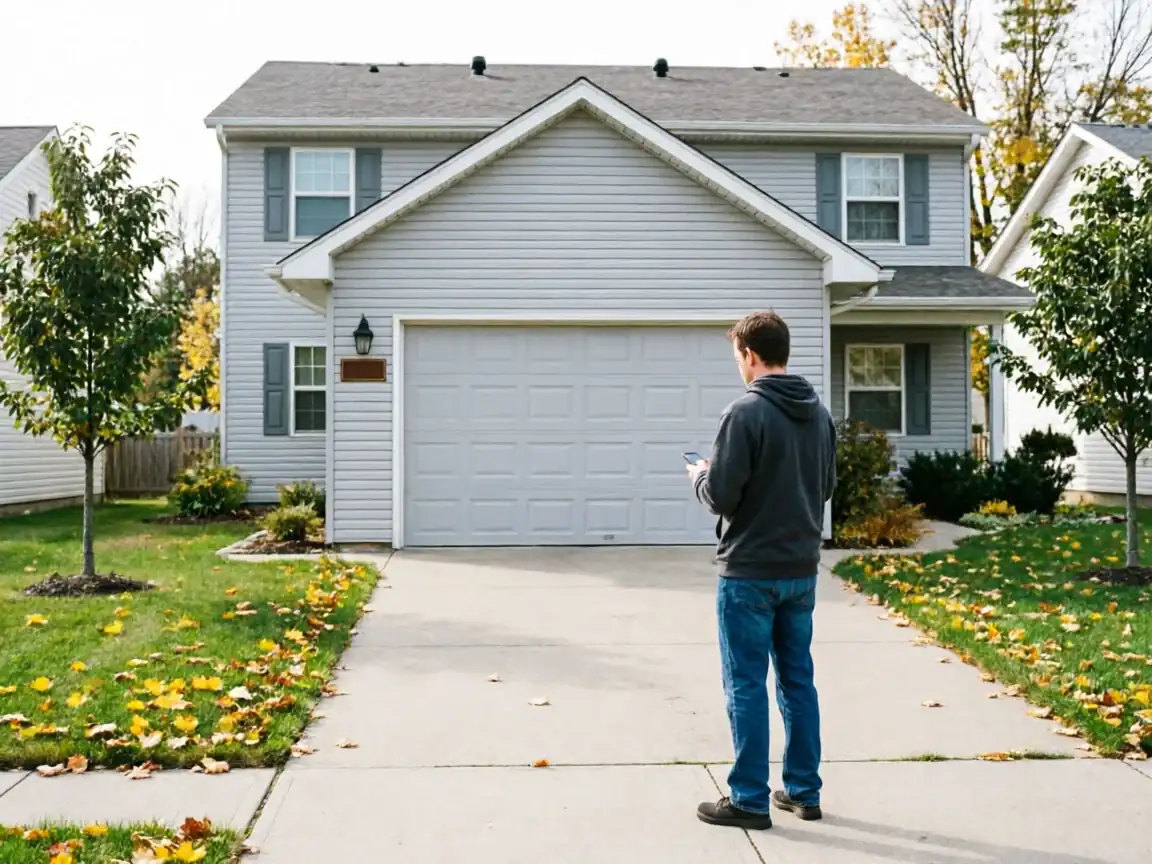
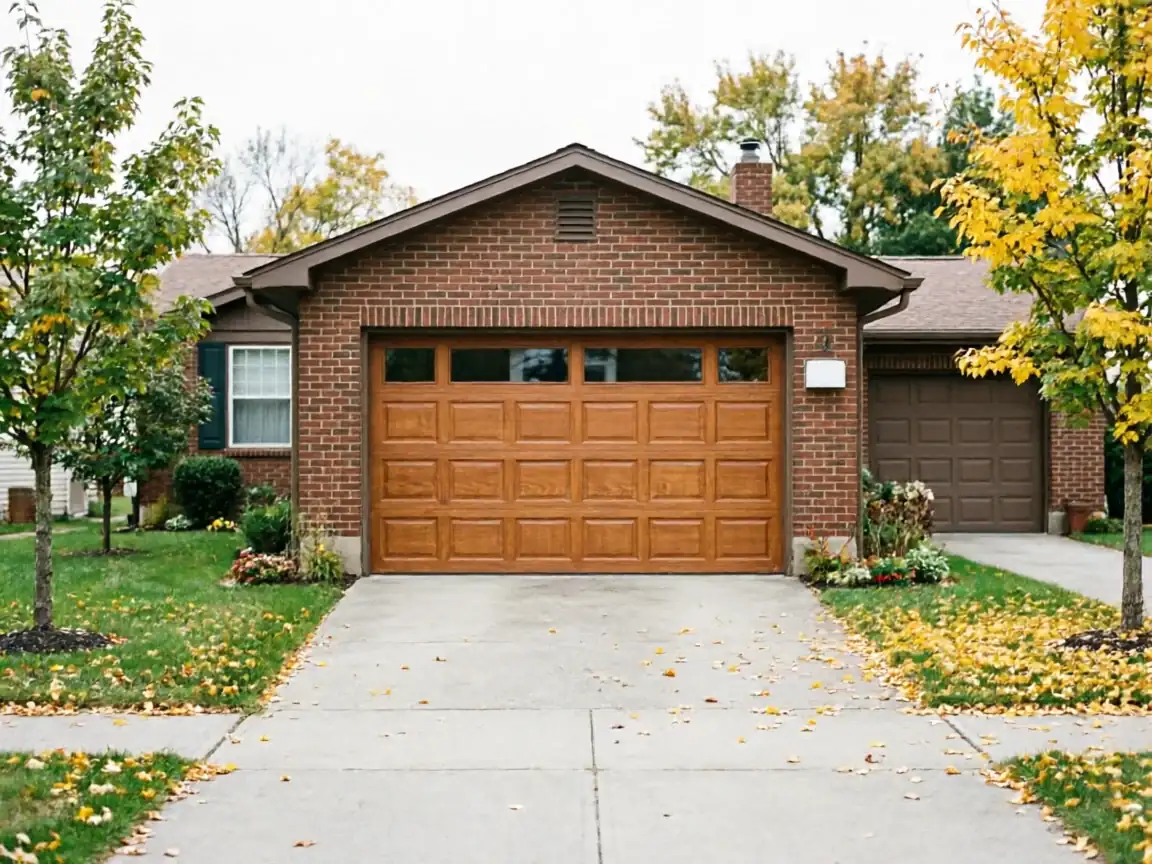
West Peoria's housing stock centers on 1944
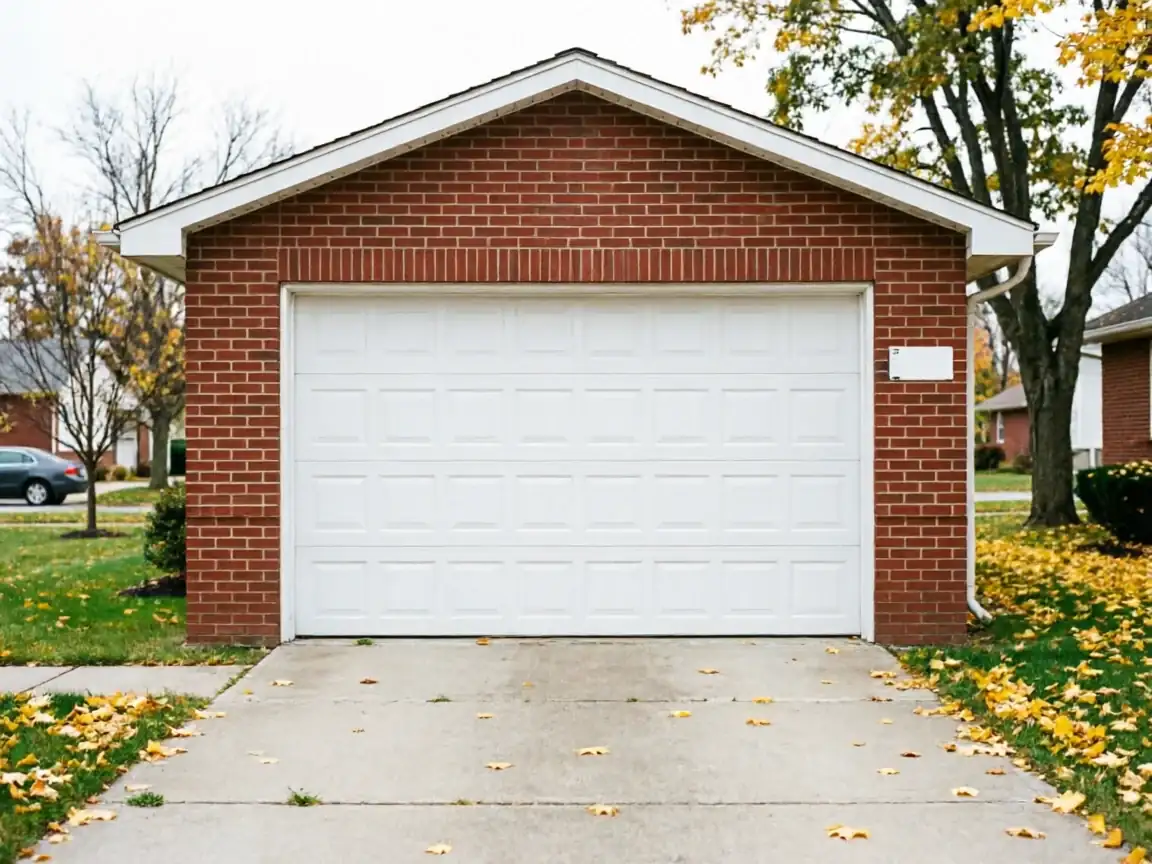
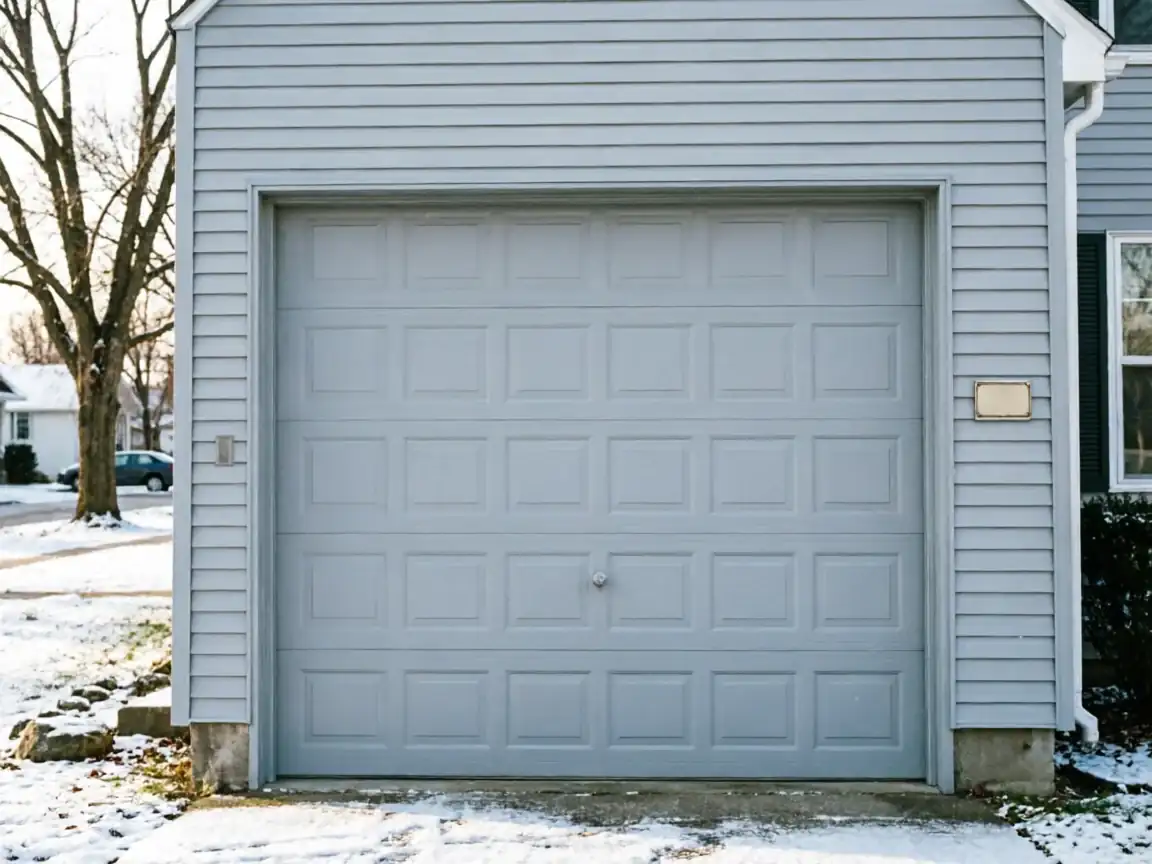
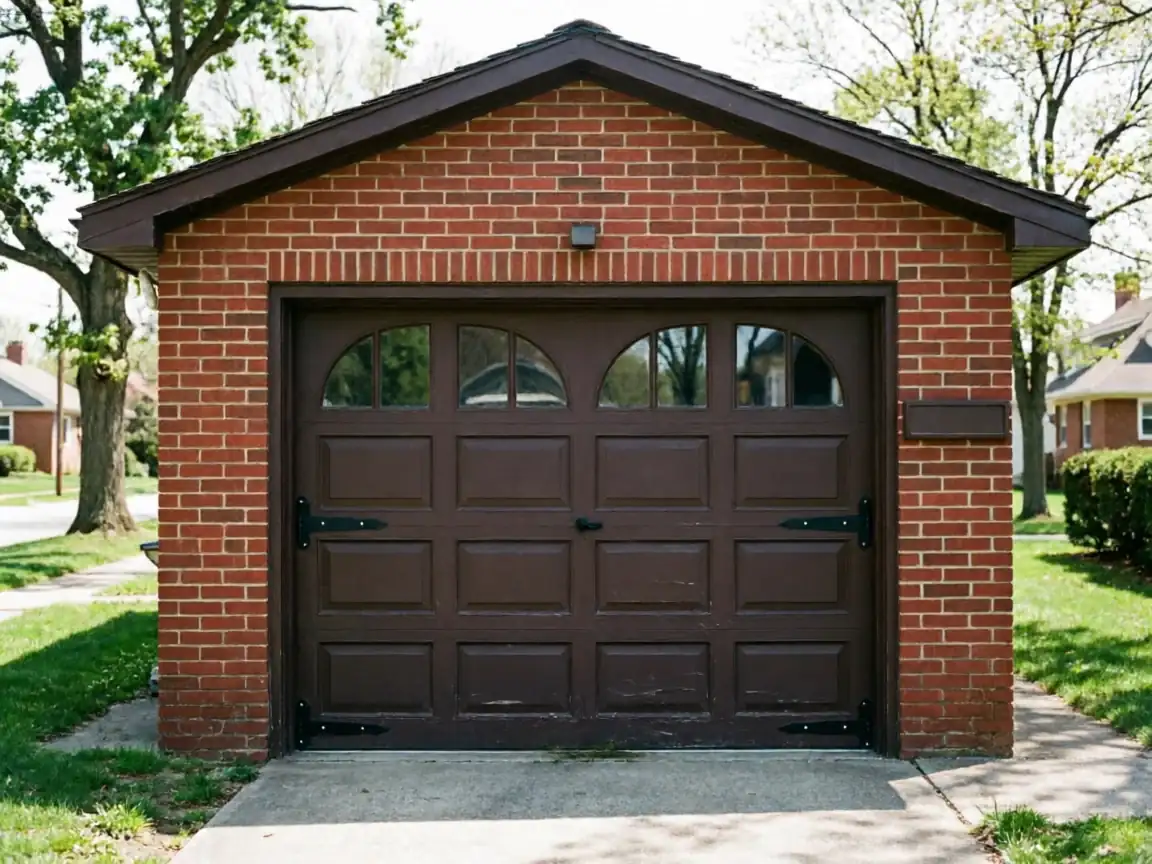
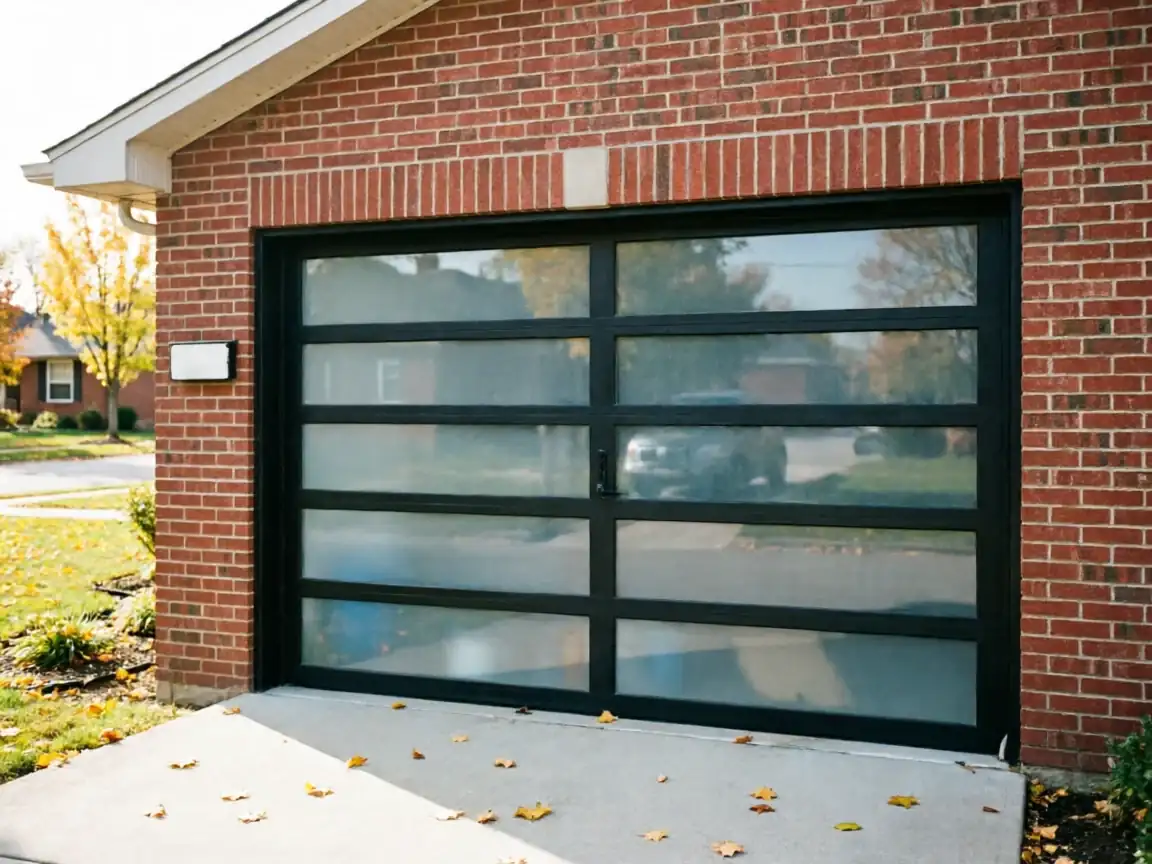
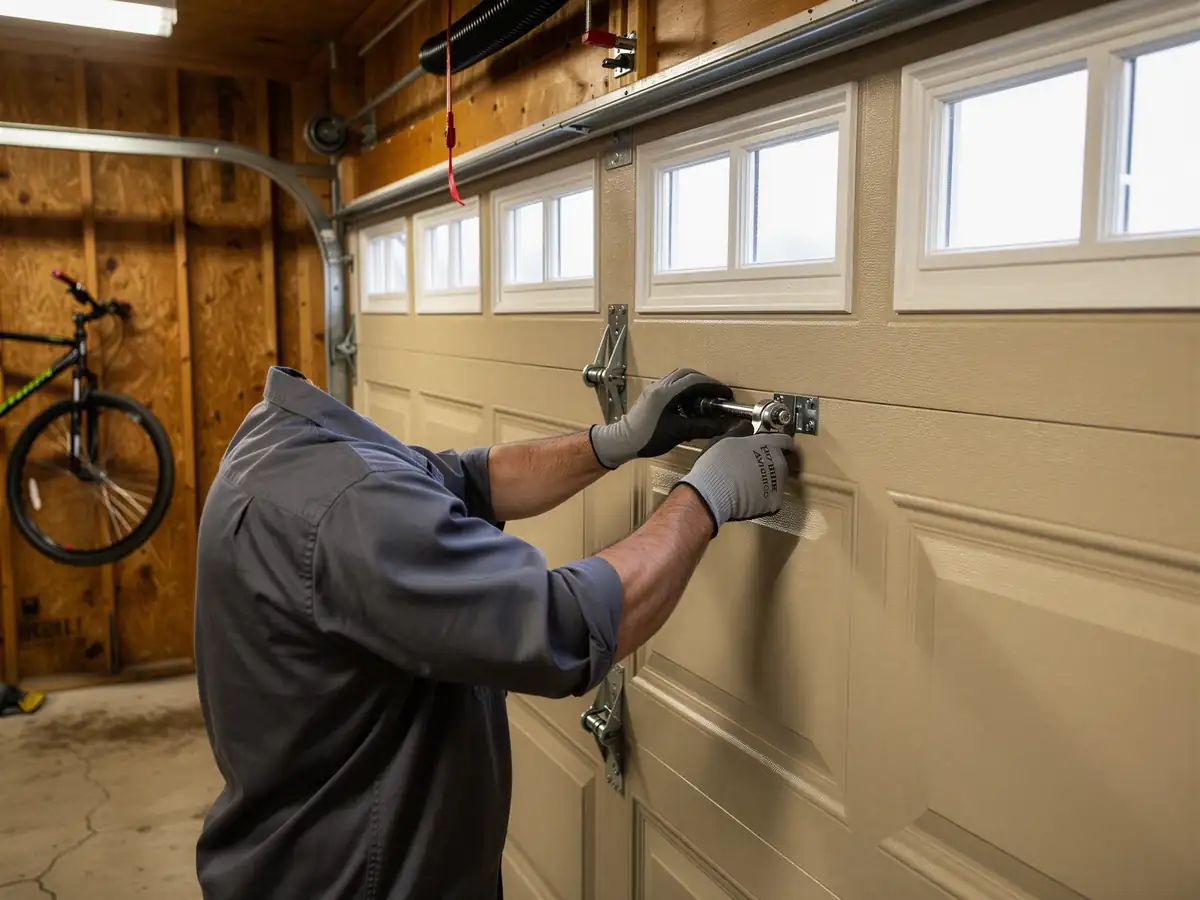
Which puts it a full generation ahead of the 1964 median across the wider Peoria service area we cover. That gap matters on a service call. A door built for a mid-1940s garage opening is often narrower and shorter than what gets installed today, and the torsion or extension spring hardware on it was sized for a lighter panel. When that hardware fails, it doesn't fail the way a 1970s double-door setup does - the fix starts with figuring out what era of bracket and drum you're actually looking at before any new part goes on.
We start every call by identifying the door's age bracket
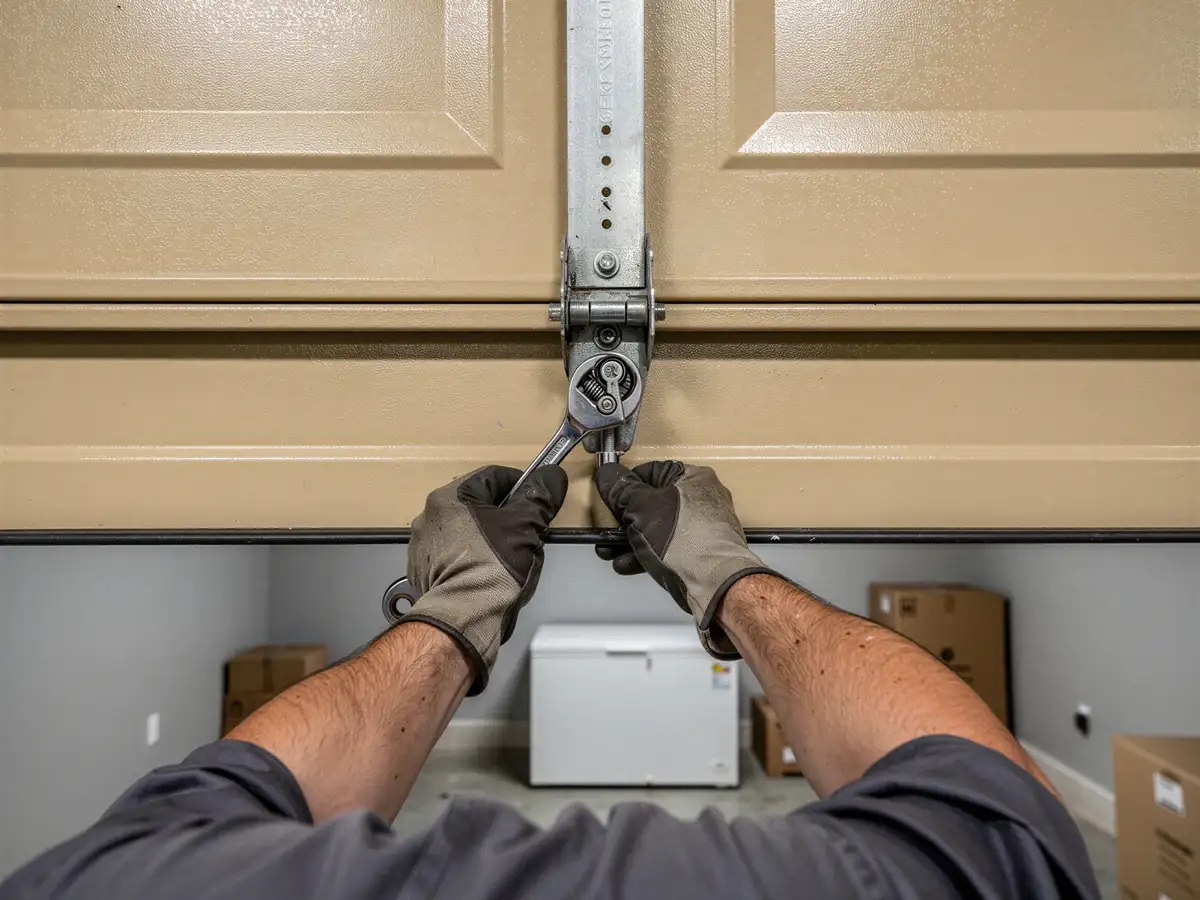
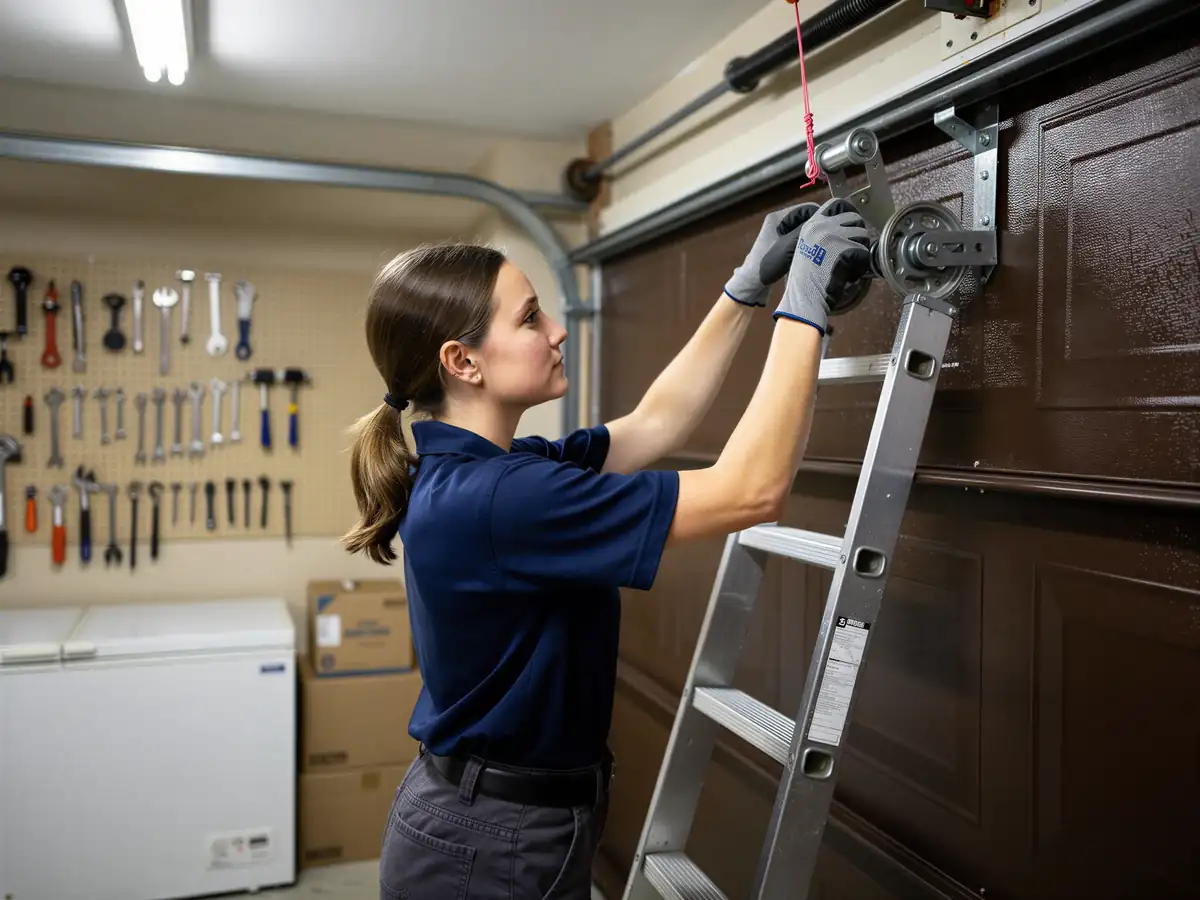
Not just swapping in whatever's on the truck. On a house with original framing, we check whether the track is still true, because 80 years of settling can rack an opening just enough that a new spring won't balance right until the track gets reset. The repair itself - spring, cable, roller, or opener - gets handled the same way we'd handle it anywhere in the cold-climate band this region sits in, but the diagnosis takes longer here because the starting point is older.
- 80 years
Getting It Booked In
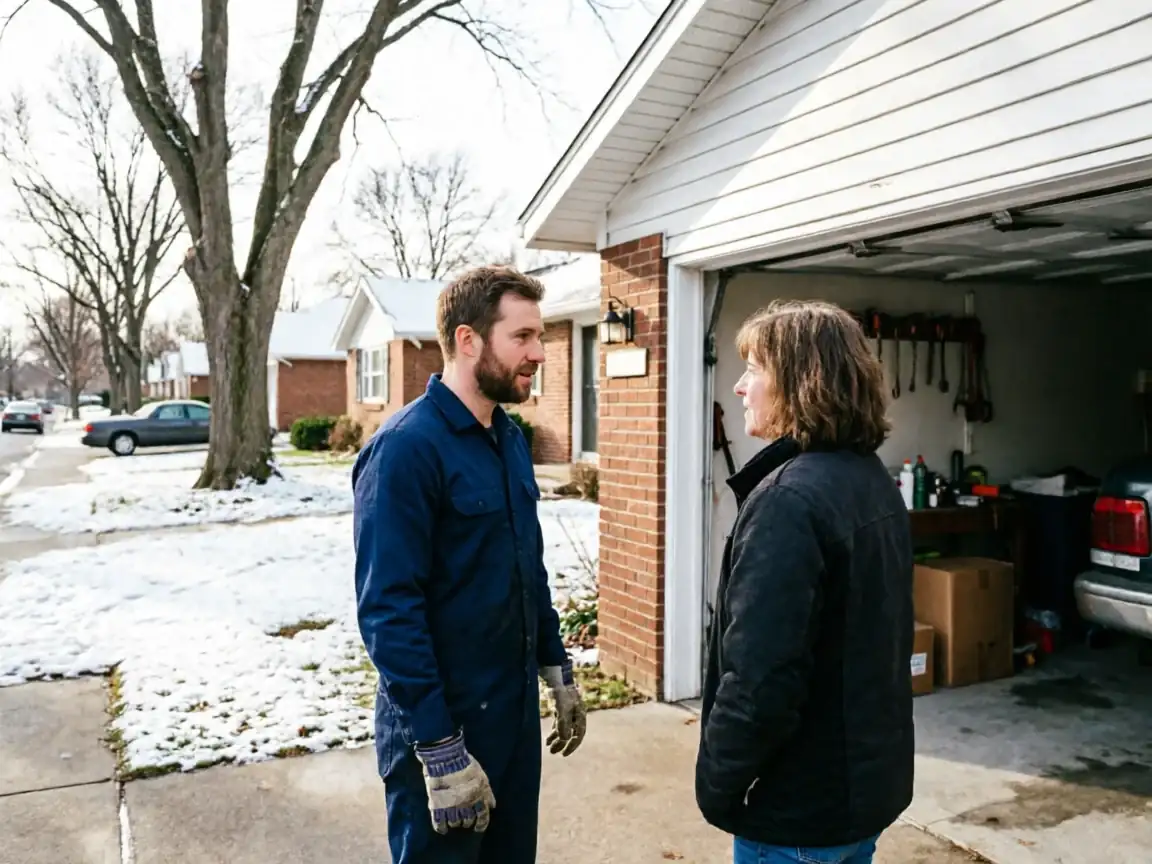
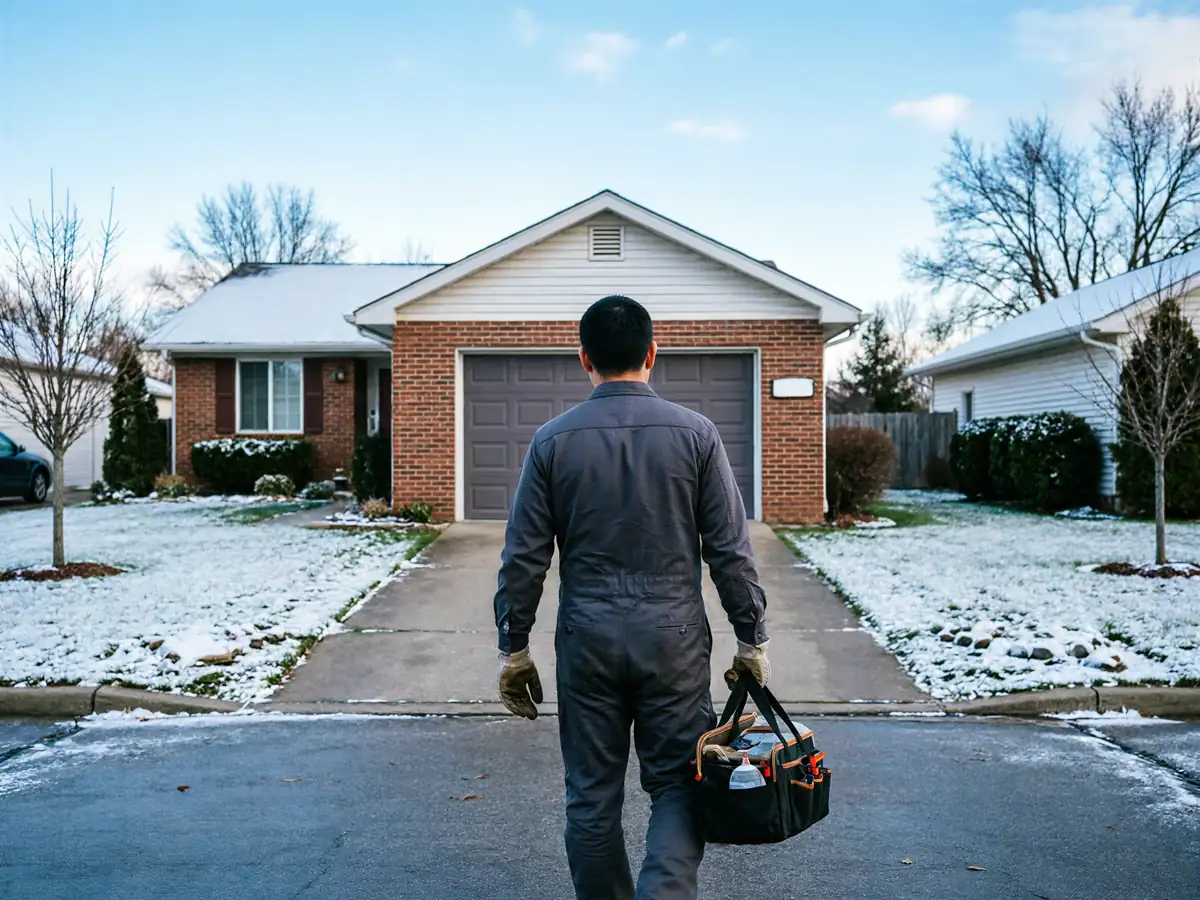
We travel into West Peoria from Peoria, about 4 miles out, so there's no separate local crew or depot to coordinate - one call gets a truck routed over. Tell us the door's symptom and, if you know it, roughly how old the house is. That one detail - pre-1950s original versus a later remodel - changes what we bring on the truck before we even pull into the driveway.
We don't promise a specific arrival window here because we're not based in West Peoria itself; what we can tell you is the job gets scheduled against the rest of the day's Peoria-area route, same as any other call in the service area.
What It Costs
We don't have a West Peoria-specific price list, and we're not going to invent one. What we can tell you is that median household income here runs $57,450, noticeably under the $71,763 median across the broader service area we draw from. That's not a cost estimate - it's context for why we try to be straight about what's worth repairing versus what's worth replacing on an older door, rather than defaulting to a full replacement quote on every call.
The honest limitation: on original 1940s hardware, some parts simply aren't manufactured anymore, and if the drum, track bracket, or shaft is obsolete, a repair quote turns into a replacement conversation on the spot. We'd rather tell you that up front than string out a repair that won't hold.
The Symptom
The most common call we get from this part of the area is a door that won't lift past a few inches
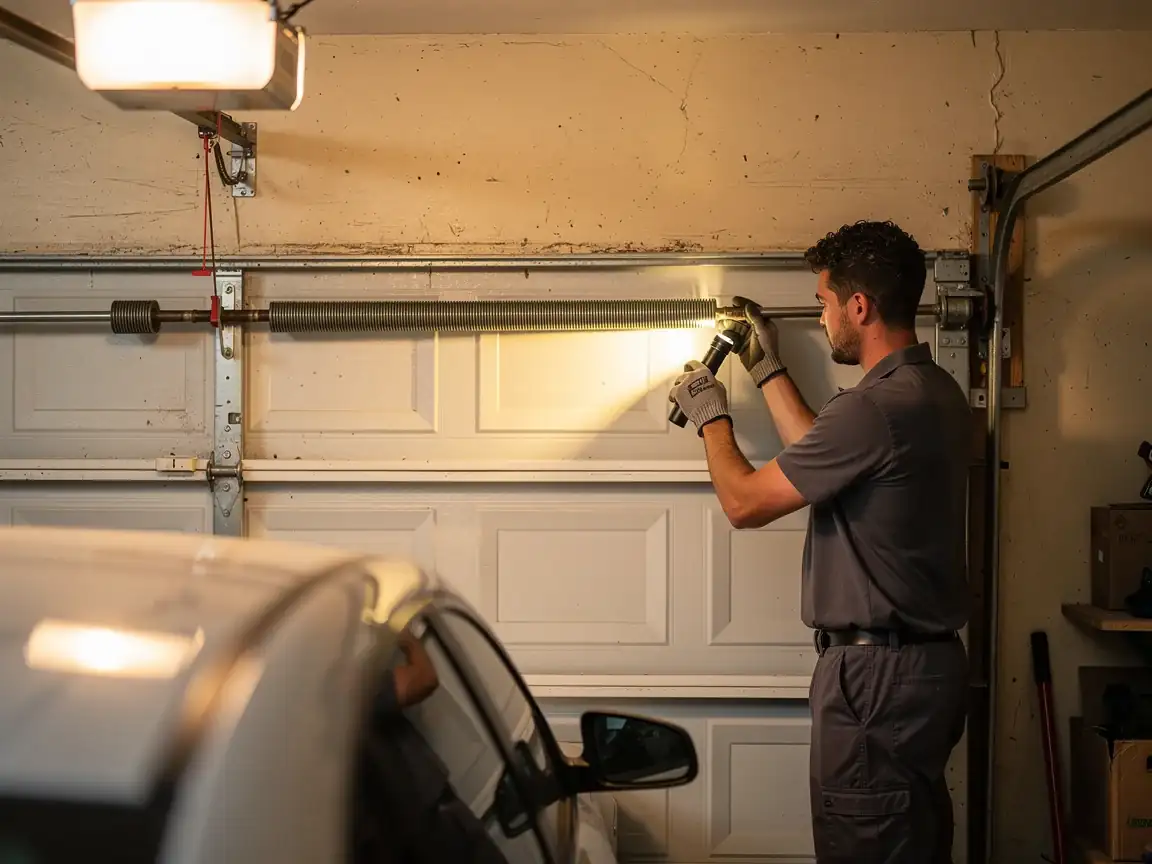
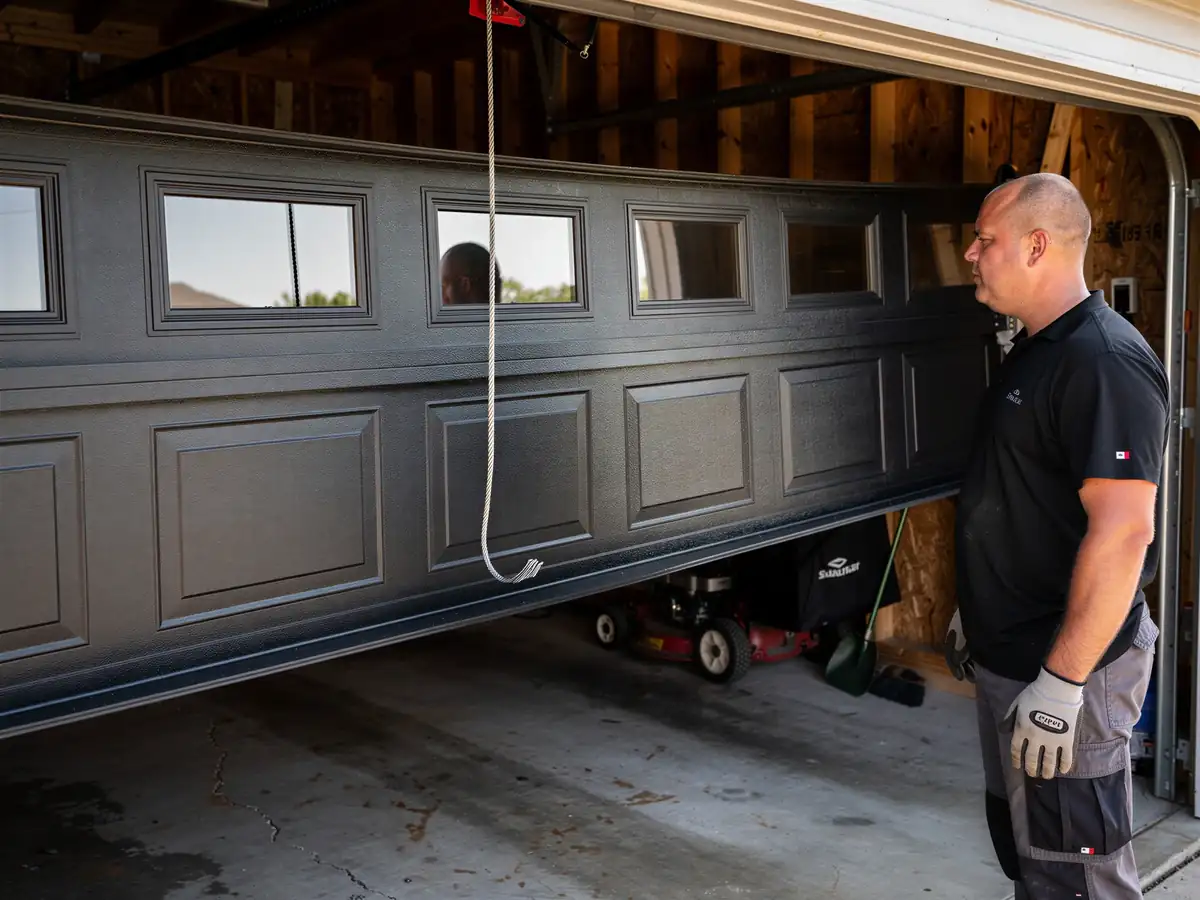
Or one side that drops faster than the other - classic signs of a spring that's lost tension or a cable that's jumped the drum. On a house from the 1944 era, this often shows up sooner than it would on a 1970s door, simply because the spring itself has had decades longer to cycle.
A close second is an opener that runs but doesn't move the door at all
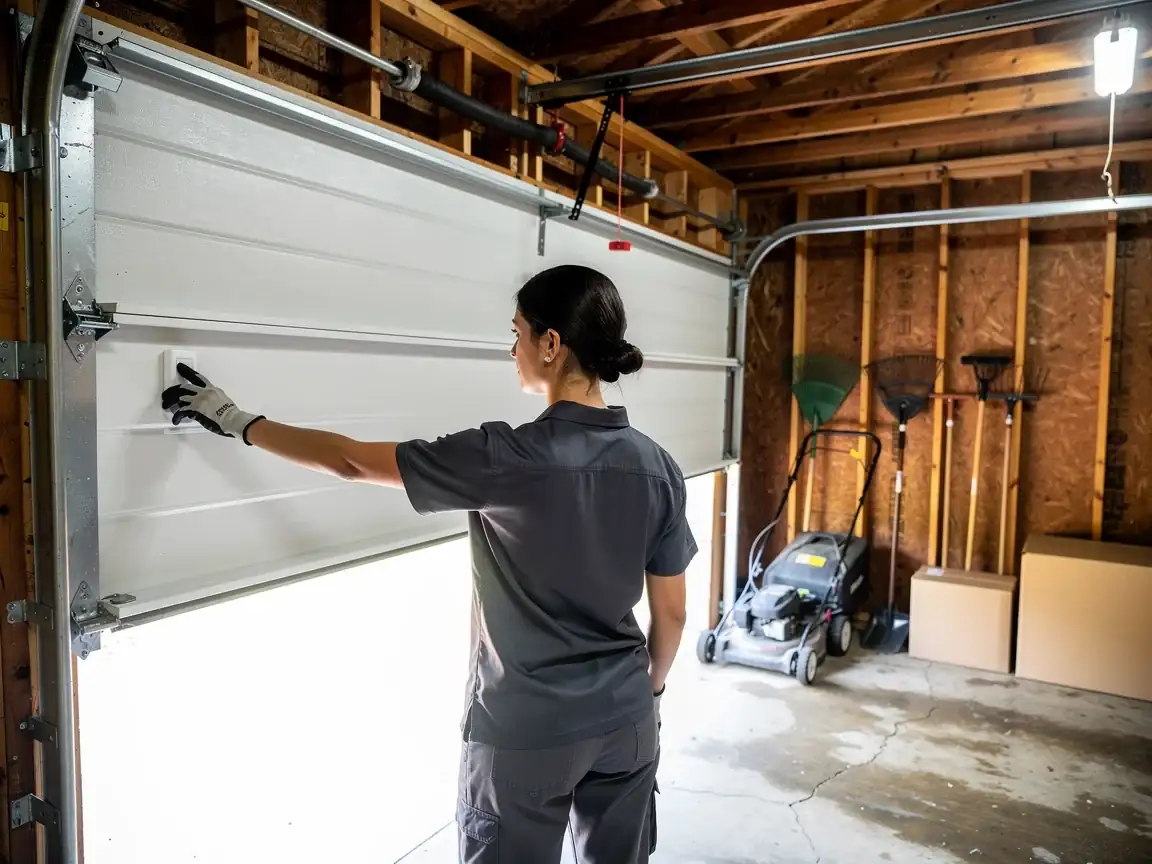
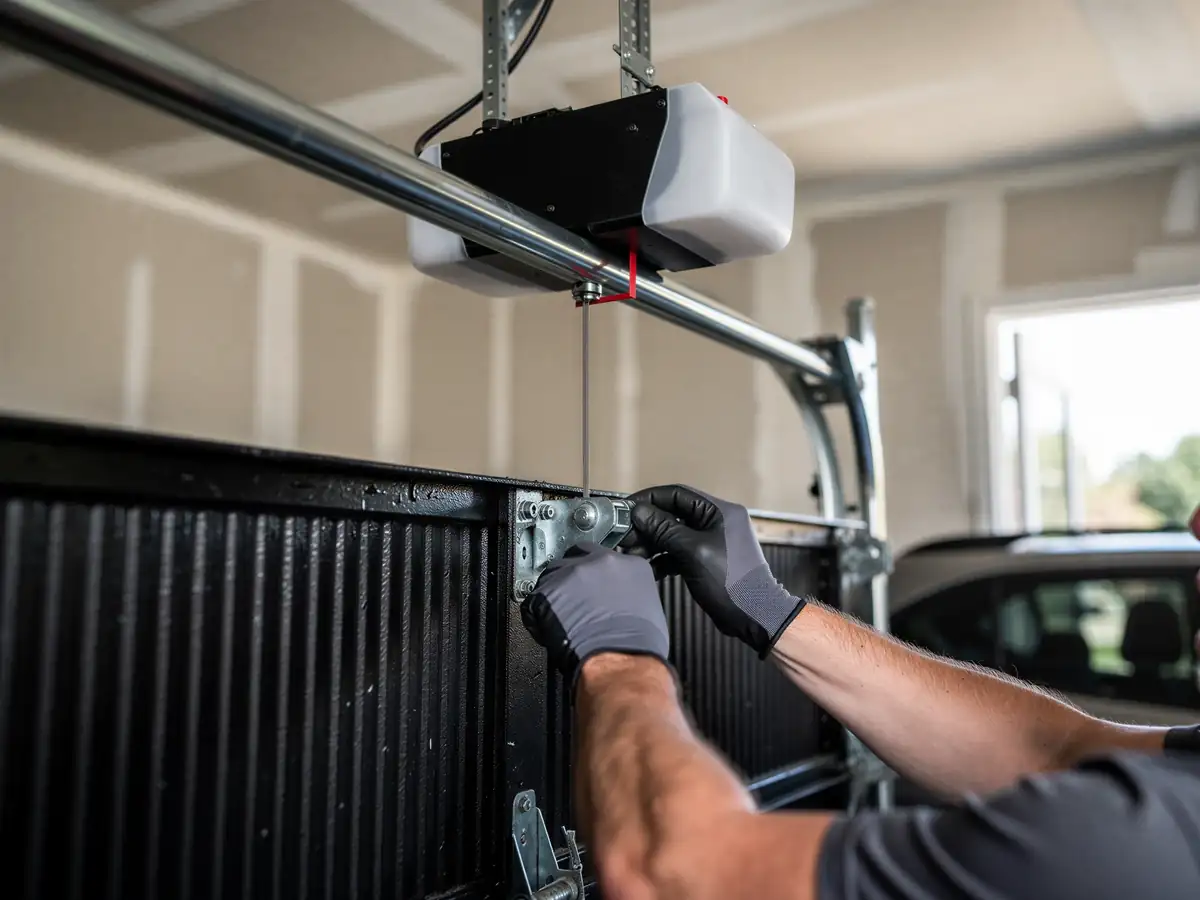
Usually the opener was added well after the house was built, bolted onto original track that was never quite squared to begin with. Noise complaints - grinding, popping, a bang on the way down - tend to point to rollers or a bent track rather than the spring itself, but we check both before quoting anything.
Stocked Parts
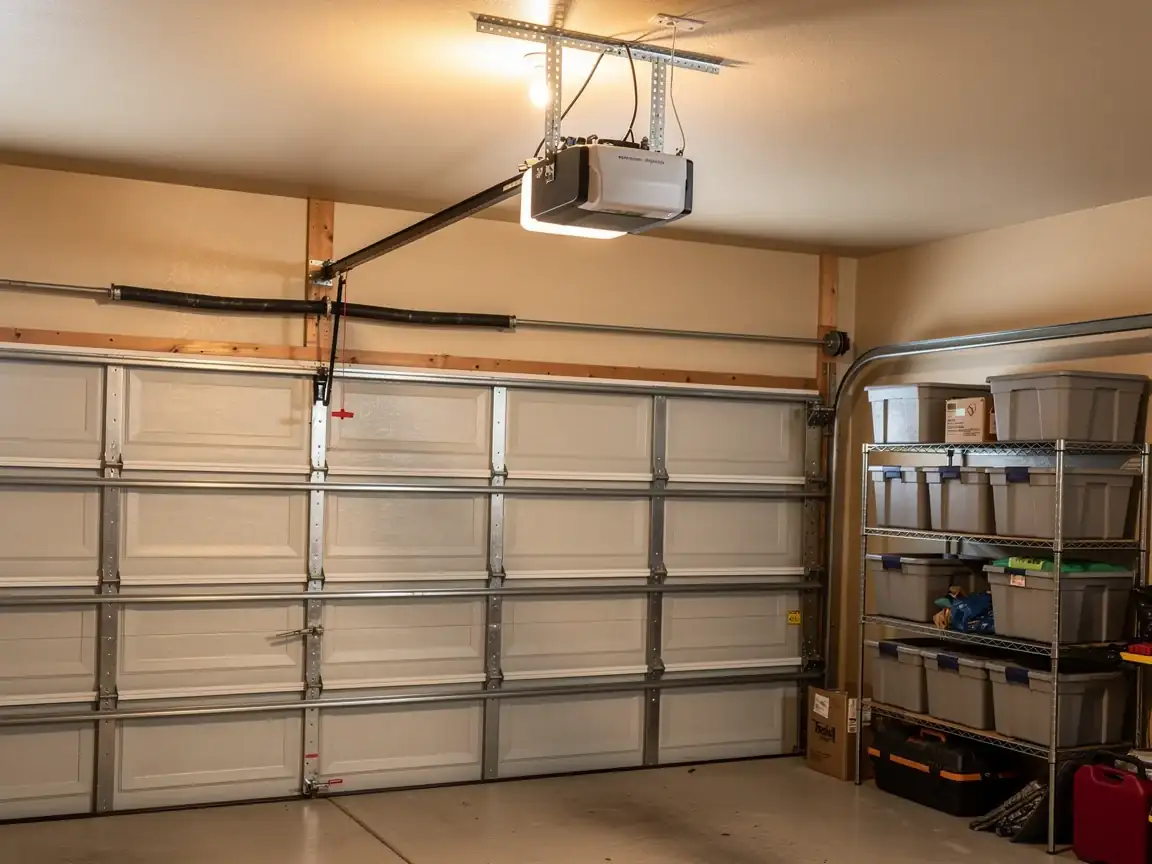
We carry common modern spring sizes, standard rollers, and cable on the truck, which covers most of the doors across the wider service area (F6: 45,146 households, 31,073 of them owner-occupied, most on stock that's seen a replacement door or opener at some point). West Peoria's older original hardware is the exception, not the rule, and that's the one case where we may need to source a part rather than fix it on the first visit.
If the drum, shaft diameter, or track profile on a 1940s door doesn't match anything current, we'll say so rather than force a part that won't balance the door correctly. That's the one limitation worth knowing before you book: on genuinely original hardware, the first visit may be a diagnosis and parts order rather than a same-day fix.
How Long You Are Without the Door
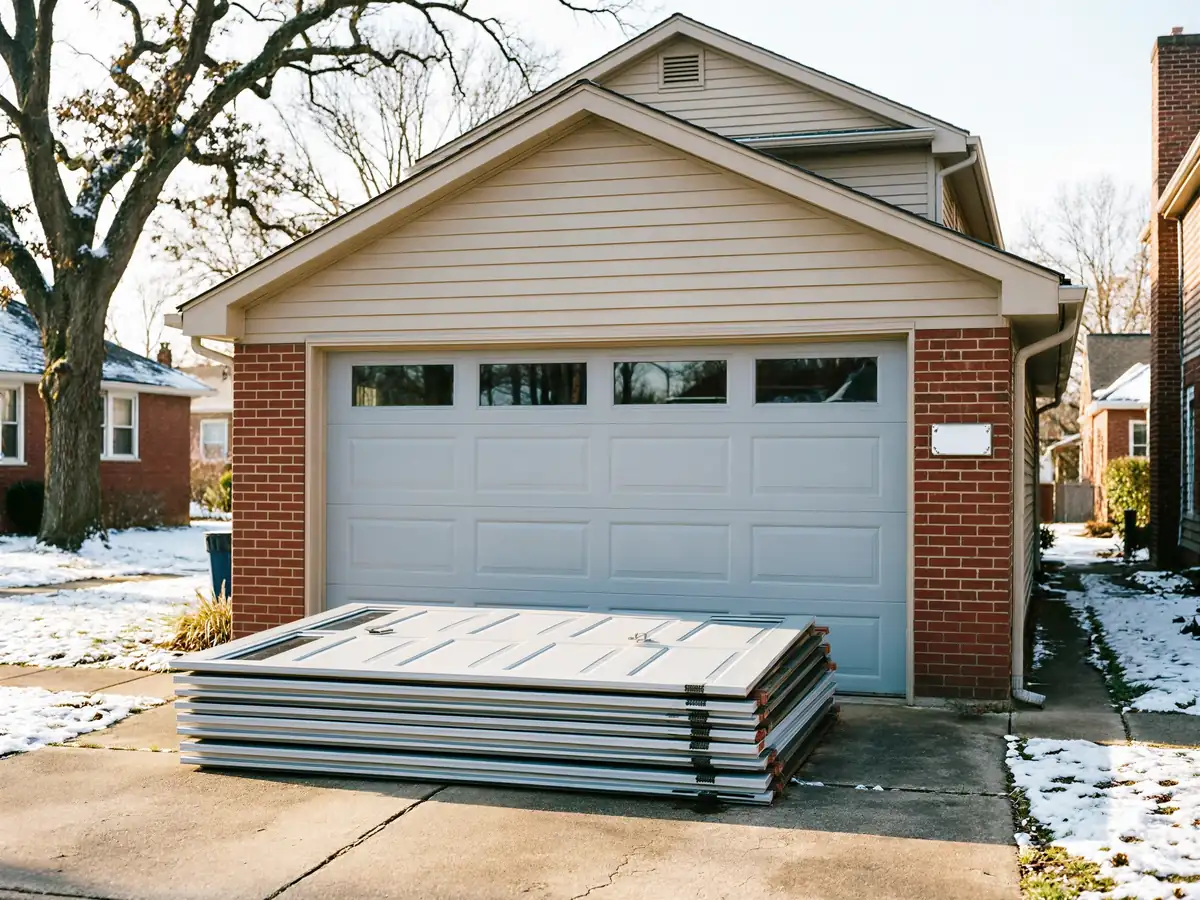
Most spring, cable, and roller repairs on standard hardware finish in one visit. The exception is a door still running original 1940s-era track or drum, where we may need to order a matching part rather than force a current one onto old hardware - in that case you're waiting on parts, not on us standing around.
In the meantime, a door stuck open isn't just inconvenient in a cold-climate region - it's a real heat-loss problem, so we'll tell you honestly whether it's safe to leave down-and-manual until the part arrives or whether the door needs to come off track entirely.