How We Fix It
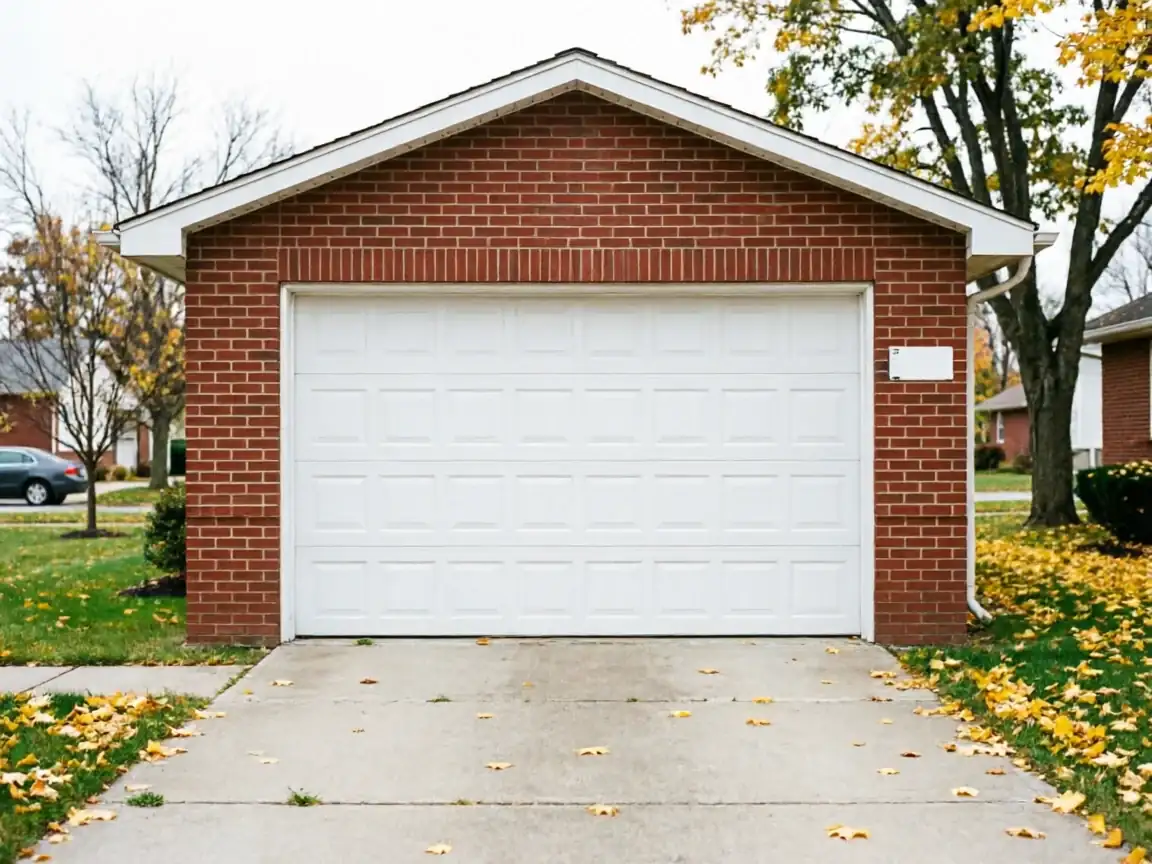
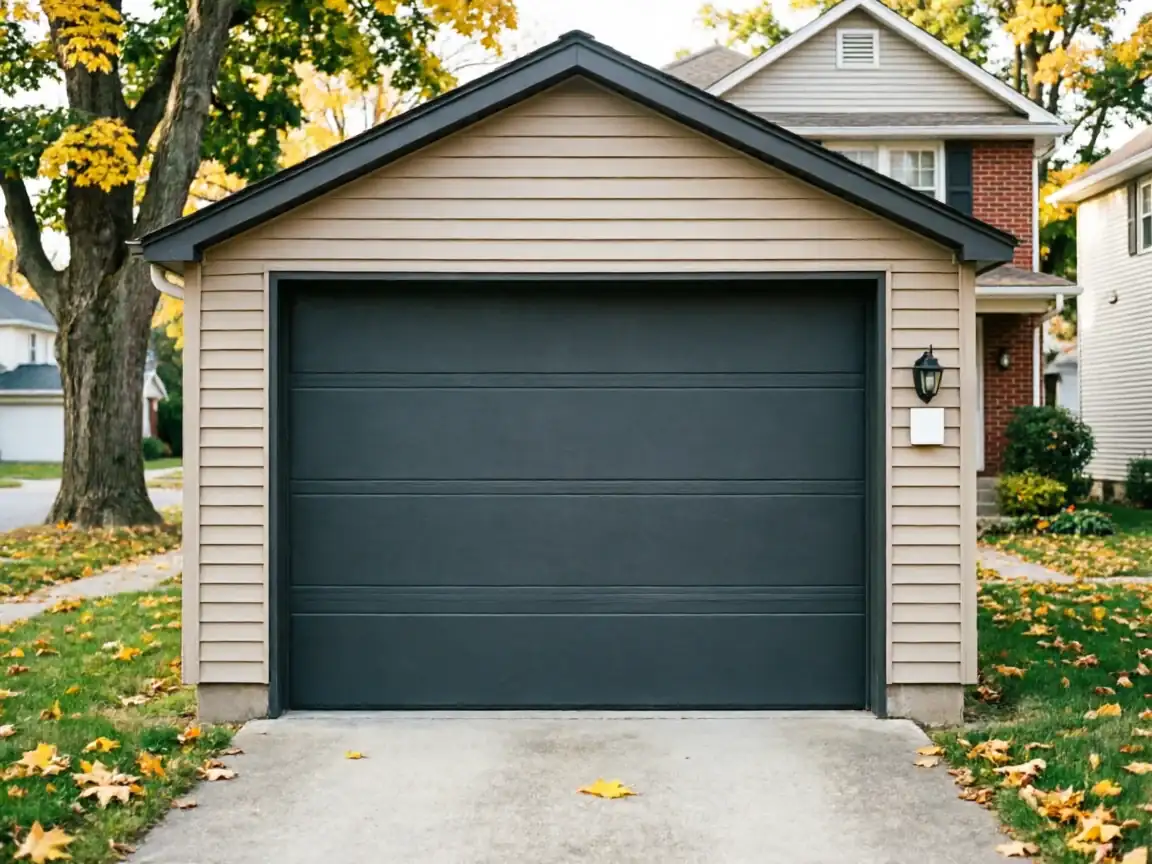
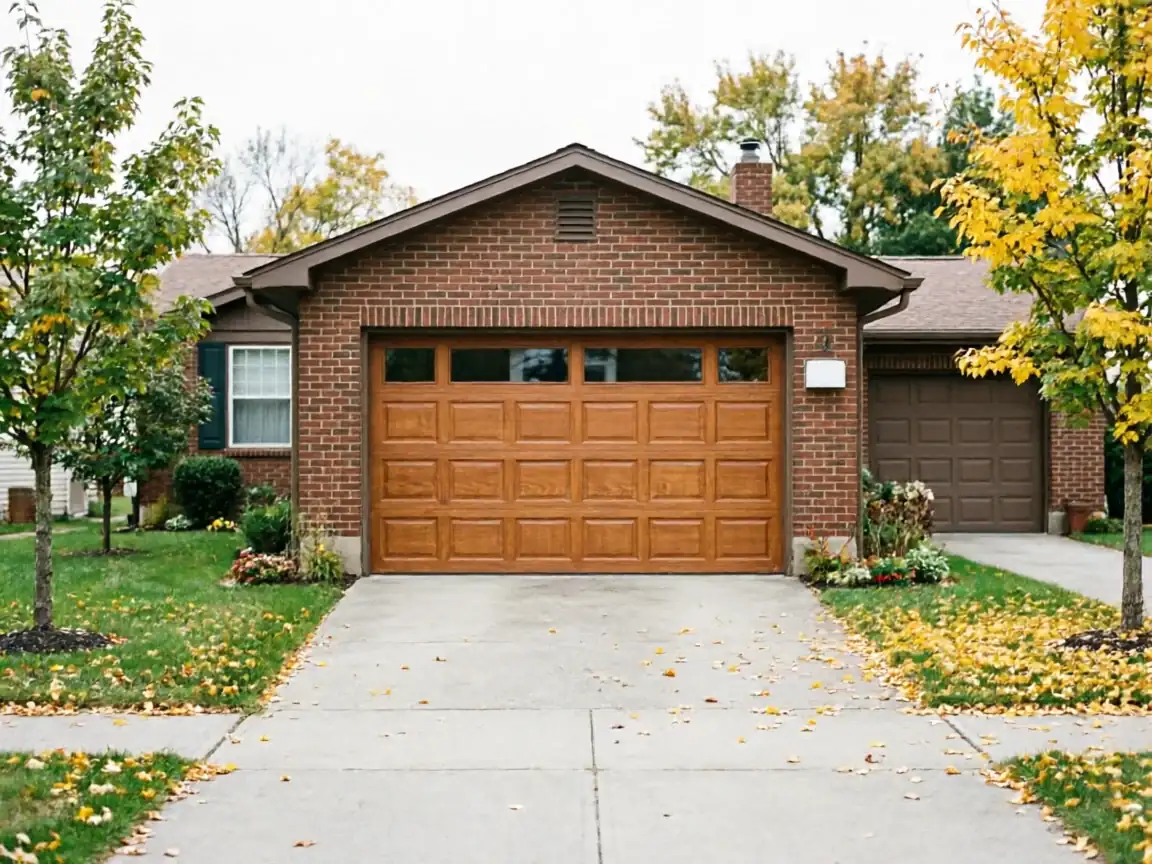
Most of the housing stock in West Peoria went up around 1944
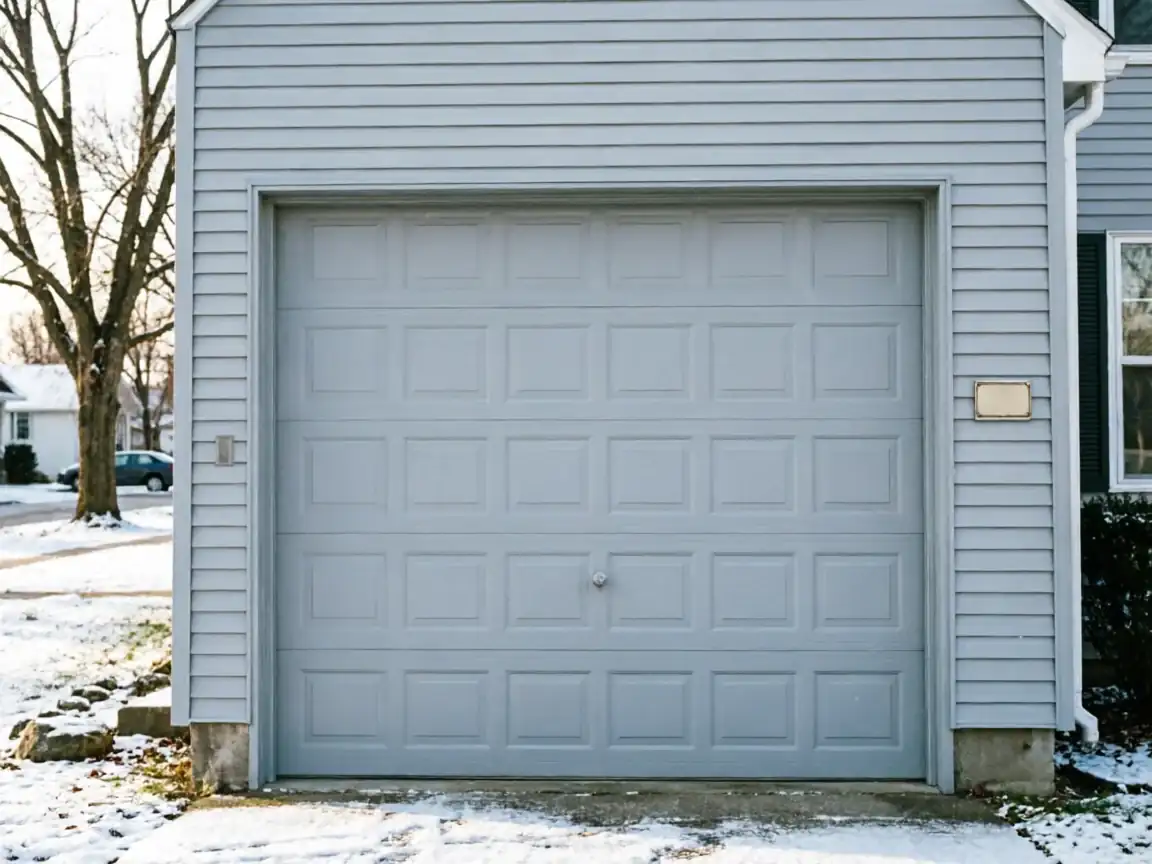
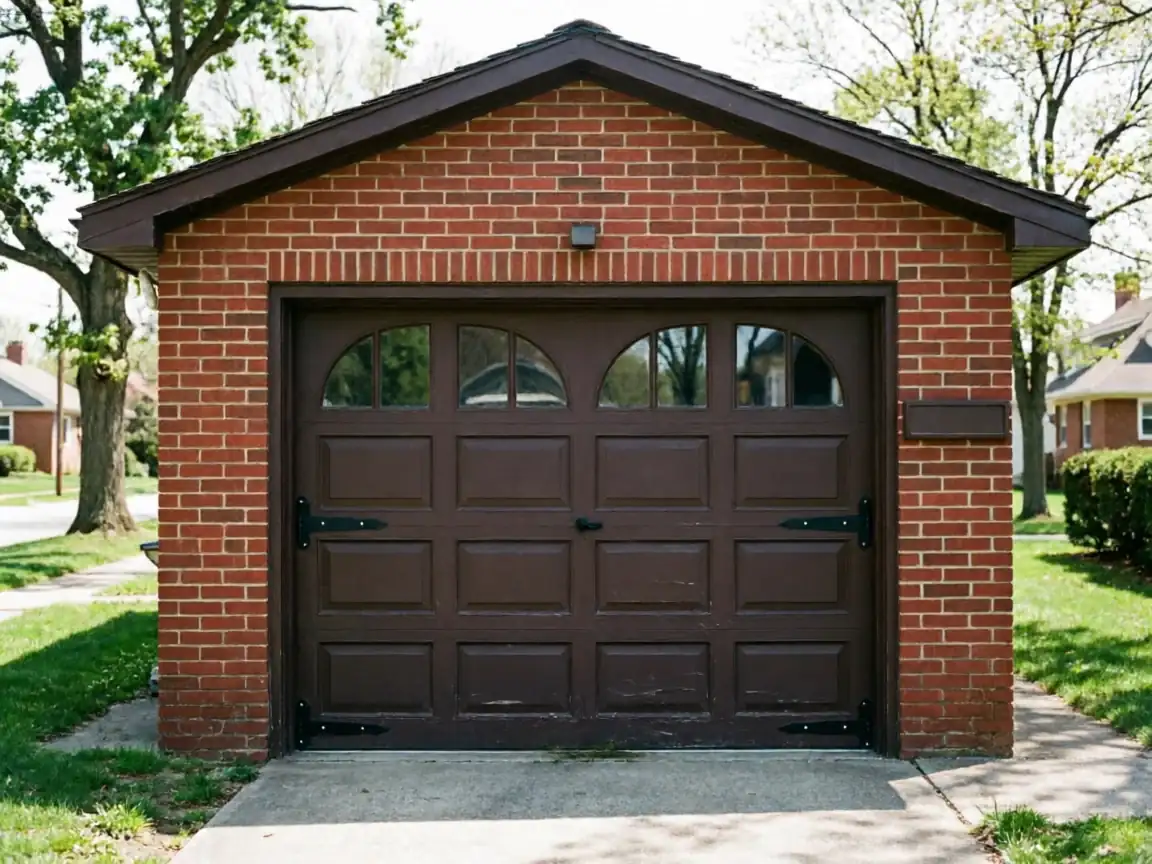
Which is older than the typical build year across the wider Peoria service area. That matters here because doors from that period are usually single-layer steel or older wood-panel construction on narrow single-car openings, running on steel rollers set into steel tracks with no nylon bushing anywhere in the system. There's no rubber or nylon cushioning the roller stem, so every open and close is metal grinding on metal, and the wear shows up as noise long before it shows up as a jam.
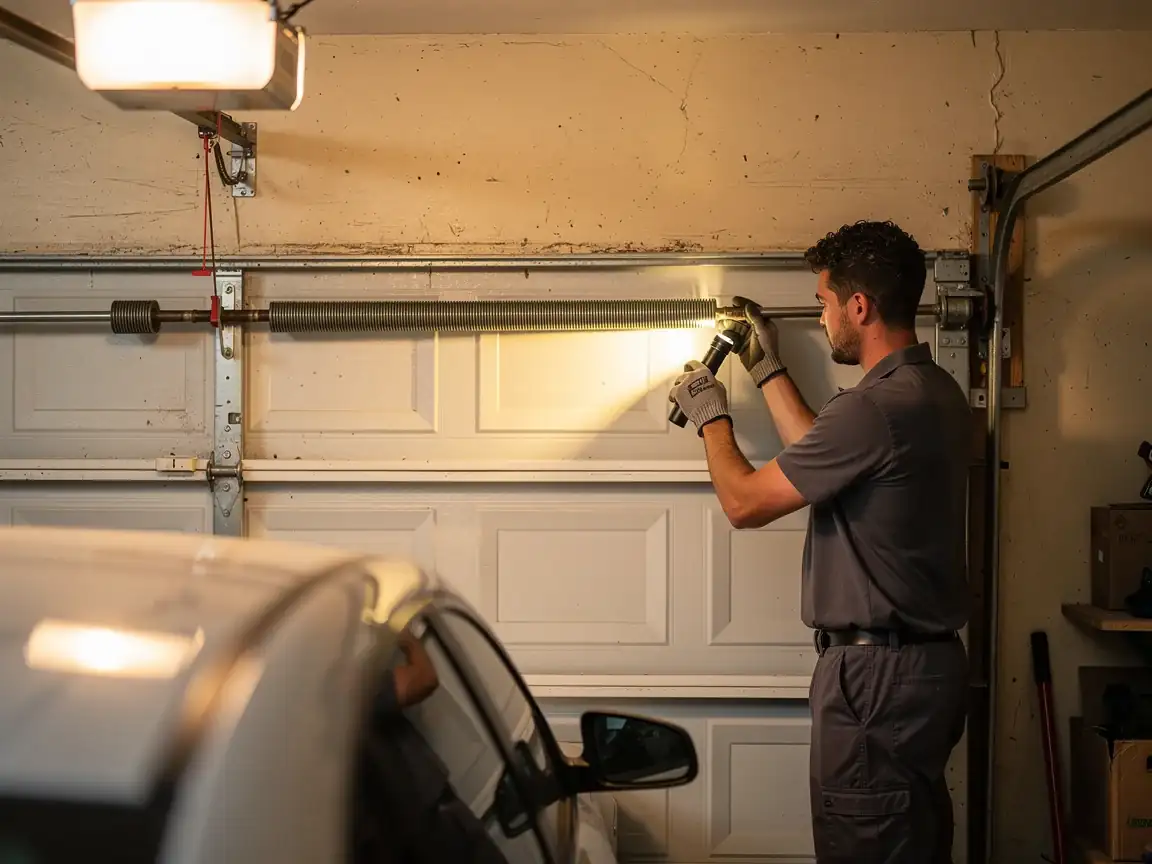
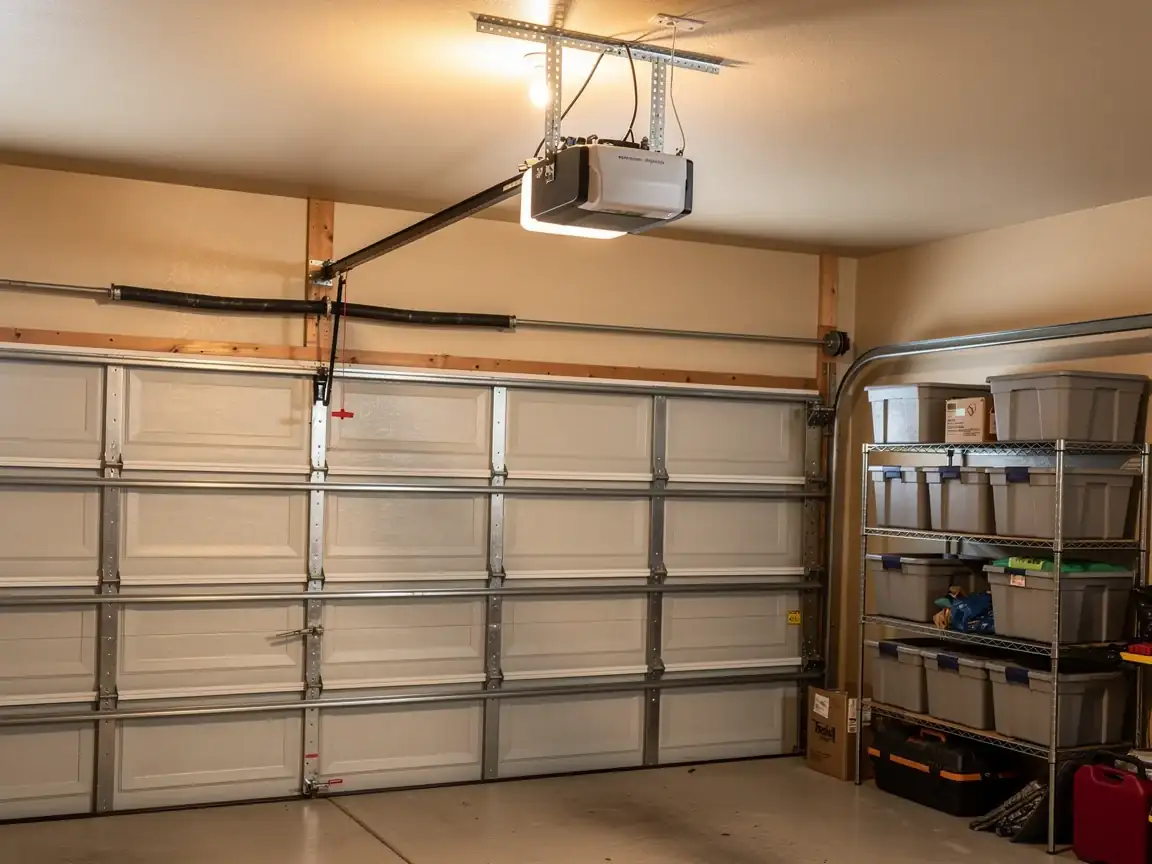
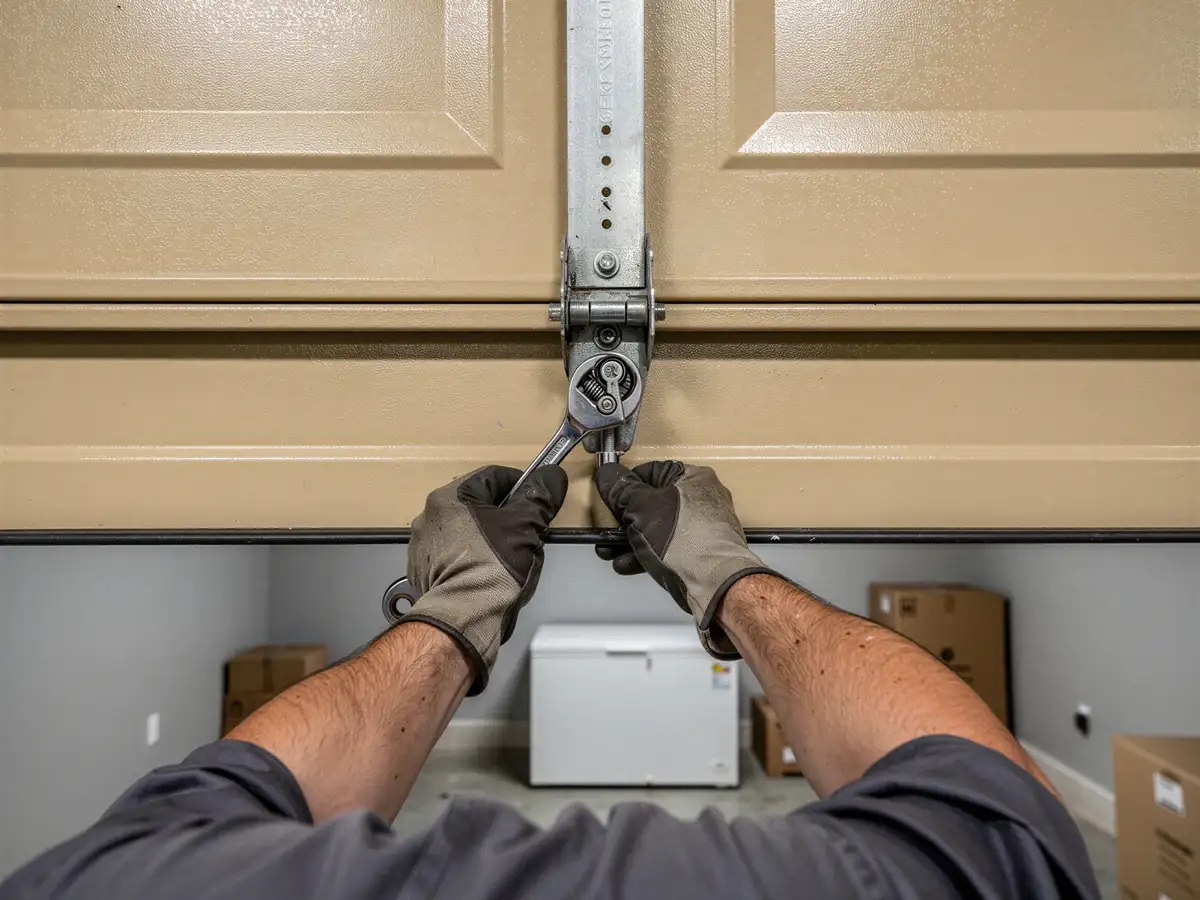
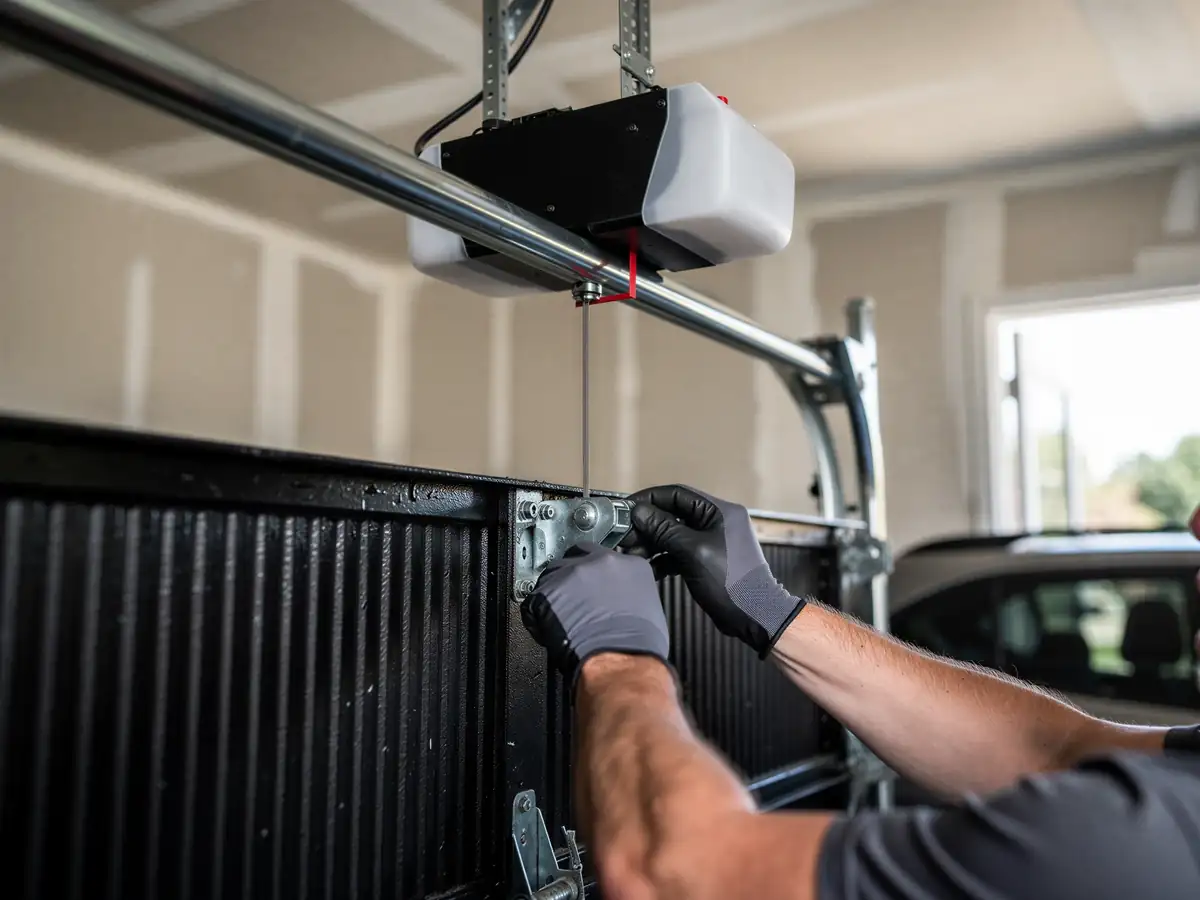
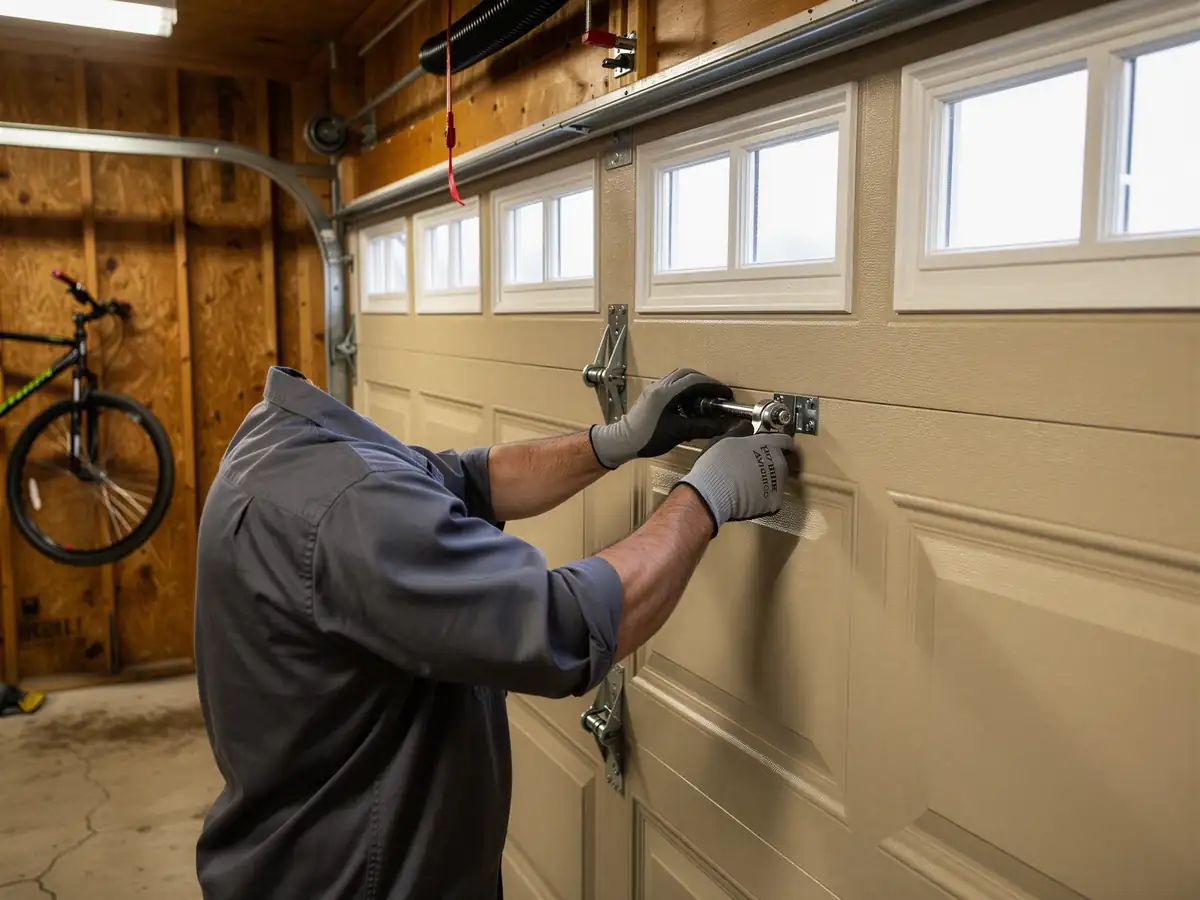
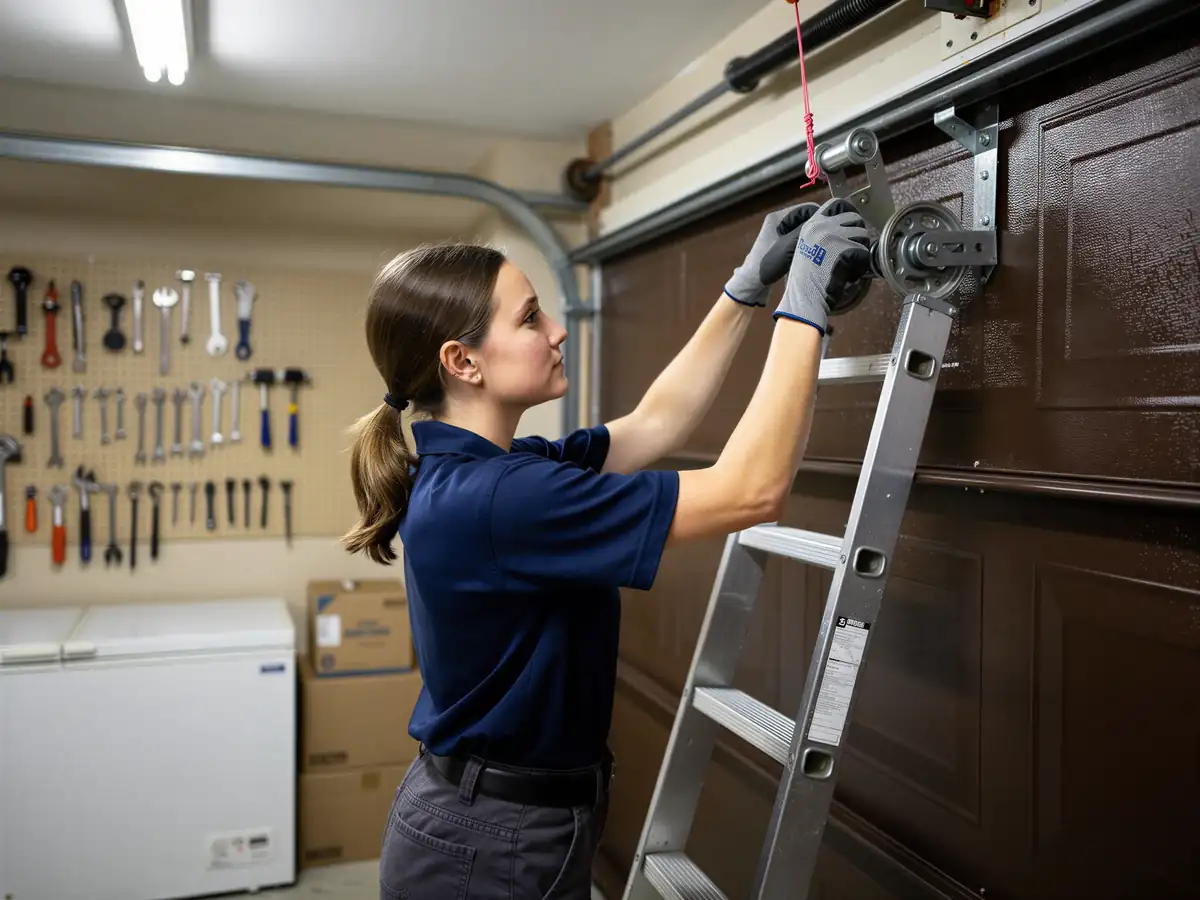
We pull the worn rollers off the hinges, check the stem length and the track gauge against what's actually installed (not every door from this era uses the same stem size), and set new rollers to match
On these older single-car doors, the track is usually narrower than what's standard now, so we bring stem options and don't assume one size fits every opening. If the track itself is bent or the hinges are cracked from decades of steel-on-steel wear, we tell you before we start - rollers alone won't fix a bent track.
Getting It Booked In
We work from Peoria, about four miles out to West Peoria, so there's no separate branch or crew based in town - a truck comes from Peoria for the job. That short distance means scheduling isn't the bottleneck; matching the right roller stem and track gauge to a 1944-era door usually is, since these older single-car setups aren't always the same spec as the doors we see on newer builds elsewhere in the service area.
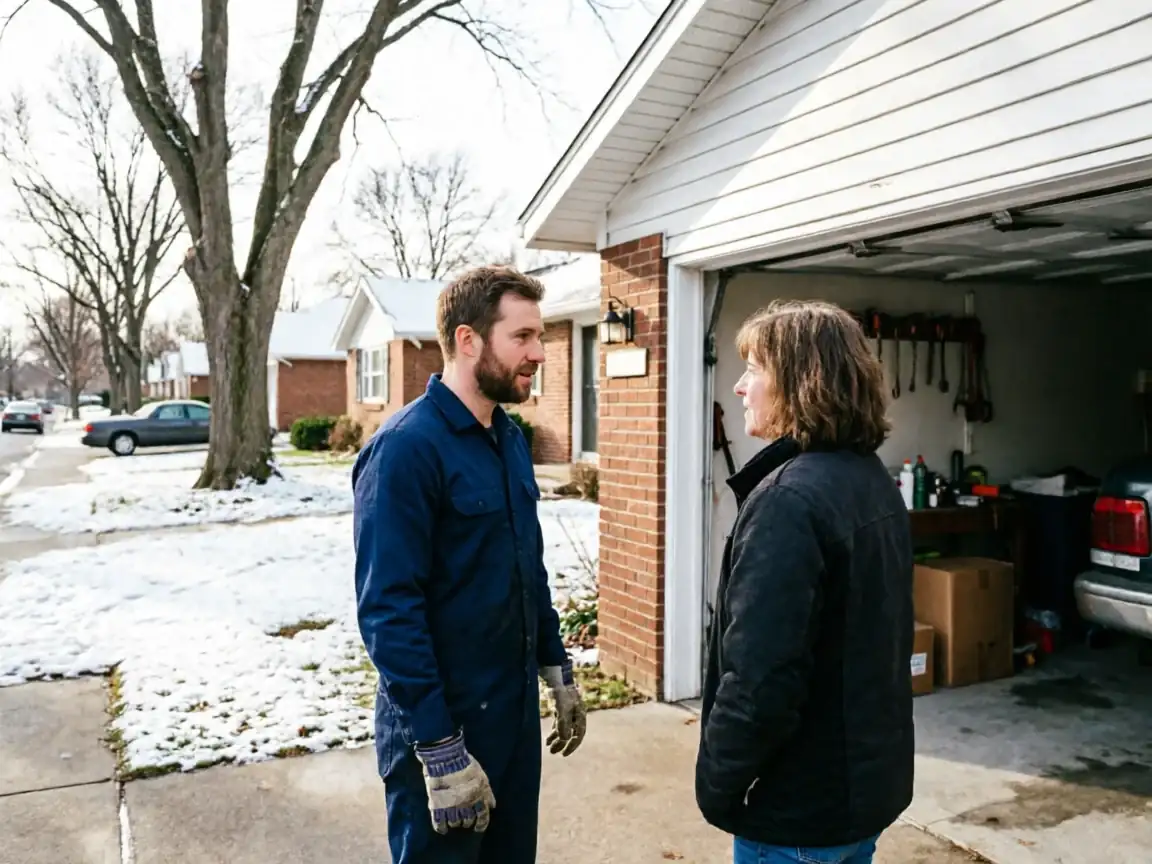
When you call, tell us the door is original or close to it - that one detail changes what we load on the truck before we leave Peoria, rather than finding out on-site and having to come back a second time.
What It Costs
I don't have a fixed roller-replacement price to quote here, and I'd rather say that than make one up. What drives the cost on a door like this is usually how many of the ten or twelve rollers need swapping, whether the hinges are still sound enough to hold a new stem, and whether the track needs adjustment alongside the rollers. On an older single-car door with steel rollers throughout, it's common for most or all of them to be due at once, since they wear on the same schedule - one bad roller usually means the rest aren't far behind.
The Symptom
On a door this old, the first sign is almost always sound, not sticking
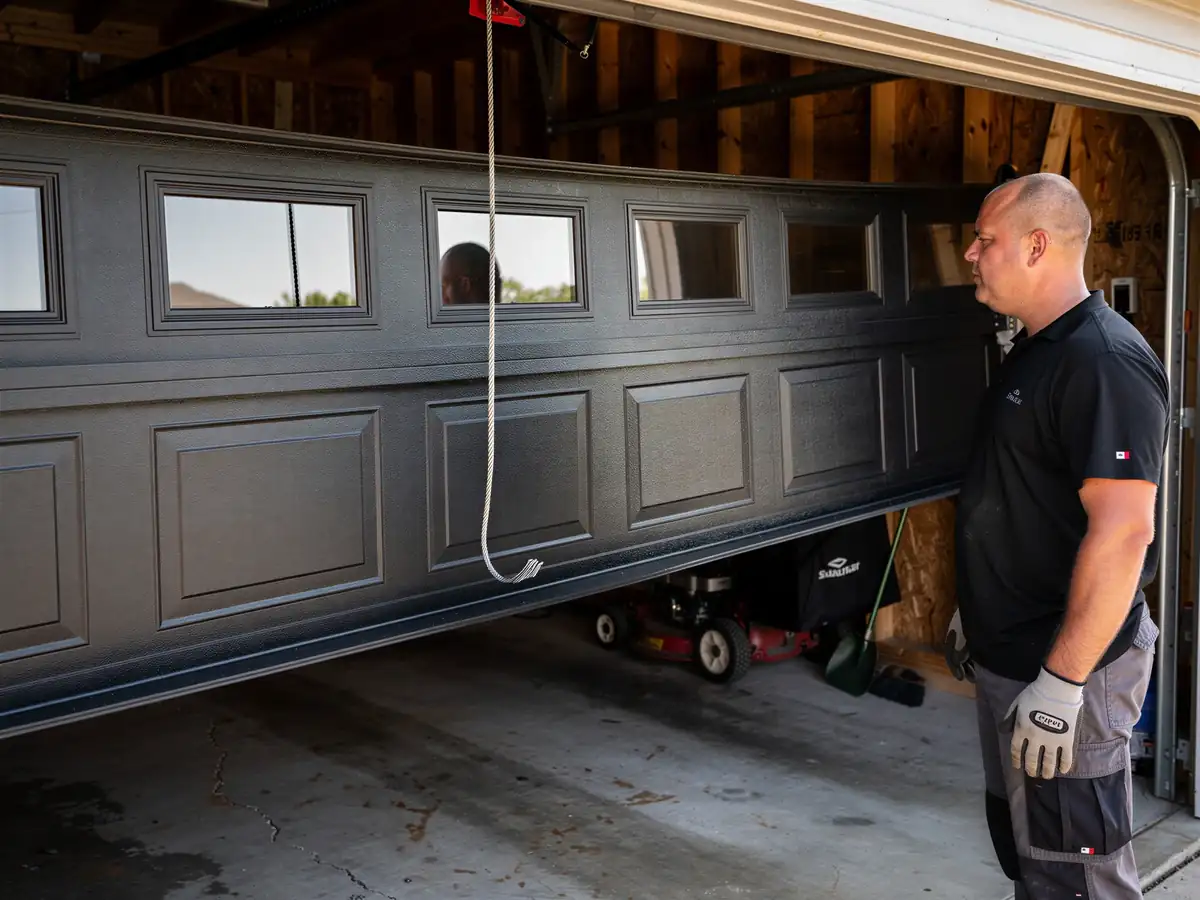
Steel rollers on steel track get louder years before the door actually binds - a rumble or a scrape that gets worse through the stroke, loudest where the curved section of track meets the vertical run. Because there's no nylon in the system to begin with, there's no softer stage where the door quiets down again; it just gets louder until a roller stem snaps or works its way out of the hinge.
If the door is also catching or jerking partway up
That's usually a track issue riding along with the worn rollers, not a separate problem - on a door this age, the two wear together.
Stocked Parts
We carry nylon rollers in the stem lengths that fit older single-car track gauges, since that's common across the pre-1960s housing in this part of the Peoria area. Full nylon rollers with sealed bearings are the standard swap for steel-on-steel setups like the ones in West Peoria - quieter, and they don't score the track the way bare steel does over time.
Where I'll be honest about a limit: if a door has a non-standard track width or a custom stem length outside what's common for this era, that part isn't always on the truck, and we may need a day to source it rather than finishing the same visit.
How Long You Are Without the Door
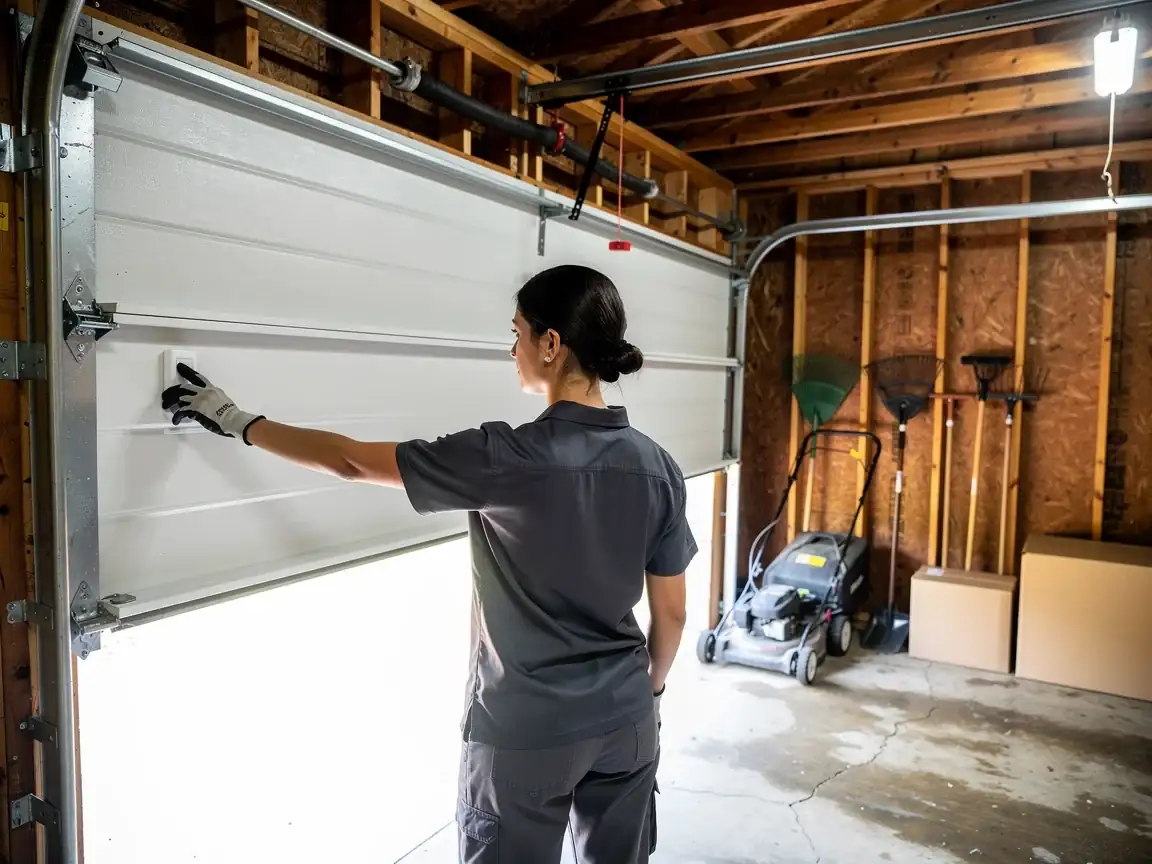
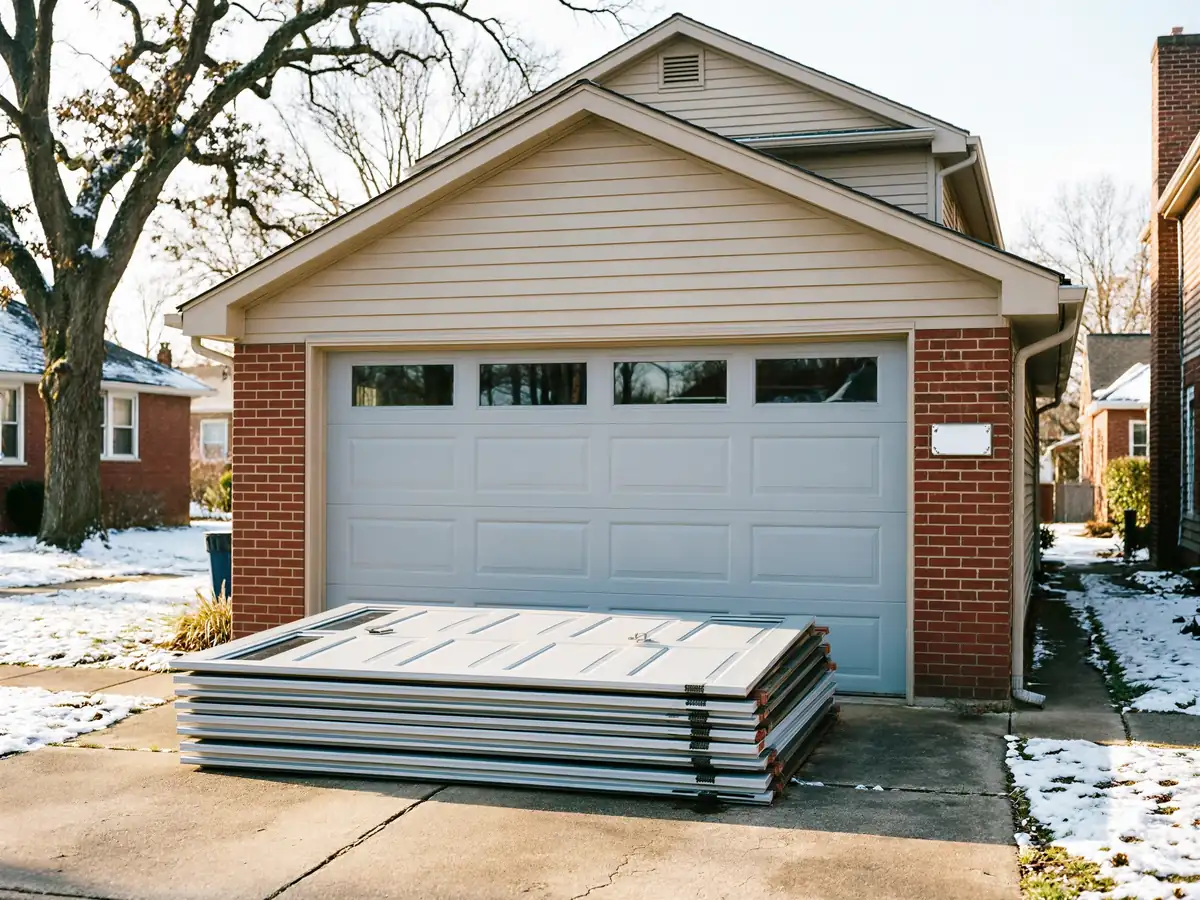
A straight roller swap on one of these older single-car doors is usually finished in one visit - there's no multi-day teardown for rollers alone. The door stays operable the whole time except for the few minutes each hinge is off the track, so you're not stuck leaving the car out overnight for a job like this.
The exception is a track or hinge that's too far gone to reuse. On a door built around 1944, that's not rare, and if we find it we'll say so before ordering, since a bent track changes the timeline from one visit to needing a return trip once the part is in.