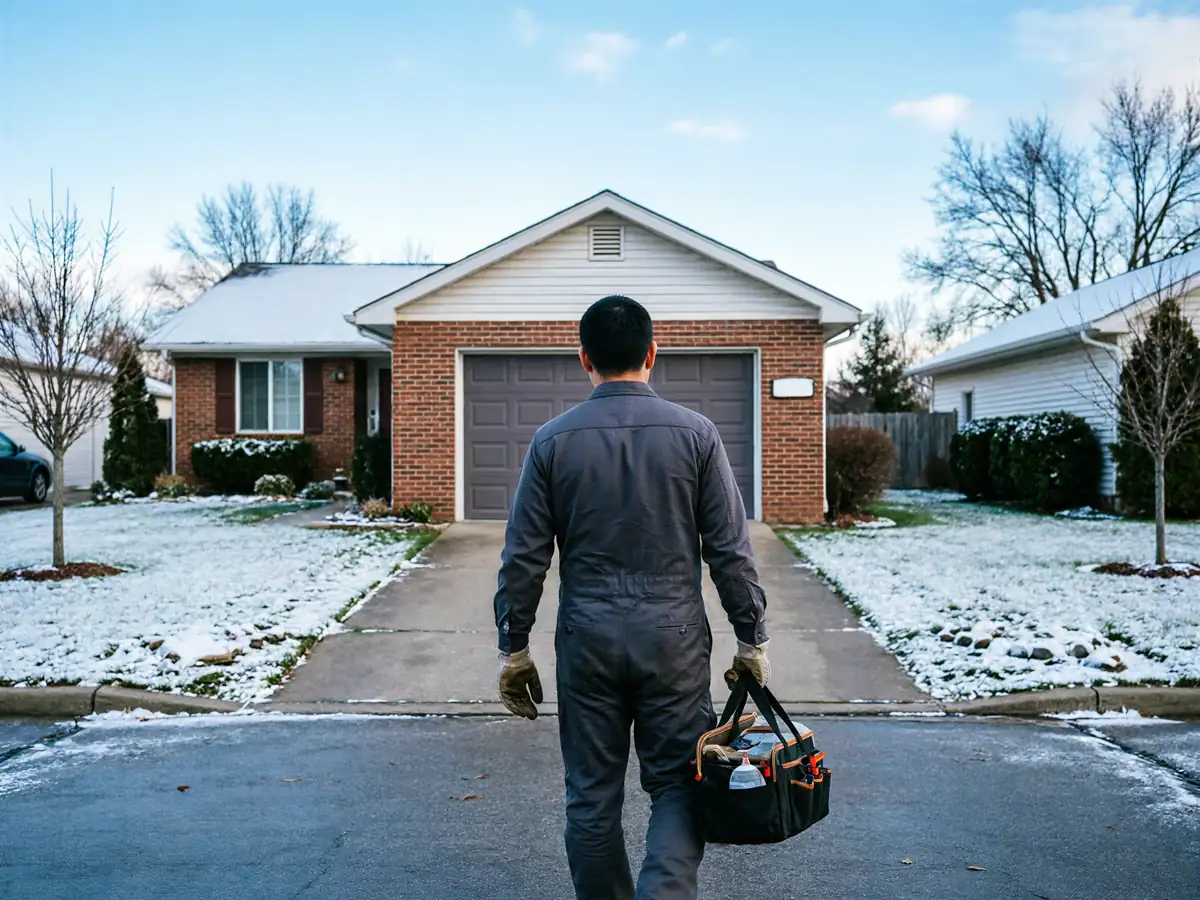
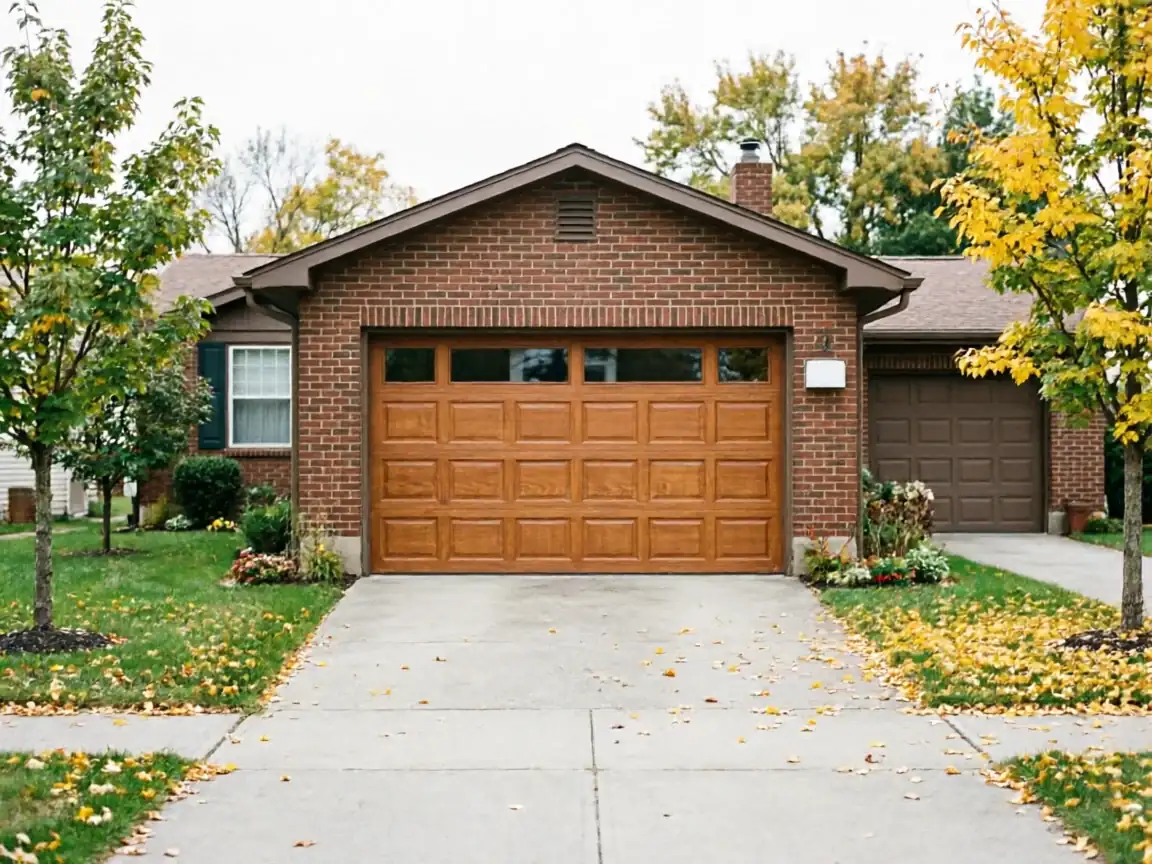
Stocked Parts
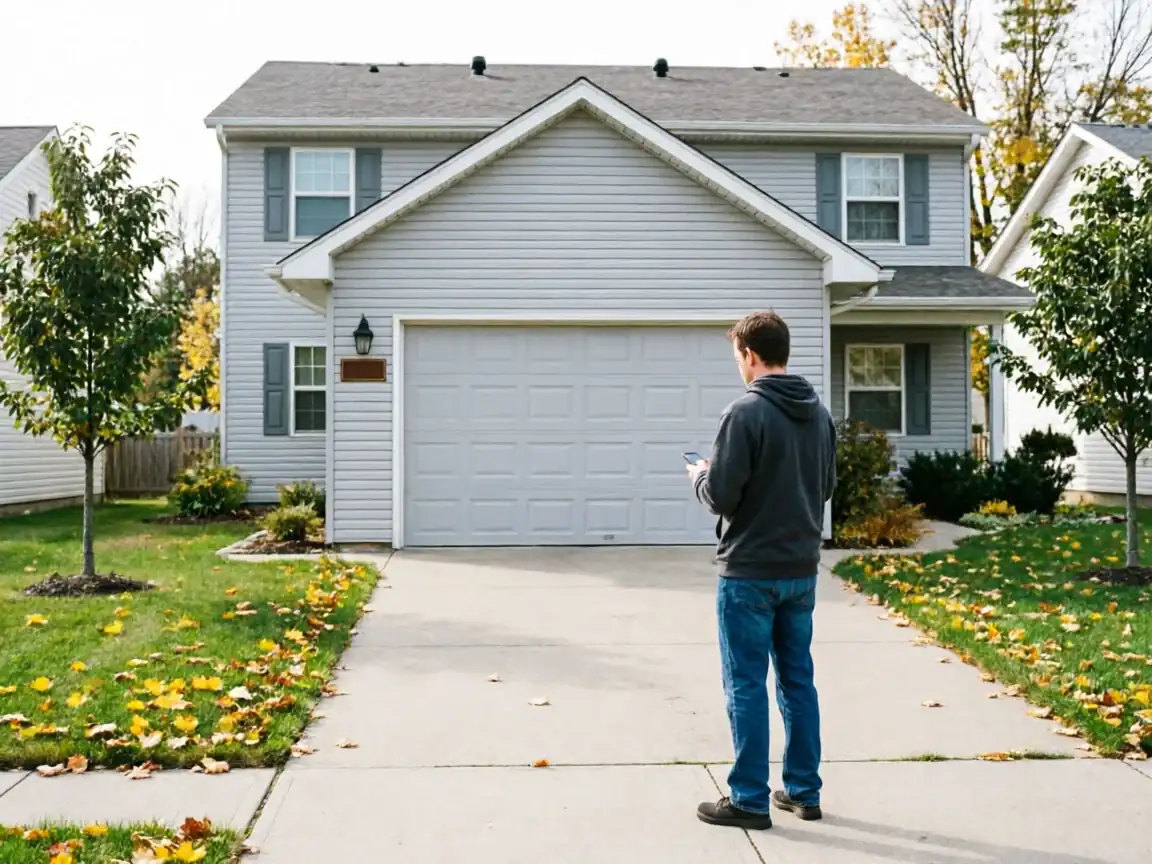
Morton's housing mostly went up around 1975
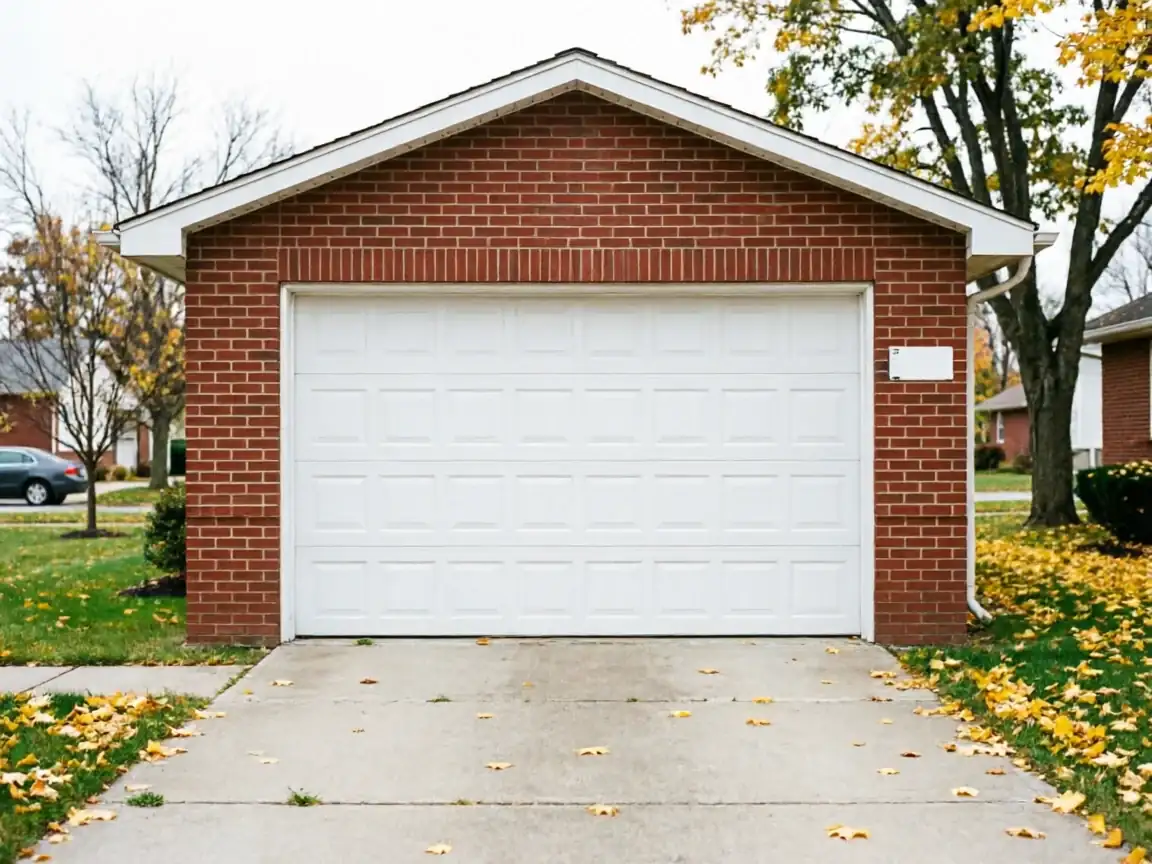
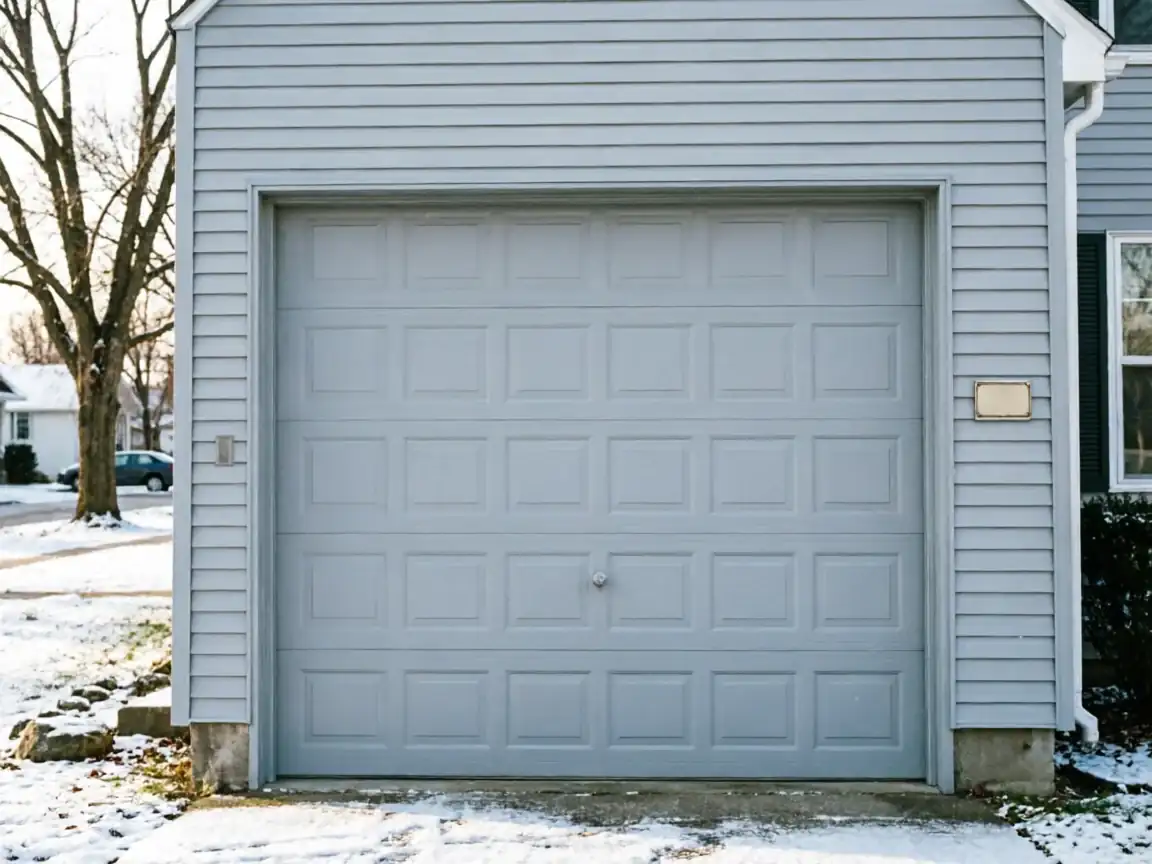
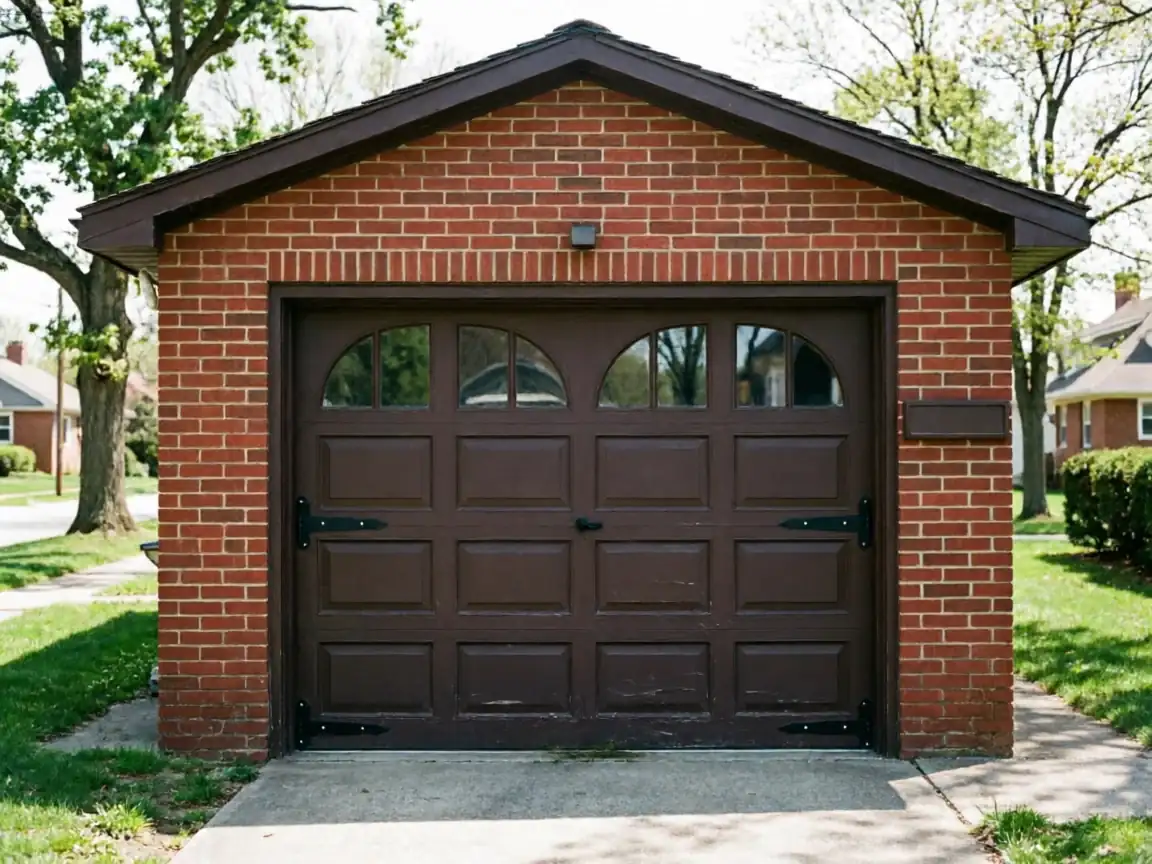
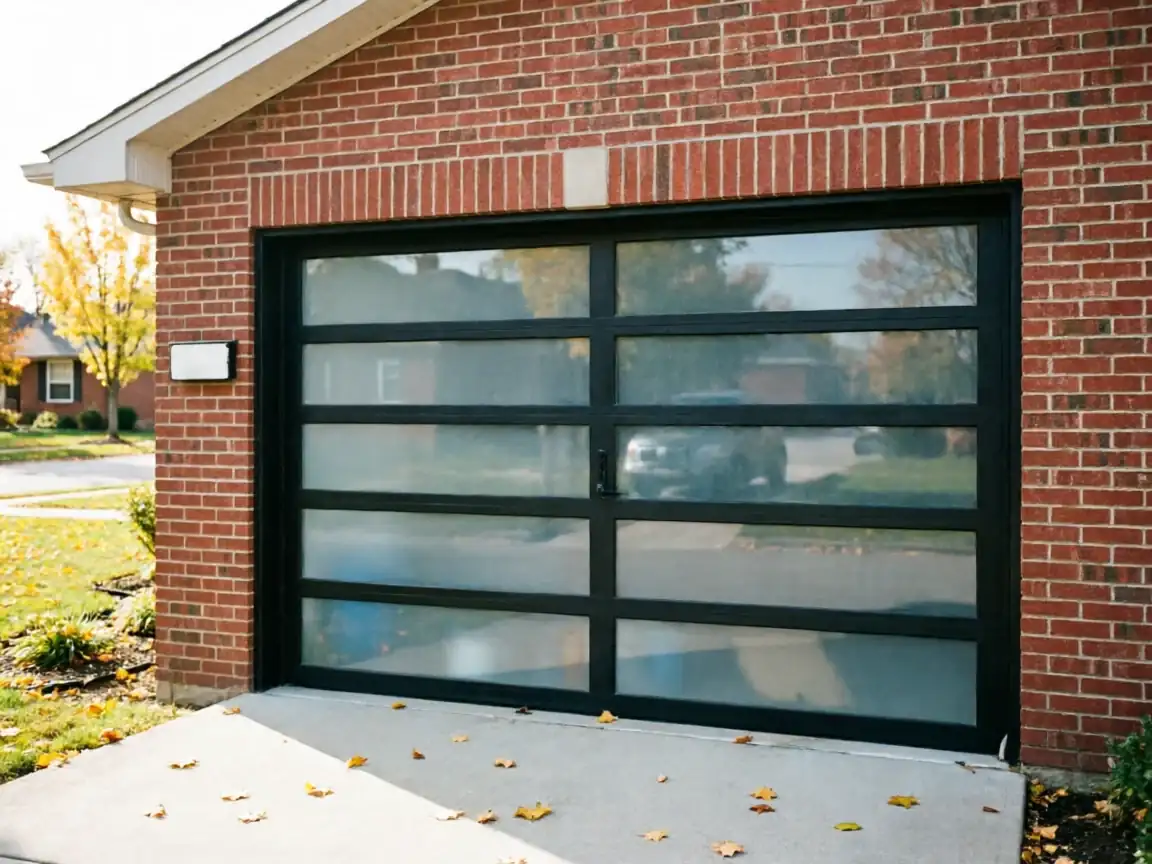
A good decade after the oldest stretches of Peoria proper. That matters for what's on the truck. Houses from this era were typically built with extension-spring setups and steel sectional doors rather than the older one-piece or side-mounted torsion hardware you still find on Peoria's 1960s blocks. We carry extension springs, standard-width torsion springs, and the rollers and hinges that fit 1970s-80s track systems, because that's what a Morton call is most likely to need. What we don't keep on hand is the odd stuff: oversized commercial doors or anything custom-ordered after the fact. If your door was replaced more recently with a wider or taller opening, we may need to order a panel or spring sized to match, which can add a day.
The twelve-mile run from Peoria means we load the truck before we leave
Not after we see the job. If a tech opens your door and finds something outside the common sizes for this housing stock, that's the one case where a return trip is more likely than not.
How Long You Are Without the Door
We're coming from Peoria, 12 miles out, so the drive itself adds time that a shop based in town wouldn't have. That's built into how we schedule the day rather than something we hide - a Morton call gets grouped with other stops on that side of the service area where we can, so the trip out isn't wasted on one job.
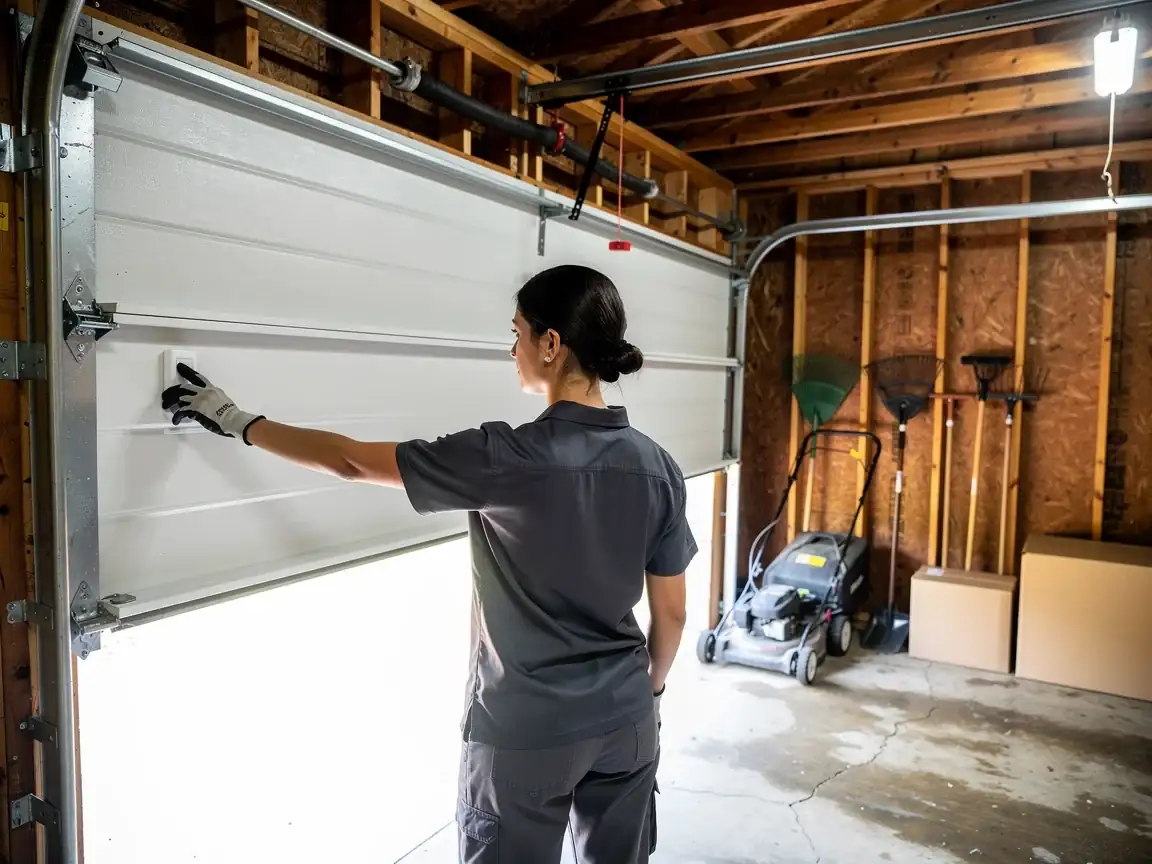
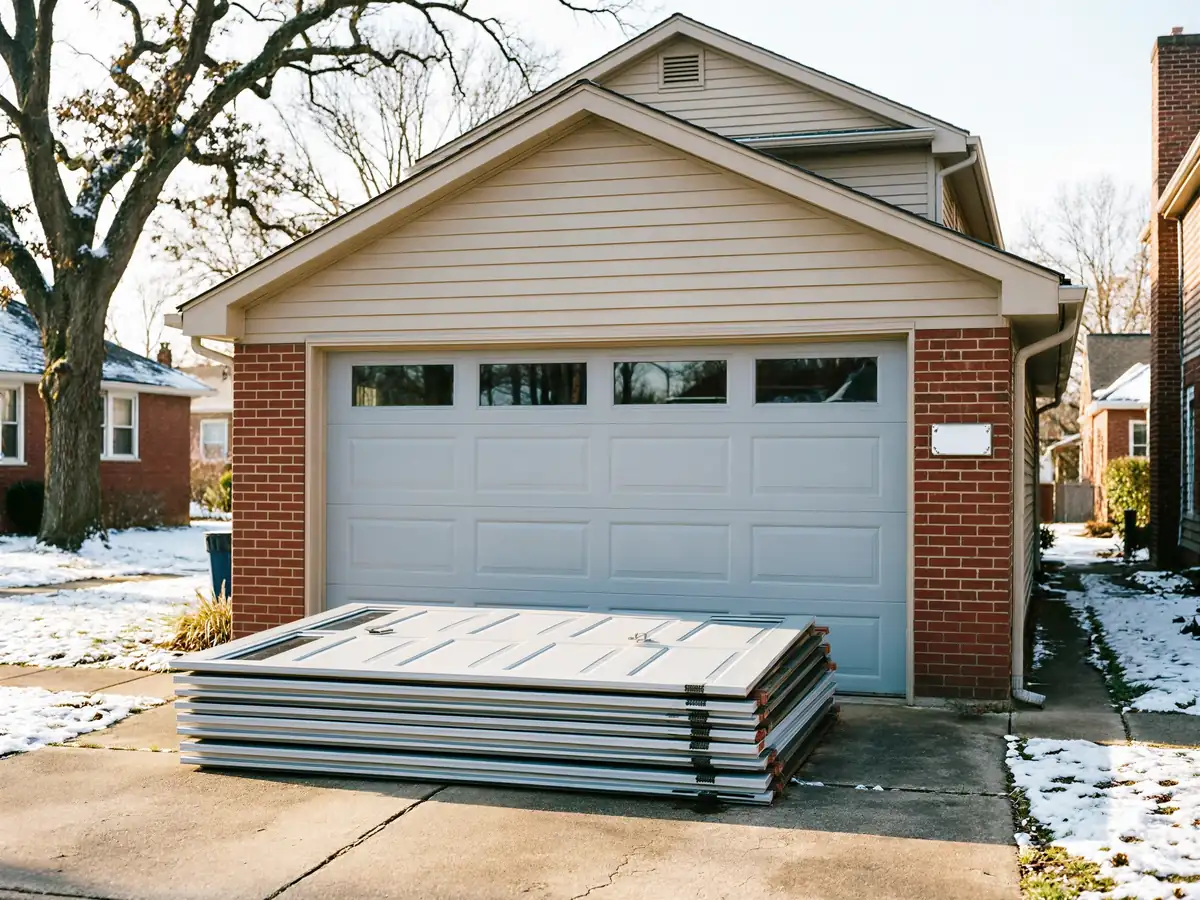
Most of what breaks on a 1970s-era door - a snapped extension spring, a worn cable, a roller that's jumped the track - is a same-visit fix once we're on site. The part gets the door moving again the day we arrive, parts availability being what it is. What takes longer is anything needing a special-order panel for a door that's been swapped out from its original size, since that's not something we stock for a town-specific run.
How We Fix It
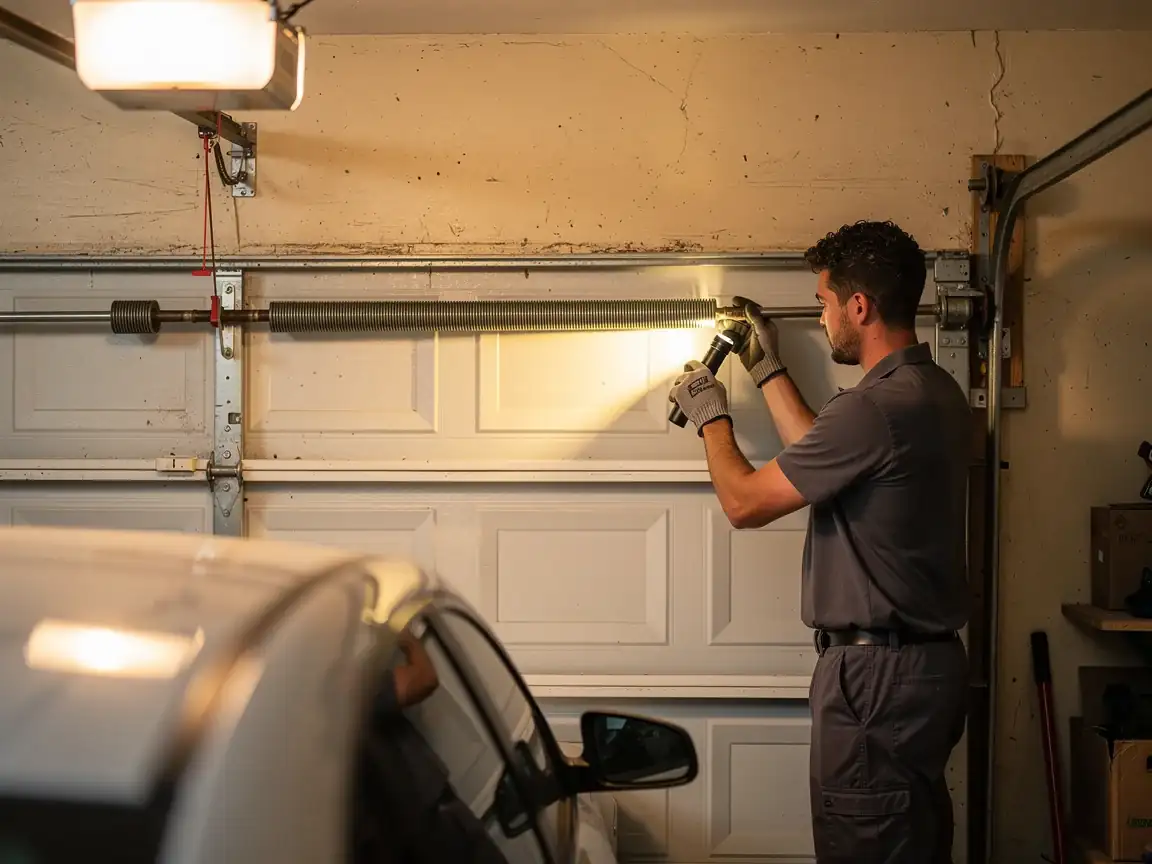
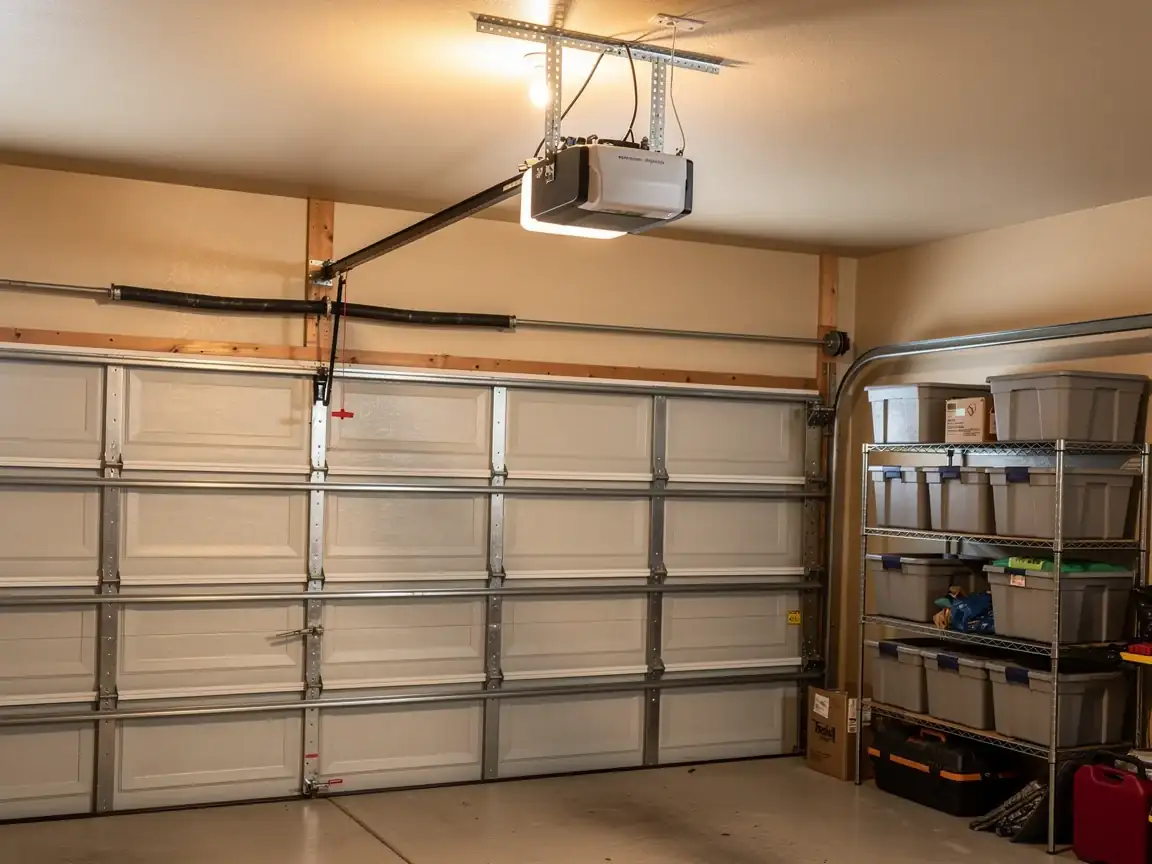
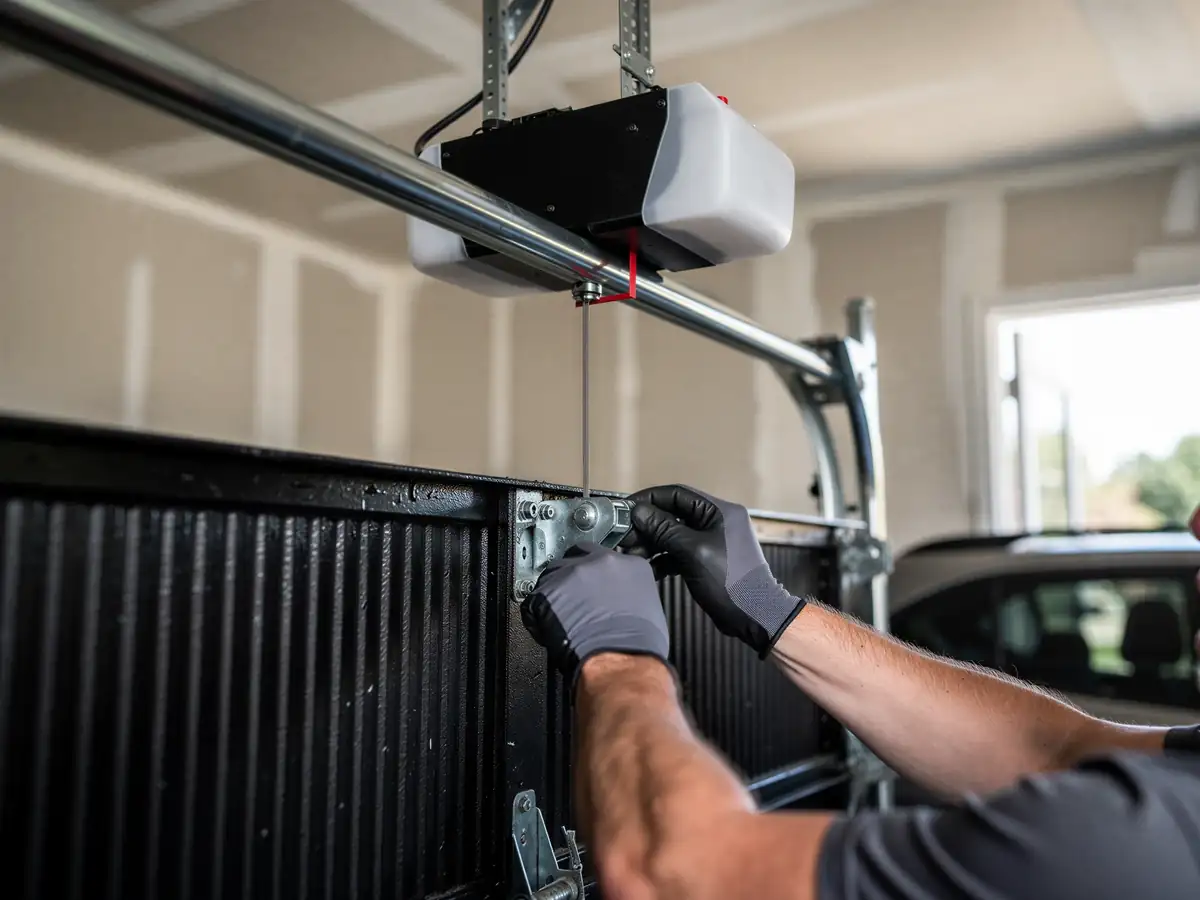
A broken spring on an extension-spring door isn't the same job as a torsion spring replacement, and Morton's housing stock runs heavier on the extension side given the 1970s build-out. We match the spring to the door weight and track length rather than grabbing a generic size, because an undersized extension spring on a standard steel door just snaps again inside a year.
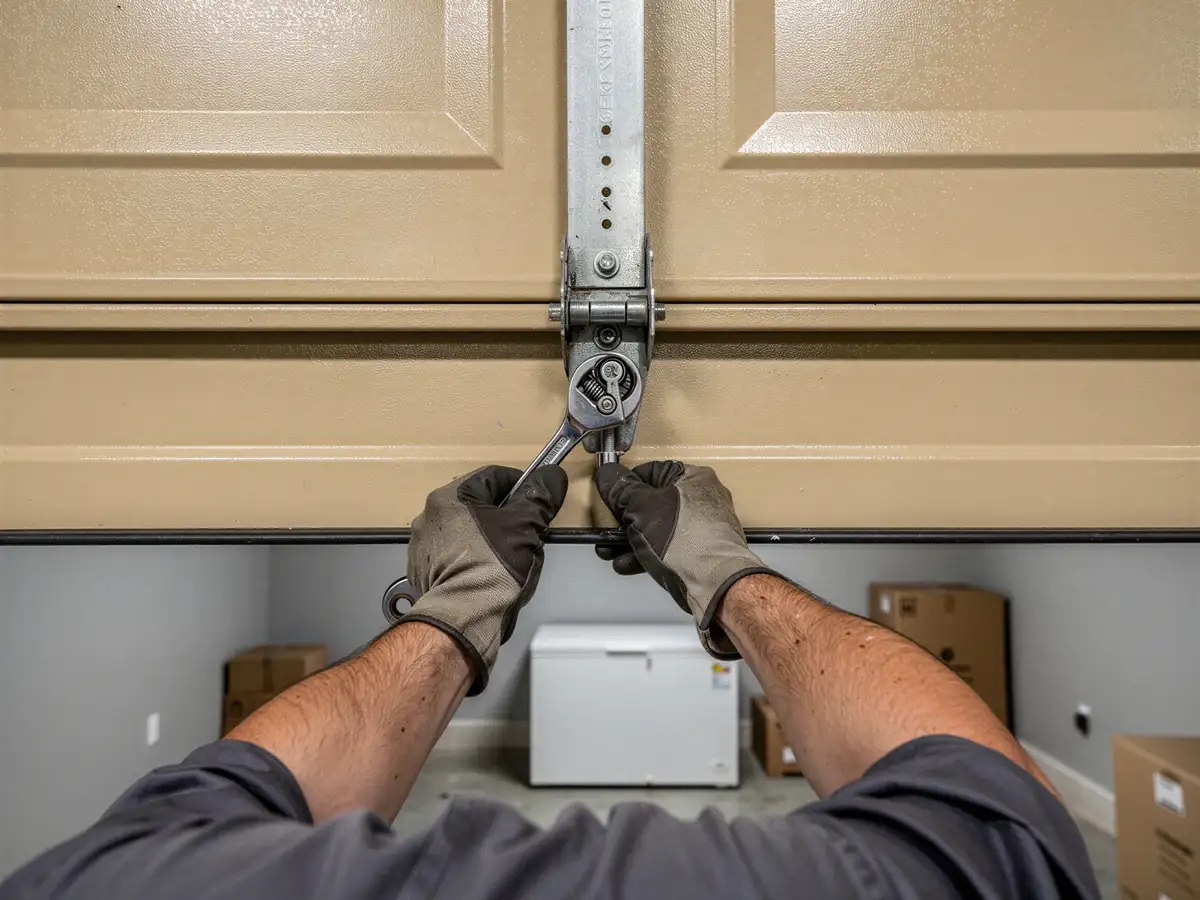
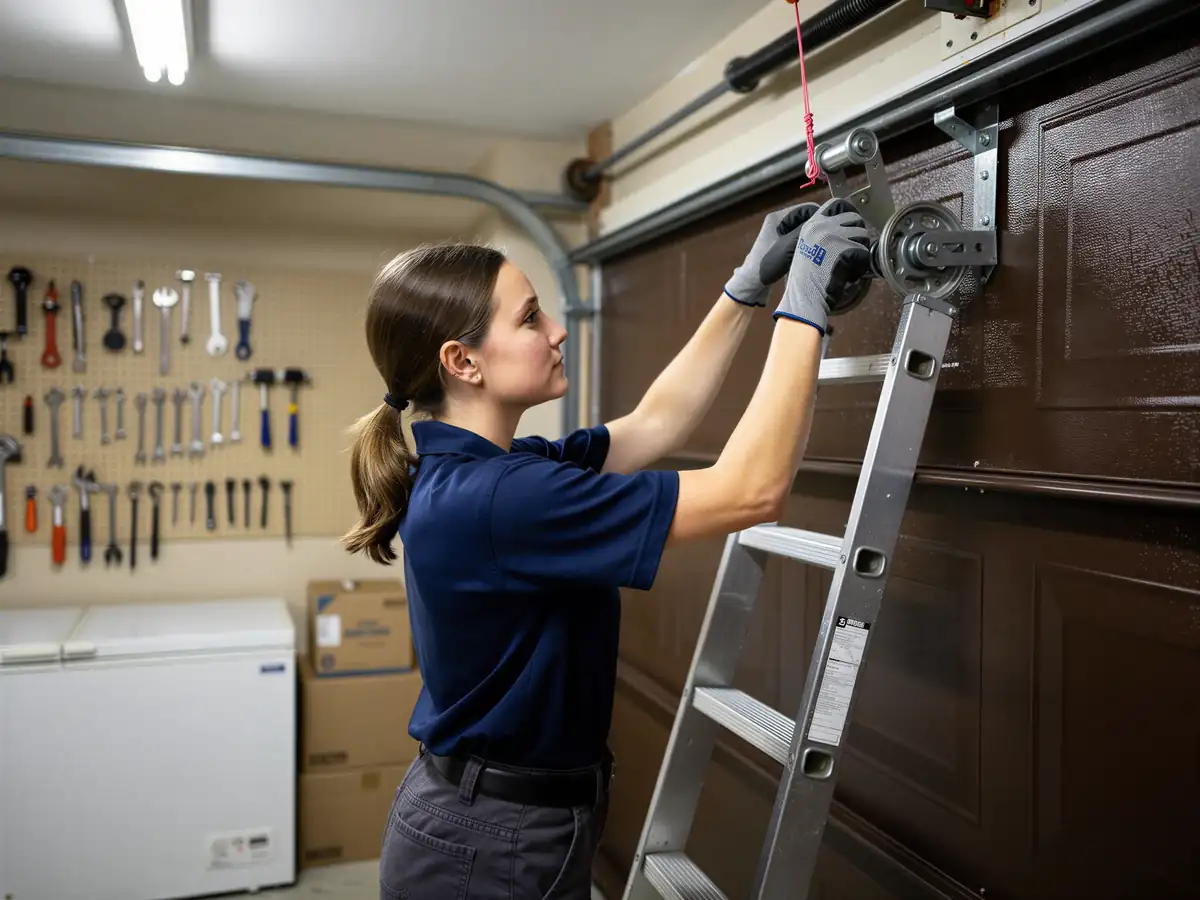
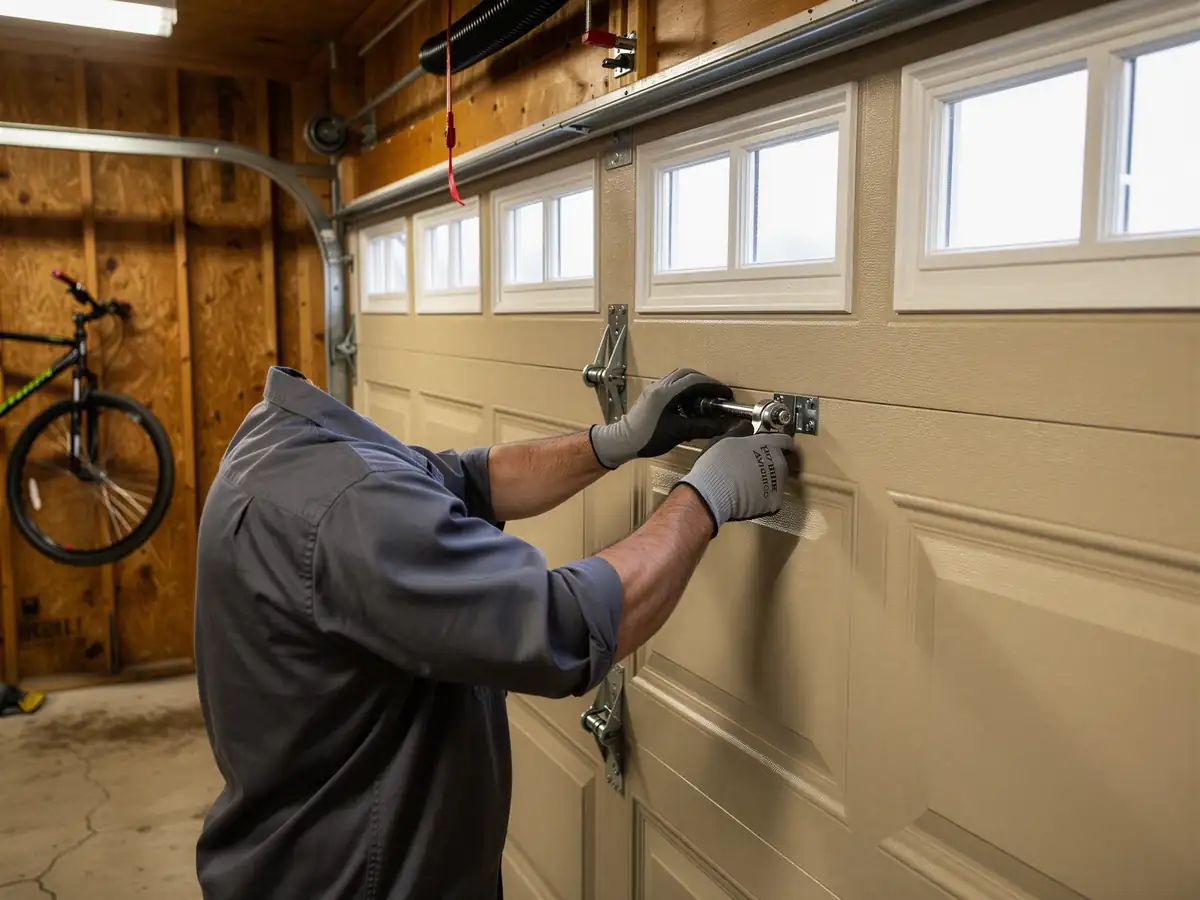
Track and roller wear is the other common call here. Houses built through the 70s and into the 80s used steel rollers on steel track as standard, and three or four decades of use is enough to groove a track or flatten a roller. We true the track, swap worn rollers, and check hinge alignment on the same visit rather than treating it as three separate problems, since on a door this age the wear usually shows up together, not one part at a time.
The Symptom
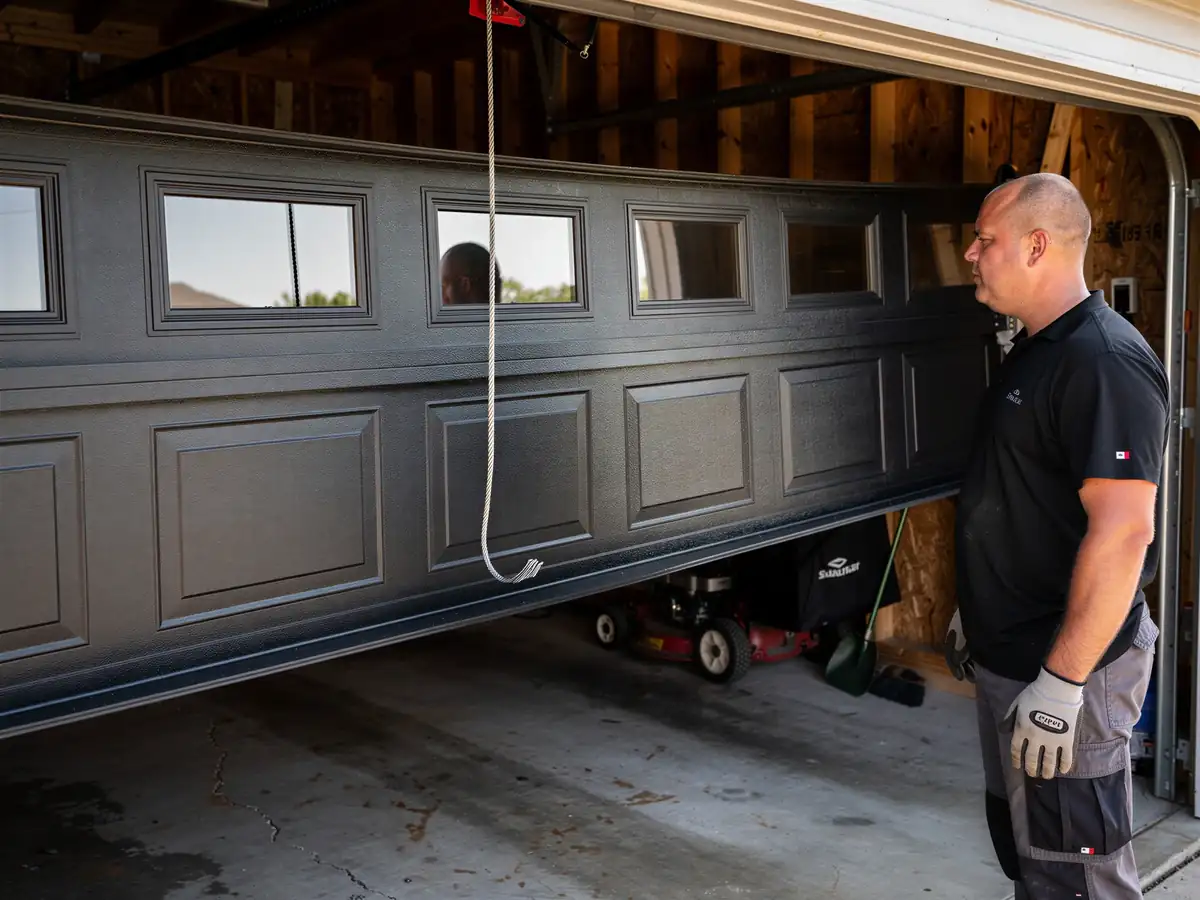
The call we get most from this side of the service area is a door that won't fully close
Or one that slams the last foot instead of settling. On a 1970s extension-spring door, that's almost always a spring that's lost tension or a cable that's starting to fray at the drum - not the opener, even though the opener gets blamed first.
A close second is a door that's noticeably heavier to lift by hand than it used to be
That's the spring losing its wind gradually rather than snapping outright, and it's worth a call before it does snap, since a spring under full load that finally gives can bend the track or damage the bottom panel on the way down. With median household income in this area at $87,760, we find owners catching this one early rather than waiting - it's a cheaper fix before the spring fails outright than after.
Getting It Booked In
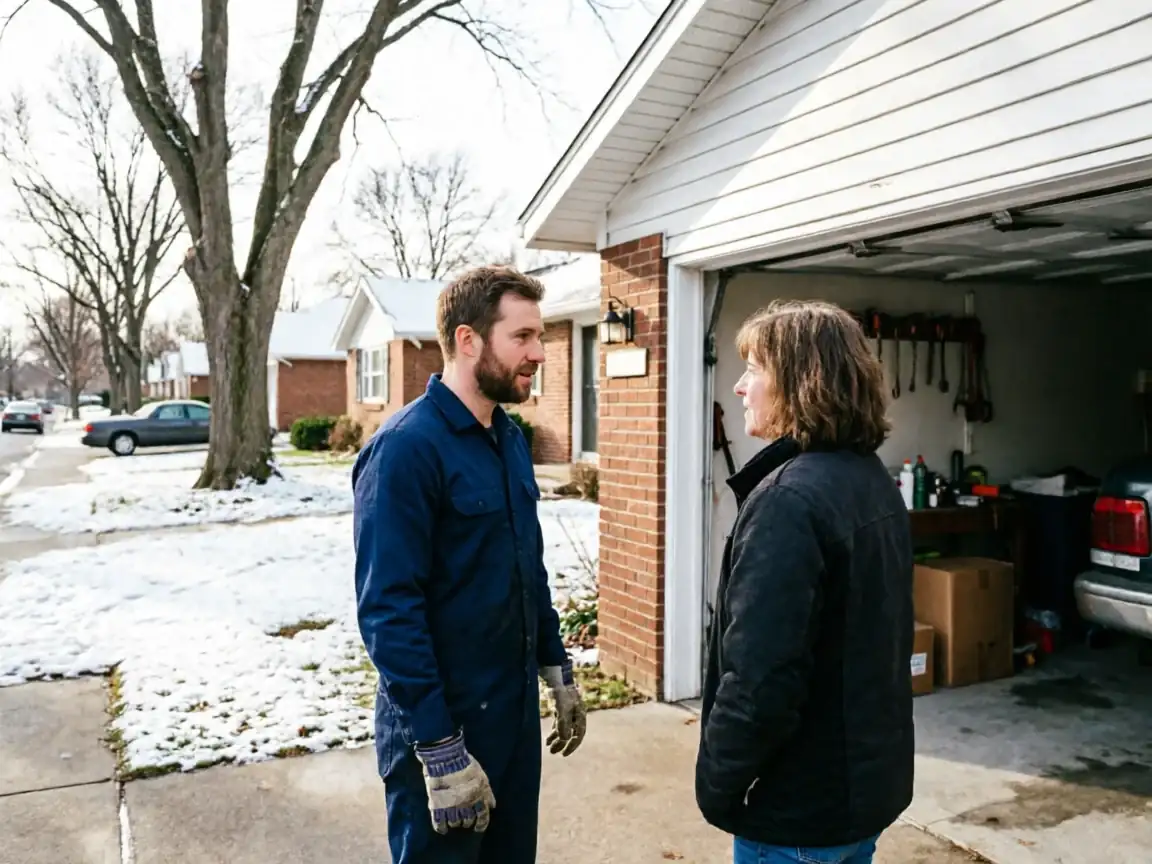
Call it in and tell us it's a Morton address so the trip from Peoria gets planned into the day rather than tacked on at the end. A description of the symptom - won't close, heavy to lift, off the track - helps us load the right spring size and hardware before we leave, which matters more here than it would for a job five minutes from the shop.
We don't keep a branch or a standing crew in Morton; every visit travels the 12 miles from Peoria, so the honest answer on timing is that it depends on the day's route, not a fixed window we can promise over the phone.