Stocked Parts
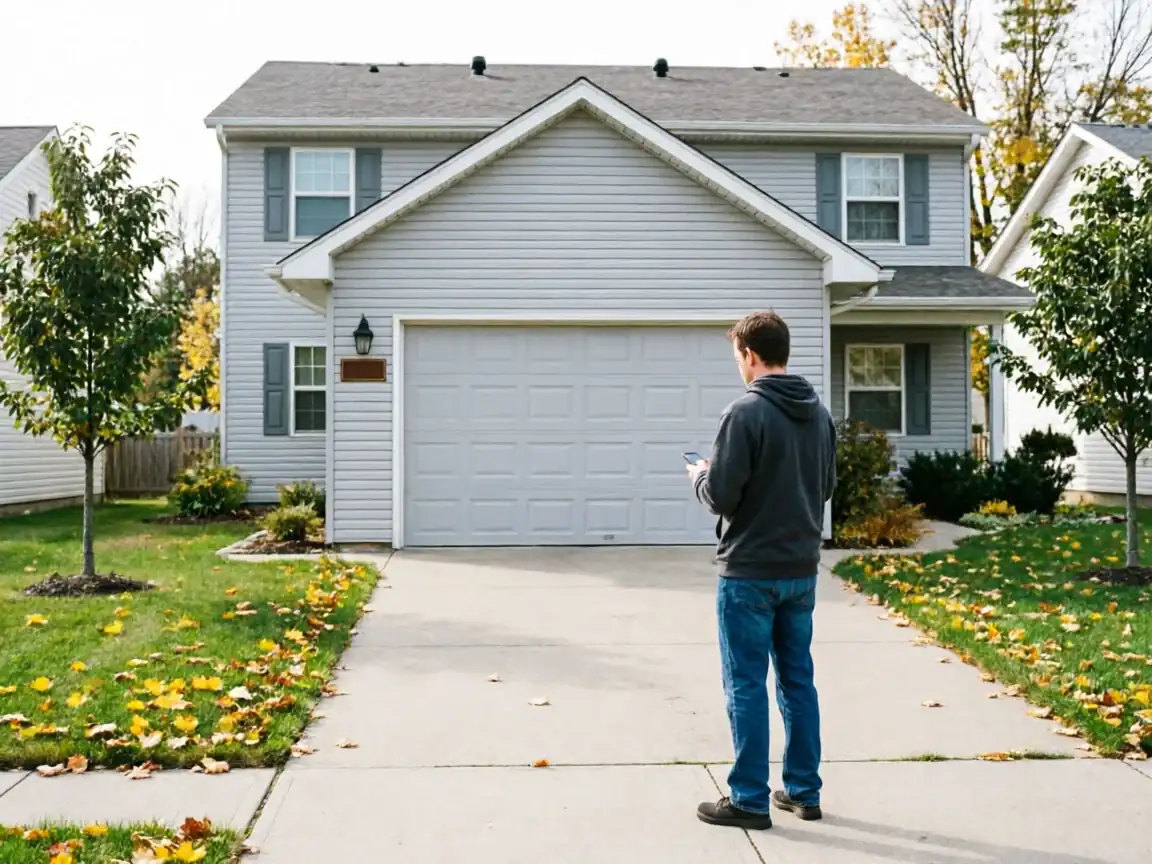
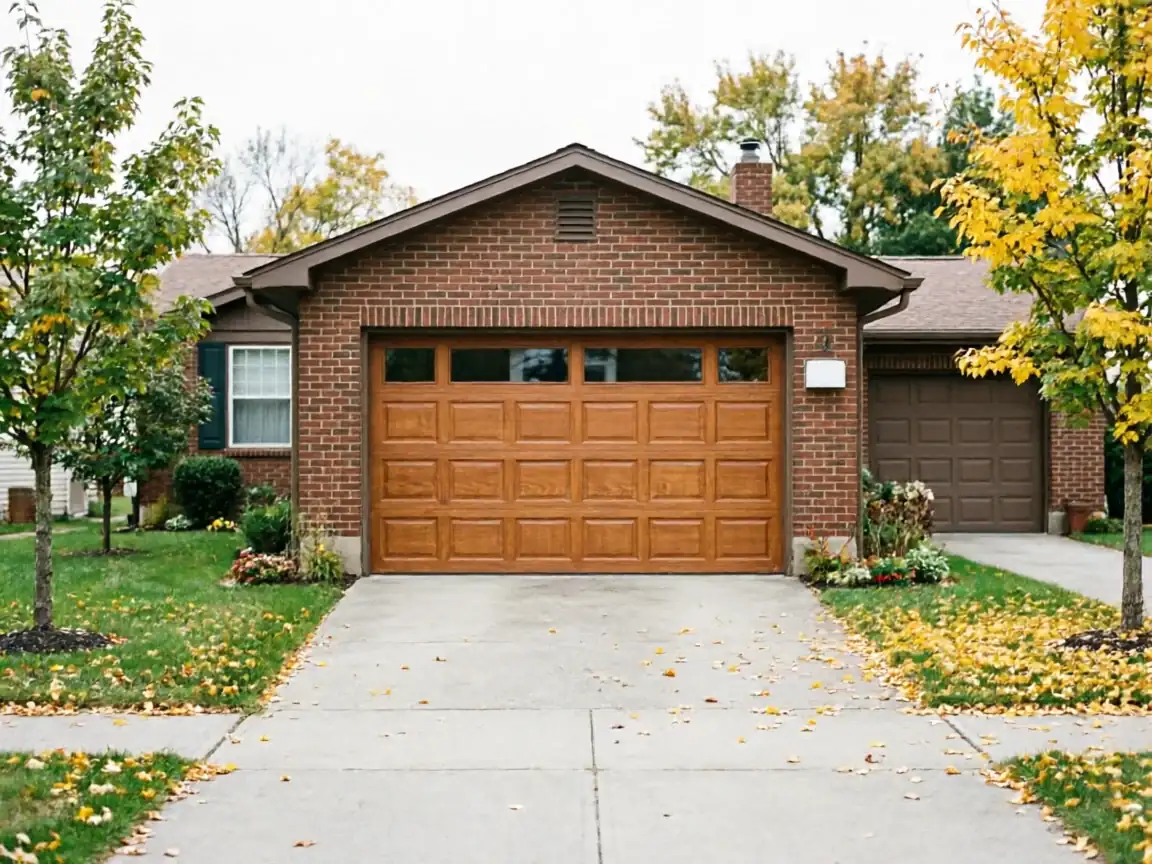
A lot of Morton is built out from the mid-1970s
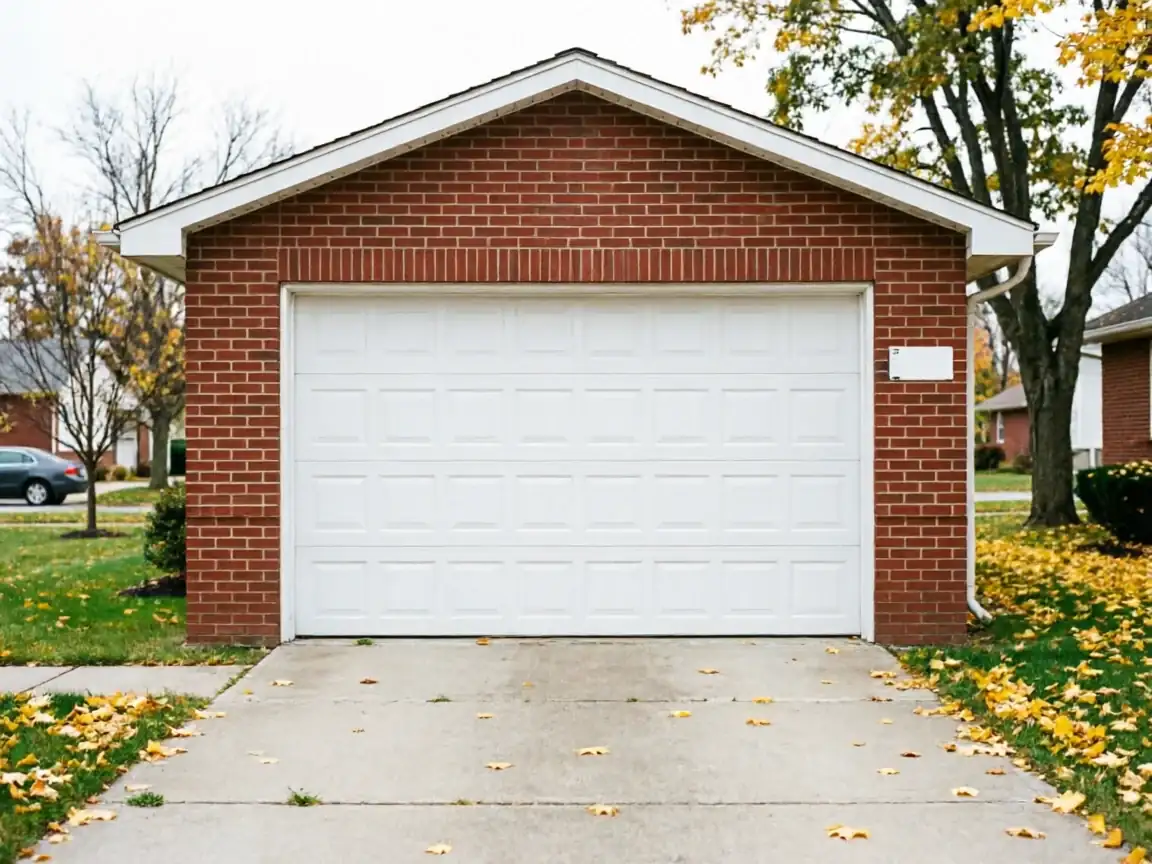
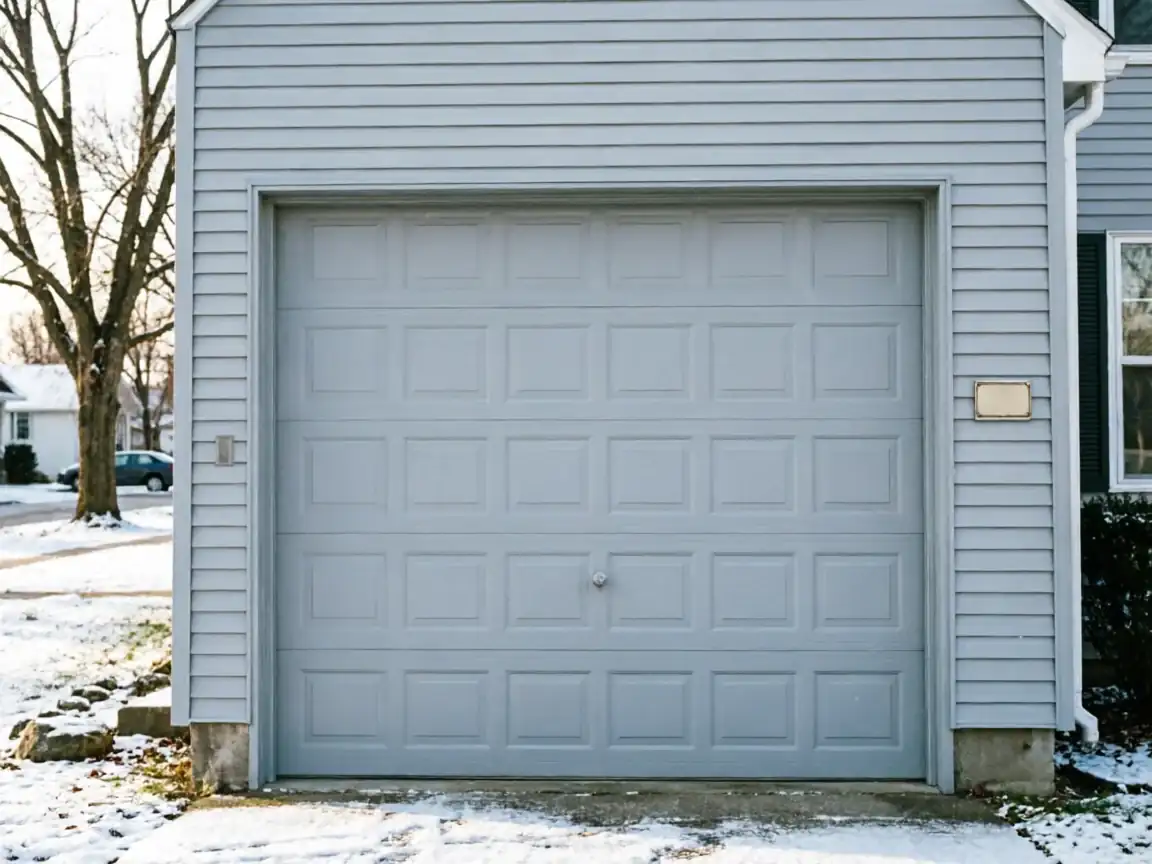
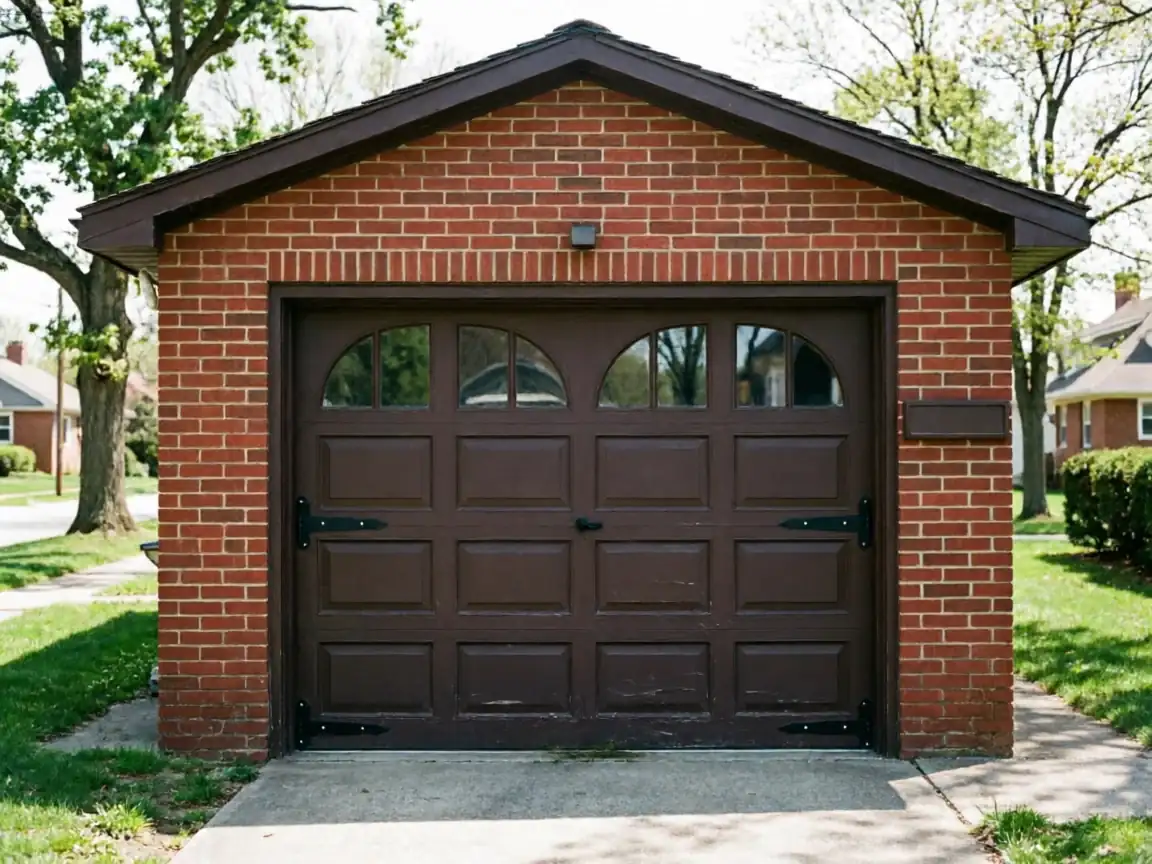
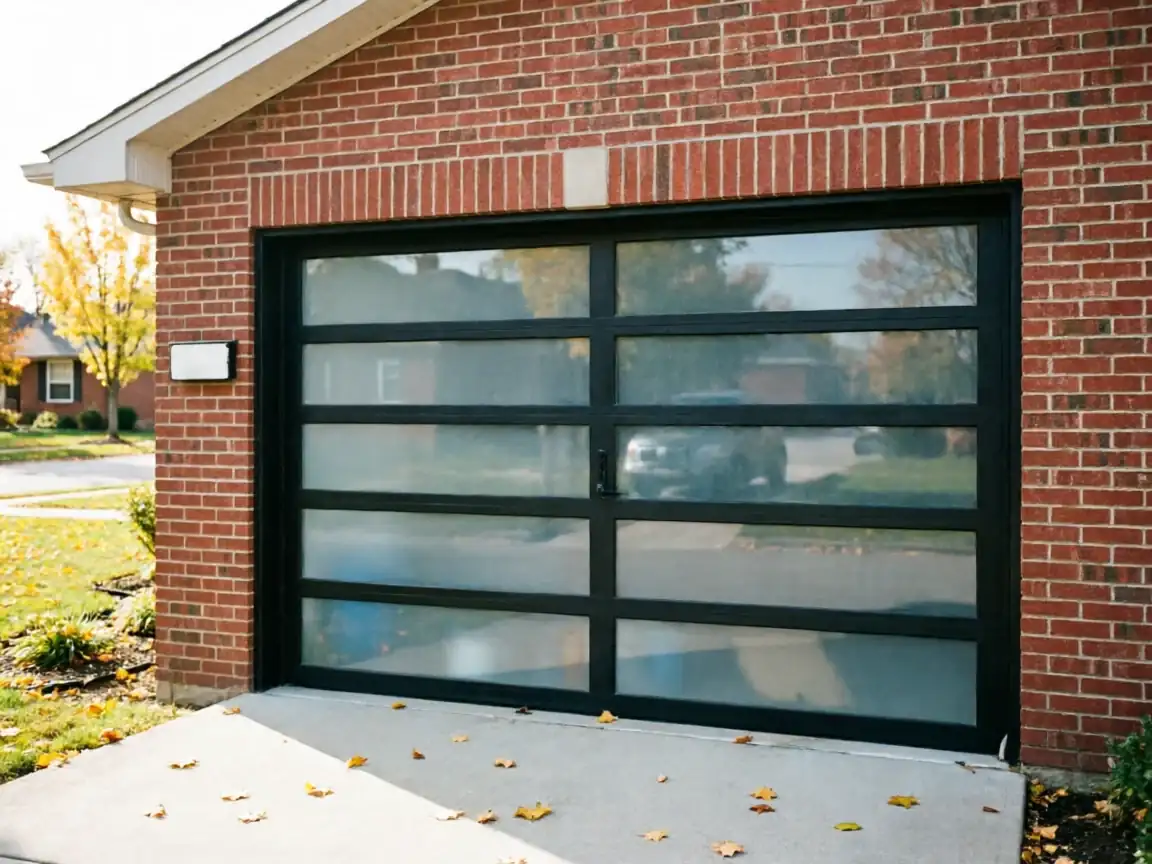
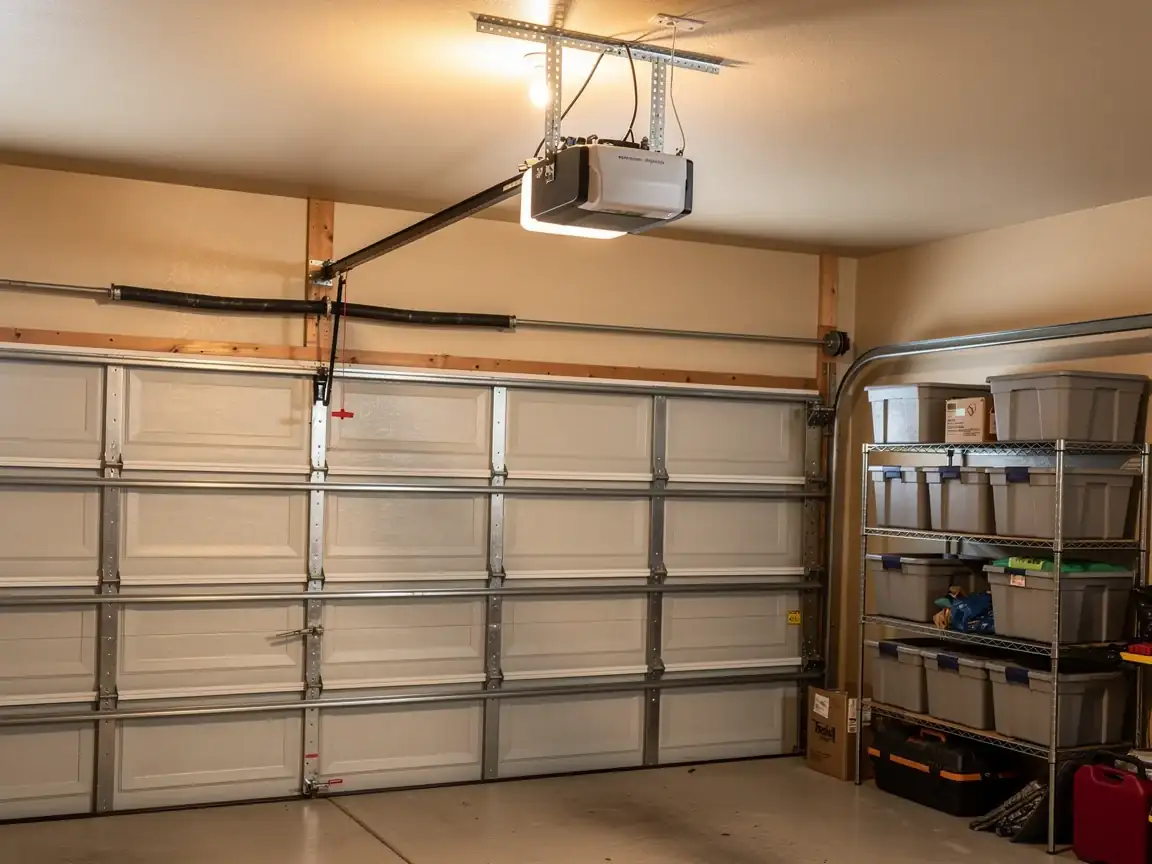
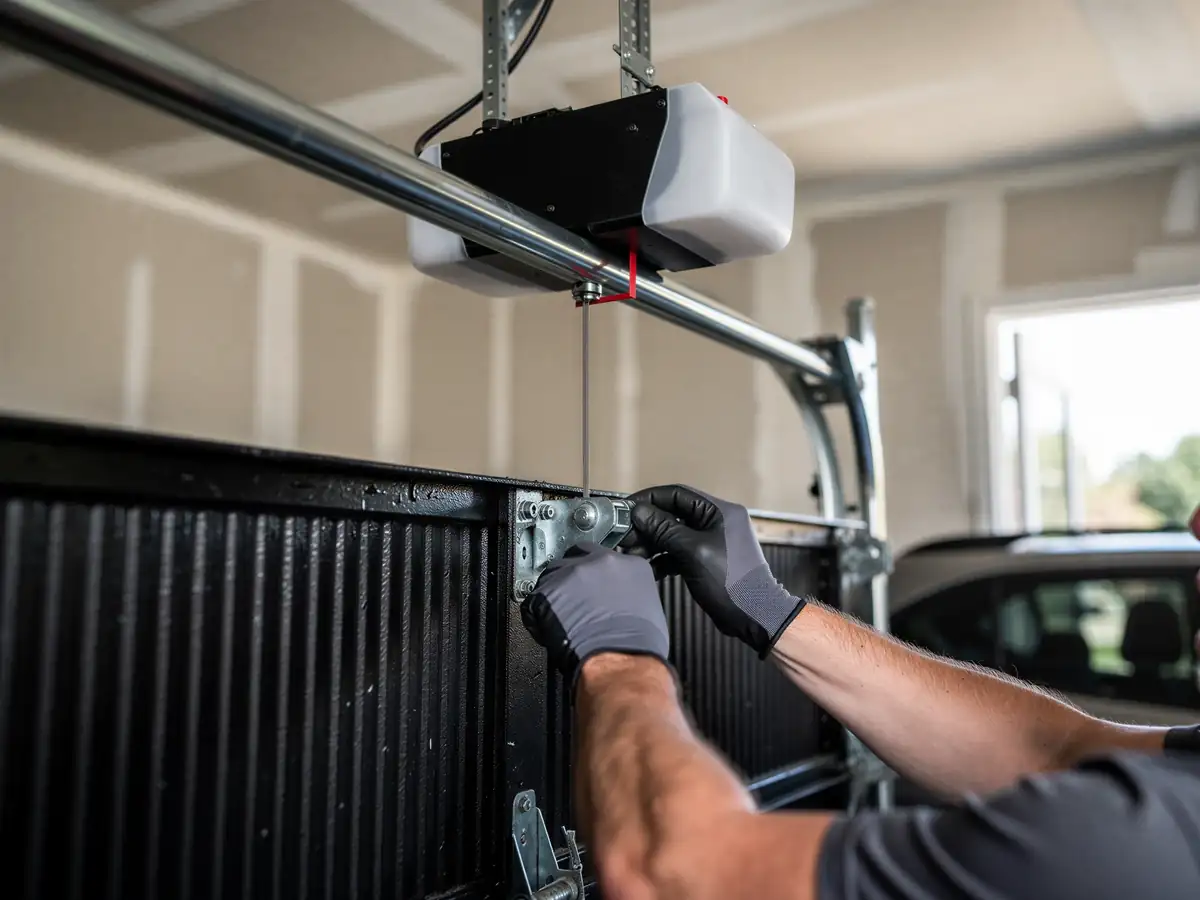
And the garages from that era came with whatever opener the builder's electrician had on the truck that week - usually a 1/3 horsepower chain drive bolted to a wood header. If that unit is still up there, the odds are good it's never been swapped, just patched: a new remote here, a logic board replacement there. We carry belt and chain drive openers in the ranges that actually fit a 1975-vintage single-car or two-car opening, plus the safety sensors that those garages never had when they were built - older units in this part of the state predate the reversing-sensor requirement entirely. We don't stock every brand's proprietary rail system, so if you're set on matching an obscure existing mount exactly, that can mean a short wait on a part. Most jobs don't run into that, but it happens.
What we won't do is sell you a heavier-duty commercial-grade opener for a door that doesn't need it
A standard residential door on 1970s hardware doesn't need an industrial-rated motor, and we'll say so.
How Long You Are Without the Door
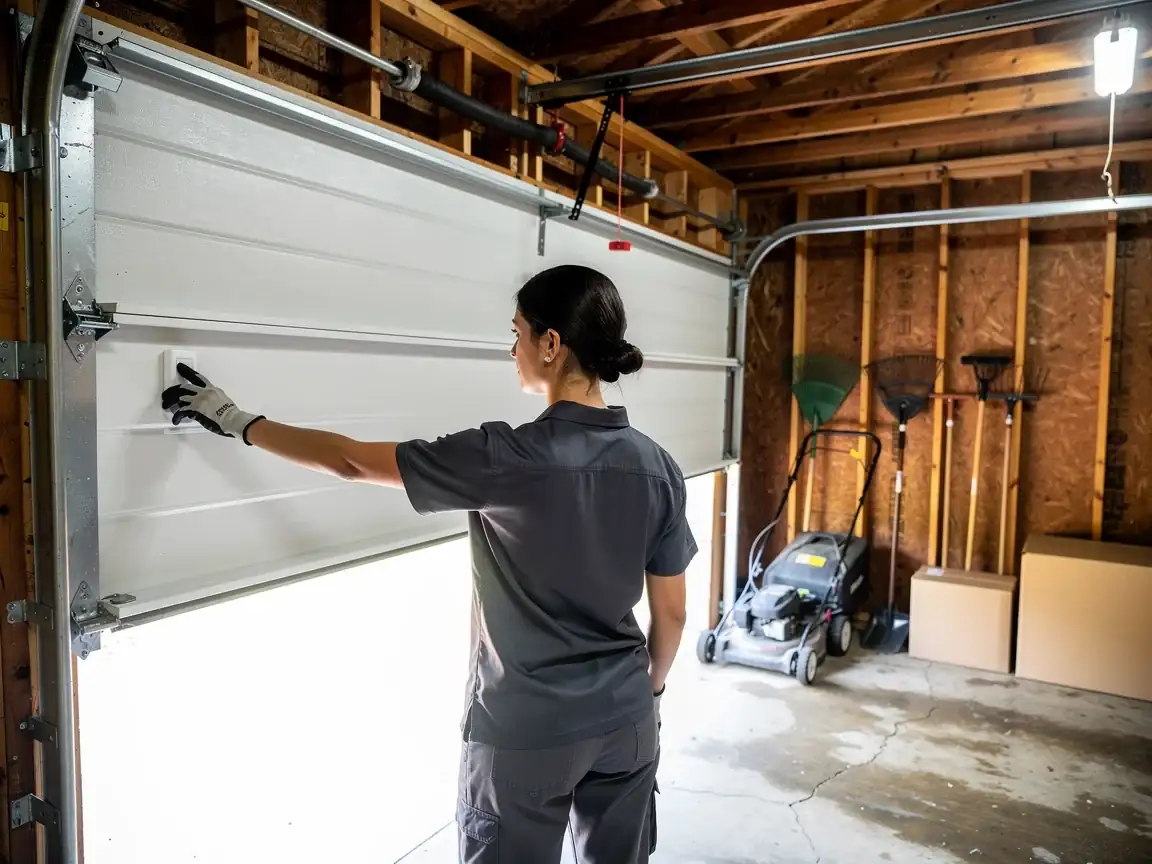
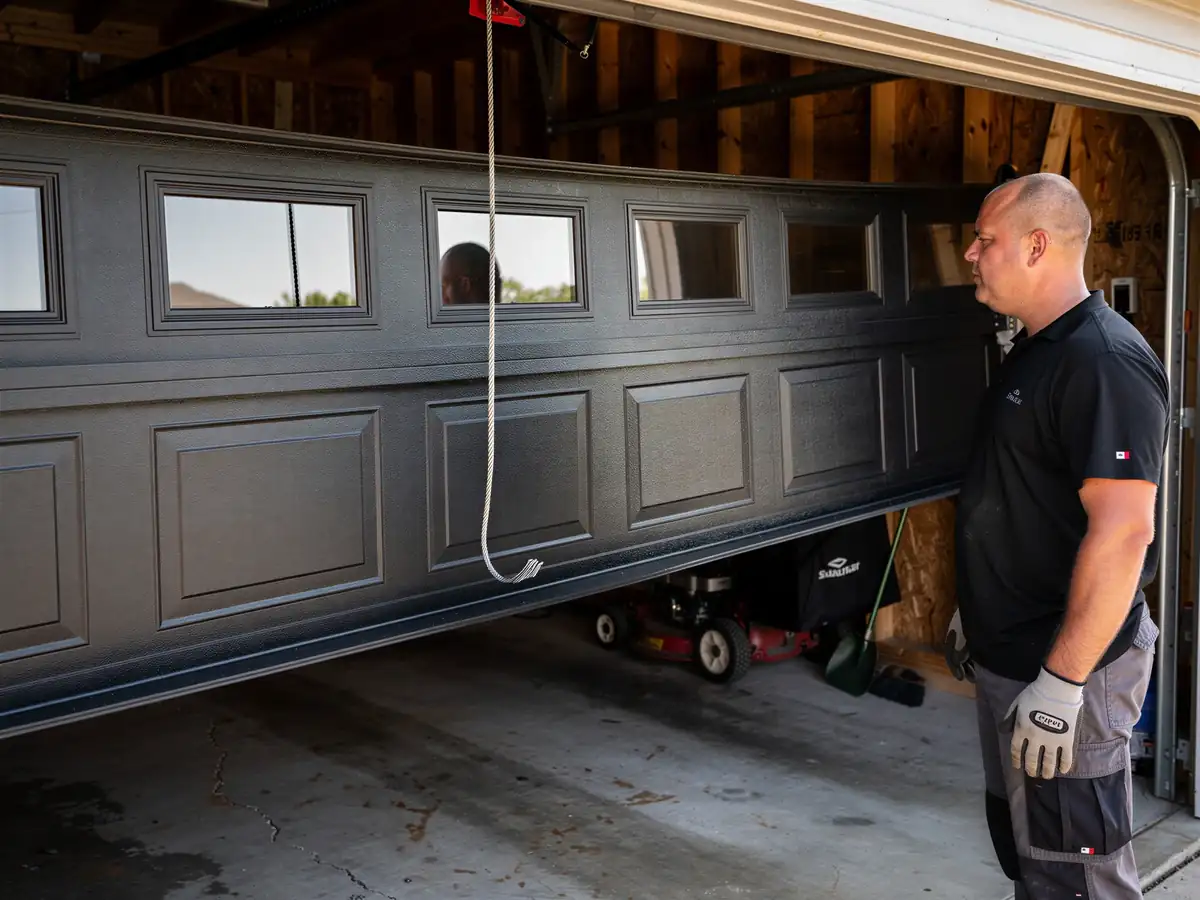
We come from Peoria, about 12 miles out, so the opener swap itself is a same-visit job once we're on site - the travel is the only lag, not the install. A straight opener replacement on an original 1975 setup, where the track and springs are sound, usually runs a couple hours start to finish: old unit off the header, new rail set, wiring to the wall station, safety sensors aligned and tested. If the original track is bent or the springs are sized for a different opener's lift force, the clock runs longer, because now it's not just an opener swap - it's a hardware correction, and we'd rather tell you that up front than rush it and have the door bind in January.
How We Fix It
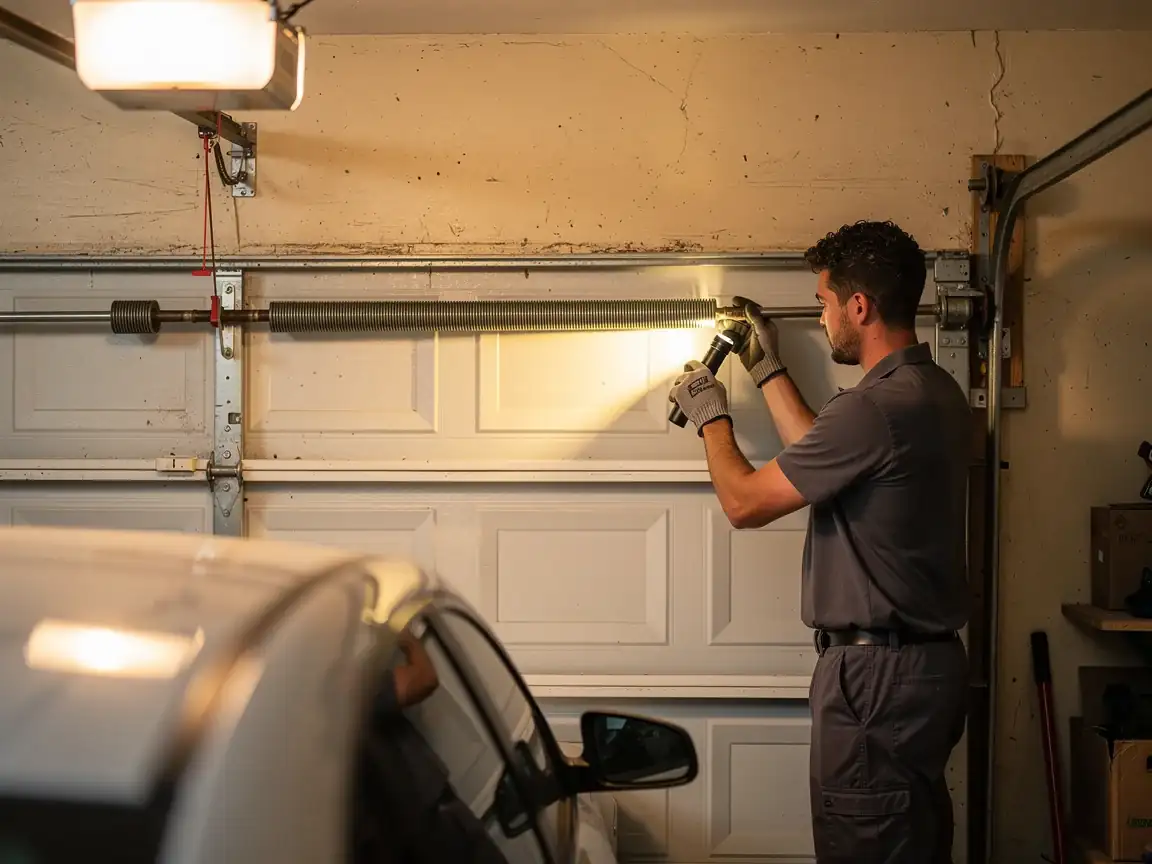
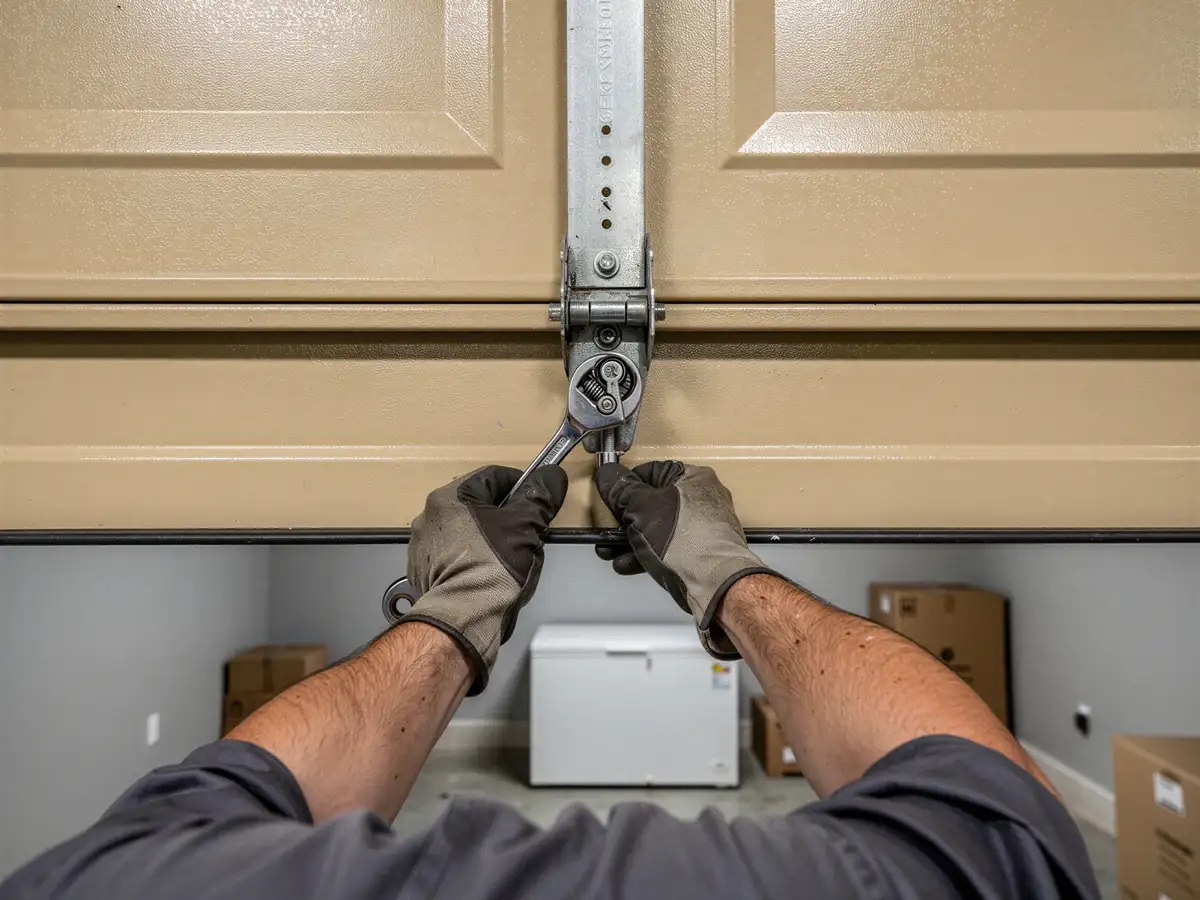
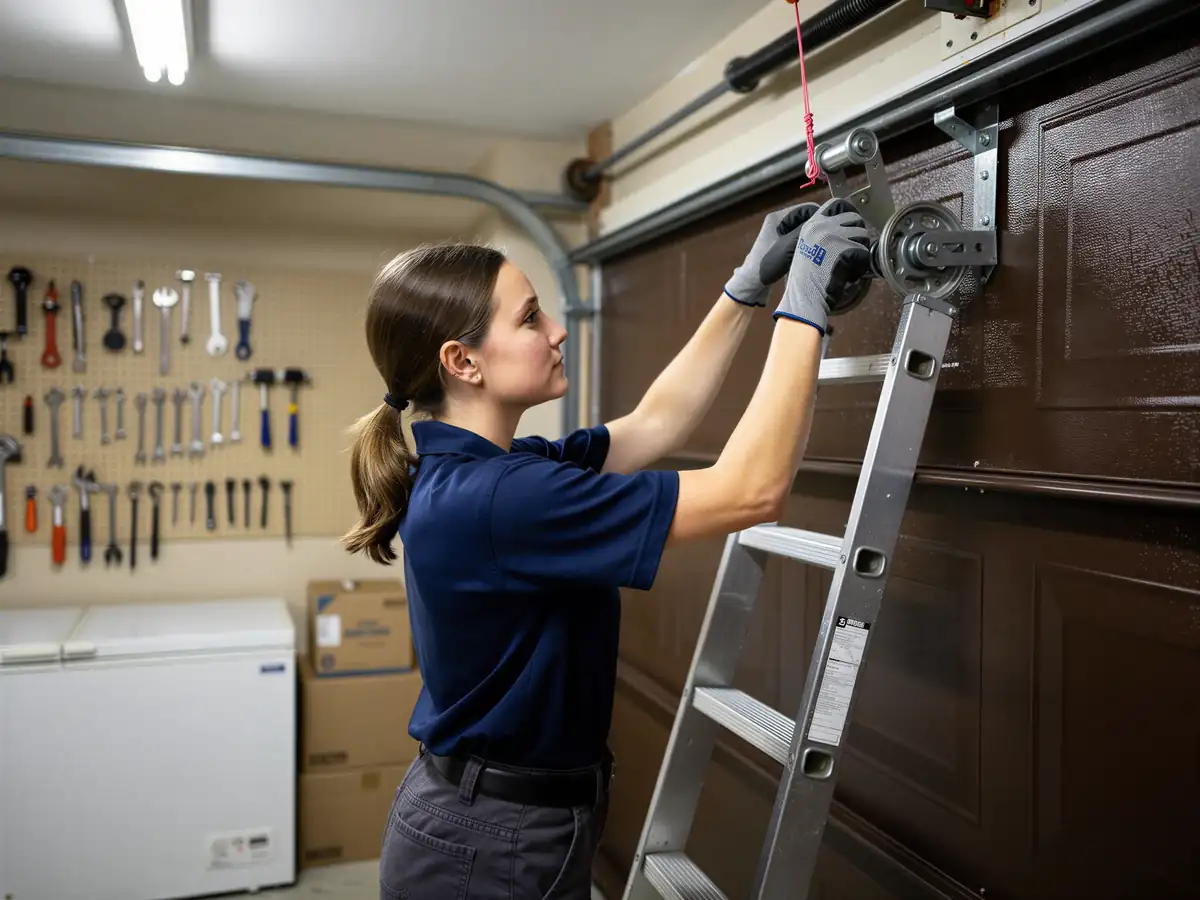
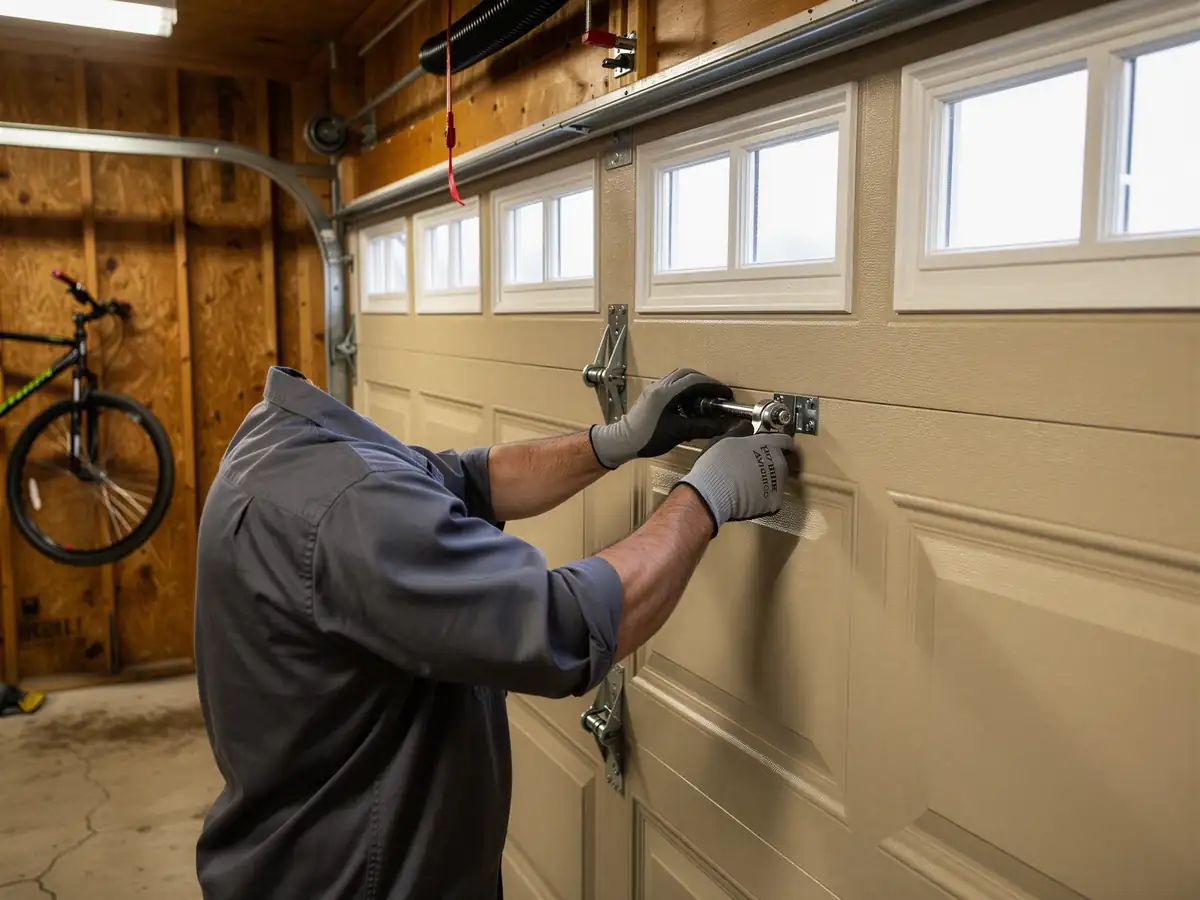
First thing we check on any Morton call like this is the opener's age against the door's age, because they're not always the same. A house built around 1975 sometimes already had its opener replaced once in the 90s or 2000s, and sometimes never. We test the existing unit's force settings, look at the rail for sag, and check whether the wall button and sensors are original or a later addition - mismatched reversing sensors from two different eras are a common reason an opener seems to fail randomly. From there we size the new motor to the actual door weight, not just whatever model is on the shelf, mount the rail square to the header, and run the force and travel limits by hand rather than trusting factory defaults, since a header that's settled a little over fifty years changes the geometry slightly.
Getting It Booked In
If you're not sure whether your opener is original to the house or a later replacement, that's fine - we can usually tell within a few minutes on site from the motor housing style and the sensor wiring. Given Morton's housing mostly dates to the 1970s, that's our starting assumption, and it's right more often than not. Get in touch and we'll set a time to come out from Peoria and take a look before quoting anything.
See our Morton coverage page for the broader service area, or the Peoria opener installation page for how we handle this job city-wide.