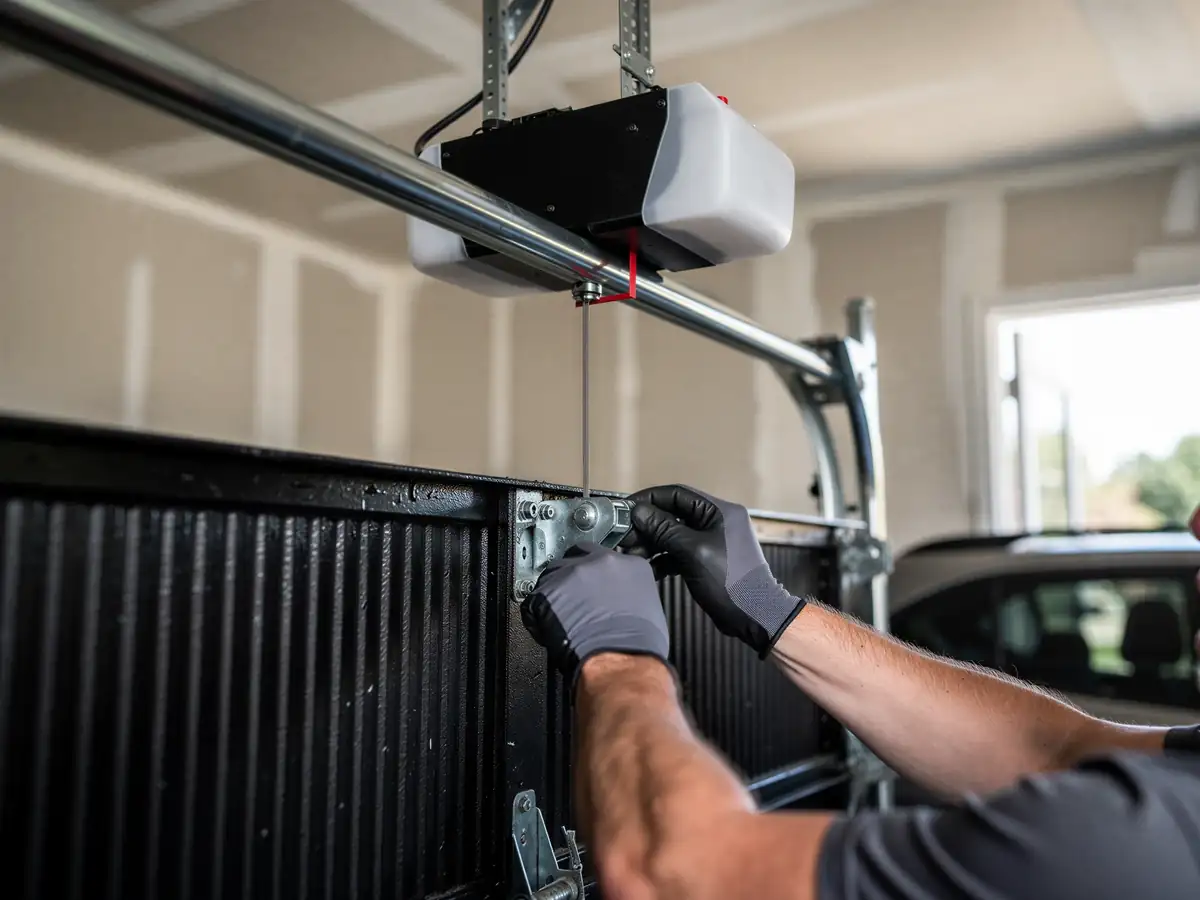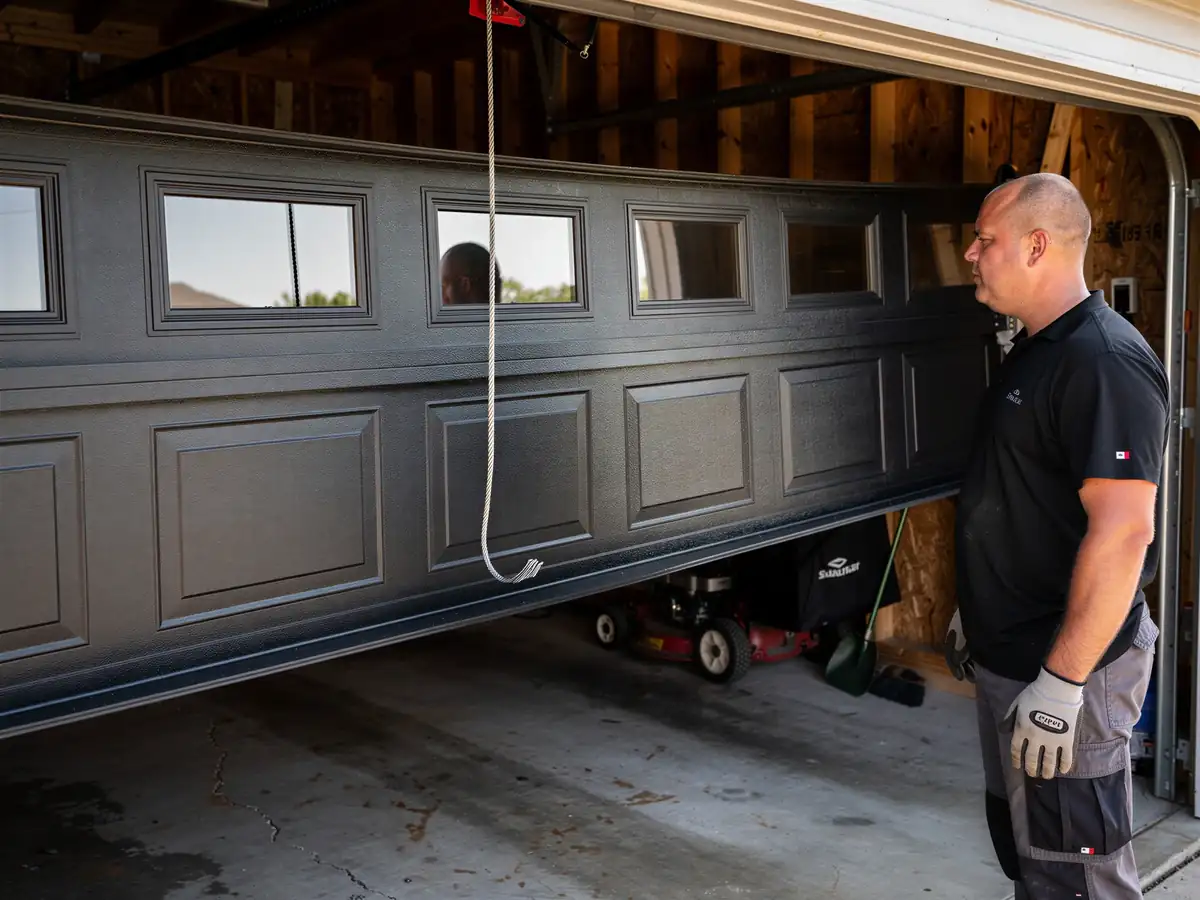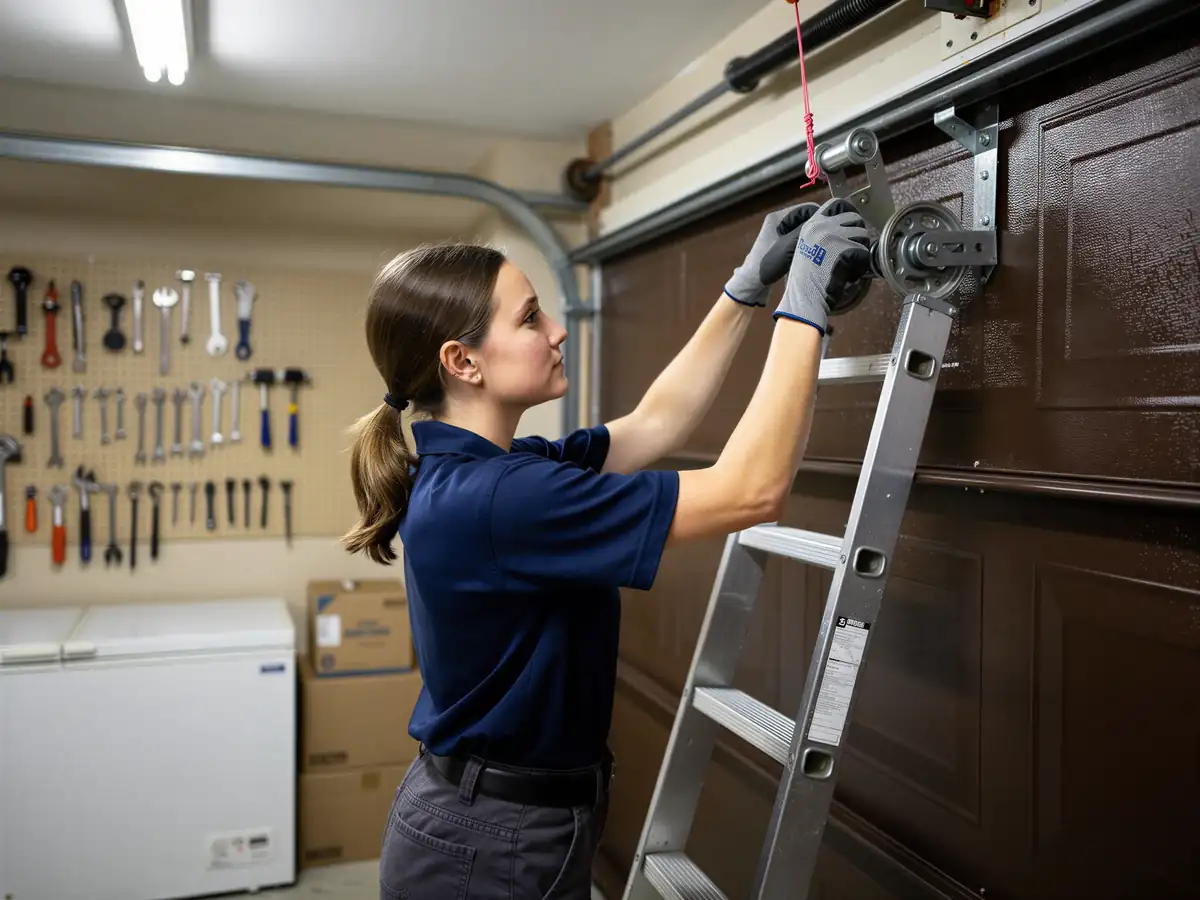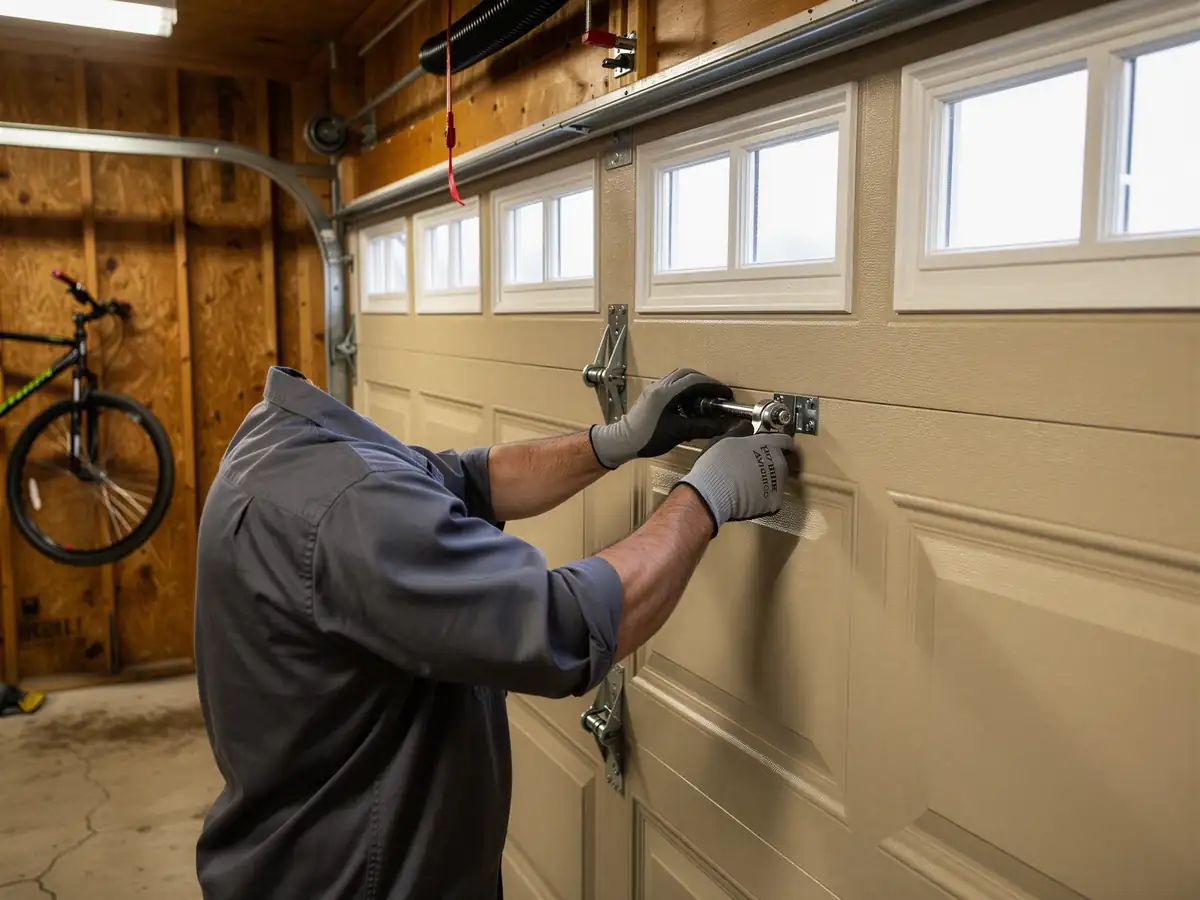
Stocked Parts
Morton's median home was built around 1975
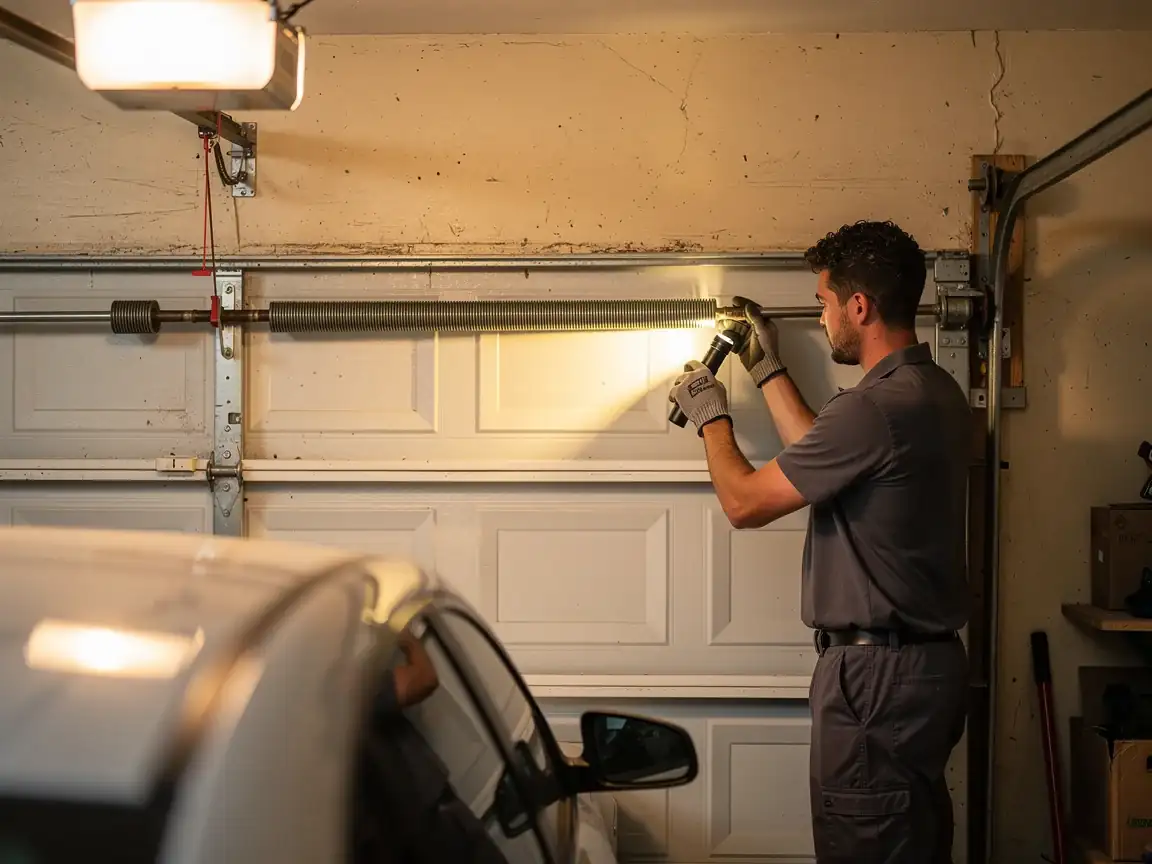
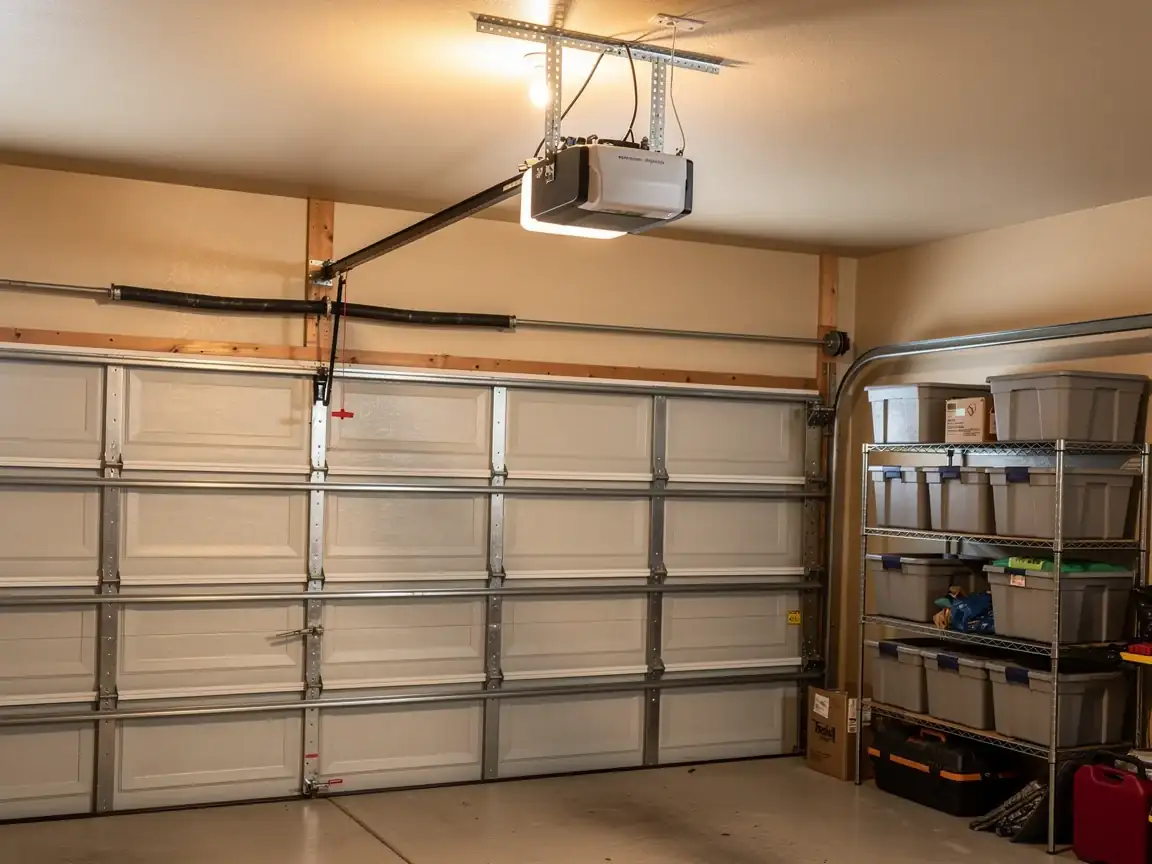
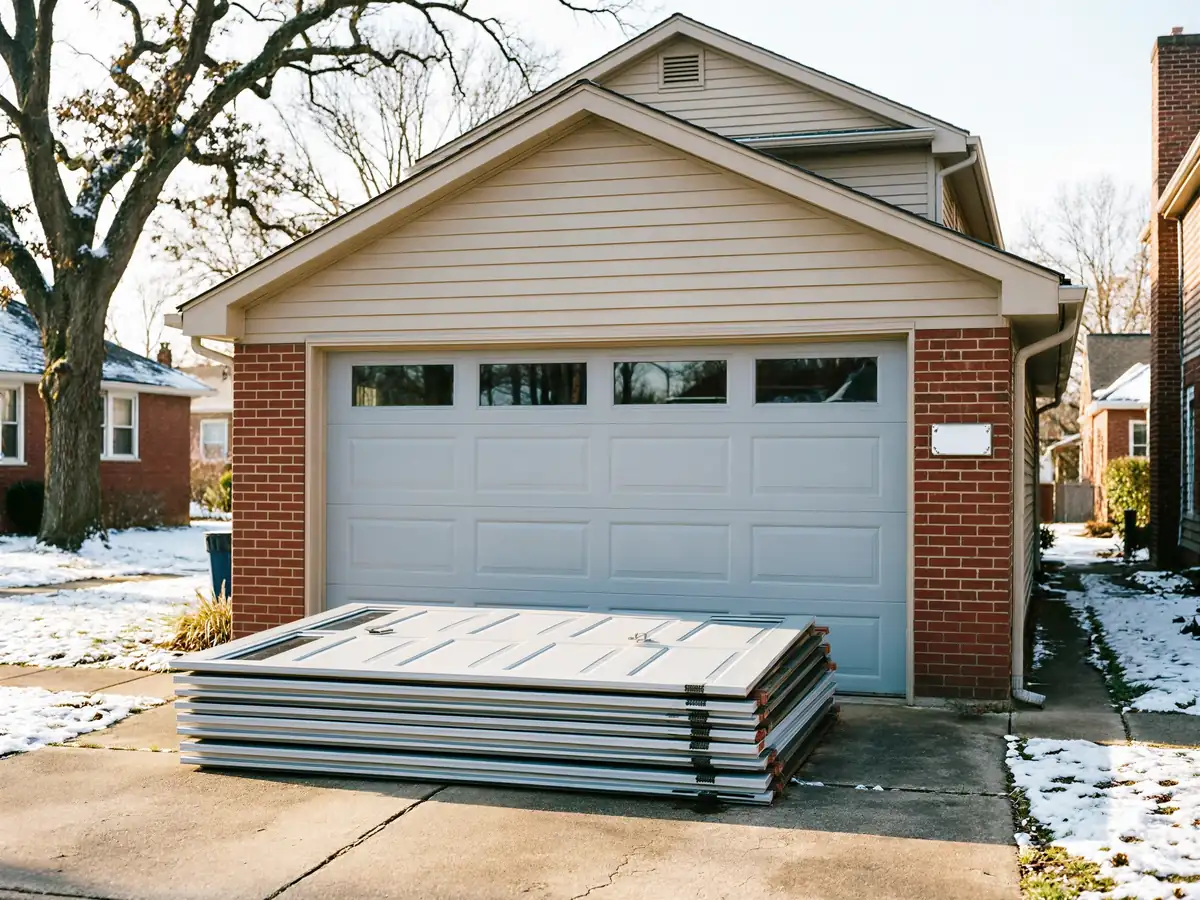
Which puts most garages in the torsion-spring era rather than the older extension-spring setups you still see on pre-war stock elsewhere in the service area. By the mid-70s, builders had largely standardized on torsion springs mounted on a single shaft above the door, paired with steel panel doors instead of wood. That means when we come out, we're usually carrying 7x1.75 and 7x2 torsion springs, standard-lift steel panel hardware, and galvanized rollers sized for that era's track width. What we don't always have on the truck is anything specific to a custom door installed later as a replacement - if a homeowner upgraded in the last decade to a heavier insulated door or a wider opening, that can mean a parts run back to the shop before the job finishes. Worth knowing before you book: if your door isn't original to the house, tell us the brand when you call, since it changes what we load up.
The steel panel doors common to this build era hold up fine structurally but the factory-grade hardware
Hinges, end bearing plates - tends to wear out around the 40-45 year mark, which lines up with where a lot of Morton garages sit right now.
- 45 year
How Long You Are Without the Door
We run out of Peoria, about 12 miles from Morton, so there's drive time built into every call - we're not quoting a response window we can't back up from here. What determines how long your door is actually down is less the drive and more the part. A snapped torsion spring, which is the single most common call on 1970s-era doors like the ones standard across Morton, is usually a same-visit fix because that's exactly the hardware we stock for this housing age. An opener motor that's seized or a track that's bent from a backed-into door takes longer if the model needs a part we don't carry, since Morton's housing predates a lot of today's opener electronics and older replacement boards aren't always on the shelf.
Be upfront that we're not a Morton-based outfit with a local yard - every job here starts with a drive from Peoria. If your door failure leaves the opening unsecured, say so when you call so we can plan the visit accordingly.
How We Fix It
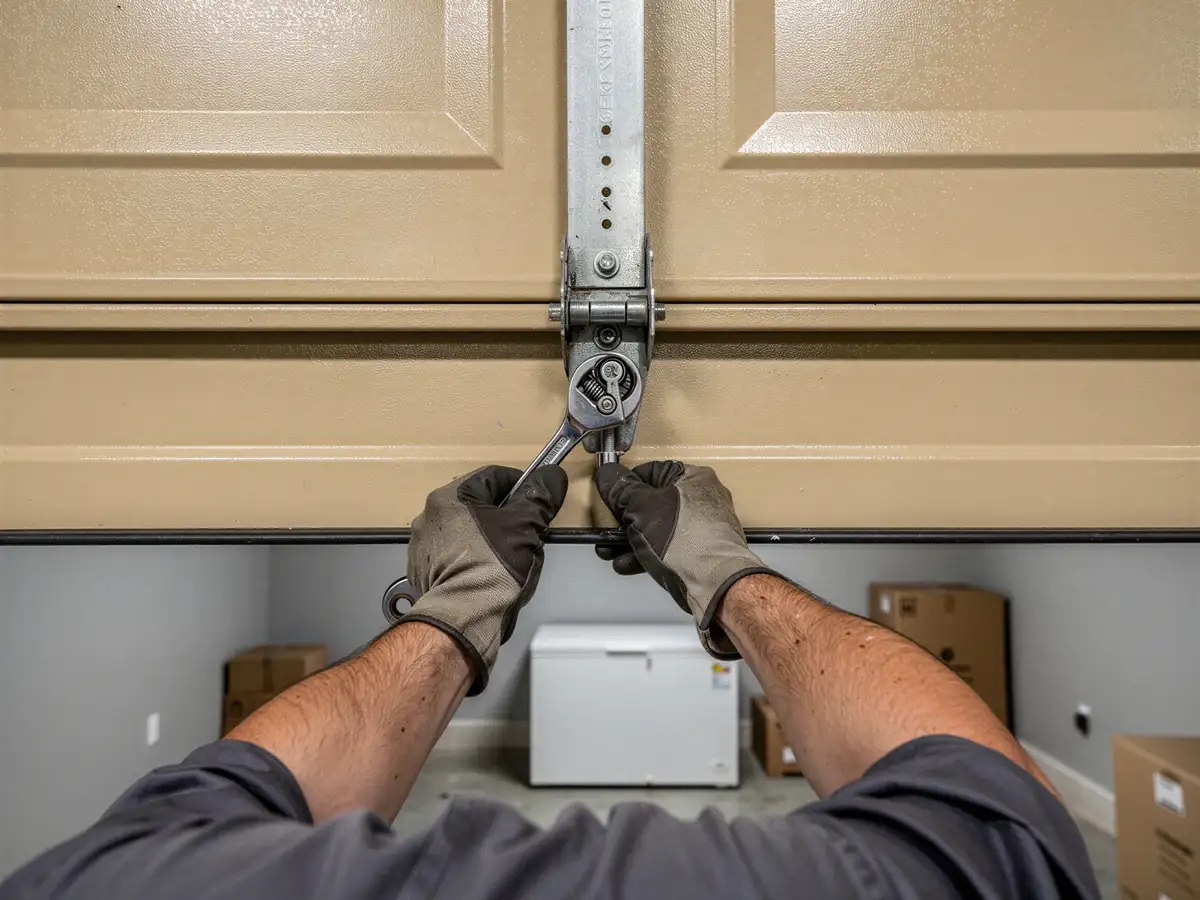
On a 1970s torsion-spring door, the fix usually starts with checking whether the spring broke clean or is still partially wound, because that changes how we unload the shaft safely before touching anything else. Steel panel doors from this build era were hung with a fairly consistent hinge pattern, so once the spring's handled, we're checking the track alignment and the roller condition - rollers from the original install are almost always the next thing to fail, since nylon and steel rollers from 45-50 years ago wear faster than what's sold today.
We test the door balance by hand after any spring or cable work, not just by running the opener, because an opener can mask a door that's still out of balance and will strand you again in six months. If the opener itself is the complaint - not opening, reversing, or running loud - we check the logic board and the safety sensors before assuming it's the motor, since on older installs the sensors are often the actual culprit and a lot cheaper to fix than a full opener swap.
The Symptom
The call we get most from Morton is a door that won't move at all
With a loud bang reported sometime before it quit - that's a torsion spring letting go, and it's the single most common failure on the torsion hardware that became standard here by the mid-70s build era. Second most common: a door that opens but drifts shut on its own or won't stay up, which usually means the spring is still intact but has lost tension over decades of cycling, common once hardware passes the 40-year mark.
Less common but still a regular call is a door that's noticeably heavier to lift by hand than it used to be
That's usually one of a pair of torsion springs gone while the other still holds partial tension, which can trick a homeowner into thinking the door is just