Stocked Parts
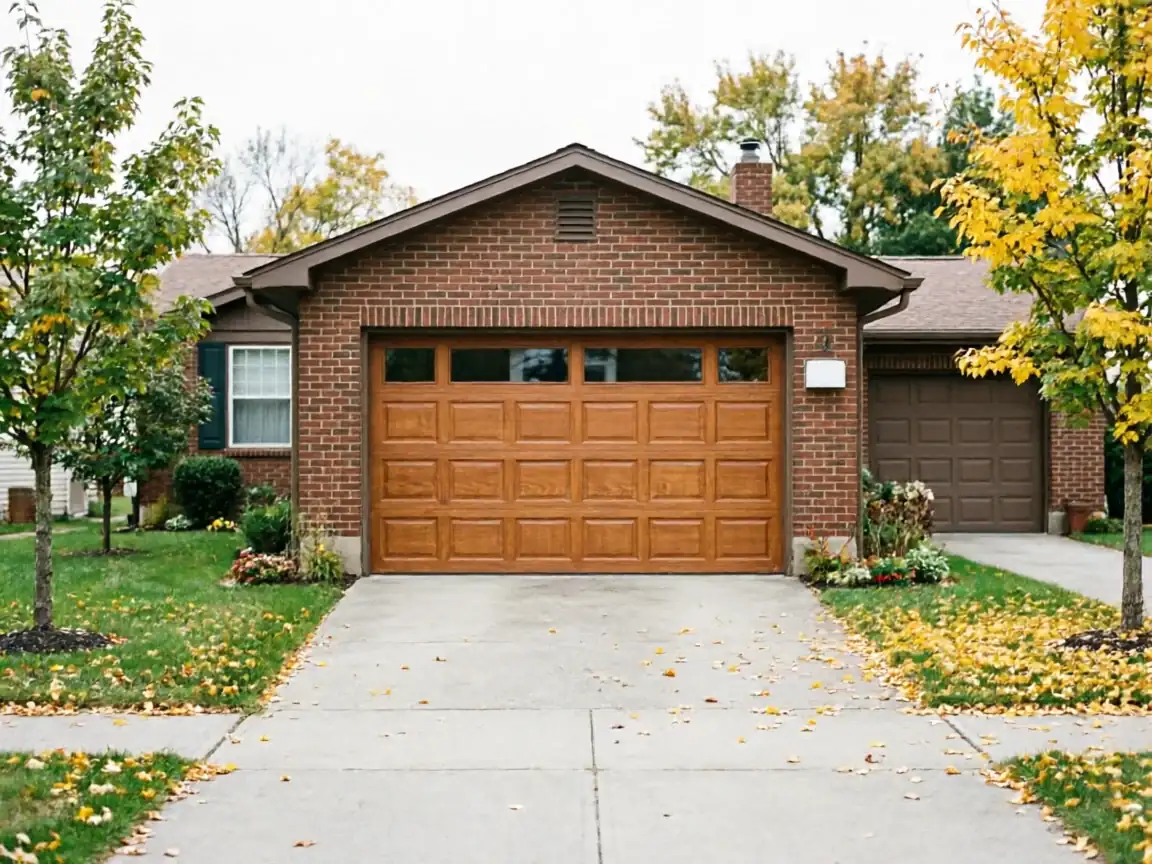
Bartonville's houses cluster around a median build year of 1956
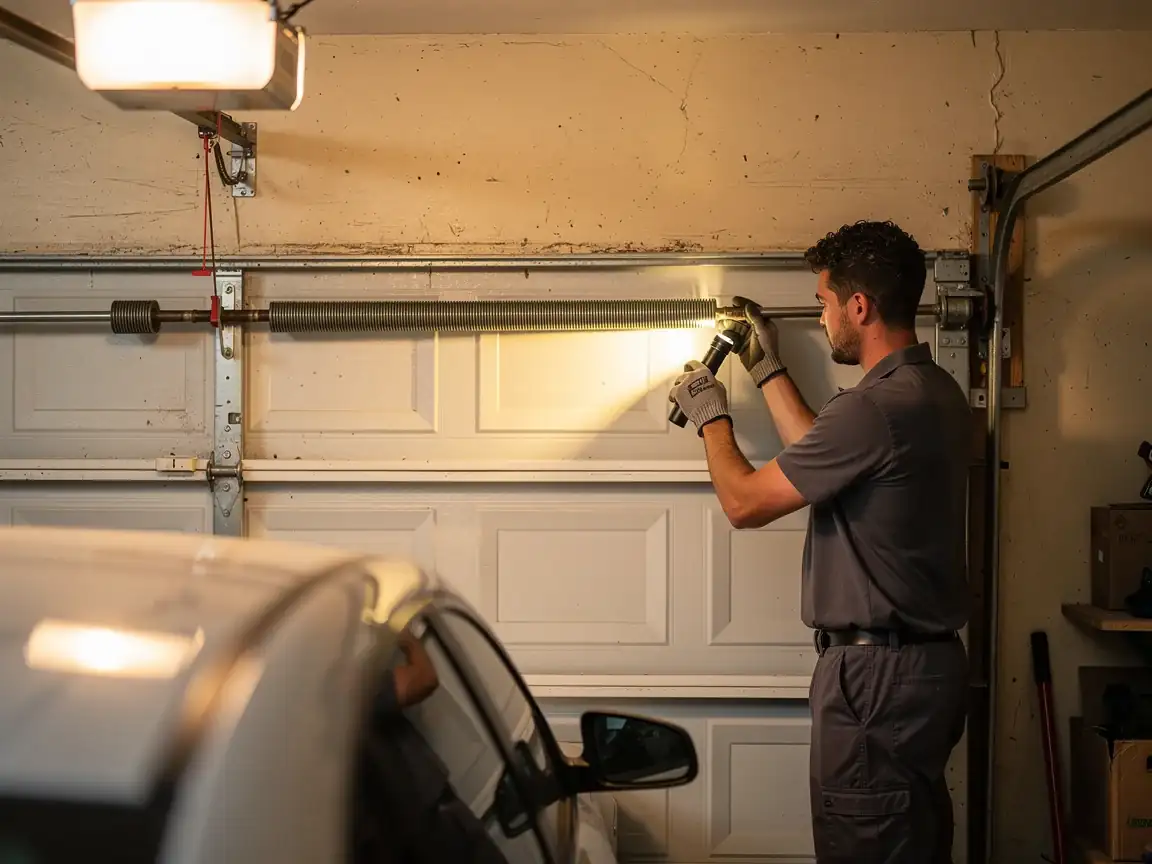
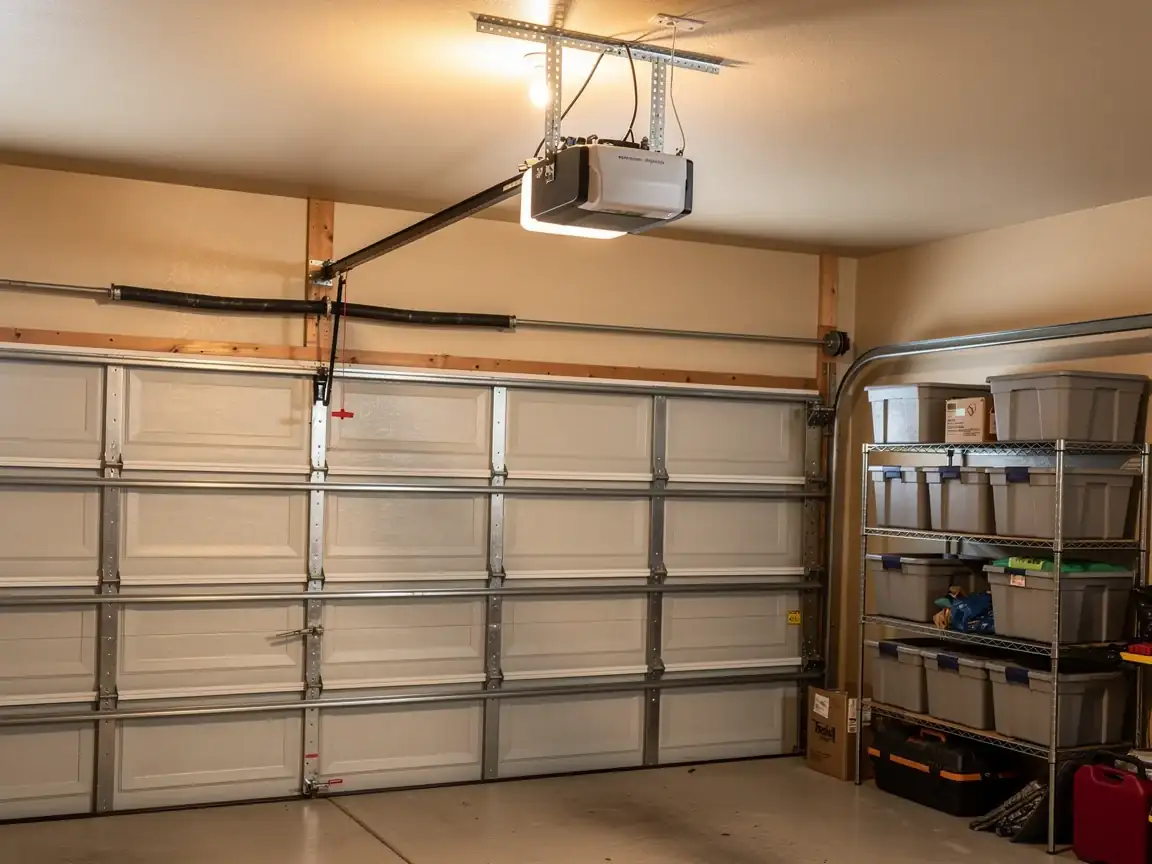
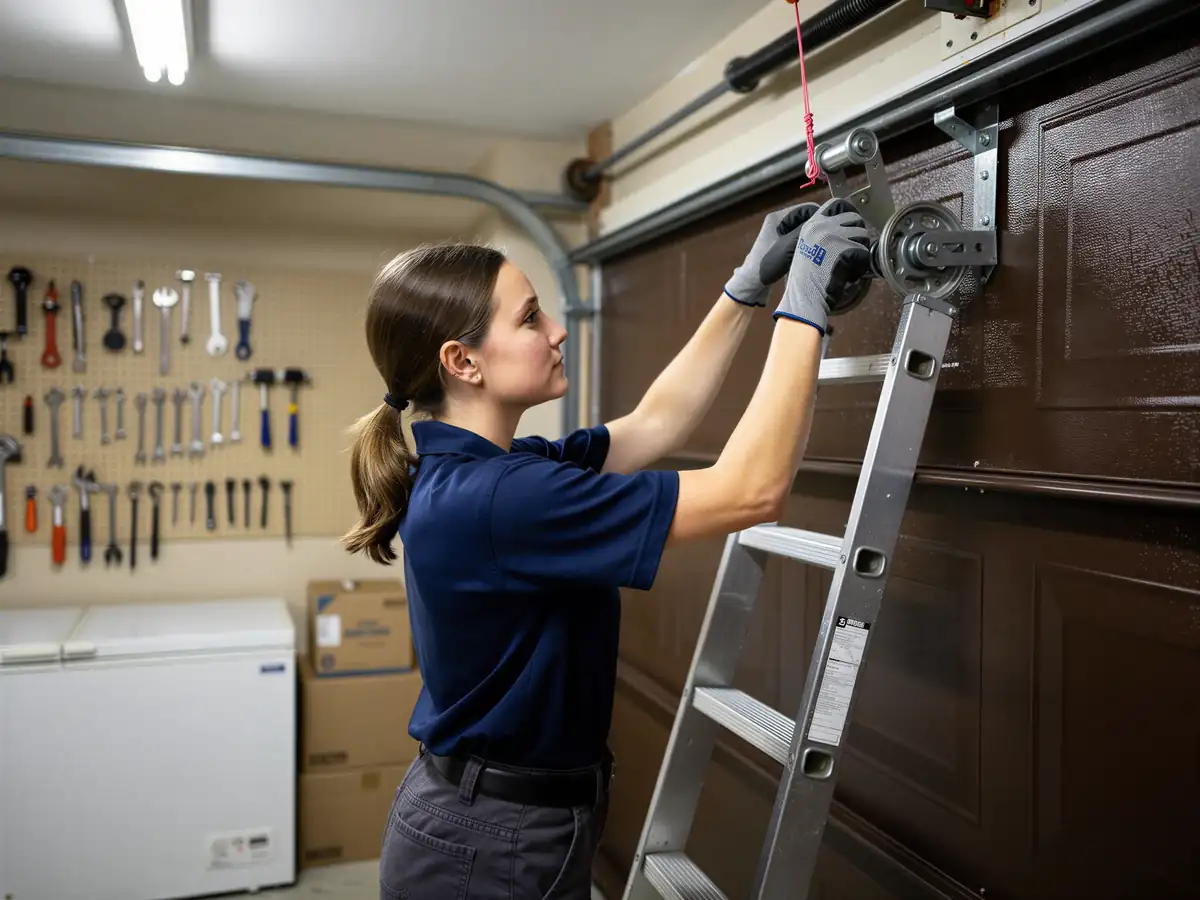
A good eight years ahead of the median across the wider Peoria service area. That matters for maintenance because a door built or installed in the late 1950s almost never got a full hardware swap later - it got a new opener bolted onto the same track, the same drum, sometimes the same spring. We carry torsion springs sized for the lighter, single-layer doors common to that era, plus the flat-stem rollers and lag-style track brackets that turn up on houses this age. What we don't stock on the truck are parts for European-style doors or anything with a counterbalance system from the last decade - different animal, different visit.
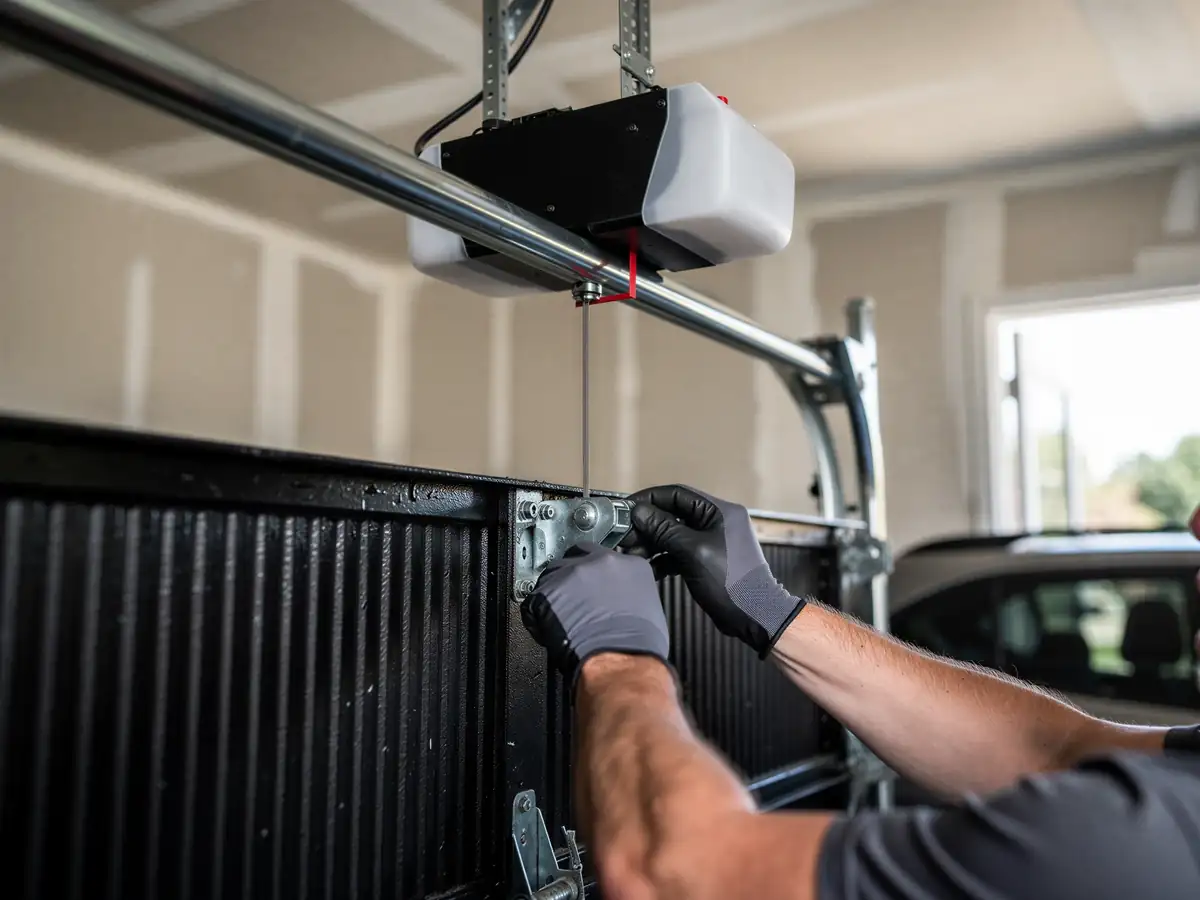
On a maintenance call in Bartonville we're usually replacing worn rollers and re-tensioning or replacing a spring that's outlasted its rated cycle count by a wide margin
Not patching new equipment. If a part turns out to be a size we don't carry - which happens more with older, oddball hardware than with anything newer - we'll tell you the lead time instead of guessing at a fix that won't hold.
Why This Fails Locally
A door hung when Eisenhower was president has had decades to collect small failures that don't show up until they compound. The spring loses tension gradually, so the opener starts working harder to lift the door, which wears the gears inside the opener faster than they were designed to wear. Rollers that were steel to begin with - which was standard in 1956 - groove the track over time, and a grooved track makes a door bind rather than glide, which then gets blamed on the opener when it's really the track.
Bartonville sits in the same cold-moderate climate band as the rest of the area, so winter is when slack in a 1950s-era system shows itself hardest: cold-stiffened grease, a spring that was already under-tensioned, an opener motor straining in temperatures it wasn't built around. None of that is a Bartonville-specific weather event - it's what happens to original hardware anywhere this cold, on a house this old. The age of the stock is what's local; the cold is just what finds the weak point.
How We Fix It
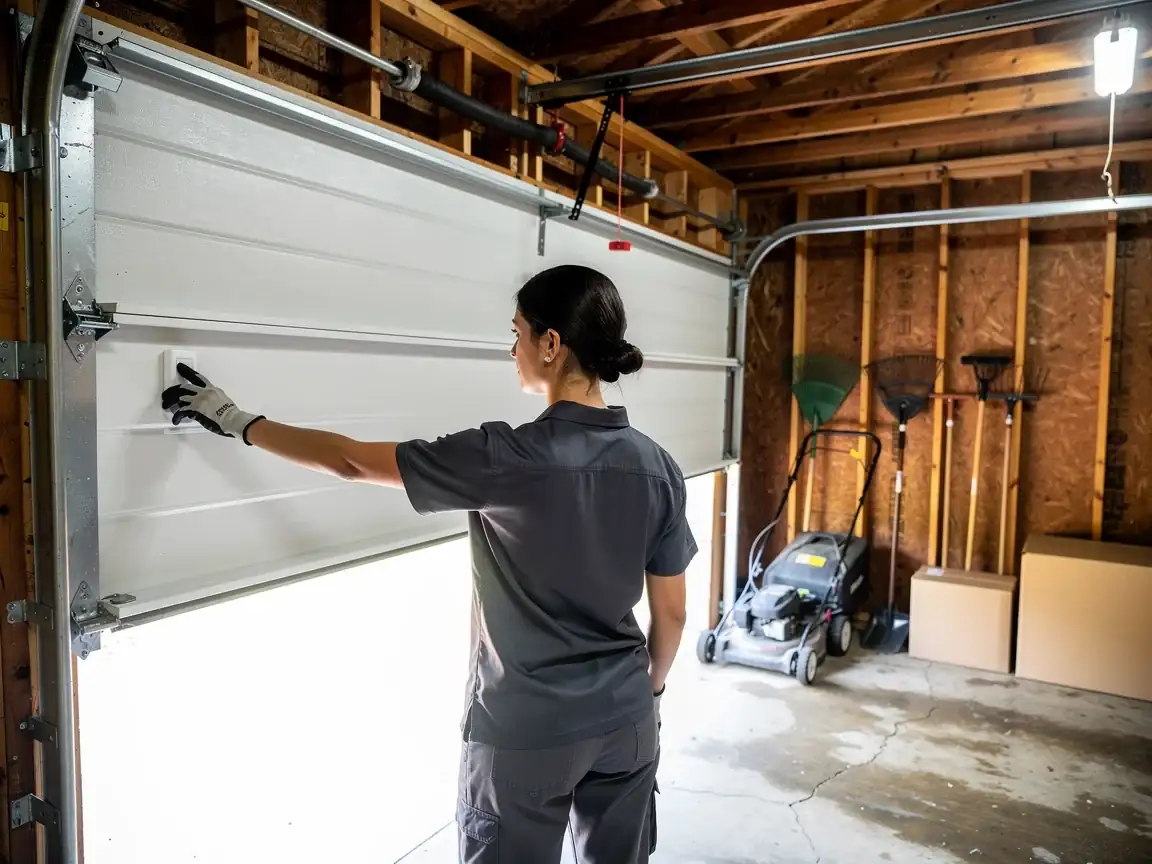
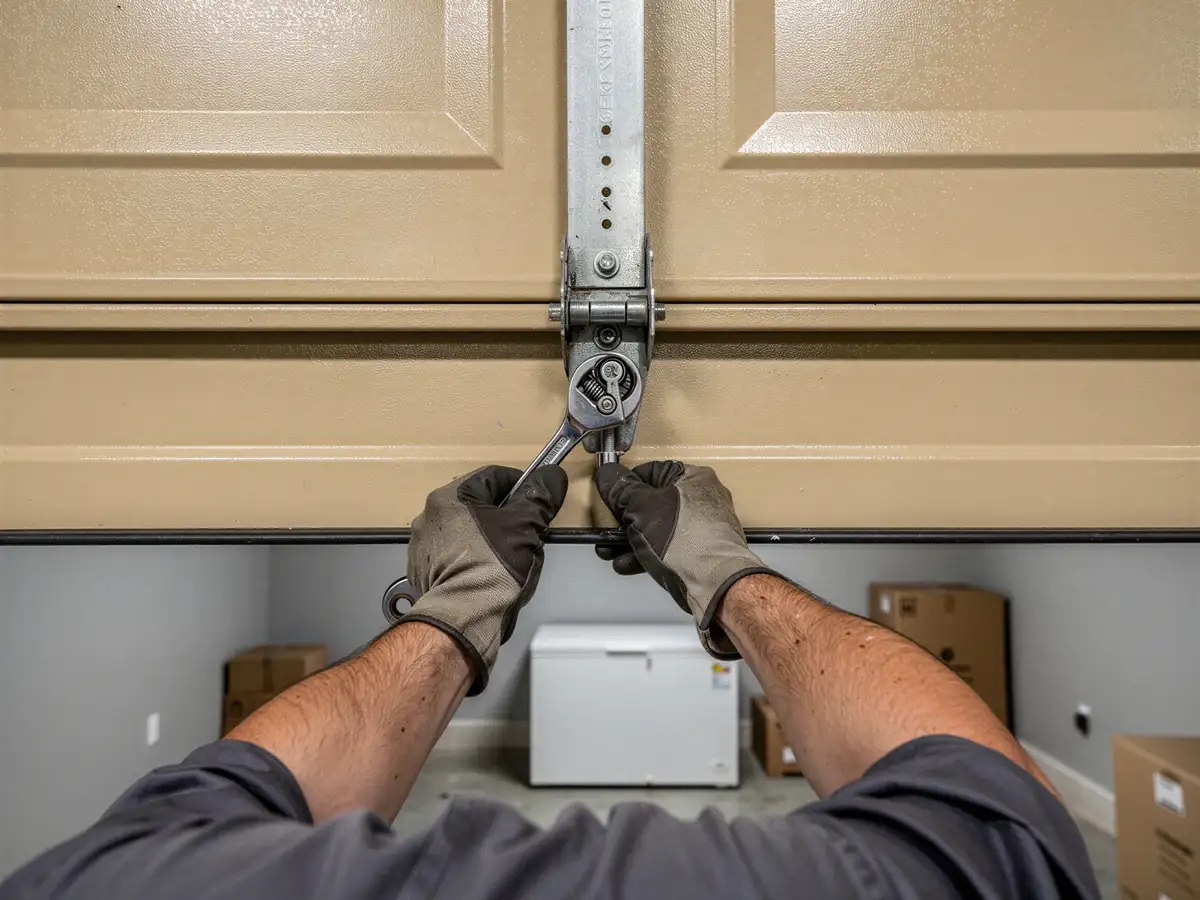
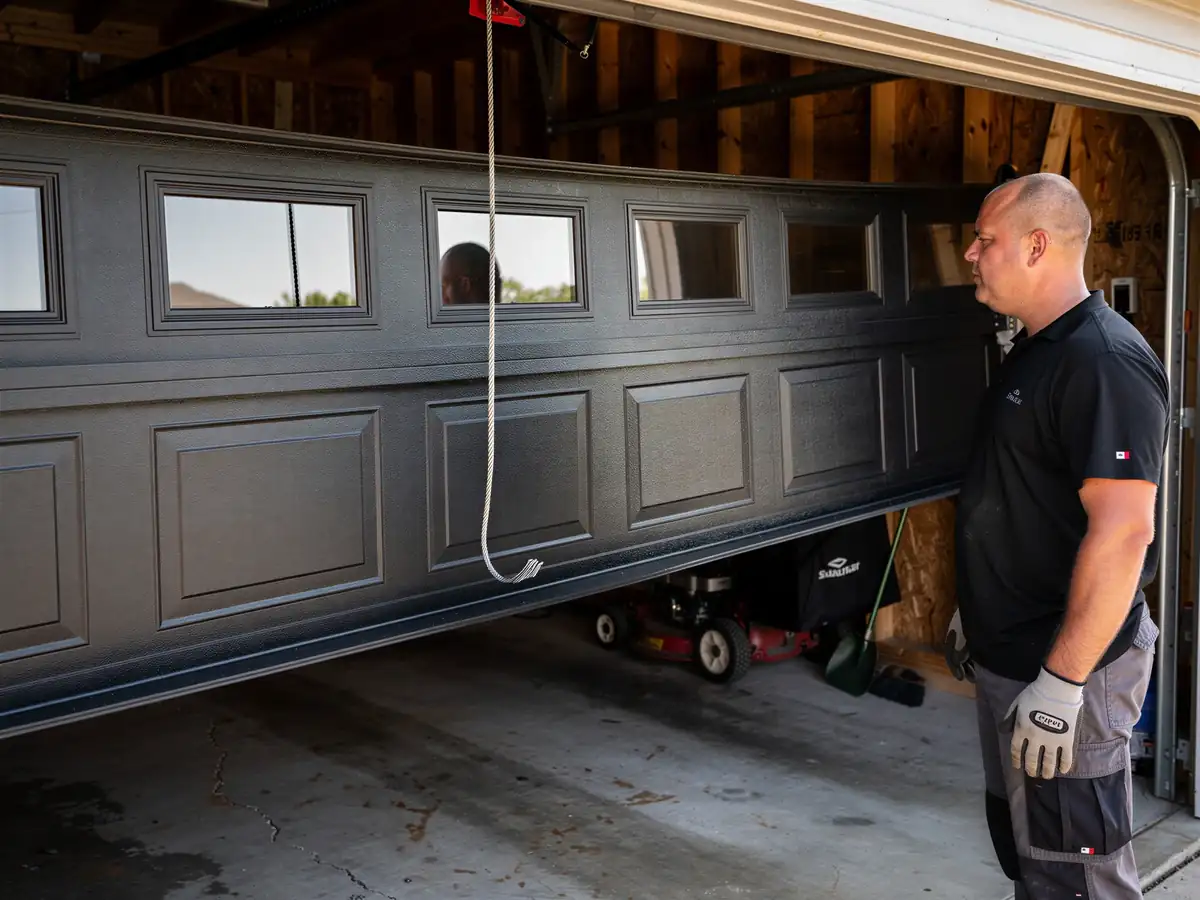
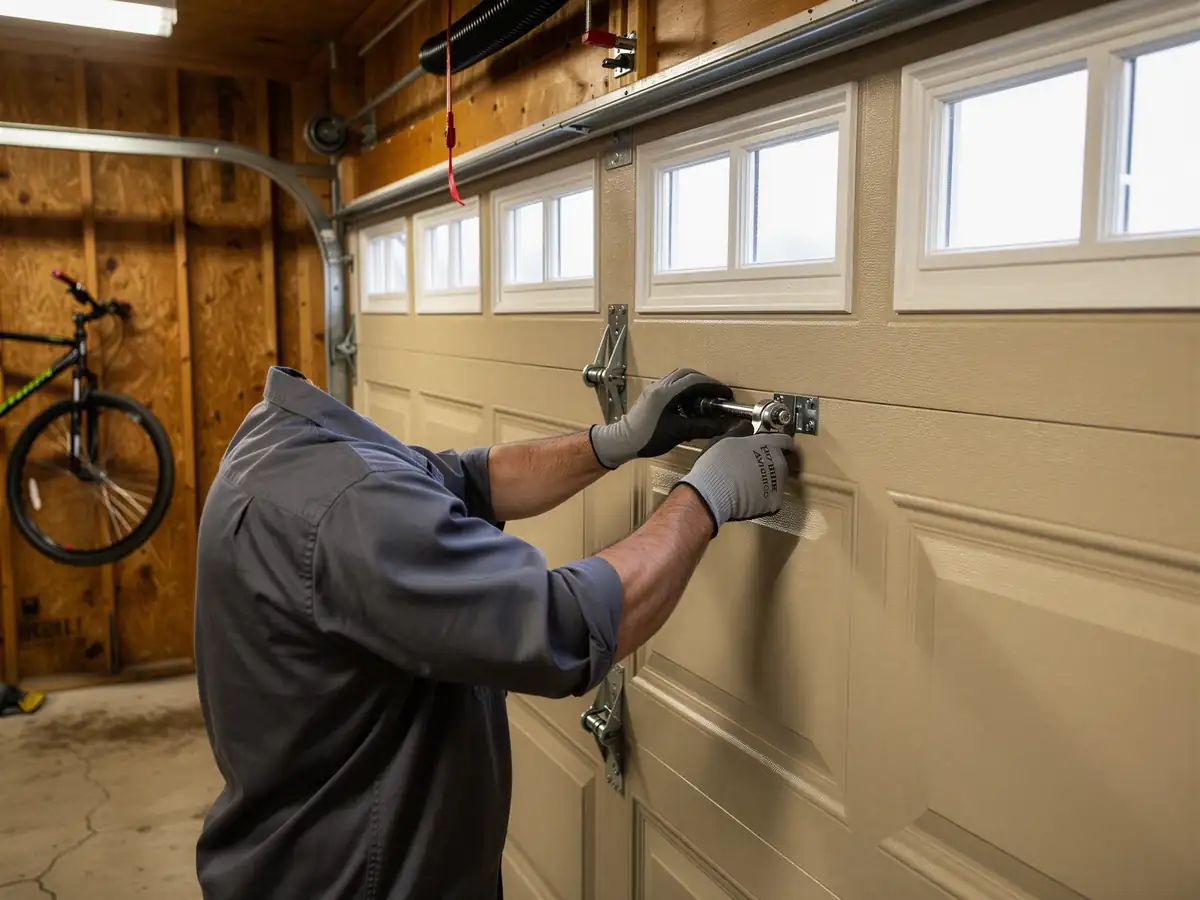
We start by checking what's actually original versus what's been swapped - on a house from 1956, it's common to find the opener replaced once in the last 30 years but the spring, drum, and track hardware untouched since installation. That tells us where to put the time. Maintenance here usually means balancing the door (checking it holds position with the opener disconnected), lubricating hinges and rollers, inspecting cable fray at the drums, and tightening the lag bolts on track brackets that have worked loose over sixty-plus years of door cycles.
We don't replace a spring that's still within its tension range just because it's old - if it's balanced and not frayed, we leave it and note it for next time. Replacing good hardware costs you money for no reason. Where we do push for replacement is a track that's grooved deep enough to keep throwing rollers, because no amount of lubrication fixes a worn channel.
Getting It Booked In
Bartonville is part of our regular coverage out of Peoria, and a maintenance visit here runs the same as it does across the roughly 2,616 households in town - a technician checks balance, hardware wear, and opener function, flags what's original, and tells you honestly what still has life left. With median household income in Bartonville at $67,674, we try to be clear up front about what's a $20 part versus a spring or track job, so you're not caught off guard partway through. See our Bartonville coverage page for what's included, or check the Peoria maintenance page if you're comparing against the broader service area.