Stocked Parts
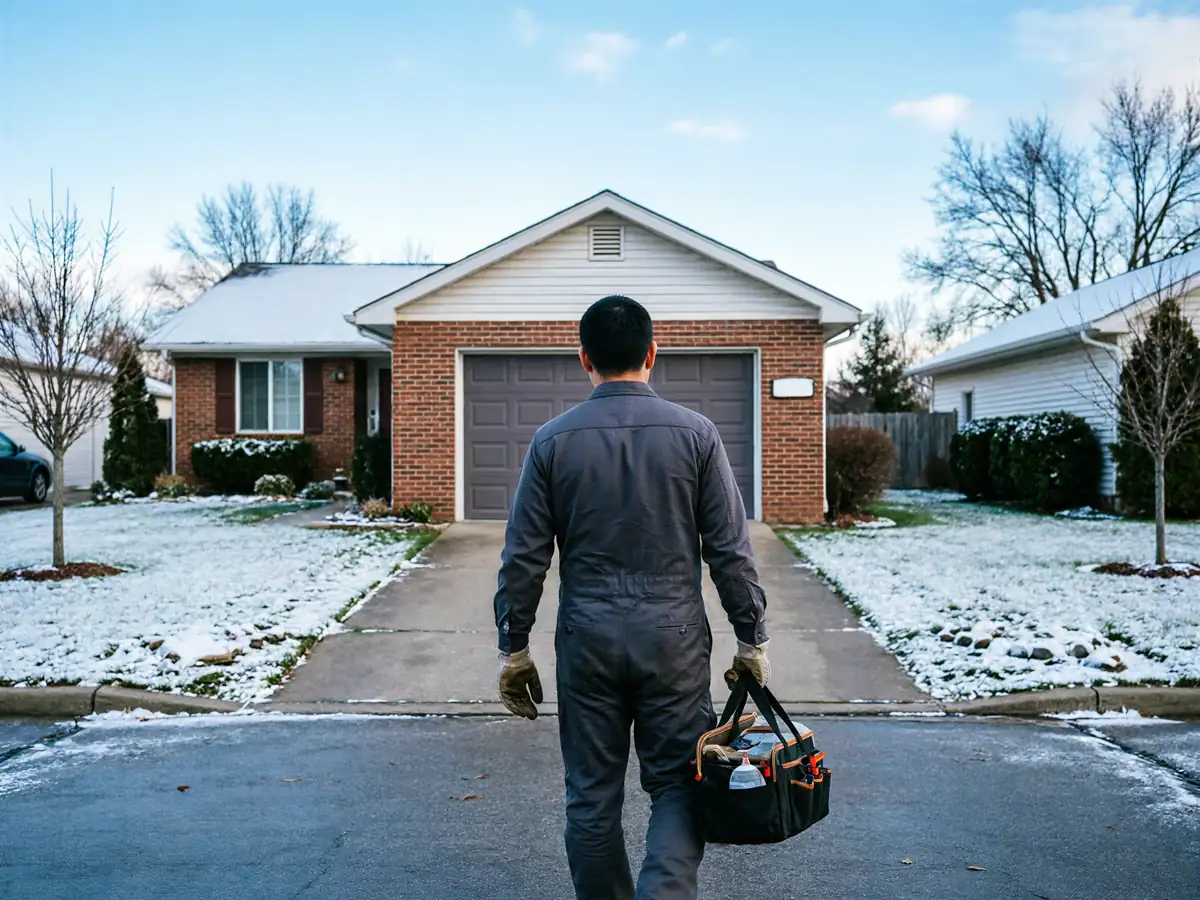
The truck that answers a Bartonville call has already made the 8-mile drive from Peoria more times than we can count
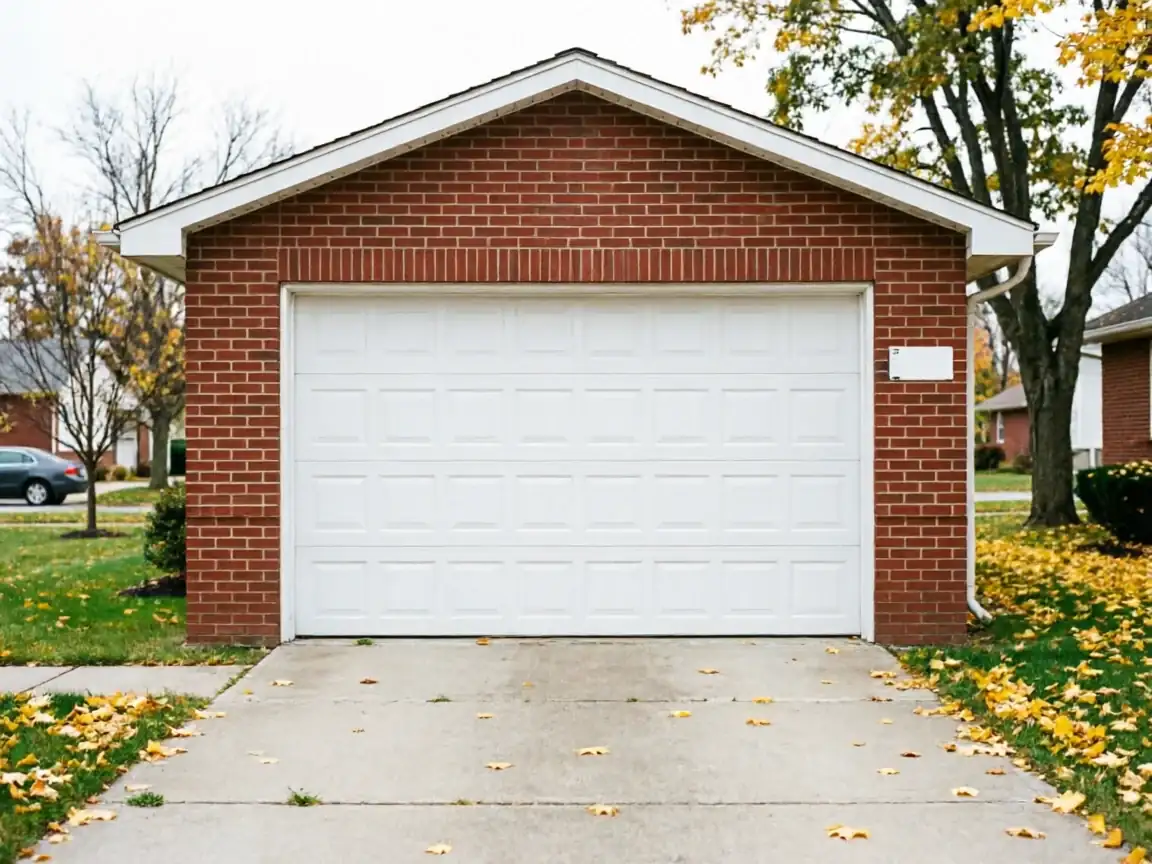
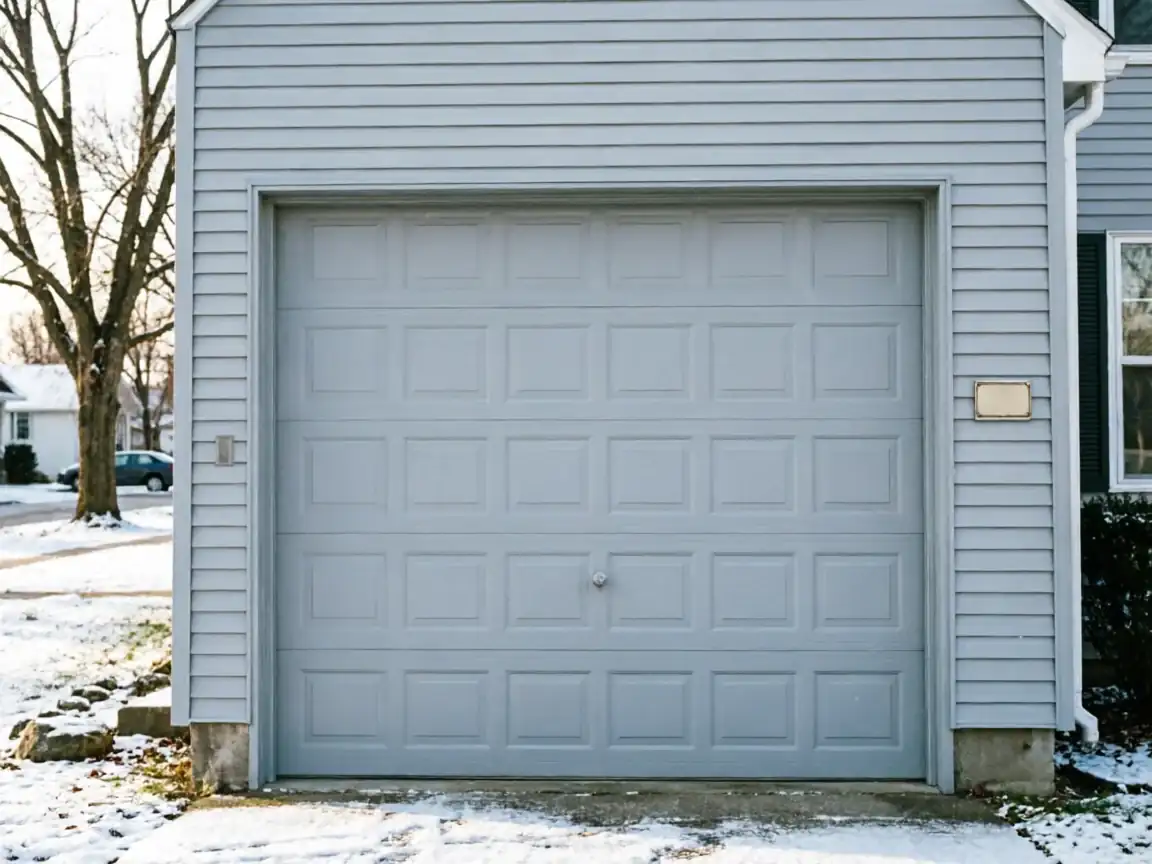
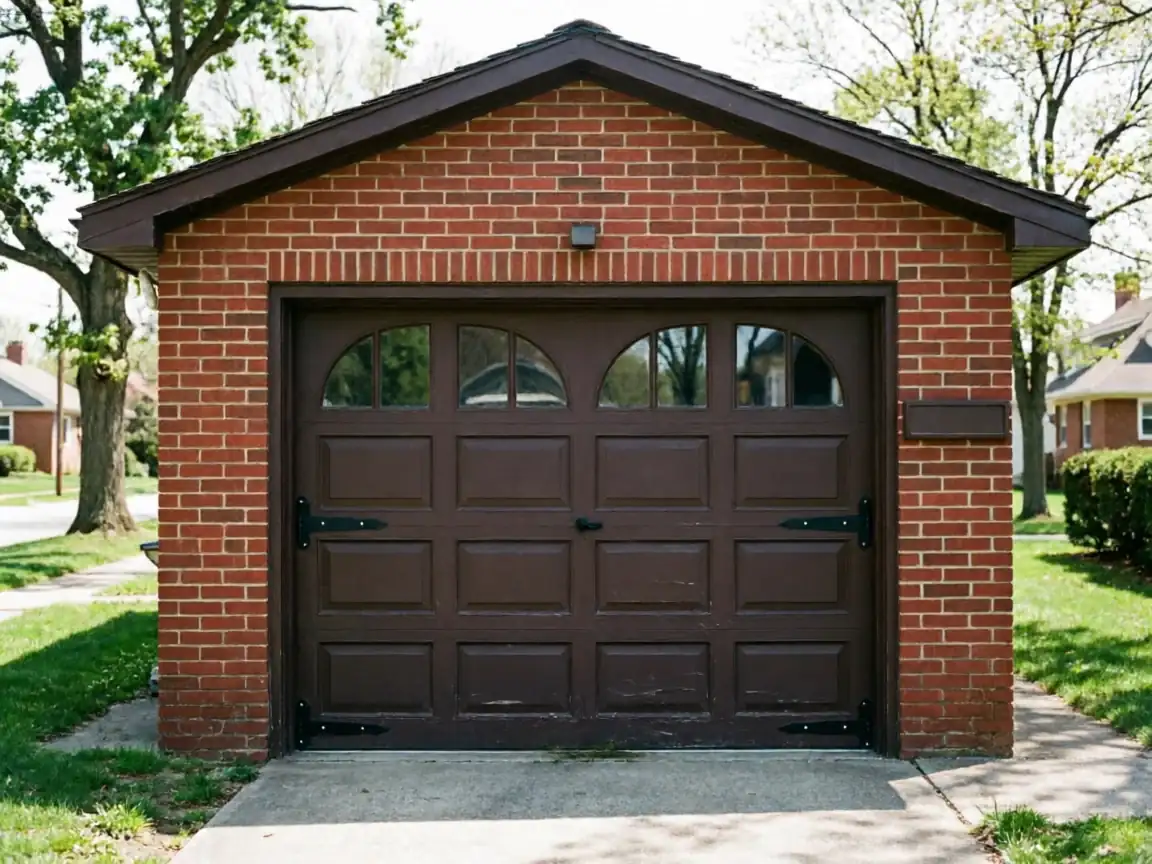
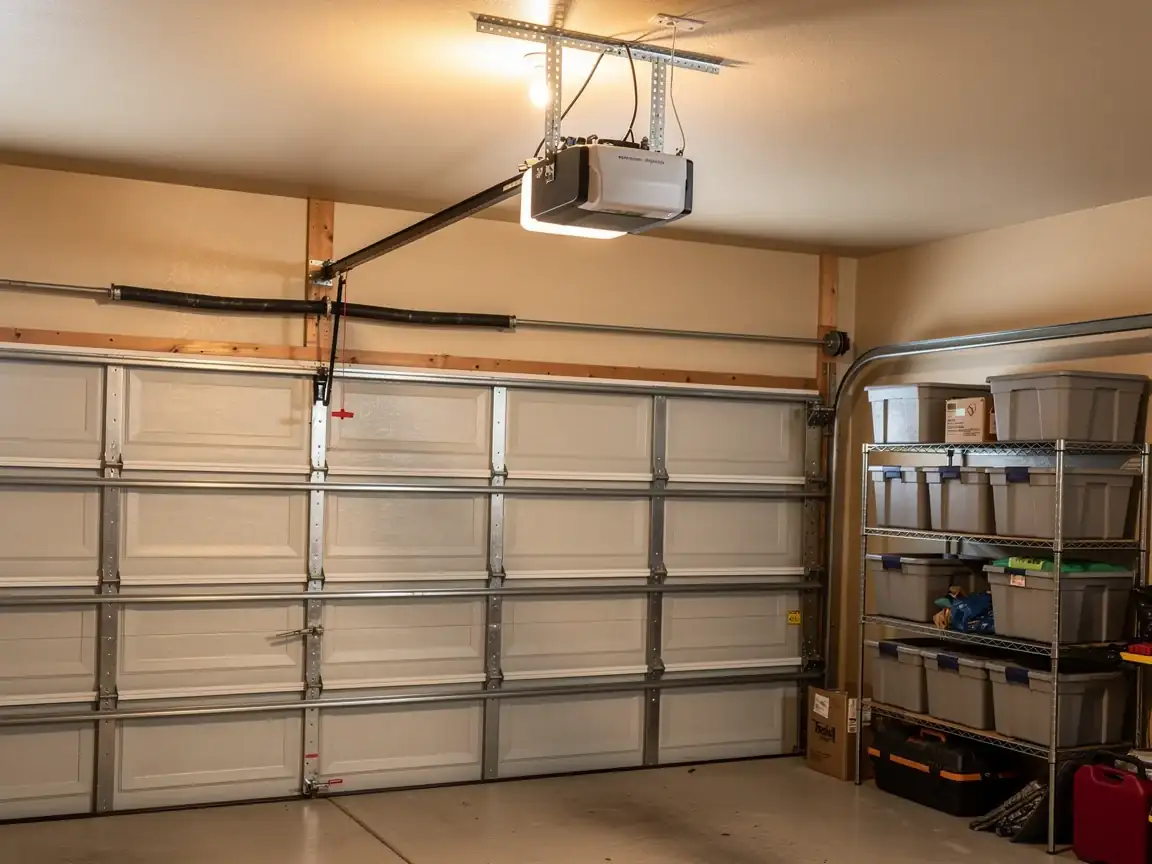
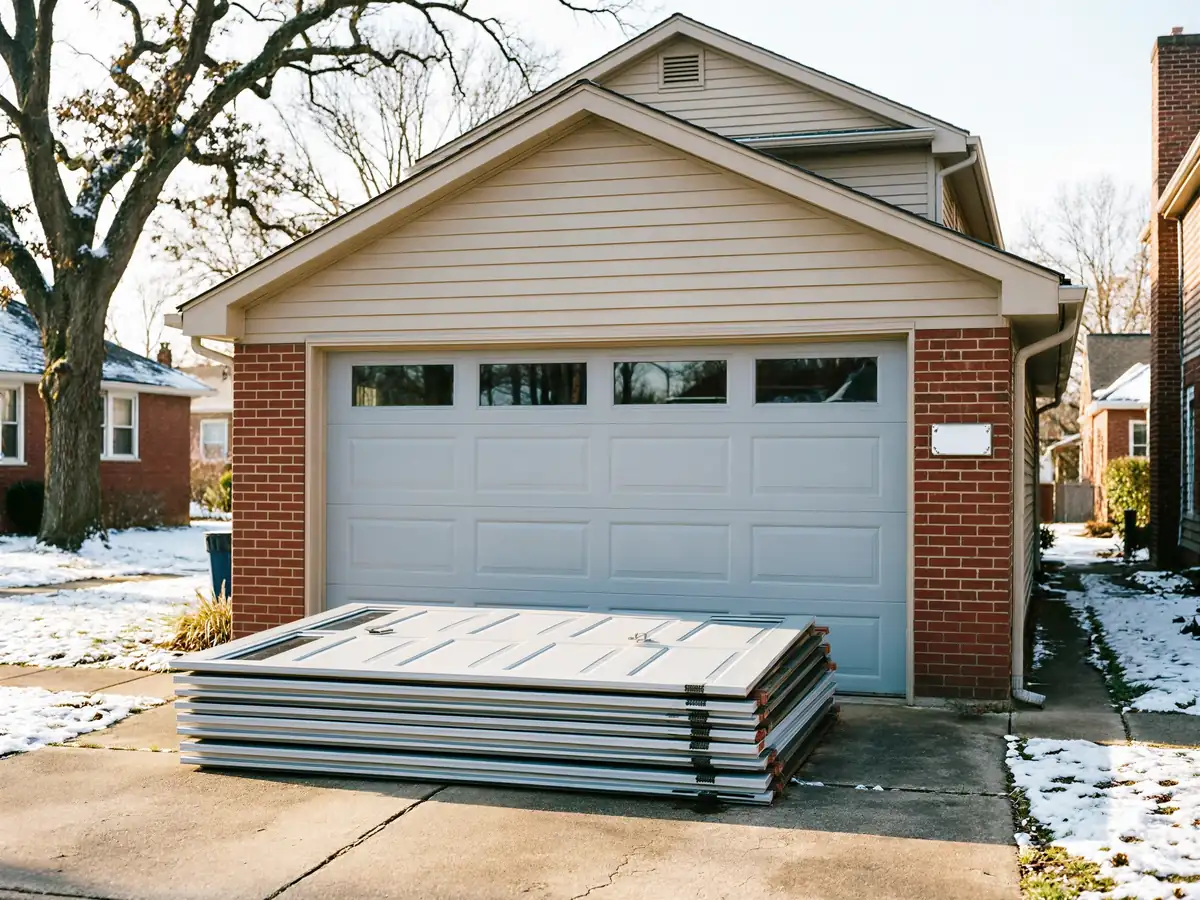
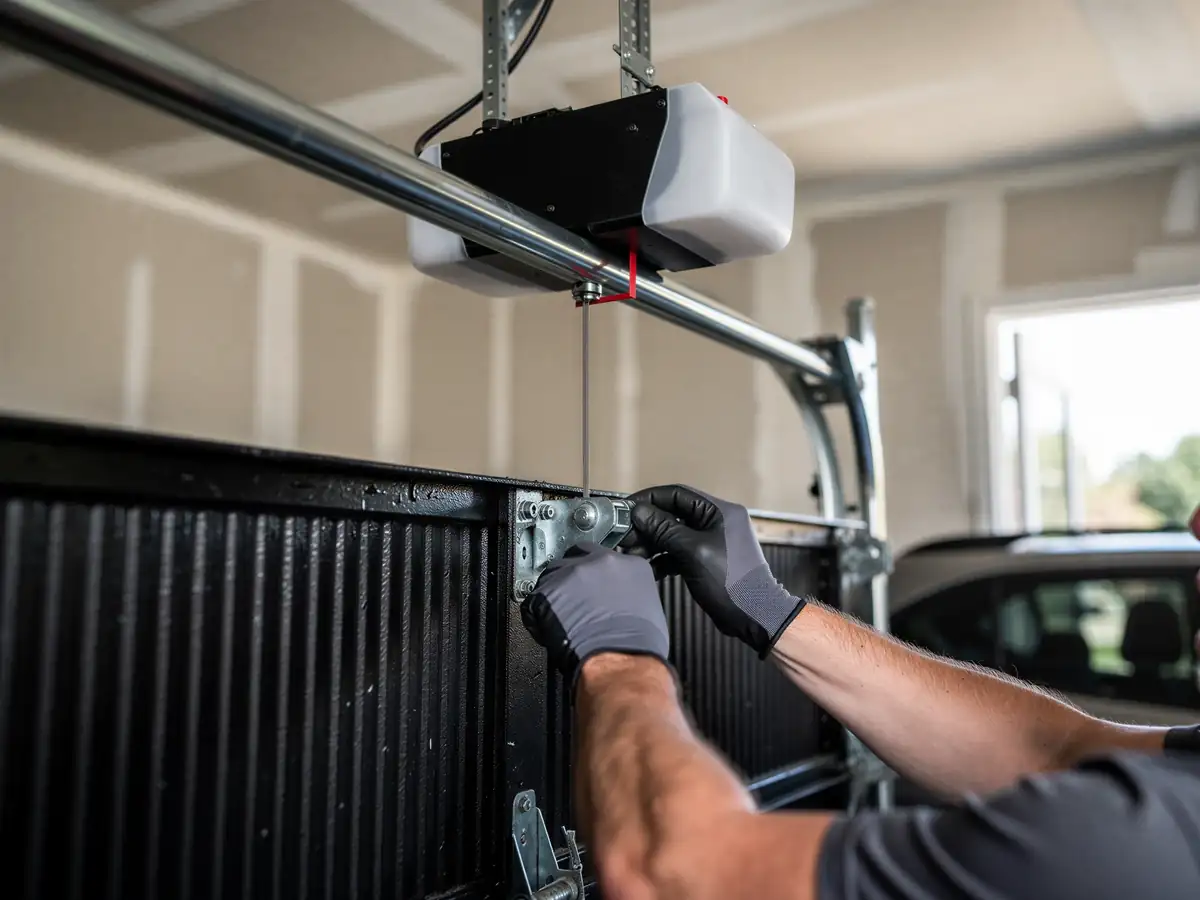
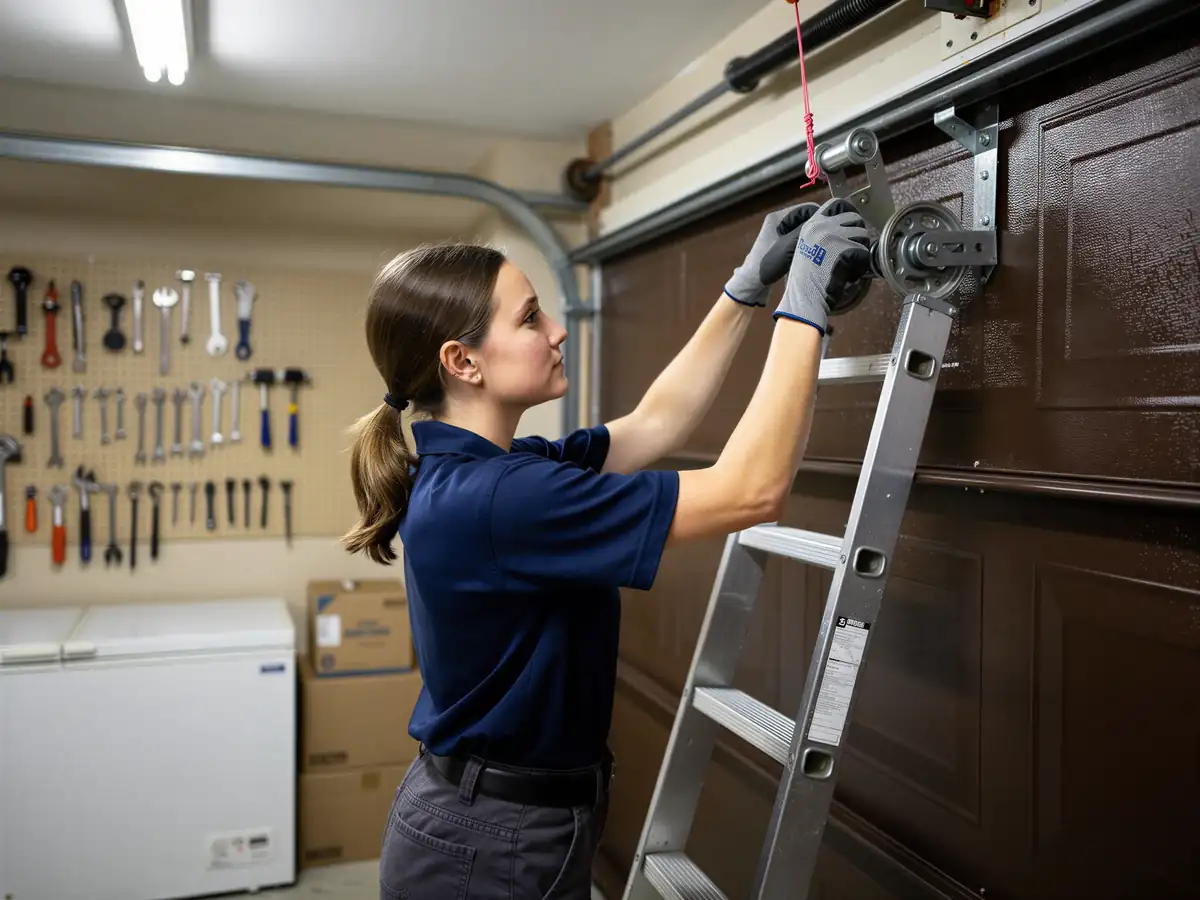
And what we load before leaving depends on what's waiting at the other end. Houses in Bartonville cluster around a median build year of 1956, which is older than the service area's overall median of 1964. That means torsion springs sized for doors that are heavier and narrower than what you'd find in newer construction, plus hinges and rollers on hardware patterns that stopped being standard decades ago. We carry a run of torsion springs sized for mid-century single and double doors, along with the steel rollers and hinges that era actually used, because showing up at a 1956-built house with parts sized for a 1990s door means a second trip. That second trip costs more than the drive out costs us the first time. We don't stock every obscure bracket ever made, and if your door uses a fitting that's genuinely rare for its age, we'll say so rather than guess at a part that won't hold.
We also carry openers and drive components that match what actually gets installed as a replacement in homes this age
Since original openers from the 1950s and 60s are long gone from any house still using the door daily.
Why This Fails Locally
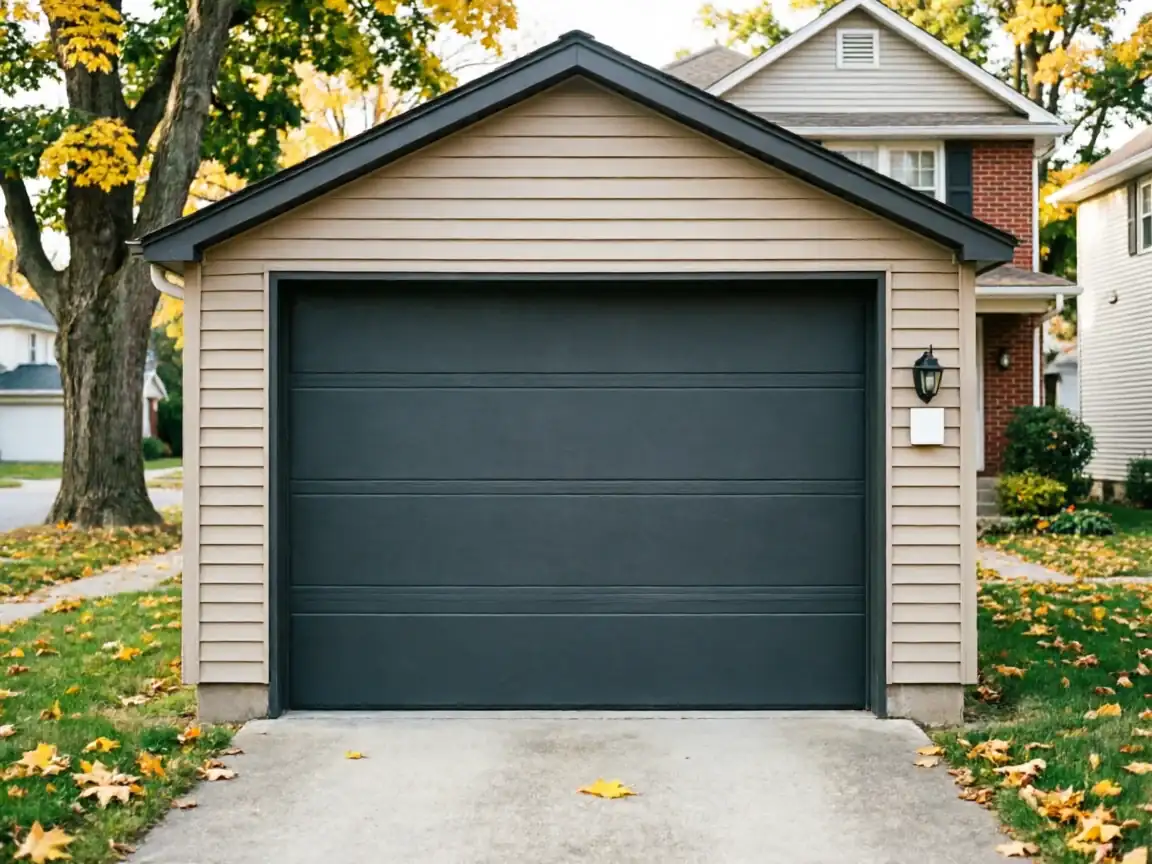
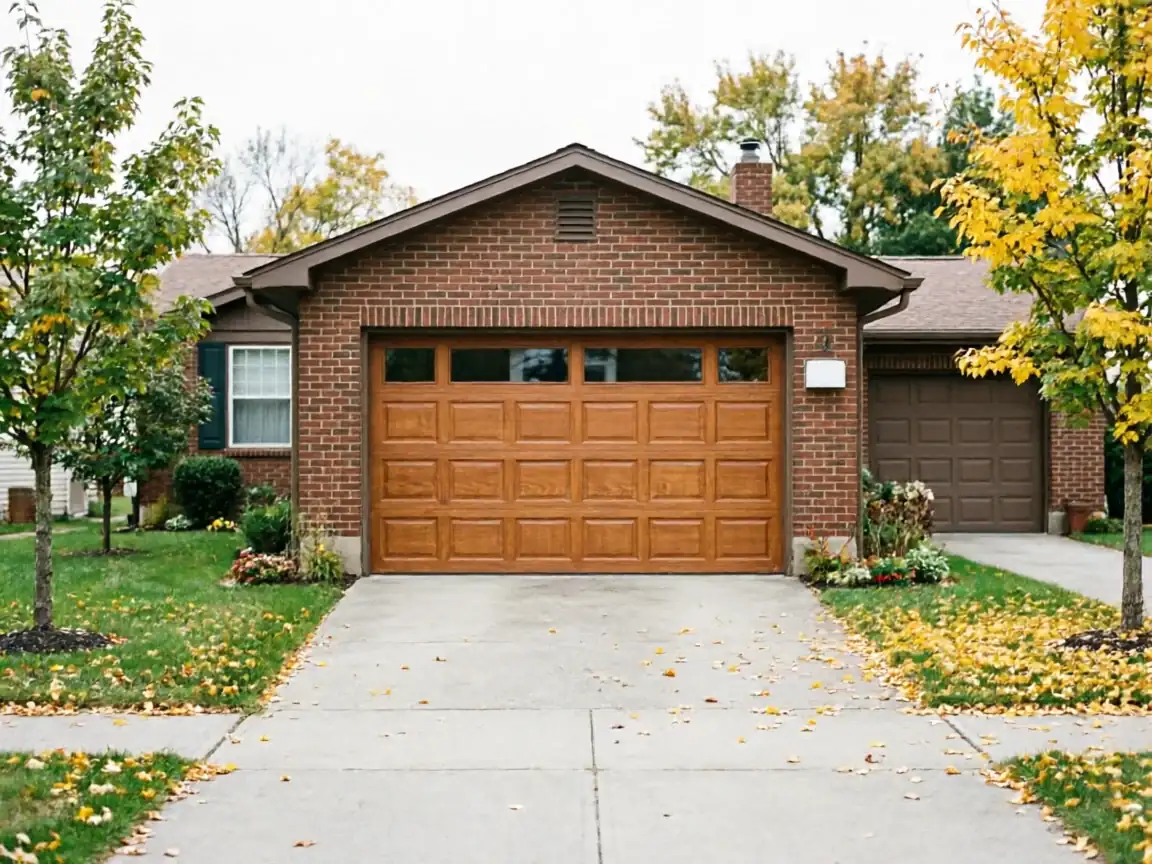
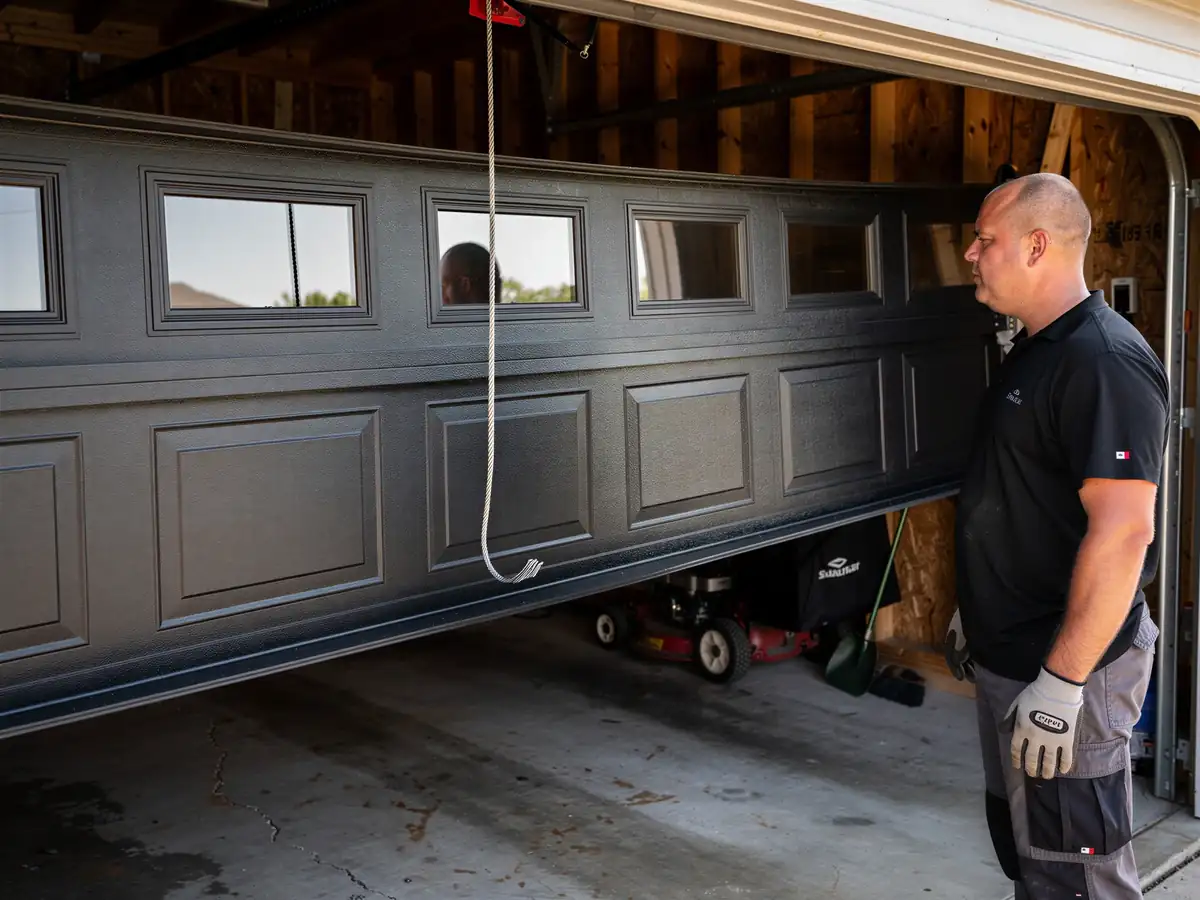
A door built for a 1956 house and a door built for a 1990s house fail in different ways, and the difference shows up in the service calls we run out this direction. Older torsion setups in Bartonville's housing stock tend to run on single springs sized tighter to the door weight, with less tolerance before a cable jumps the drum or a spring snaps clean rather than wearing gradually. COLD moderate winter conditions here make steel contract and expand through the season, and on hardware that's already 60-plus years old in design even if the spring itself was replaced more recently, that cycling finds the weak point faster than it would on newer, better-tolerance tracks.
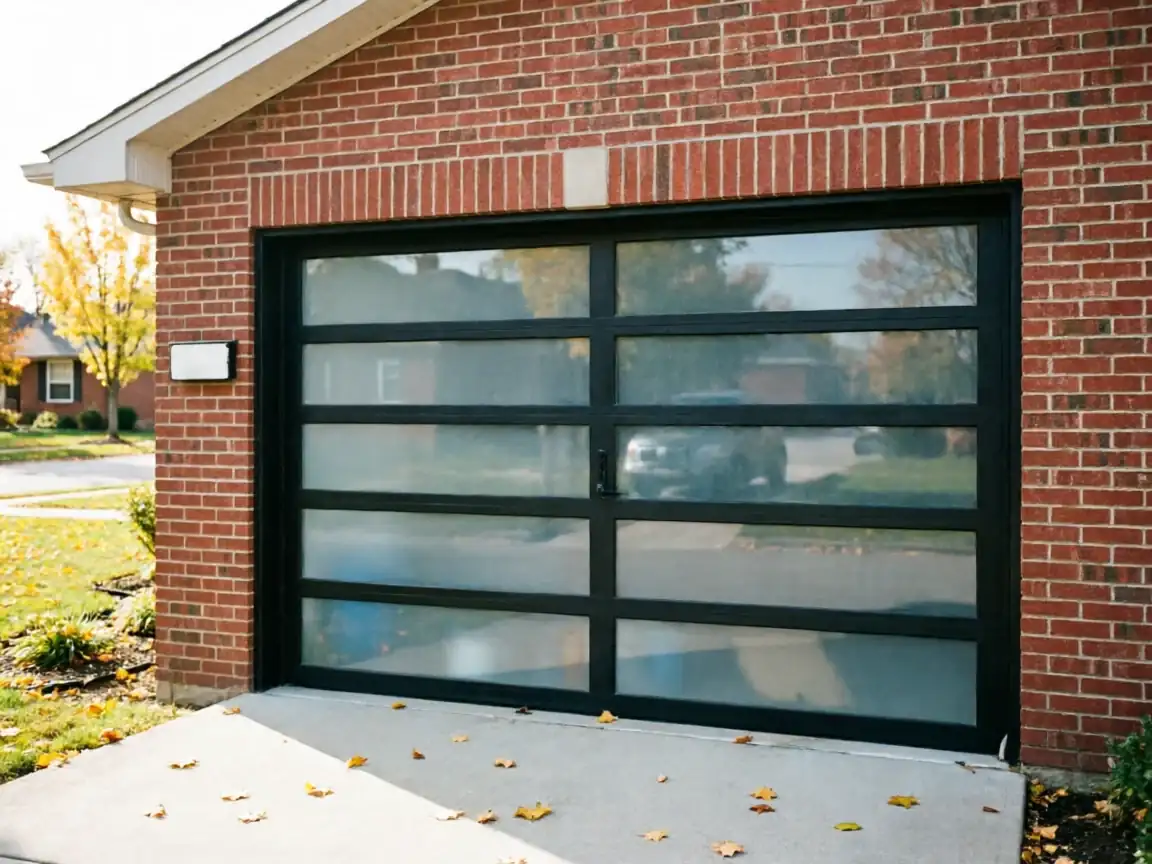
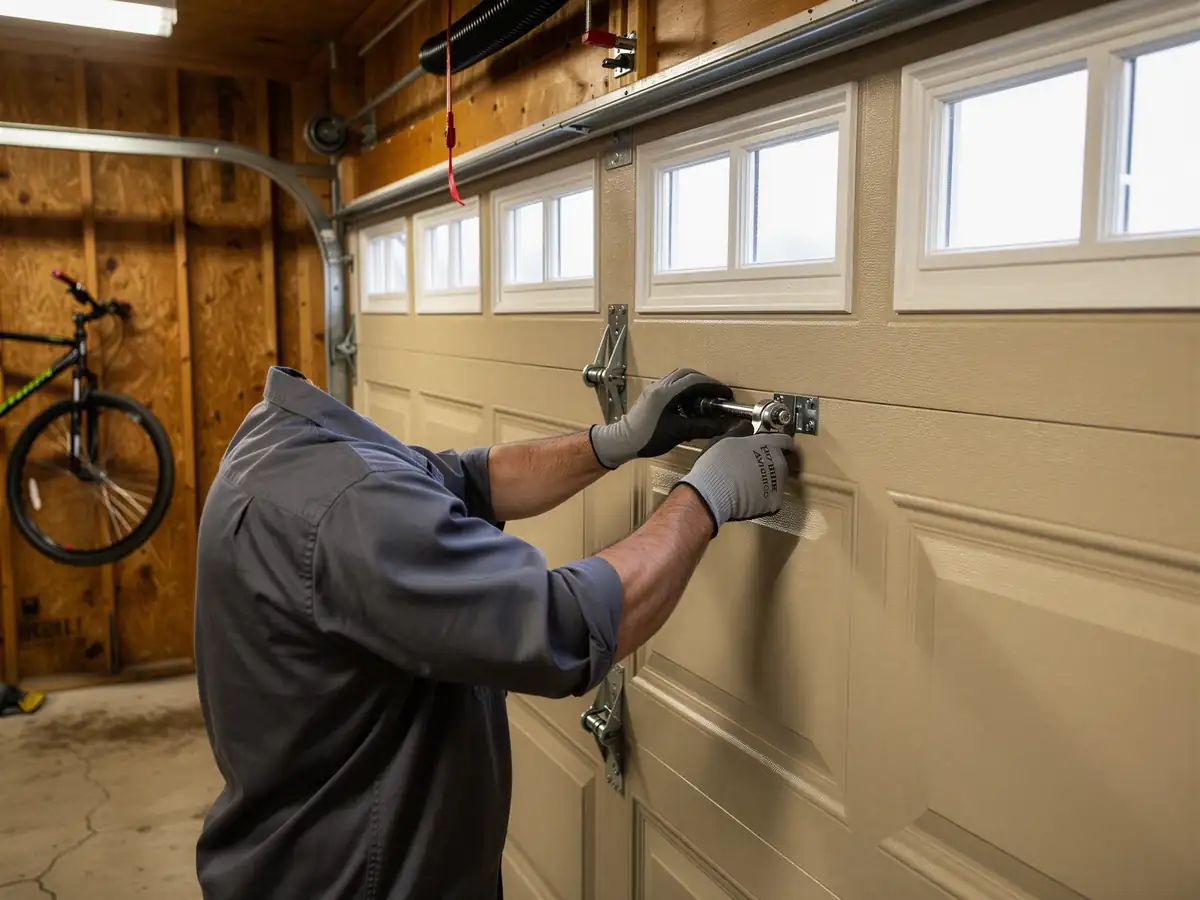
The other pattern we see: panels and tracks that were updated once, maybe in the 80s or 90s, bolted onto framing that's still original to the house. That mismatch between old framing and newer hardware is its own failure mode, separate from age alone, and it's common enough in this part of the service area that we check for it before quoting a repair instead of after.
How We Fix It
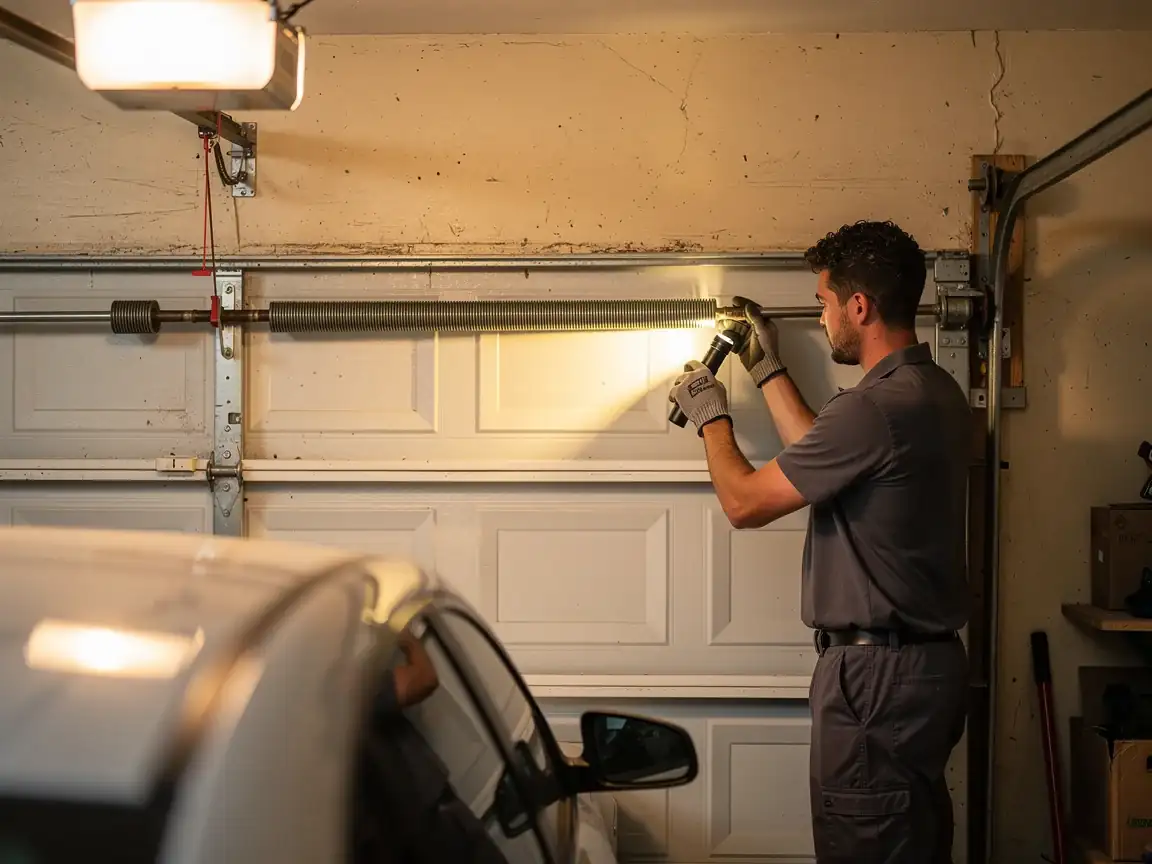
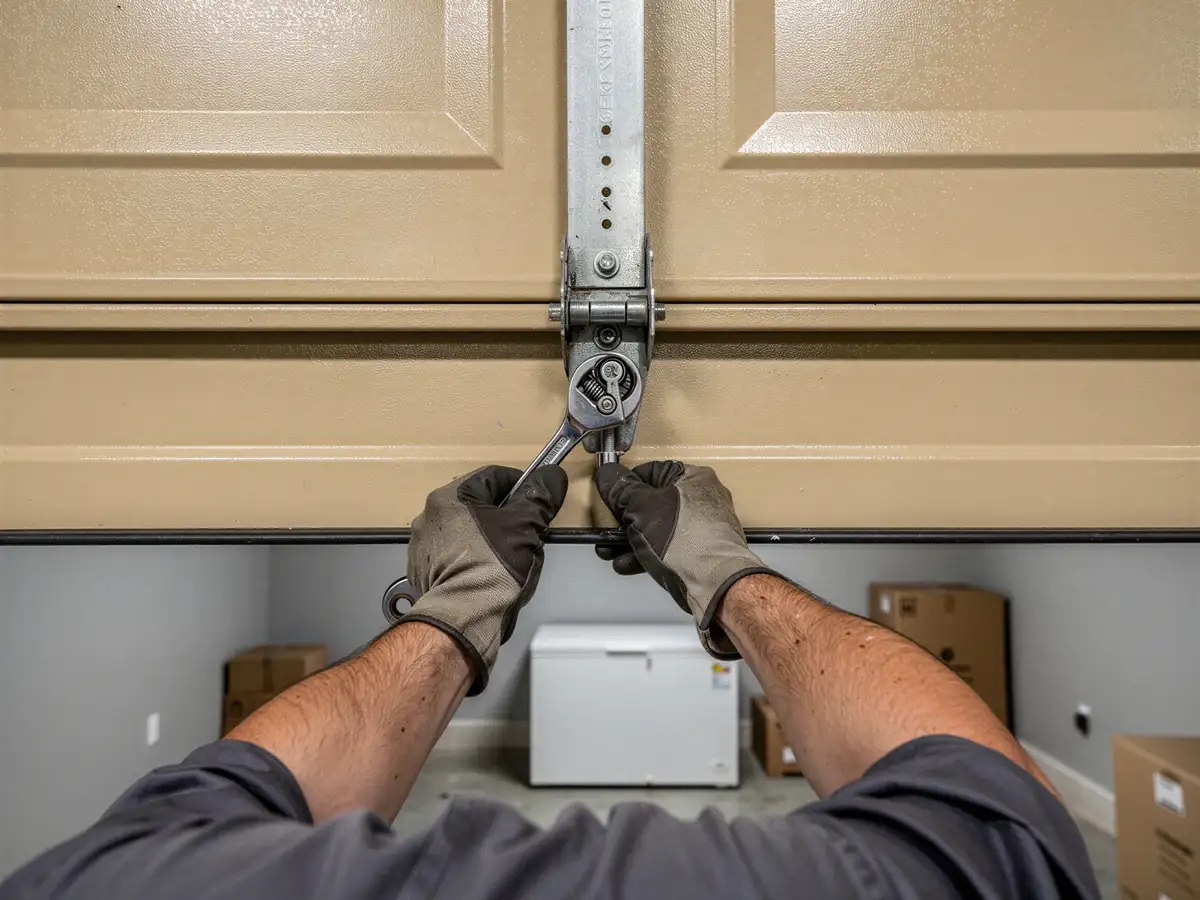
We diagnose on site before we touch anything, because a door that won't open on a 1956-era frame can fail for reasons that look identical from the driveway but need different fixes. A broken torsion spring gets replaced with one matched to the actual door weight, not a generic size pulled off a shelf. If the track is bent or the drum is worn from years of an undersized spring overworking it, we address that at the same time rather than sending a spring-only fix back out in six months.
Where the opener is original or close to it, we'll tell you plainly if it's worth repairing versus replacing. A 60-year-old house doesn't mean a 60-year-old opener is still in service, but when we do find older drive hardware, parts for it can be hard to source quickly, and we're upfront when that's the case rather than promising a same-visit fix we can't deliver.
How Long You Are Without the Door
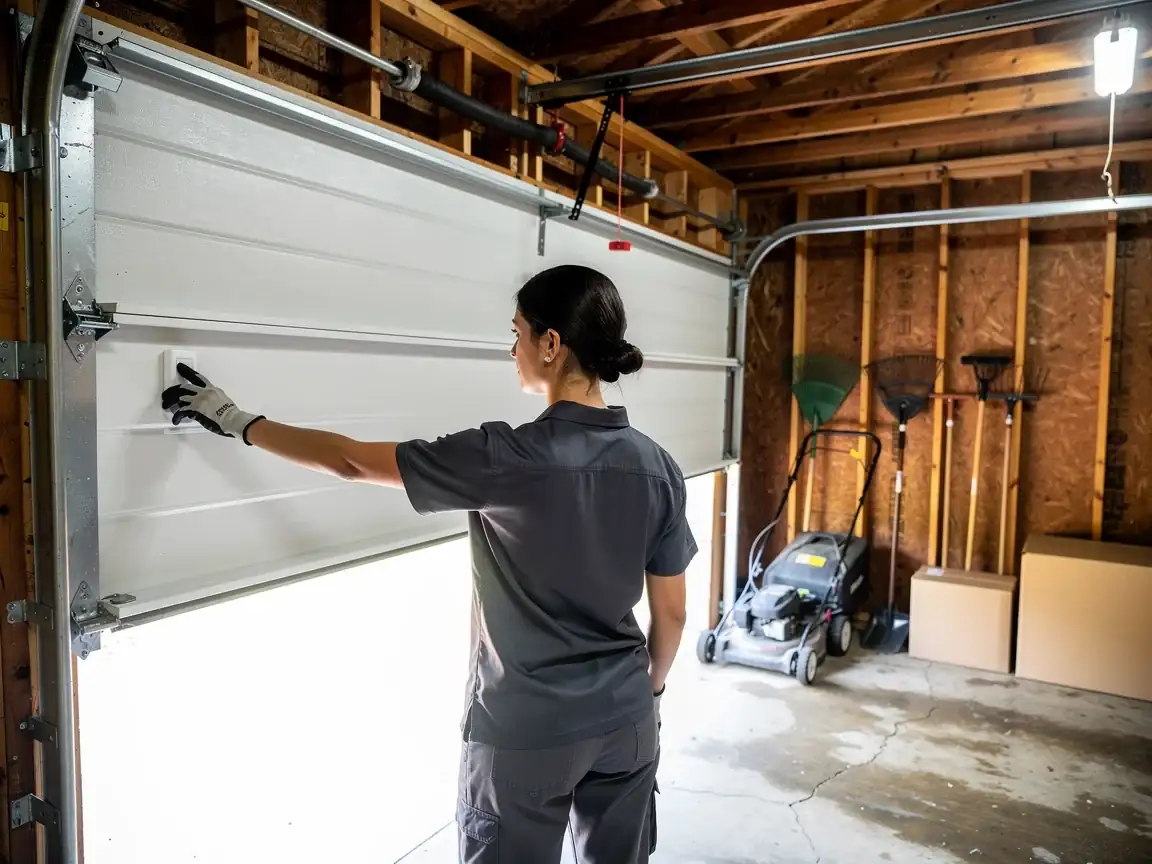
Most spring and cable repairs on the hardware common to Bartonville's housing stock get done in a single visit once we're on site
Parts permitting. Where we run into trouble is sourcing a part for an opener or track configuration that isn't standard anymore, which happens more often here given the 1956 median build year than it would in a newer subdivision closer to Peoria. If that happens, we'll tell you straight whether it's a day's wait for a part or longer, instead of letting the door sit open-ended with no estimate.
The 8-mile drive from Peoria is a factor in scheduling the visit
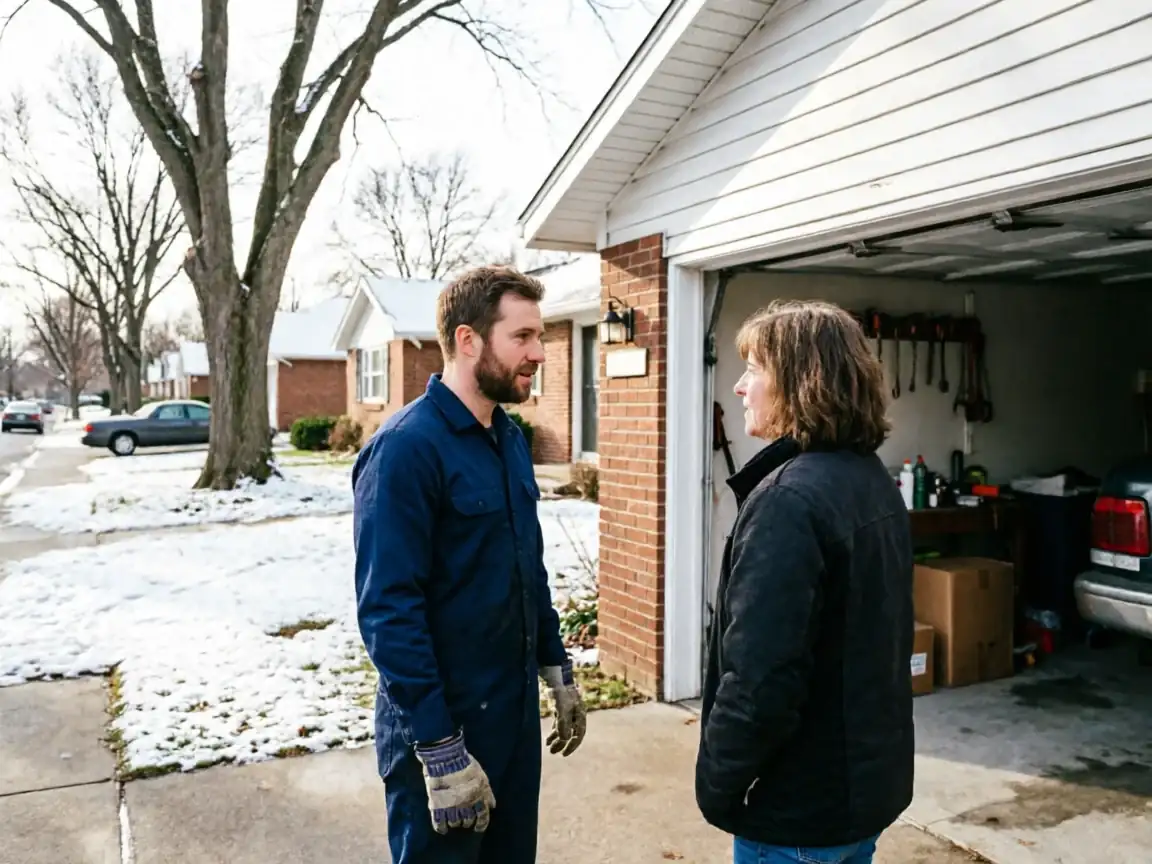
Not in how long the repair itself takes once we're there. We're not a branch office sitting in Bartonville waiting for calls; we're routing out from Peoria like we do for the rest of the service area, and that's worth knowing before you call expecting a crew parked around the corner.
Getting It Booked In
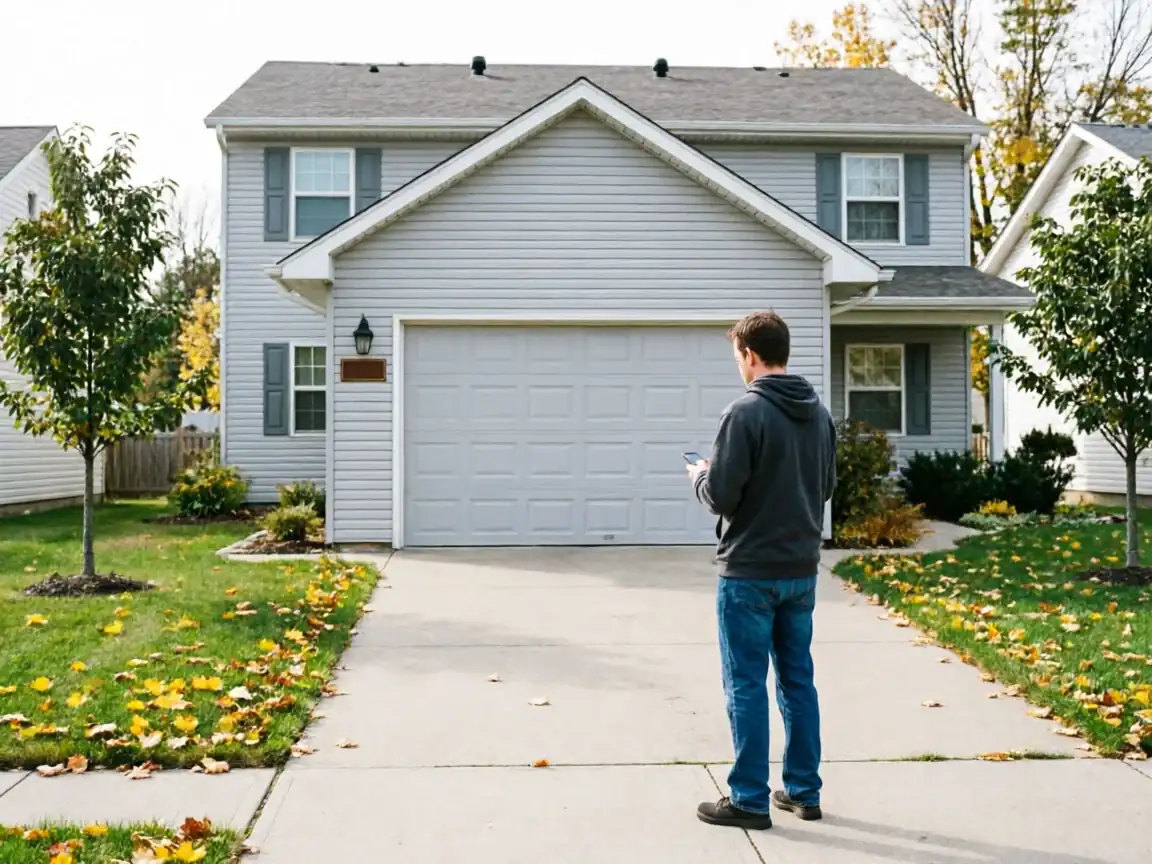
Calling in with the door's approximate age, whether it's a single or double, and what it's doing (won't open, opens partway, makes noise going up) gets us loading the right parts before we leave Peoria instead of guessing. Given how much of Bartonville's housing sits in that 1956-and-around build range, telling us the house age up front narrows down the spring and hardware question before we're even in the driveway.
See the Bartonville coverage page for how this fits into the wider service area, or the Peoria garage door repair page if you want the full rundown of what we handle beyond repair work.