Stocked Parts
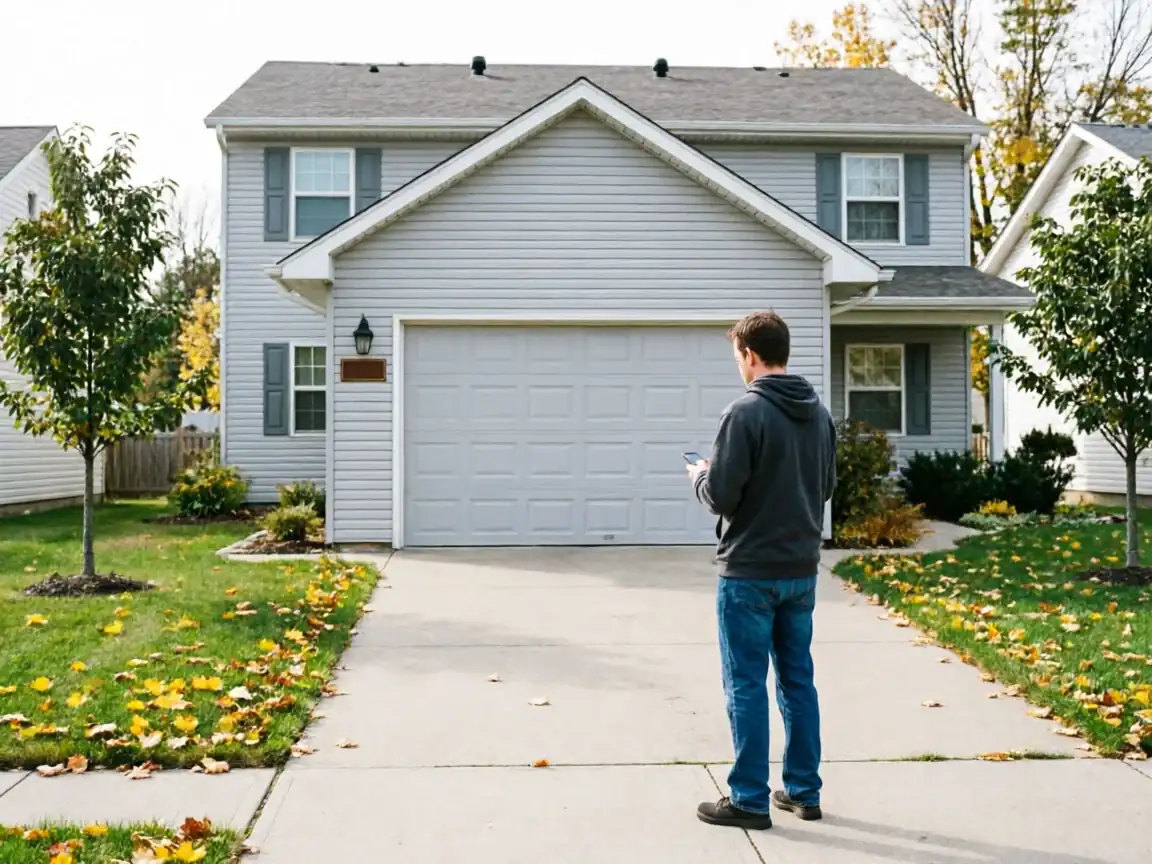
Bartonville's homes sit older than the Peoria-area average
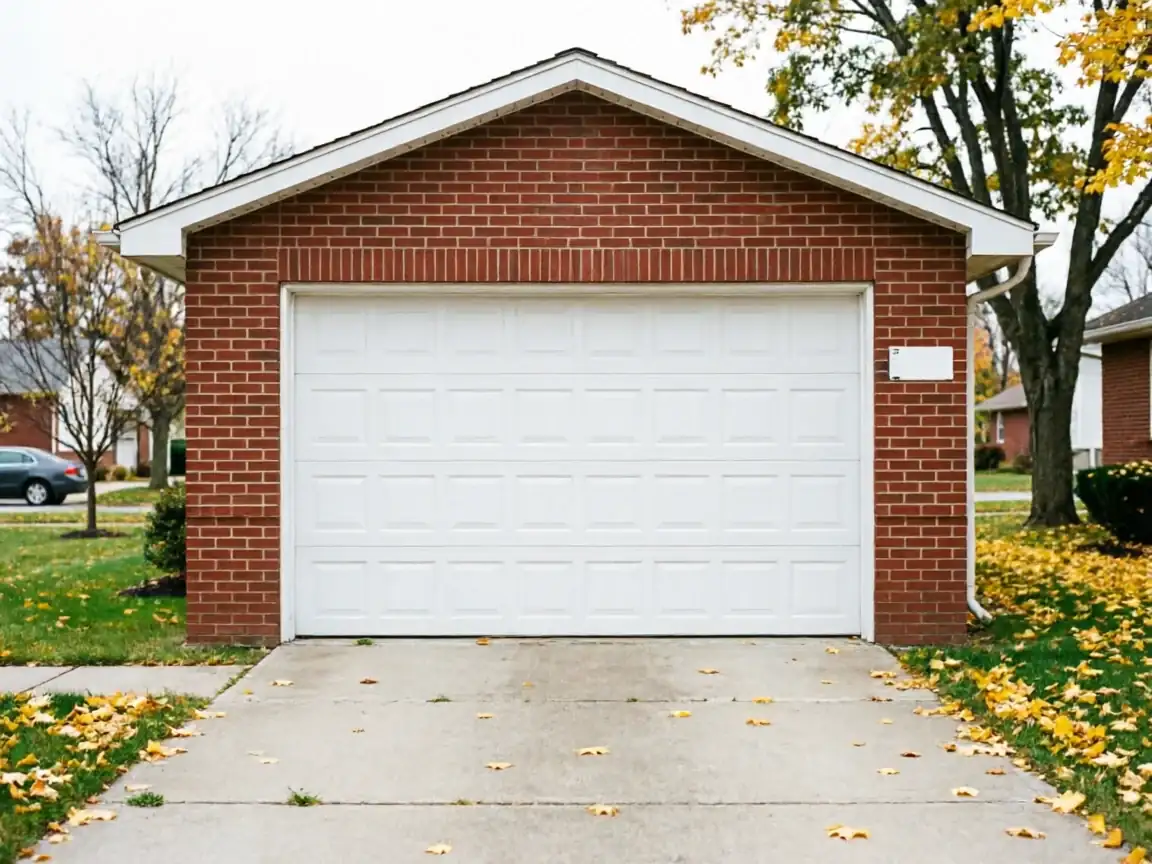
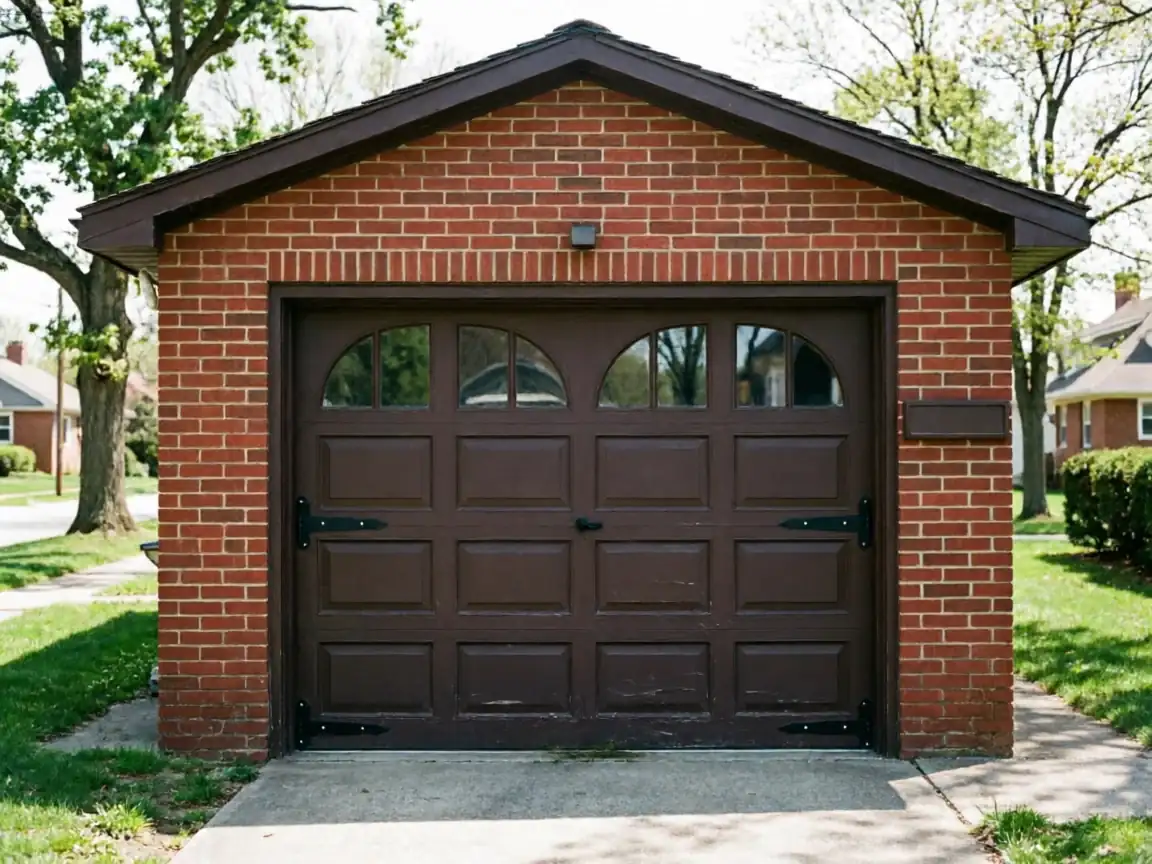
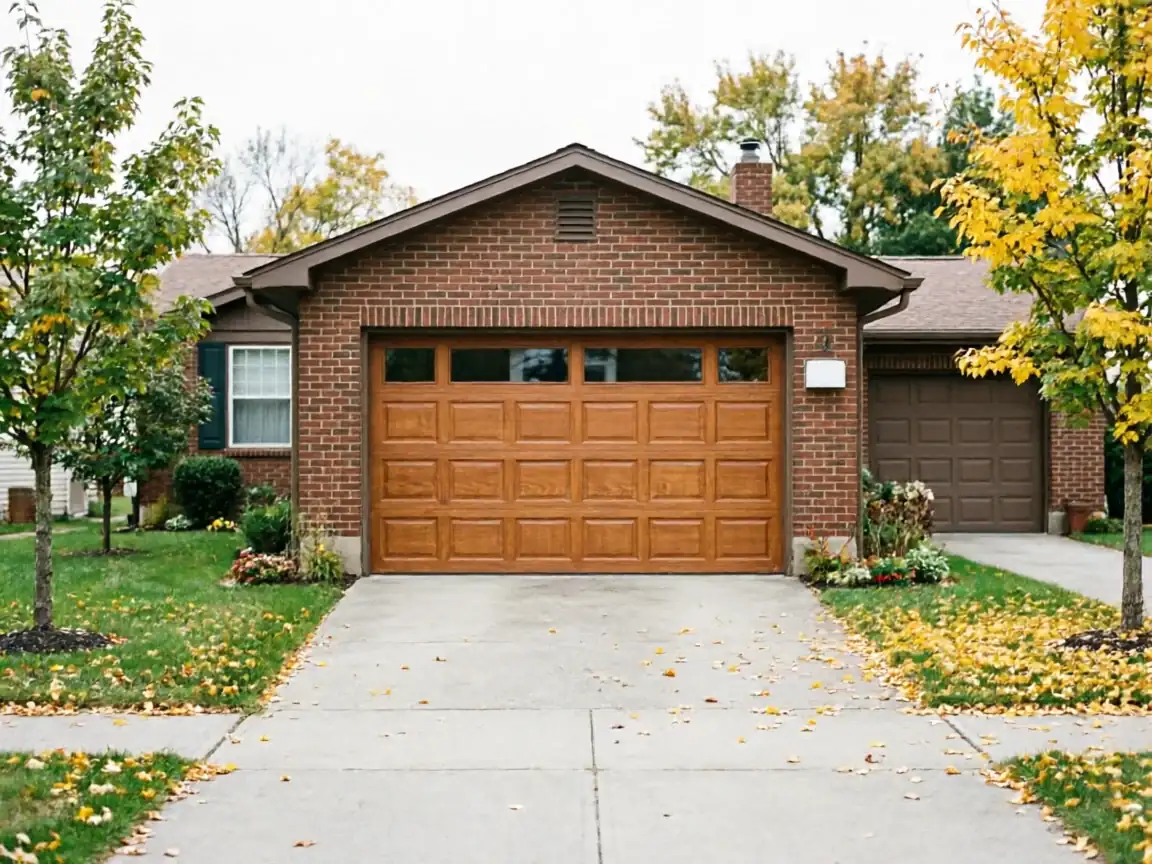
The typical house here went up around 1956, while the broader service area's median build year runs closer to 1964. That eight-year gap matters more than it sounds like it should. Doors from the mid-1950s were more often set up with galvanized aircraft cable on a simpler drum system, not the extension-spring-and-pulley combos that showed up more in homes built through the 60s and 70s elsewhere in the area.
We carry both styles of cable on the truck
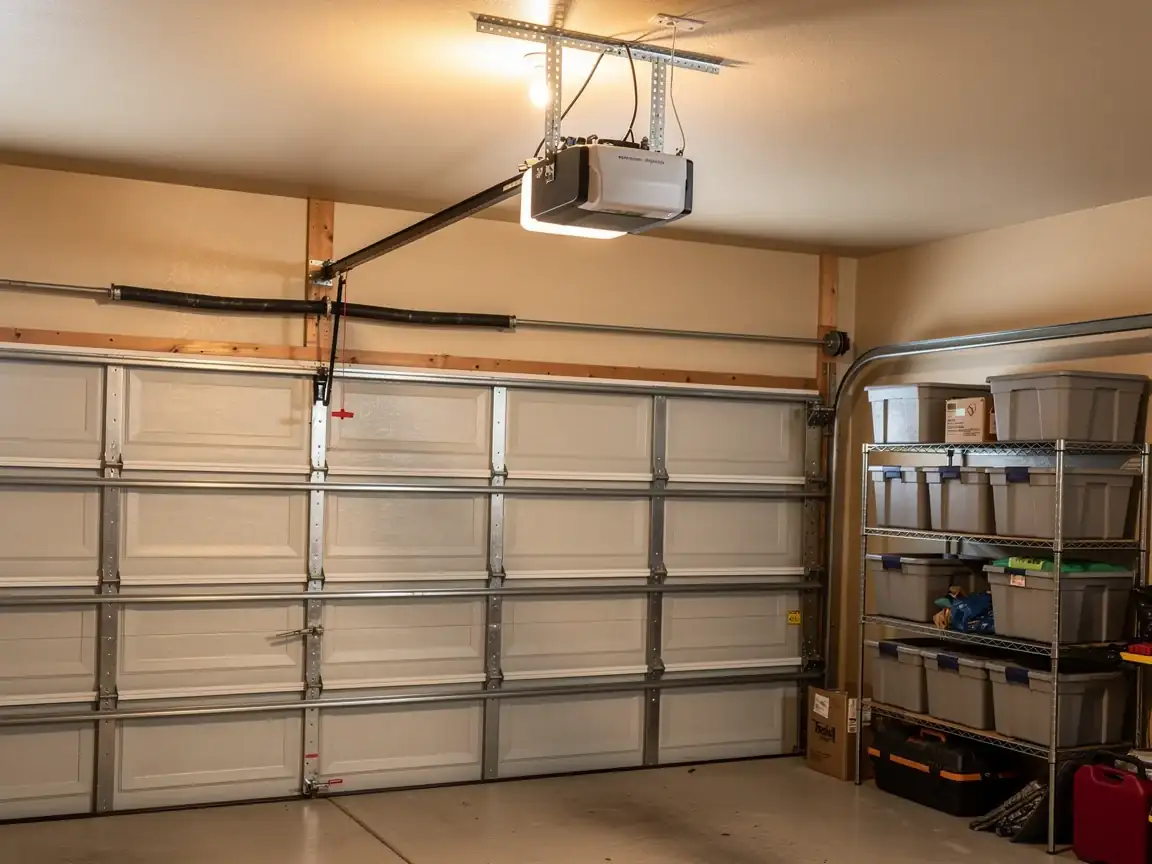
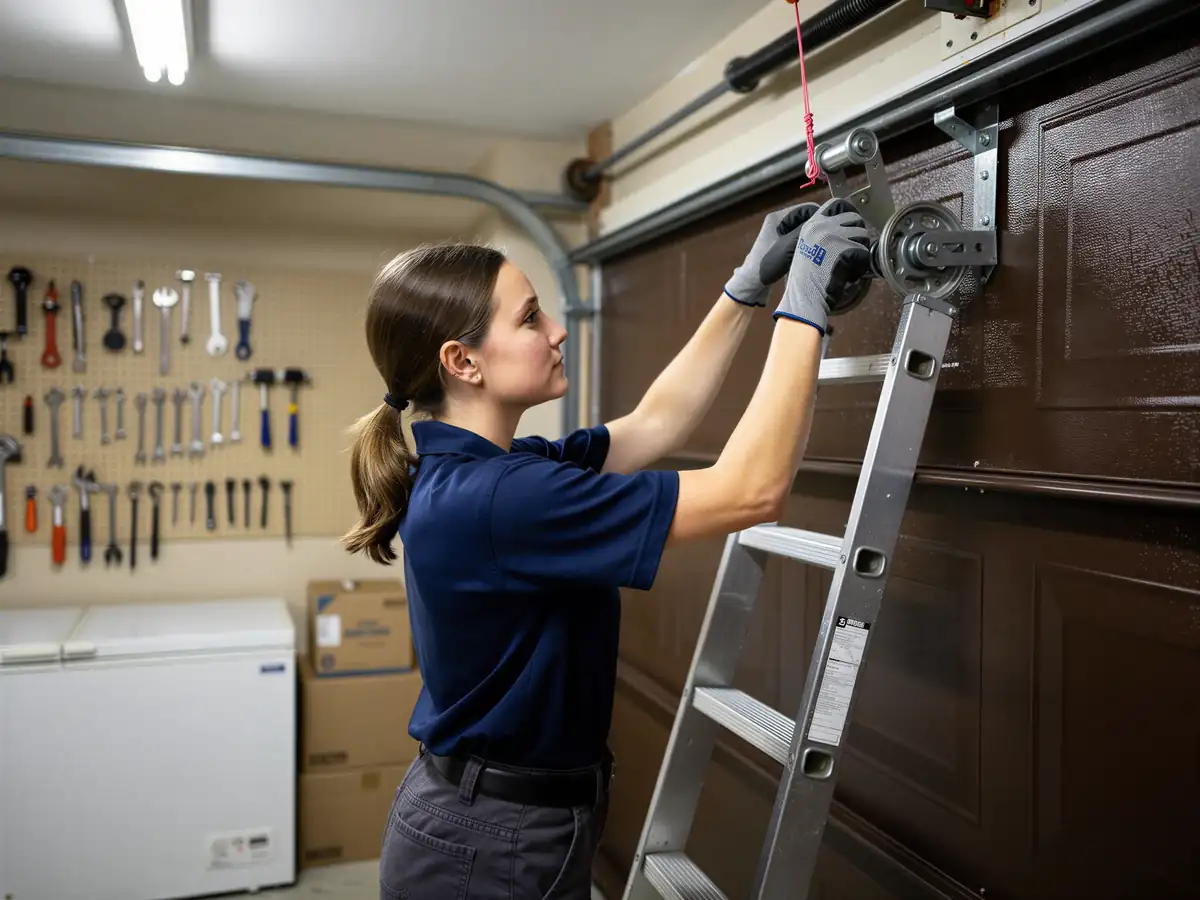
Standard 1/8-inch galvanized aircraft cable for torsion setups, and the heavier gauge used on older extension-spring doors with bottom-mounted pulleys. We also stock the clips, drums, and safety cables that go with each. What we don't stock is anything specialty: if a door has a cable system that was custom-run or modified from factory spec, that can mean a short wait on a part, and we'll tell you that up front rather than guess.
Knowing which system is on your door before the truck leaves Peoria saves a second trip
So we ask about the door's age and style when you call.
Why This Fails Locally
Cable failure almost always starts with corrosion or fraying at a pinch point, and the cold-moderate winters this area gets push that along. Repeated freeze-thaw cycles stiffen the cable strands and crack any factory coating, so a cable that looks fine in October can be down to a few strands by February.
On Bartonville's older stock, the second failure point is the drum or pulley itself. Original hardware from the 1950s has had decades of cycles on it, and when the drum groove wears, the cable rides unevenly and frays faster than a new drum would let it. We see this pattern often enough on doors from this era that it's usually not a one-part fix - replacing the cable without checking the drum just buys you a few more months.
How We Fix It
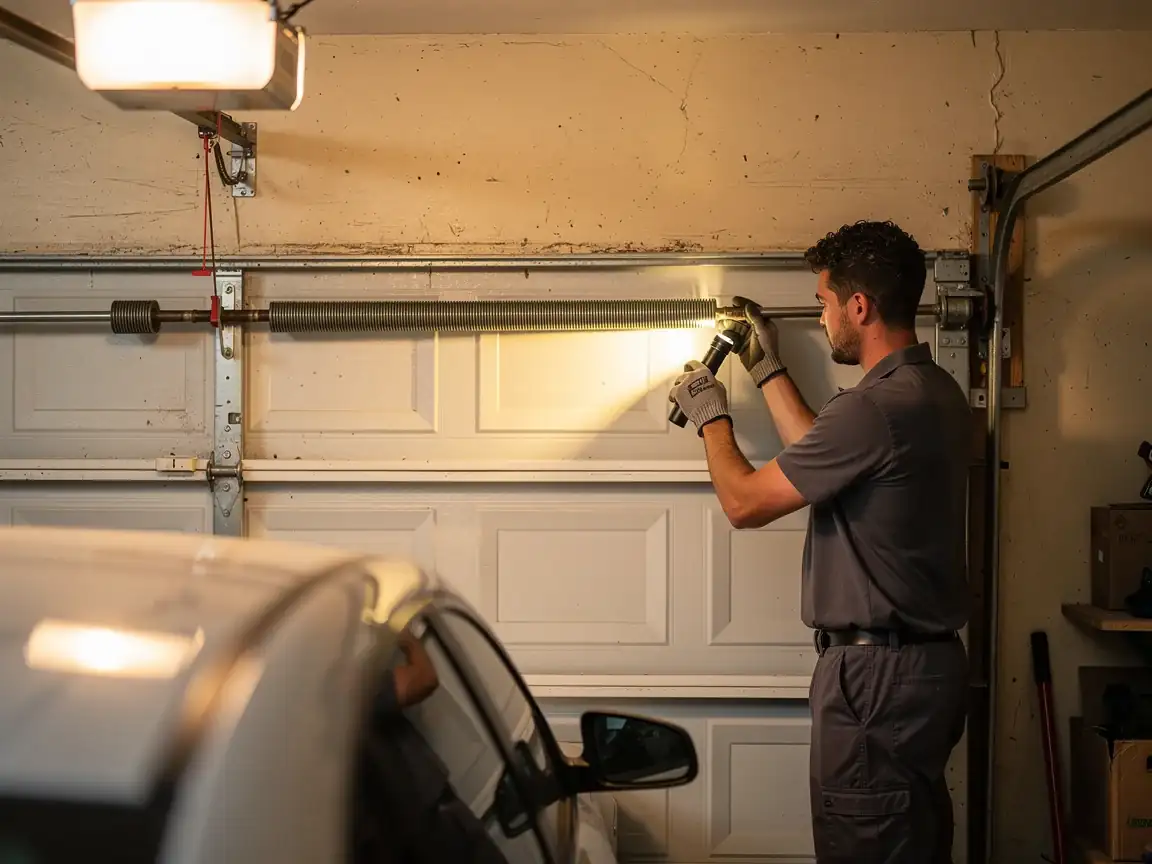
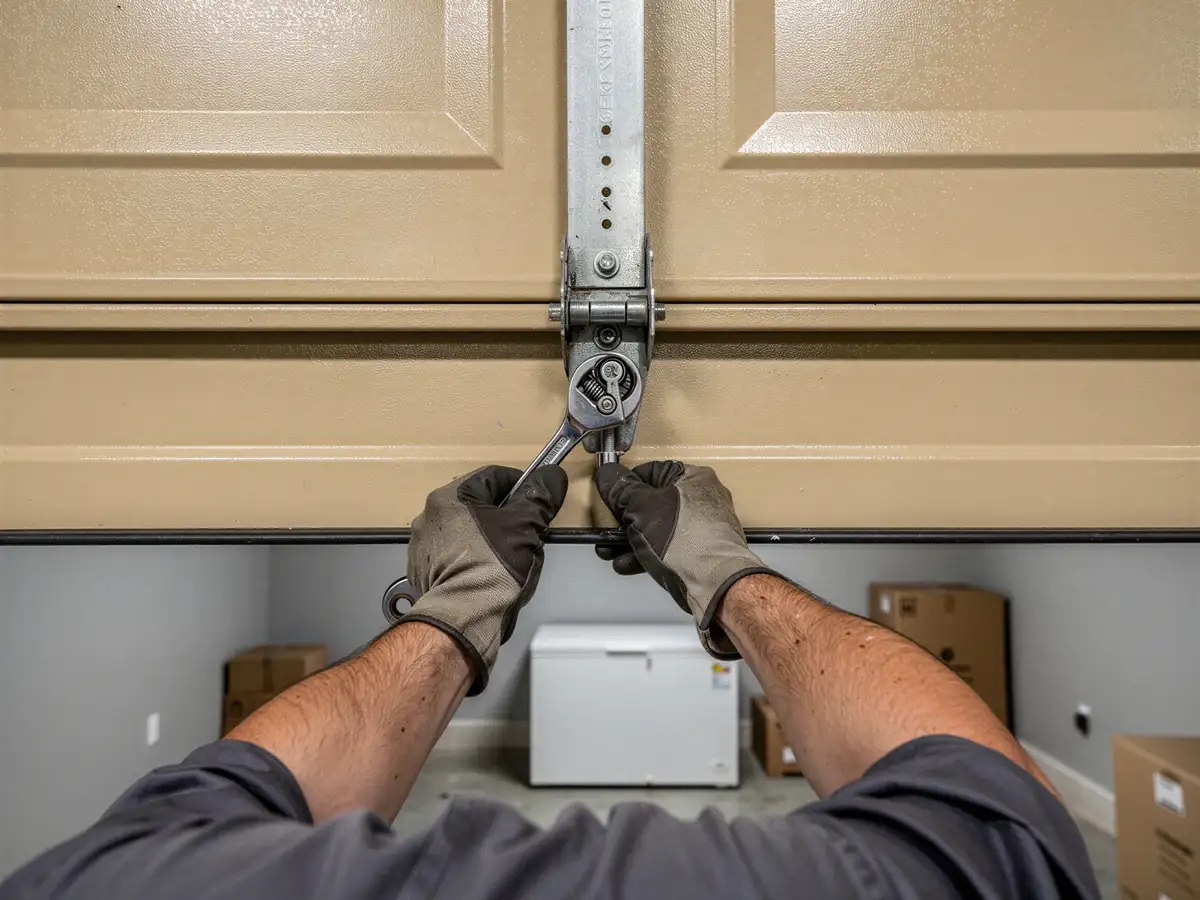
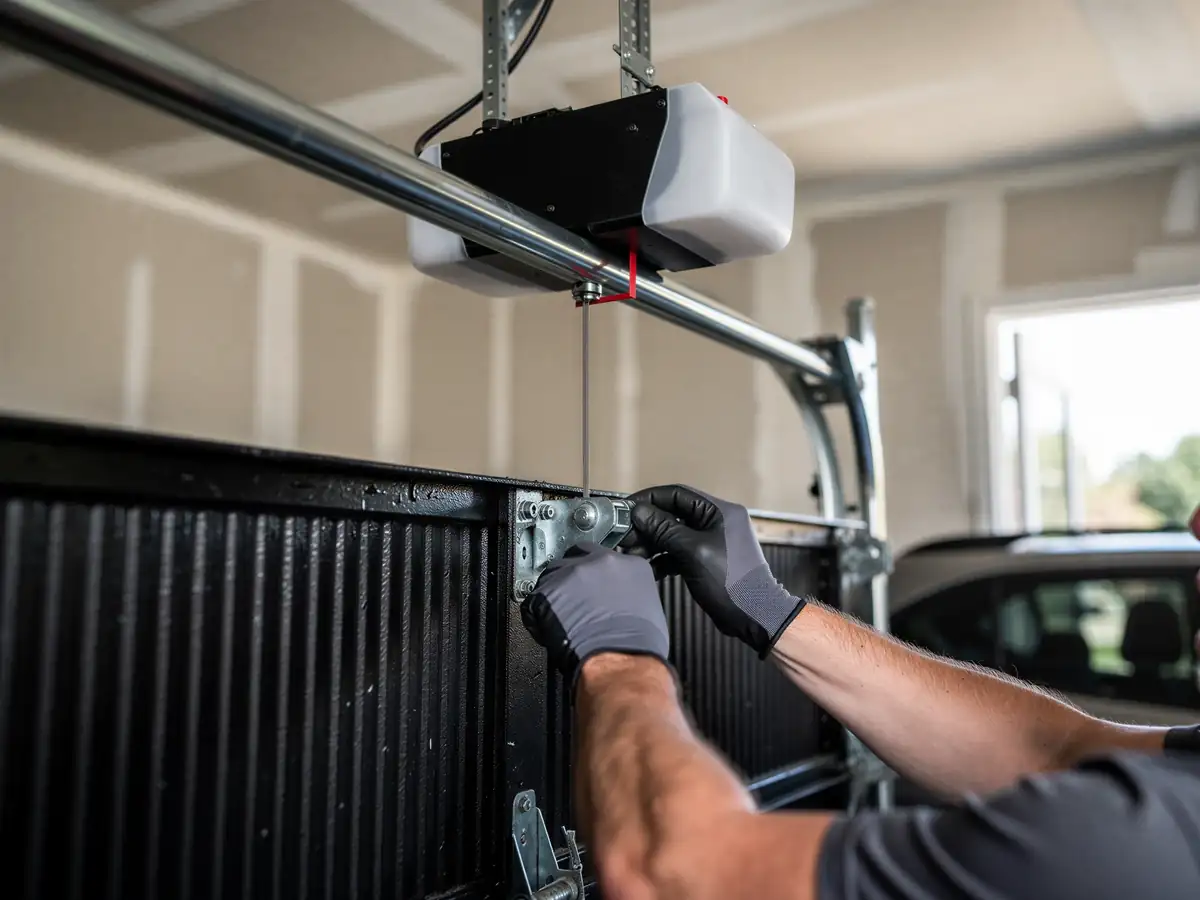
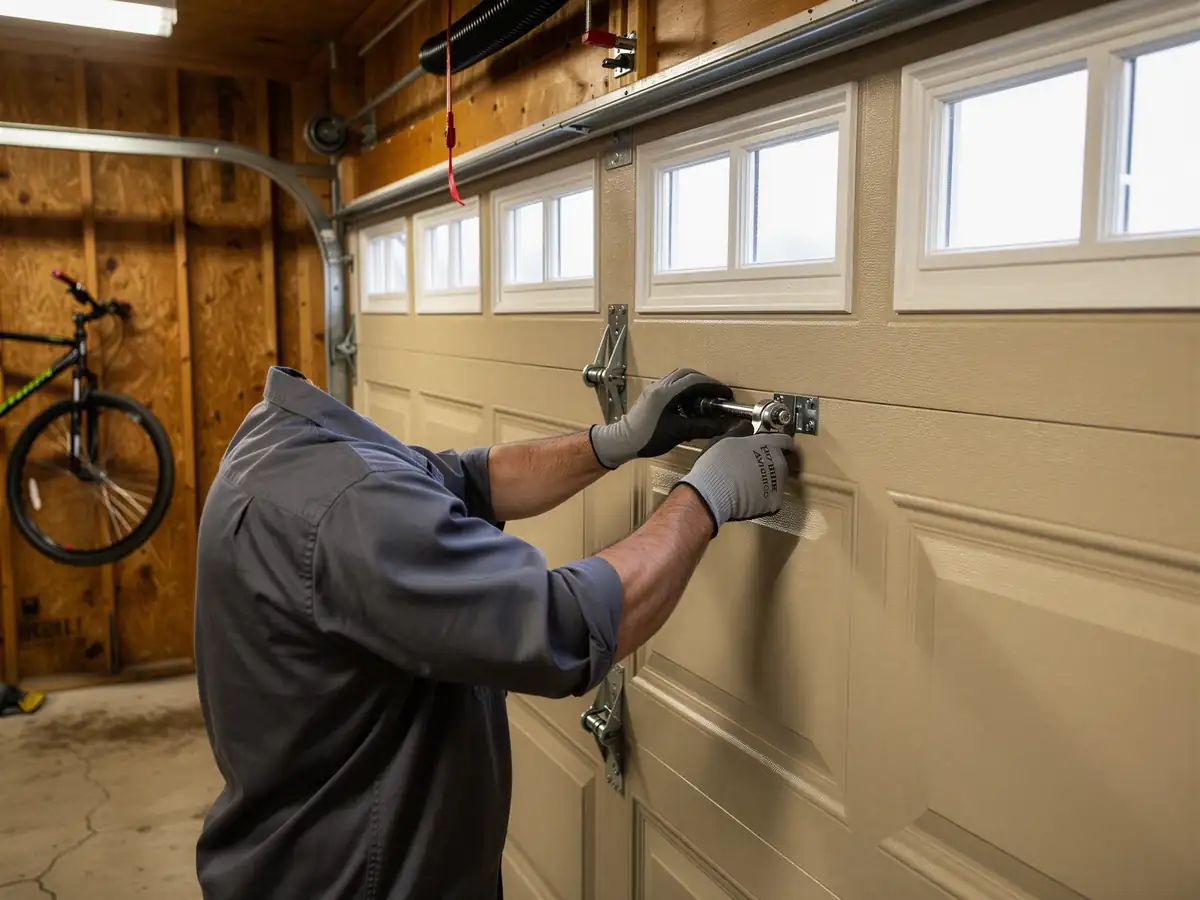
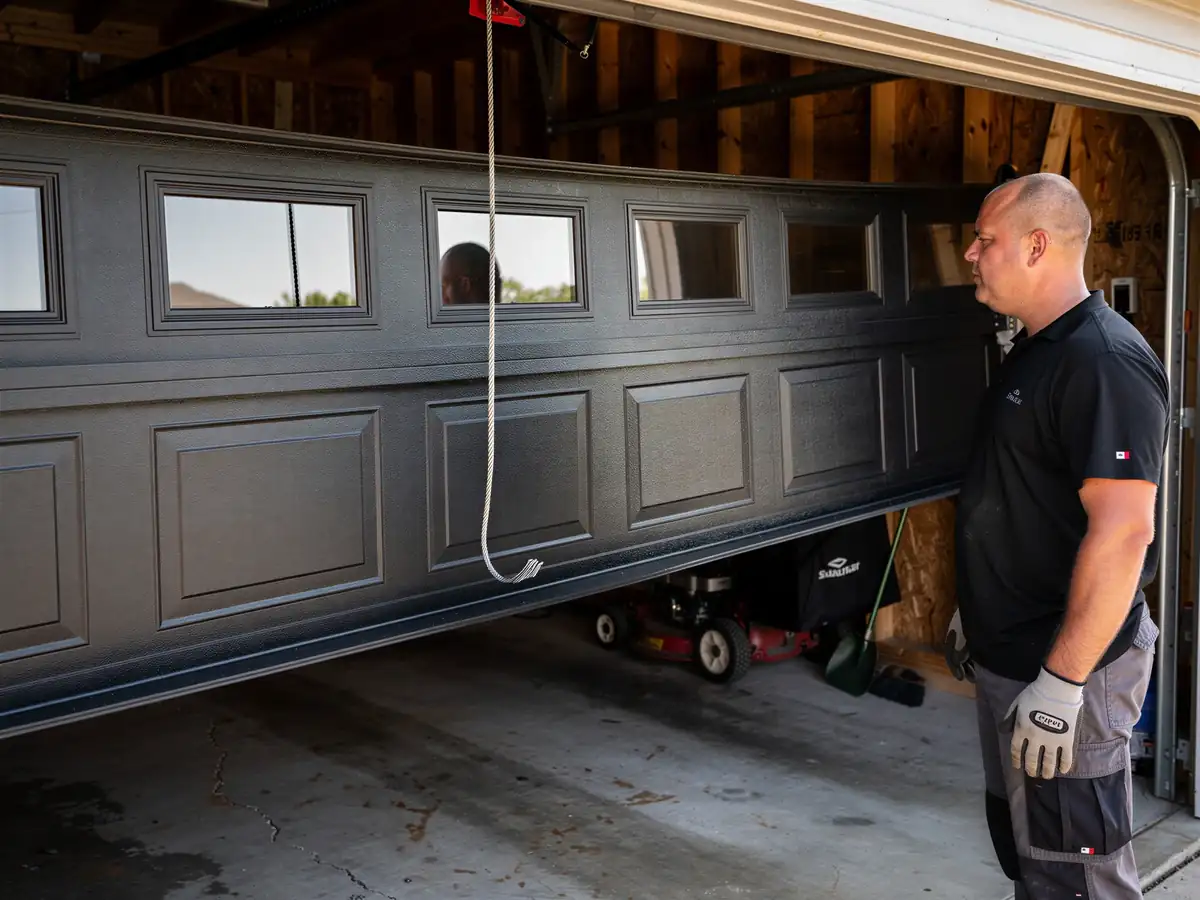
We pull the door, release spring tension safely, and inspect both cables, the drums, and the track alignment before touching anything. If one cable has gone, we replace both - an eight-year-old cable sitting next to a fresh one is next to fail, and we'd rather not drive back out for the second one.
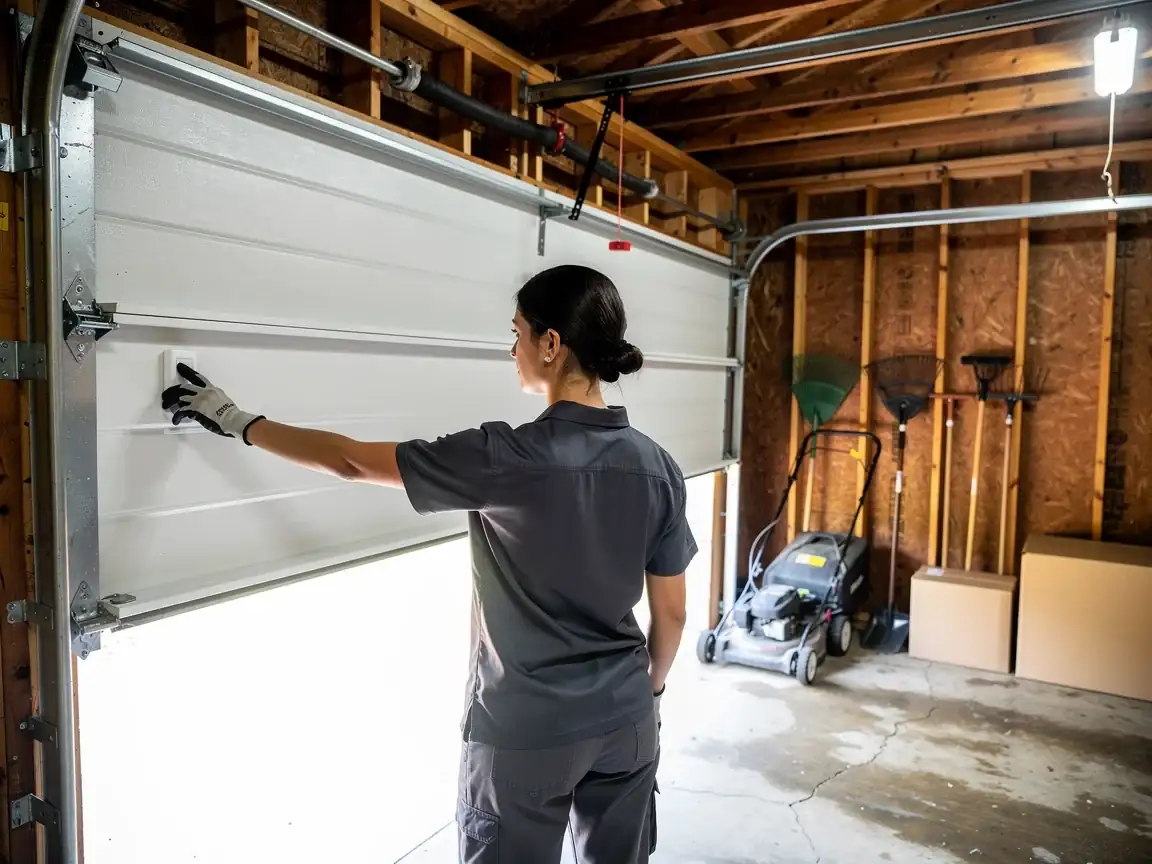
If the drum groove is worn or the pulley's seized, we replace that hardware at the same time rather than reuse it. On older extension-spring setups we also check that the safety cables are present and in good shape, since a lot of pre-1970 installs never had them added. Once the new cable's seated, we balance the door and run it through a full cycle before we call it done.
How Long You Are Without the Door
A straightforward two-cable swap on a standard door usually runs under two hours once we're on site
Including the balance check. If the drums or pulleys need replacing too, add time for that hardware. Doors with seized or rusted-through pulleys from decades of use take longer to free up than ones that just have a snapped cable.
We're coming from Peoria, about eight miles out
So factor that into when you call - we don't keep a branch in Bartonville and won't claim a response time we can't back up. What we can tell you is the repair itself, once we're there, isn't a long job for most of these houses.
Getting It Booked In
Tell us the door's age and whether the springs sit above the door (torsion) or along the tracks (extension) - that alone tells us which cable and hardware to load before we leave Peoria. A broken cable is also the point where a door can drop without warning, so don't try to force it open or closed with the opener; leave it as-is until we get there. See our Peoria-wide cable repair page for the general process, or check coverage for Bartonville for what else we handle in the area.