Stocked Parts
Bartonville's median household income is $67,674
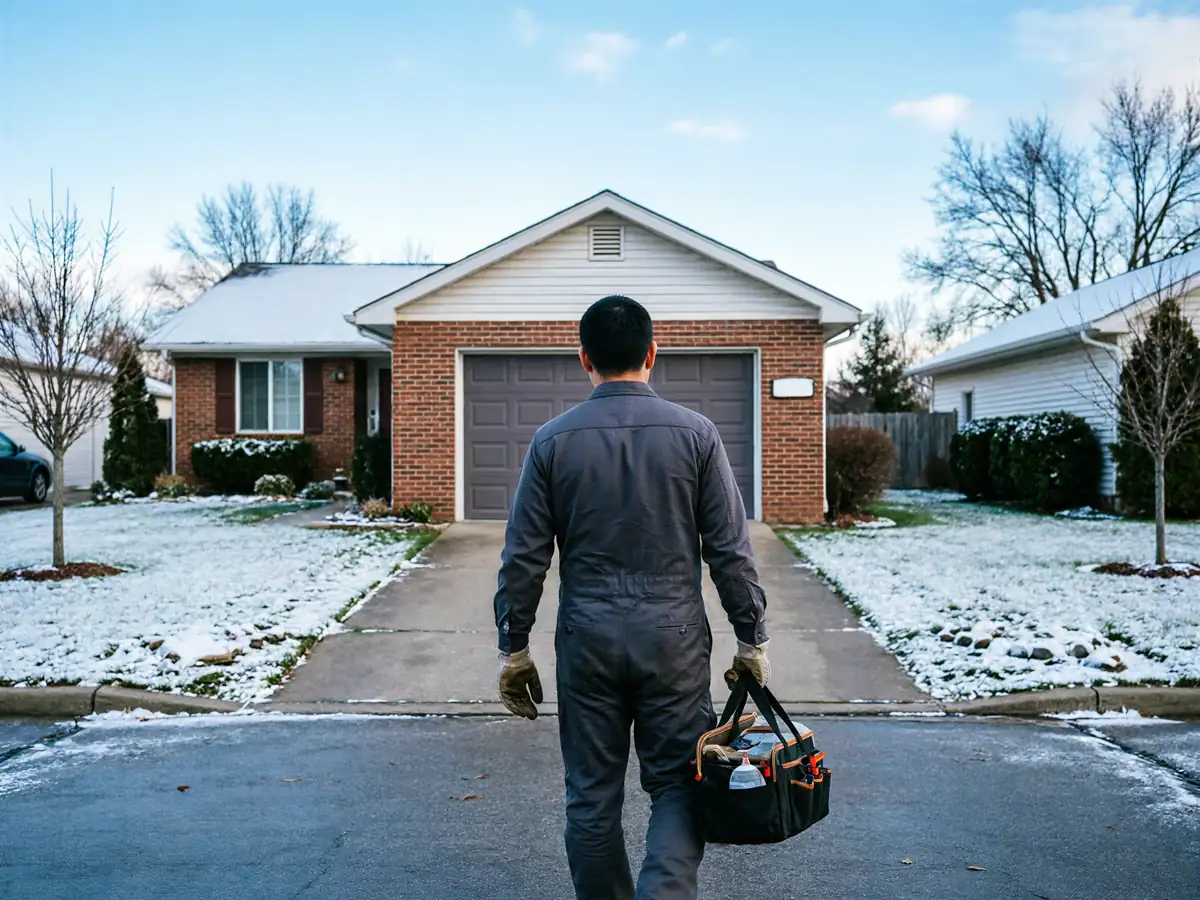
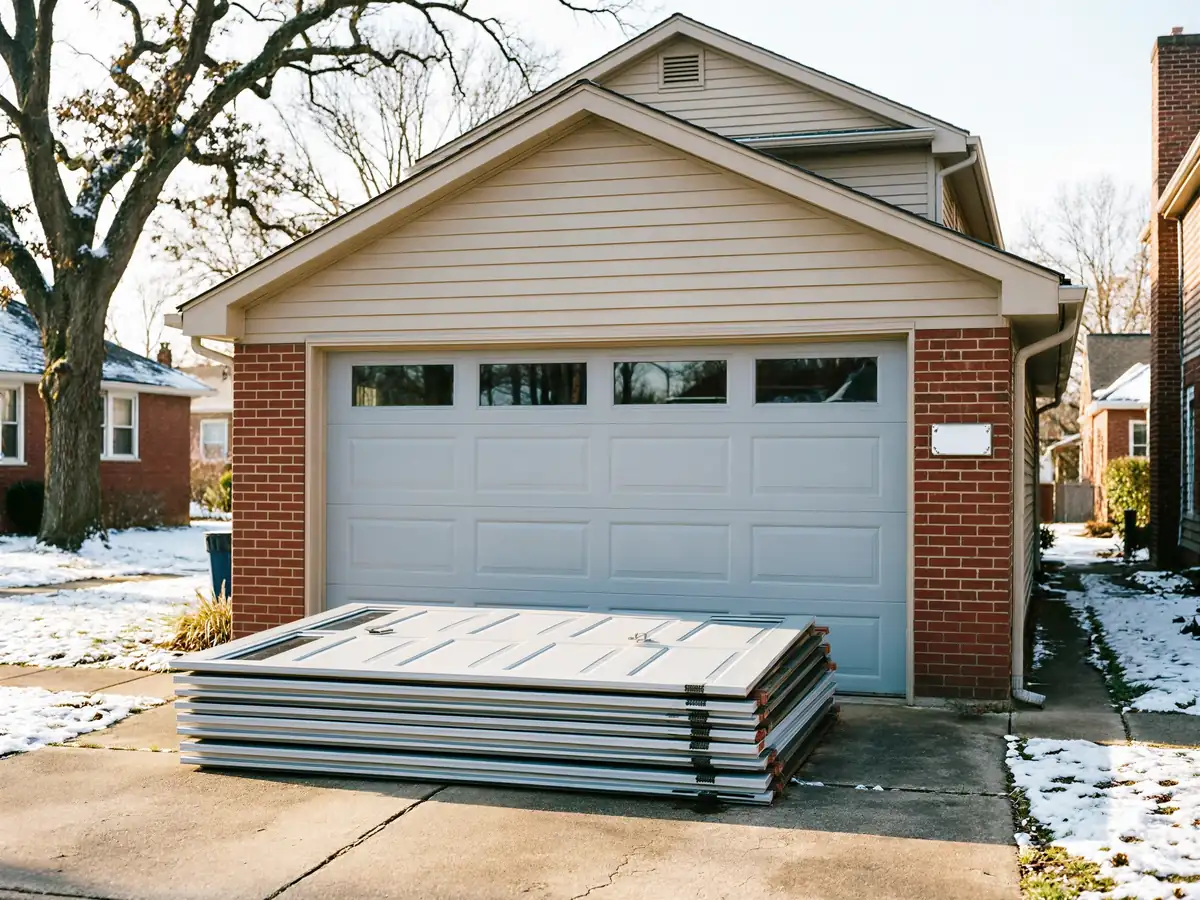
Roughly $4,000 under the $71,763 median across the wider service area we cover from Peoria. That gap matters more than it sounds. It's the difference between a homeowner who replaces a door outright and one who wants the cheapest fix that gets them through winter. We carry stock sized for both calls, but the parts we load for Bartonville jobs specifically lean toward what fits houses built around 1956 - narrower standard openings, older jamb depths, torsion springs sized for lighter steel sections rather than today's insulated panels. We don't carry a separate inventory just for this town; with about 2,616 households here, it's not a market that supports its own warehouse. What we do is load the truck based on the job before we leave Peoria, so if you tell us the door's age and rough size on the phone, we're not guessing when we pull up.
- 2,616 households
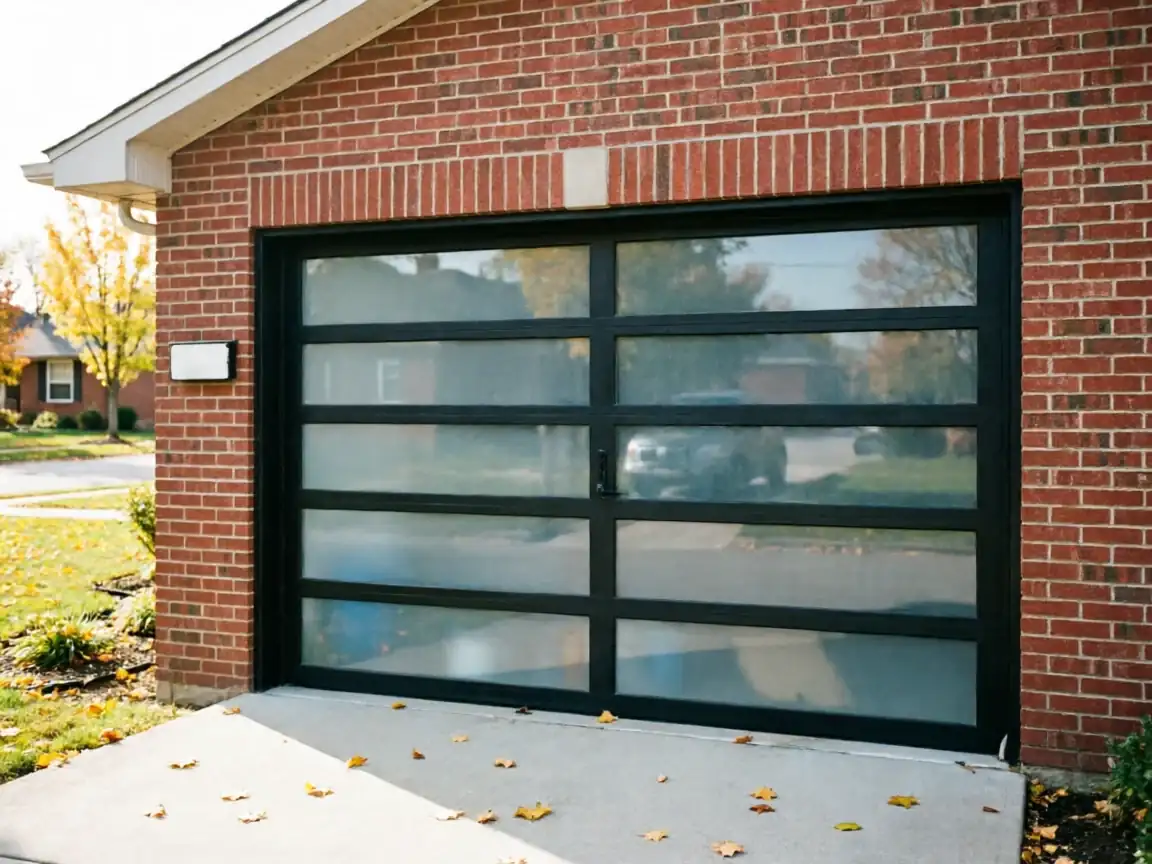
What we don't stock: oversized custom panels or specialty glass inserts
Those get special-ordered, and the lead time on them is the one thing we can't speed up no matter how close the job is.
Why This Fails Locally
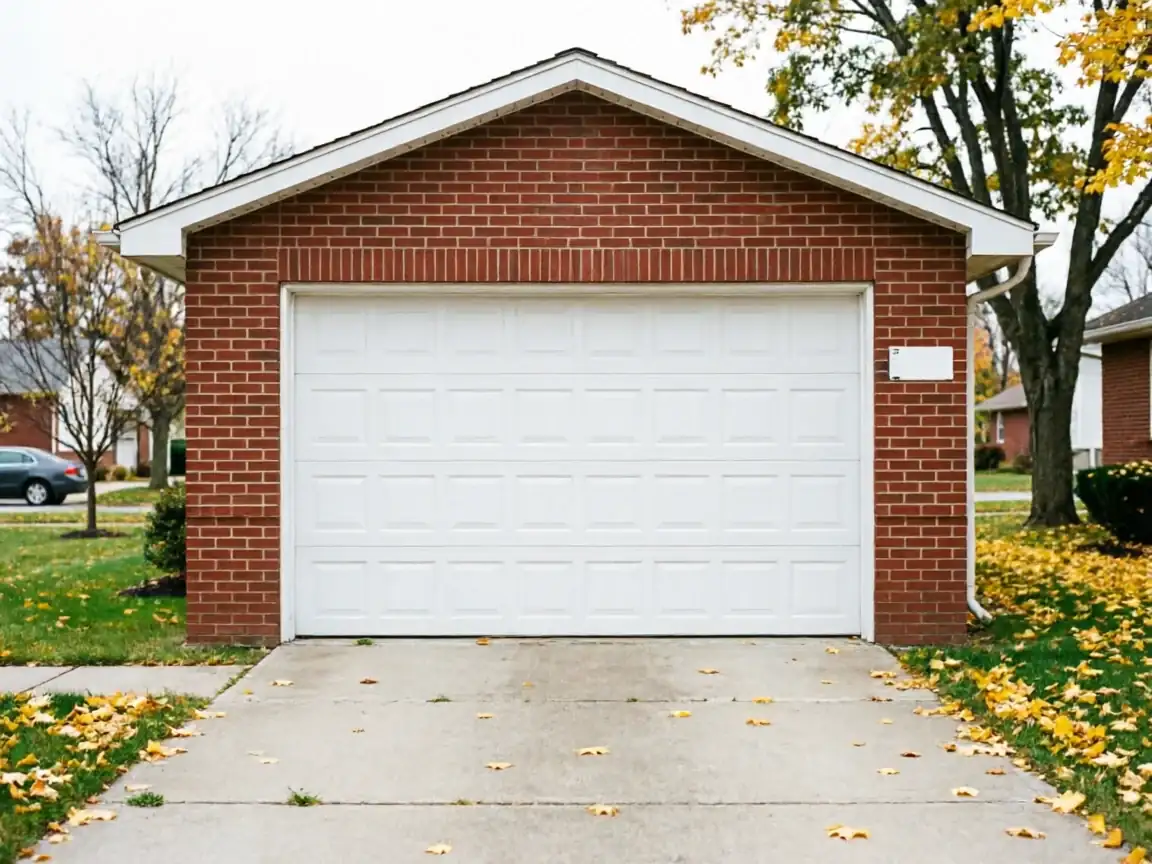
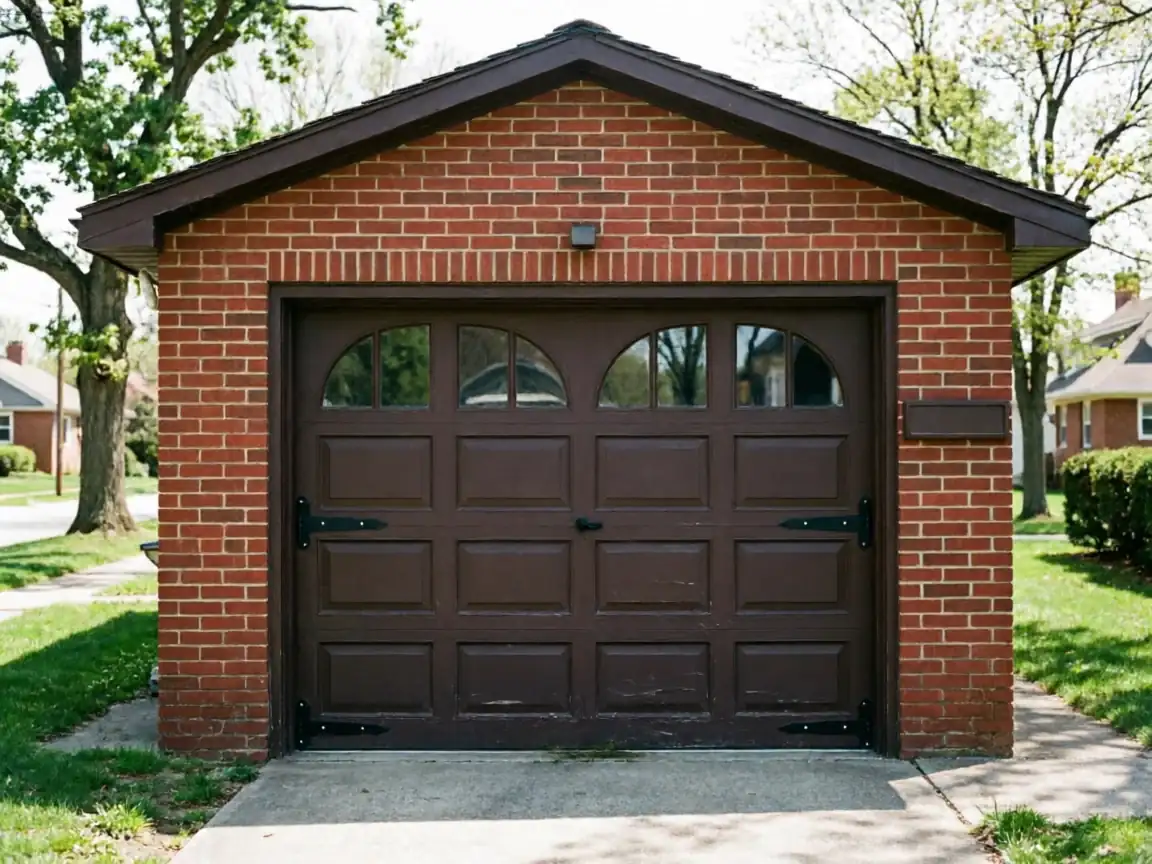
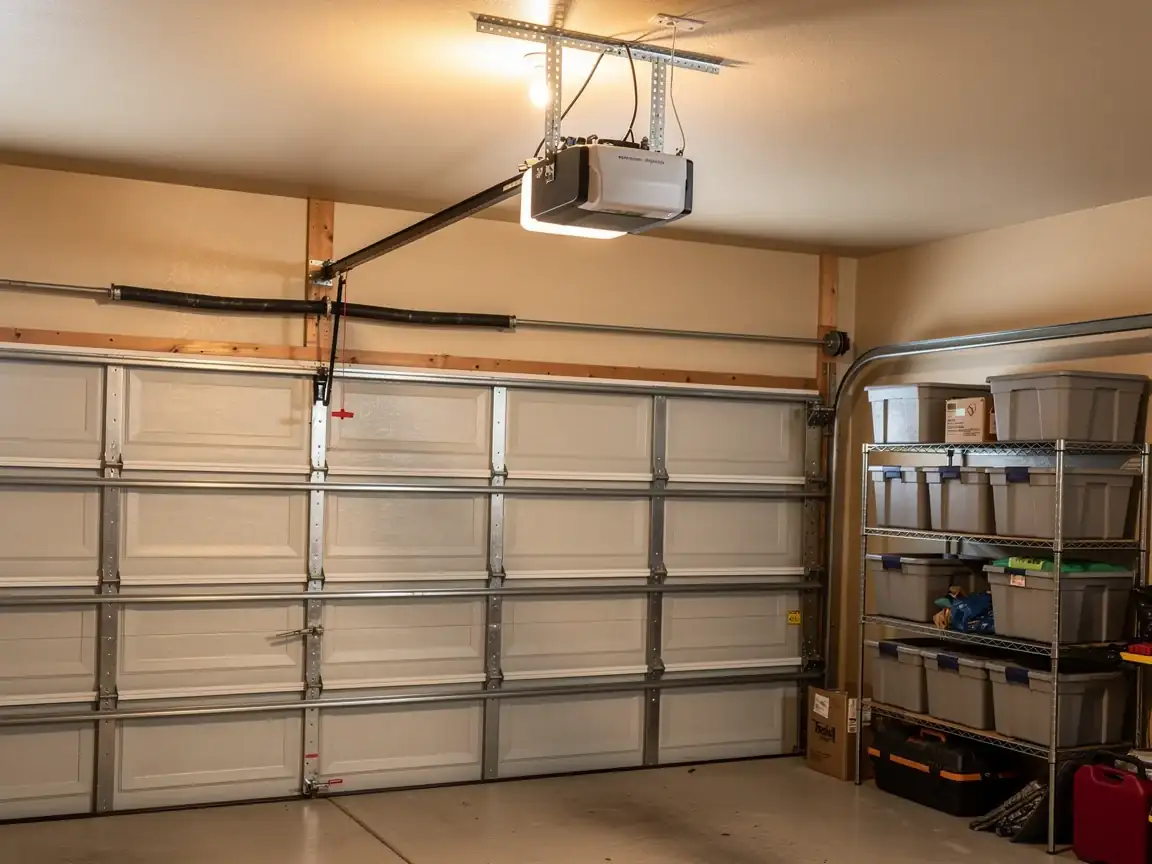
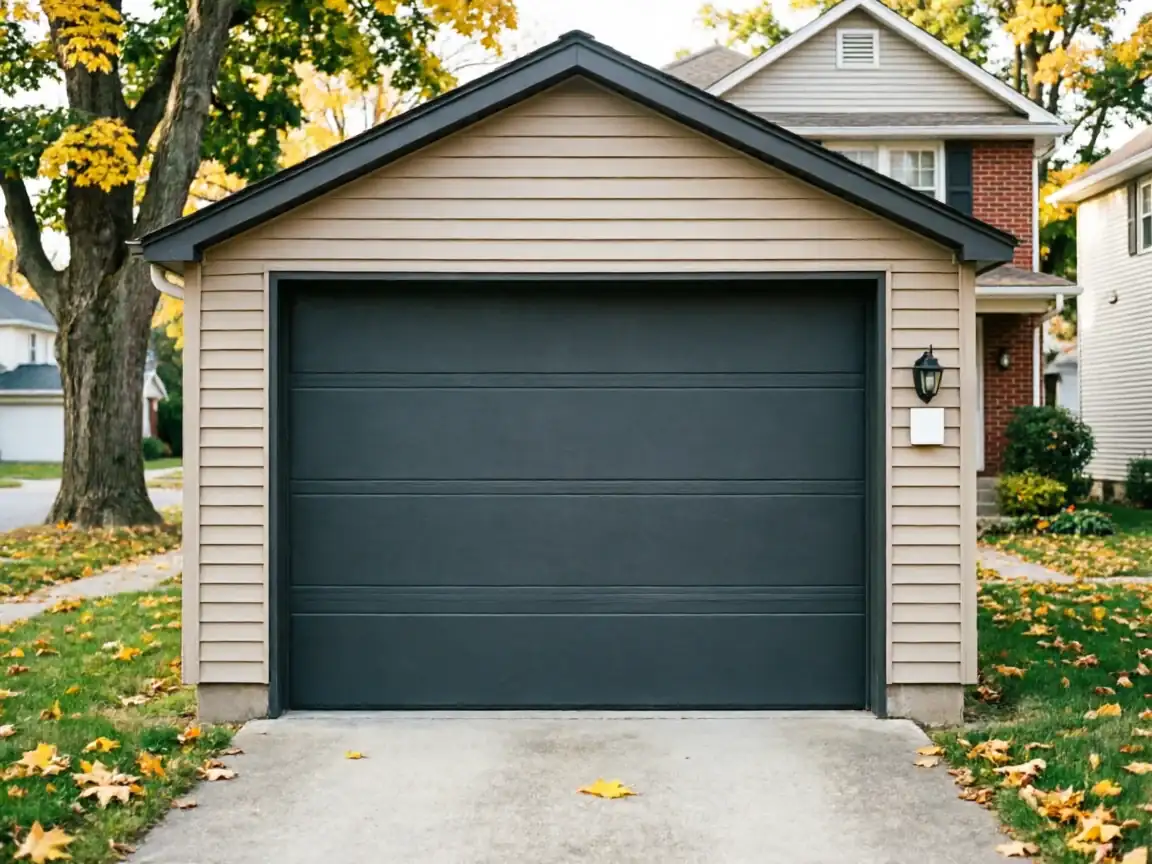
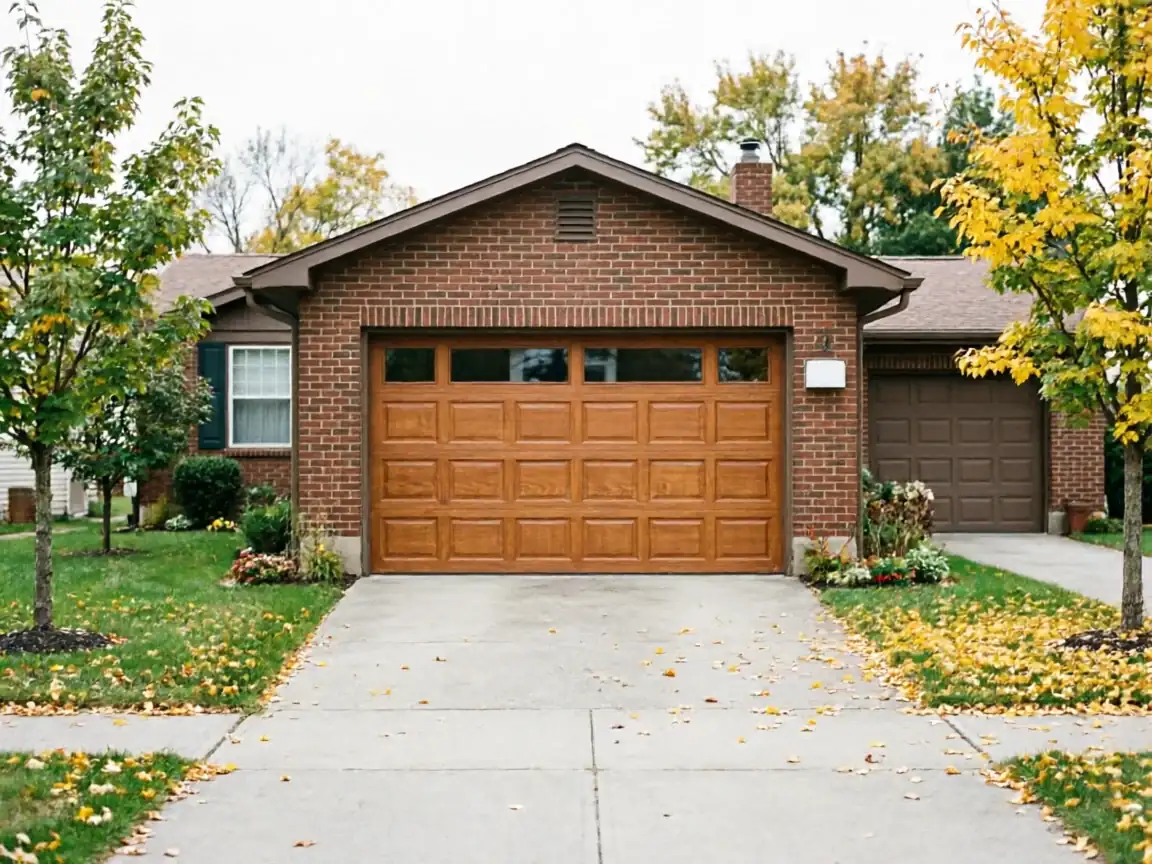
A house built in 1956 was not built with a garage door in mind the way a house built in 1995 was. The service area's housing stock runs from 1938 to 2002 with a median around 1964, but Bartonville sits earlier than that median, which means more of its garage openings were framed for a single lightweight panel door, not a sectional. When those openings get retrofitted decades later with a modern sectional door, the track spacing and the header clearance are often off by an inch or two - enough that the door binds on one side or the opener strains on every cycle.
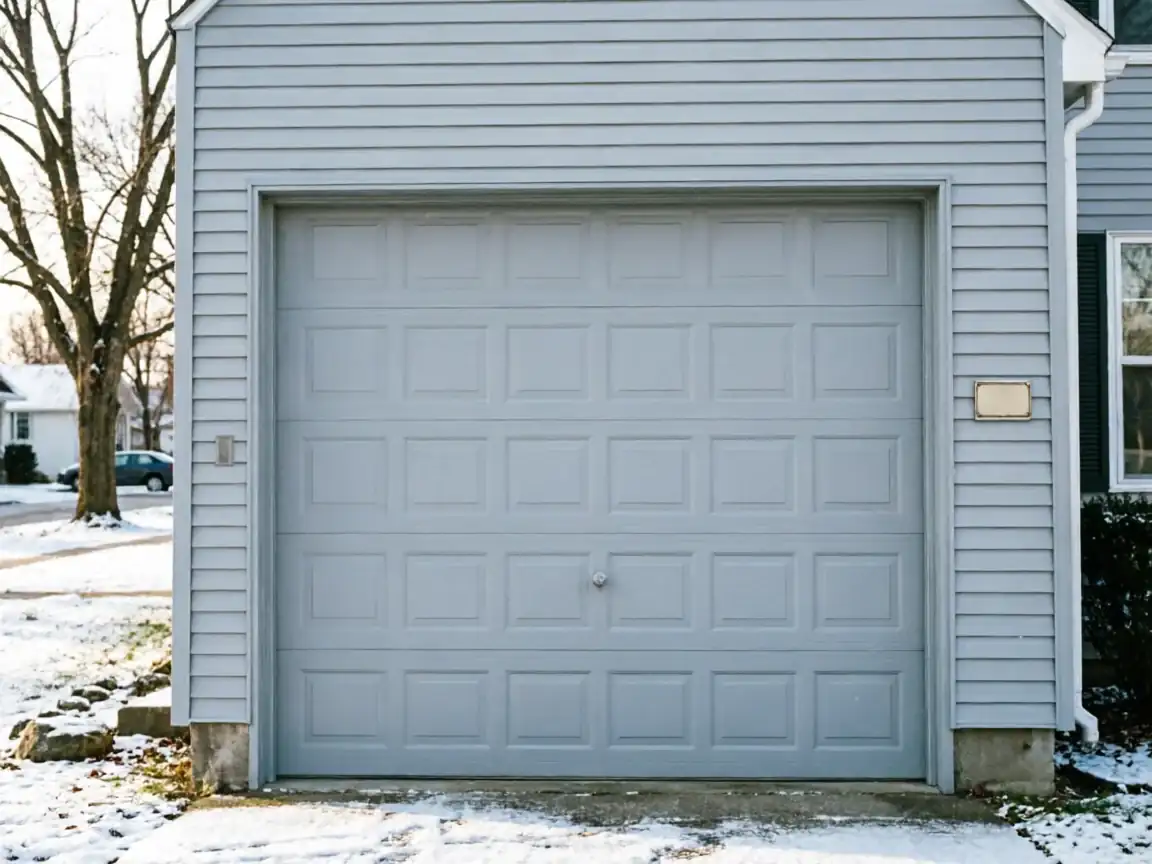
The climate here is cold and moderate, not brutal, but it's enough that a door hung on 1950s framing without updated weatherstripping channels leaves a gap that's noticeable by January. We see it most on north-facing garages where the sun never gets at the door to help seal small warps in the panel. It's not a dramatic failure - no one wakes up to a door off its tracks - it's a slow one, a quarter inch of daylight under the bottom panel that gets worse every heating season until someone decides to deal with it.
How We Fix It
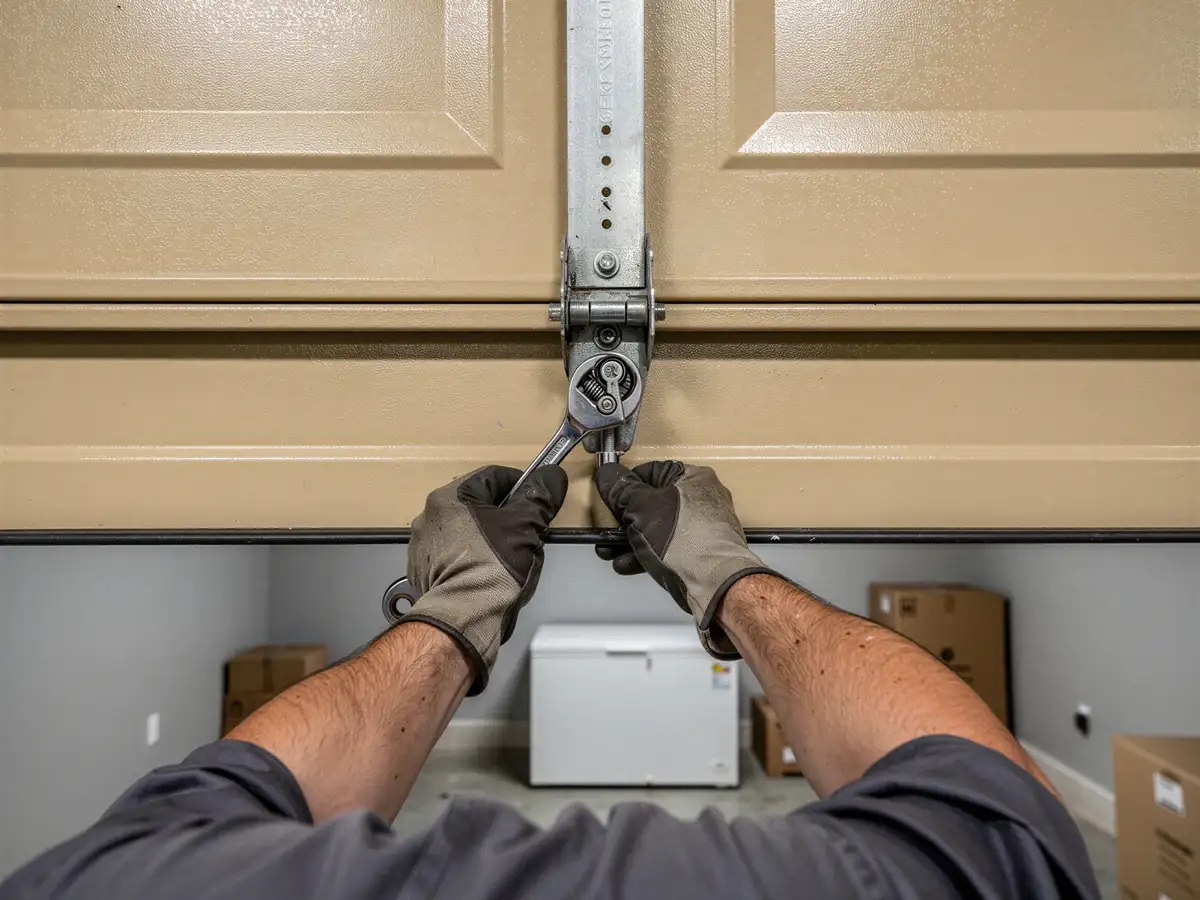
For a straight replacement on a 1950s-era opening, the job starts with measuring the actual header and jamb depth rather than assuming it matches a modern spec sheet - on houses this age it frequently doesn't. We reframe where needed, set new track to match the opener and door combination, and seal the perimeter so the gap that's been letting in cold air for years actually closes.
Where the opening is genuinely out of spec - too narrow for a standard double door, or a header too shallow for modern torsion hardware - we tell you that before we quote the job, not after. Sometimes the honest answer is a single door instead of a double, or a low-headroom track kit instead of standard. We'd rather lose an upsell than leave you with a door that fights its own hardware every time it opens.
We size the new door's insulation rating for the cold-moderate climate this area sits in, not for a milder zone further south. That's a small spec line on paper but it's the difference between a garage that holds heat in February and one that doesn't.
How Long You Are Without the Door
A standard replacement on a house with a normal-sized, properly framed opening is usually a one-day job
The old door comes off in the morning and the new one is set, balanced, and cycling by afternoon. Where it runs longer is on the houses we're actually talking about here: 1950s framing that needs reinforcement, or an opening that has to be widened or reheadered before the new door goes in. That can stretch to two days, mostly because the framing work has to cure or set before we hang anything on it.
We won't quote you a one-day timeline and then surprise you with a second day once we're inside the opening
If the framing looks original when we scope the job, we tell you up front that it might run long, and we'd rather overestimate and finish early than the other way around. The door itself - the part on the truck - is never the bottleneck. The structure underneath it, on a house this age, sometimes is.
Getting It Booked In
We run this job out of Peoria, about 8 miles from Bartonville, so there's no local branch and no walk-in counter here - everything starts with a phone call or a form. Because we're not based in town, we ask for the door's rough age and size up front so the truck leaves loaded for a 1950s-era opening rather than guessing on site.
Given that this isn't a dense market - 2,616 households total - we're not running same-day routes through Bartonville every day the way we might in a closer-in neighborhood. Booking a few days out, rather than expecting a next-day slot, is the realistic expectation here. Tell us what you're seeing - daylight under the door, a panel that's warped, an opener that strains - and we'll get a day on the schedule and bring the right hardware the first time.