The DIY Question
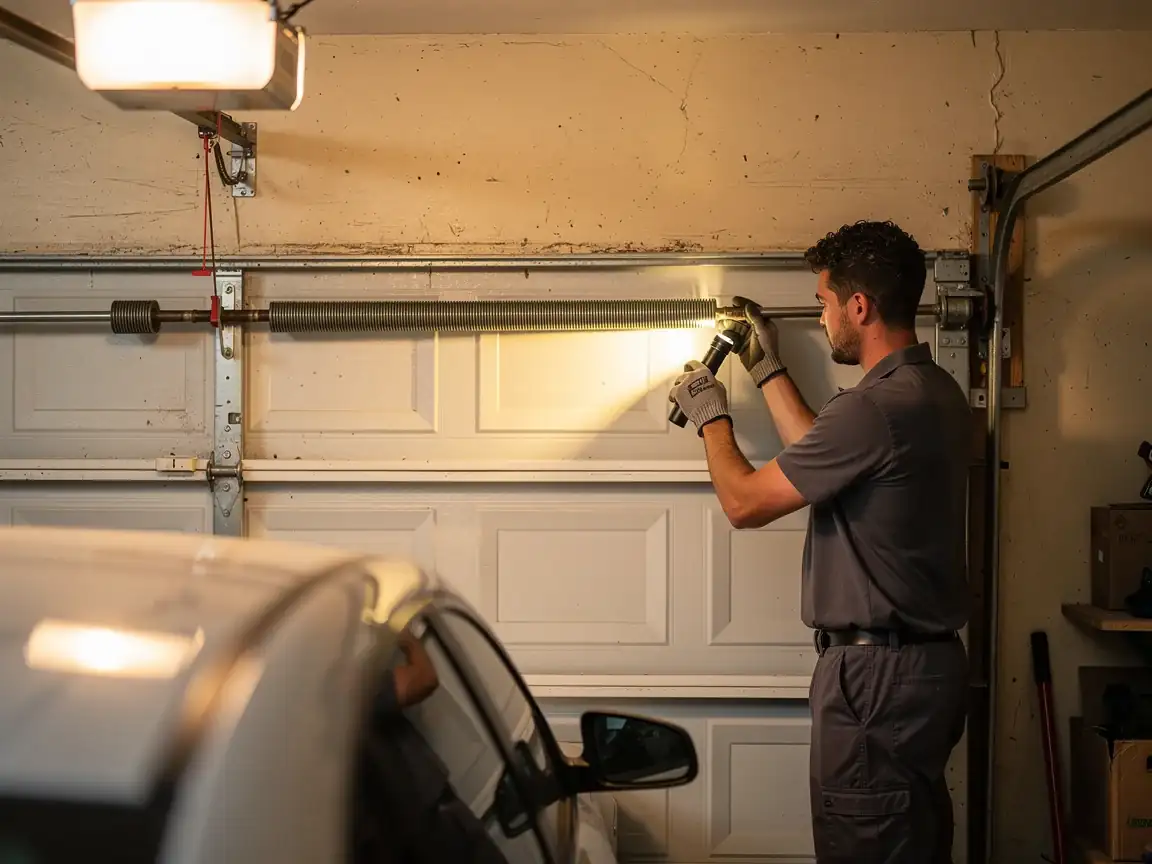
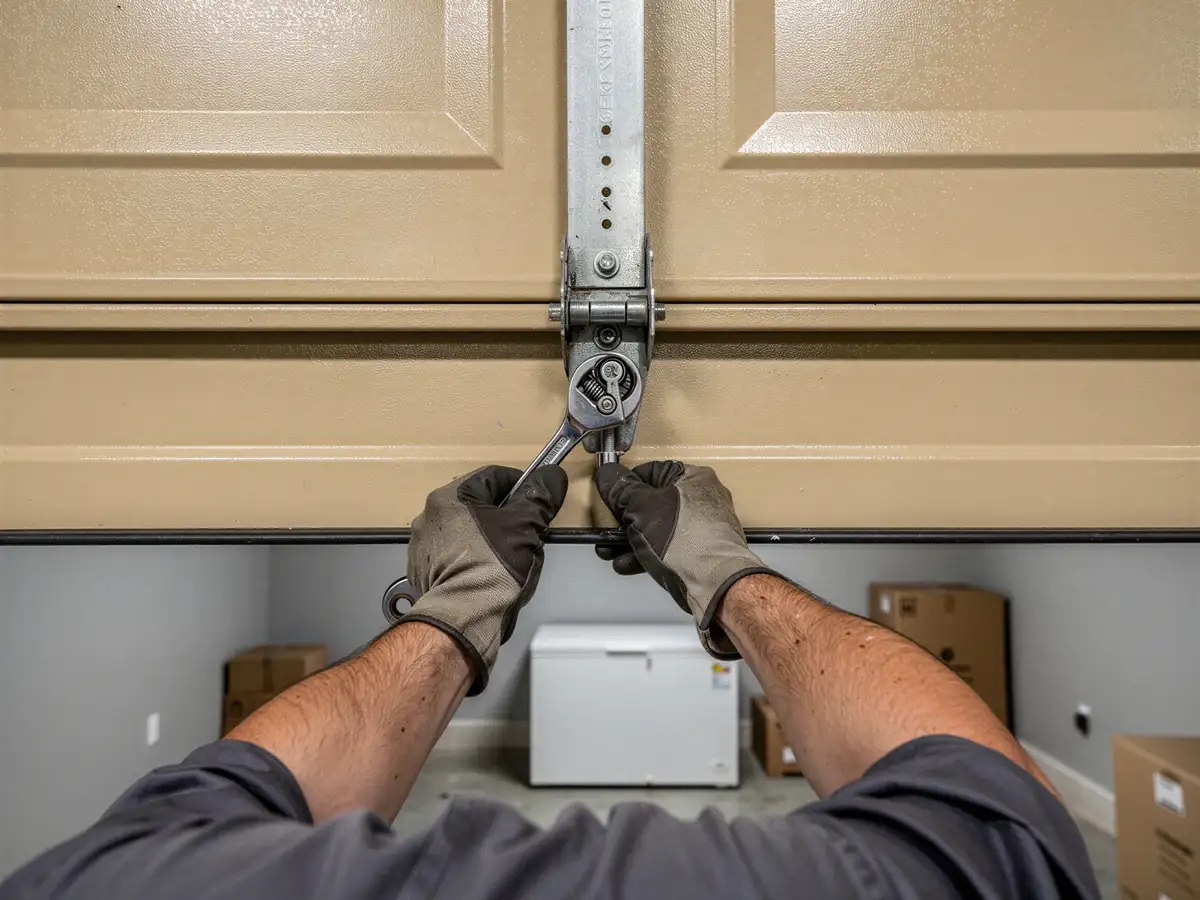
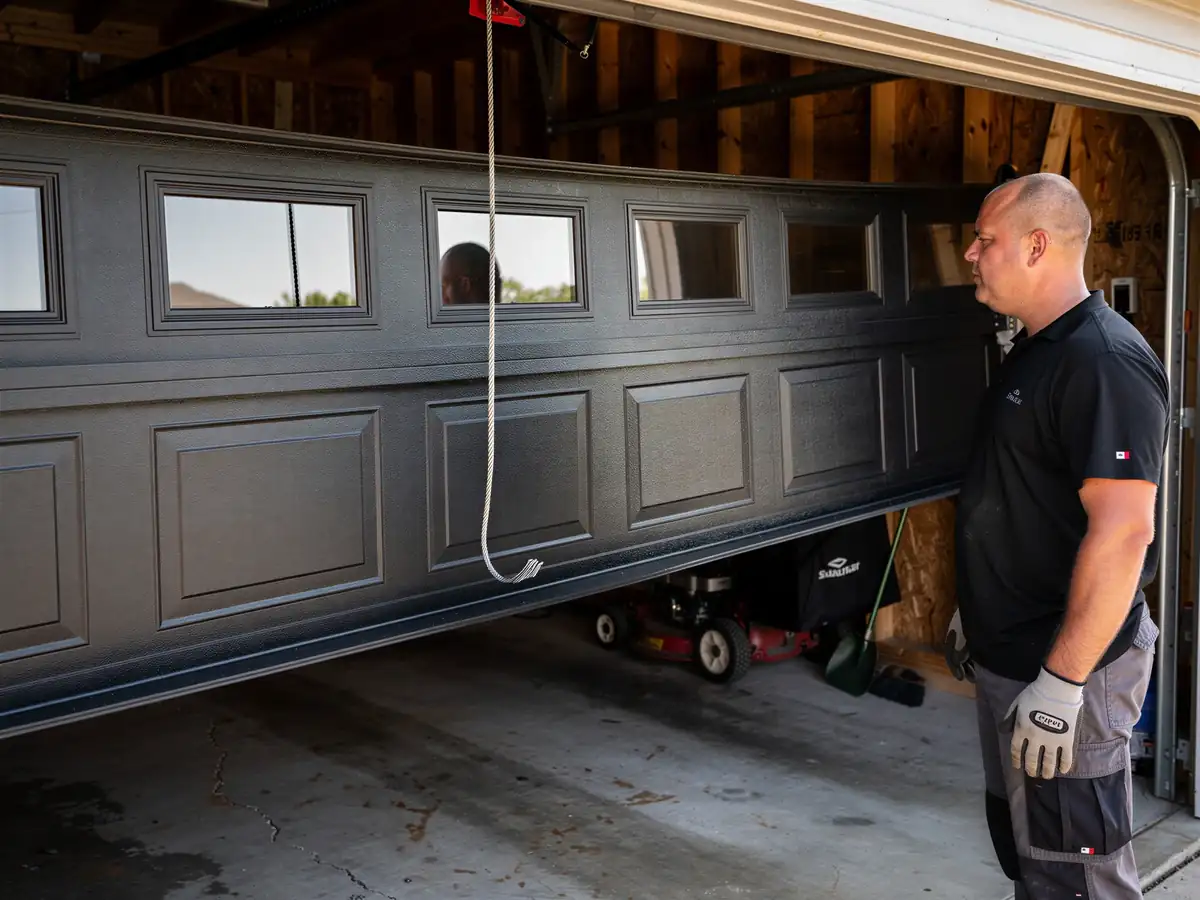
A broken cable looks simple - it's a wire, right, just clamp a new one on. The problem is the door is usually still under spring tension when the cable goes, and an extension or torsion spring that's still loaded can whip a door panel or a ladder hard enough to break a hand. If the door is down and stuck, leave it down. If it's stuck halfway up, don't try to force it closed or open by hand. You can safely disconnect the opener arm if you know where the release is, but releasing spring tension yourself without the right winding bars is the part that puts people in the ER, not the cable itself. This isn't a job we'd talk a homeowner through over the phone, and we won't pretend otherwise.
What It Costs
We don't have a published price list for cable repair, and we're not going to make one up here. Cost depends on whether one cable went or both, whether the drum or the track took damage when the door dropped unevenly, and whether this is a torsion-spring door or an older extension-spring setup. What we can tell you is that Washington's housing stock - median build year 1978, newer than a lot of what surrounds it - generally means standard residential cable gauges rather than the oversized or custom hardware we sometimes run into on much older doors. Standard parts usually mean a more predictable bill, but we'll always quote the job in person before we touch anything.
Stocked Parts
We carry standard-gauge galvanized cable for both torsion and extension setups, along with common drum and bottom bracket hardware, on the truck for most Washington calls. Where we run into trouble is older extension-spring doors with non-standard cable lengths or odd drum sizes - those sometimes mean a short wait on a special-order part. Given that most Washington homes date from the late 1970s onward, that's a less common problem here than in parts of the service area with older housing, but it does still come up on doors that have had non-original openers or tracks bolted on over the years.
Why This Fails Locally
Cables on a door built around 1978 have had roughly four and a half decades to see daily temperature swings typical of this region's cold winters and humid summers - expansion and contraction that slowly works galvanized strands loose at the drum end, even on hardware that's never been touched. In a town where a solid share of the roughly 6,100 households are living in houses from that same build era, this is less a one-off accident and more a predictable wear pattern tied to the age of the stock. We don't see it as often on newer construction, and we won't tell you a cable failure here means something's structurally wrong with the door - most of the time it just means the original cable finally gave out after forty-plus years, which is about right.