The DIY Question
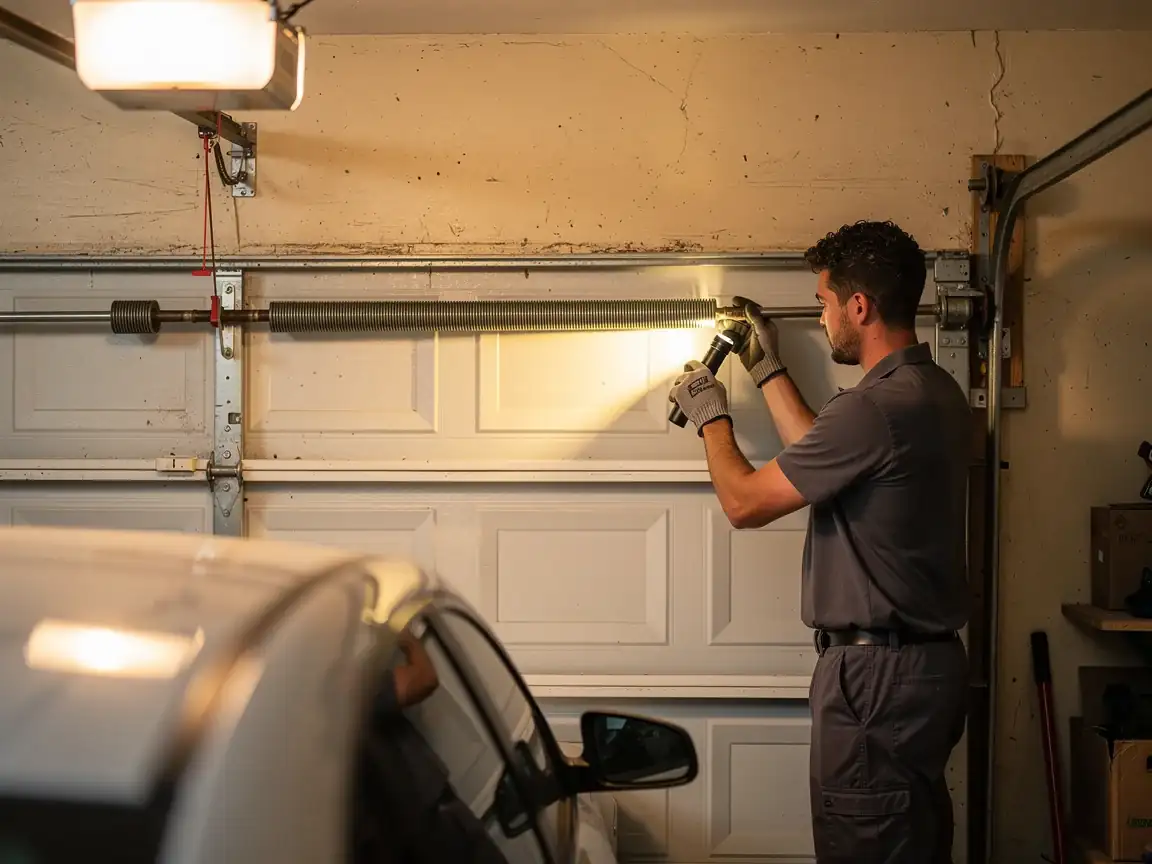
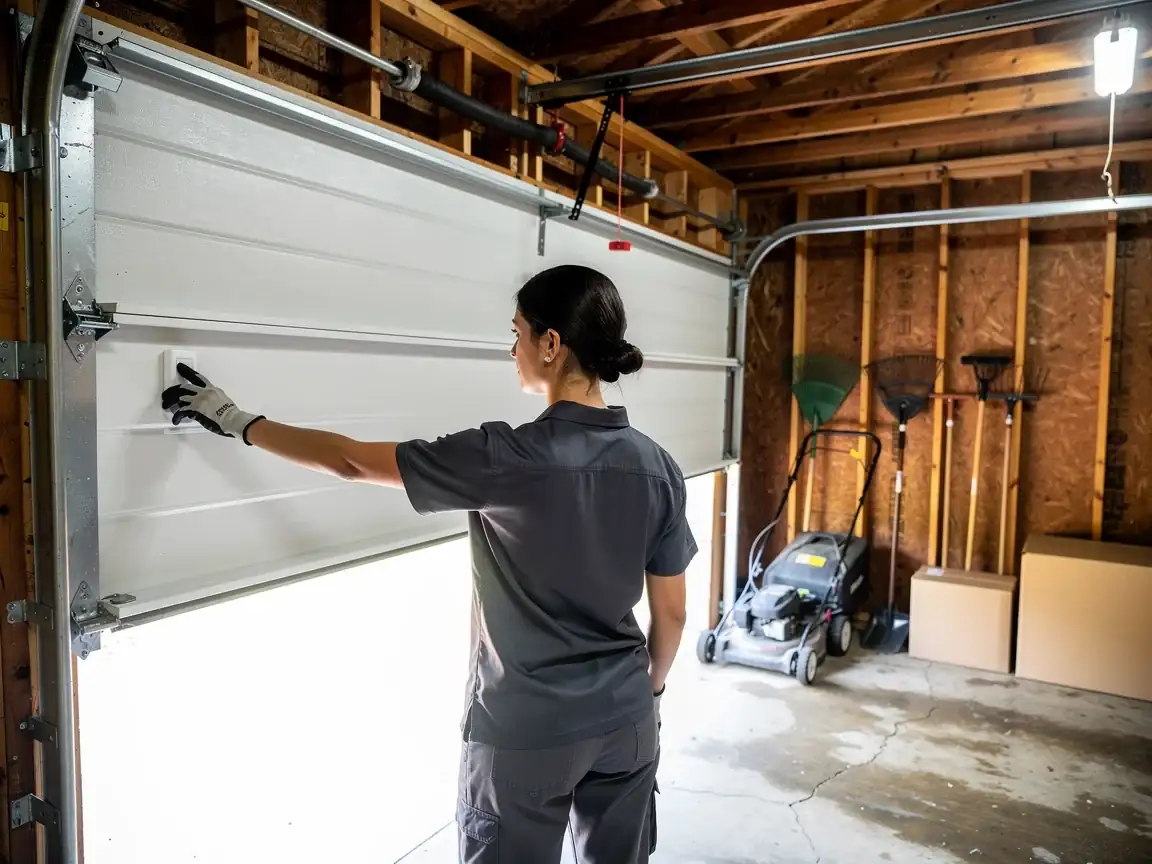
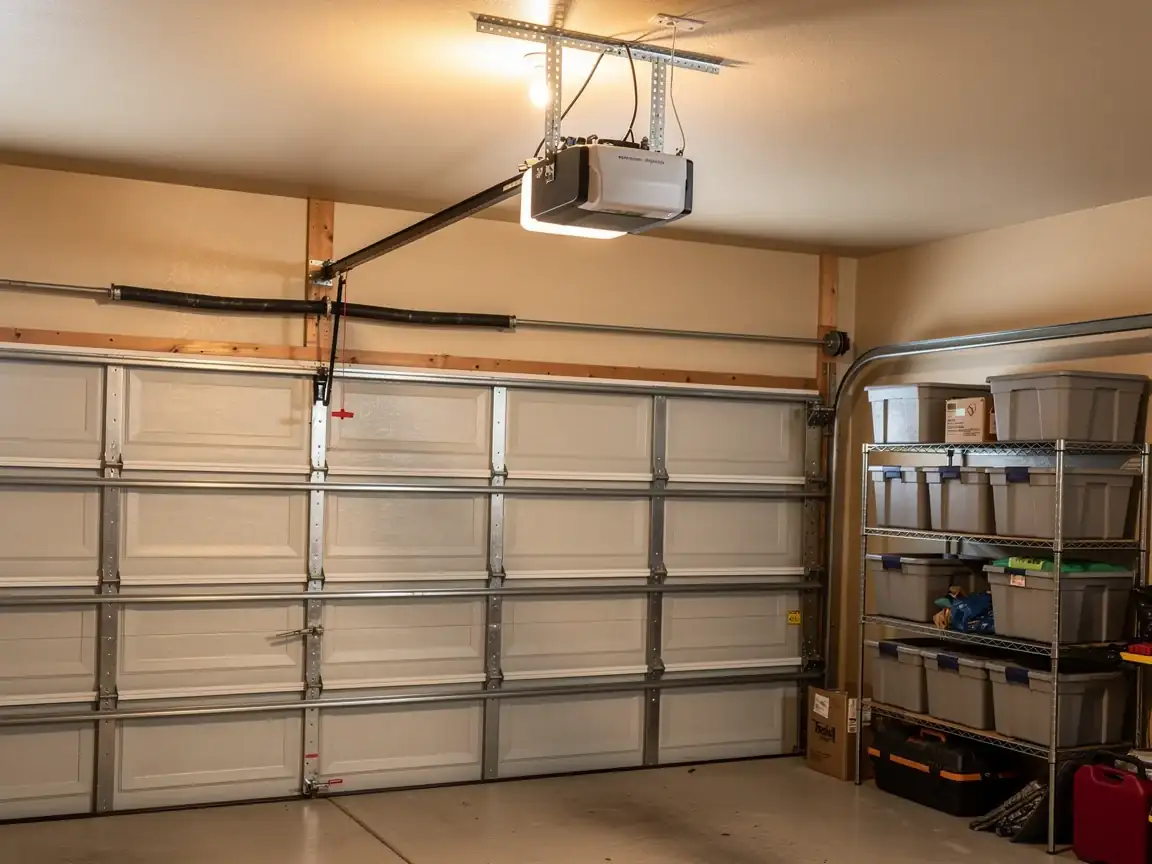
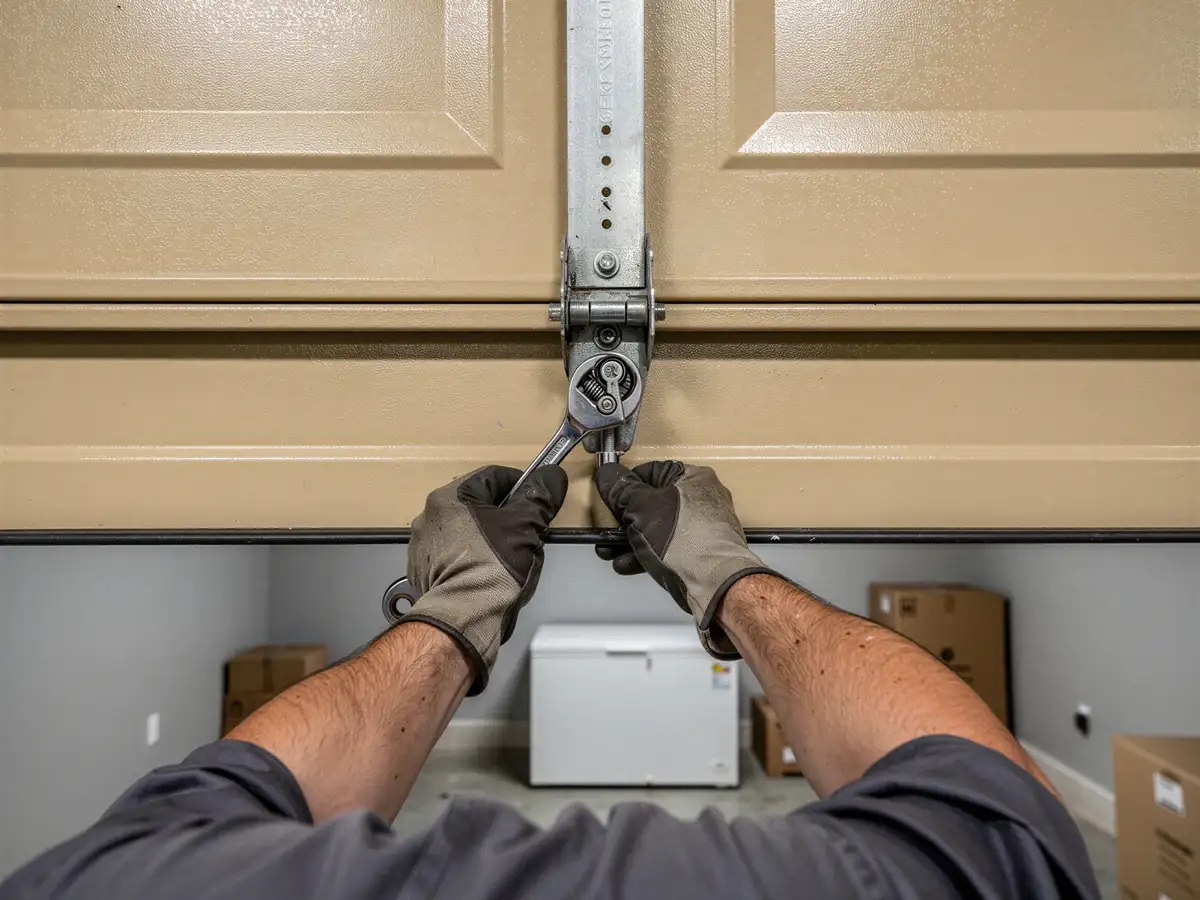
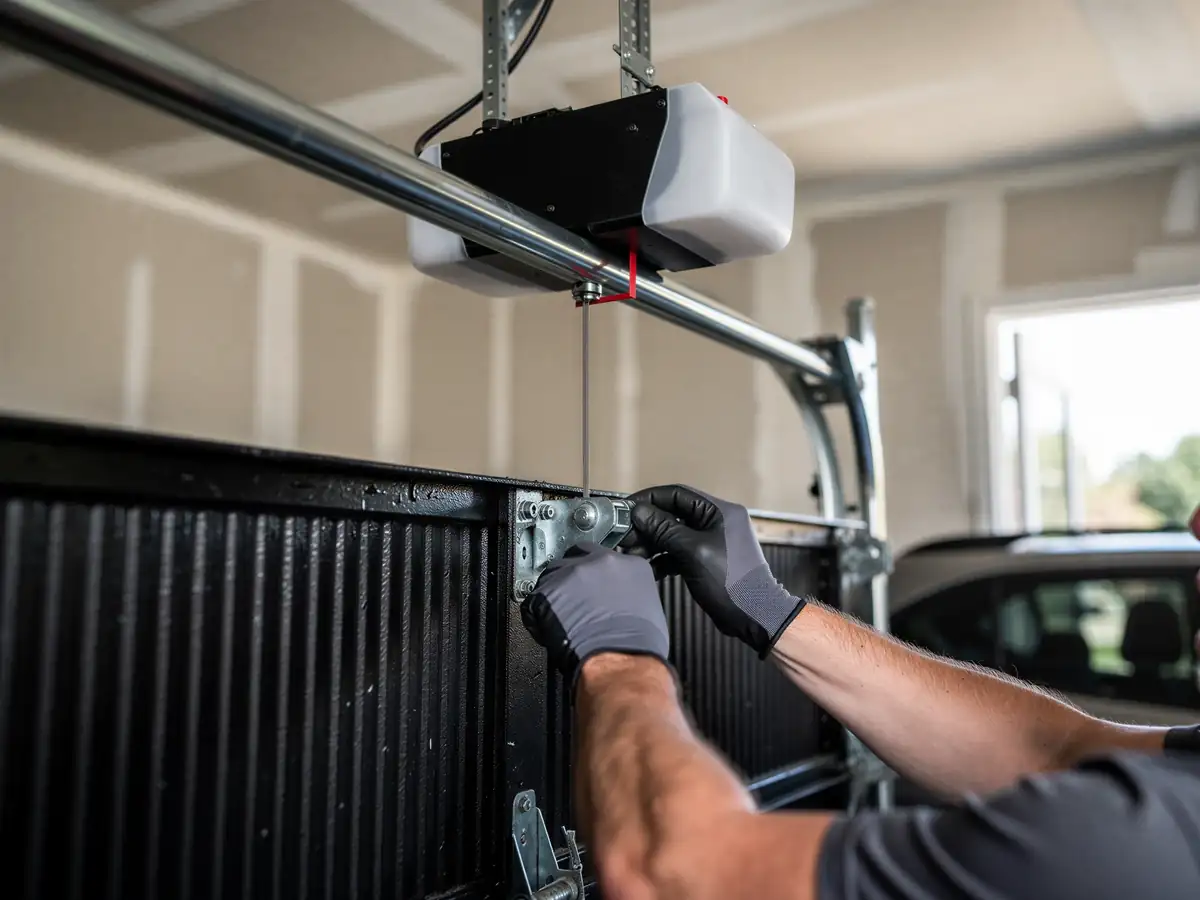
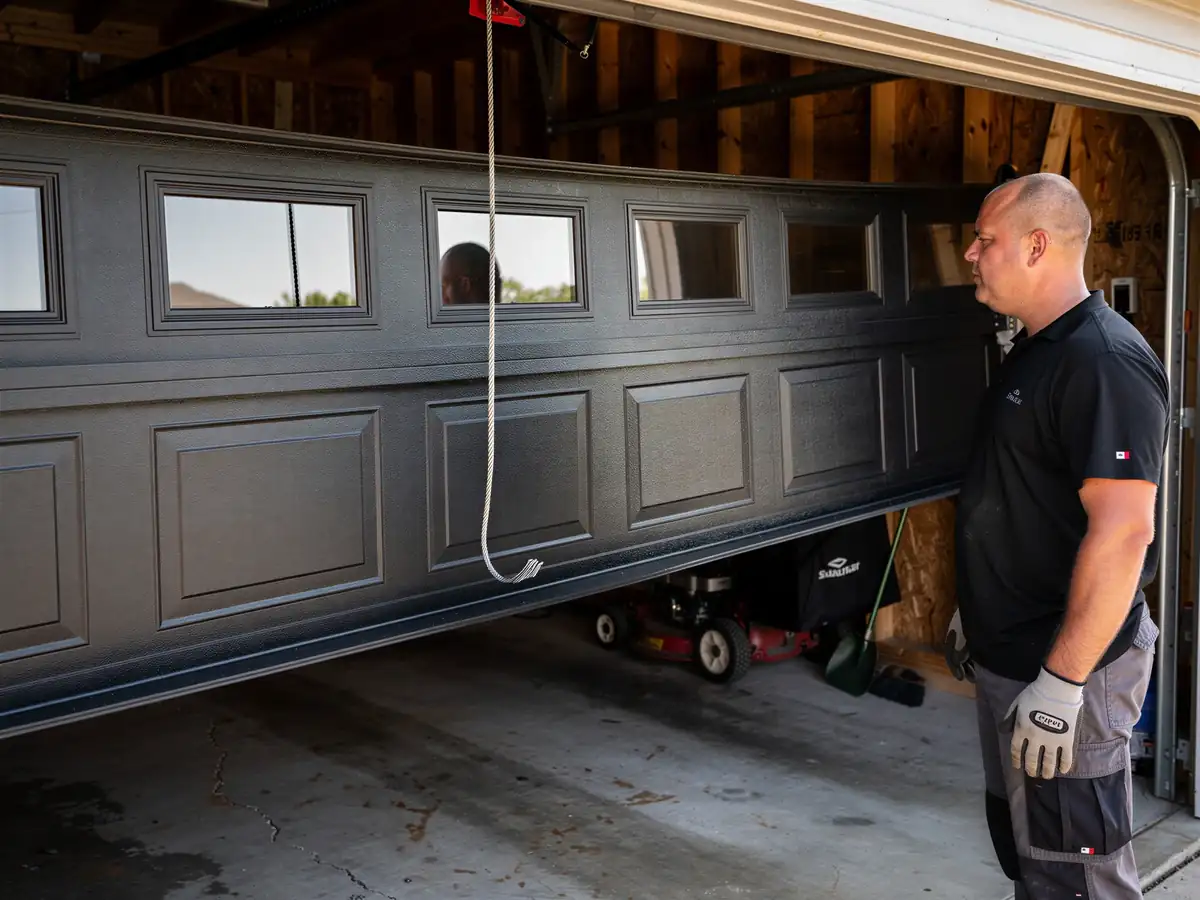
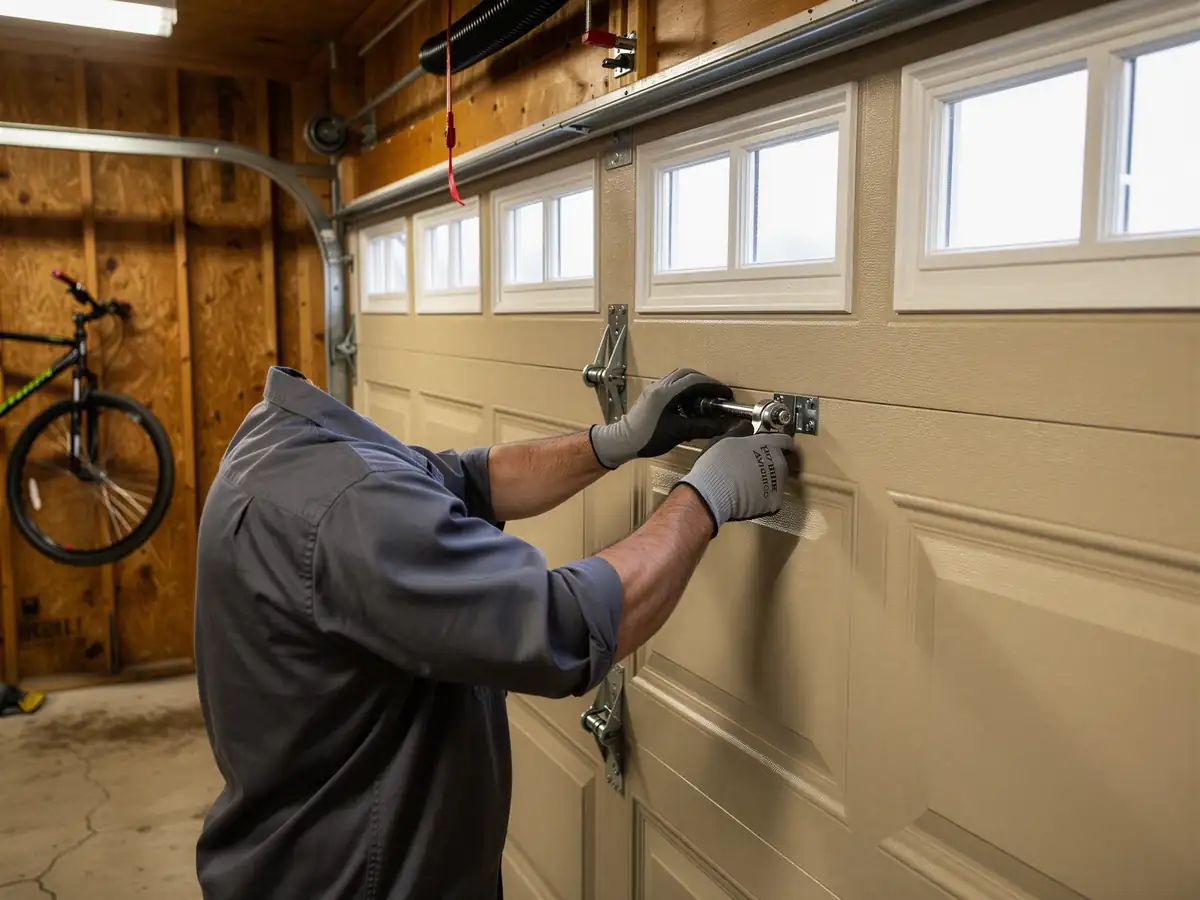
Swapping a single roller on a door that still rolls true is within reach for a lot of homeowners - it's a bolt, a bracket, and some patience with a torsion spring that's already under tension you don't touch. Where it stops being a weekend job is when the track itself has bent from a roller that jumped it, or when more than two or three rollers are worn evenly across both sides, which on a house built around 1978 usually means the whole original set is at the end of its life, not just the one that's loud. At that point you're not replacing a part, you're re-aligning a track system, and a DIY attempt that leaves the track a few degrees off will just chew through the next set of rollers faster. If you're not sure which situation you're in, a quick look at the wear pattern on all the rollers tells us - and you don't want to find out by pulling the door off its track.
What It Costs
We don't post a flat number here because roller jobs split pretty cleanly into two kinds of calls: a straightforward swap on an otherwise sound door, and a job where worn rollers have already scored the track or chewed up a hinge, which adds parts and time. What we can tell you is that steel ball-bearing rollers cost more up front than nylon but run quieter and outlast them by years, which is the upgrade most Washington homeowners ask for once they hear the price difference is modest compared to the noise difference. We'll quote the job once we've looked at the door and the track, not before - guessing a number over the phone before we've seen whether the track needs straightening helps nobody.
Stocked Parts
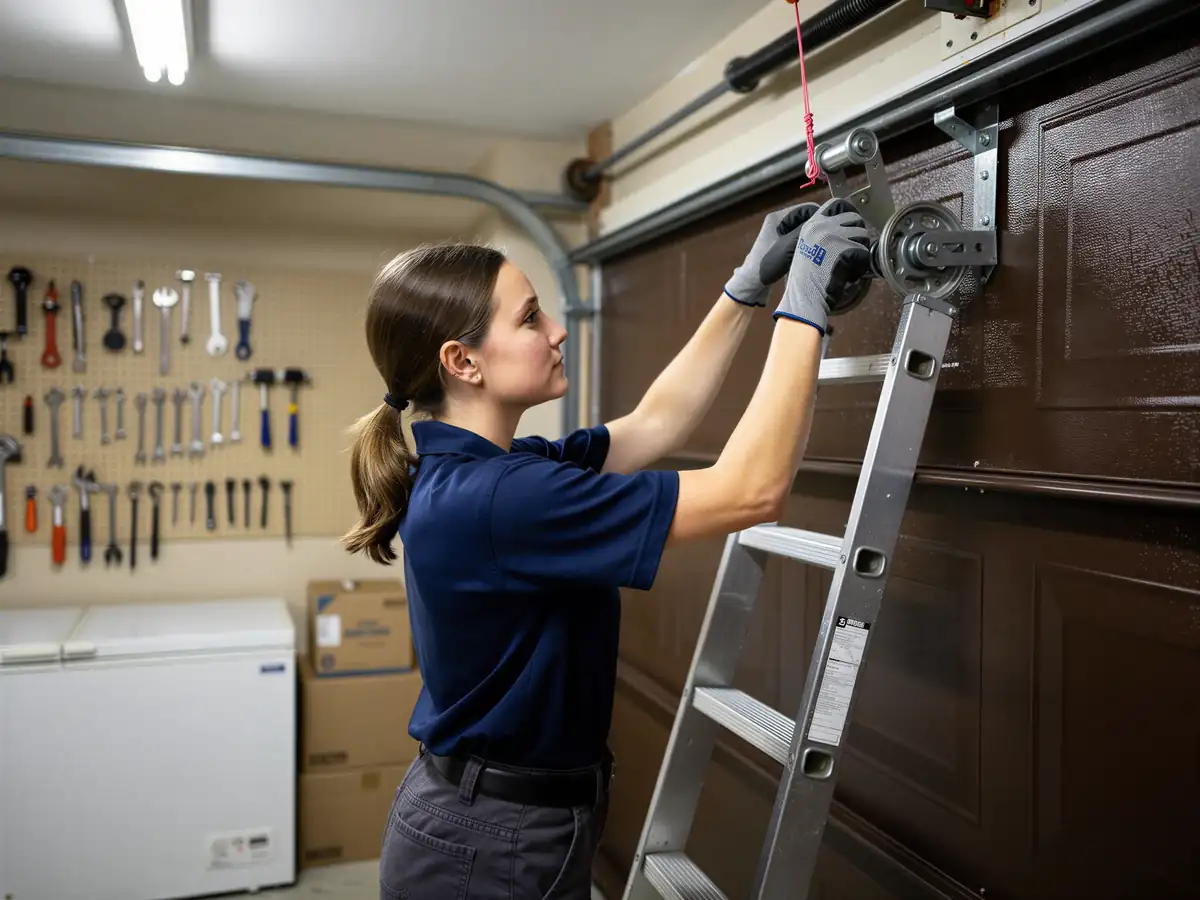
We keep both nylon and steel ball-bearing rollers on the truck in the common stem lengths and roller diameters used across the service area, since most of what shows up in Washington matches the hardware sizes we see on the rest of this side of Peoria. What we don't always carry is an exact match for an unusual bracket on a much older or heavily customized door - that's the one honest limitation here. If a job needs a part outside normal stock, we'll tell you straight that it means a short wait rather than quietly swapping in something close enough, and we'd rather lose a few hours than hand back a door that doesn't track right.
Why This Fails Locally
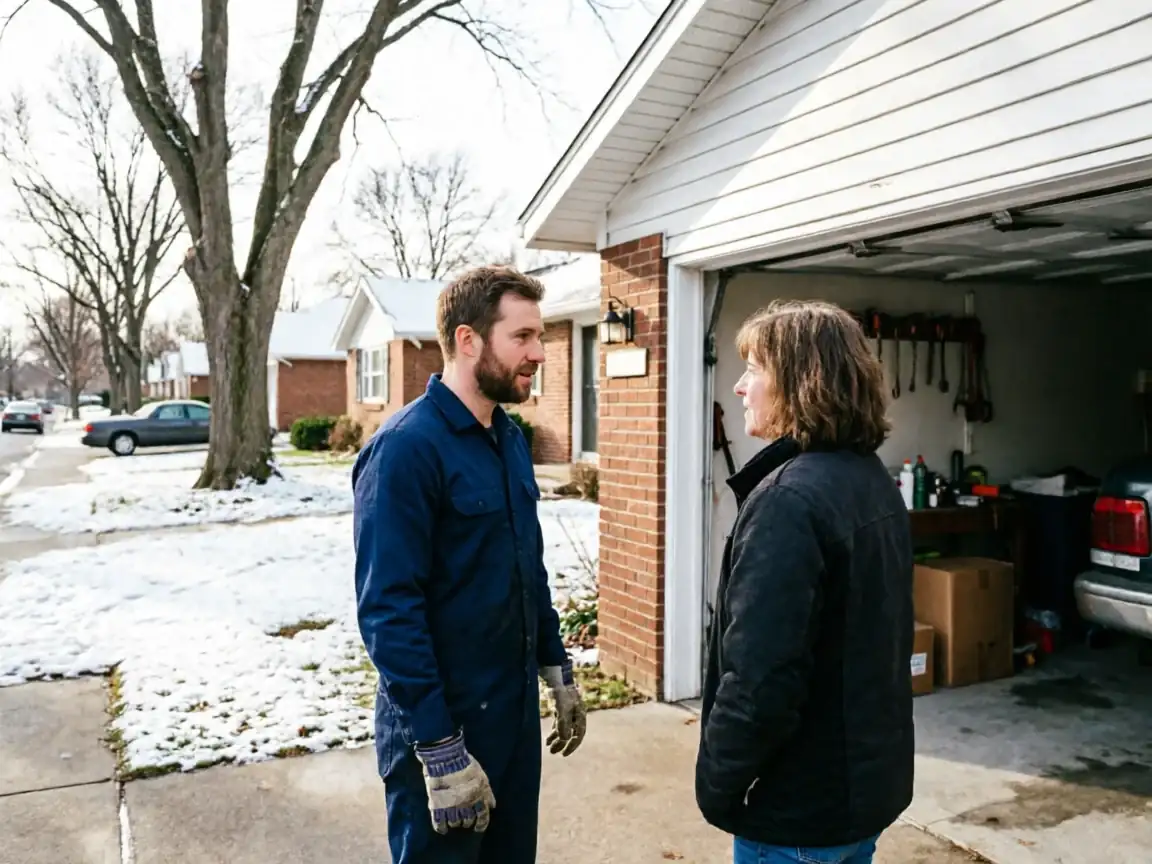
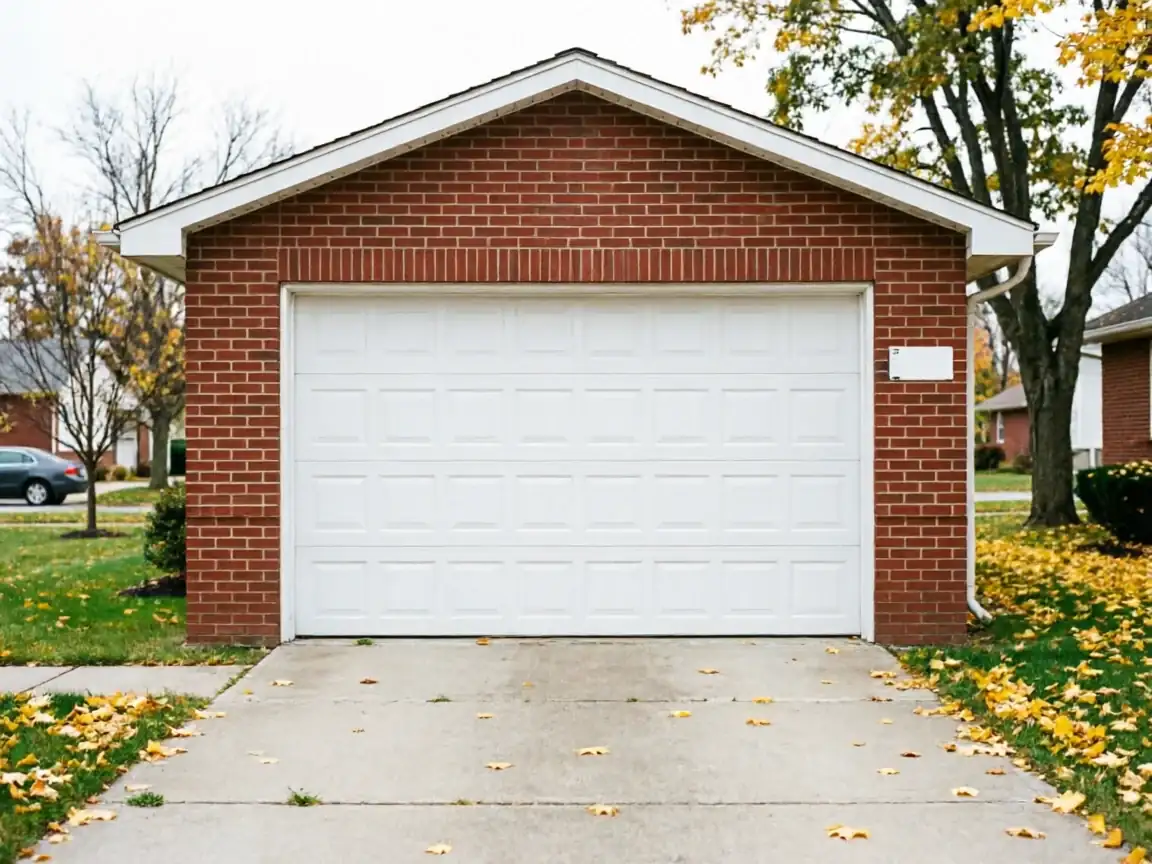
Washington's housing stock centers on the late 1970s, which puts a lot of doors here right in the window where original steel rollers and the tracks built for them are reaching the end of a normal service life all at once, not staggered house by house the way it would be in an area with a wider build-year spread. Add a cold-climate winter that stiffens grease and shrinks metal tolerances slightly, and a roller that was marginal in October can seize or jump by January. That combination - a concentrated housing age plus the seasonal swing - is why we see roller failures cluster here rather than trickle in one at a time.