Serving Peoria, IL & nearby
(309) 217-9683
Peoria, IL

Keeping a Washington Garage Door Running Right

Washington, IL homes built mostly after 1970 have steel doors on different spring setups than older Peoria stock. Here is exactly what upkeep actually needs.

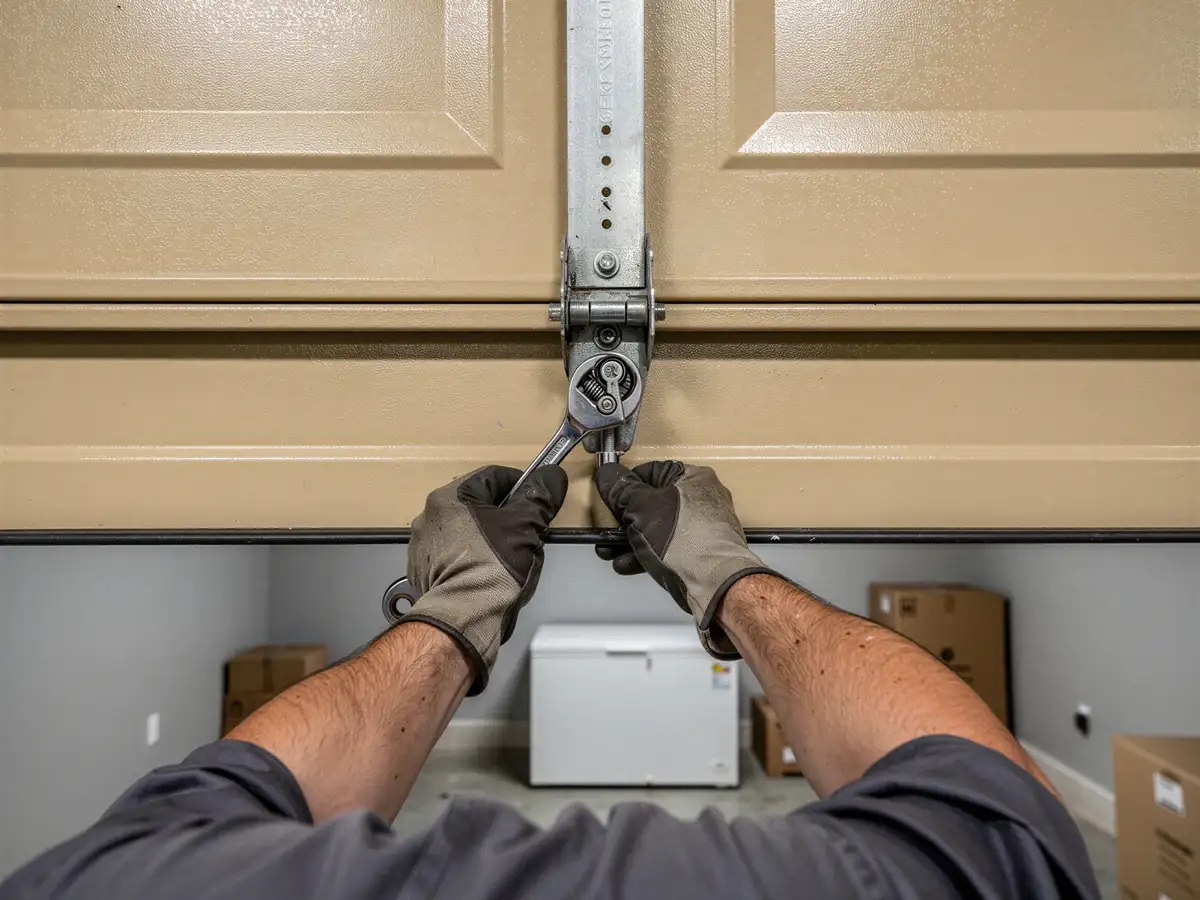
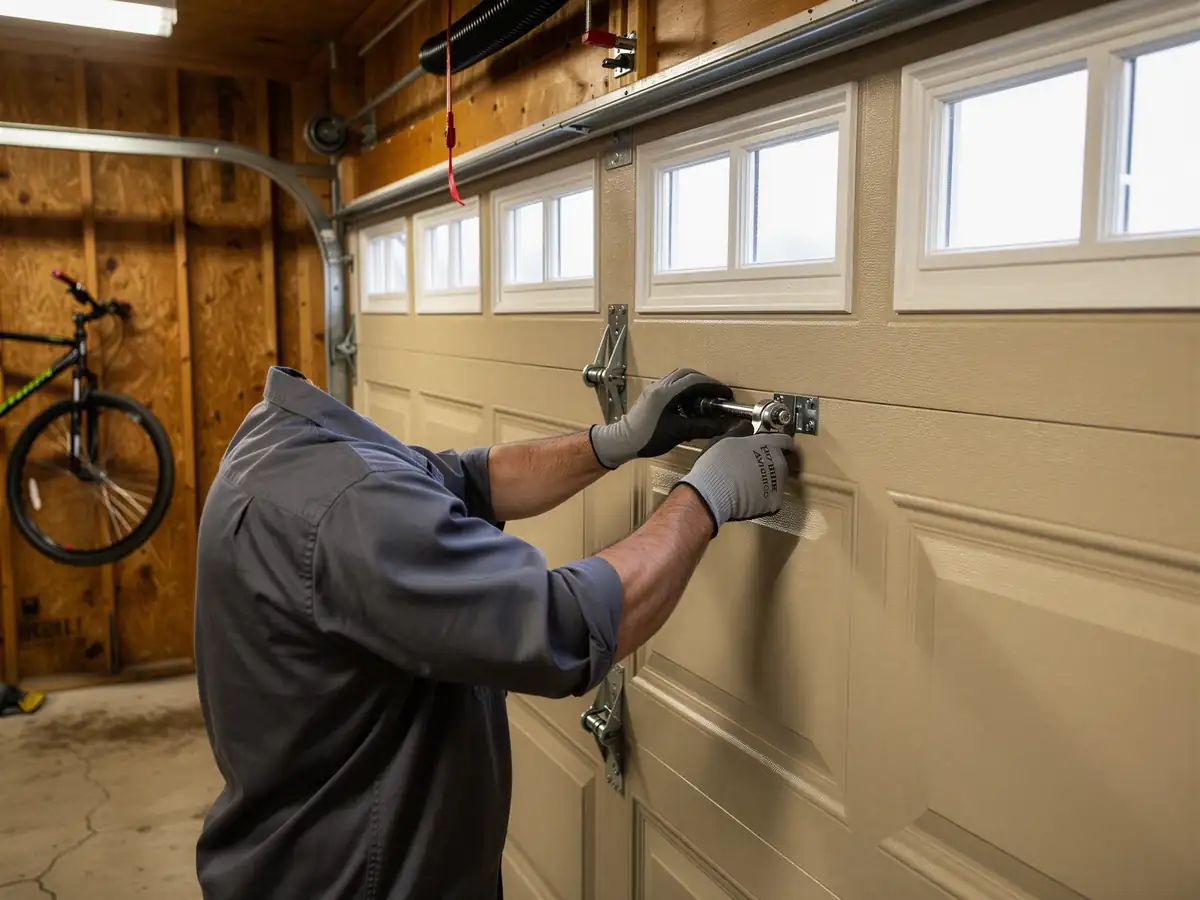
A technician adjusts a tan garage door with windows.
Peoria, IL
8 services
8 service areas
Diagnosis first, then the fix

Getting It Booked In

Washington's housing stock centers on 1978, a good decade past Peoria's citywide median of 1964, which puts most garage doors here on galvanized torsion springs rather than the older side-mounted hardware still common in Peoria's oldest blocks. We make the 10-mile drive out from Peoria to reach Washington homes, so maintenance visits here get scheduled ahead rather than squeezed in same-day. When you call, tell us the rough age of the house - if it's one of the many built in the 1970s or 80s push, that tells us what springs and track to expect before the truck leaves the shop. We don't keep a branch in Washington itself; every job here starts with a trip across town lines, so booking a day that works for you matters more than it would for a next-door call. If you want to see what else we cover on the same route, check our coverage area page.

The DIY Question

A homeowner can do real maintenance between our visits: wipe down and lubricate the rollers and hinges twice a year, check that the photo-eye sensors aren't knocked out of alignment, and look at the bottom seal for cracking before winter. What you shouldn't do on a house built in the 1970s or later is touch the torsion spring. These doors run on wound steel under real tension, and hardware from that era doesn't have the safety cable retrofits that newer doors ship with standard. If a spring on one of these doors looks stretched, rusted, or uneven side to side, that's a call, not a weekend project. The balance test - lift the door halfway by hand and see if it holds - is safe to try and tells you a lot. If it drops or rockets up, something in the spring system has already given way, and continuing to run the opener against it just wears the motor harder for no good reason.

What It Costs

We don't have a flat number to hand you here, because what a maintenance visit runs depends on what's actually on the door - a late-1970s torsion setup with original hardware takes longer to service than a door that's already been upgraded. What we can say is that Washington's median household income runs at $91,360, well above the $71,763 median across the wider service area, and that shows up on service calls here: more doors that have already had an opener or spring swap at some point, fewer still running entirely on original 1970s hardware. That doesn't mean every job is cheap. A door that's never been touched since it went up still needs the same spring and cable work it would need anywhere. We quote after we've looked at the actual door, not off the phone, because guessing at hardware we haven't seen costs you more in the end than a short wait for an honest number.

How We Fix It

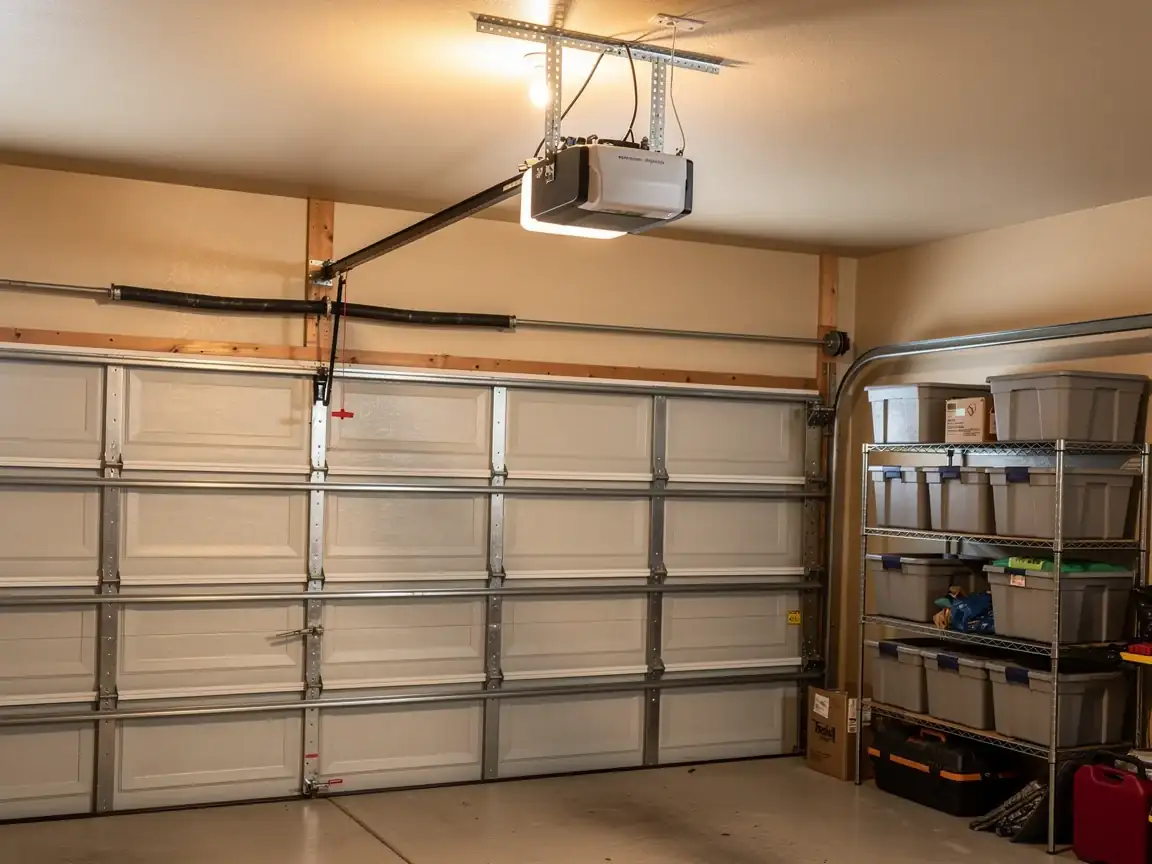
On a typical Washington call we start at the track and work down: check horizontal and vertical track alignment, inspect rollers for flat spots or cracked nylon, and test spring tension with the door disconnected from the opener. Houses from the 1970s and 80s building wave in this area mostly run steel sectional doors on torsion springs mounted above the opening, a step up from the side-mounted extension springs you'll still find on Peoria's older stock, but those springs are now decades past the point anyone should expect them to perform like new. We re-tension or replace as the inspection calls for it, check the cable drums for wear grooves, and lubricate hinges and rollers with a lubricant rated for this area's cold winters rather than a general household oil that stiffens up below freezing. We also test the opener's force settings and photo-eye alignment, since misaligned sensors are a common reason an otherwise sound door won't close all the way. For the broader maintenance approach across the service area, see the Peoria maintenance page.

Stocked Parts

We carry the rollers, cables, hinges, and standard torsion spring sizes that fit the sectional doors common on houses built through the late 1970s and 80s here, along with lubricant and weatherstripping suited to this area's cold winters. What we don't always have on the truck is an exact match for an odd-sized original panel or a spring wound to a spec nobody's made in years - on a door that old, that part sometimes has to be ordered rather than pulled off the shelf during the same visit. If your door is still running its original factory hardware from when the house went up, it's worth asking us to check stock before you set a date, so we're not back a second time for one part.

Why This Fails Locally

Doors installed when Washington was being built out in the late 1970s are now pushing fifty years old, right at the point where torsion spring steel fatigues and galvanized coating starts to pit, and this area's cold winters speed that up - grease stiffens, metal contracts, and a spring that was already near the end of its life snaps on the first hard cold morning instead of failing gradually. That's a different failure pattern than what shows up on Peoria's pre-1960s stock, where the issue is usually worn side-mounted hardware rather than spring fatigue on a torsion system. With 31,073 owner-occupied houses across the service area and a good share of them sharing Washington's build era, spring failure tied to age and cold is the single most common call we get out here, more than opener trouble or track damage. Regular lubrication and an annual spring-tension check catch most of it before the door drops instead of after.
How it works

From “it’s stuck” to “it’s fixed”

  1. 1
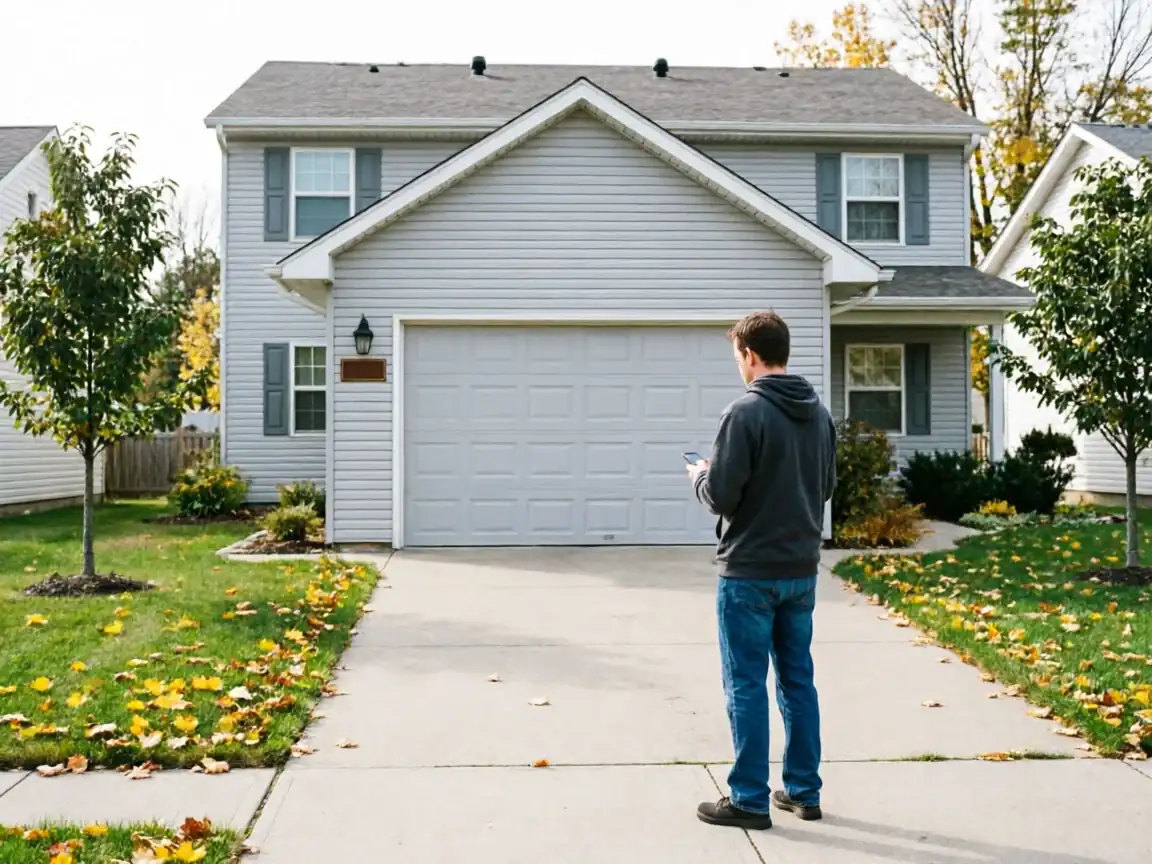
    A man stands in a driveway looking at his phone in front of a house.

    Tell us what’s wrong

    Describe the symptom - won’t open, loud bang, opener runs but the door won’t move.

  2. 2
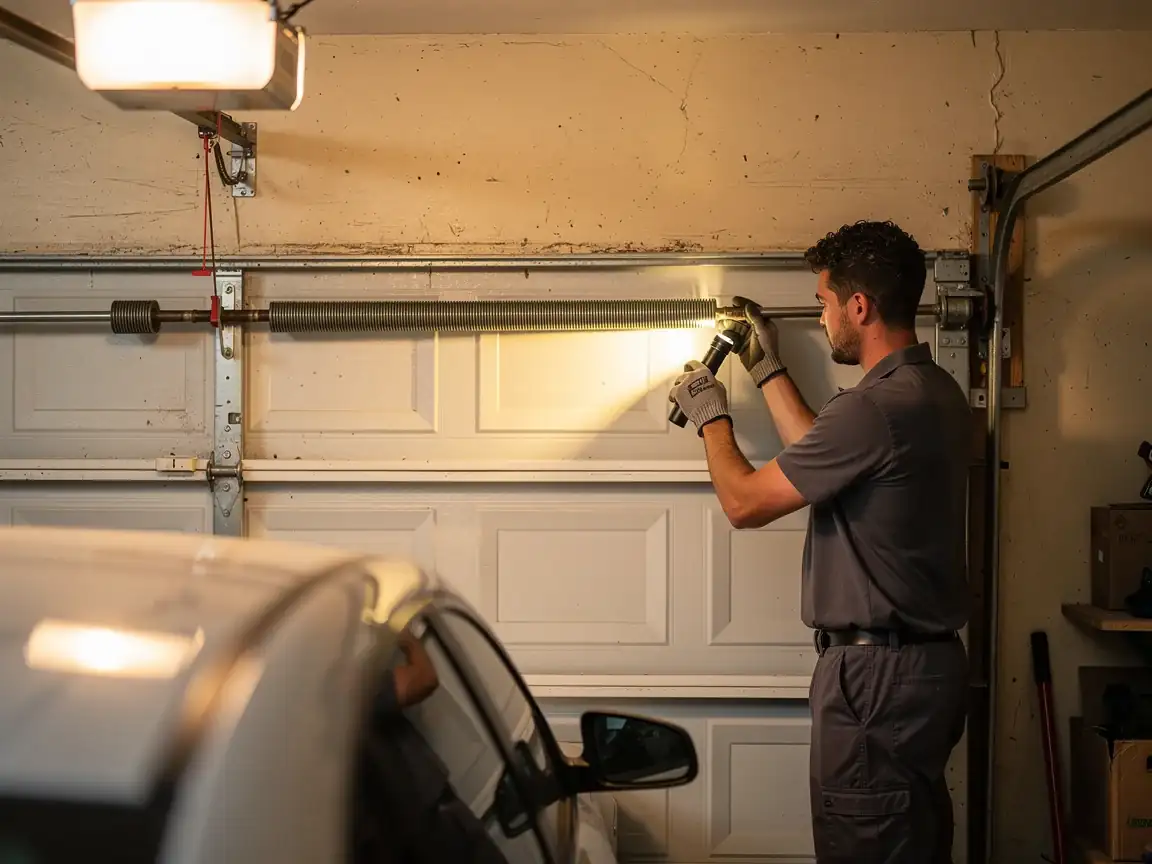
    A technician inspects a garage door torsion spring with a flashlight.

    On-site diagnosis

    A technician tests the door under power and by hand and finds what actually failed.

  3. 3
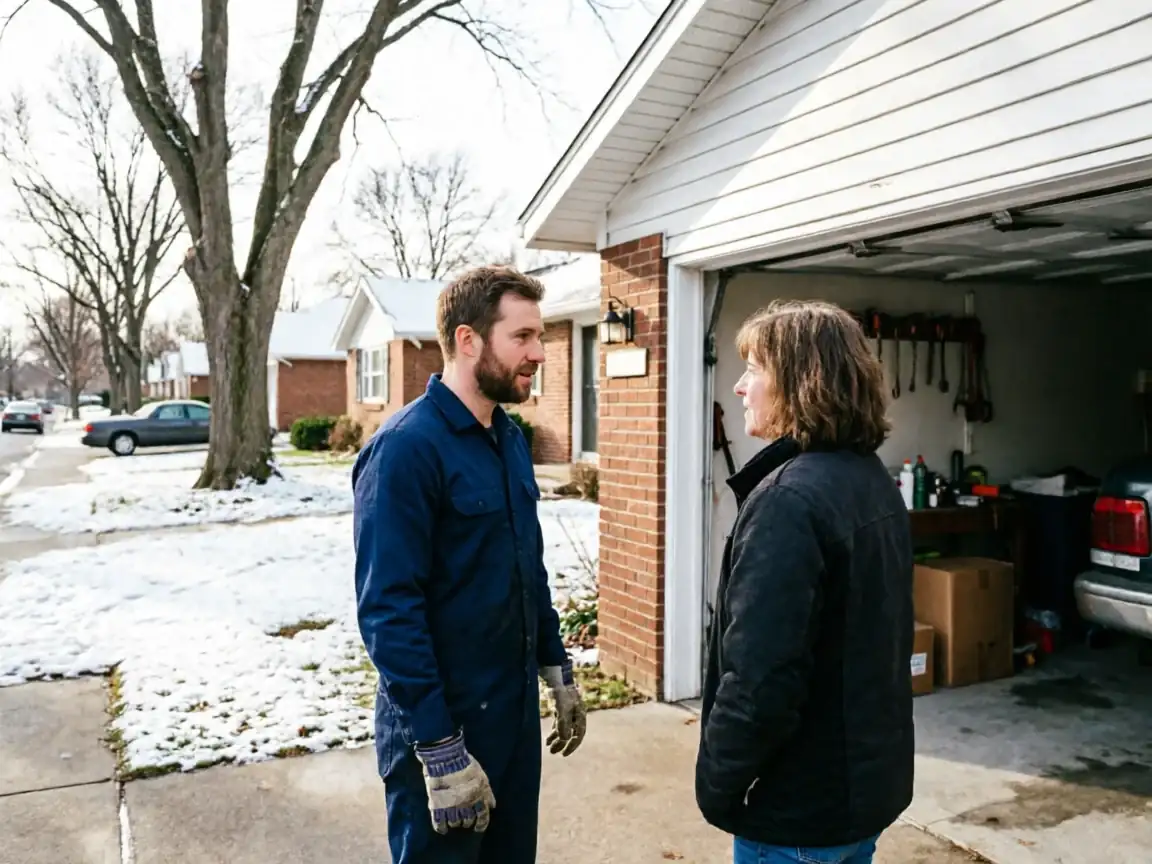
    A technician in a blue uniform talks to a woman in front of a garage.

    Clear, up-front plan

    You get the fix that’s needed and what drives the cost - before any work starts.

  4. 4
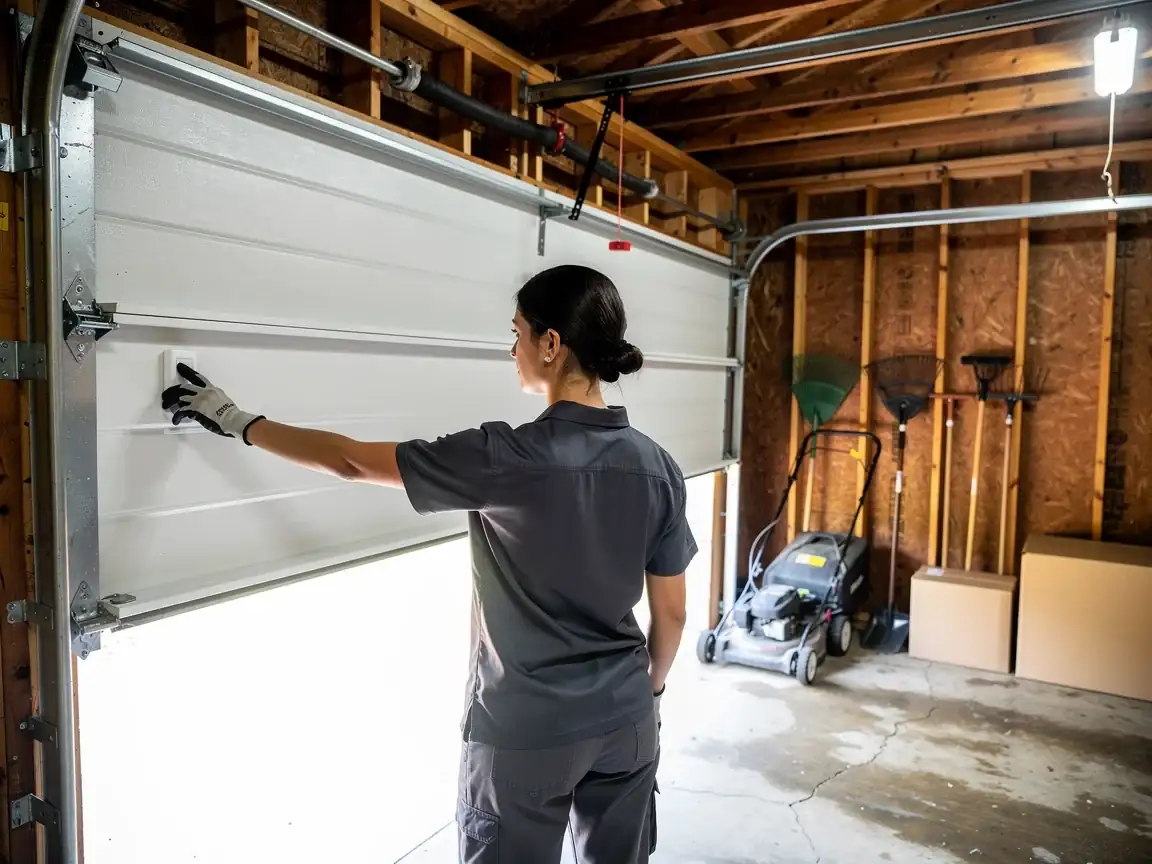
    A technician in a gray uniform presses a button on a white garage door.

    Repaired & tested

    The repair is done, the door is set true and tested, and the work area left clean.

Not sure which repair your door needs in Peoria, IL? Describe what it’s doing - every job starts with a diagnosis.

How we work

What to expect

Diagnosis firstEvery visit starts by finding what actually failed - not a pre-written parts list.
The right part for the doorSprings and openers matched to the door’s weight and age, so the fix holds up.
Straight answersWhen a repair makes more sense than a replacement - or the reverse - you hear it plainly.
Clean, careful workTension released safely, hardware set true, the door tested under power before we leave.
115,070Residents in Peoria
8Garage door services
8Neighborhoods & suburbs
ILServing Peoria, IL
Questions

Frequently asked

Straight answers about garage door repair in Peoria. Still unsure? Ask us directly.

01How often should I get my garage door serviced in Washington?

Once a year is reasonable for most doors here, twice if the door is original to a house from the 1970s or 80s building wave and running its factory torsion spring. This area's cold winters speed up spring fatigue, so an annual tension check before the hard cold sets in catches problems while they're still cheap to fix.

02Is my spring original if my house went up in the 1970s?

It's common but not guaranteed. A lot of Washington homes built in that era still run the torsion spring that came with the house, since replacement usually only happens after a failure. If no one's mentioned a spring swap in the home's history, assume it's original and worth a tension check.

03Do you have a shop in Washington?

No. We're based in Peoria and travel out to Washington for maintenance and repair calls, about 10 miles each way. That means visits get scheduled rather than walk-in, so it helps to book ahead rather than expect a same-hour call.

Ready to get your garage door sorted?

Tell us what it’s doing and where you are in Peoria - we’ll take it from there.

Request a QuoteCall