Getting It Booked In
Washington's housing stock mostly went up after 1978
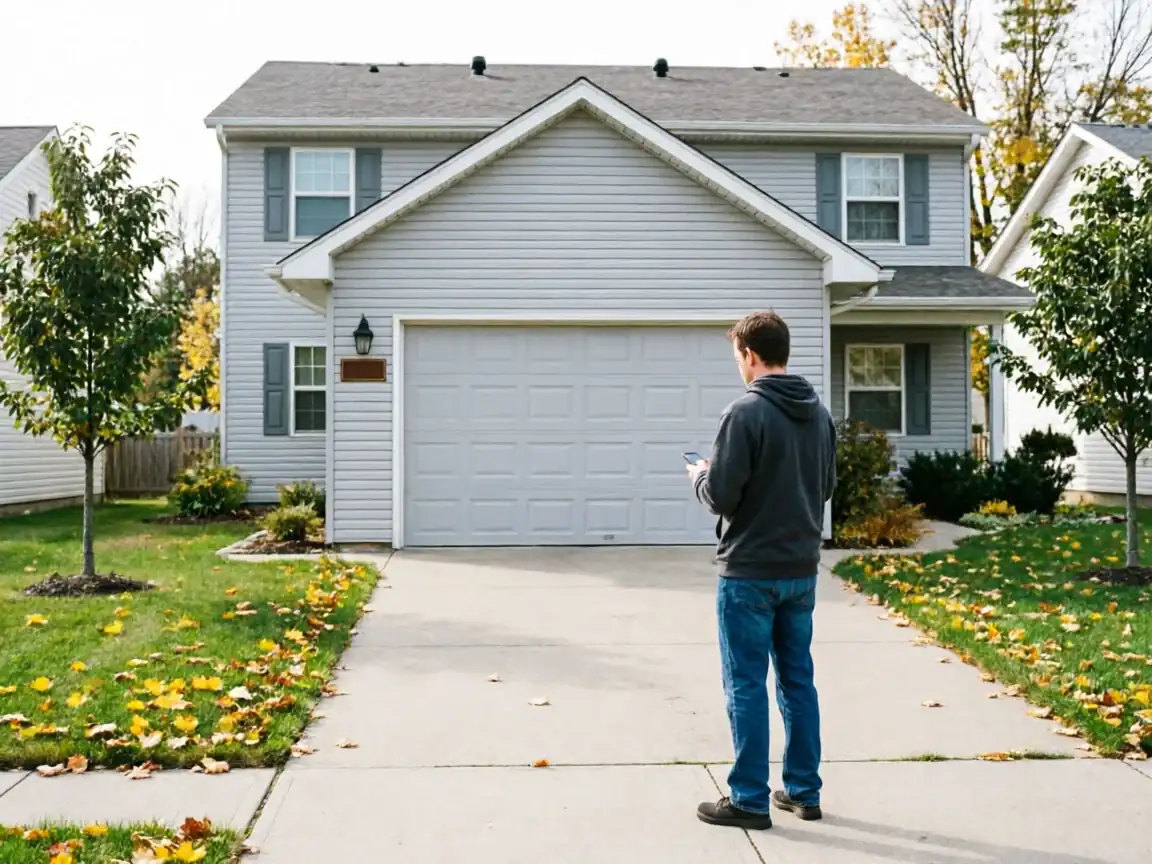
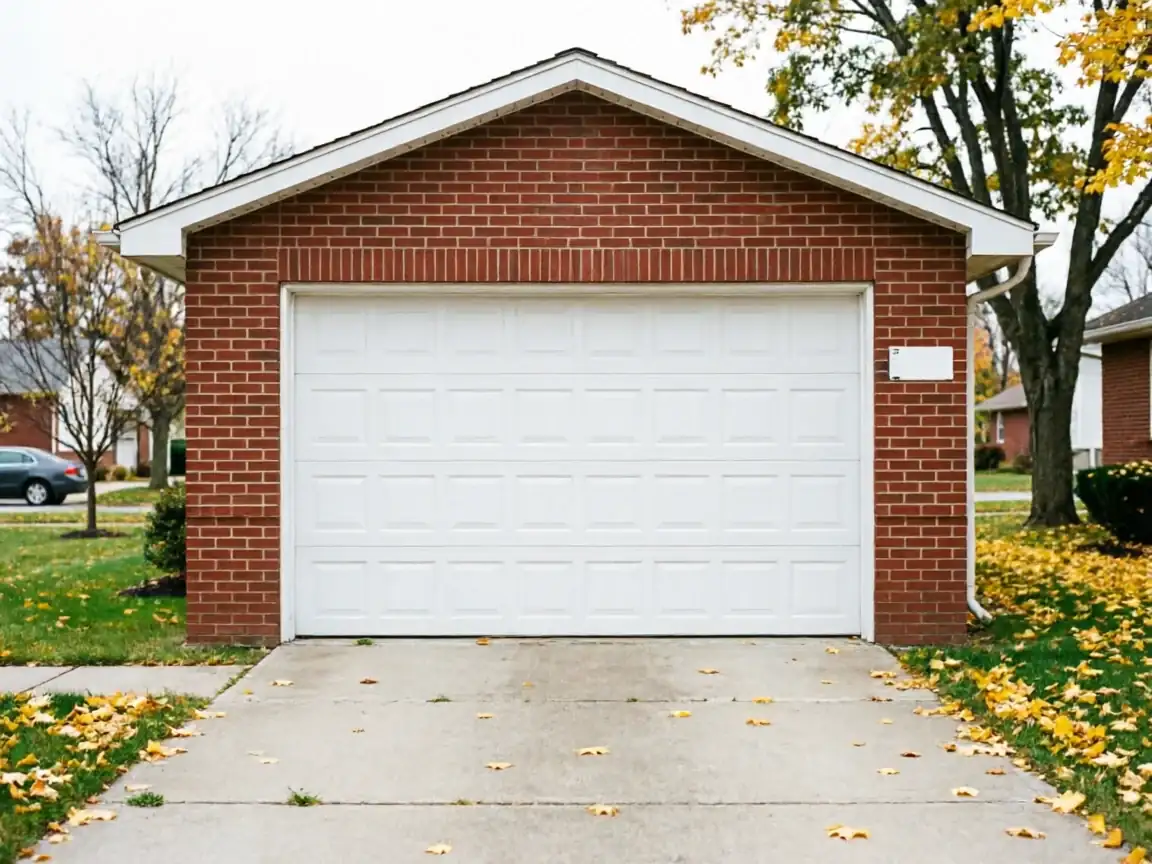
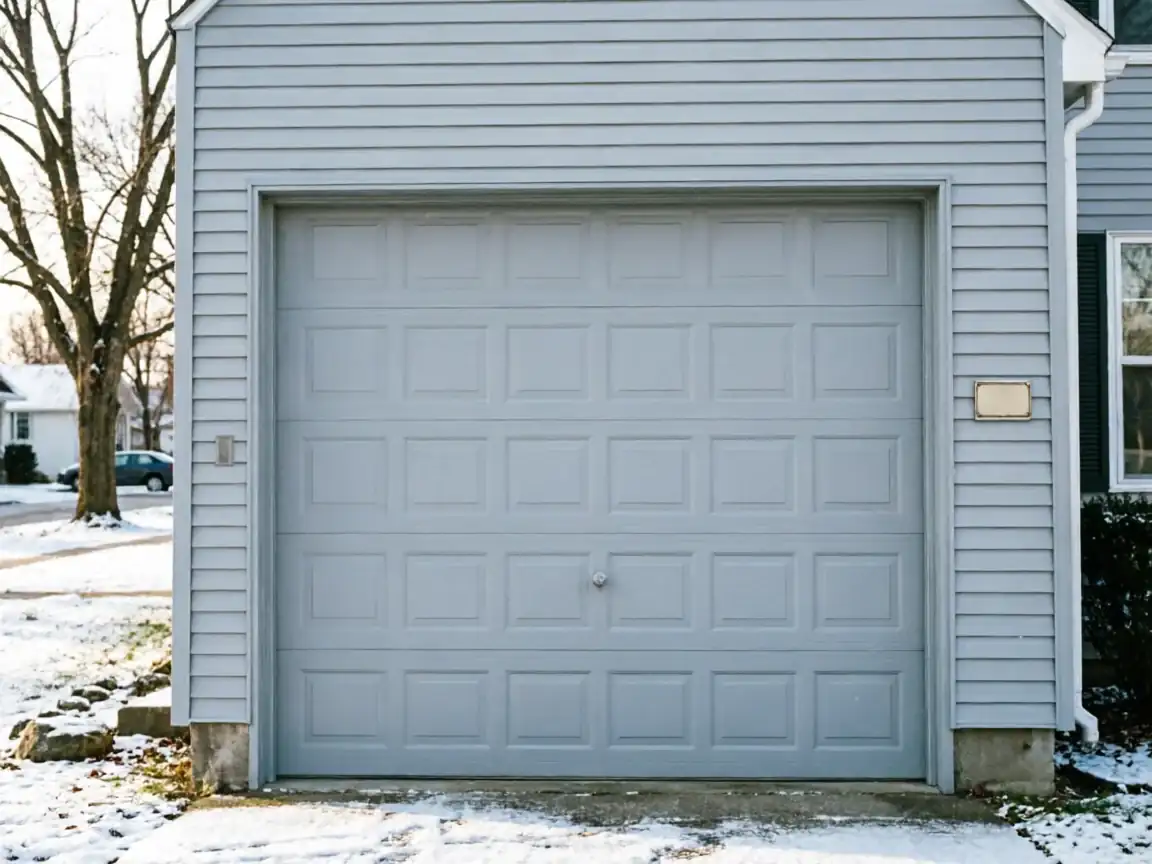
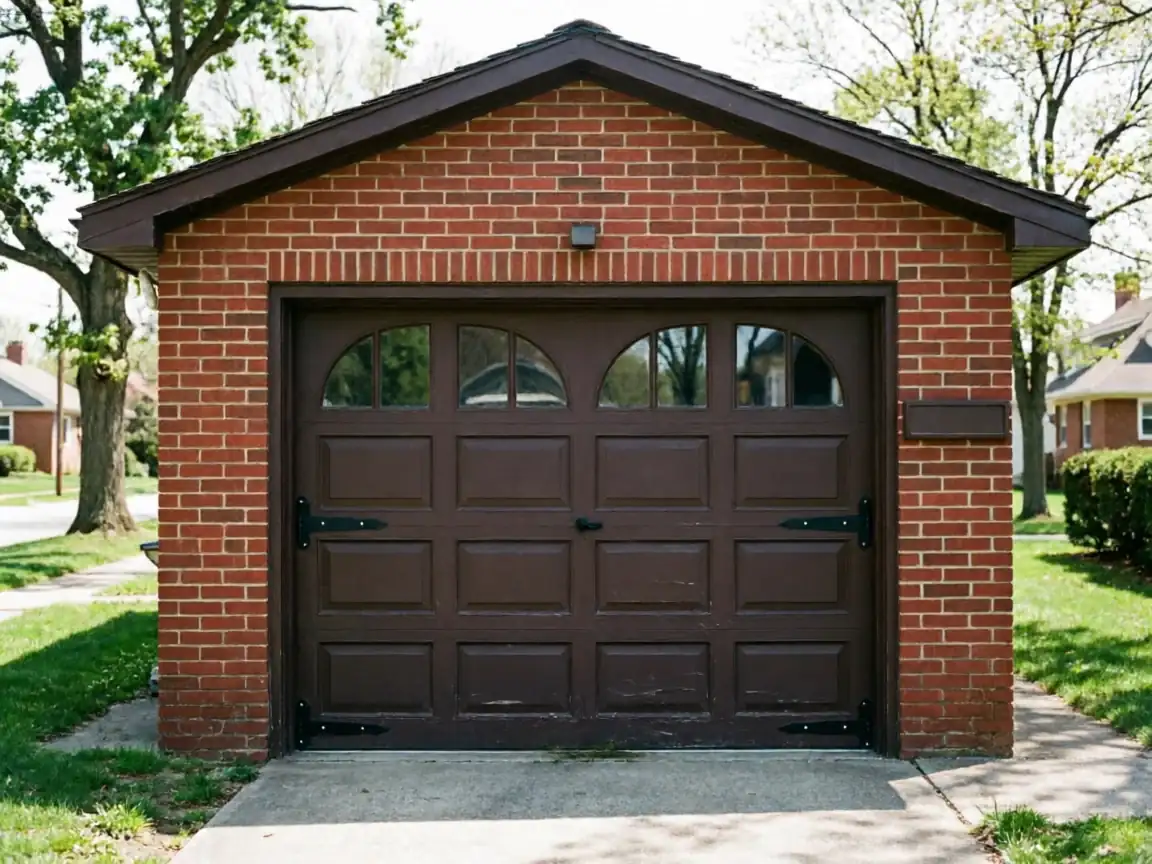
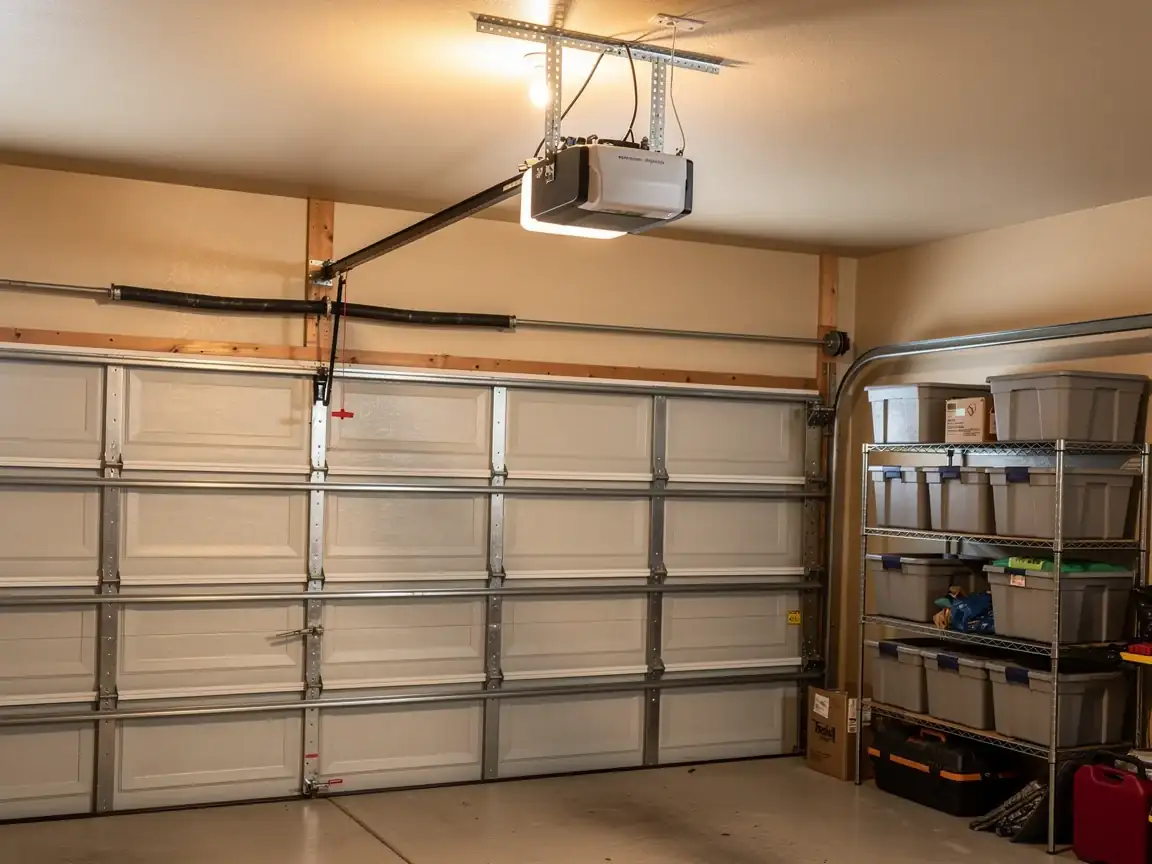
Which puts a lot of these garage doors into their late-life years right about now. The doors that shipped with those builds were often single-layer steel, no insulation, with a single torsion spring sized for a lighter door than what you'd spec today. That's the fault we see most: not a dramatic failure, just a door that's worn out its welcome, binding on worn rollers or sagging at the bottom panel because the track was never leveled for 40-plus years of use.
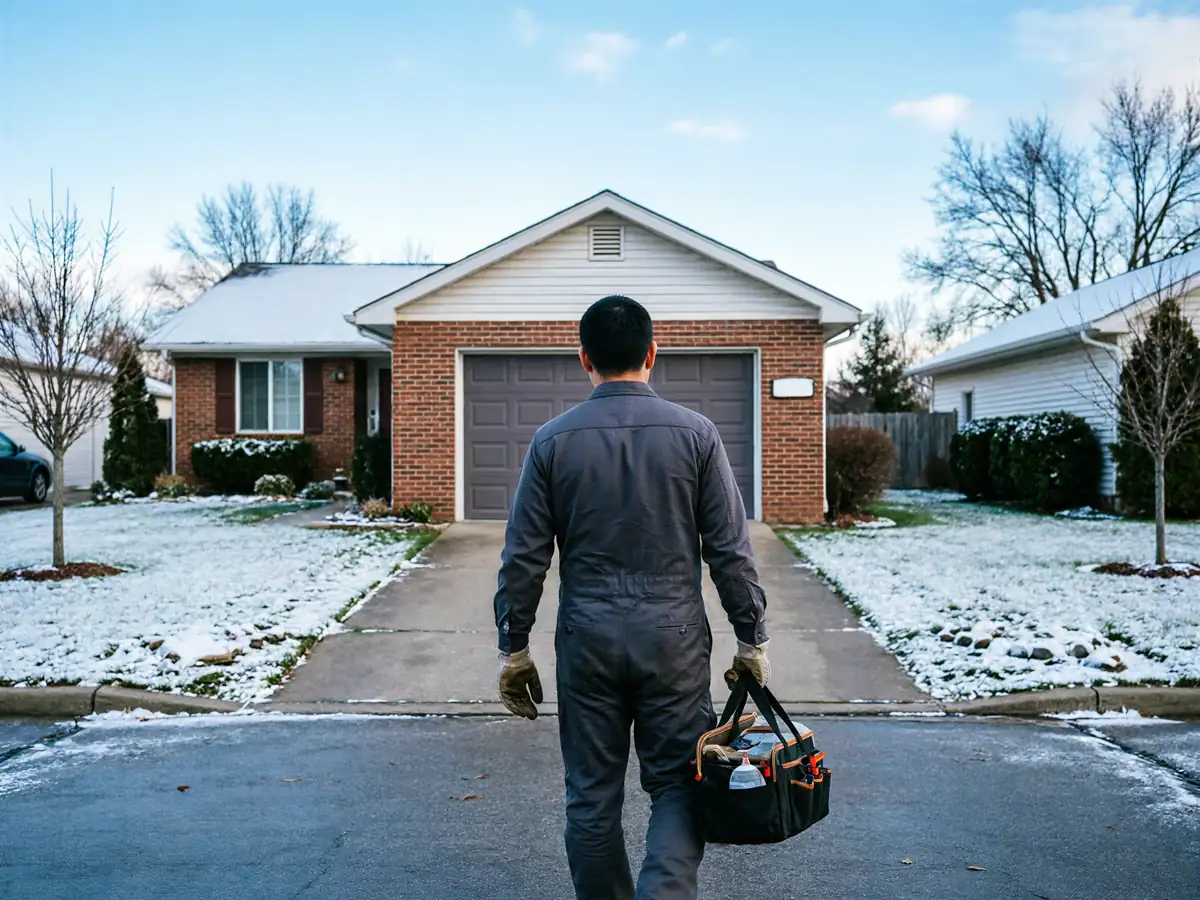
We travel out from Peoria to handle this, about 10 miles each way
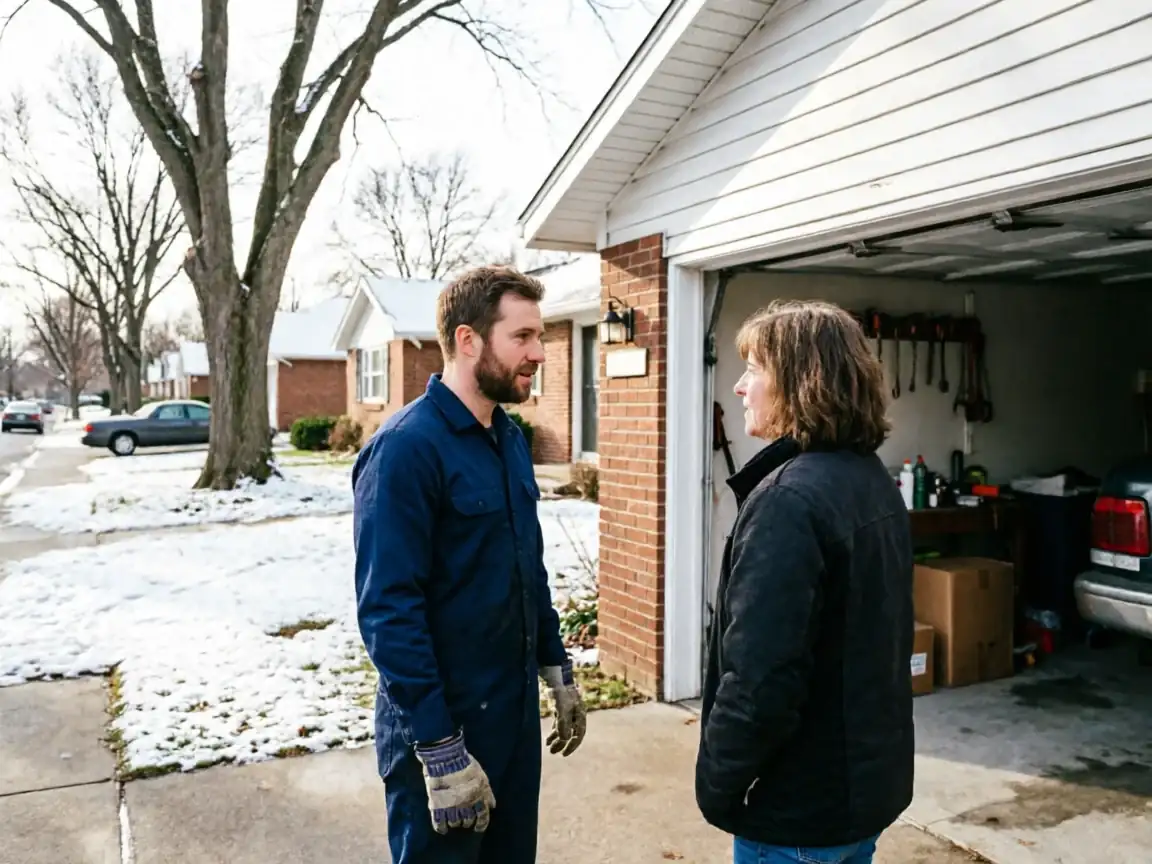
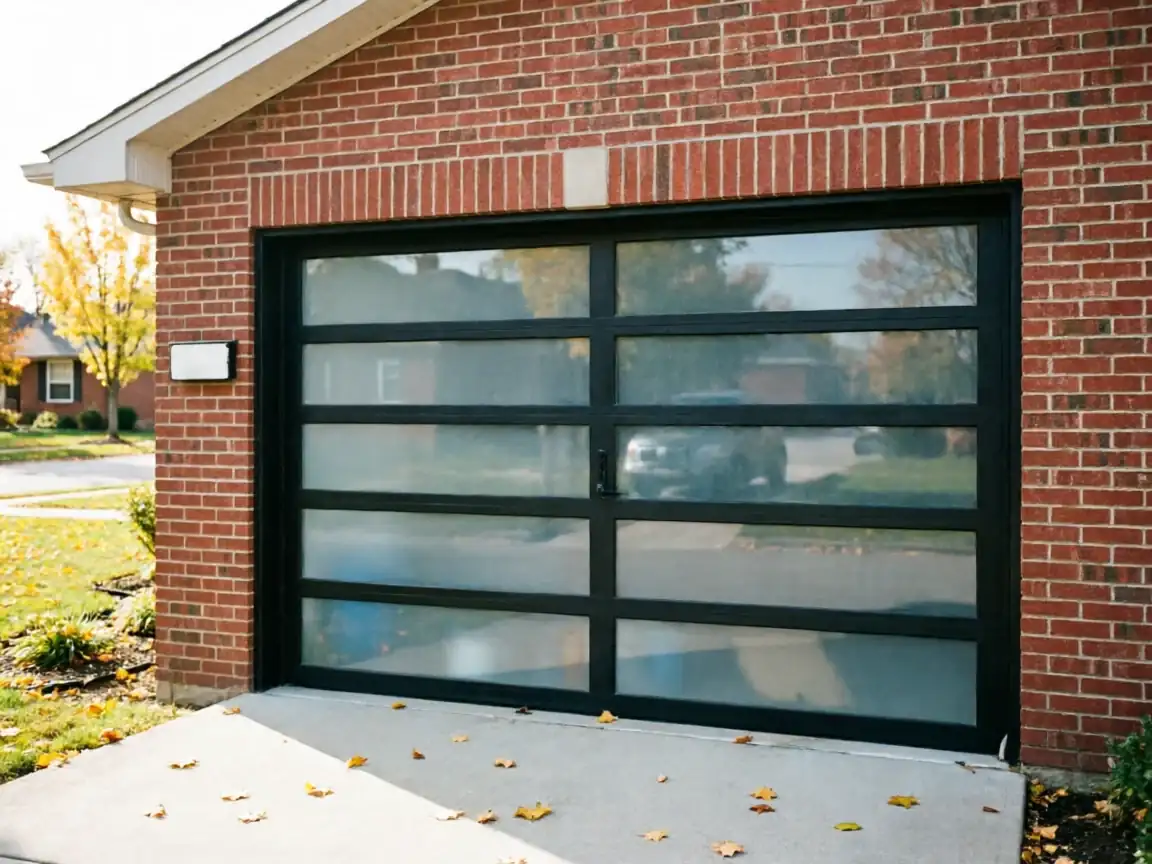
So booking a visit means picking a window rather than same-day drop-in. Tell us the door's rough age, whether it's single or double car, and whether you want steel, insulated steel, or something heavier. We'll bring options sized to your opening rather than guessing on-site.
- 10 miles
The DIY Question
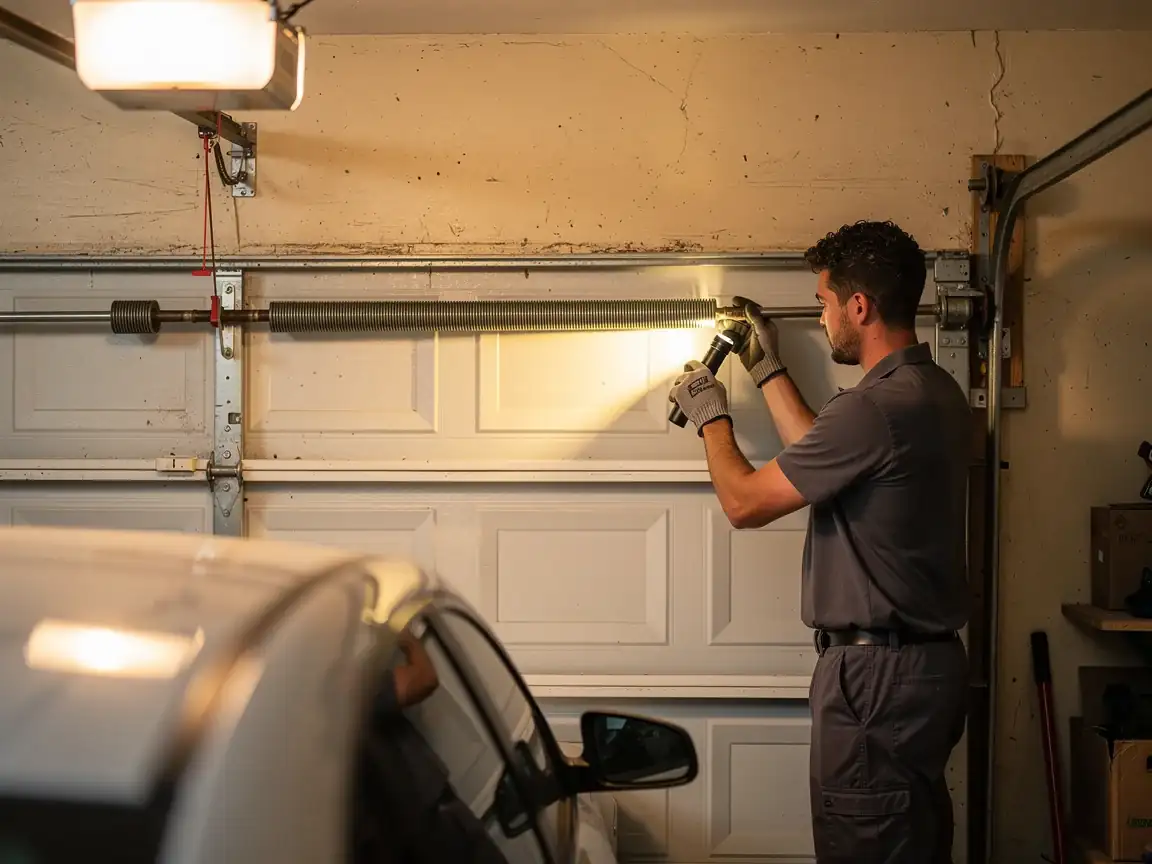
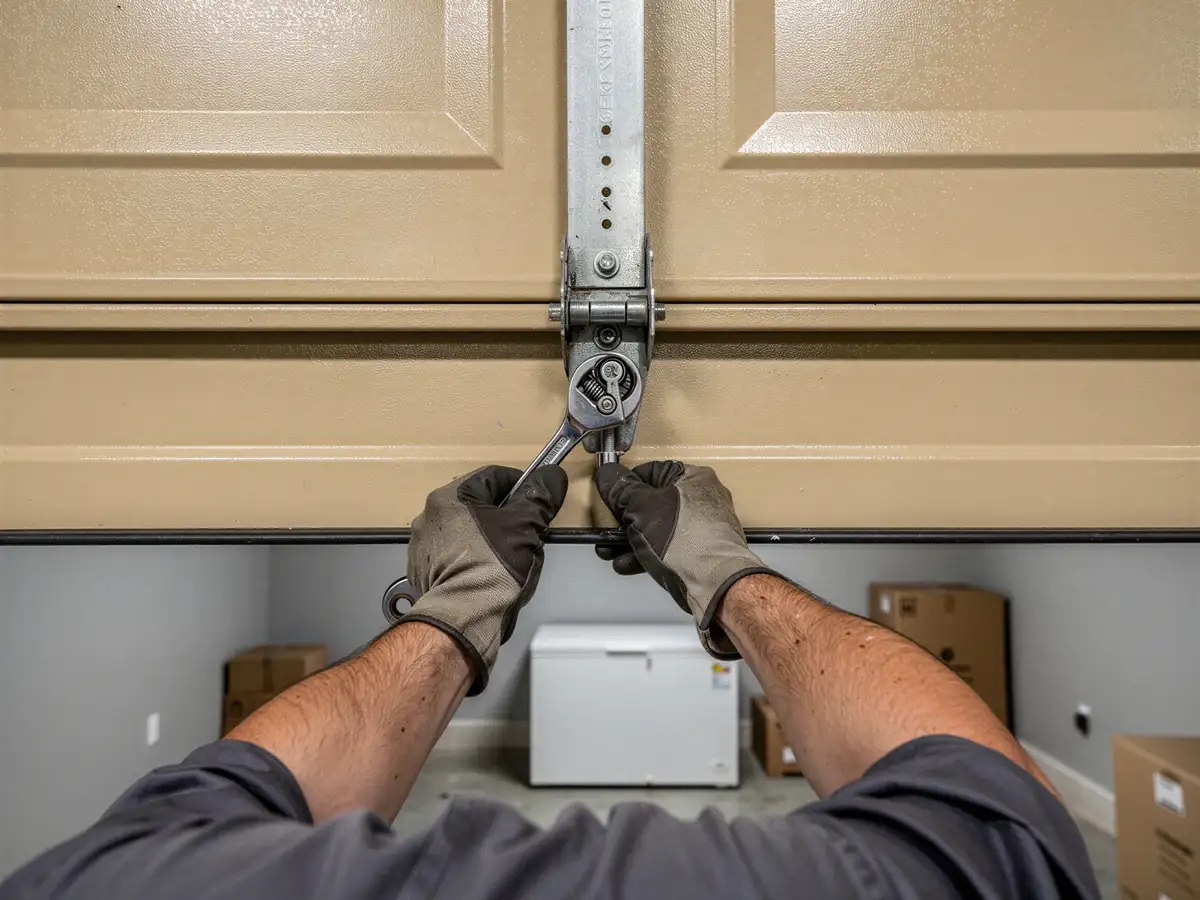
A full door swap is not a weekend project for most homeowners, and we'll say that plainly. The panels are manageable. The torsion spring system is not - it's wound under enough tension to break a wrist or worse if the winding bars slip, and getting the track plumb on a new install takes more than eyeballing it. If you're comfortable swapping a garage door opener or replacing weatherstripping, do that yourself and save the call for the door itself.
Where this matters for a Washington house specifically: openings built in the late 1970s and 1980s often used rough framing dimensions that don't match current standard door sizes exactly. That mismatch is easy to miss until the new door is half-installed and the jamb needs shimming or trimming. We measure the opening before we quote, not after we show up with a door that doesn't fit.
What It Costs
We don't publish a flat number because door size, insulation level, and whether we're also swapping the opener all move the price. What we can tell you is what drives the number up or down in a house like yours: a standard single-car steel door with basic insulation is the lower end, double-car and higher R-value options climb from there, and keeping your existing opener (if it's in good shape) saves a line item.
Washington's median household income runs well above the wider service area's $71,763, and we mention that only because it shapes what we stock trucks for out this way - more requests for insulated and higher-end finish doors than the bare steel option that moves fastest in older, lower-turnover neighborhoods closer to Peoria. We'll quote your job on your opening, not a regional average.
How We Fix It
Installation starts with pulling the old door and track, checking the jamb for square
And confirming the header can carry the spring system weight for whatever door you've picked. On houses built in this 1960s-through-2002 window across the wider area, we've found framing tolerances vary enough that we don't assume the old track holes line up with new hardware - we re-drill rather than force a fit.
From there it's new track, new spring sized to the door's actual weight (not the old spring's rating), cable, rollers, and the door itself
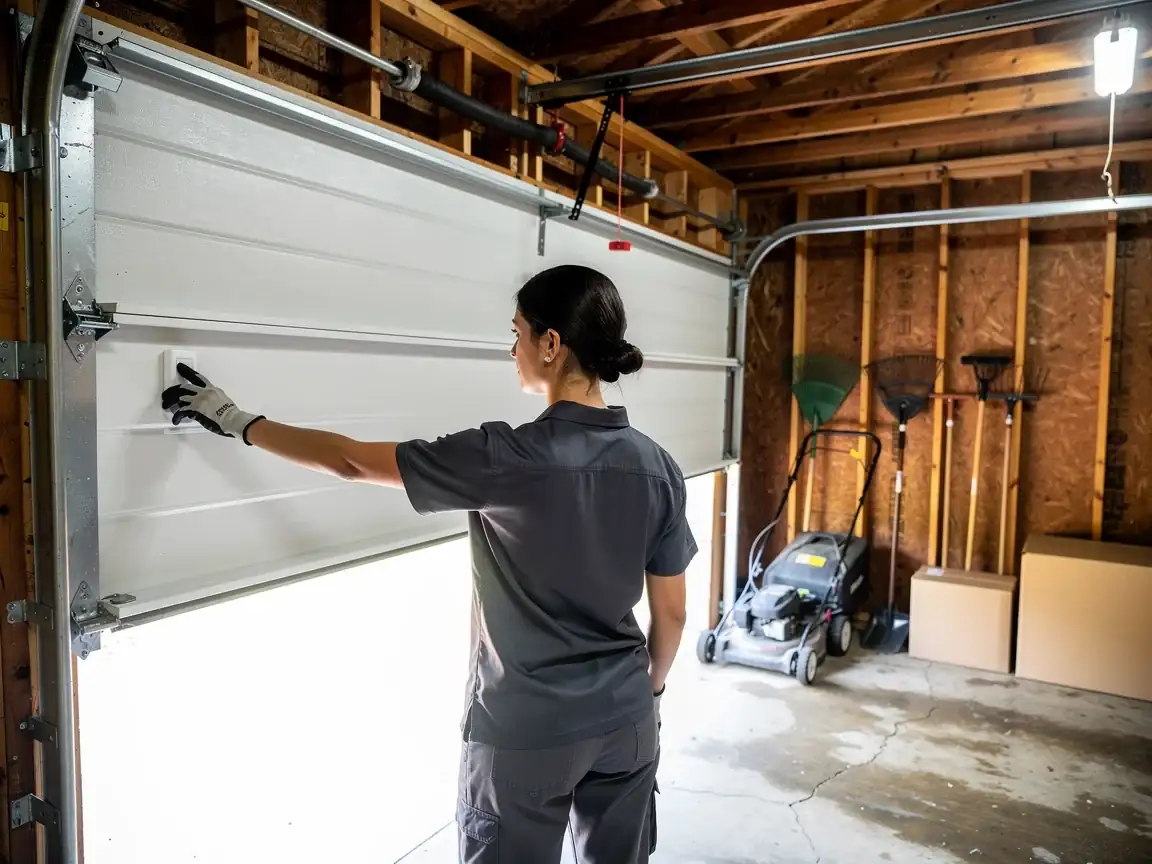
Then a full cycle test under load before we call it done. If you're keeping your current opener, we test travel limits and force settings against the new door's weight, since a heavier insulated door can trip an opener calibrated for the old, lighter panel.
Stocked Parts
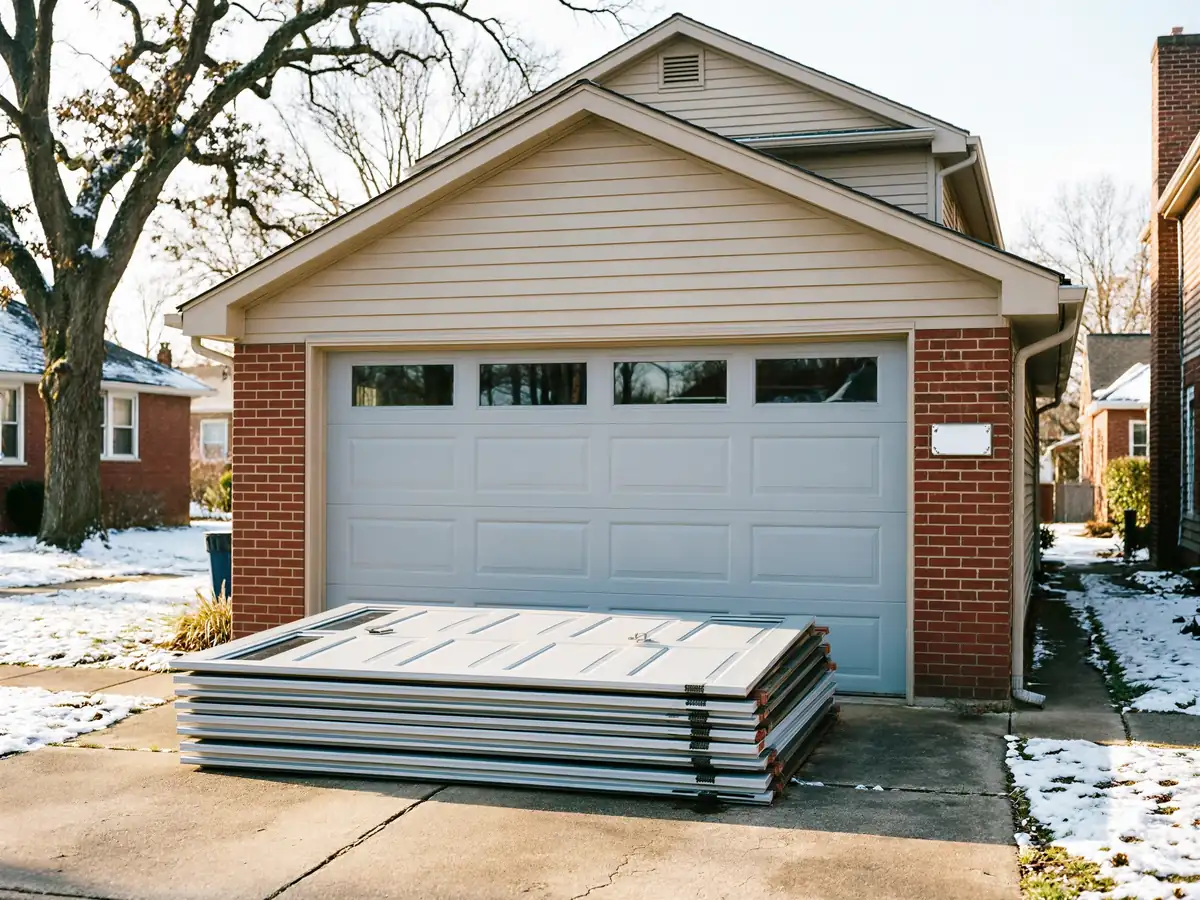
We carry common springs, standard-width track sections, and rollers on the truck because most of what fails on a late-1970s-to-1990s door in this area falls into a narrow range of sizes. Full doors themselves are special order - we don't stock finished panels in every size and finish, so once you've picked a door, expect a lead time before install day rather than a same-visit swap.
That's the honest limitation: if you need a door today because the old one won't open at all, we can usually get it functional temporarily with what's on the truck, but the permanent replacement door is ordered to your specs and scheduled once it arrives. We won't promise a turnaround we can't back from 10 miles away.
Why This Fails Locally
The reason this matters specifically for Washington and not some generic description of garage doors: houses here cluster in a build era, mostly 1978 and later, that's noticeably newer than the 1938-2002 range (median 1964) across the wider service footprint. Newer framing generally means squarer openings and less of the settling-related misalignment we see in the older stock closer to the center of the area. But newer also means these doors are hitting 40-plus years right now, in a cluster, which is why installation calls here tend to come in waves tied to the neighborhood's original build-out rather than trickling in steadily.
The cold-moderate climate band this area sits in also means an uninsulated door from that era is costing more in heat loss than most owners realize until they compare it to an insulated replacement.