The DIY Question
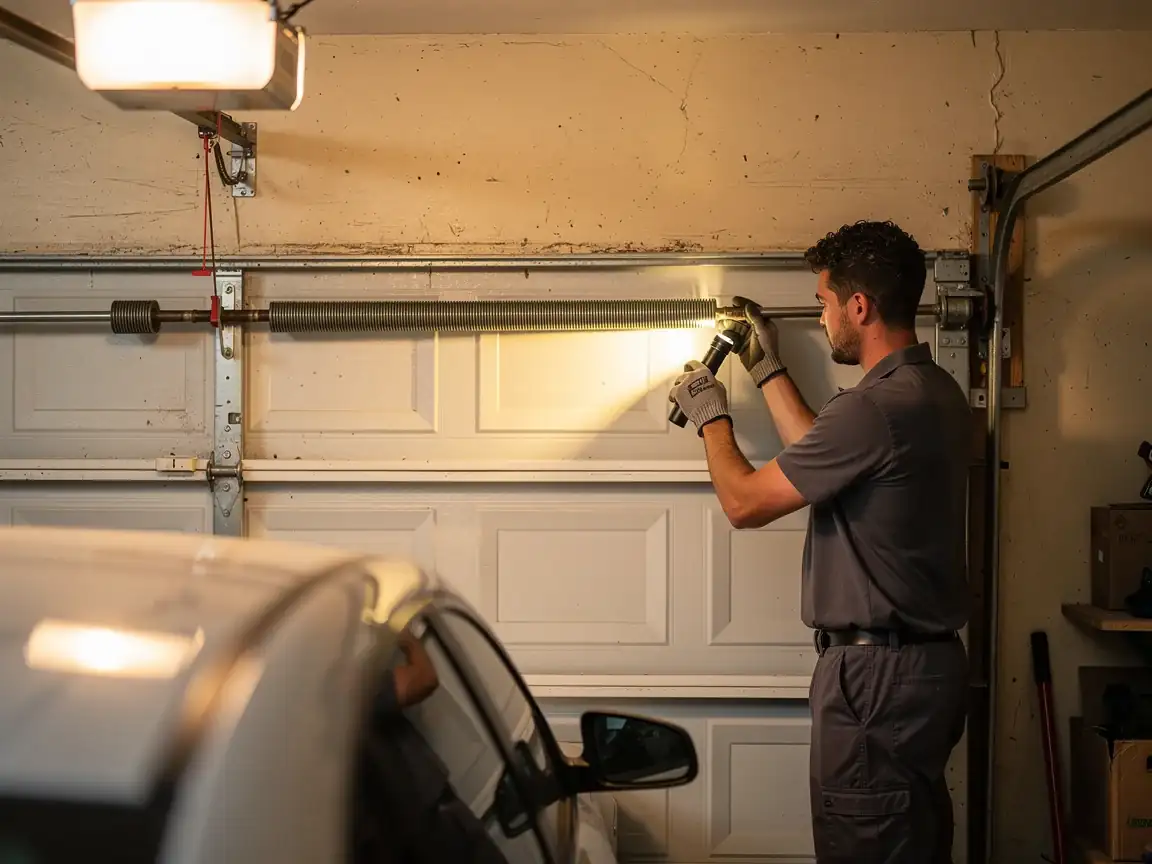
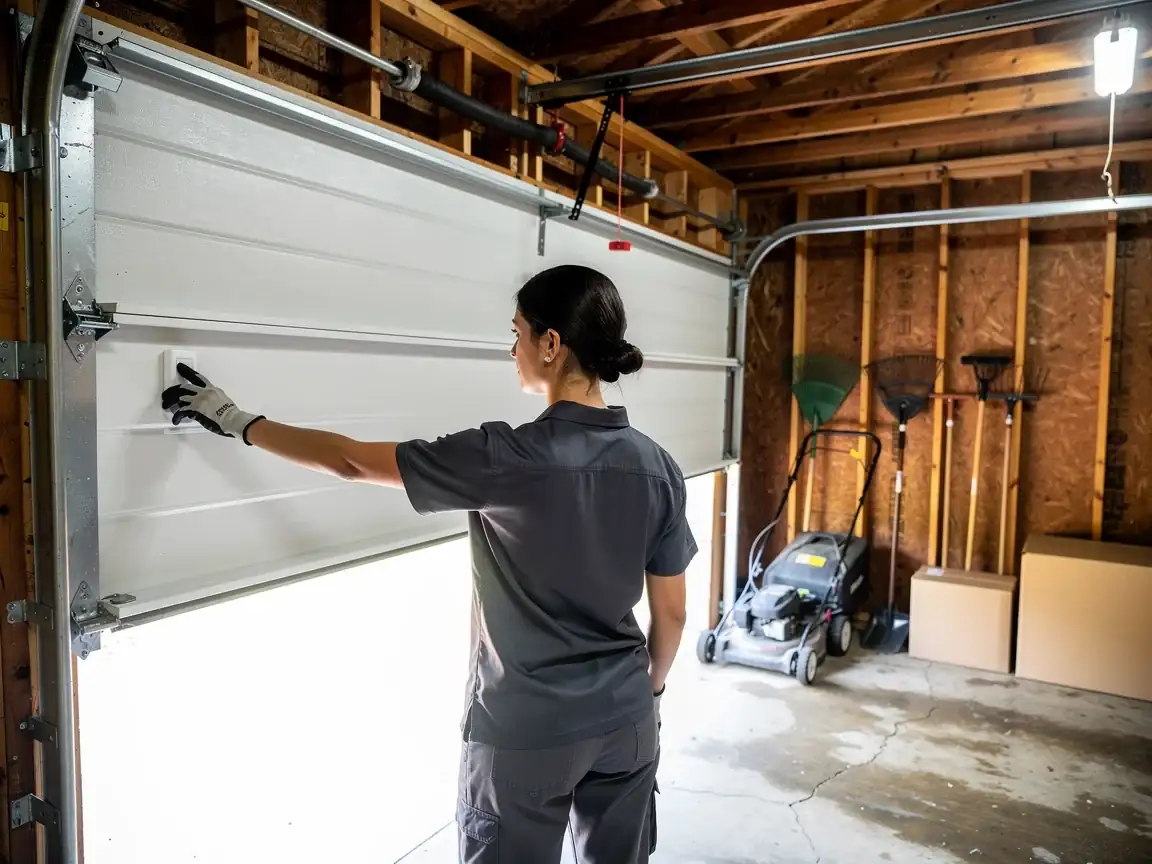
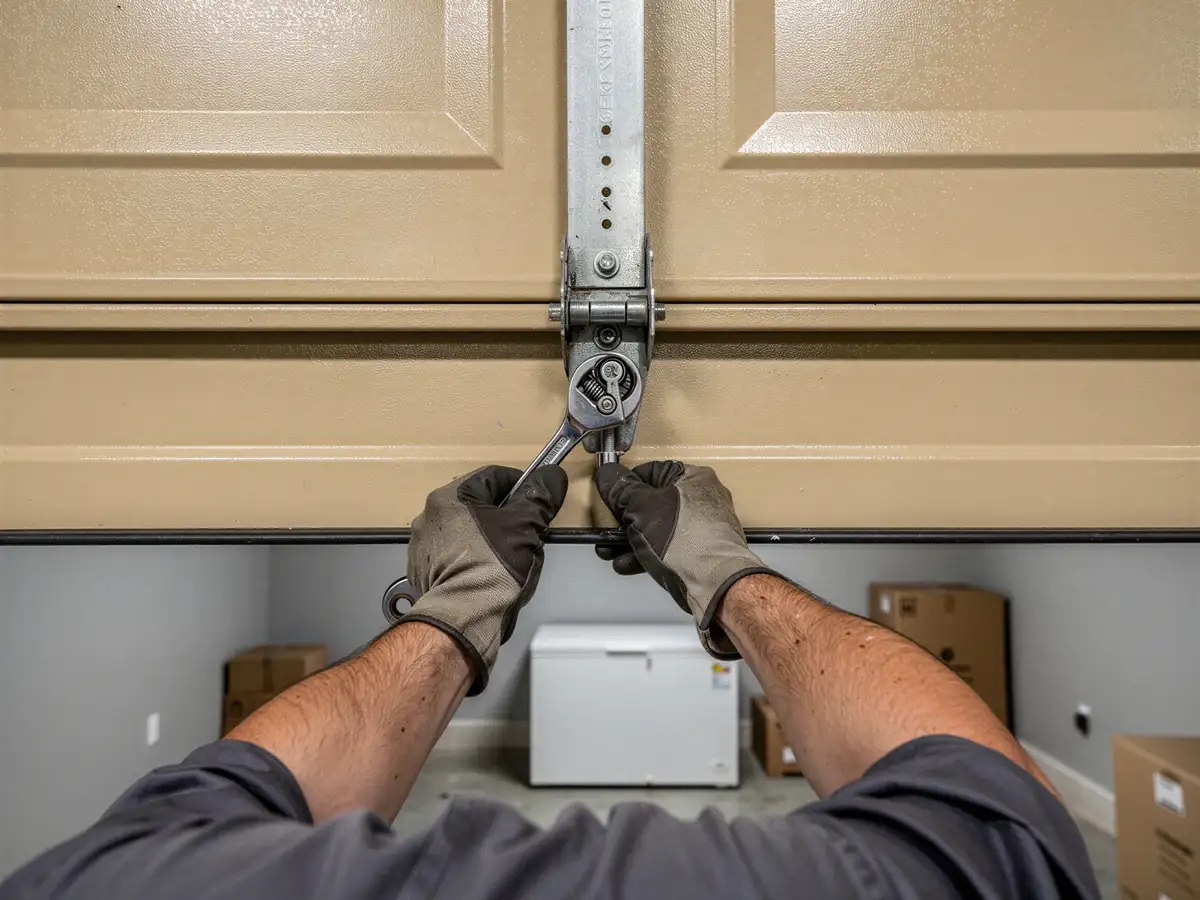
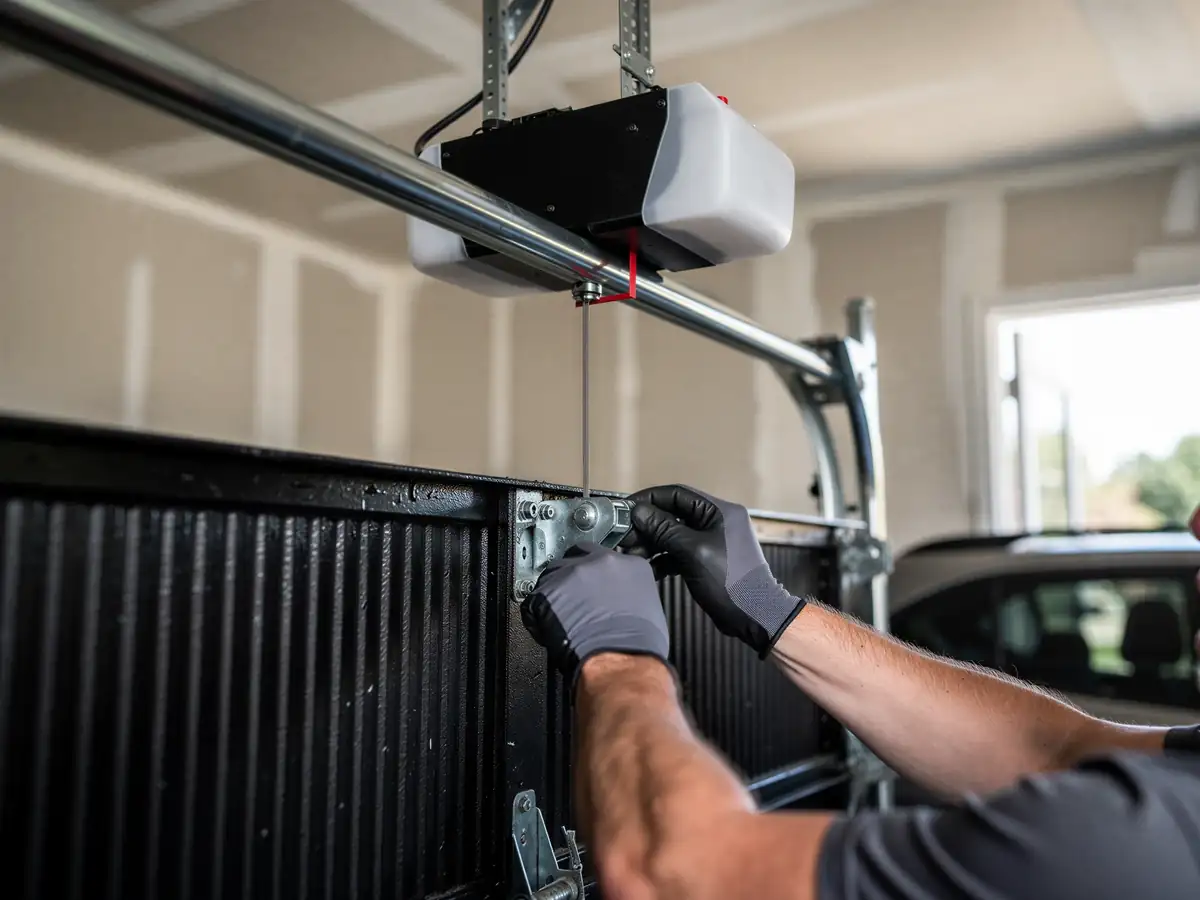
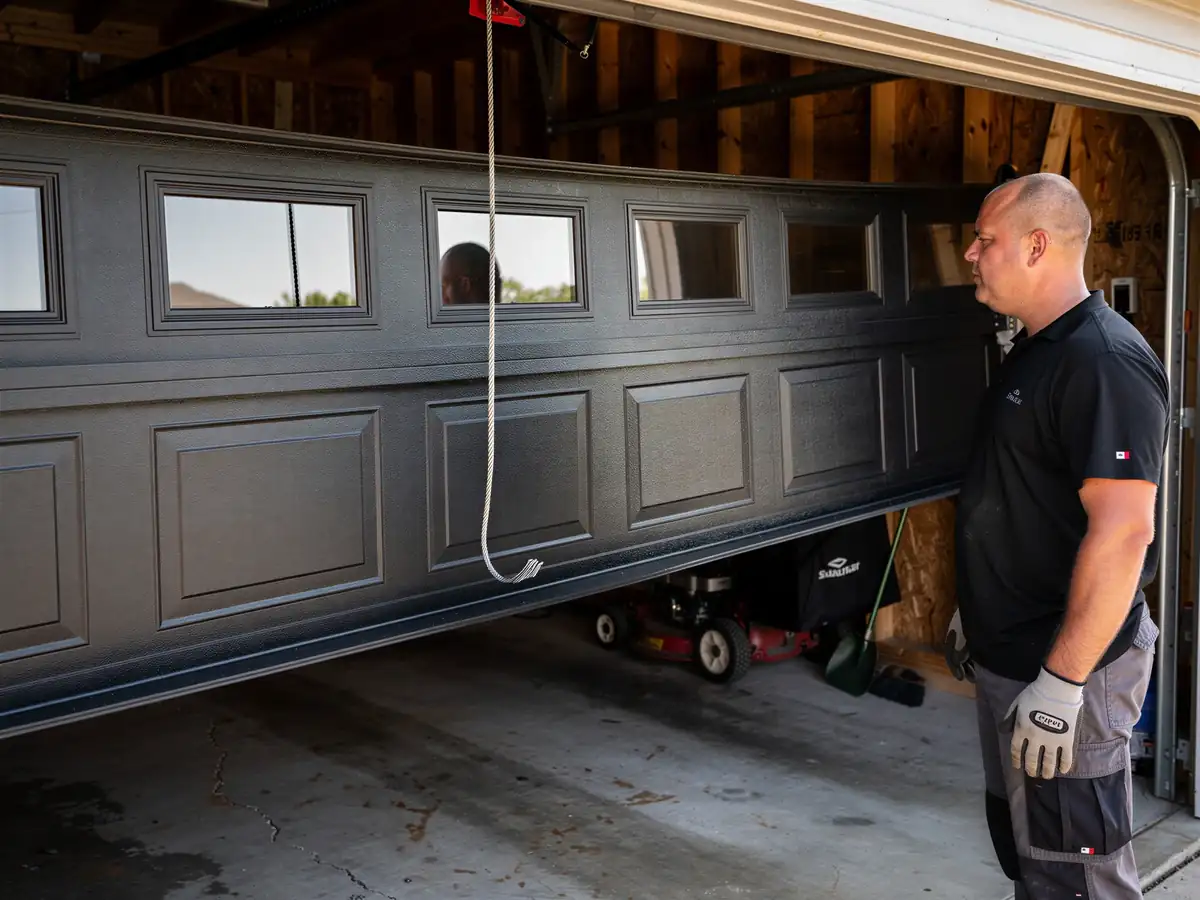
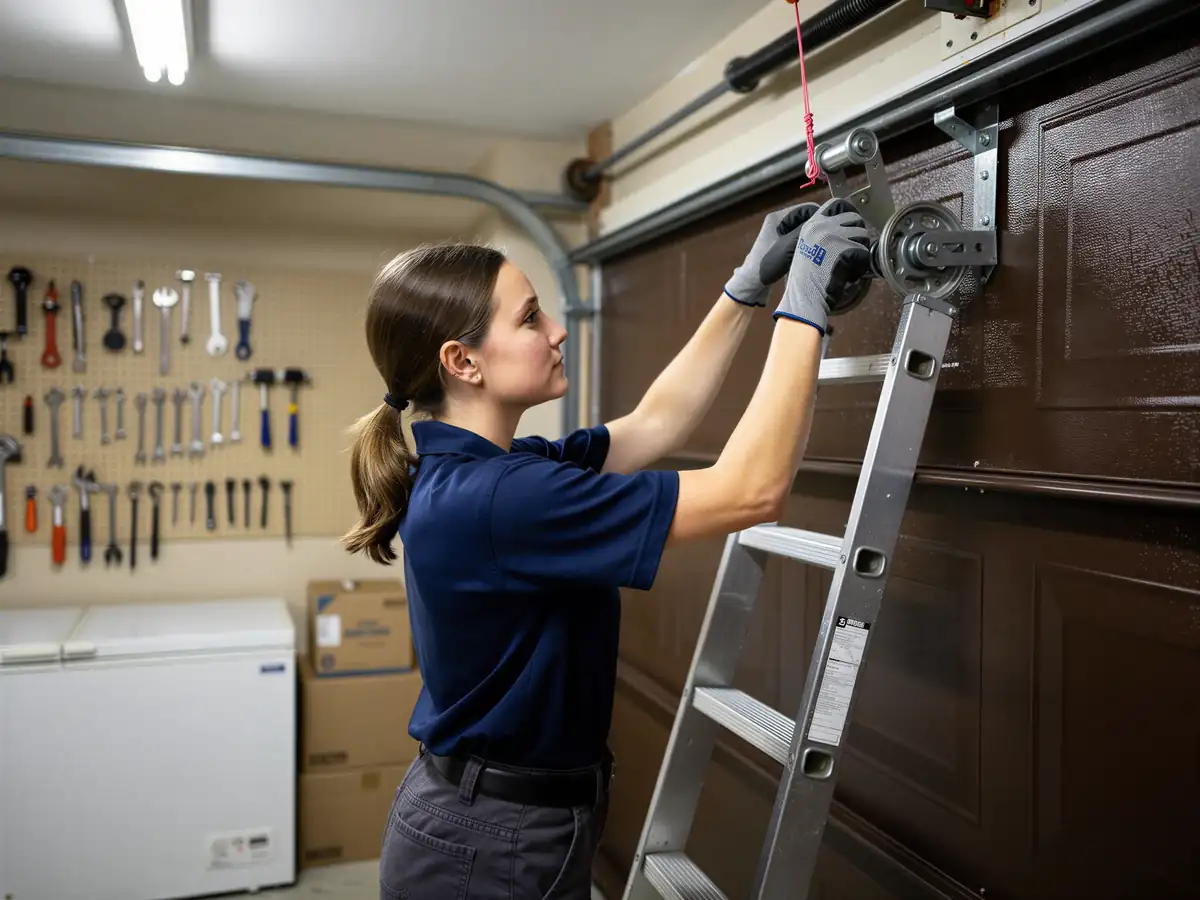
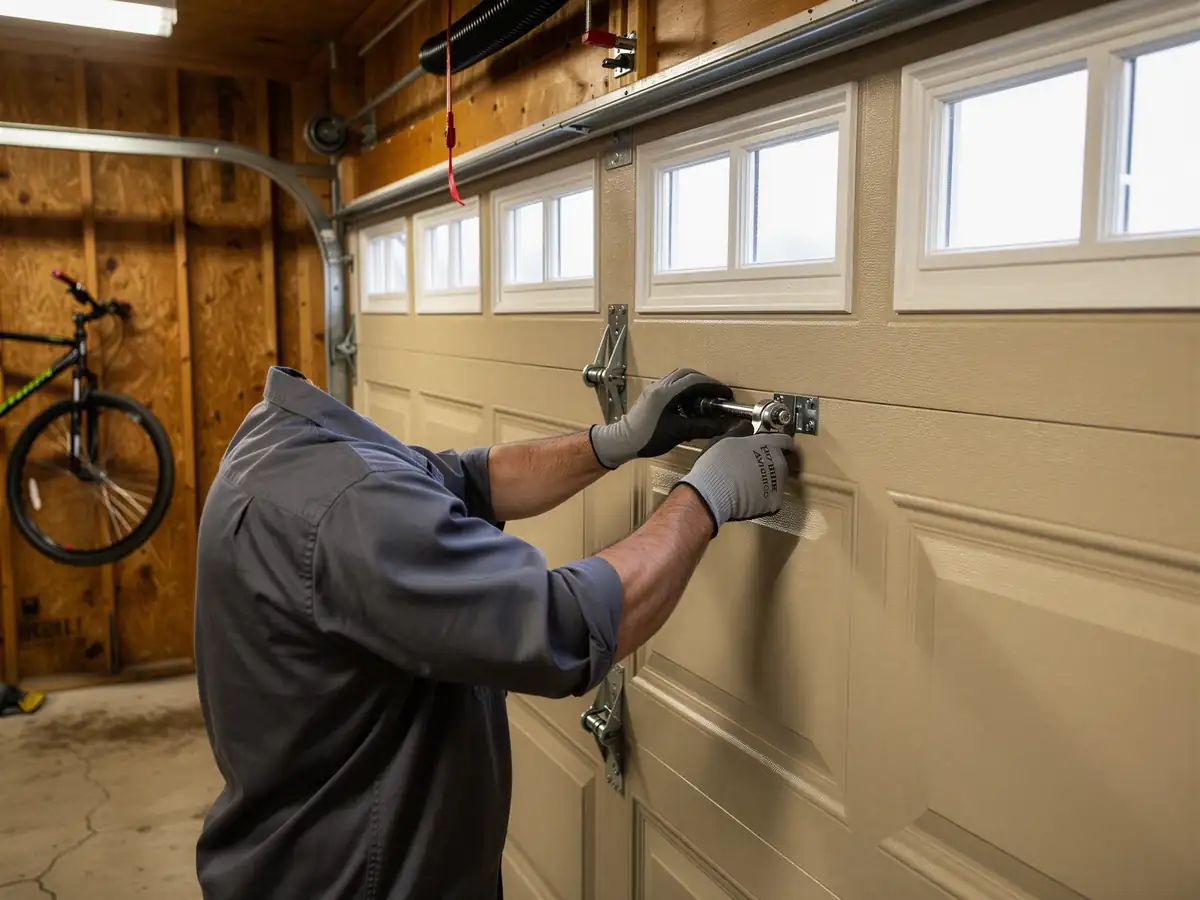
A torsion spring on a door this wide is wound tight enough to break a hand or worse if you're not using the right bars and you don't know the drum setup. If the door is a double and one spring has snapped, leave it alone - don't try to lift it, don't cut the other spring loose, and don't let the kids open it manually to get a car out. Things you can safely check yourself: whether the opener has power, whether the photo-eye sensors near the floor are knocked out of alignment or caked with dust, and whether the manual release cord got pulled by accident. Those three cover a surprising number of the calls that turn out not to need a truck at all. Everything involving springs, cables, or a door that's come off its track is not a weekend project, and we'd rather tell you that up front than bill you for a repair you could have avoided.
What It Costs
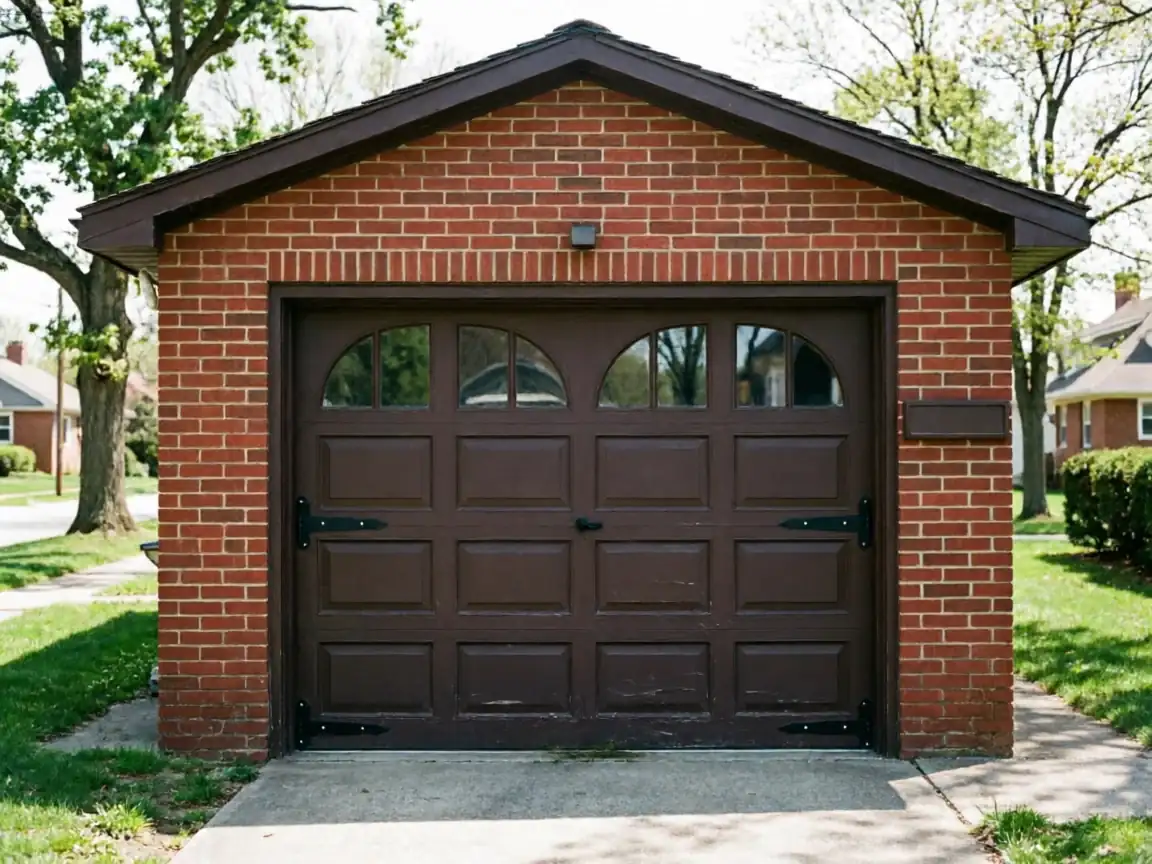
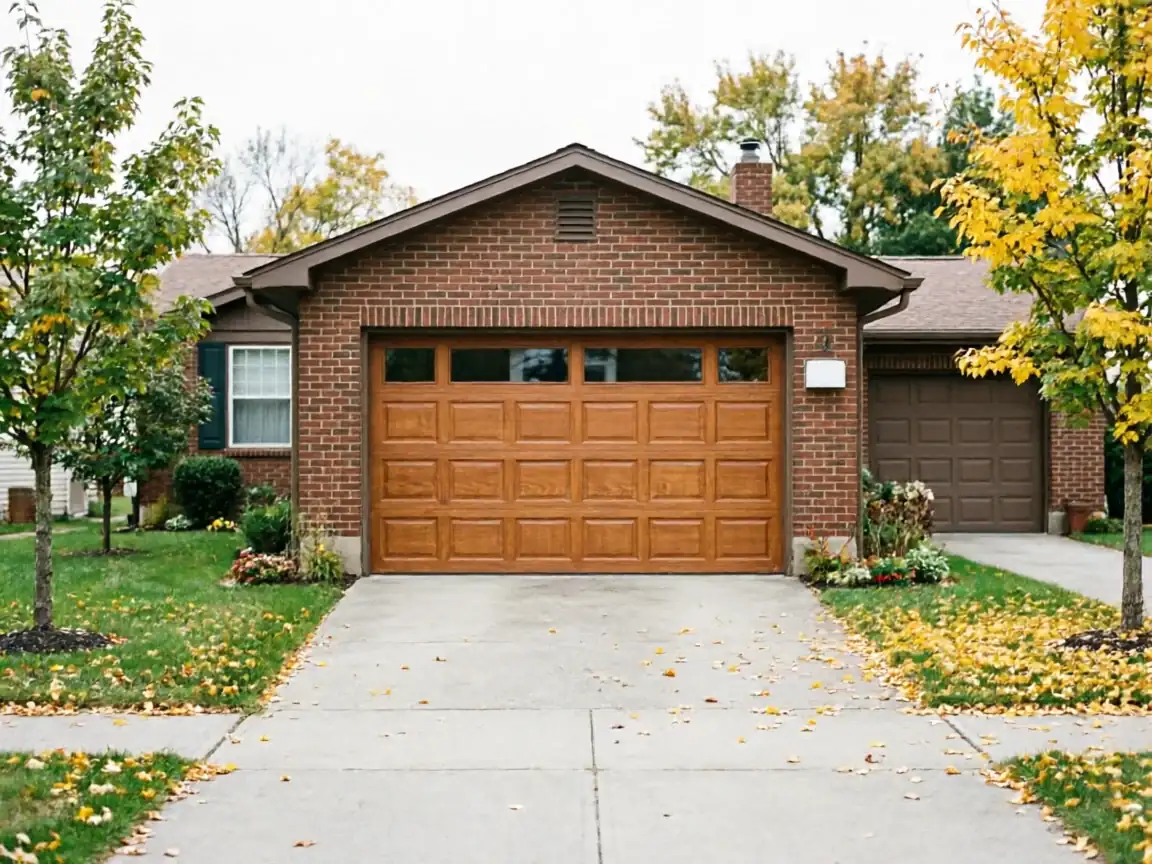
We don't post a flat number for Washington because the job depends on what's actually broken and whether the door is a single or double - and in this part of our coverage area, doubles are the norm. What we can tell you is that income here runs well above the wider service area average (median household income is $91,360 against $71,763 across the full coverage area), so we're not pricing jobs to a budget market, and we're not cutting corners on spring gauge or hardware to hit a number. We quote the repair before we start, not after. If a 1978-era door's track or hinges are bent beyond a clean fix, we'll say so rather than patch it and have you calling again in six months.
Stocked Parts
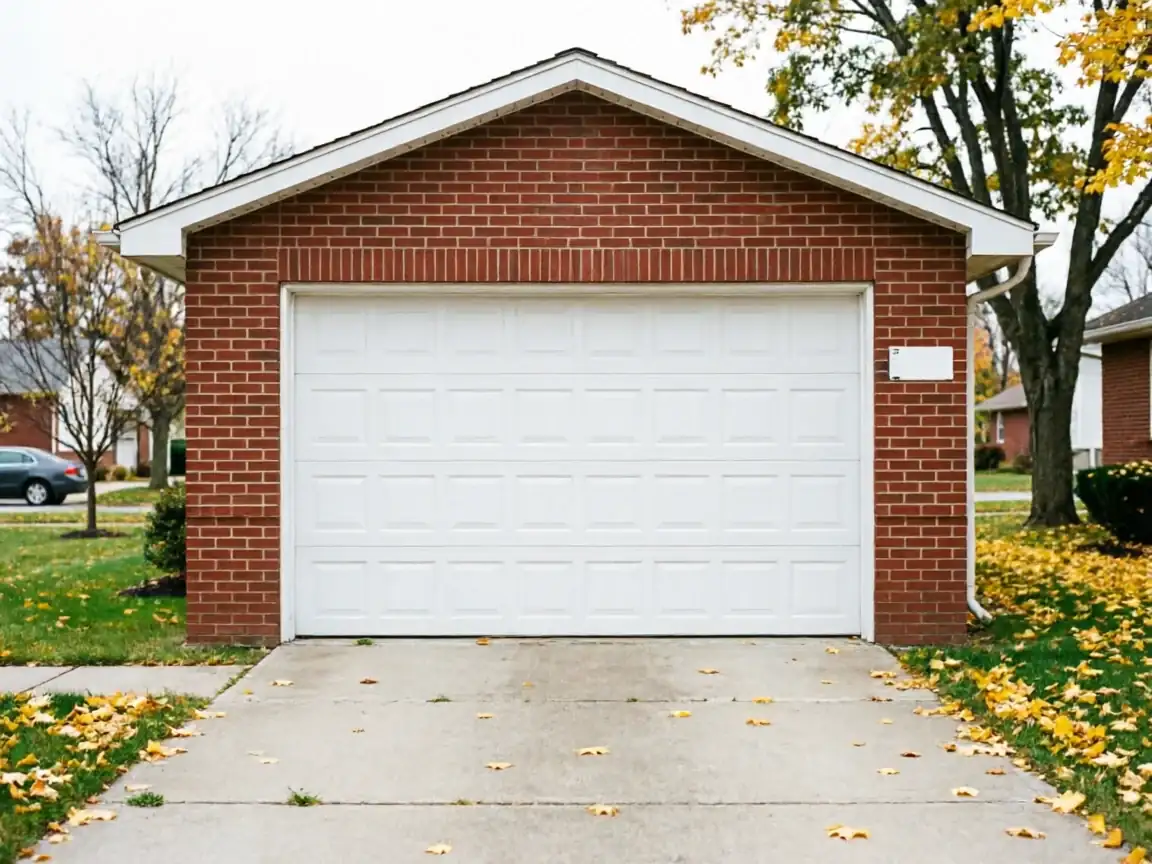
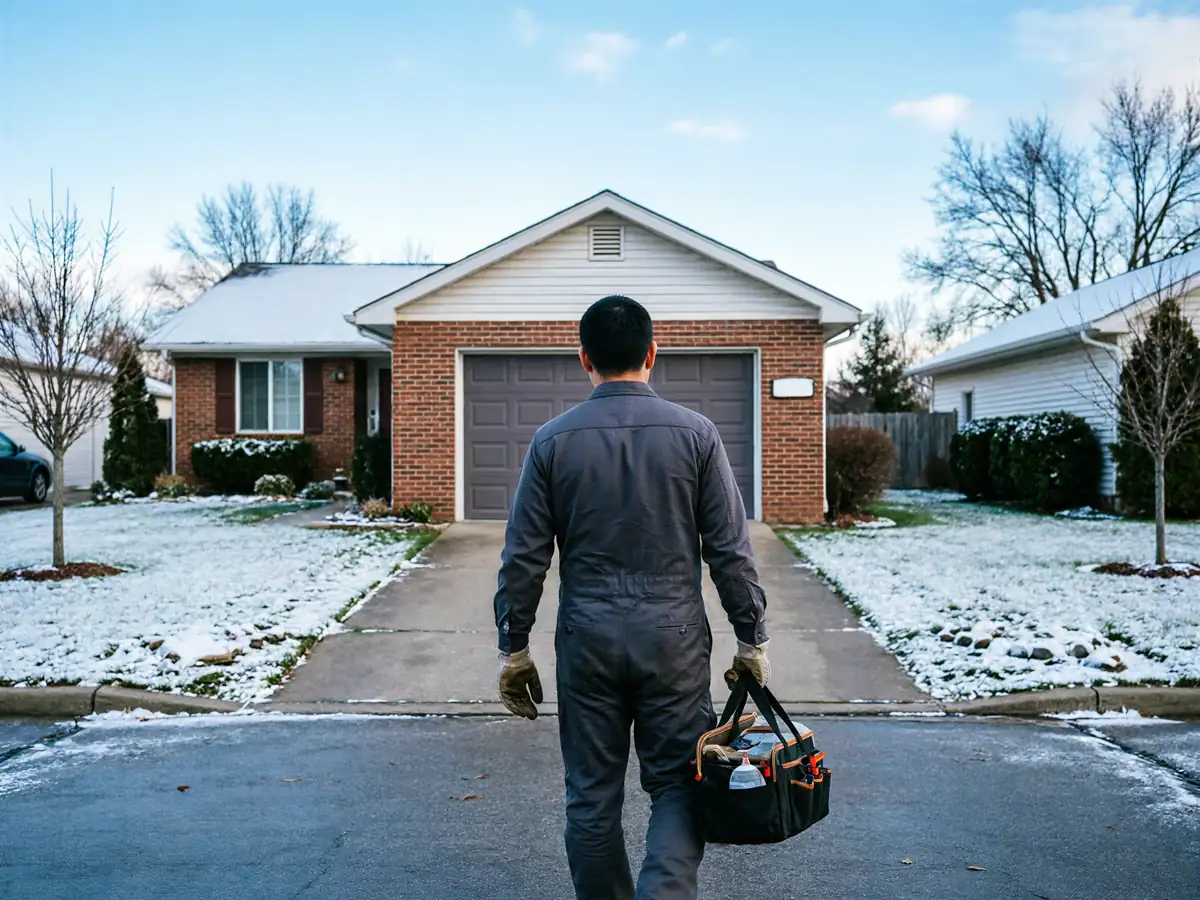
We carry torsion springs sized for 16-foot double doors on the truck, along with standard-lift cable and roller sets, because that's the door size we run into most once we're out this way. Openers and odd-sized panel replacements are more of a case-by-case order - if your door needs a specific panel to match an existing color or profile, that's a lead-time item, not a same-visit fix. Worth knowing before we're standing in your driveway.
Why This Fails Locally
Washington sits in a cold-climate band, and a door built in the late 1970s or 80s has had forty-plus years of winter cycling on its hardware - springs losing tension in the cold, cables stretching, rollers wearing flat on one side from salt and road grit tracked in off the car. With 6,108 households in Washington and most of that housing from the same construction era, the failure pattern repeats: a double door, steel panel, torsion spring that finally gives out on a cold morning when the garage is doing double duty holding heat for the rest of the house. It's a different fault profile than the single-door, older wood-panel stock you'll find on the pre-1960s streets closer to central Peoria, and it's why we ask about door width and age before we load the truck.