The Complications
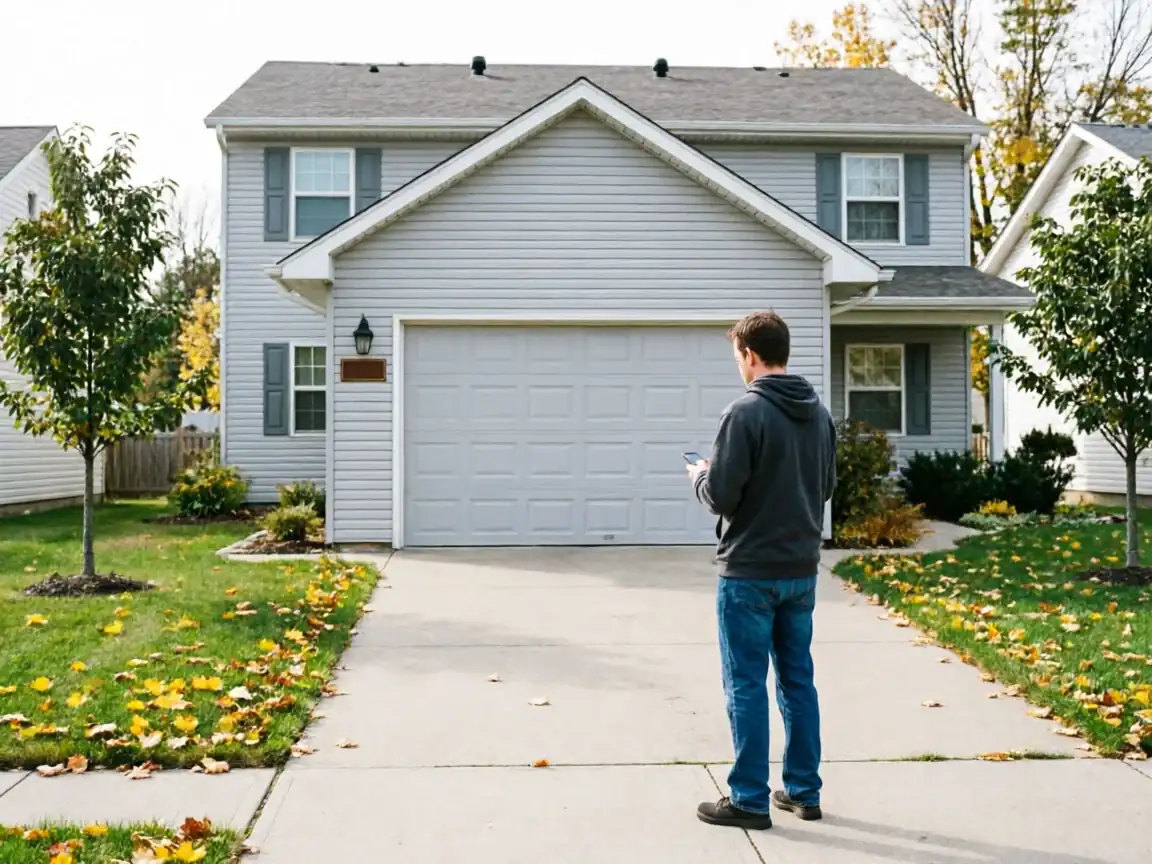
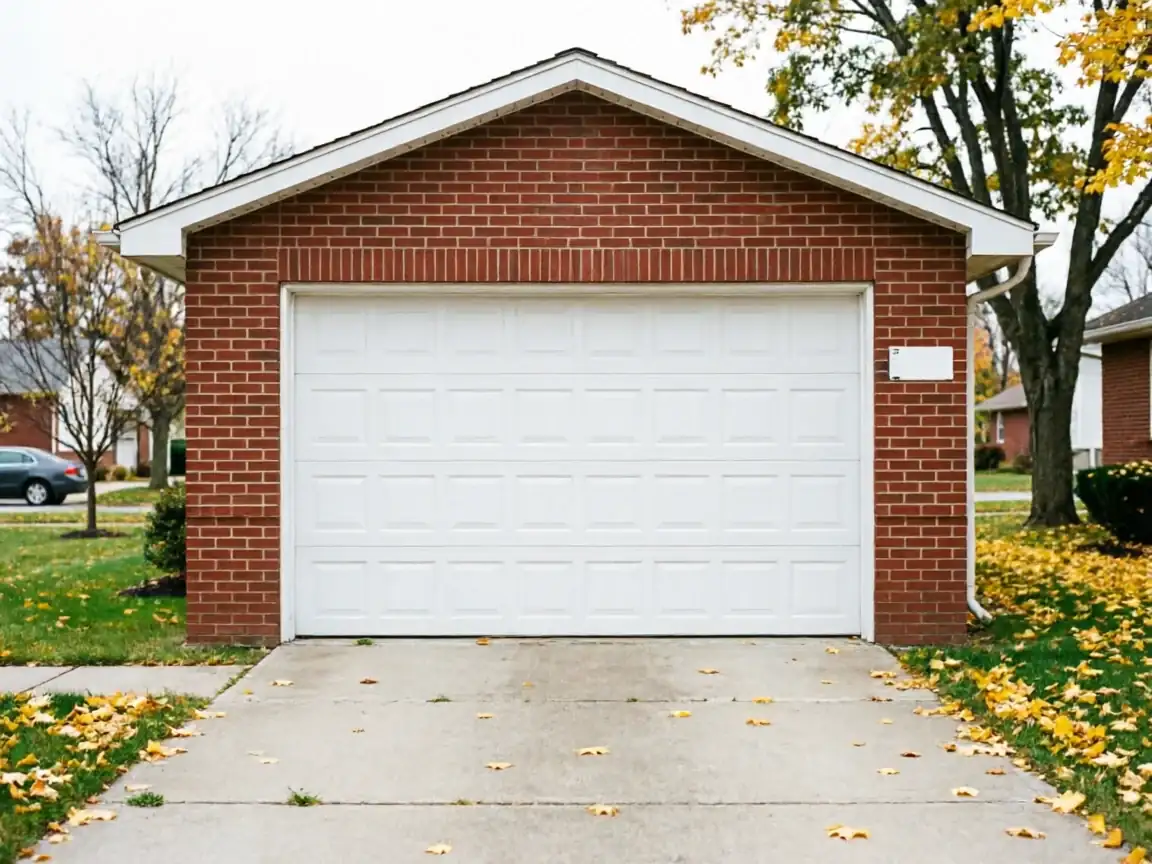
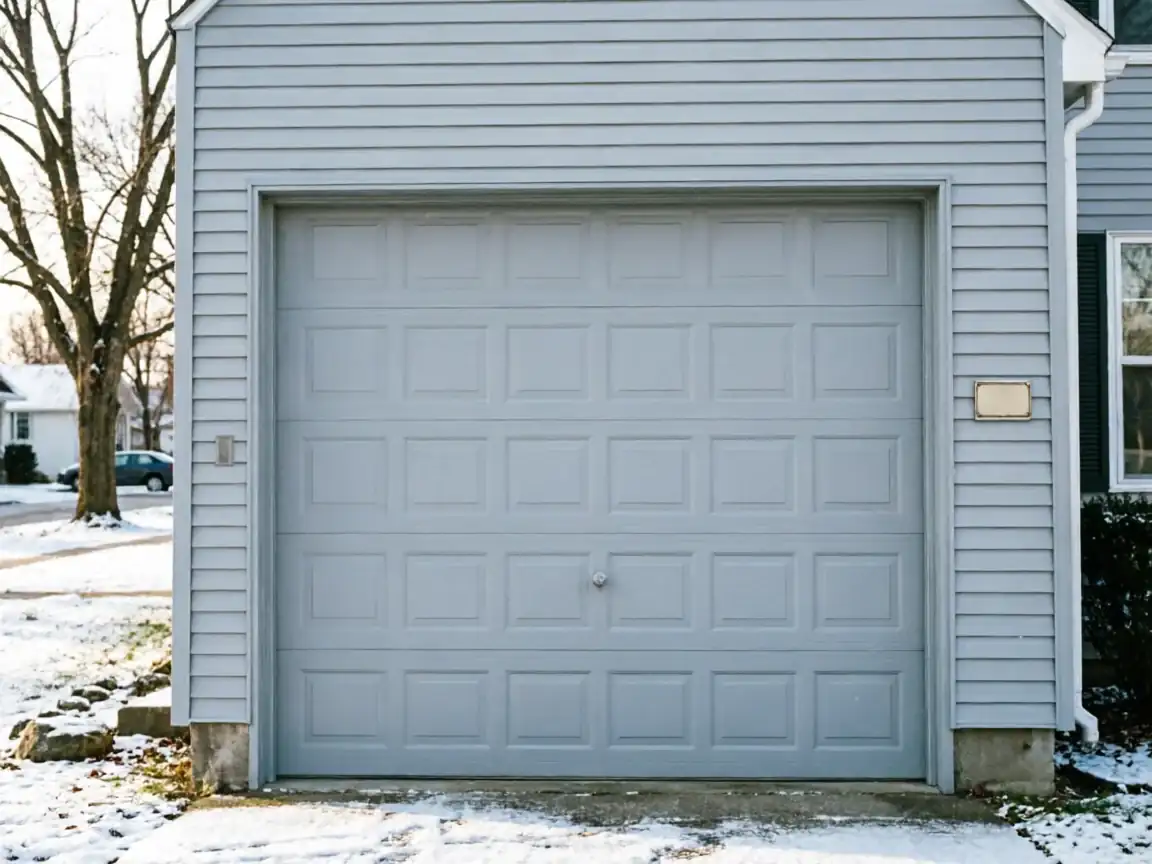
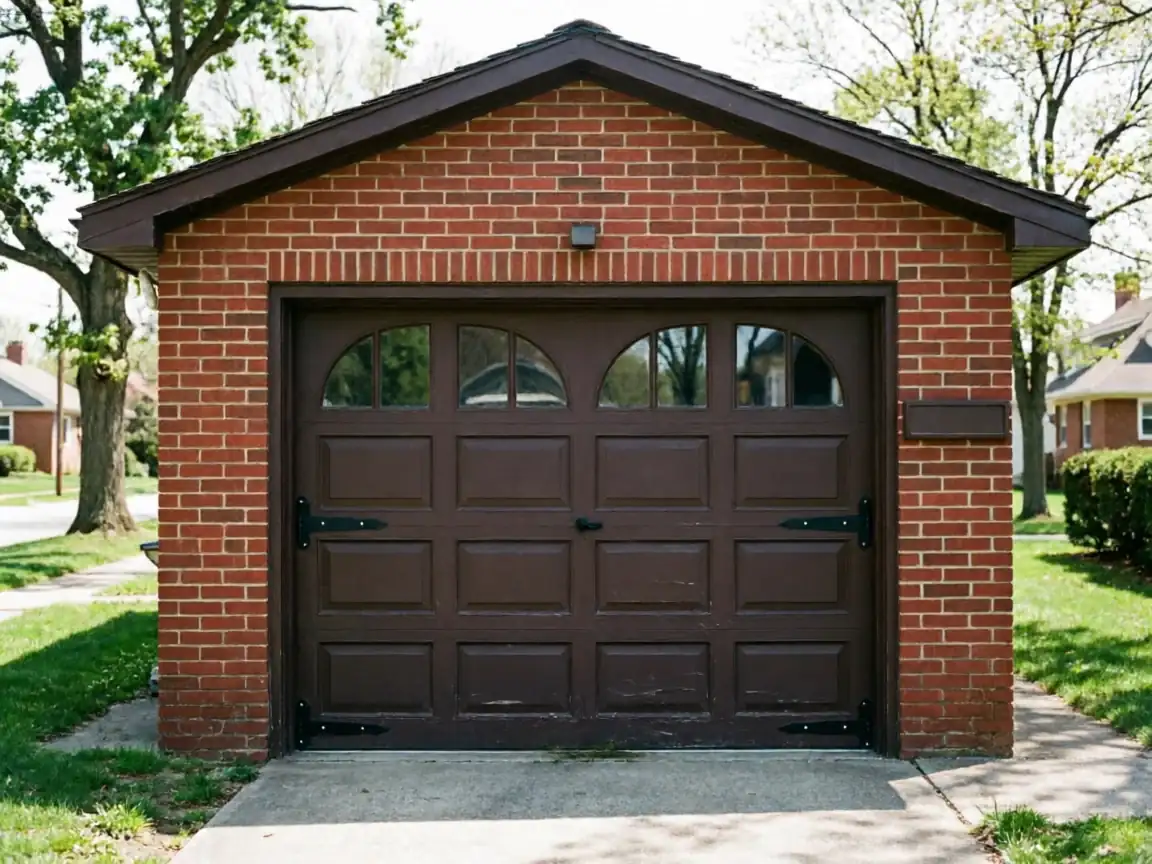
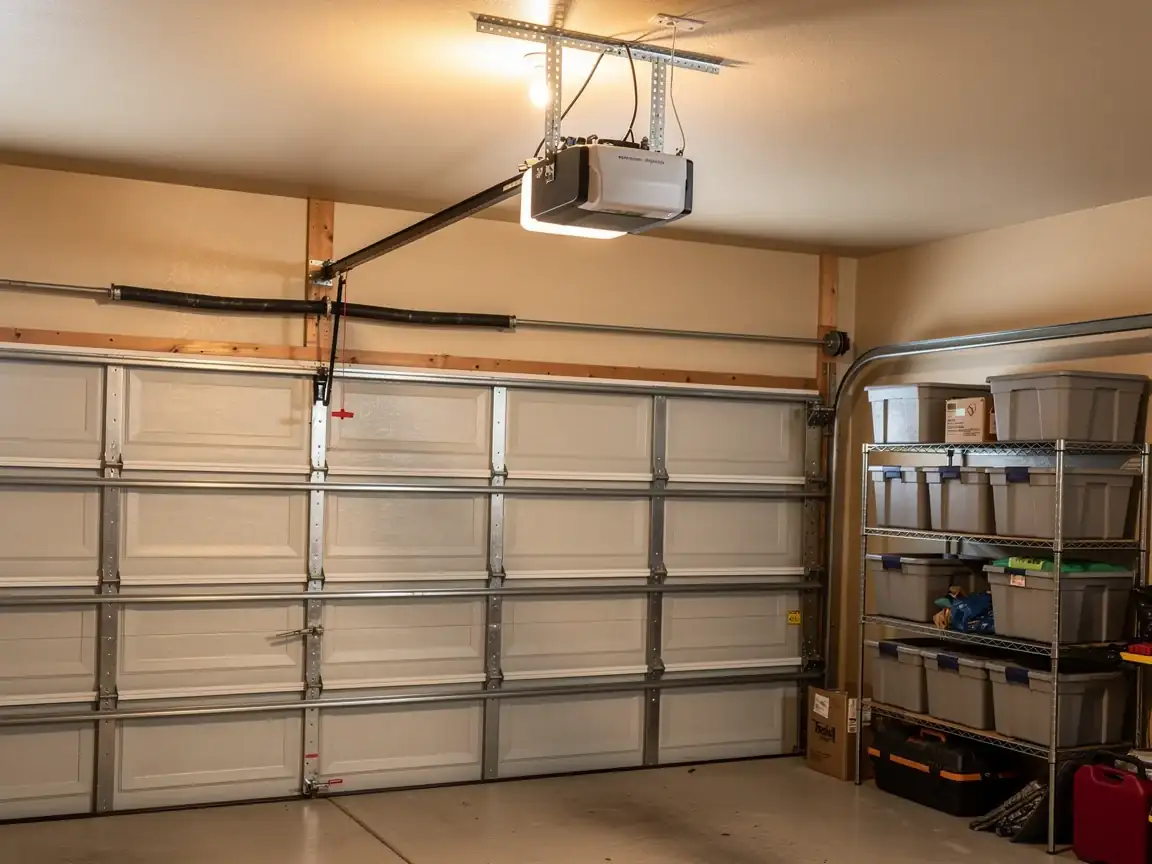
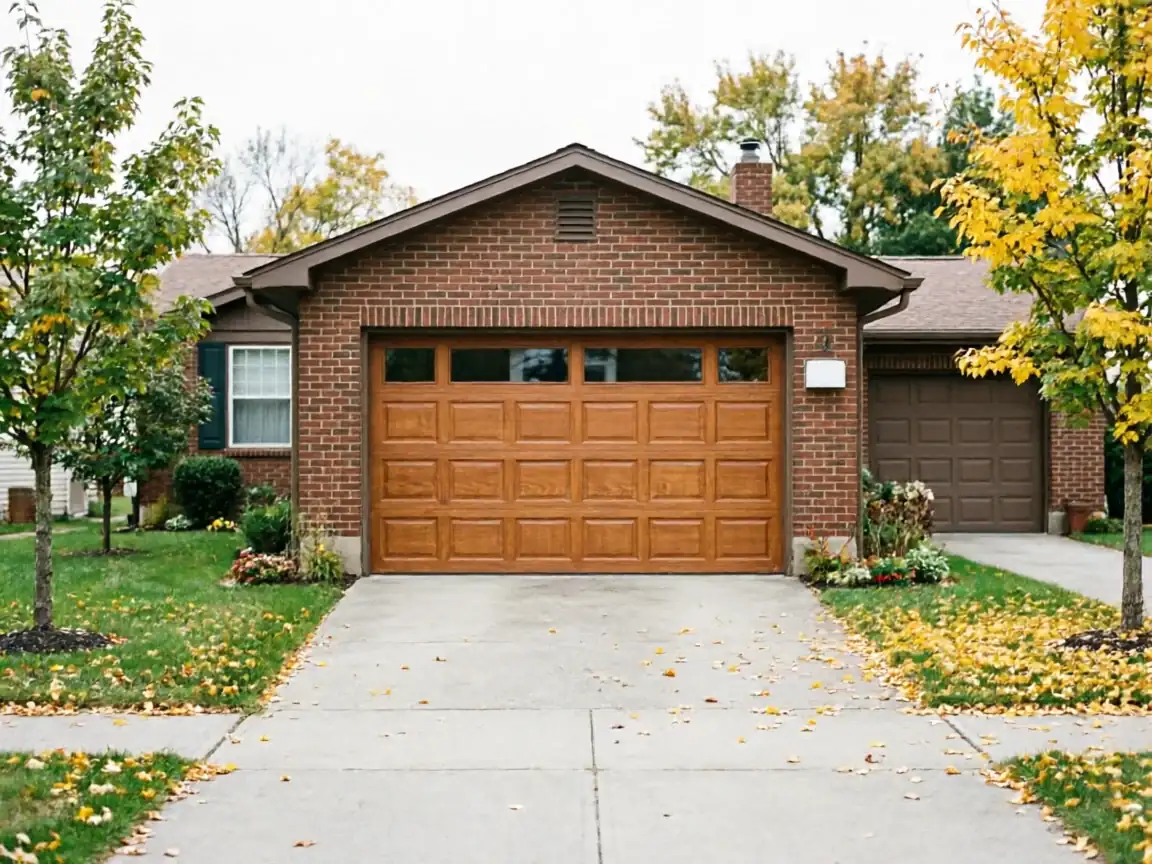
A house built around 1974, which is close to typical for this pocket, usually still has the original garage opening framed for a single steel or fiberglass door of that period - narrower than what gets built today, and often with a header that was never sized for a heavier insulated door or a belt-drive unit. The old chain-drive opener bolted to it predates the 1993 federal rule requiring photo-eye reversal sensors, so if nobody's upgraded it, there's no beam across the floor and no auto-reverse that meets current safety code. Swapping in a modern opener on that same bracket sometimes means adding the sensor brackets and running new low-voltage wire along the track, not just bolting a new box to the ceiling. None of this is dramatic work, but it's not a five-minute job either, and pretending it is would be the wrong thing to tell a homeowner with a garage built in that era.
Stocked Parts
We carry the openers, rail kits, and photo-eye sensor pairs that fit the garage sizes common to houses from the 1960s-70s building wave across this part of the service area. What we can't promise is a same-day match for an unusual rail length or a specialty mounting bracket on a nonstandard header - those sometimes need to be ordered, and we'll tell you that up front rather than make you wait around guessing. For the standard single or double garage door opening you'll find on most Bellevue lots, we're not improvising; it's the same hardware we install across the rest of the territory we run from Peoria.
How We Fix It
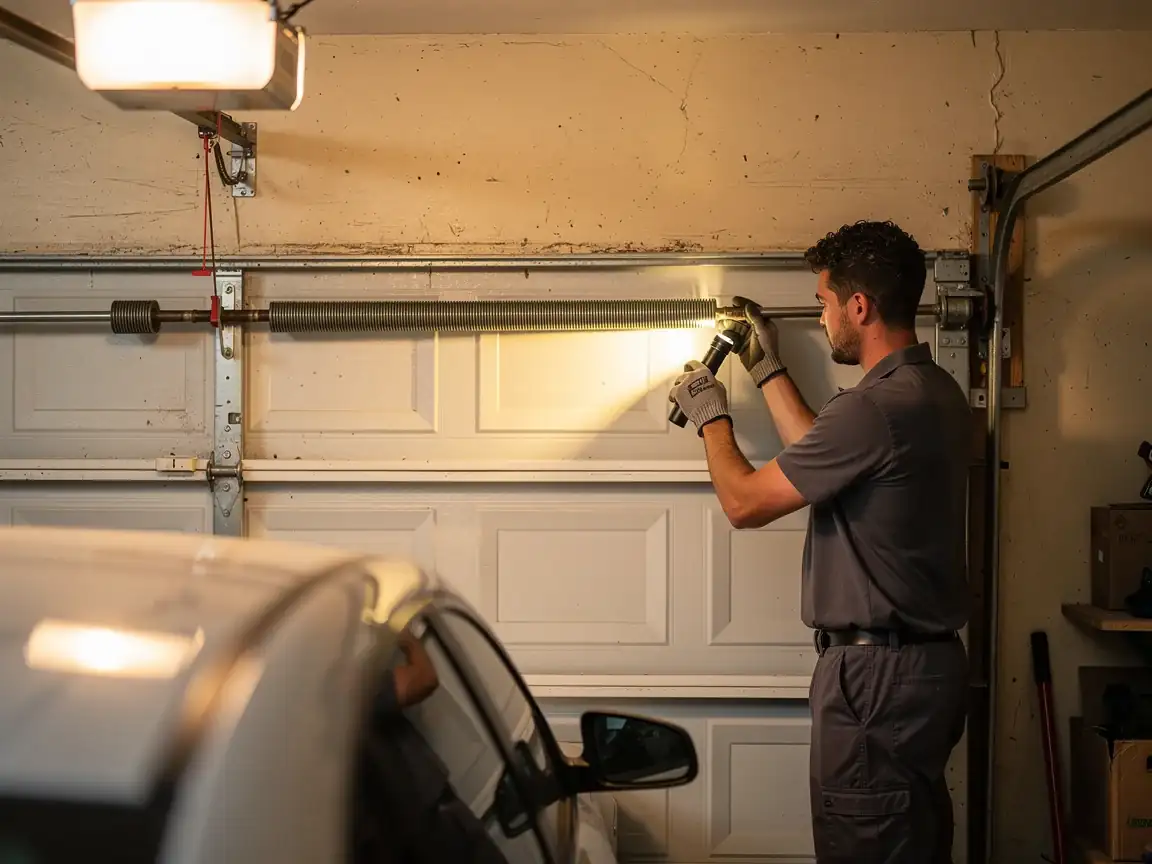
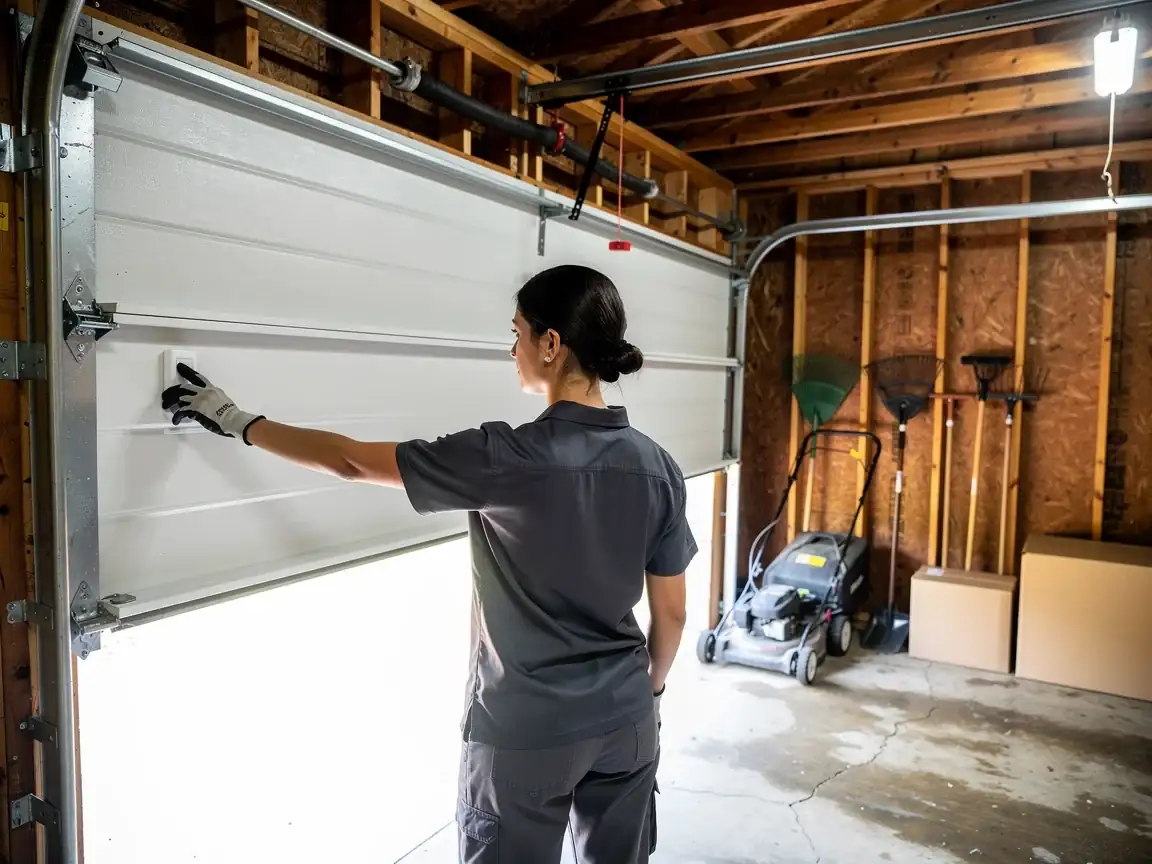
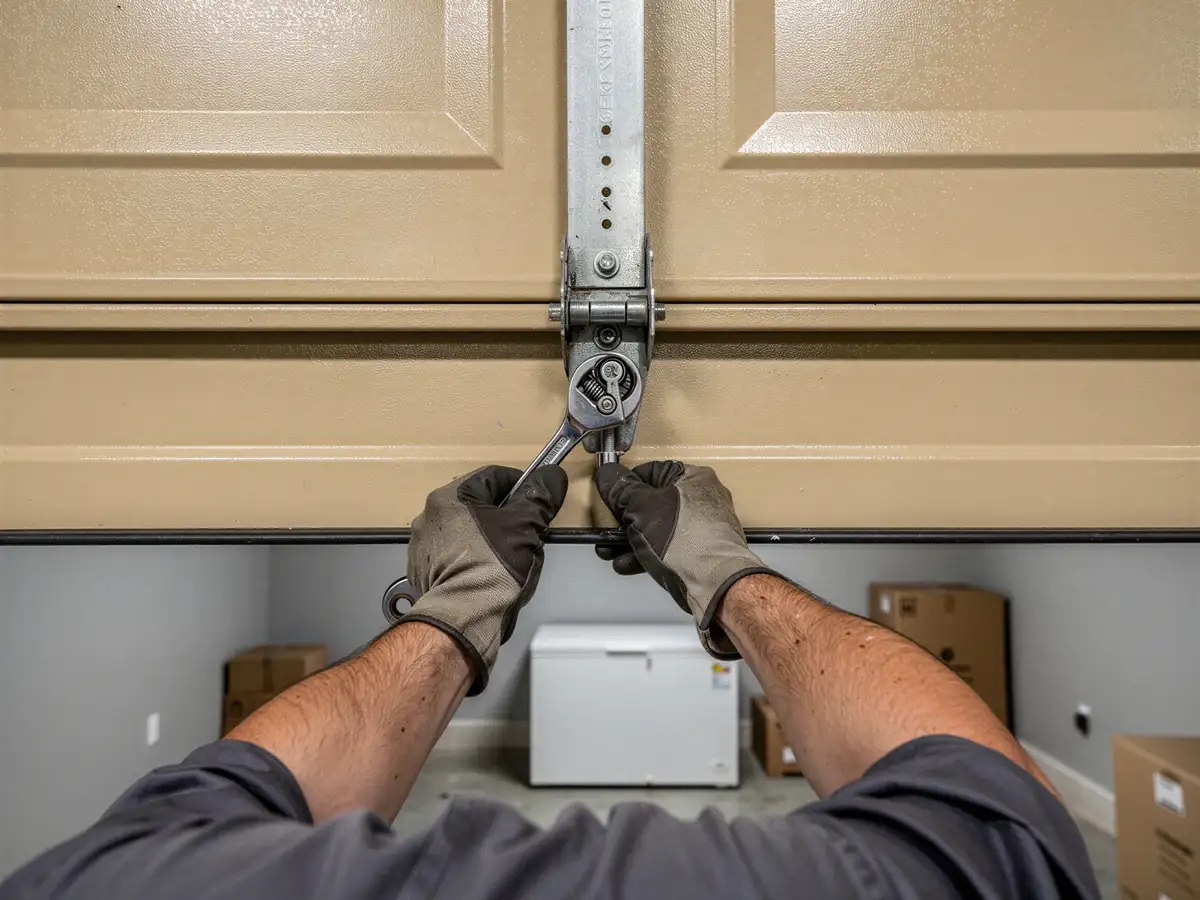
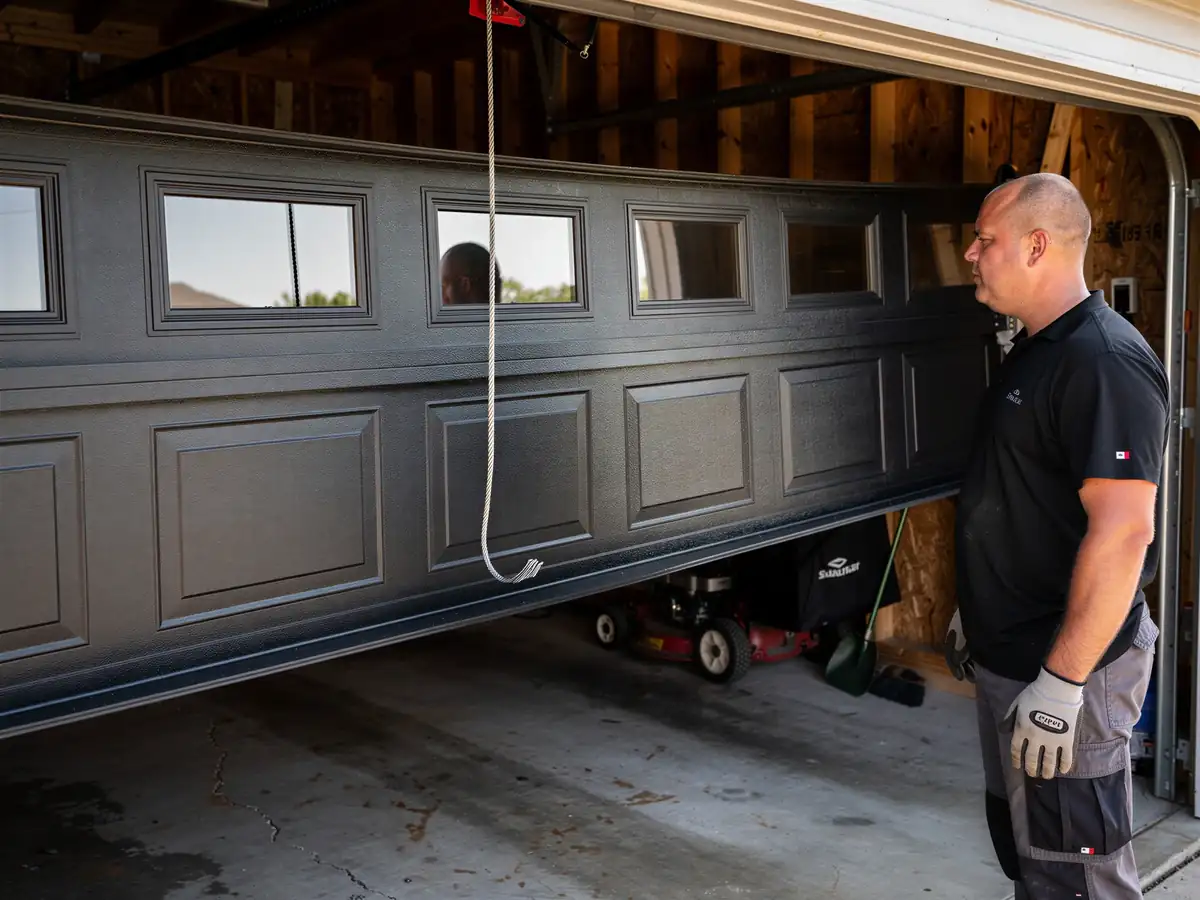
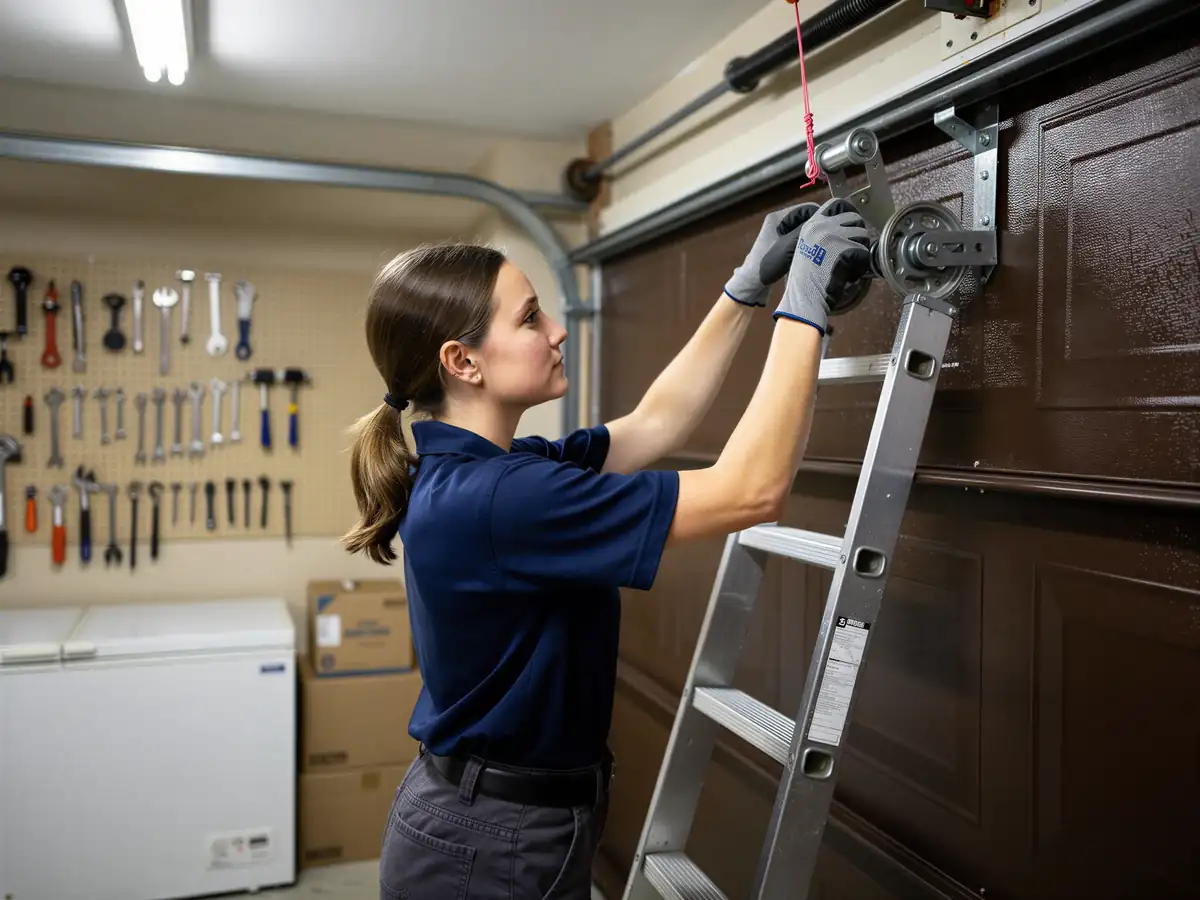
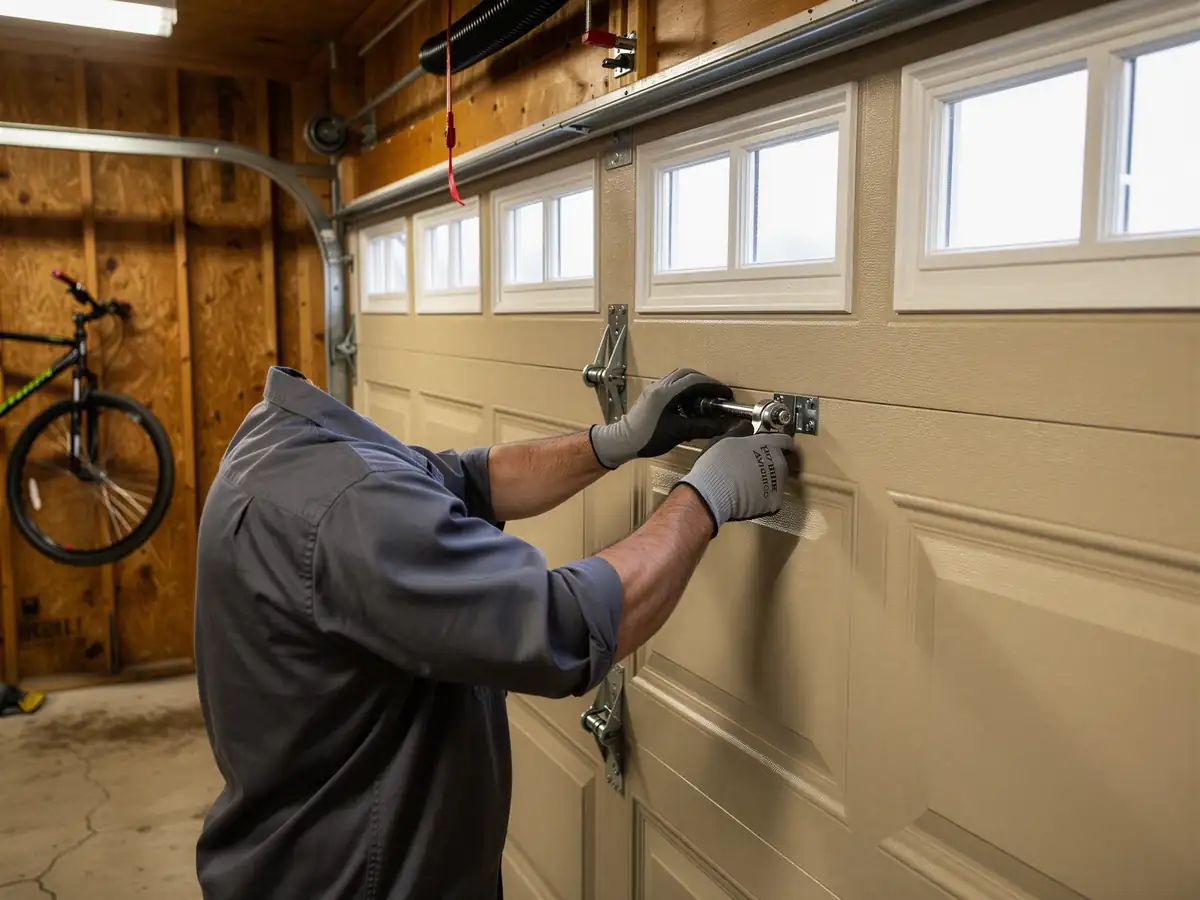
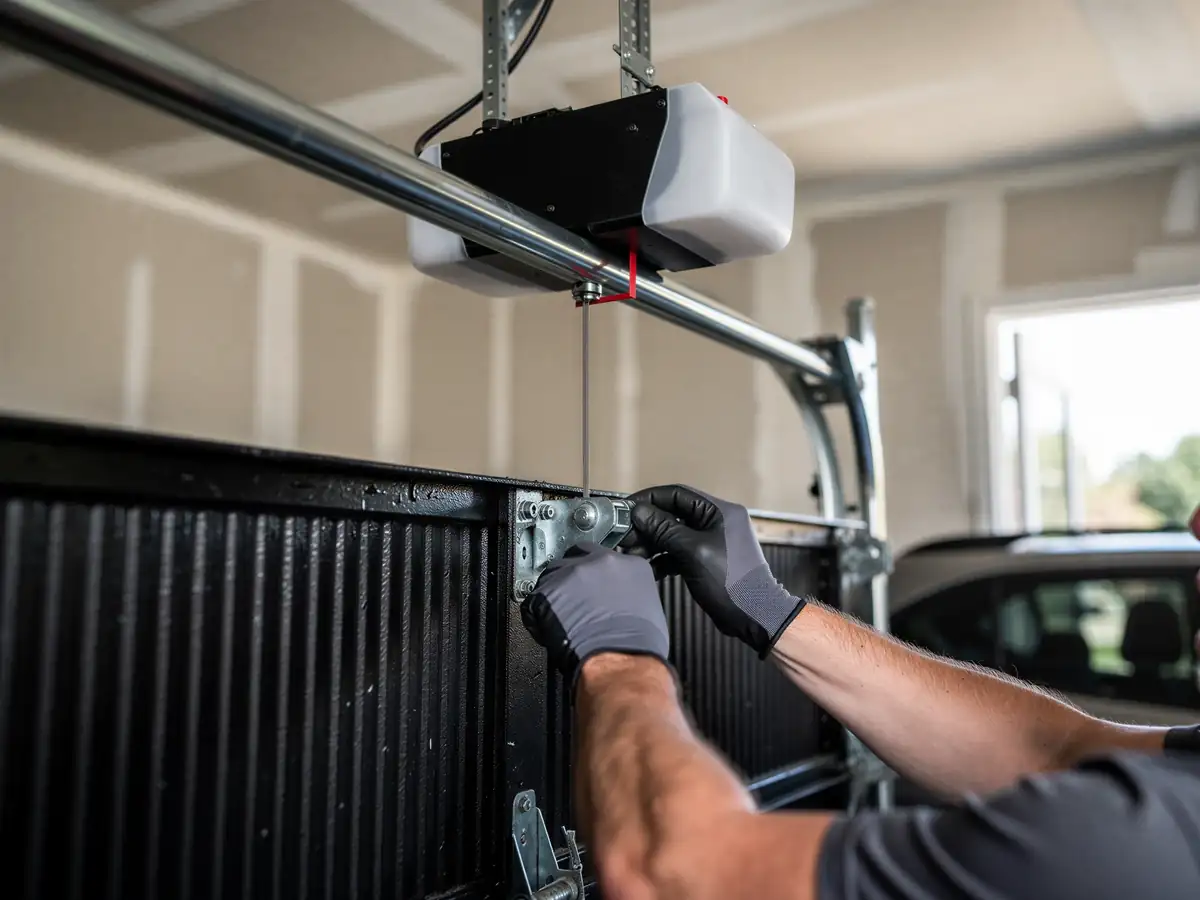
We pull the old unit, check the header and the track for square, and mount the new opener to hardware rated for the door weight you actually have - not a generic estimate. On a 1970s-era single door that's held up on original springs and track, we test those components while we're up there, because installing a new opener on a tired spring system just moves the next failure a few months down the road. We wire in the photo-eye sensors at the code-required height, confirm auto-reverse with a real object test, and program your remotes and keypad before we call the job done. We don't leave a ladder-height adjustment undone and call it finished.
The DIY Question
A kit opener from a hardware store can bolt onto a garage from this era without much trouble, and plenty of people do it themselves. Where it gets risky is the spring and cable side of the job - those are under real tension, and we don't recommend a homeowner touch them without the right bars and clamps, era of the house aside. If your garage still has its original torsion spring from when the house was built in the 1970s, that spring is well past the age where we'd trust it, installer skill notwithstanding. Swap the opener yourself if you're comfortable with wiring and ladder work; call us for anything involving the spring.