The Complications
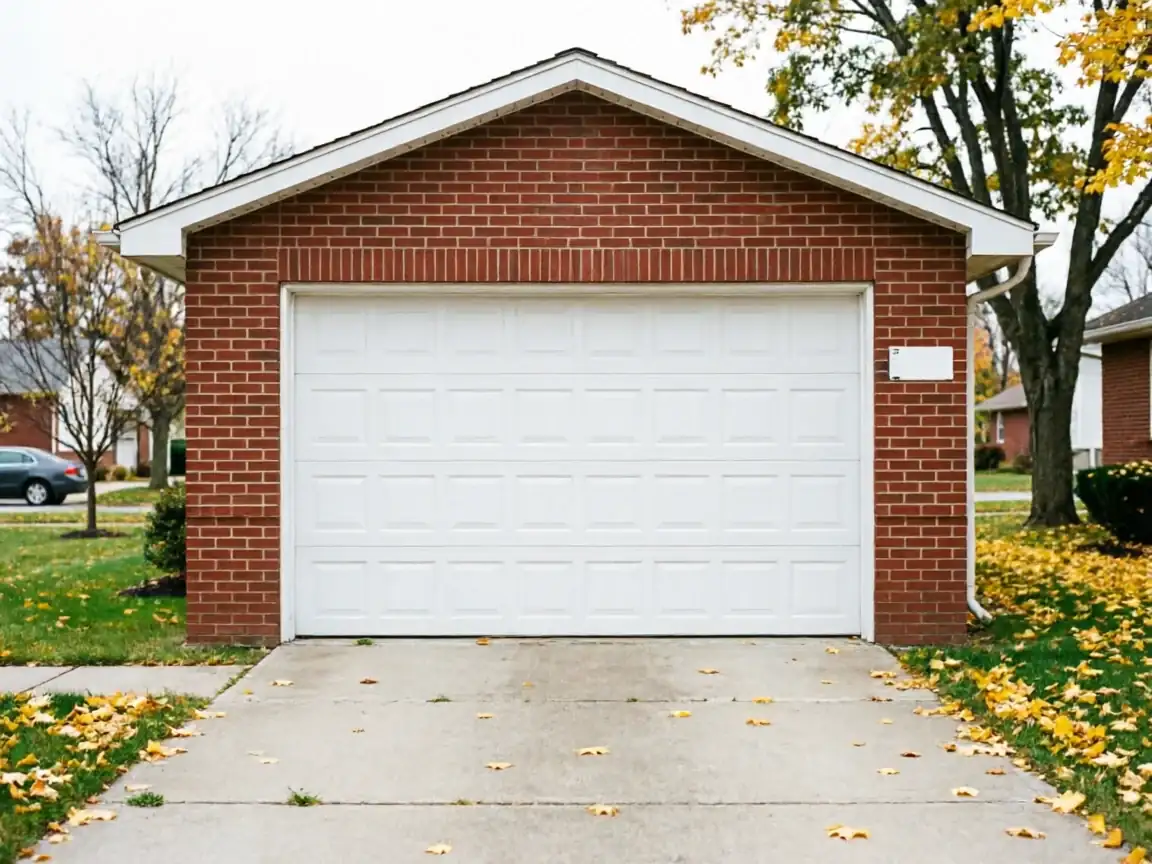
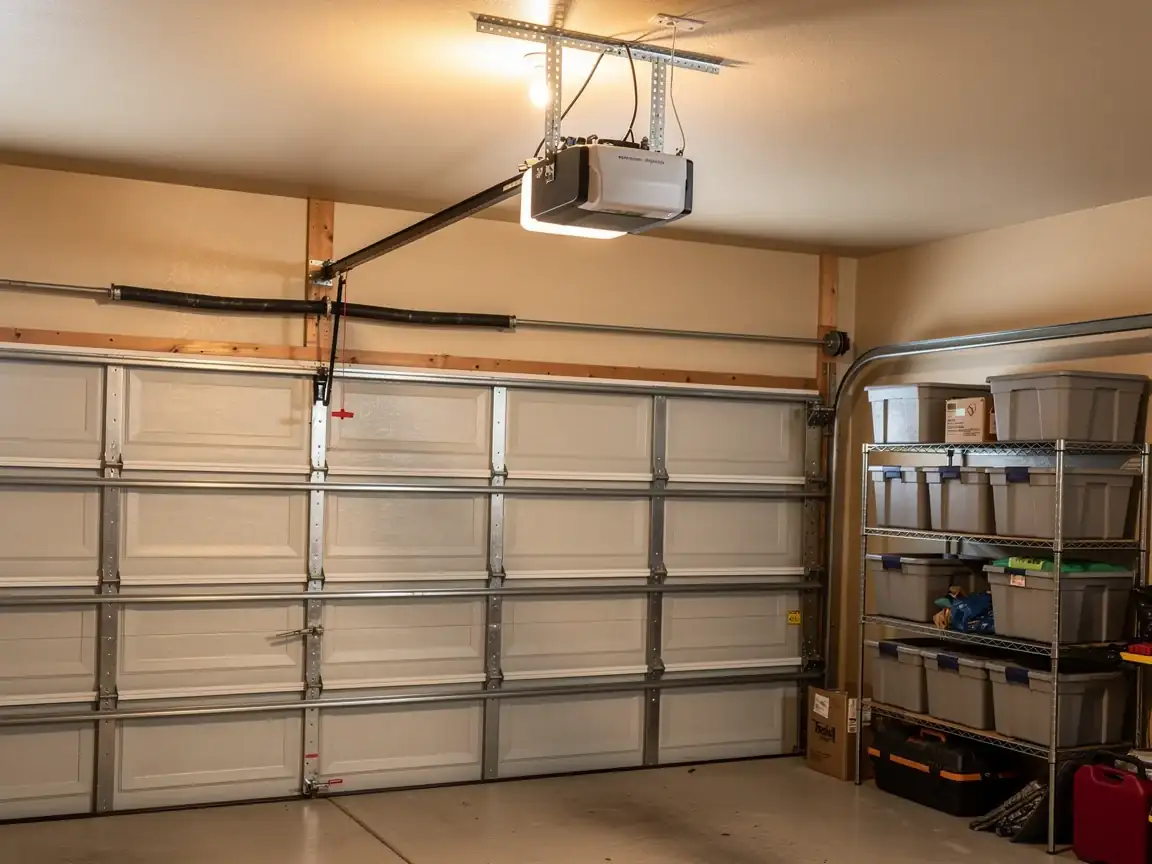
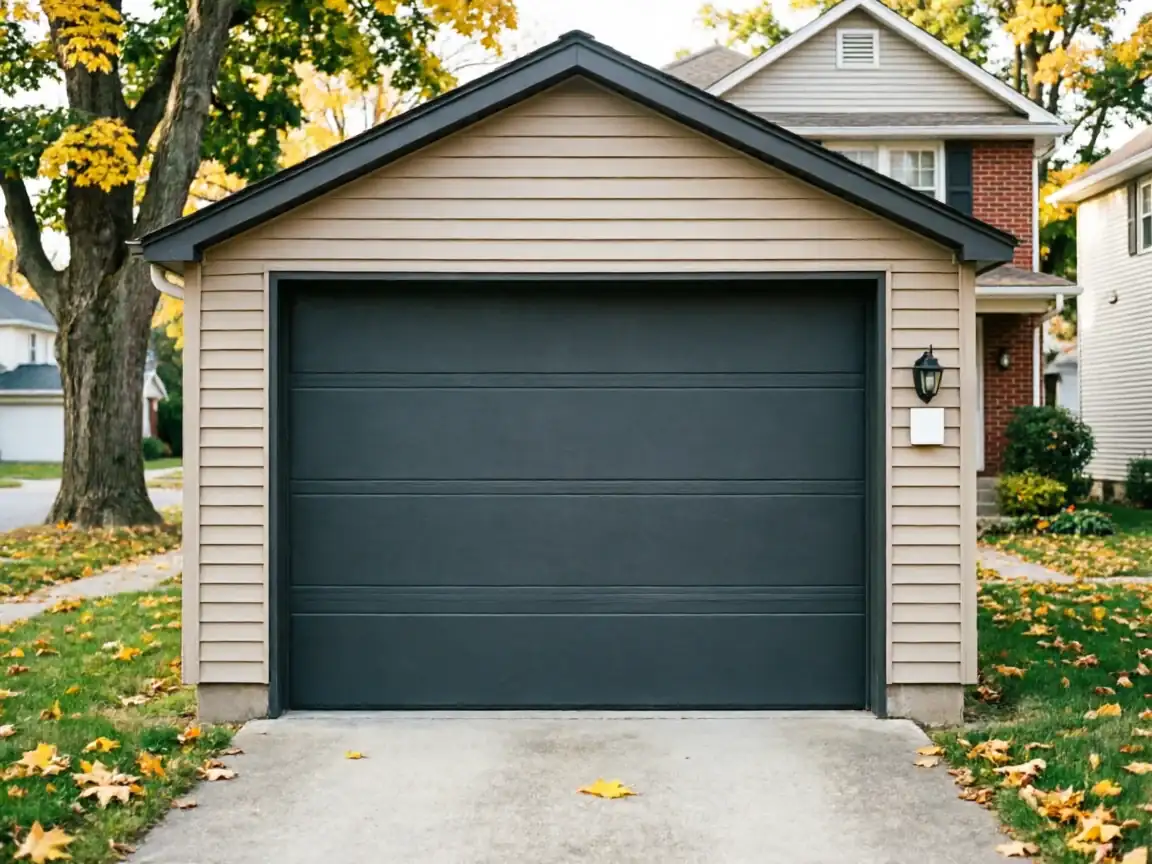
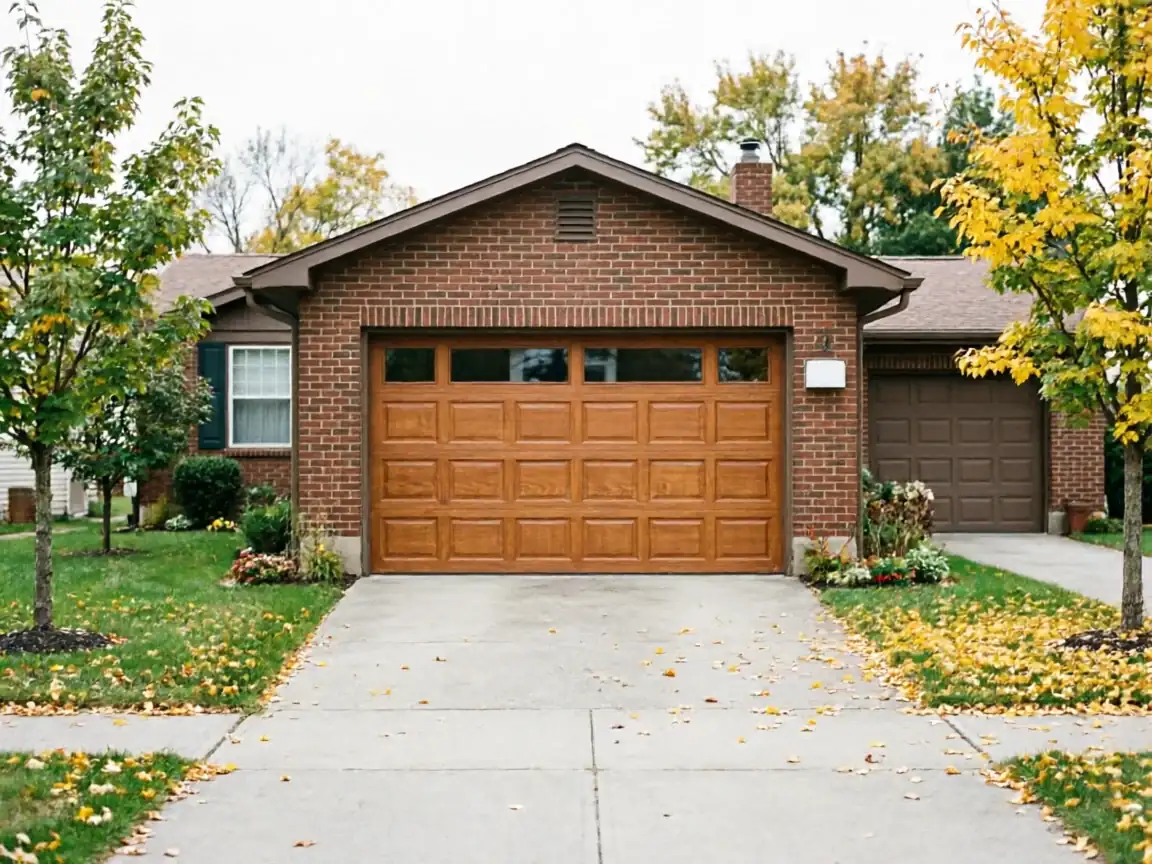
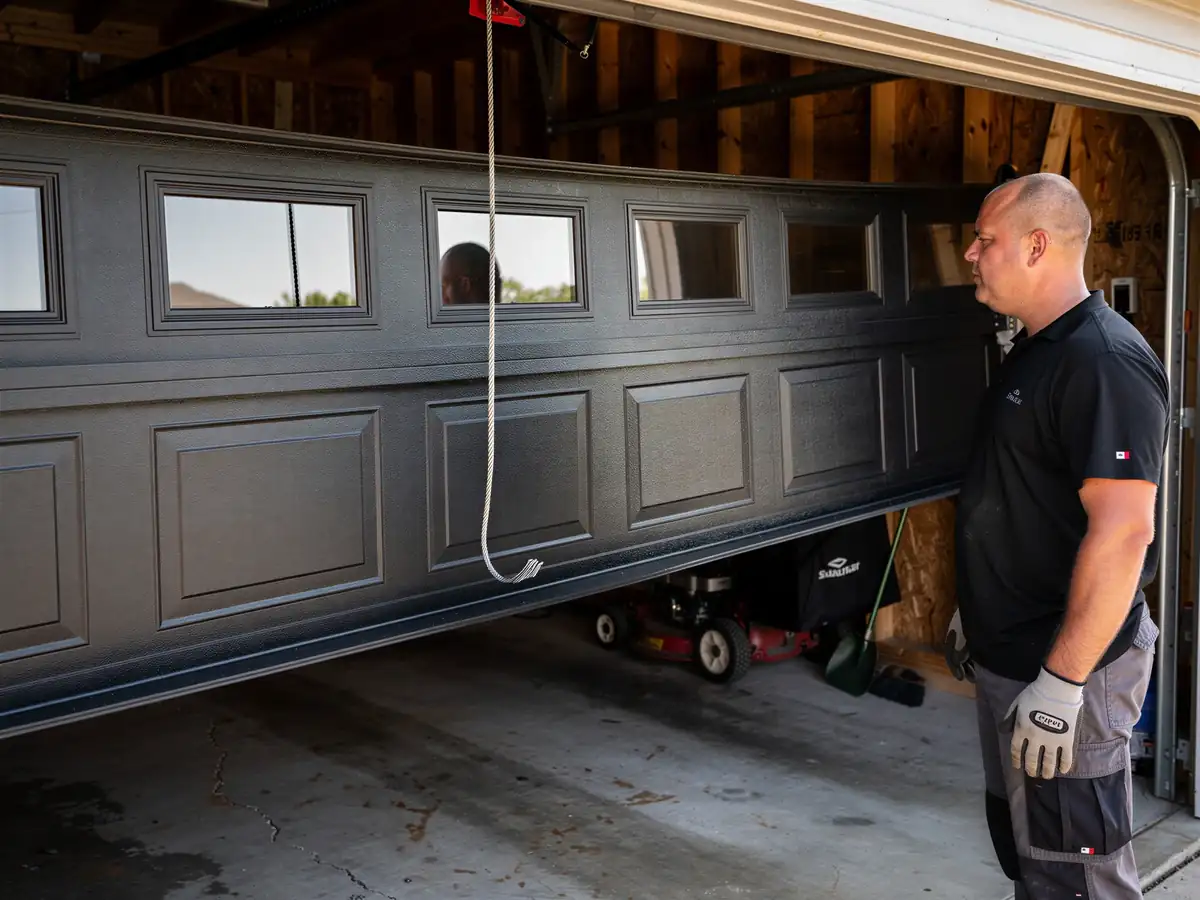
The median home in Bellevue went up around 1974, which puts a lot of garage doors here on their original torsion hardware - springs rated for a lifespan that's long since passed, rollers that were steel or cheap nylon from the factory, not the sealed-bearing kind sold today. Nobody's pulled a permit to replace that stuff unless something broke. A door running on 50-year-old spring and track components doesn't fail gracefully; it fails mid-cycle, usually on a cold morning. That ties into the climate band here - cold winters stiffen lubricant and tighten steel tolerances, which is exactly when brittle original hardware tends to let go. A tune-up catches the wear before the spring does.
Stocked Parts
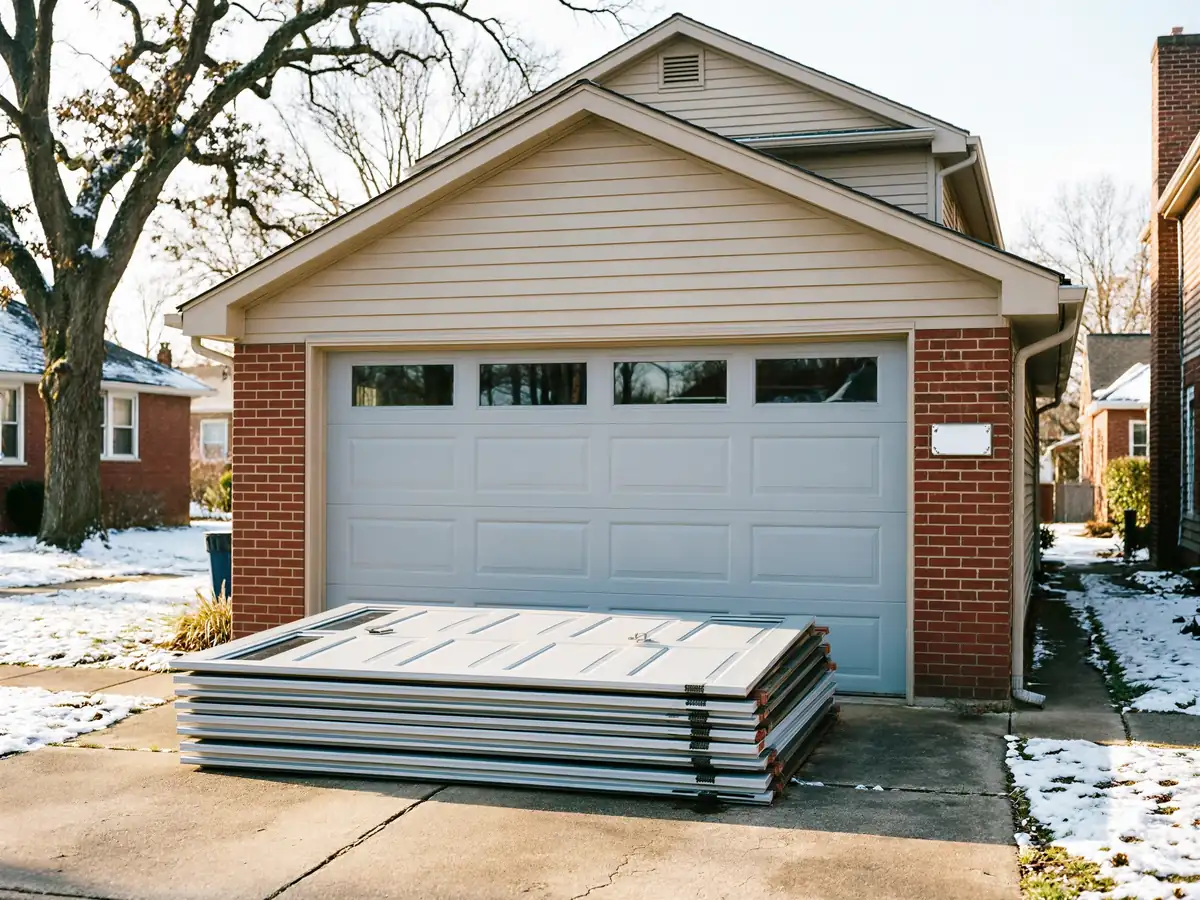
For a town this size - around 900 households - we don't keep a dedicated parts cache sitting in Bellevue, but the truck stock covers what a 1970s-built door usually needs: standard torsion springs in common sizes, galvanized rollers, hinges, and the cable gauges that match the door weights typical of that era's construction. What we don't carry on the truck is anything custom - odd-width doors, discontinued opener boards, decorative hardware. If your door needs one of those, we'll tell you up front rather than have you wait on-site while we figure it out.
How We Fix It
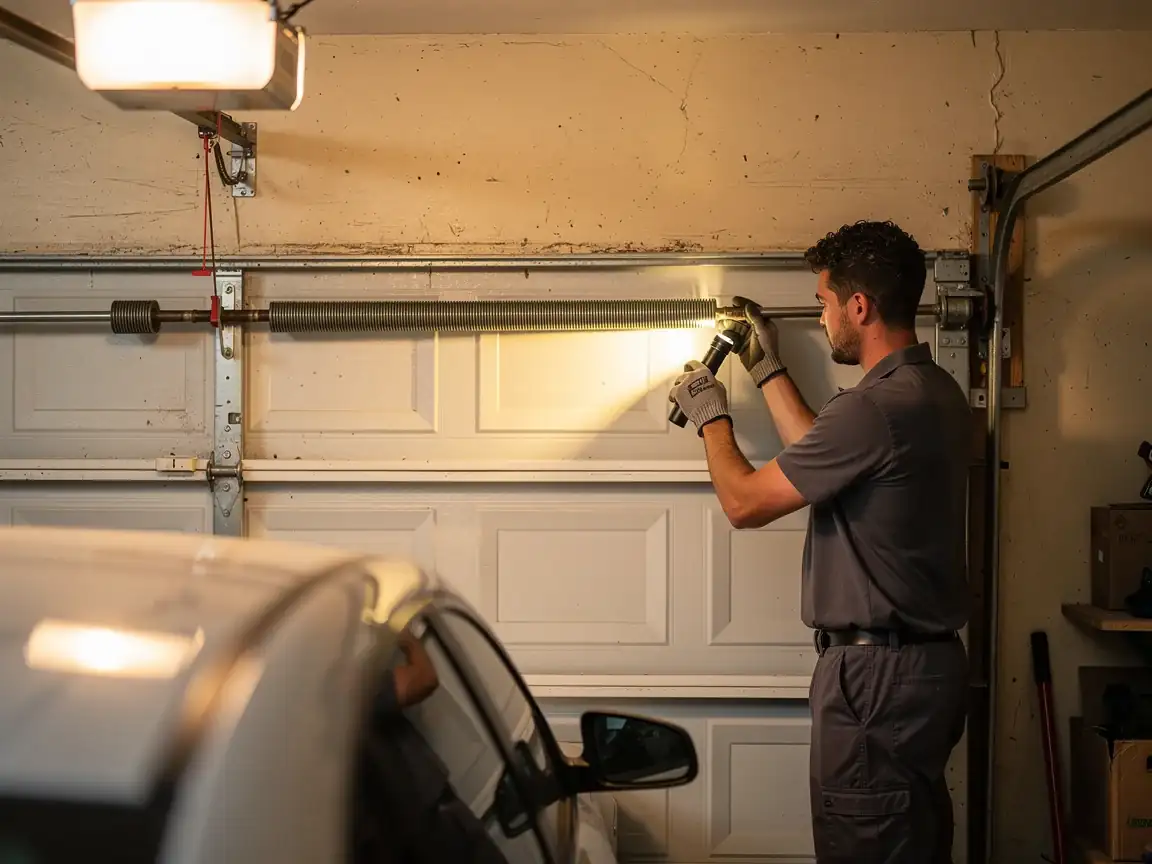
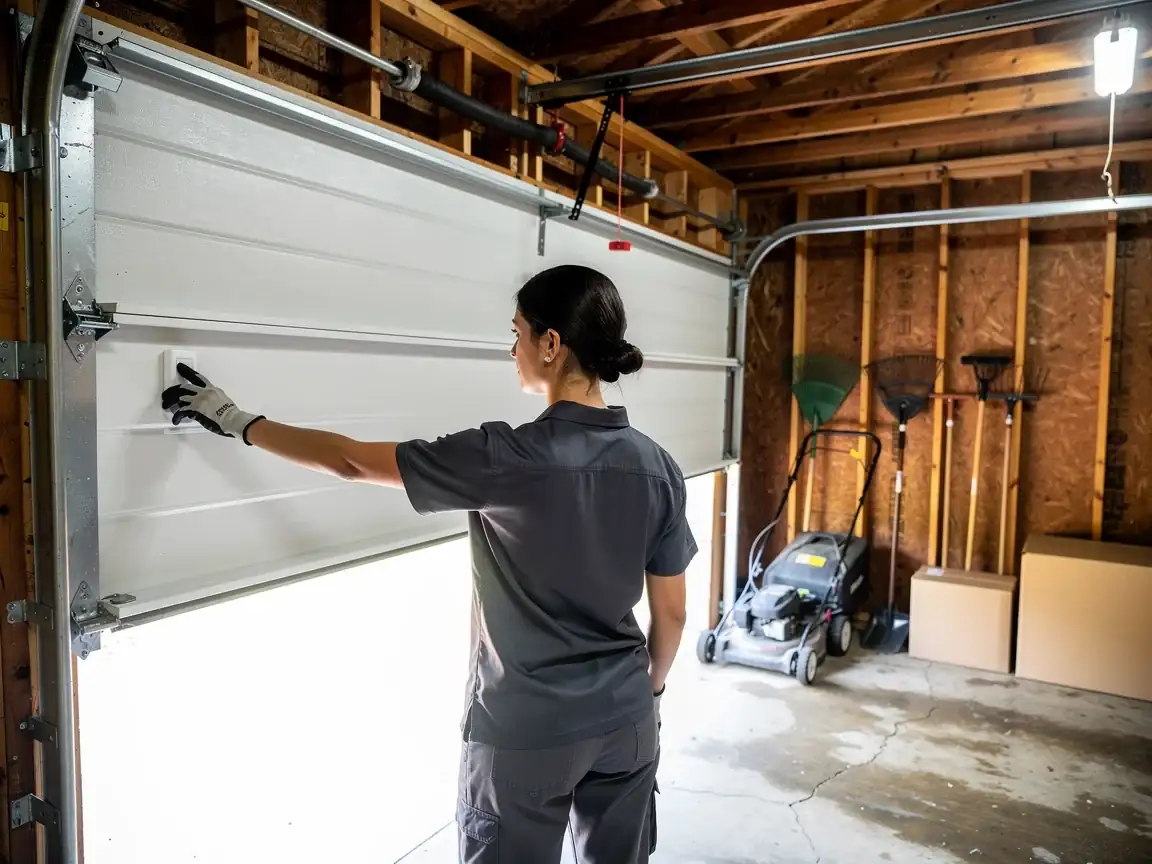
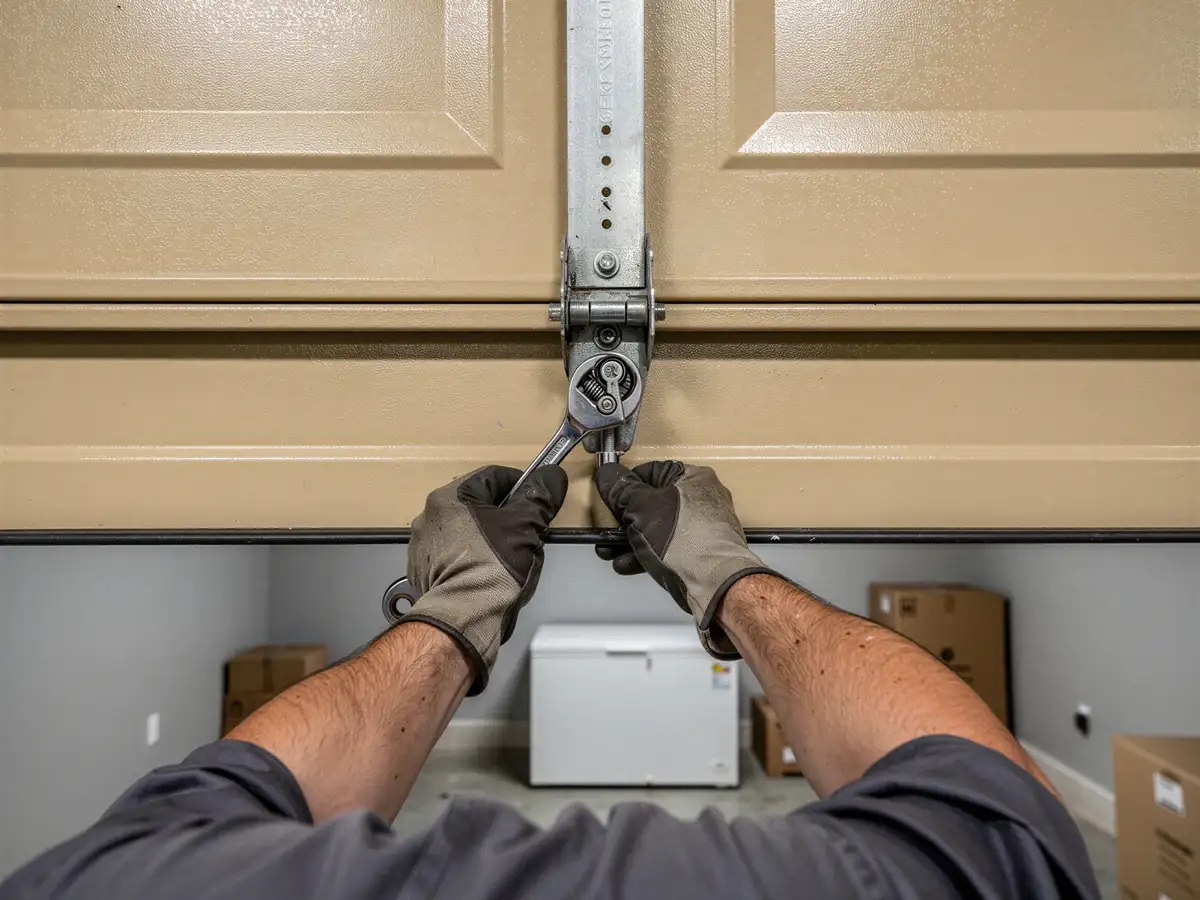
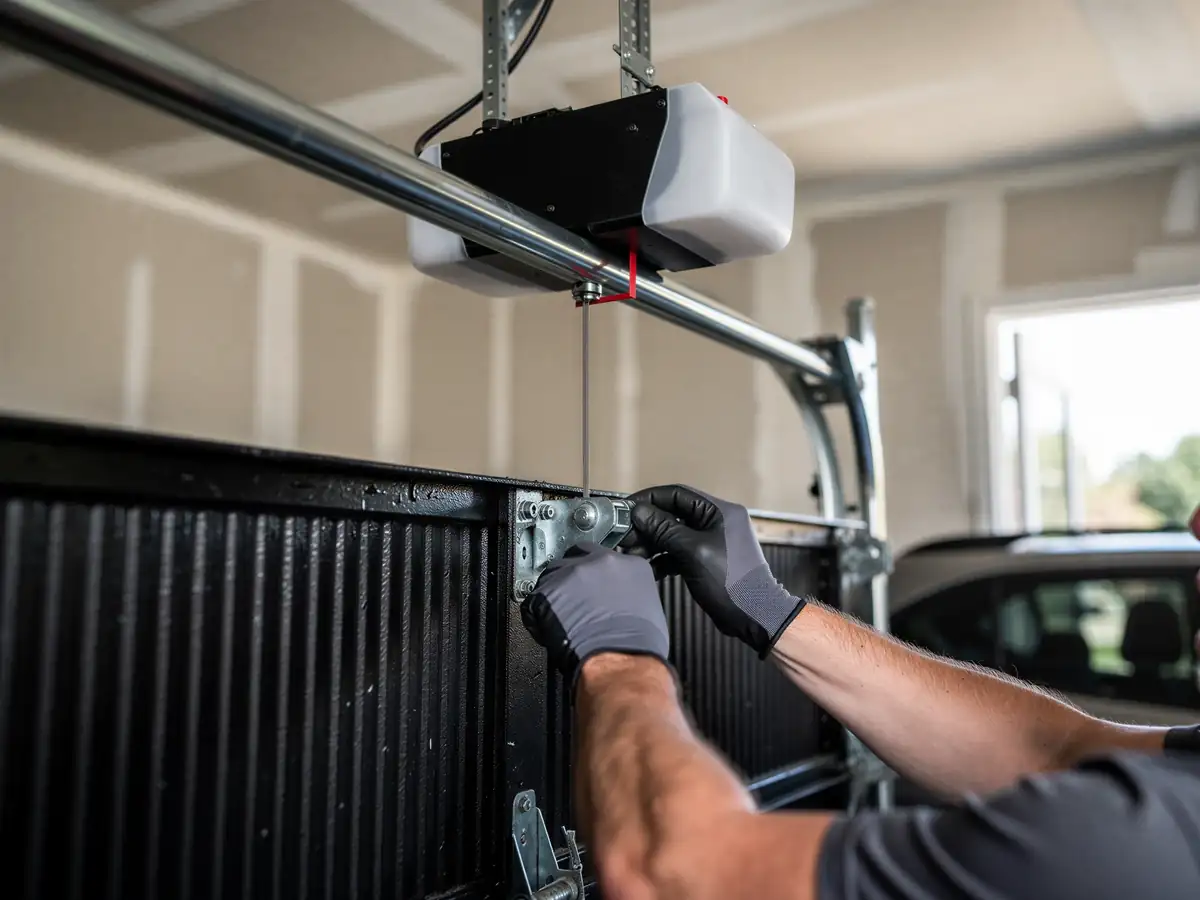
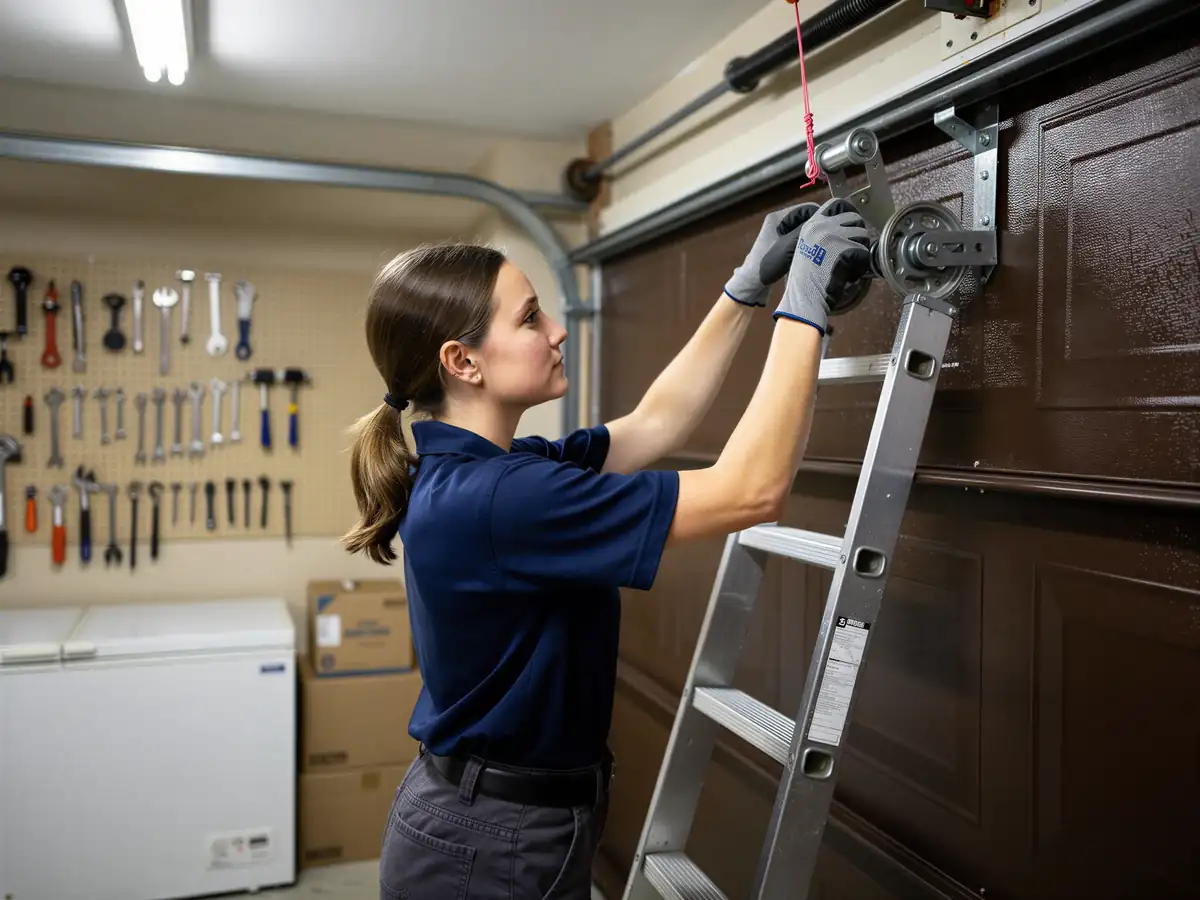
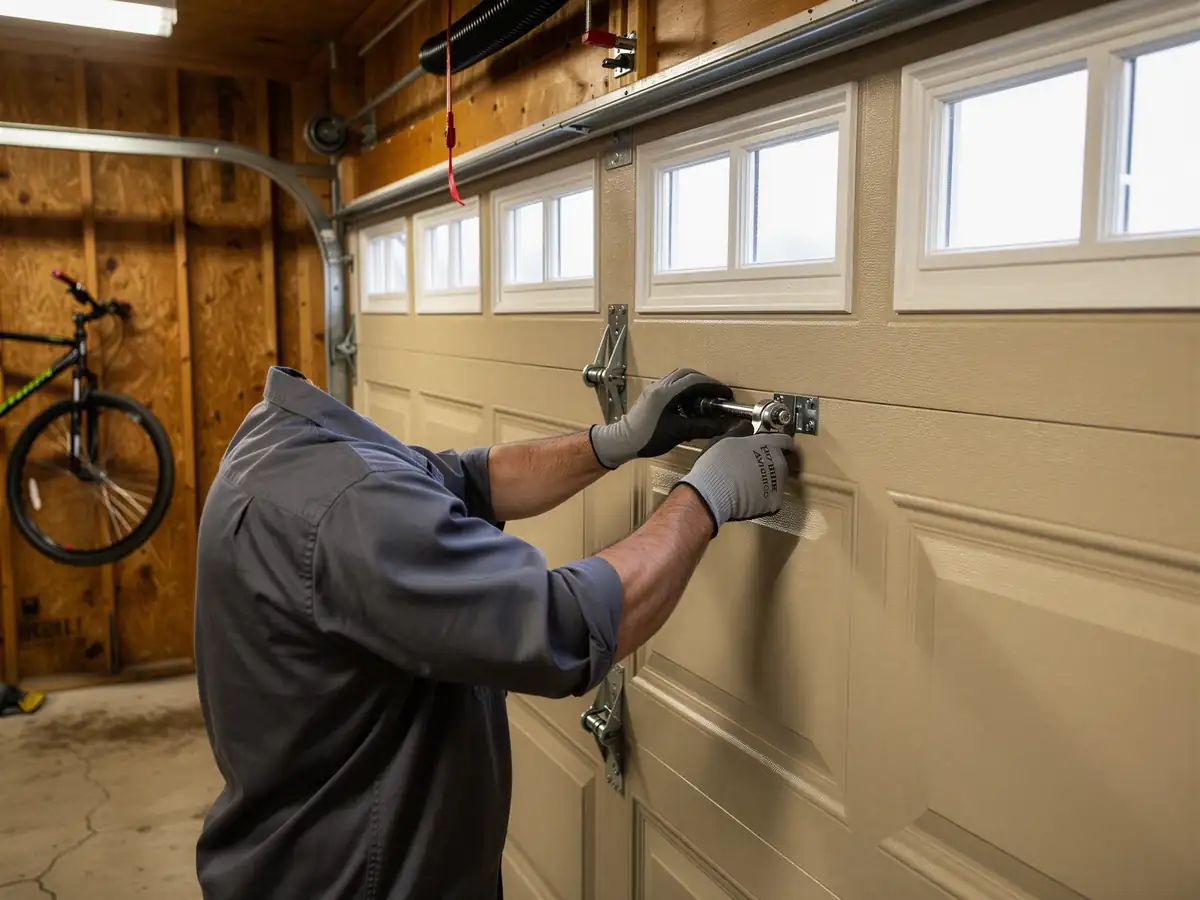
On a typical visit we check spring tension first, since an unbalanced spring is what makes an opener work harder than it should and burns out the motor early. Then rollers and track - we're looking for pitting, rust, and horizontal play that signals the track's pulled from the frame. Cables get inspected for fraying near the drum. On a door built around 1974, we're often finding at least one of these three already past the point of adjustment, which turns a maintenance call into a parts swap. We'll show you what we found before doing anything beyond the basic tune-up.
The DIY Question
Lubricating hinges and rollers with the right garage door lubricant, and visually checking cables for fraying, is reasonable to do yourself a couple times a year. What isn't reasonable is touching the torsion spring - that's wound under enough tension to break a hand, and on a 1974-era door the spring is old enough that nobody knows its exact fatigue state. If your door's original hardware hasn't been inspected since it was installed, that's the one thing worth paying for even if you handle everything else yourself.