The Complications
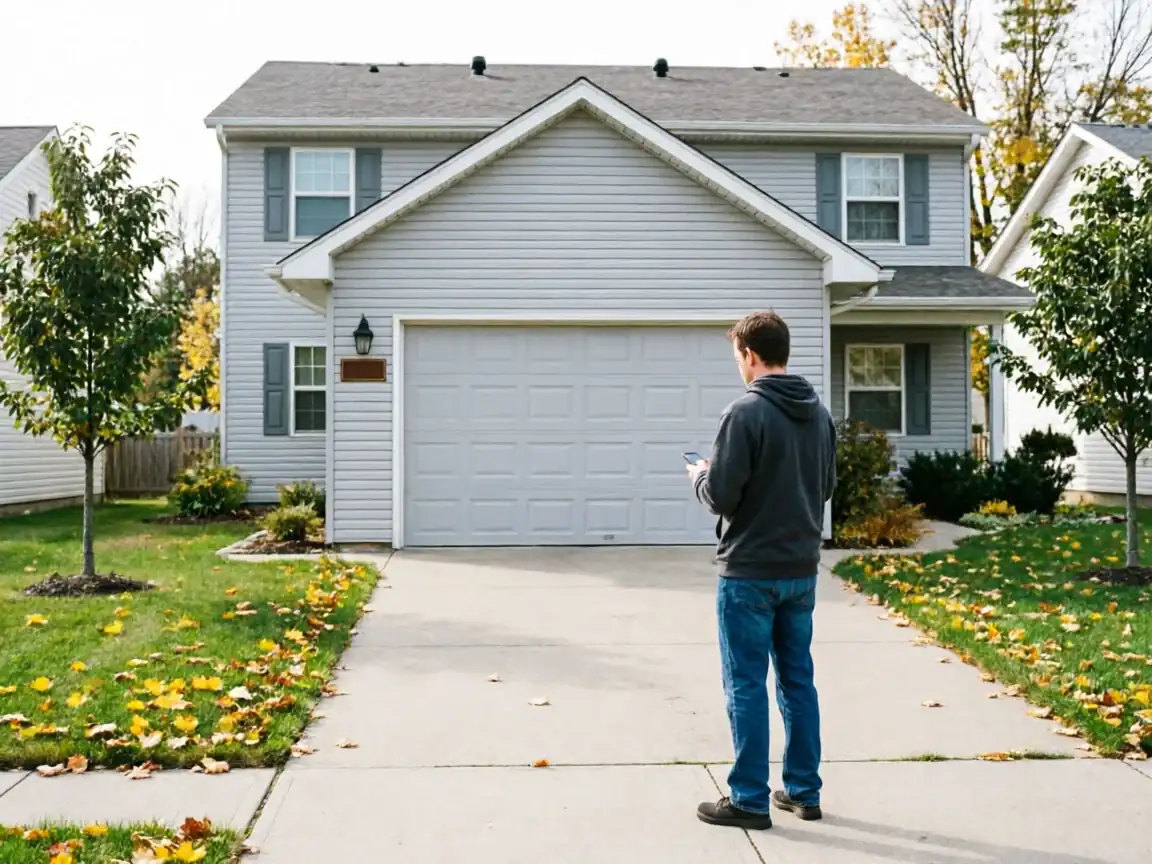
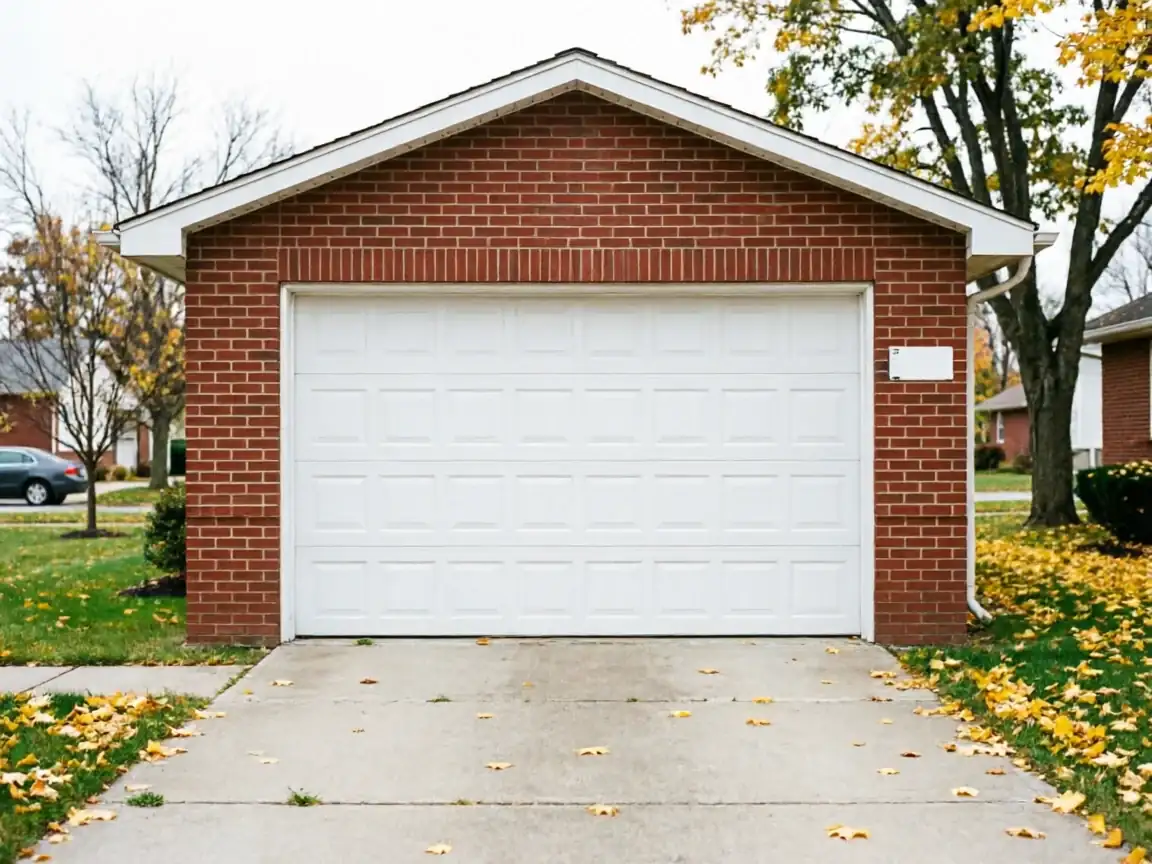
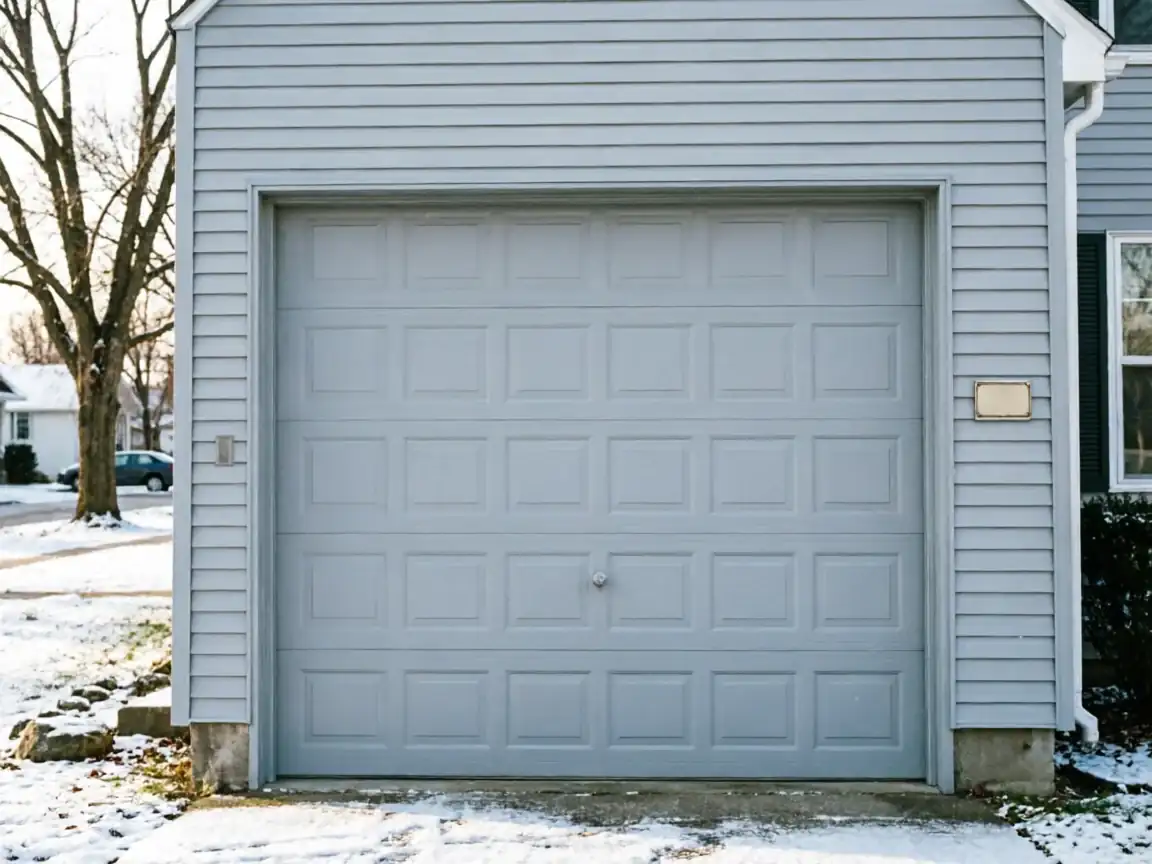
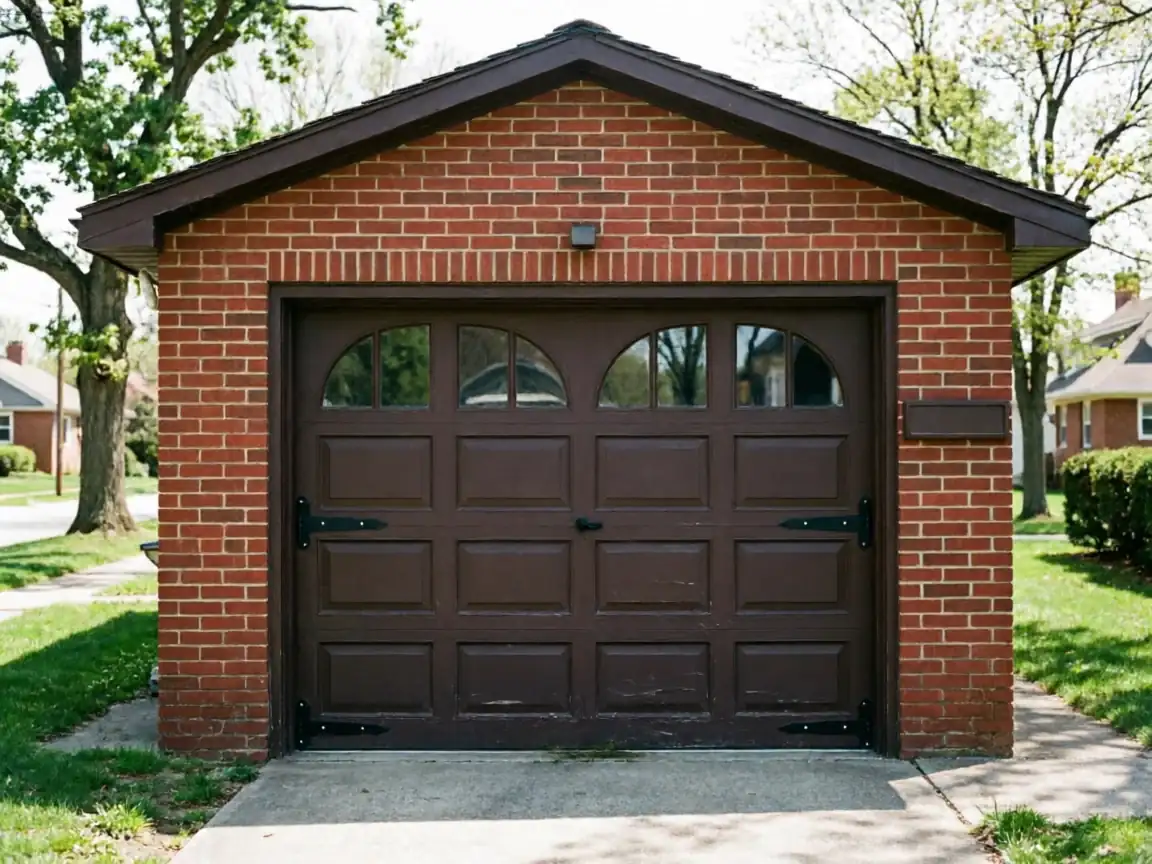
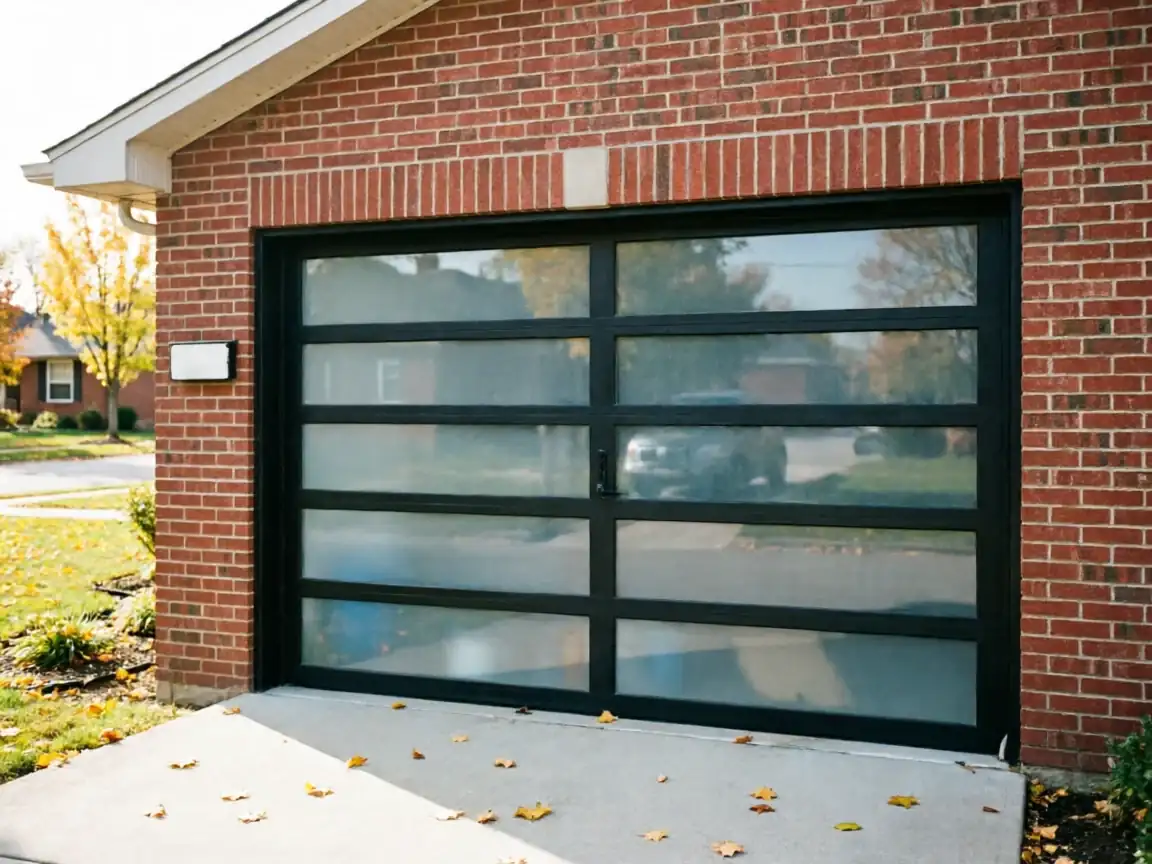
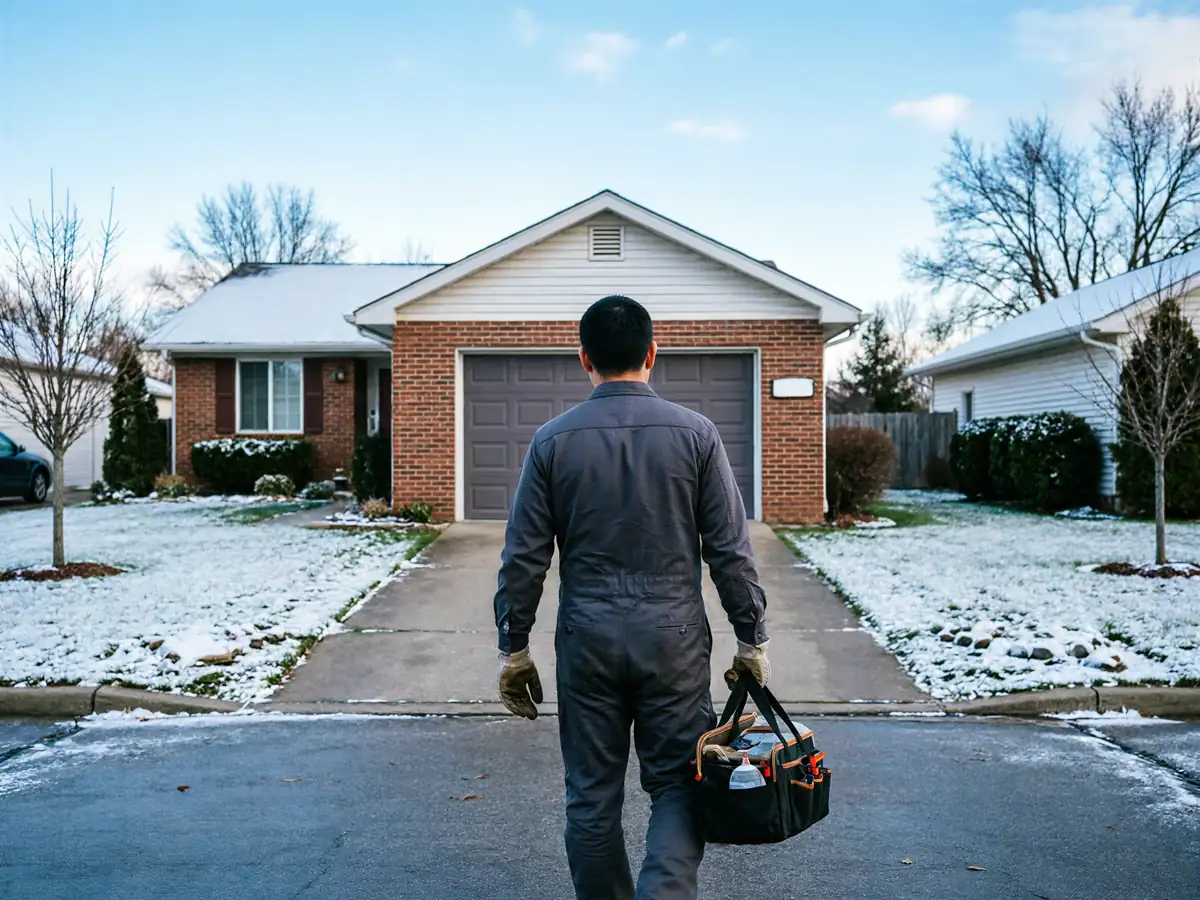
The median home in Bellevue was built around 1974, which puts most of the neighborhood a decade or so newer than the broader service area's 1964 median. That difference changes what we expect to find on the door. A house from the early-to-mid 70s is more likely to have a factory steel section door and an extension-spring setup than the older one-piece slab doors common in the service area's oldest pockets, but 50 years on, that era of door has its own failure points - galvanized track that's pitted from Illinois winters, and hinges and rollers that were never built for the loads of a modern insulated replacement panel. Cold-climate swings here mean steel contracts and expands enough over a season to work springs and cables harder than a mild-climate town would. Bellevue is a smaller pocket of roughly 900 households, with a median income a bit under the area's $71,763 figure - which is worth mentioning because it's part of why we try to tell you honestly when a repair makes more sense than a full door swap, rather than defaulting to the bigger job.
Stocked Parts
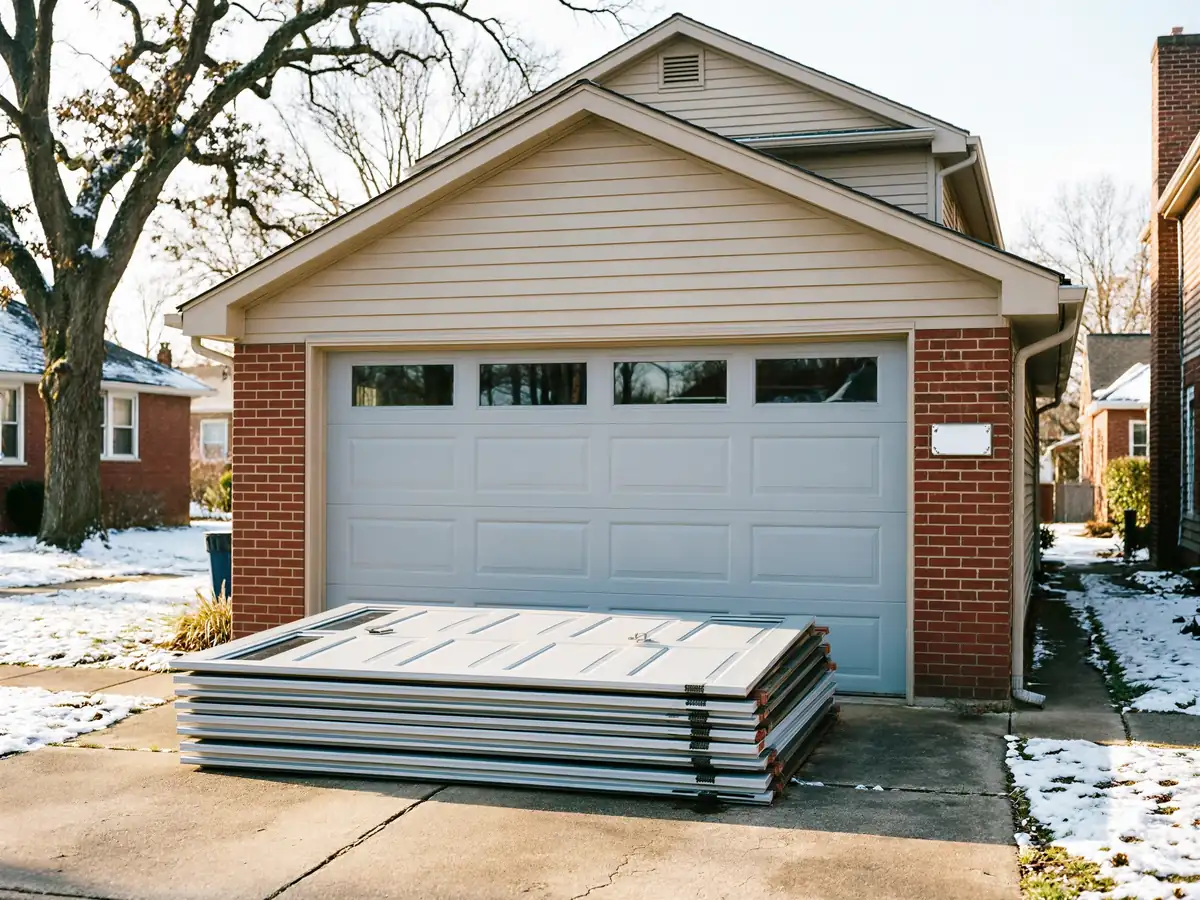
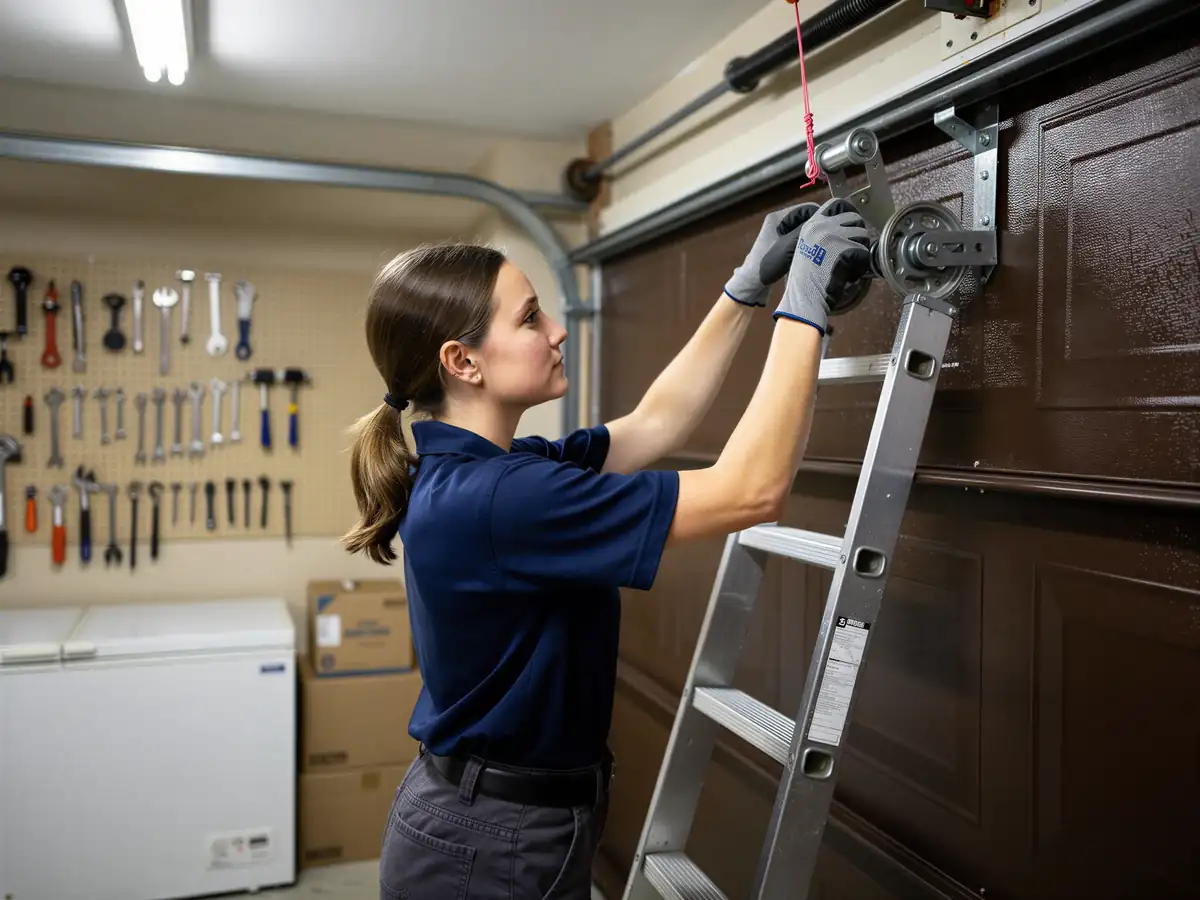
For a 1970s-era door, the truck usually carries what covers torsion and extension springs sized for a standard steel section door, 1-3/4" rollers, and the standard track hardware that era used. What we don't carry on every run is a replacement panel matched to a specific older color or panel style - those can mean a short order wait if your section is discontinued. We'd rather tell you that up front on the phone than have you wait at the house for a part that isn't coming that day.
How We Fix It
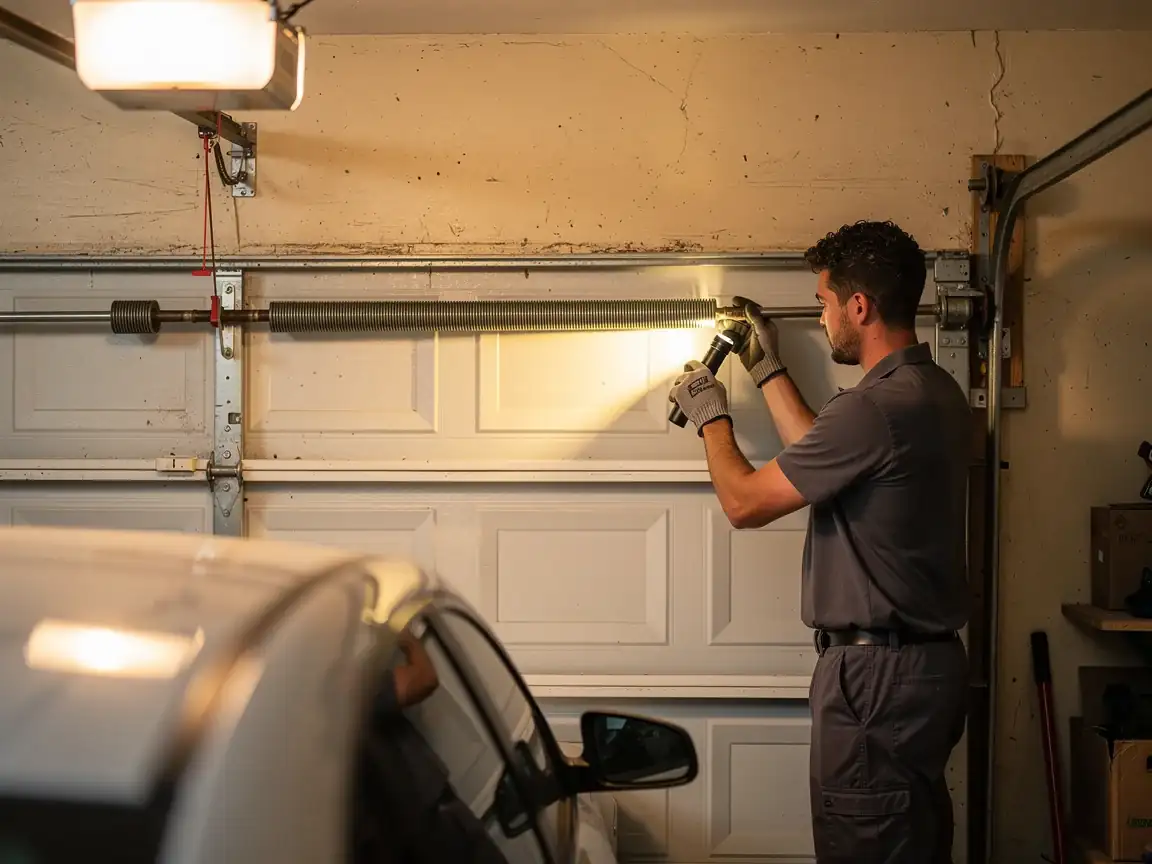
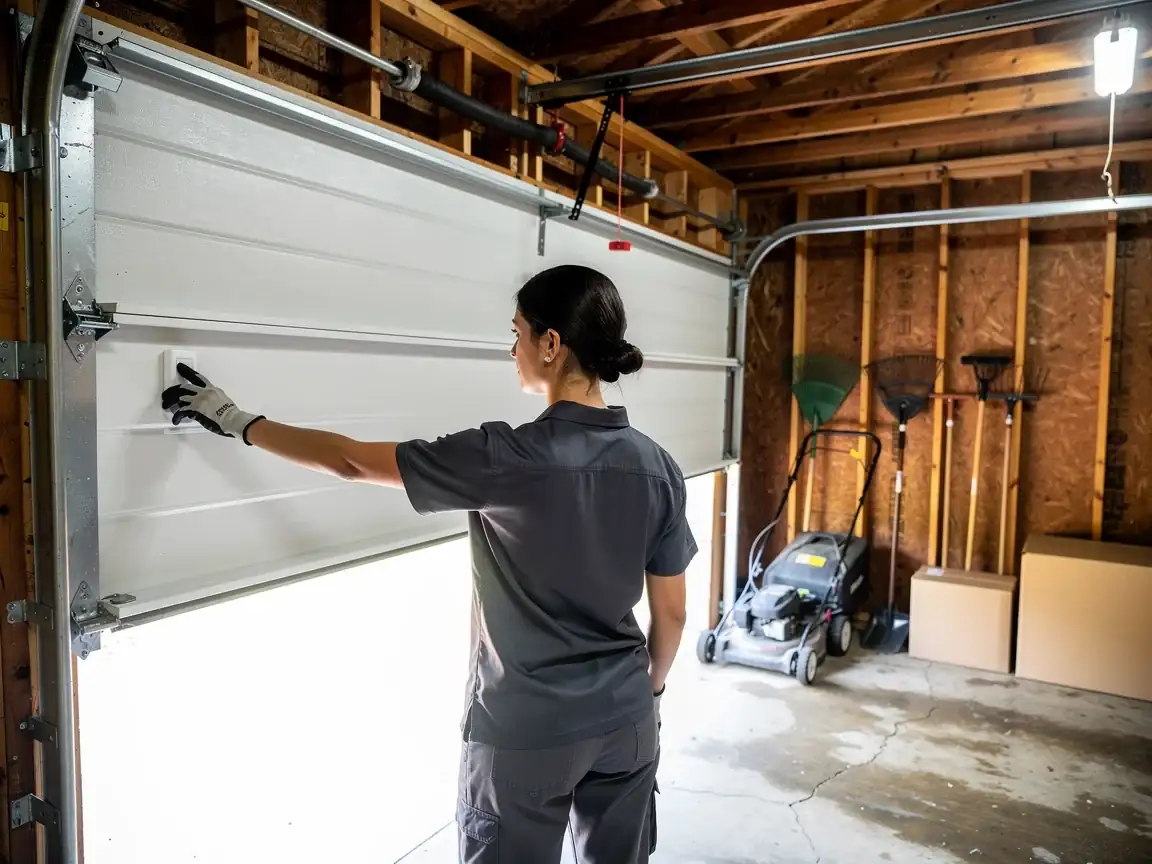
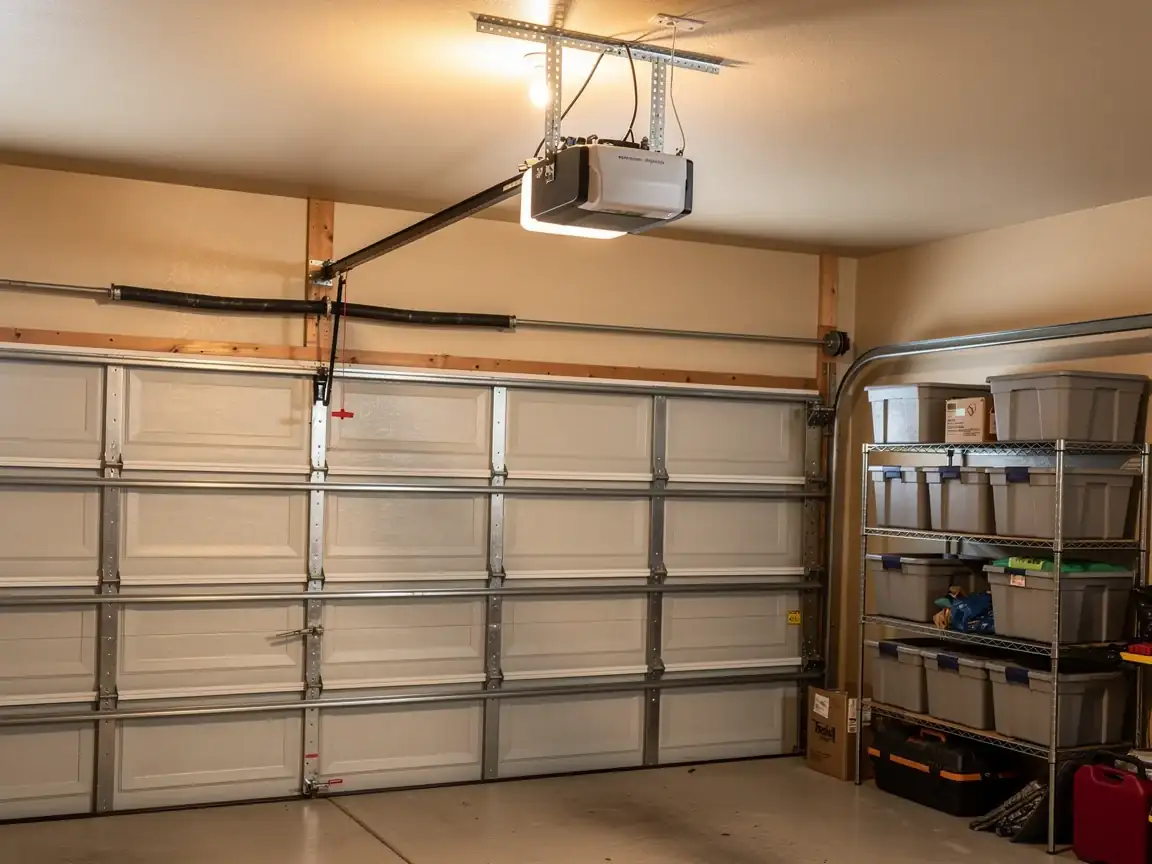
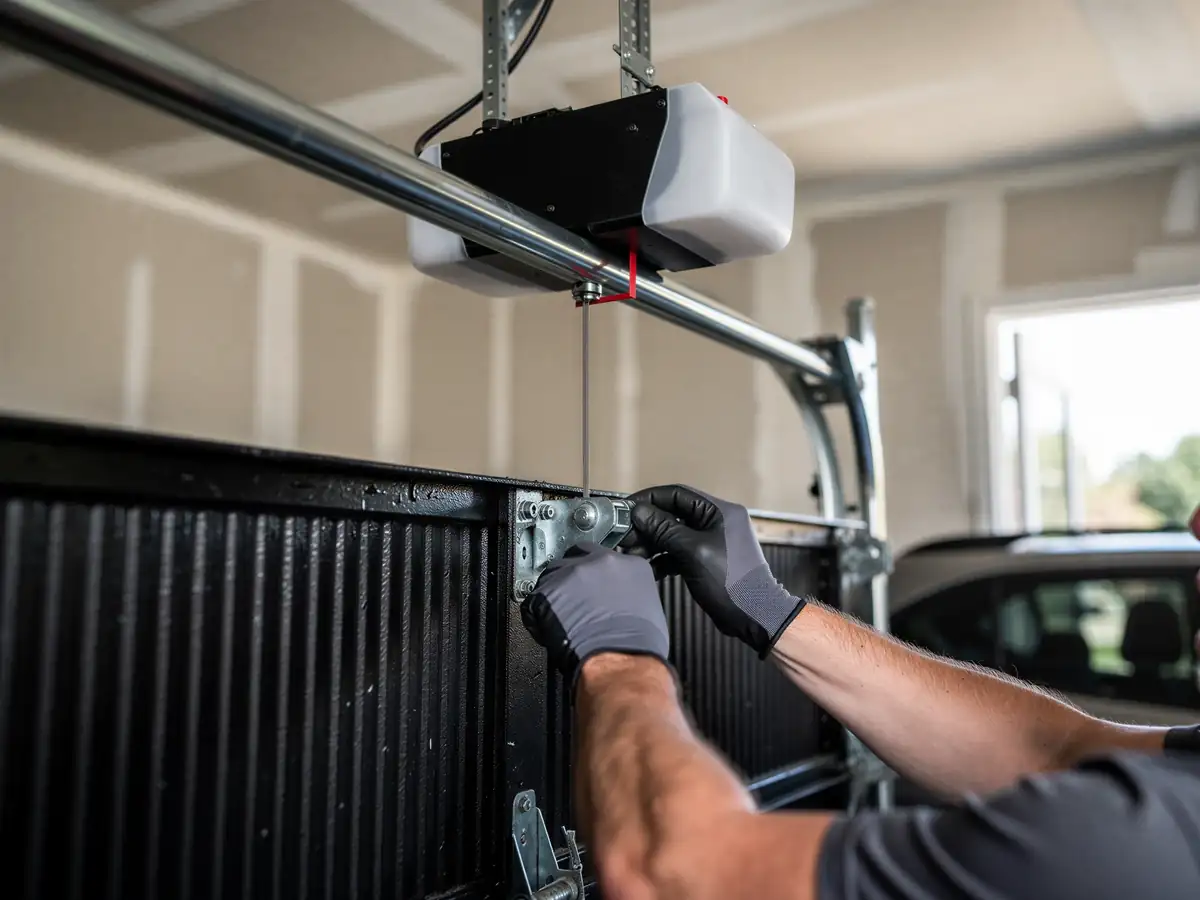
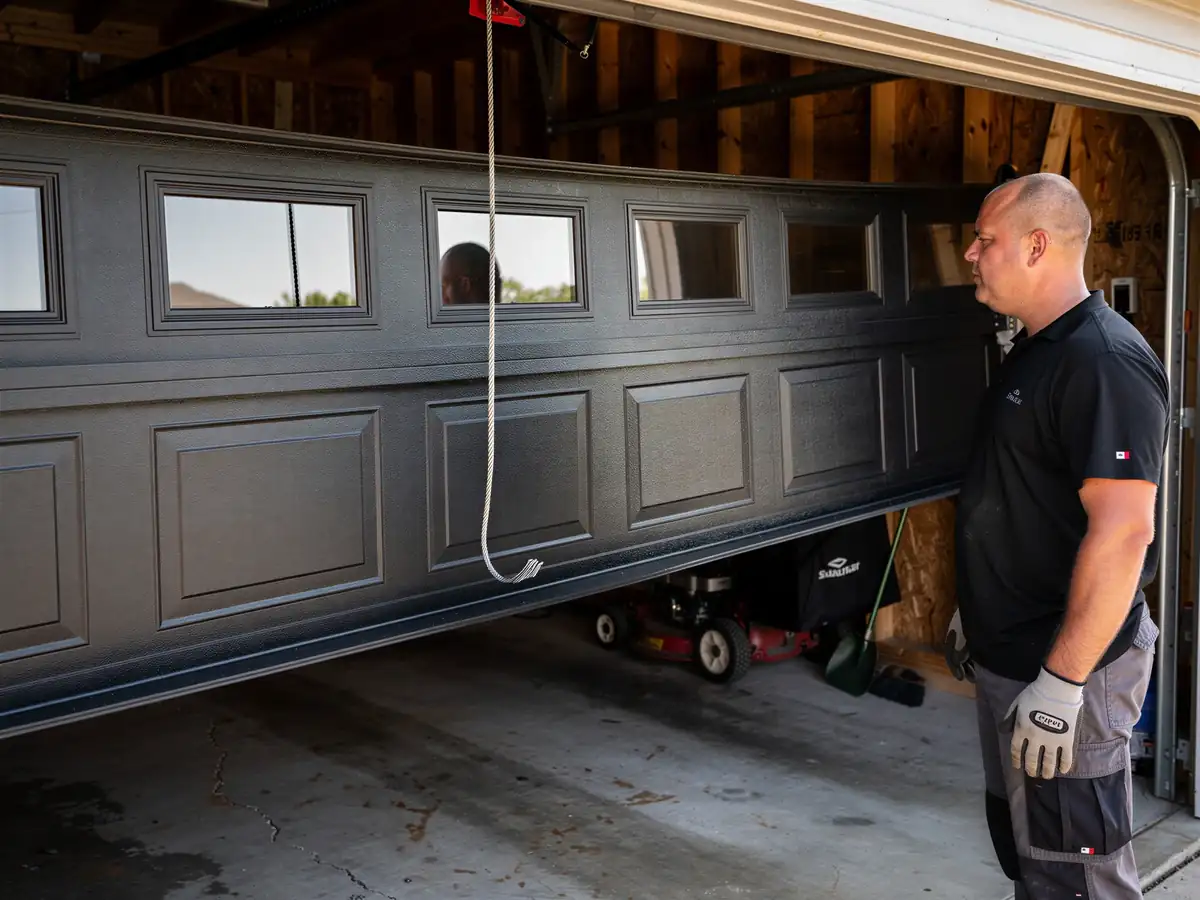
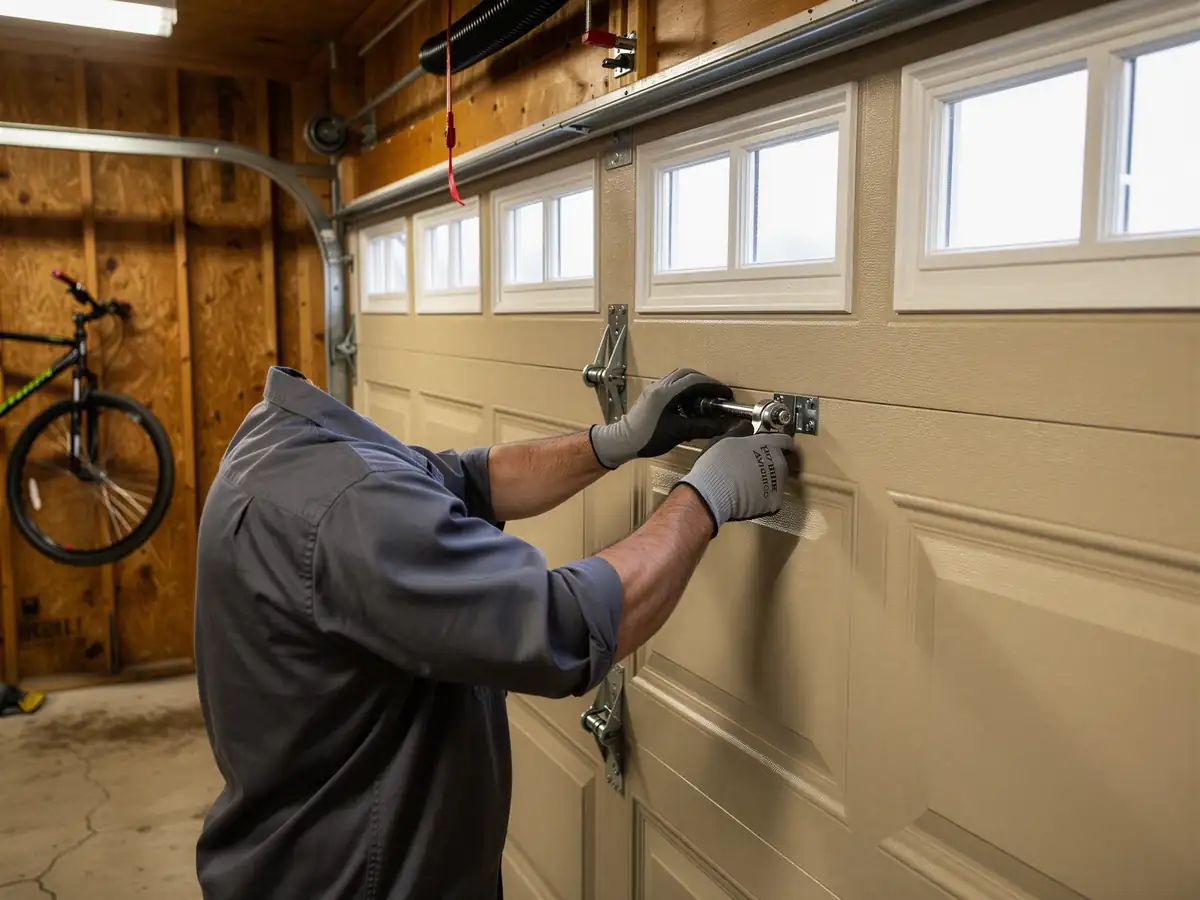
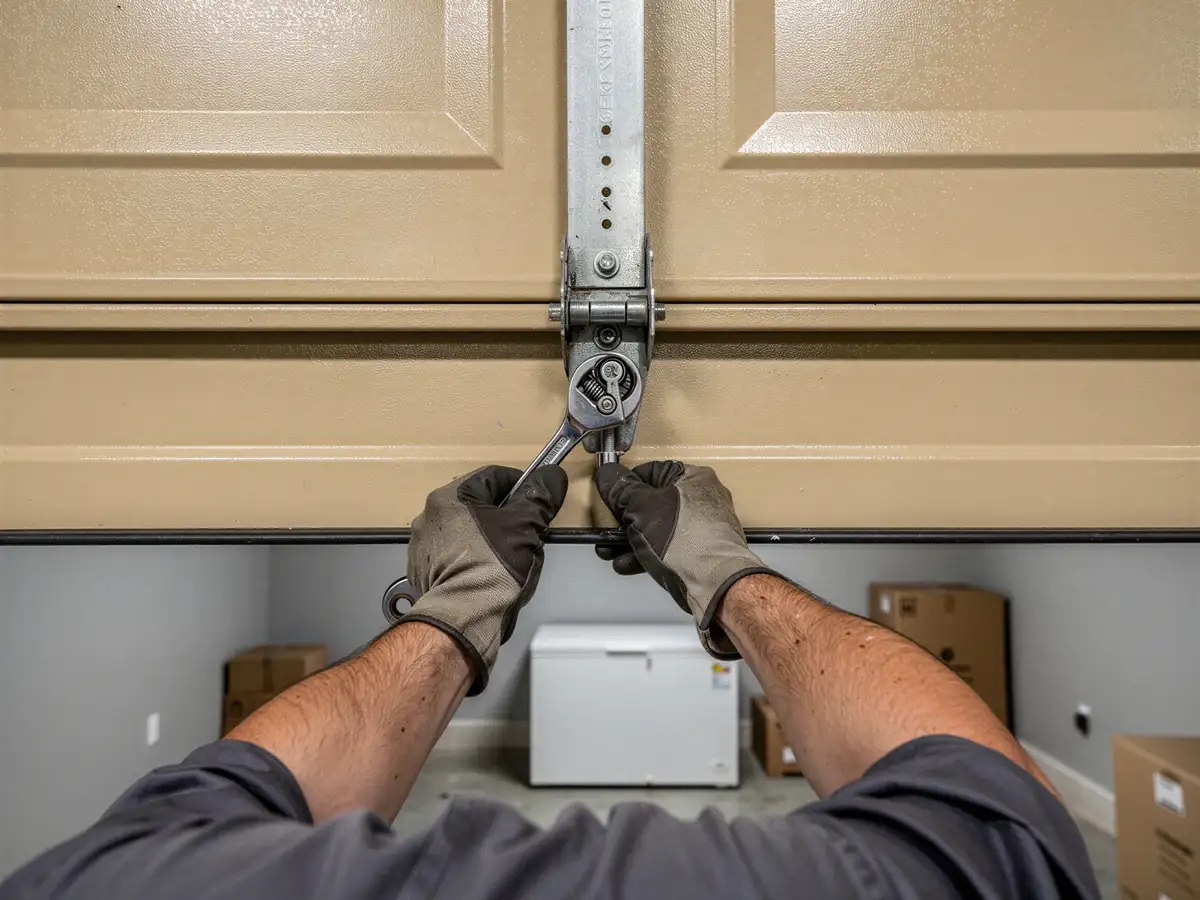
Most Bellevue calls land in one of two camps: a broken spring on an early-70s steel door, or worn rollers and hinges that have finally let a panel sag off true. We test the opener and the balance of the door before touching springs, because a door that's out of balance will just eat the next spring too if we don't correct that first. If the track is original to a 1974 build, we check it for rust-through rather than just straightening it - fifty winters of temperature swing is enough to weaken galvanized steel even if it still looks straight. When the door's hardware is original and failing across the board, we'll say so plainly: patching one part on a door that old sometimes just moves the next failure a few months down the road.
The DIY Question
Tightening a loose hinge bolt or lubricating a dry track is reasonable to do yourself. A broken torsion spring on a door this old is not - the spring is under enough tension to do real damage, and the winding cones on a 1970s door are often rusted enough to make an amateur attempt worse than the original break. If the opener is tripping its limit switches or reversing early, that's worth a call before you start swapping parts, since it's as often a worn sensor wire as it is the opener itself.