How Long You Are Without the Door
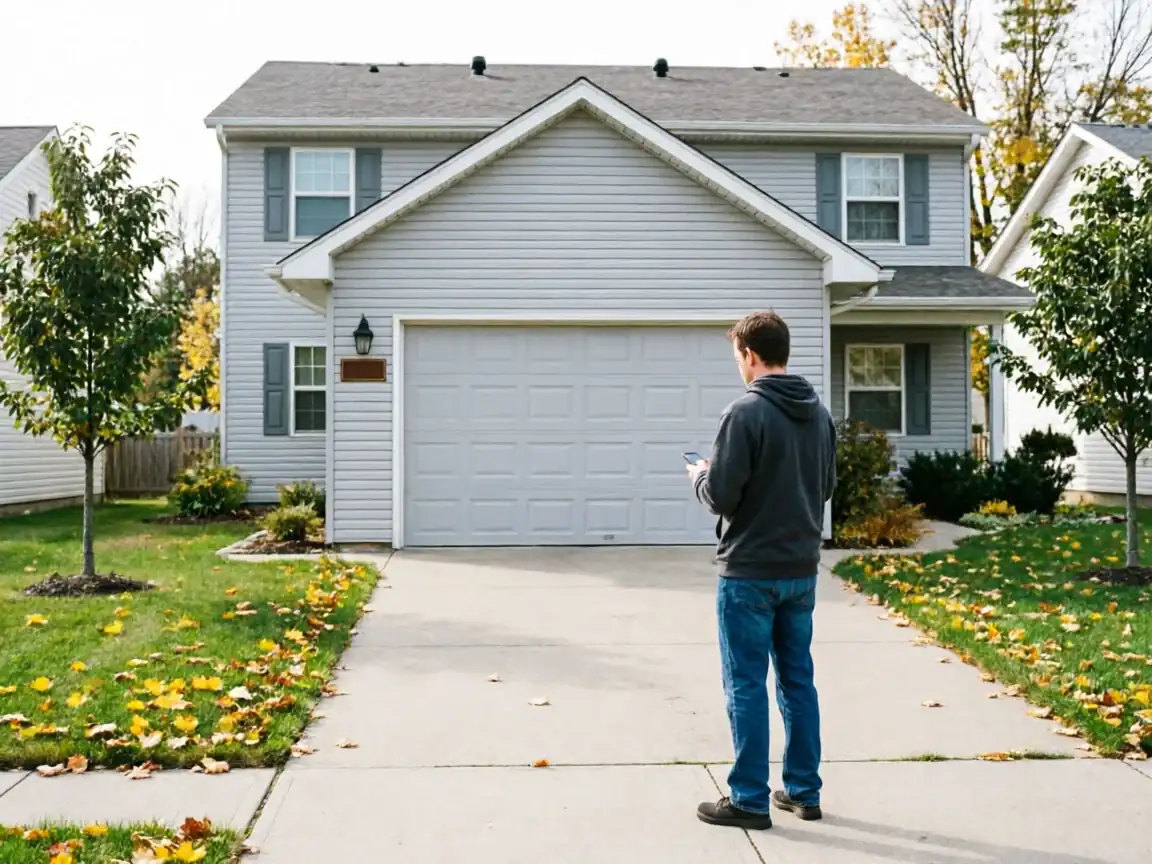
Bellevue sits about 5 miles out from Peoria
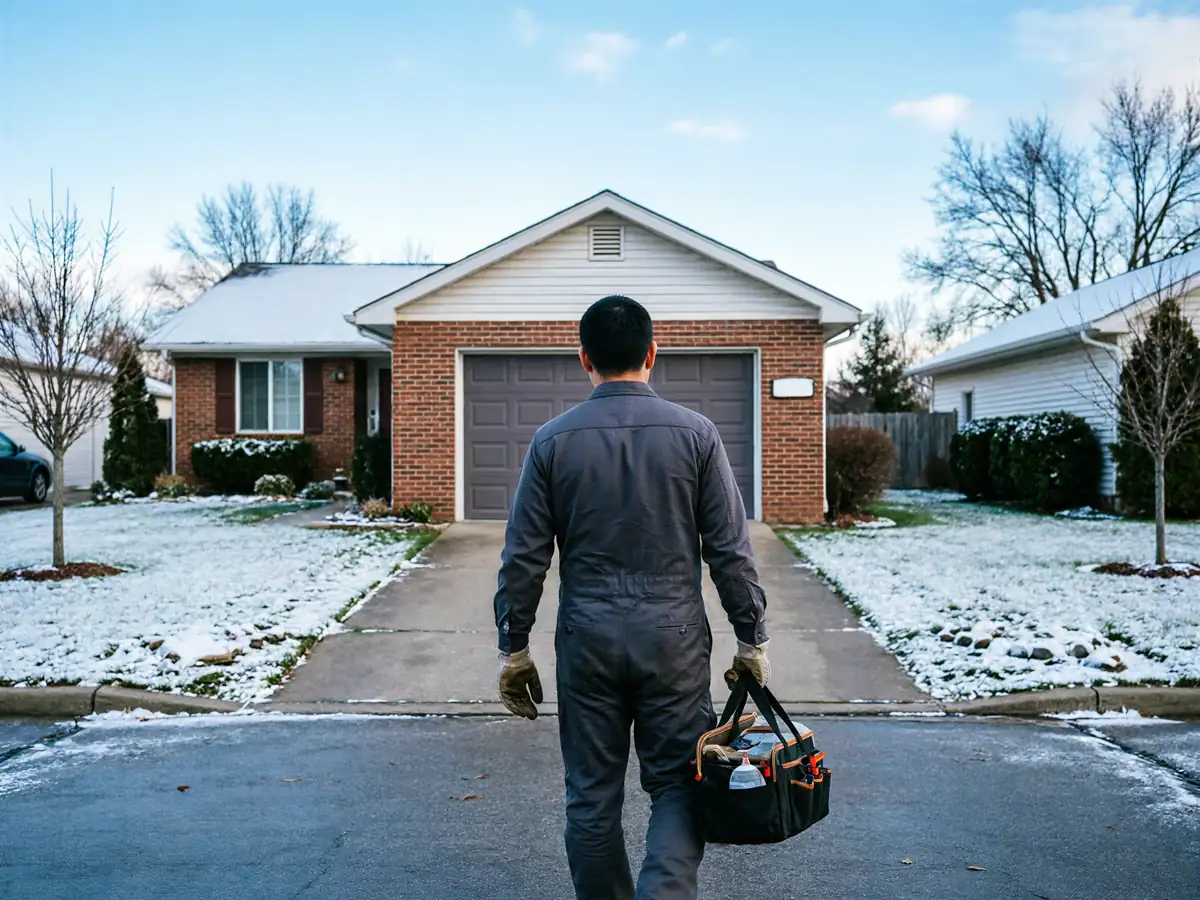
And that drive is the first number that matters when your door won't close and it's 15 degrees outside. We're not based in Bellevue itself - there's no branch here, no truck parked around the corner - so we're coming from Peoria every time, and we'll tell you that honestly when you call instead of promising something we can't back up.
- 5 miles
The second number that matters is 1974, the median year a house in Bellevue went up
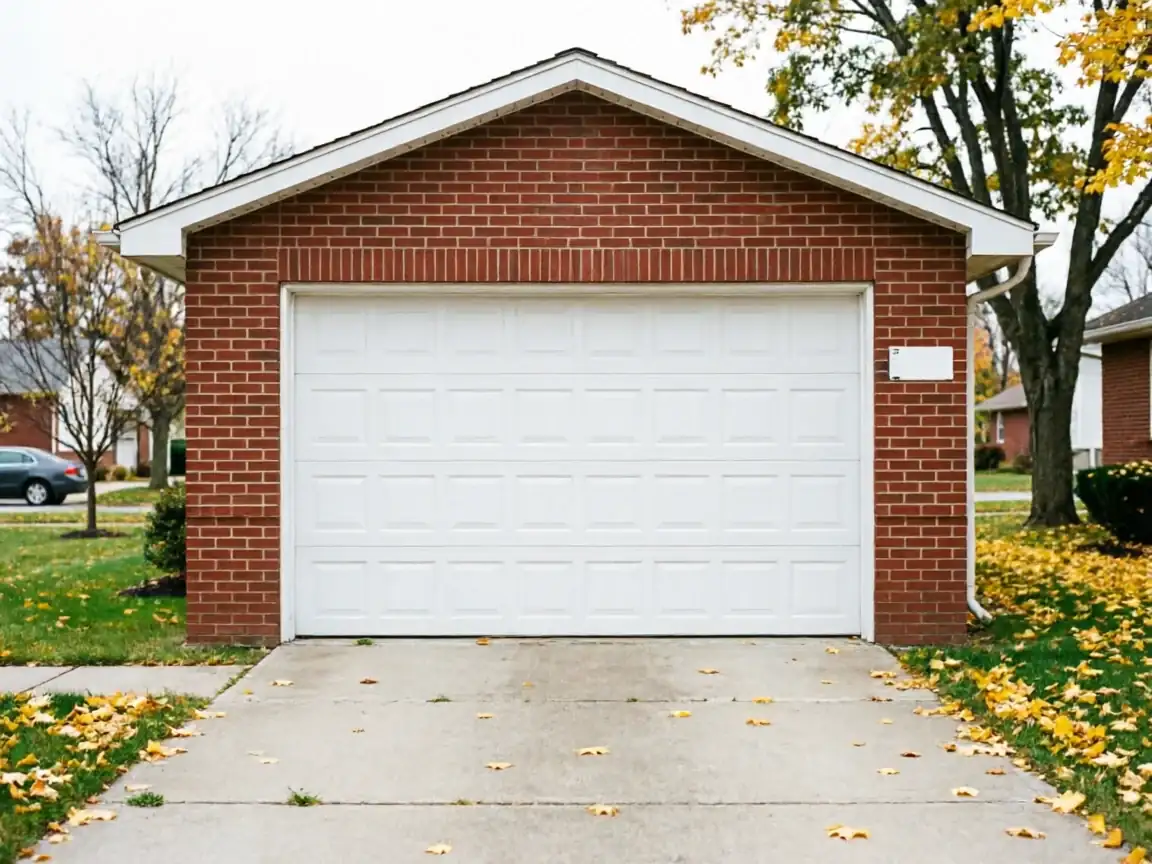
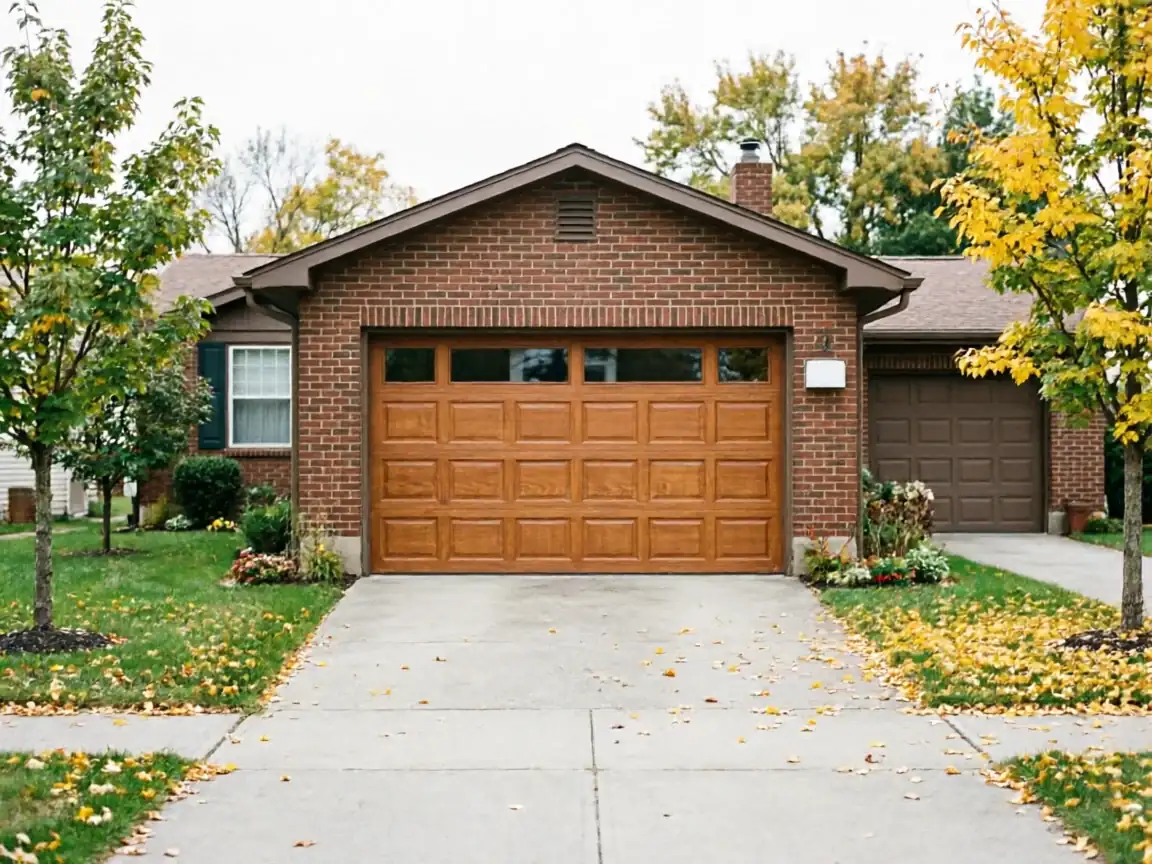
That's a narrower band than Peoria's overall 1938-2002 spread, and it tells us something specific: most of the doors we see here started life as steel panel doors on extension spring setups, not the one-piece wood doors from the 1940s stock or the newer torsion conversions you'd find in a subdivision built after 2000. A door from a mid-70s build has had 50 years to work through openers, cables, and at least one spring replacement, often more. When one of those fails at 7pm on a Friday, you're not waiting on a part we need to special-order - you're waiting on us to make the drive.
- 50 years
The Complications
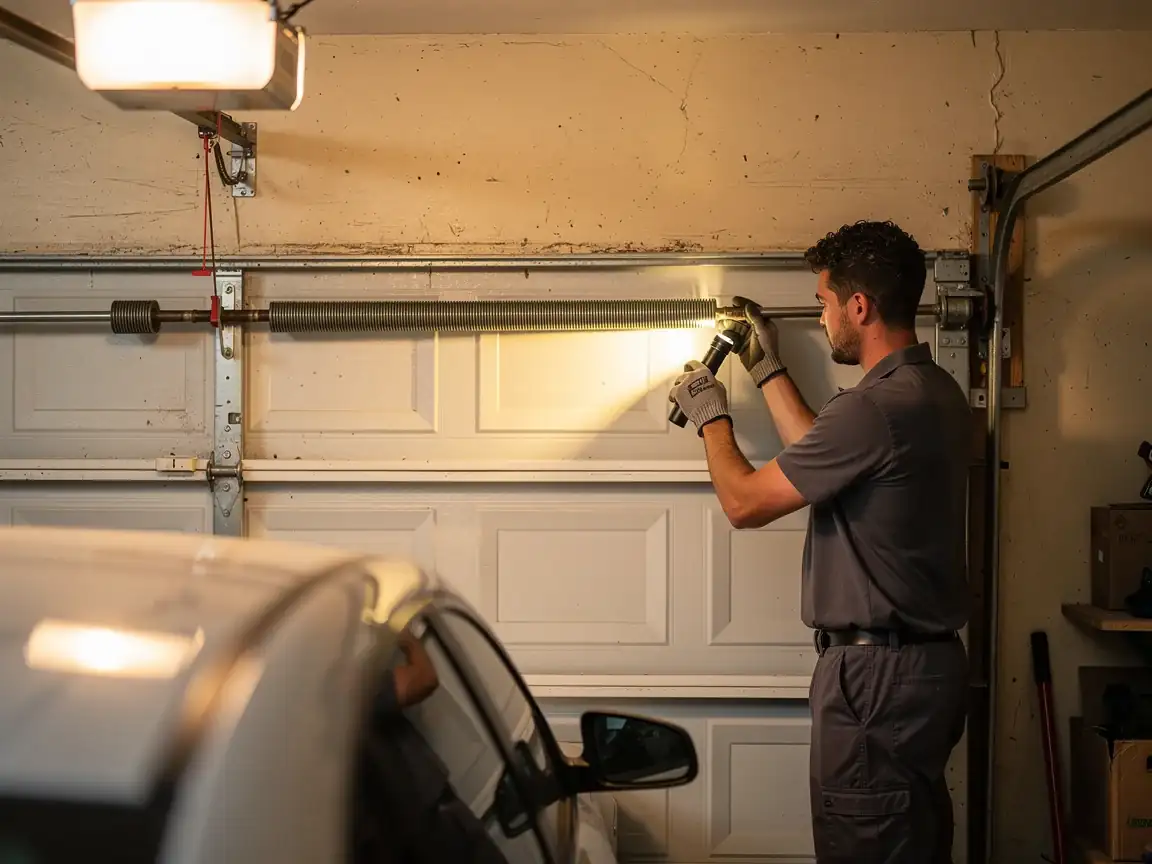
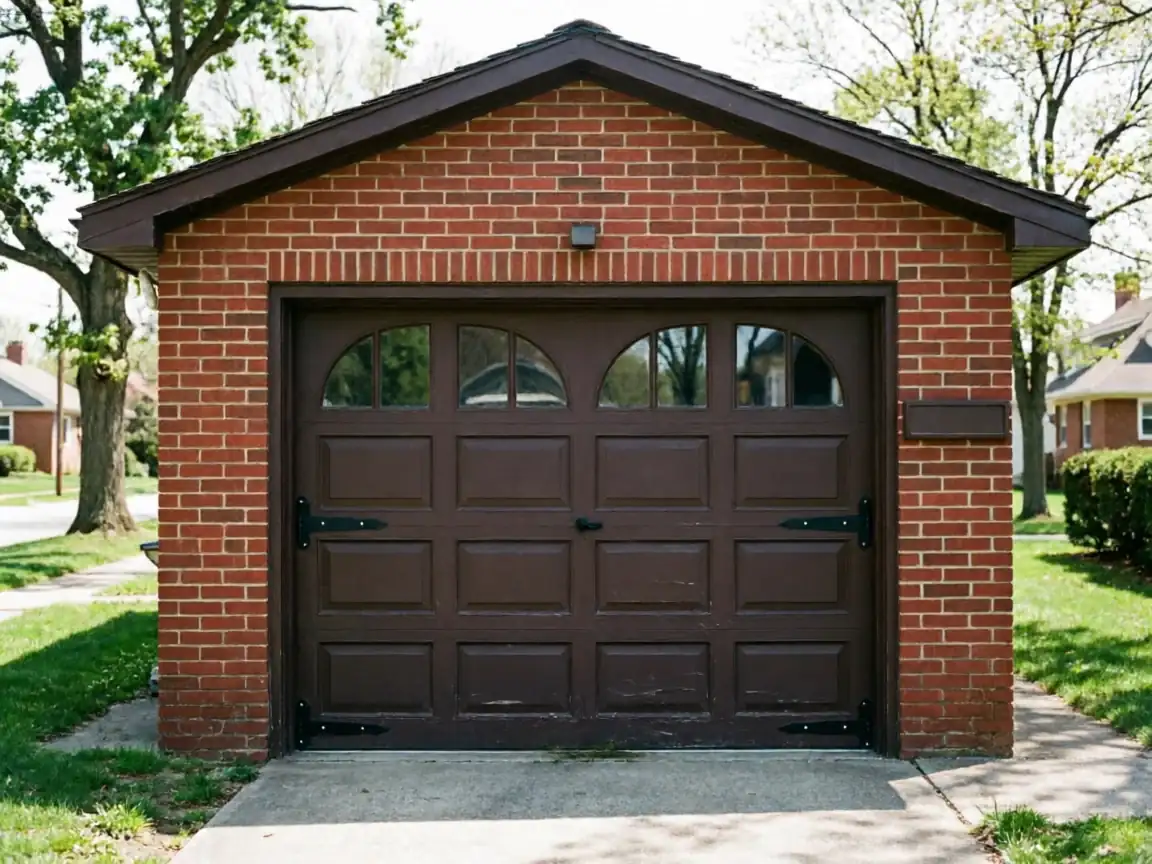
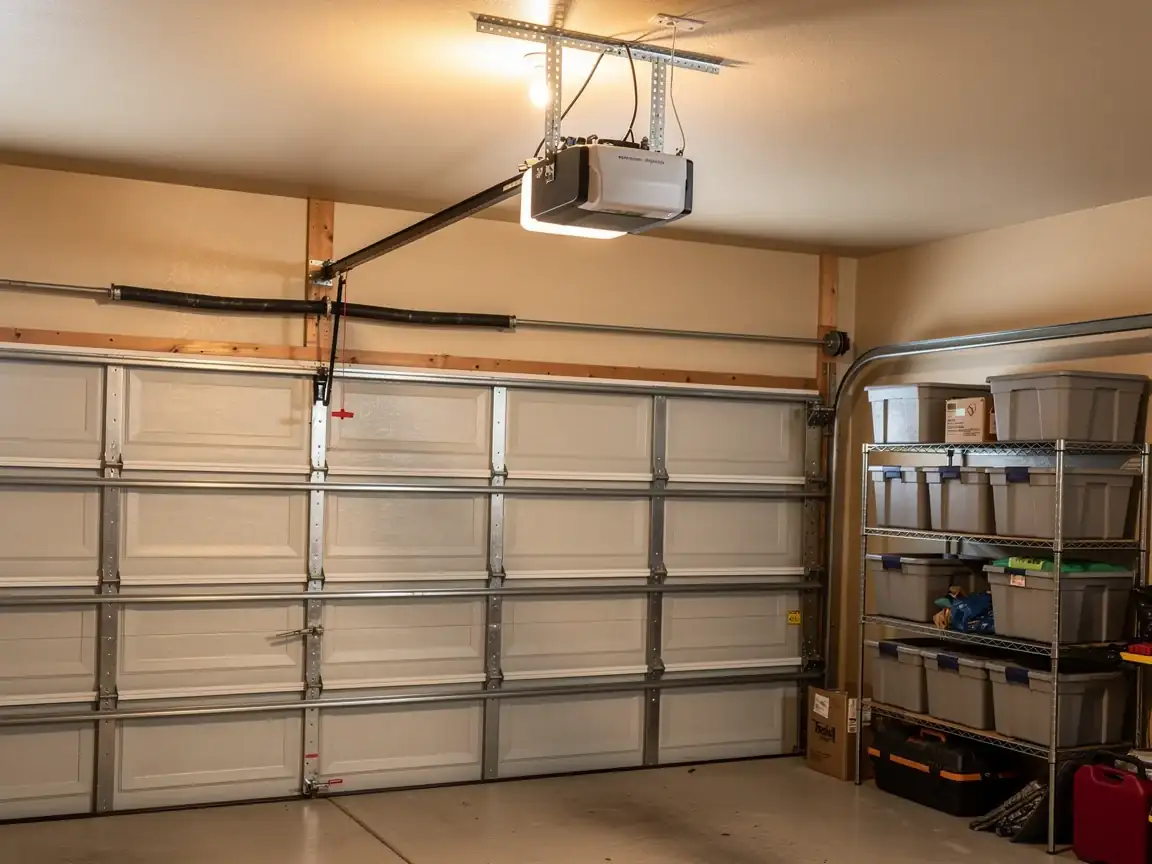
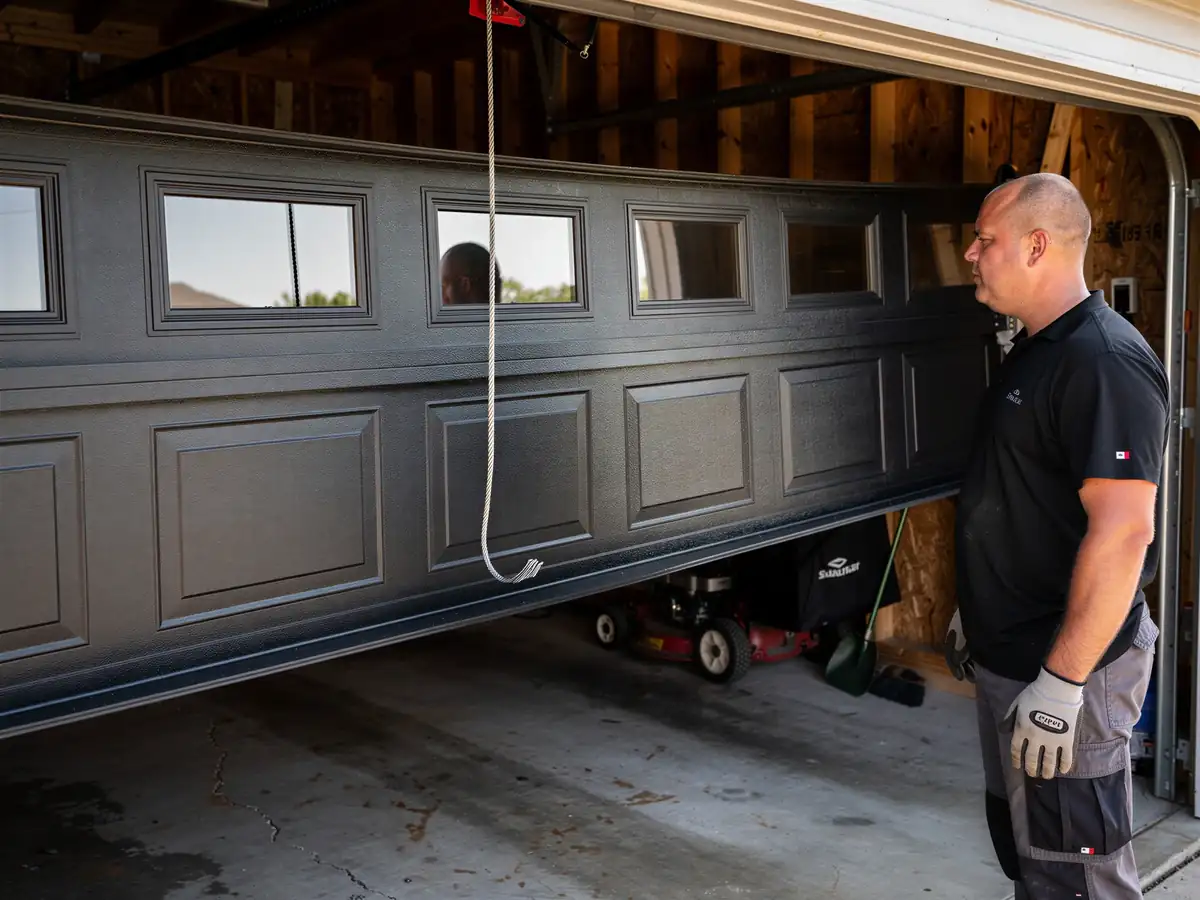
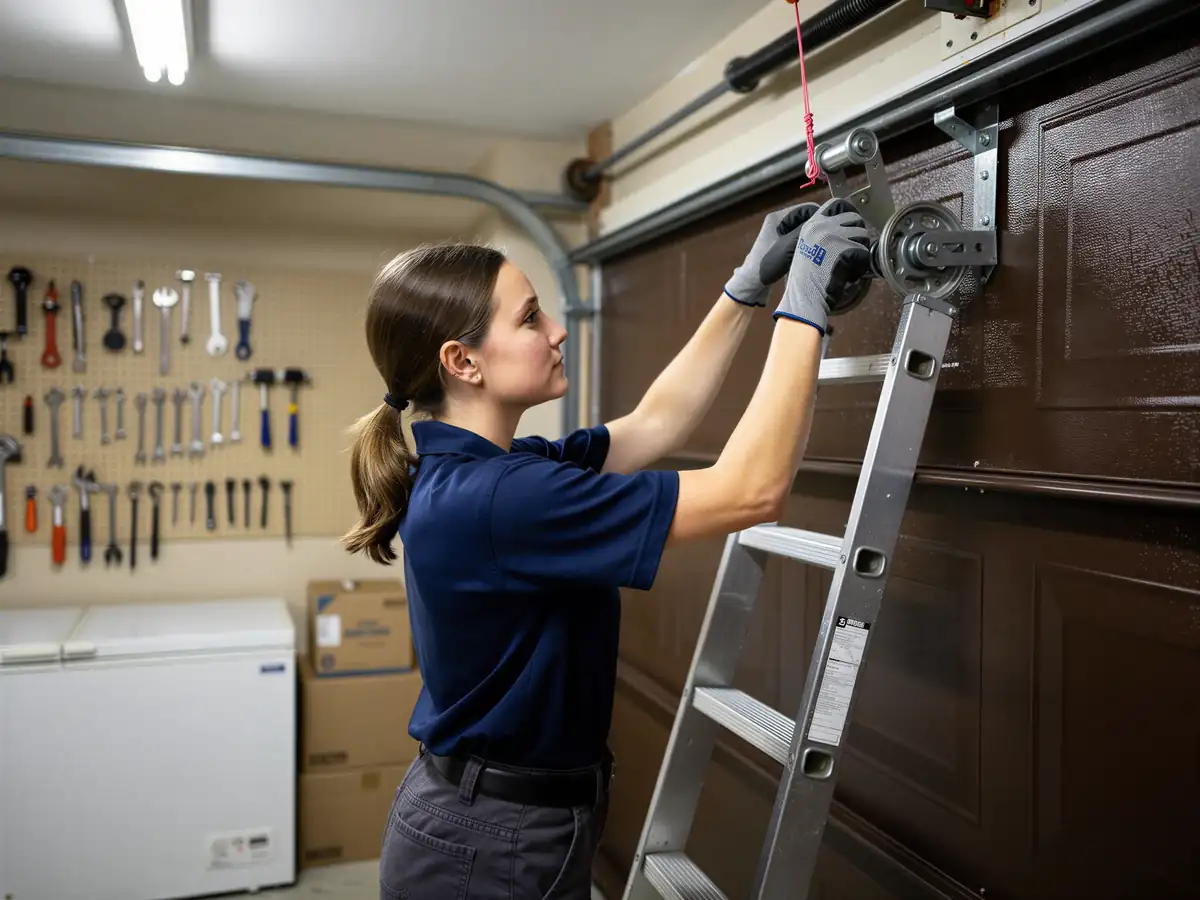
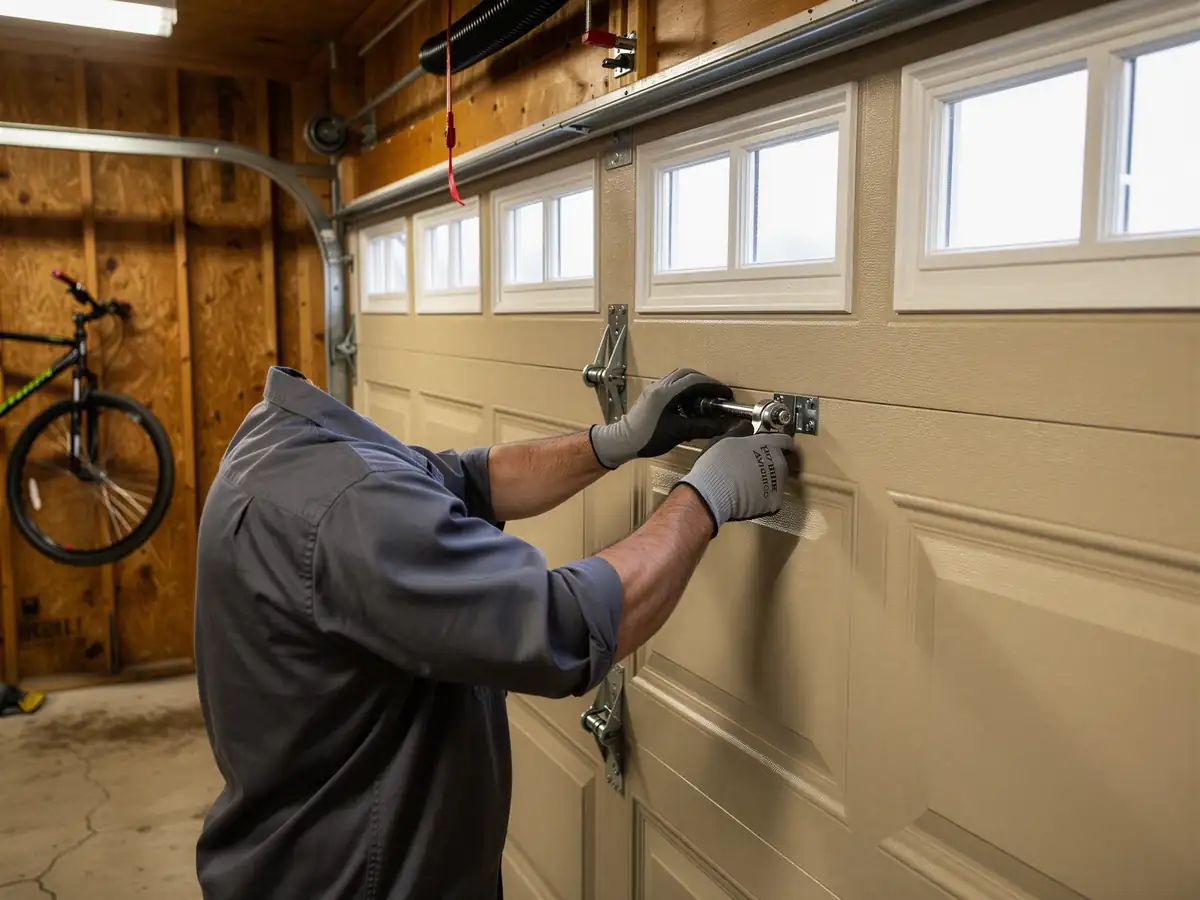
A house built in 1974 usually came with an 8-foot or 9-foot steel door on a pair of extension springs running along the horizontal track, not a single torsion spring over the header. That matters because extension spring doors fail differently - a frayed cable or a worn pulley on one side will rack the door sideways in the opening, and it'll bind on the track before it ever comes off the rollers. Homeowners sometimes keep forcing the opener against a racked door, which bends the track and turns a $150 cable job into a $400 track-and-cable job.
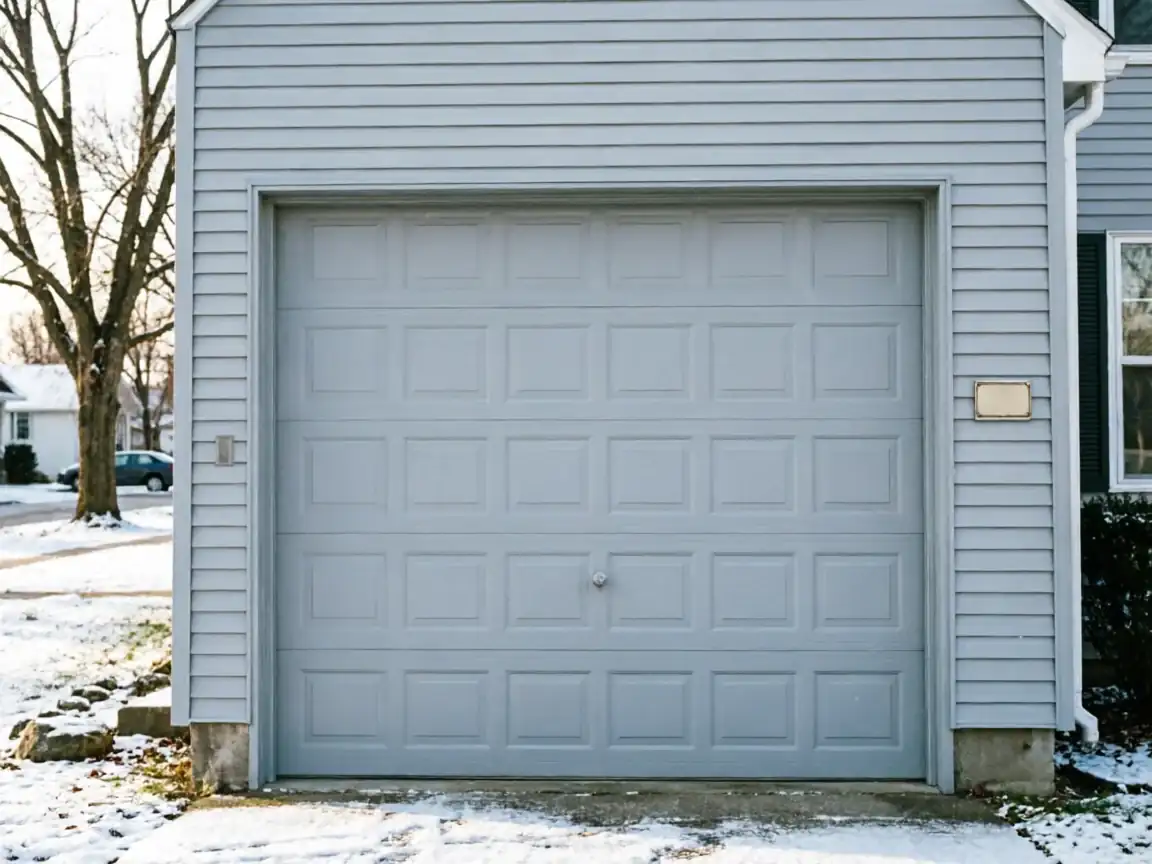
Colder winters add another layer. In this climate band, grease in old rollers and hinges stiffens up, and steel panels that have taken 50 winters of expansion and contraction sometimes have hairline cracks at the bottom panel seam - the spot closest to road salt and slush. We don't see this as often on the newer stock closer to Peoria's core; it's more a Bellevue-era thing, tied to when the house and door were installed.
Stocked Parts
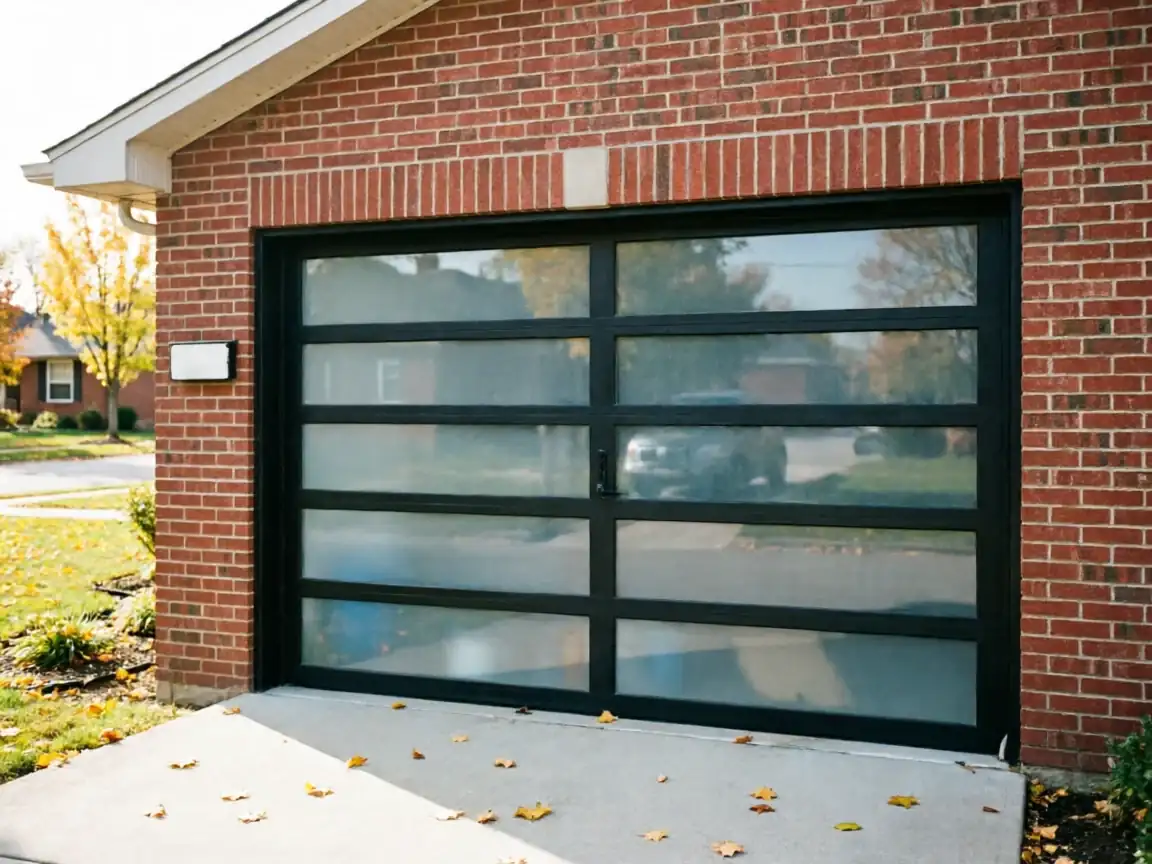
We carry the parts that fail most on 1970s-era extension spring doors - standard-length springs, cables, pulleys, and the steel rollers that replace the originals. Those are common failures and we don't usually need to order them in. What we don't stock on the truck is anything custom: a non-standard door width, a discontinued panel from a manufacturer that's since changed its lineup, or specialty glass-panel sections. If your door needs one of those, we'll be straight with you about the wait instead of guessing at a timeline we can't meet.
How We Fix It
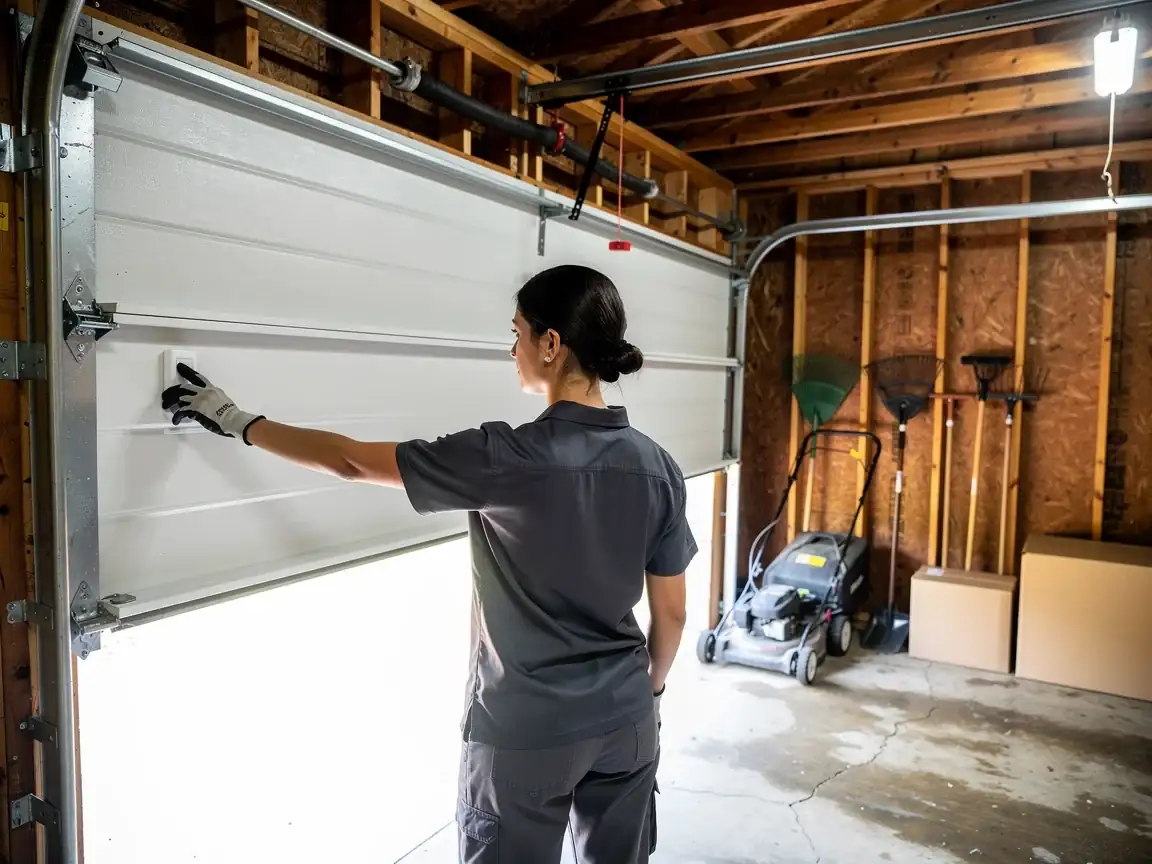
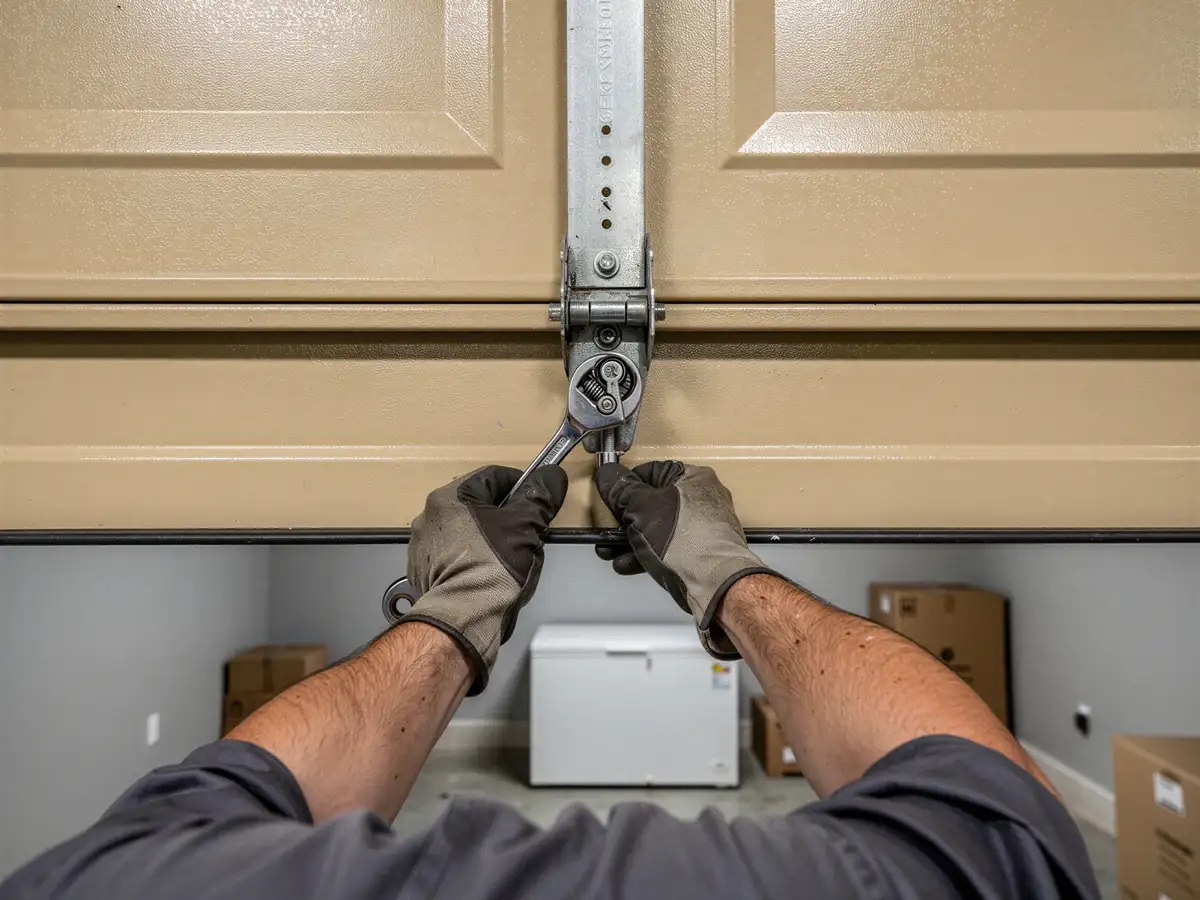
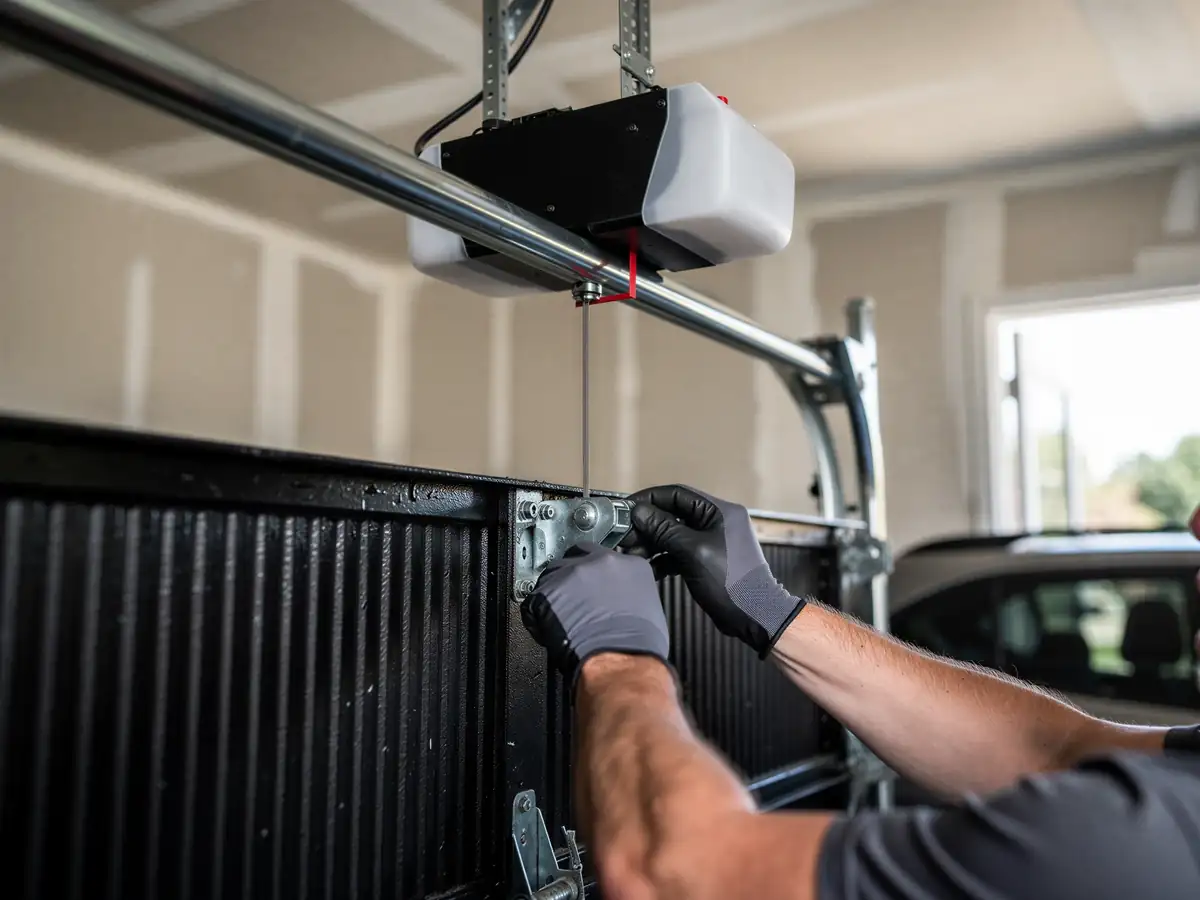
For a broken extension spring, we replace both springs as a pair, not just the broken one - on a door this age, the second spring is usually close behind the first, and replacing one at a time means another call in a few months. We check the track alignment at the same time, since a racked door from a failed cable often needs the track reset even after the cable's fixed. On the opener side, units installed when these houses were new have long since been replaced at least once, so most of what we find is a newer chain-drive or belt-drive opener with a worn trolley or a misadjusted limit switch, not original 1970s equipment.
The DIY Question
Extension springs are under real tension and we don't recommend homeowners replace them - a spring letting go while you're working near it can break fingers or worse. Lubricating hinges, rollers, and the track with the right garage door lubricant, and keeping the bottom seal clean of salt and grit over winter, is reasonable DIY work that extends the life of a door this age. Anything involving the spring, cable, or opener's force settings is where we'd ask you to call rather than take it apart yourself.