The Complications
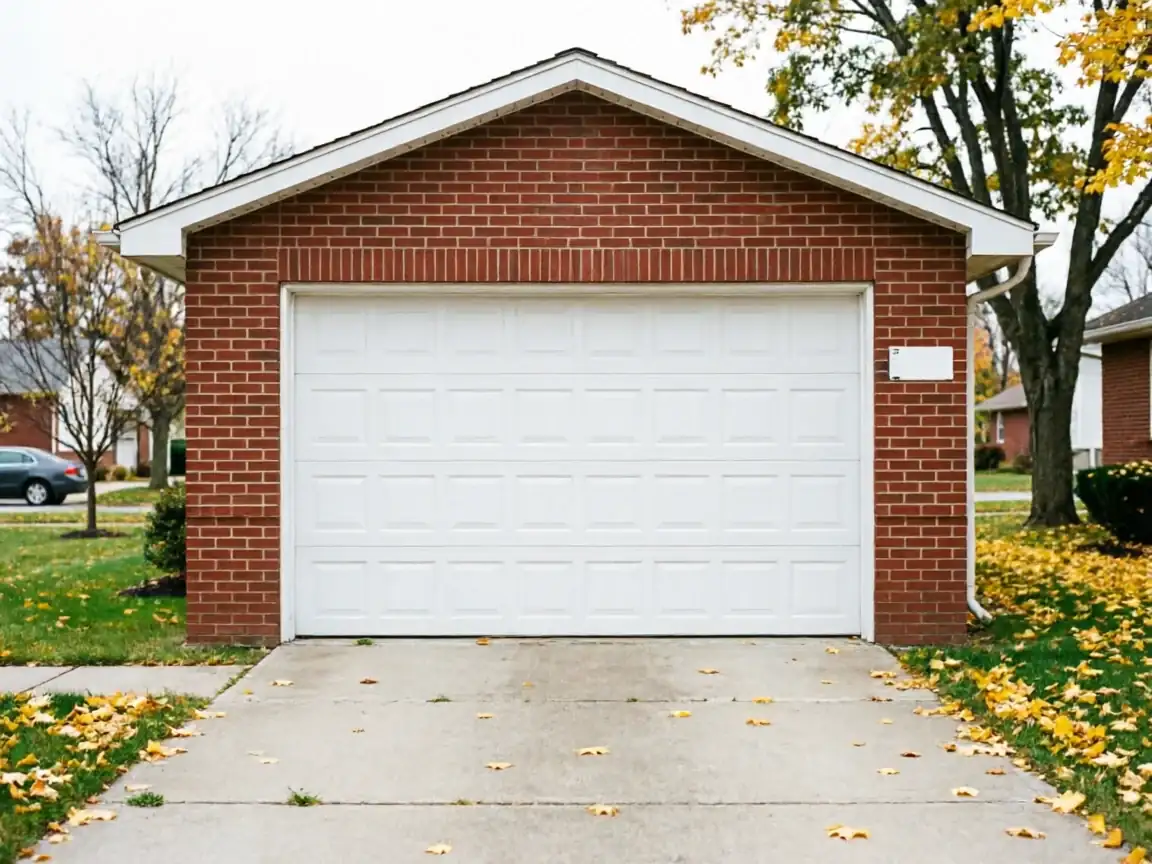
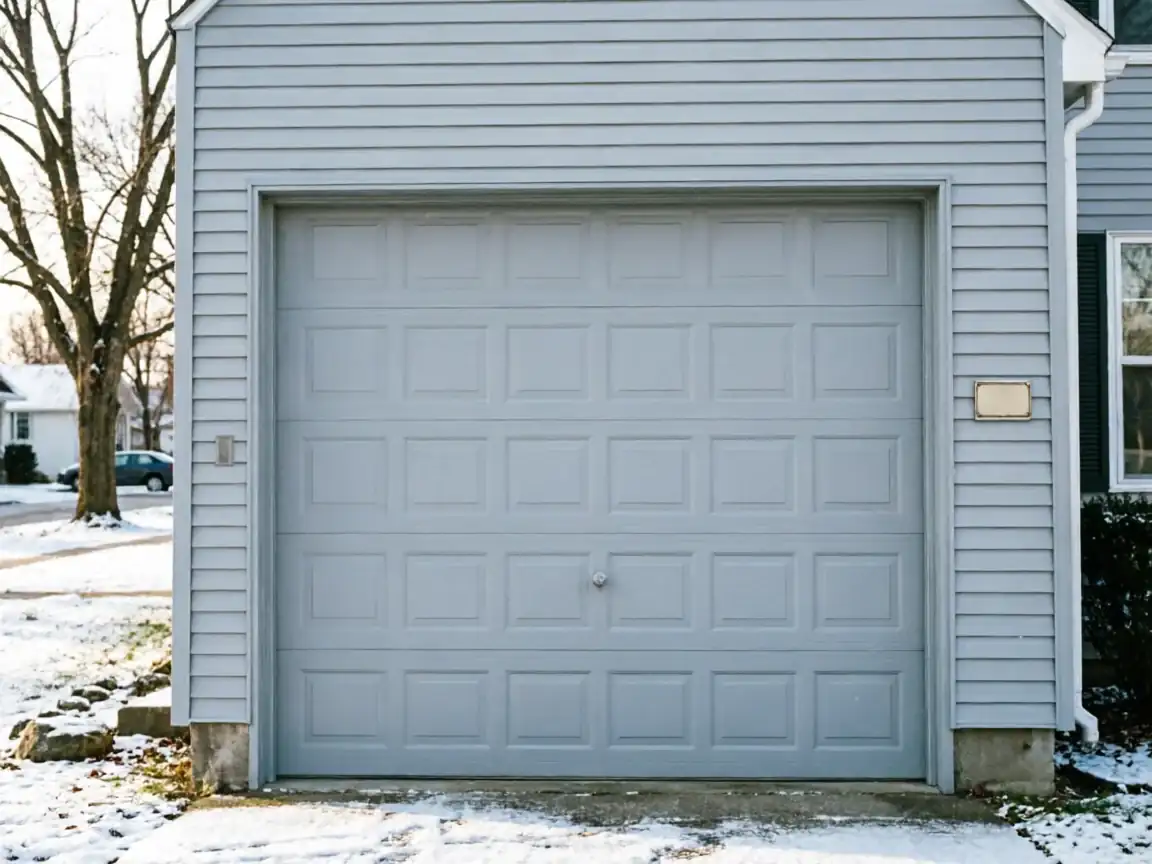
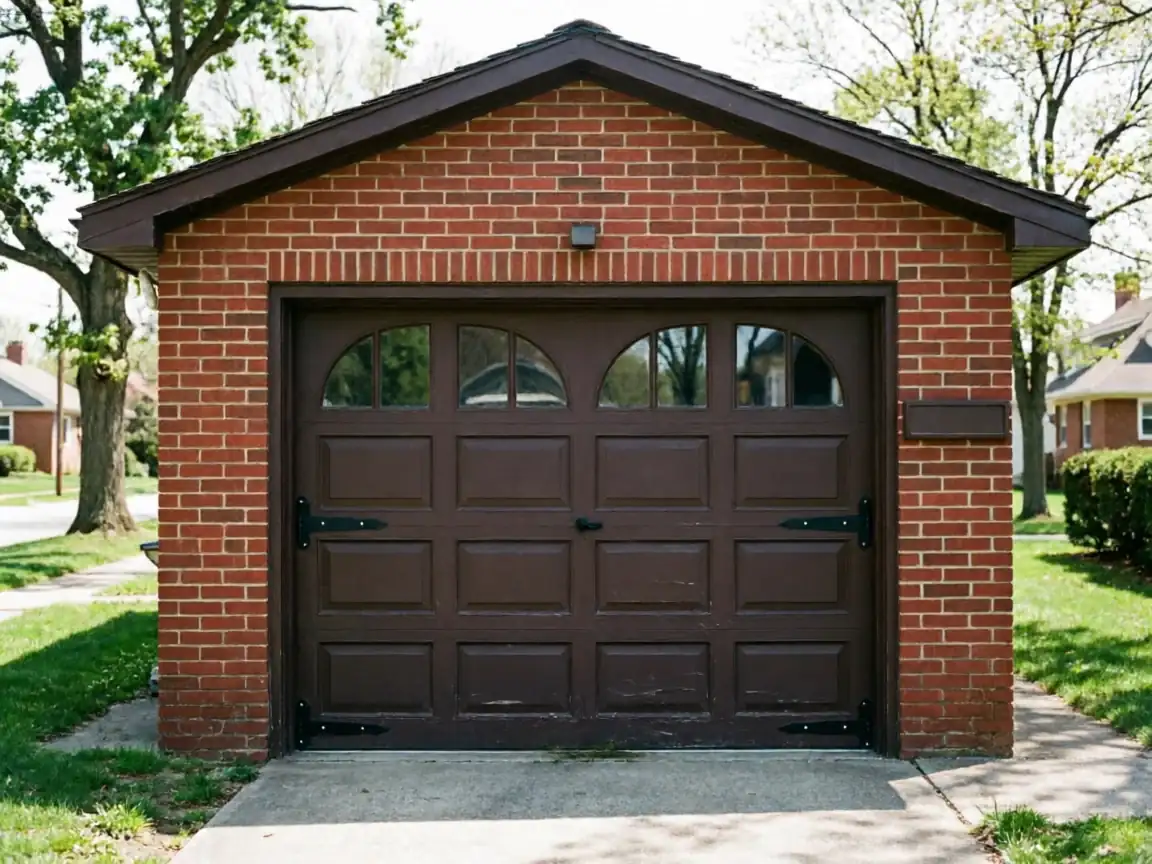
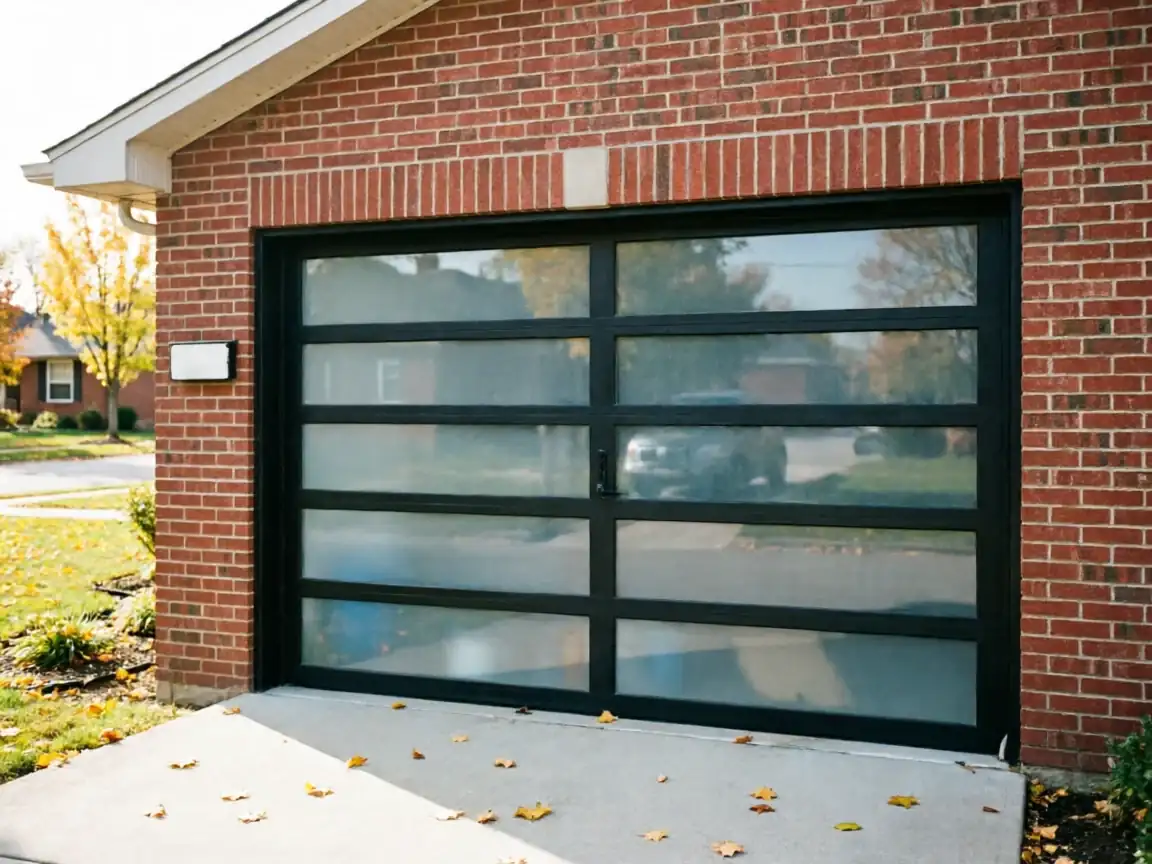
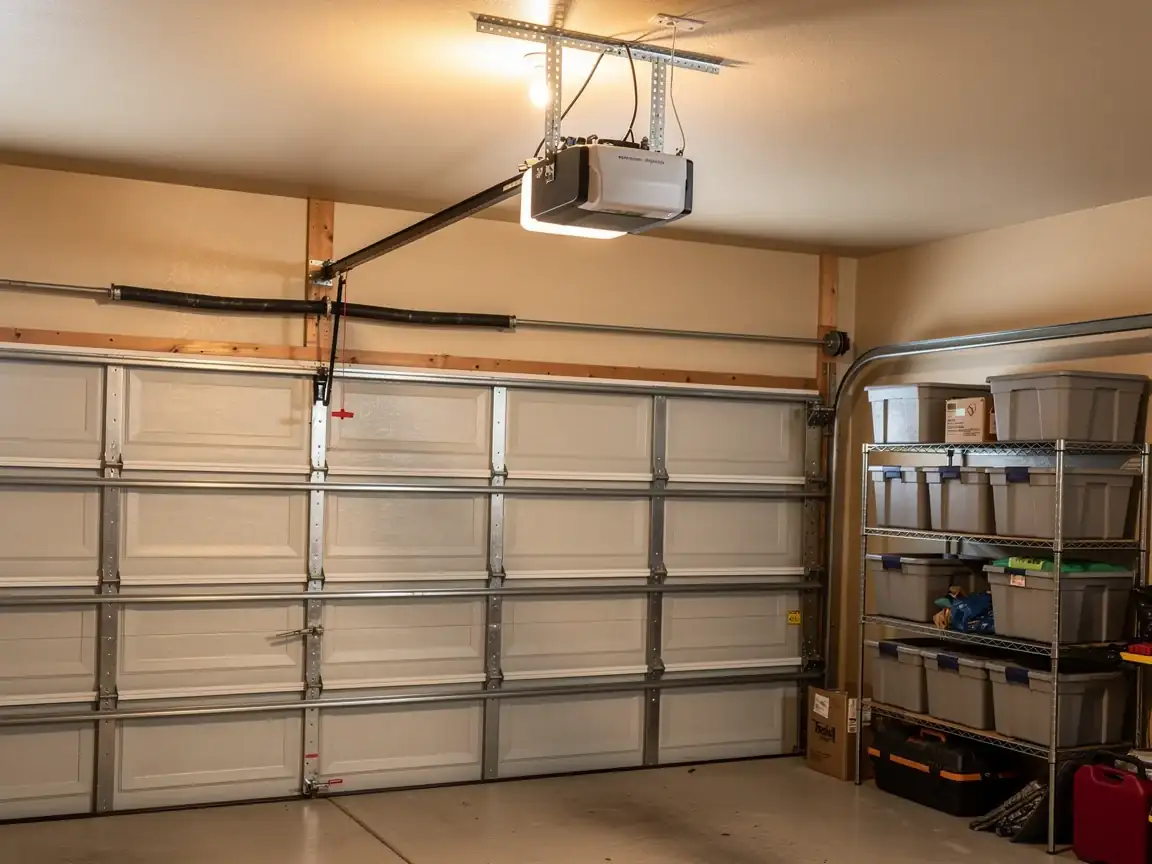
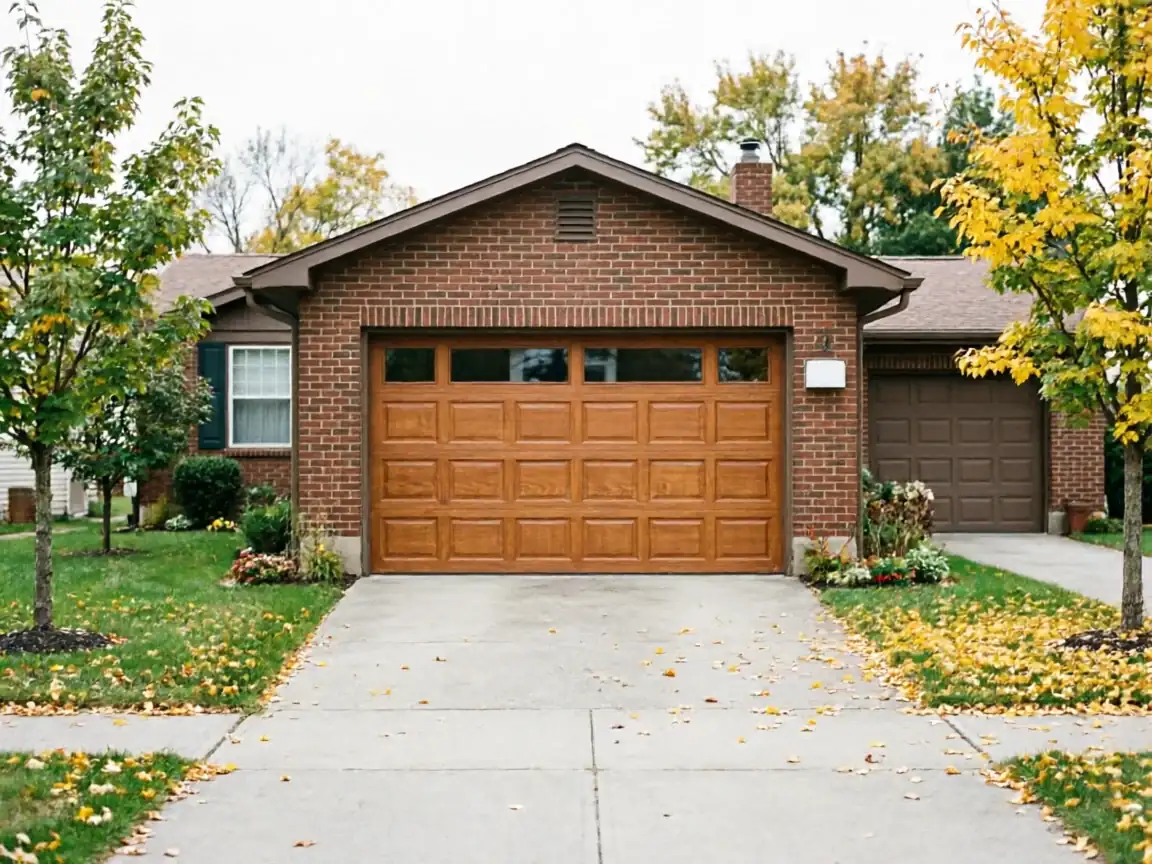
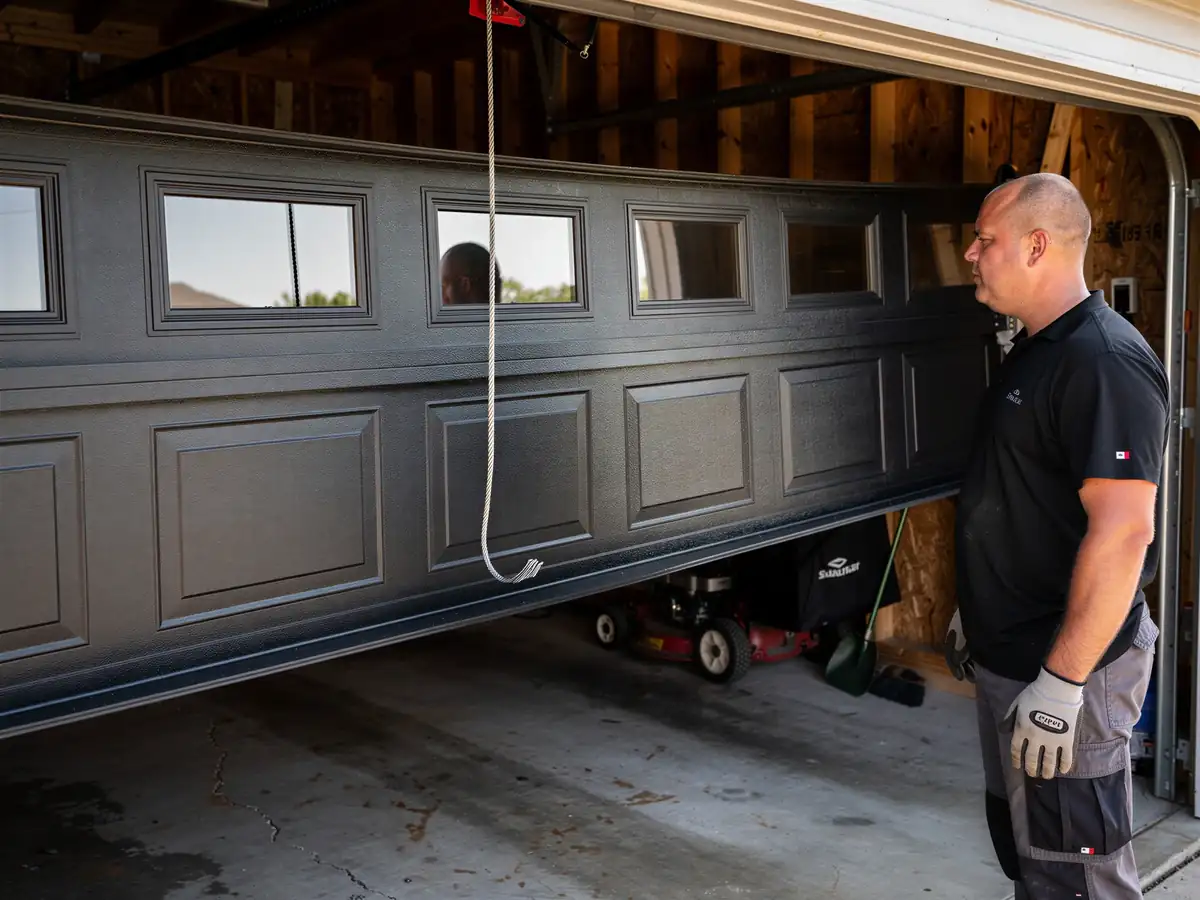
A cable rarely fails on its own. It frays against a bad roller, it jumps the drum because a bracket shifted, or it snaps because a spring that should have been replaced years ago finally let go and put a shock load through the whole system. Bellevue's 1974-era stock means the springs and drums on a lot of these doors are also pushing fifty years old, which is past the point where we'd call a cable fix a cable-only fix. Peoria's winters sit in the cold-moderate band, and metal fatigue in cable and spring hardware shows up faster through repeated freeze-thaw cycles than it would in a milder climate. That's the main reason a cable job here often turns into a short conversation about what else on the door is close to the end of its life.
Stocked Parts
We carry standard lift cables in the gauges and lengths that fit 1960s through 1980s residential doors, which covers the bulk of what's out there in Bellevue. Drums, end bearing plates, and the fasteners that go with them ride on the truck too, because a cable that snapped and chewed up the drum on its way off needs both parts replaced, not just the cable. What we don't stock is anything custom - a door that's been retrofitted with an odd track width or a non-standard drum from a manufacturer that's since changed hands. Those jobs sometimes need a part ordered in, and we'll tell you that up front rather than make you wait on site while we figure it out.
How We Fix It
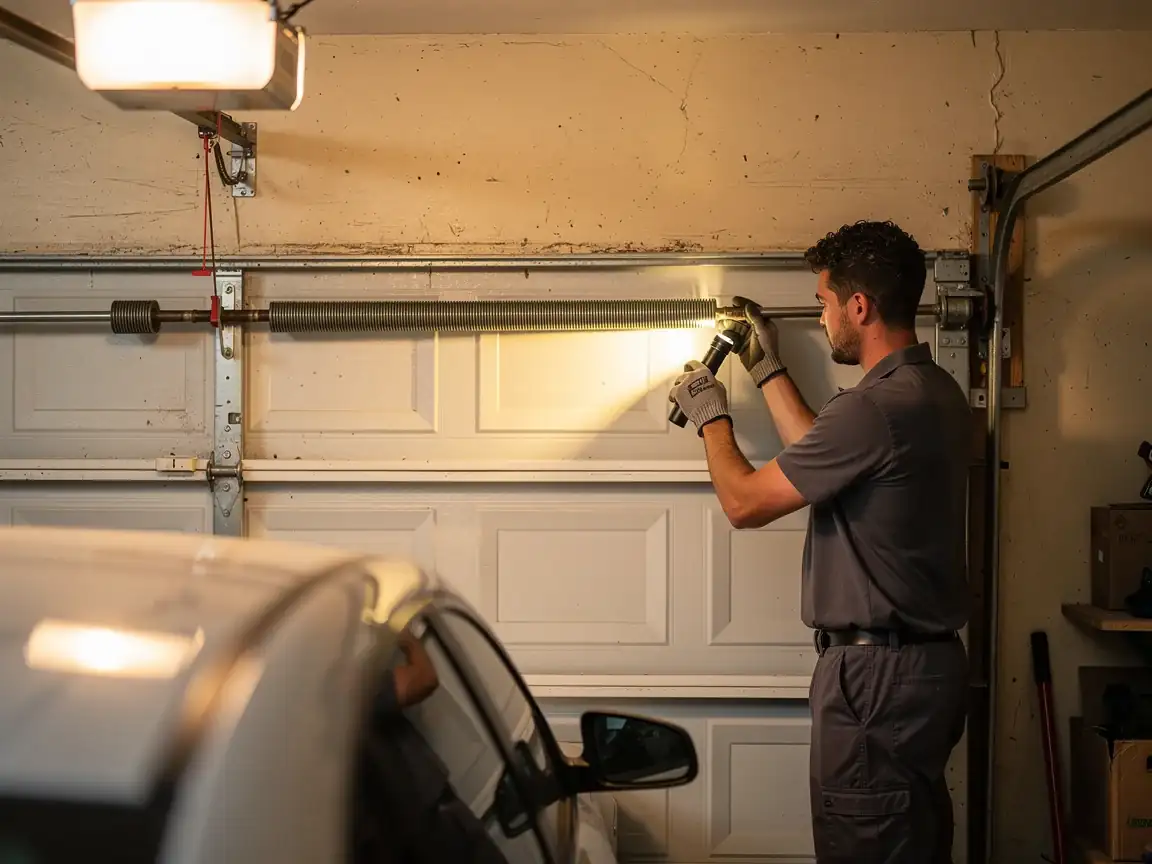
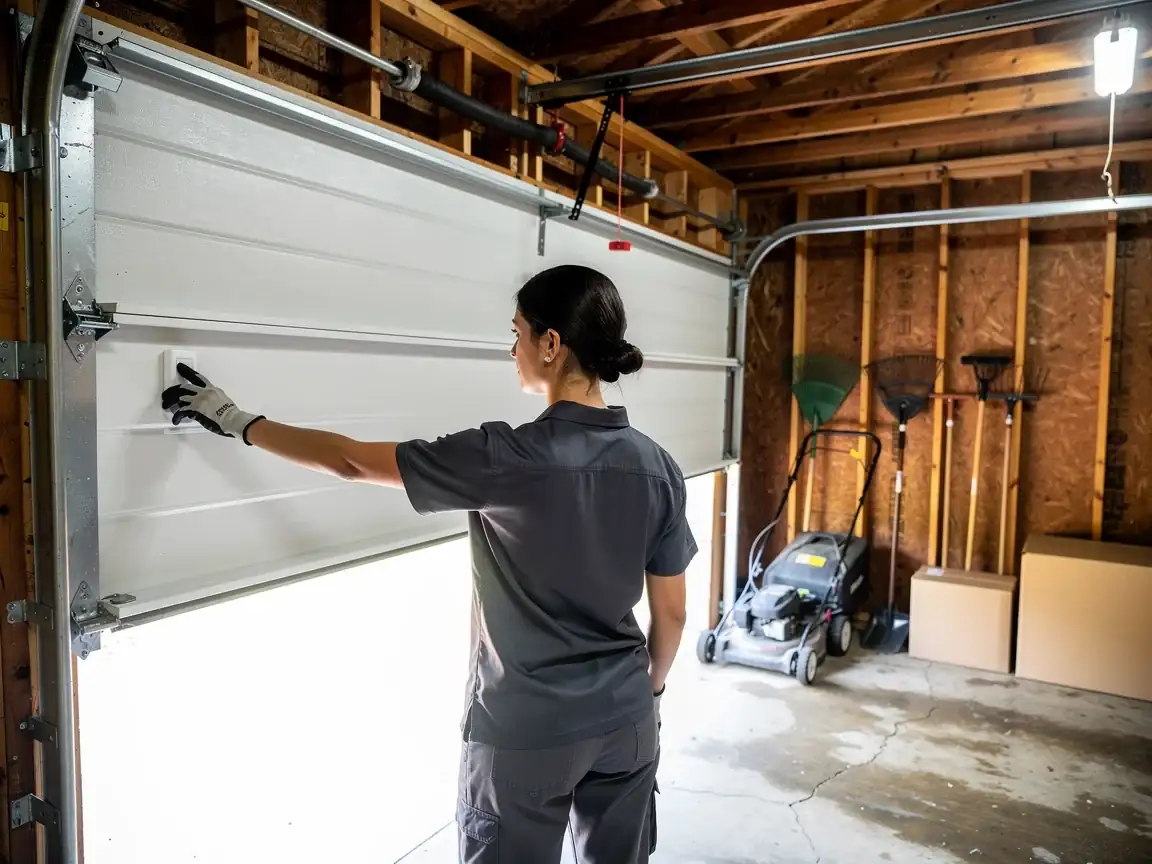
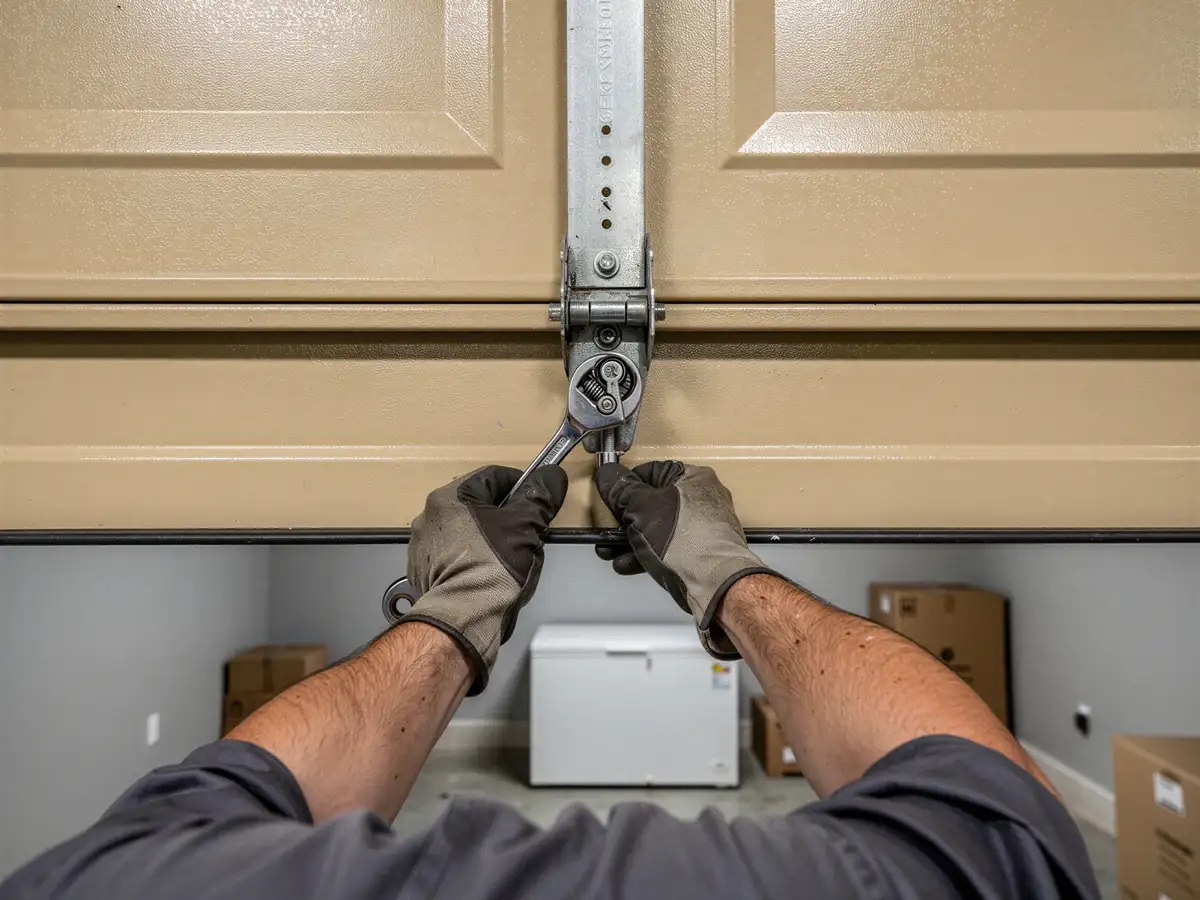
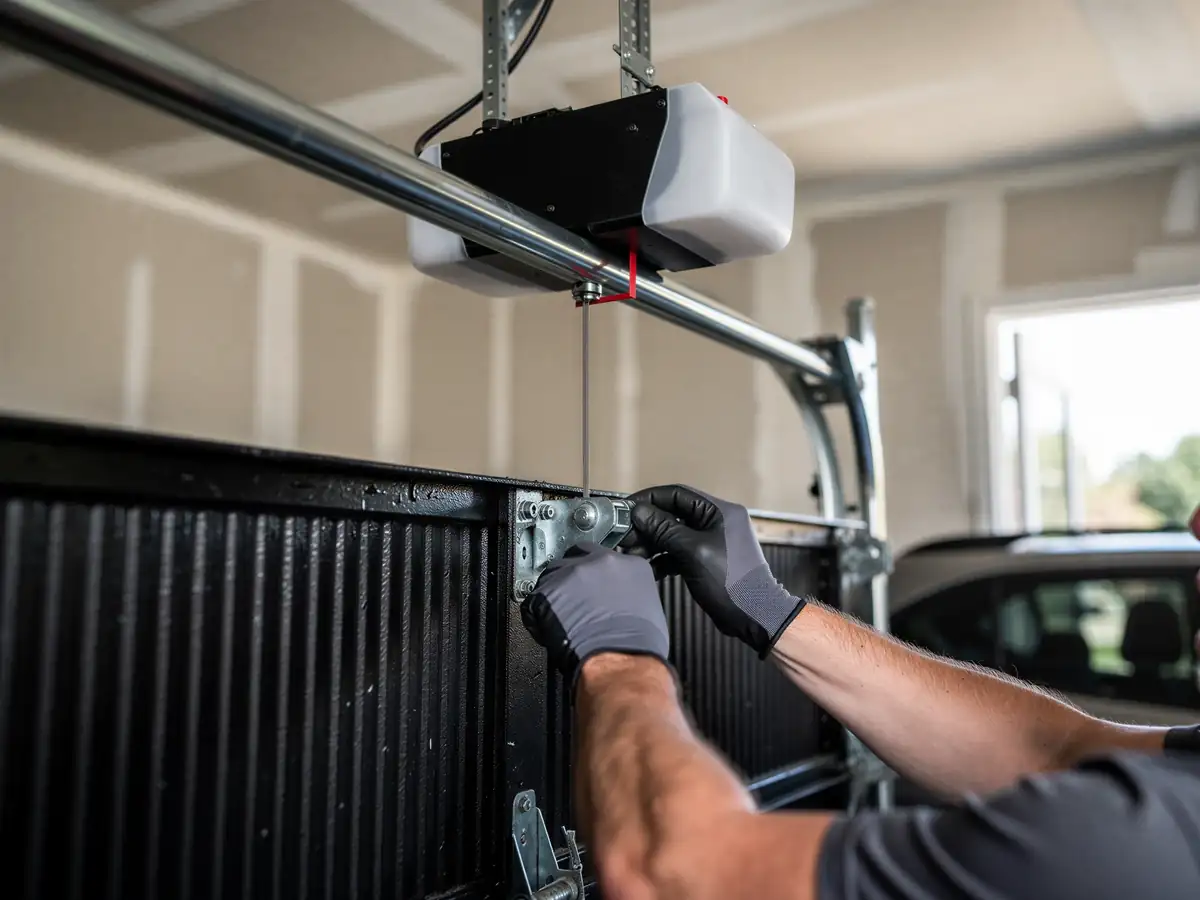
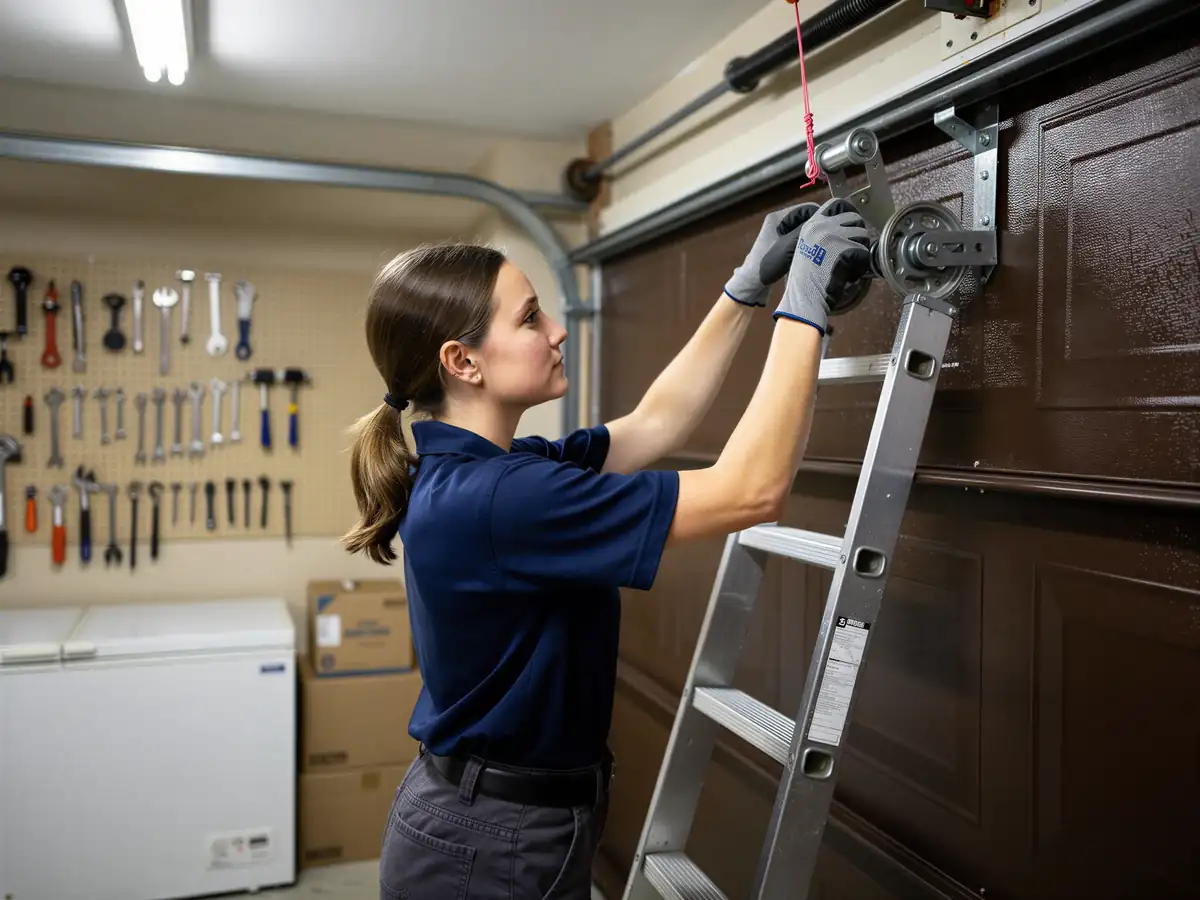
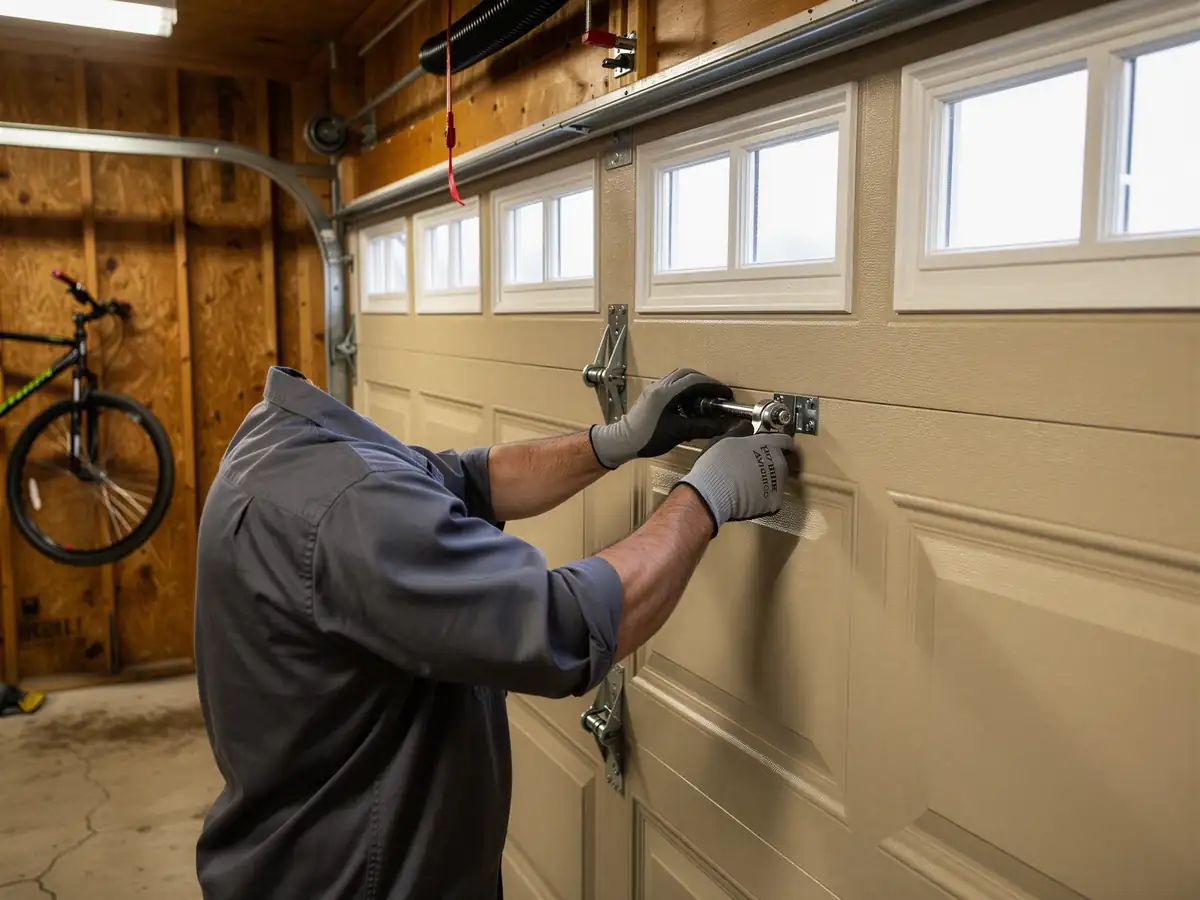
The torsion spring gets locked off first - that's non-negotiable, because a wound spring under tension is the part that hurts people, not the cable. From there we pull the damaged cable, check the drum for wear or a chipped flange, and inspect the track and rollers the cable runs past, since whatever caused the break may have left marks on neighboring hardware. New cable goes on, the drum gets re-seated and balanced, and we run the door through a full open-close cycle before we call it done. If the bottom bracket took damage - which happens when a cable snaps near the bottom fixture - we replace that too rather than reuse a bent part that'll just fail again.
The DIY Question
Don't do this one yourself. A garage door cable is under tension from a wound spring, and the combination of the two is what sends people to the ER with crushed fingers or worse - it's not like replacing a bike cable. Even unloading the tension safely takes the right winding bars and knowing which direction the spring is wound. If you're set on doing something before we arrive, the safe move is to leave the opener disconnected and the door exactly where it sat when the cable broke - don't try to force it up or down by hand. That's the one thing that actually helps us when we get there.