The Complications
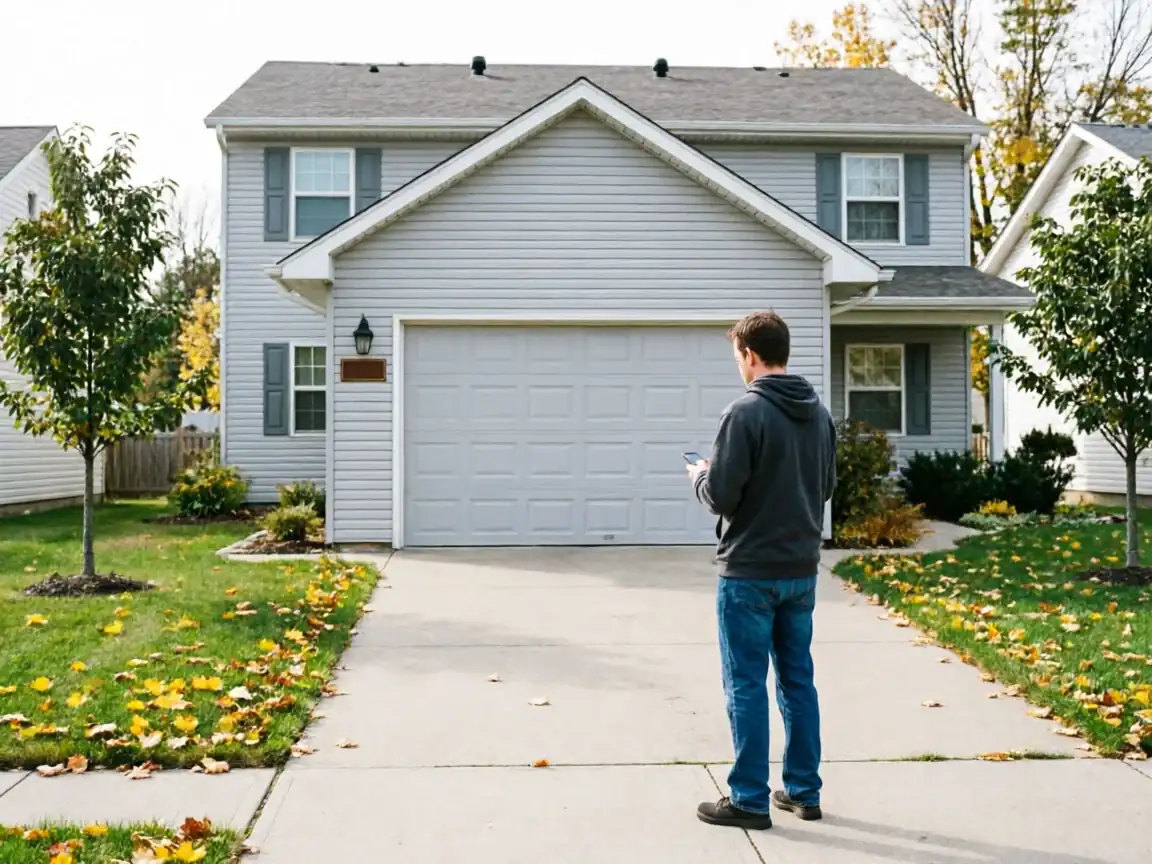
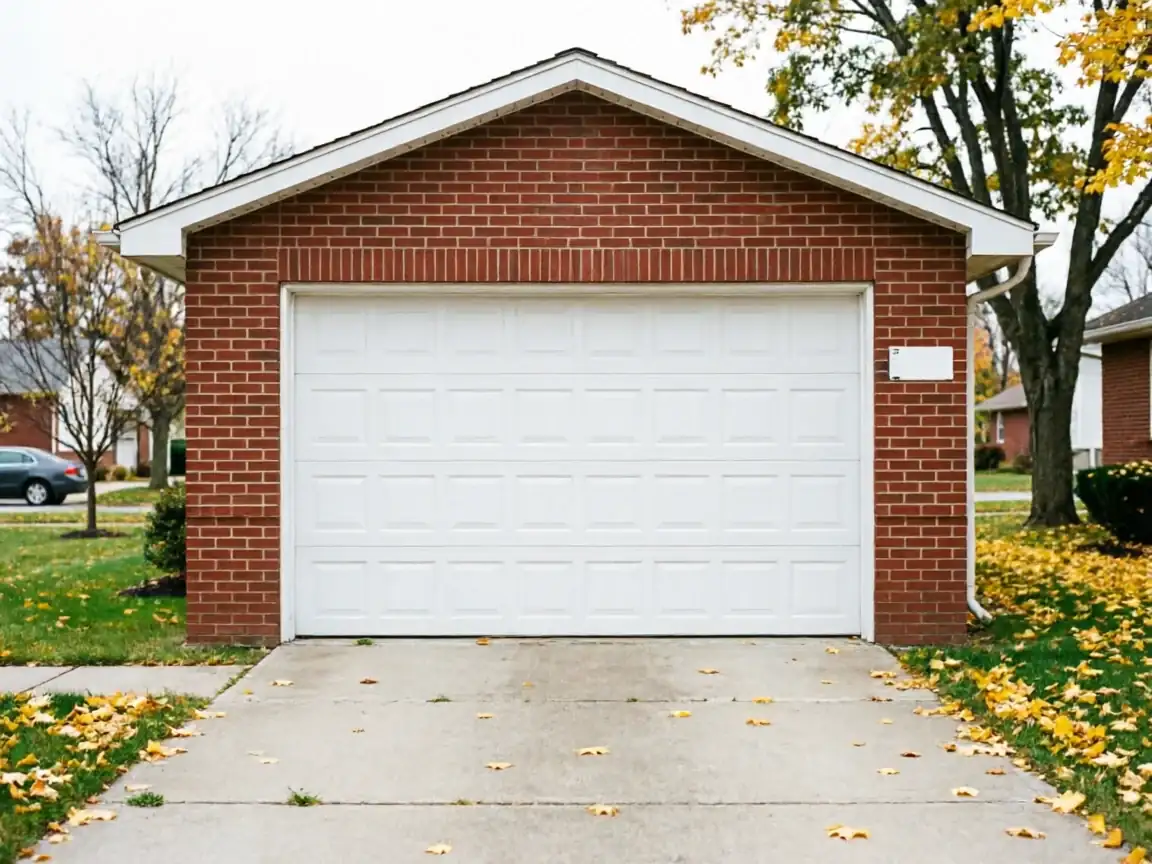
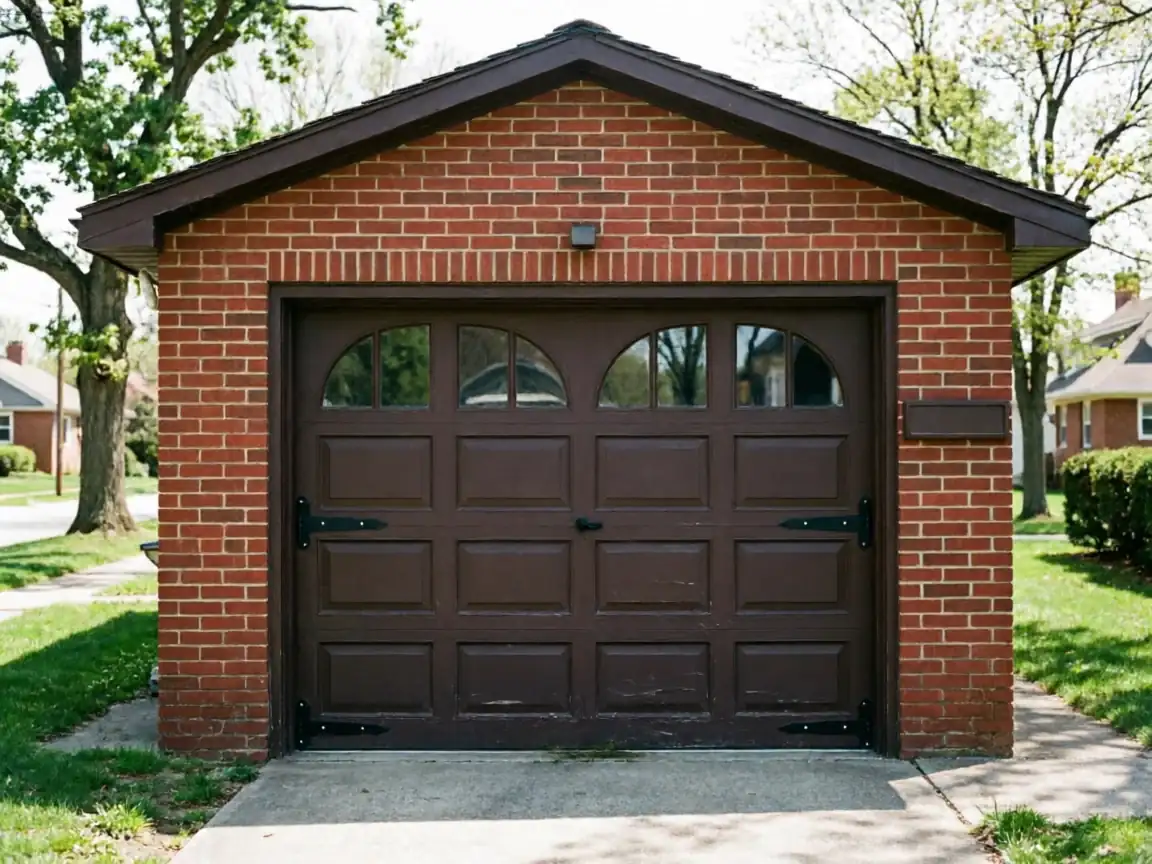
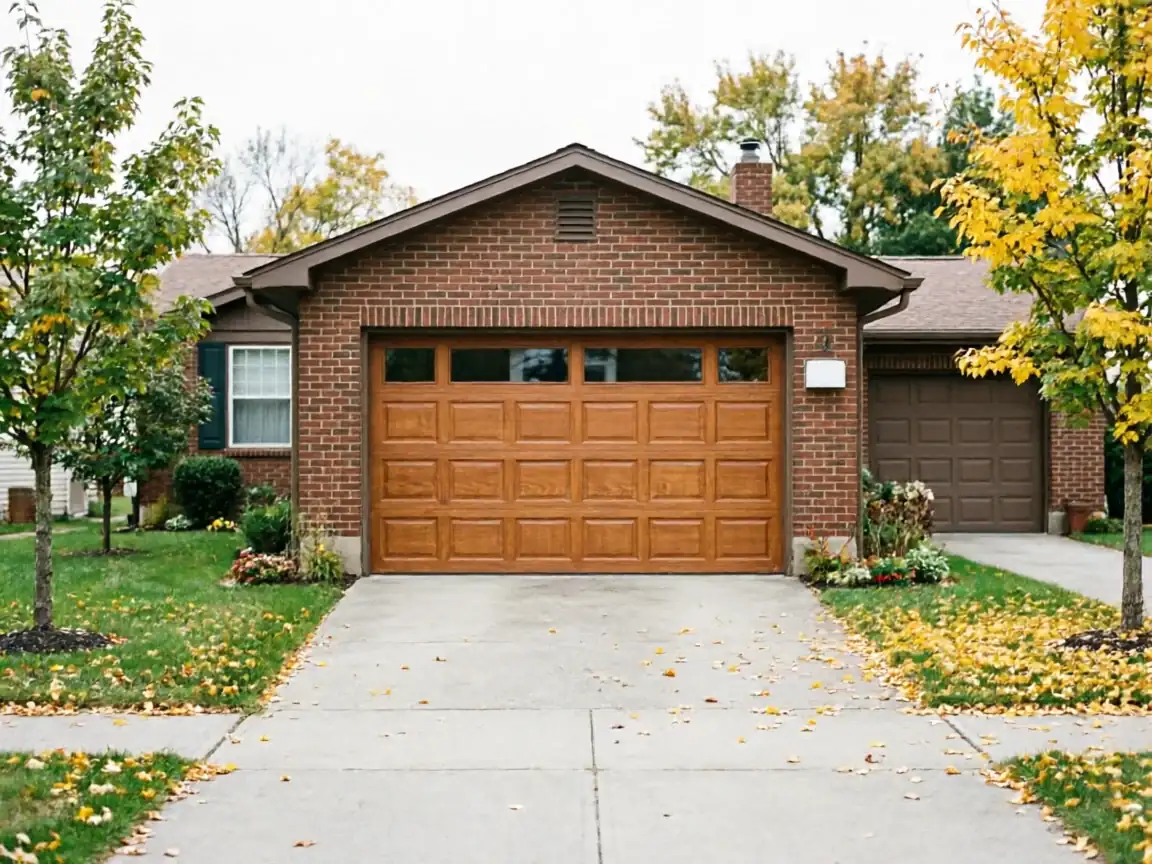
A house built in 1974 is past the oldest one-piece doors and side-mounted torsion setups that show up in Peoria's older pockets, but it's still old enough that the rough opening, the jamb width, and the headroom above the door were all framed to specs nobody uses now. Standard doors are sized for today's framing, so a straight swap sometimes means trimming jambs, adding a header, or building out the track mount to make a modern door fit an opening that's fifty years old. None of that shows up until we're standing in the garage with a tape measure. The other complication is the opener. A 1970s-era garage was often wired for a single outlet and nothing else, which means a new opener with battery backup or a smart hub sometimes needs an electrician before we can mount it, not just us. We'll tell you up front if that's the case instead of discovering it on install day.
Stocked Parts
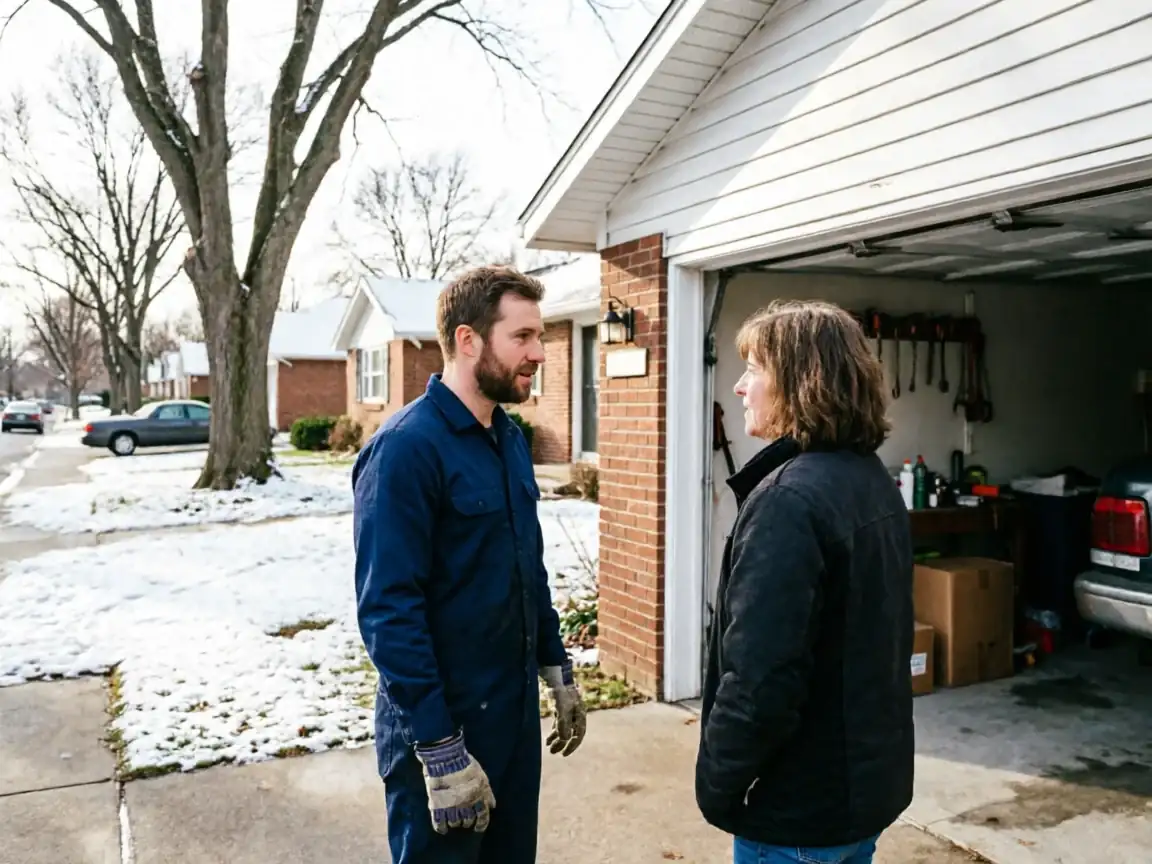
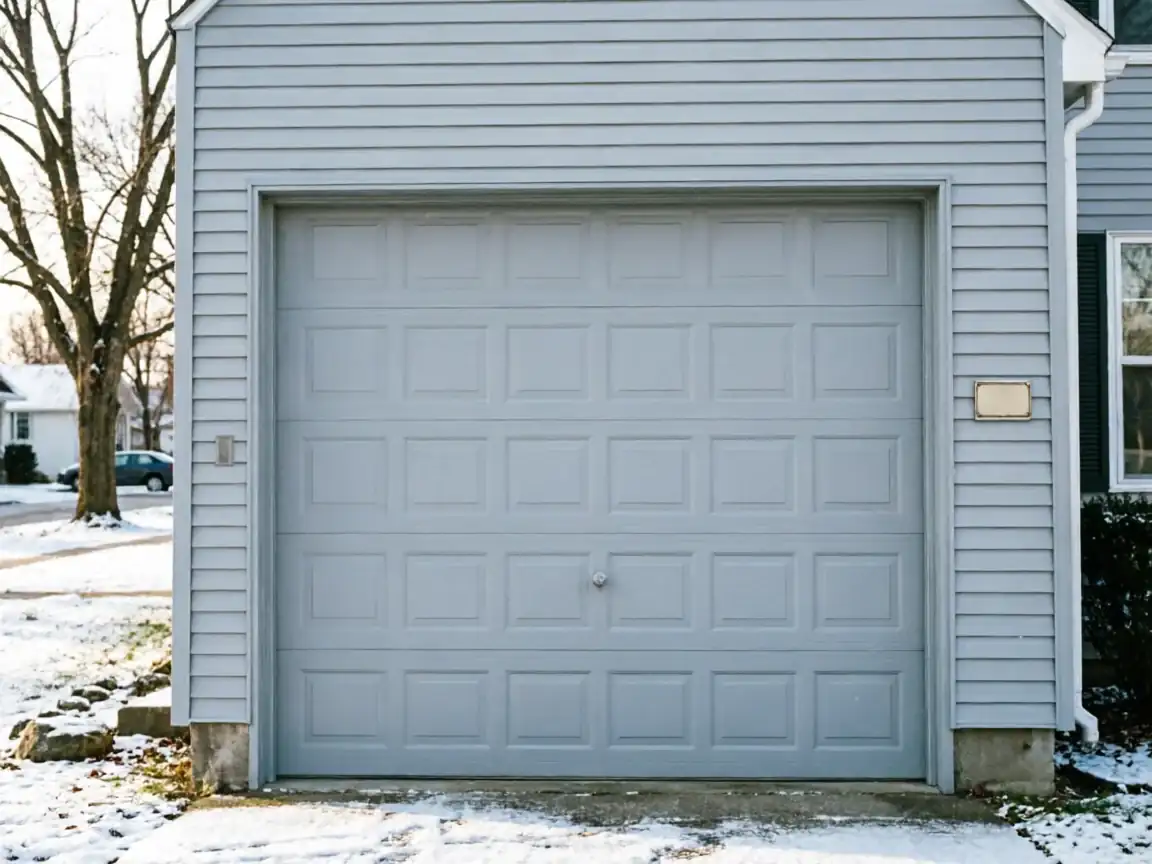
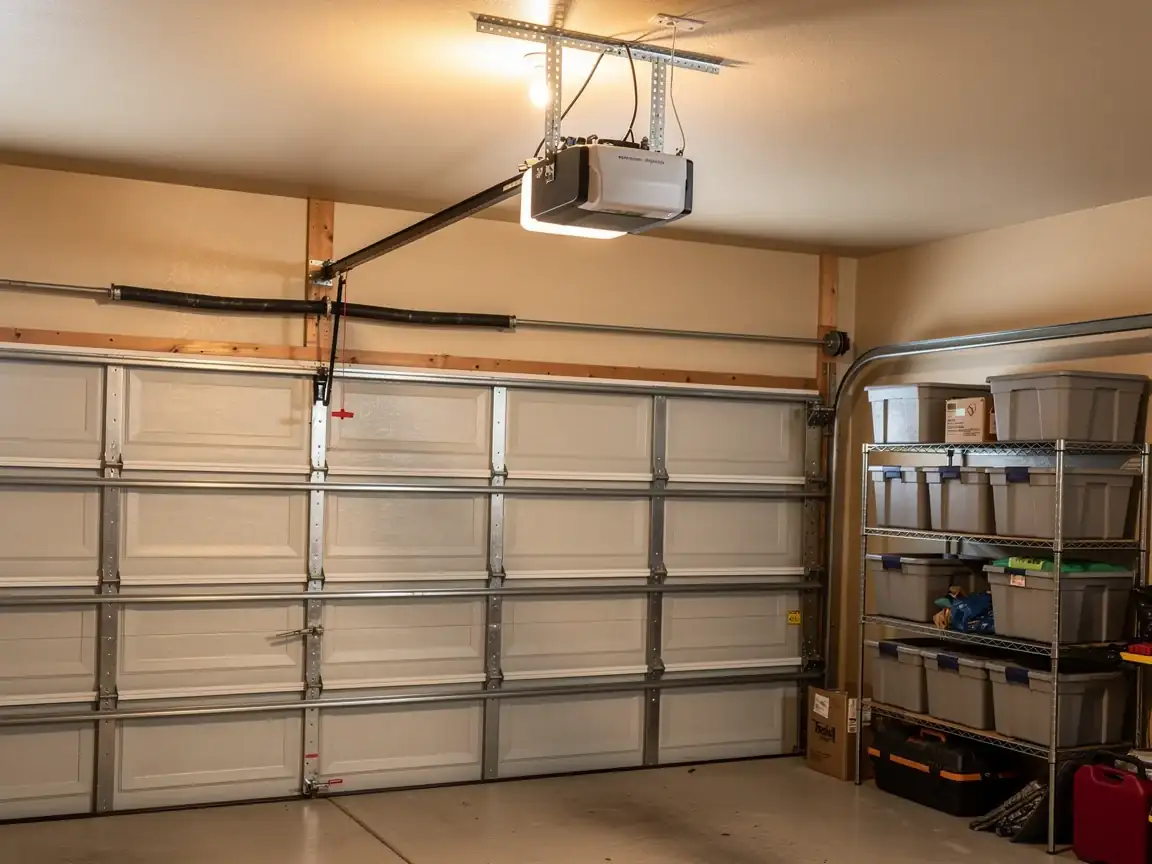
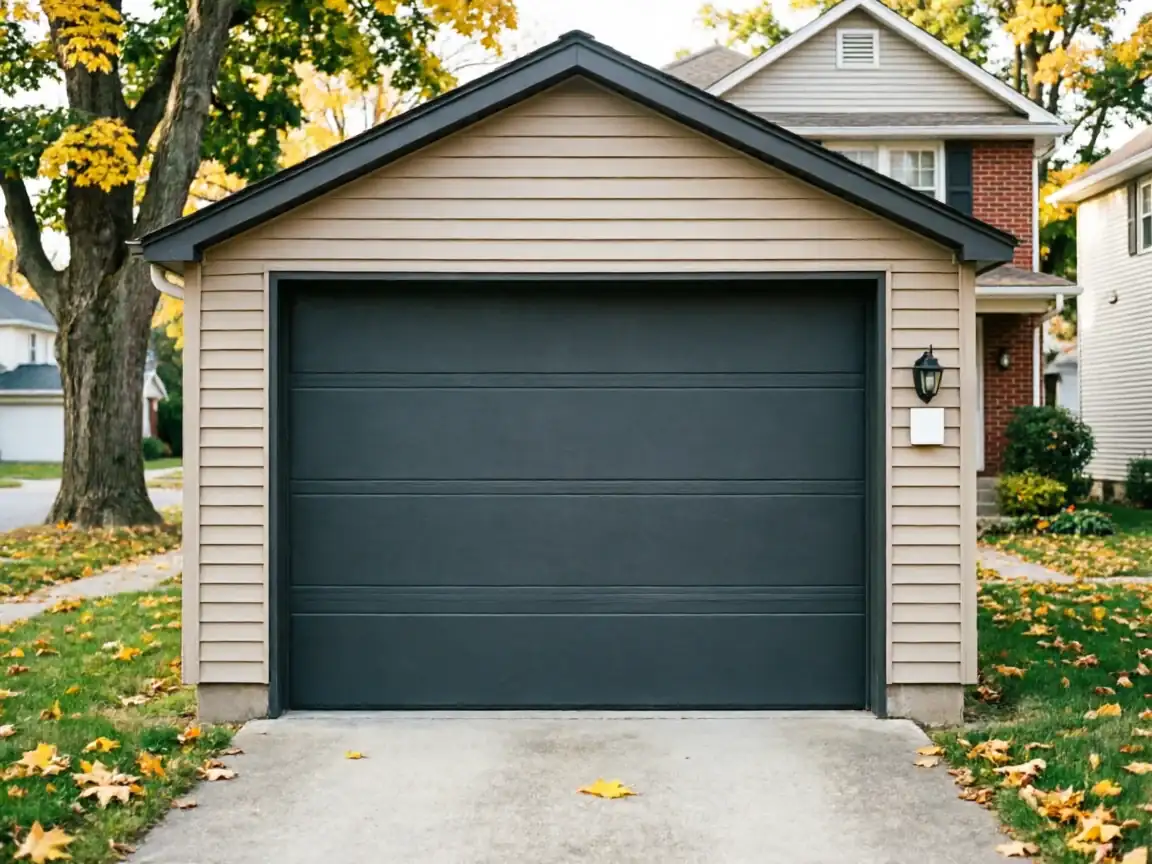
We carry standard-width torsion springs, common roller and track sizes, and the openers that fit most garages built from the 1960s through the 1990s, which covers the bulk of what's in Bellevue. What we don't carry on the truck is custom-width doors, oversized headroom kits, or anything built to a nonstandard opening - those get ordered once we've measured your garage and confirmed the fit. If your garage falls into the second category, expect the parts to take longer to arrive than the install itself takes to finish. This area's cold winters mean we lean toward insulated steel doors with sealed bottom brackets rather than uninsulated panels, since an uninsulated door on an attached garage here loses more heat than most owners expect through a long winter.
How We Fix It
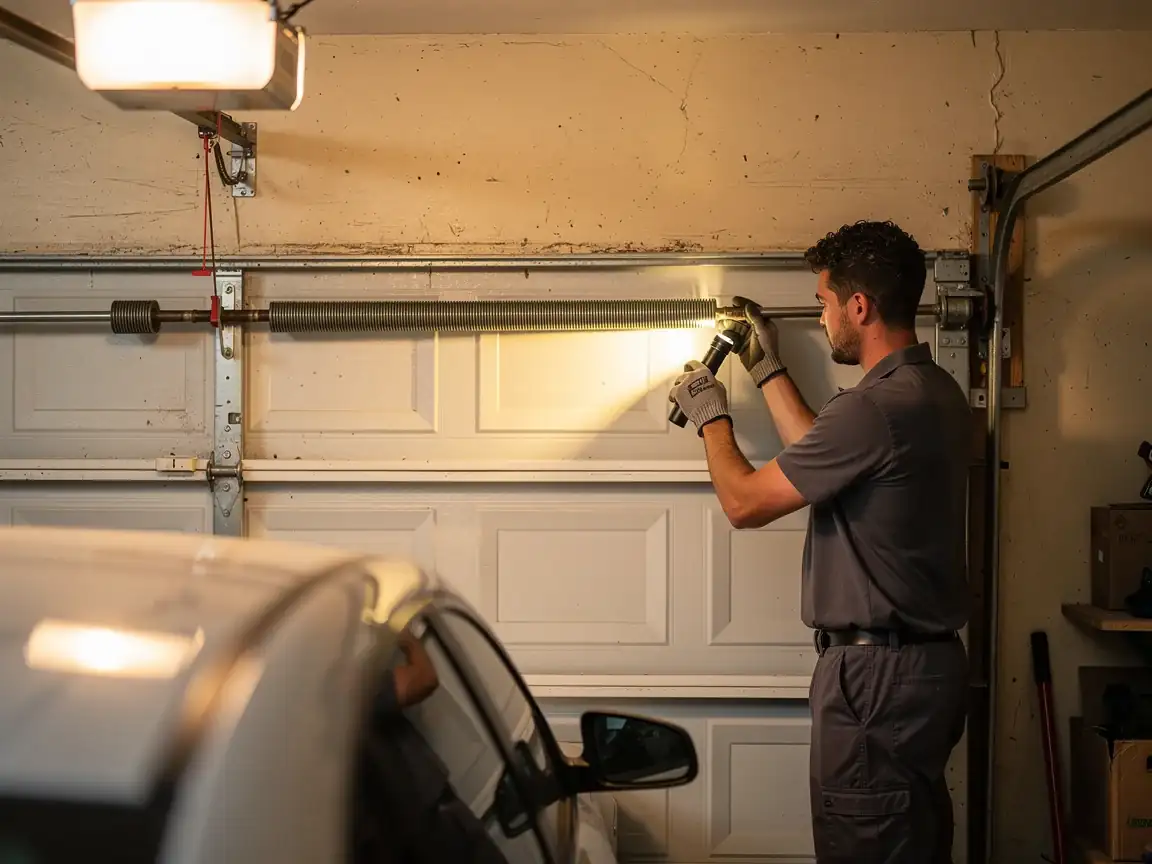
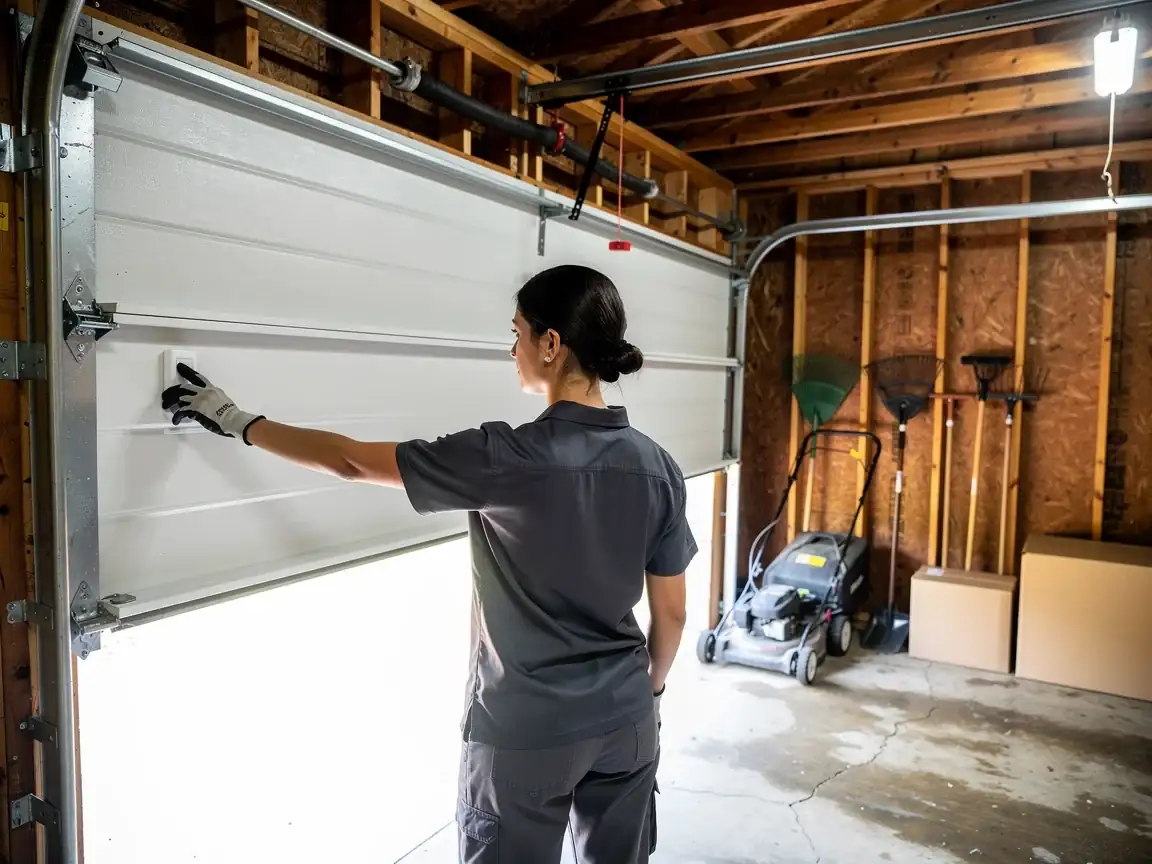
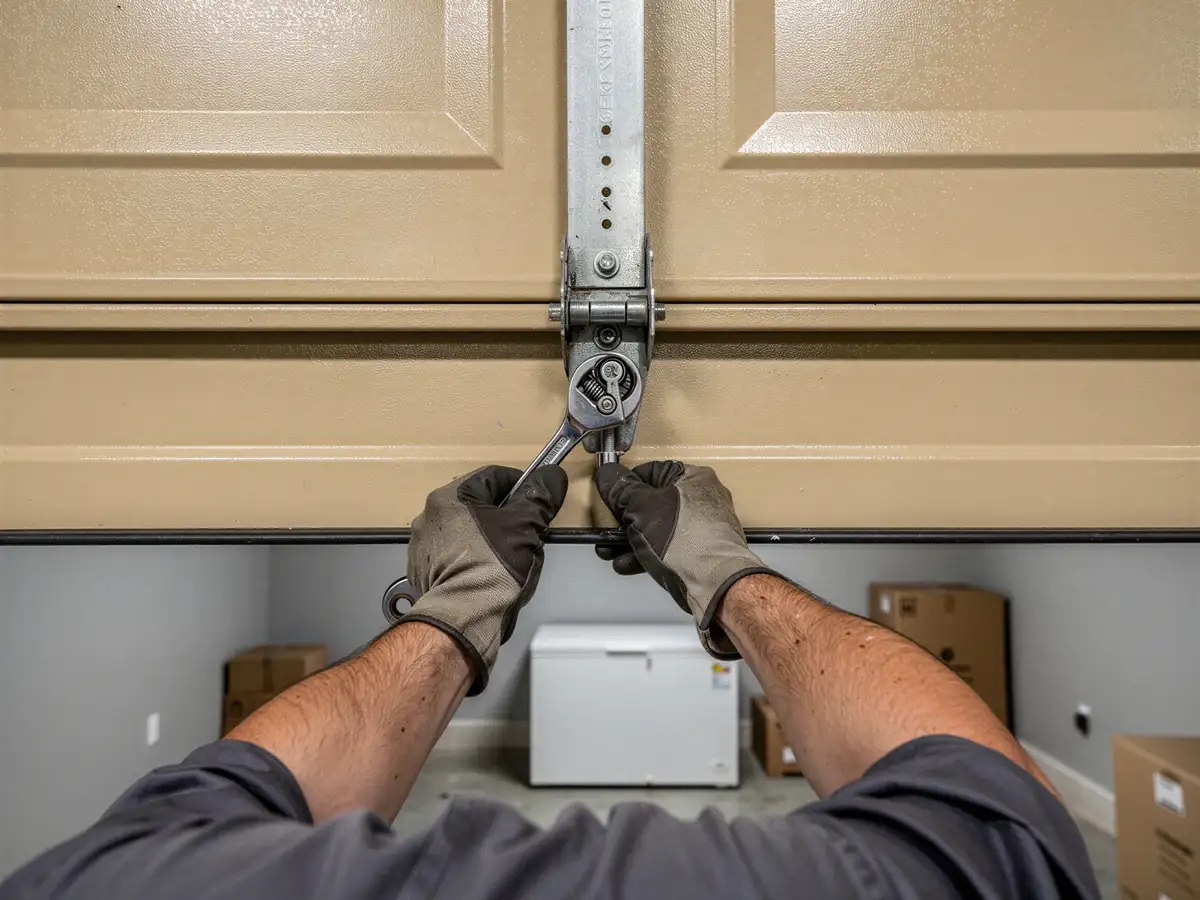
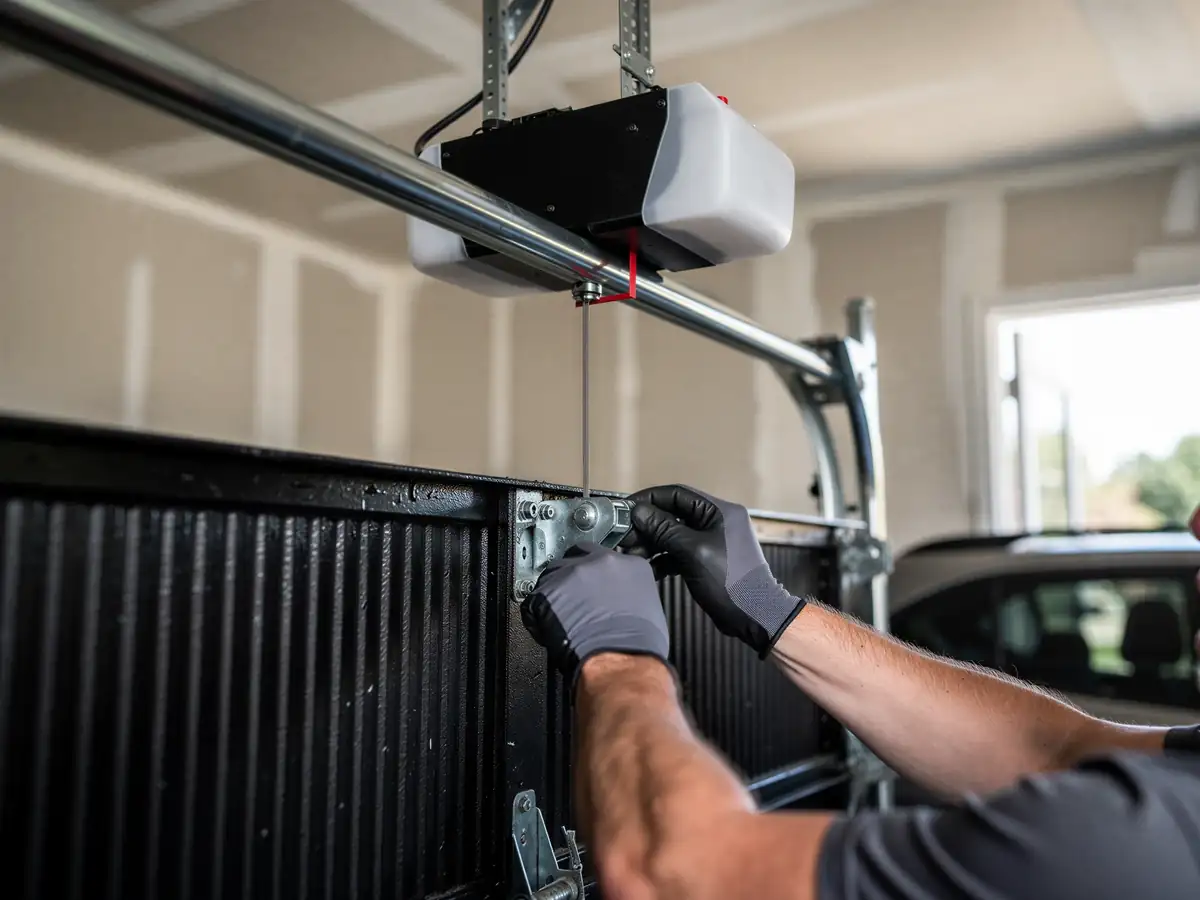
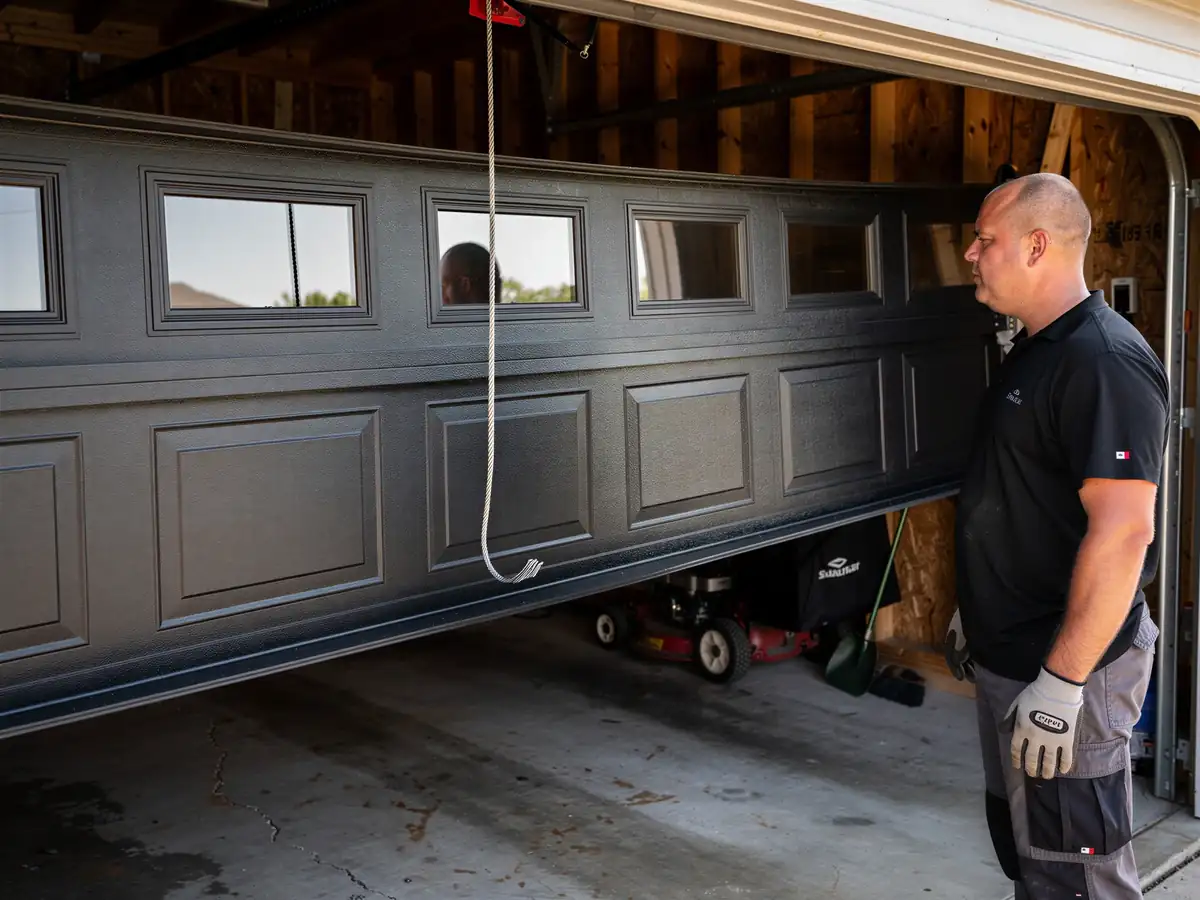
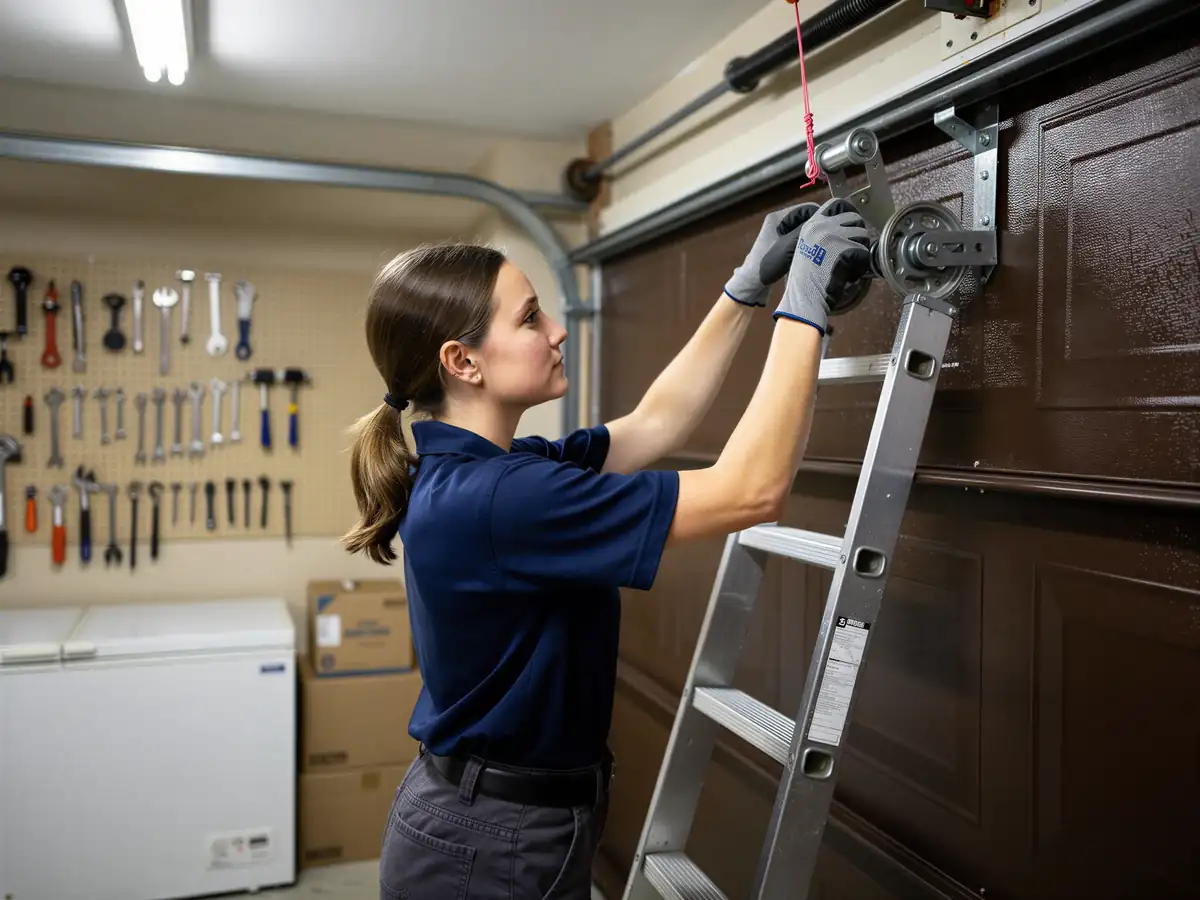
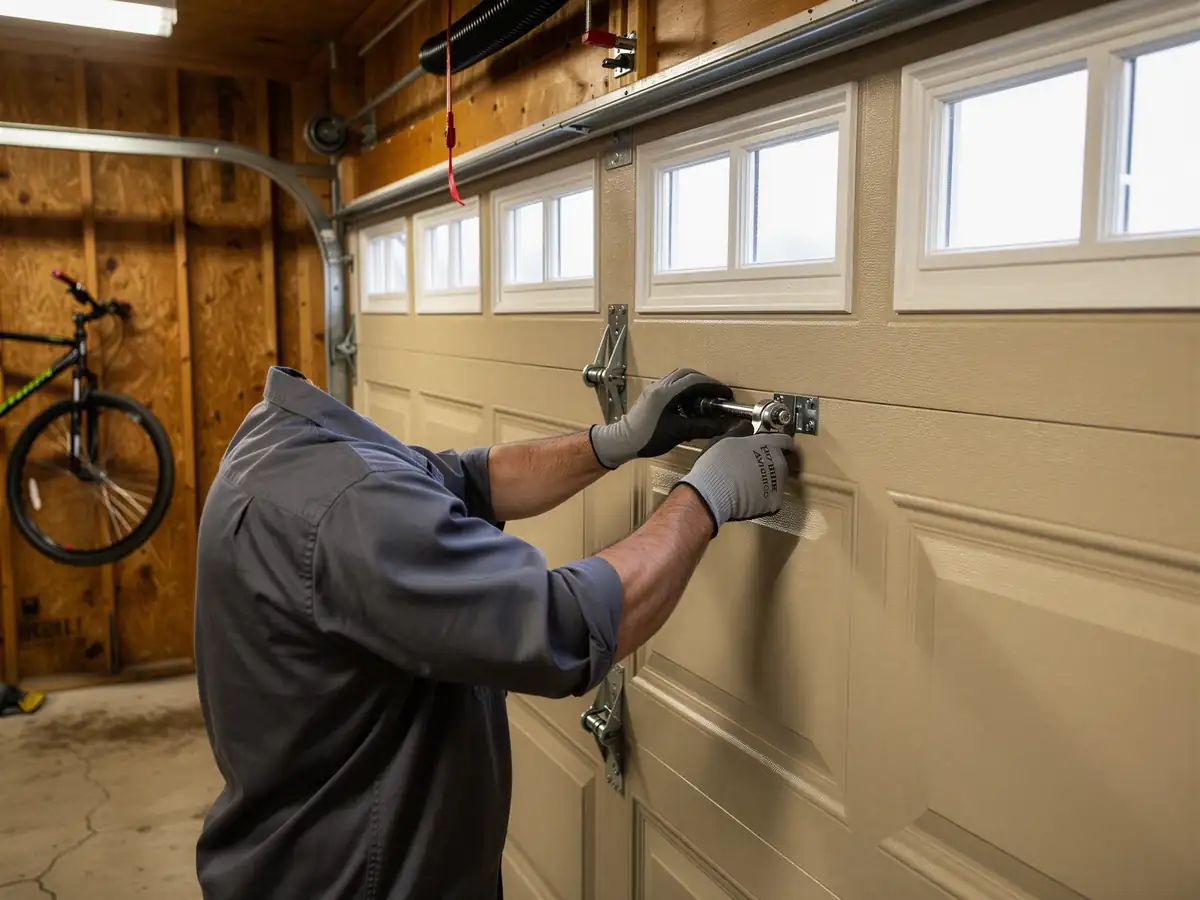
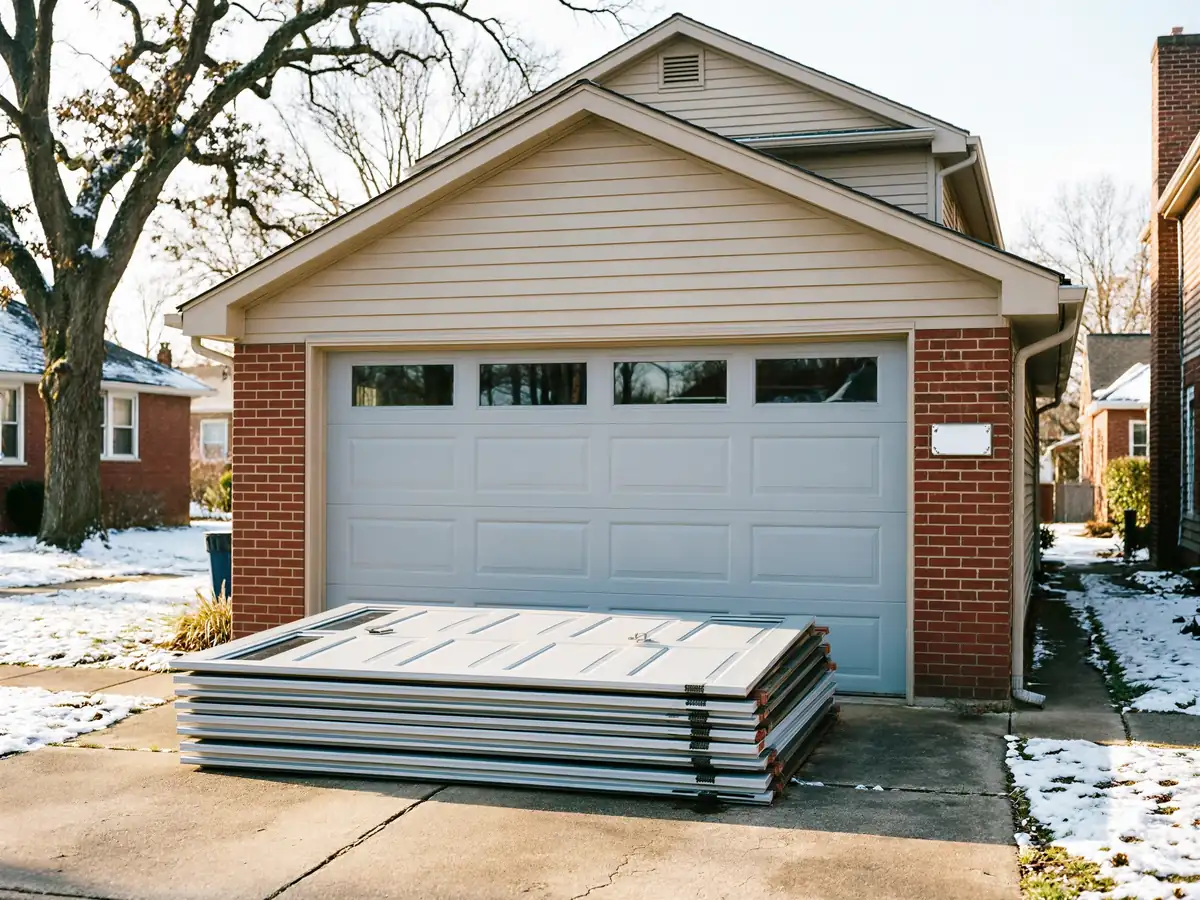
Installation starts with pulling the old door and track off the jamb, checking the opening against the new door's listed rough-in size, and shimming or trimming where the 1970s framing doesn't match a modern standard. We set new track, mount the springs sized to the door's actual weight rather than a generic chart, and balance the door by hand before the opener ever gets connected. If you're adding an opener with a battery backup, given how exposed this area gets to winter power outages, we test it through a full cycle with the power pulled before we call the job done. We don't install without checking the balance first - a door that closes on force instead of on correct spring tension is a door that comes back as a service call within a year.
The DIY Question
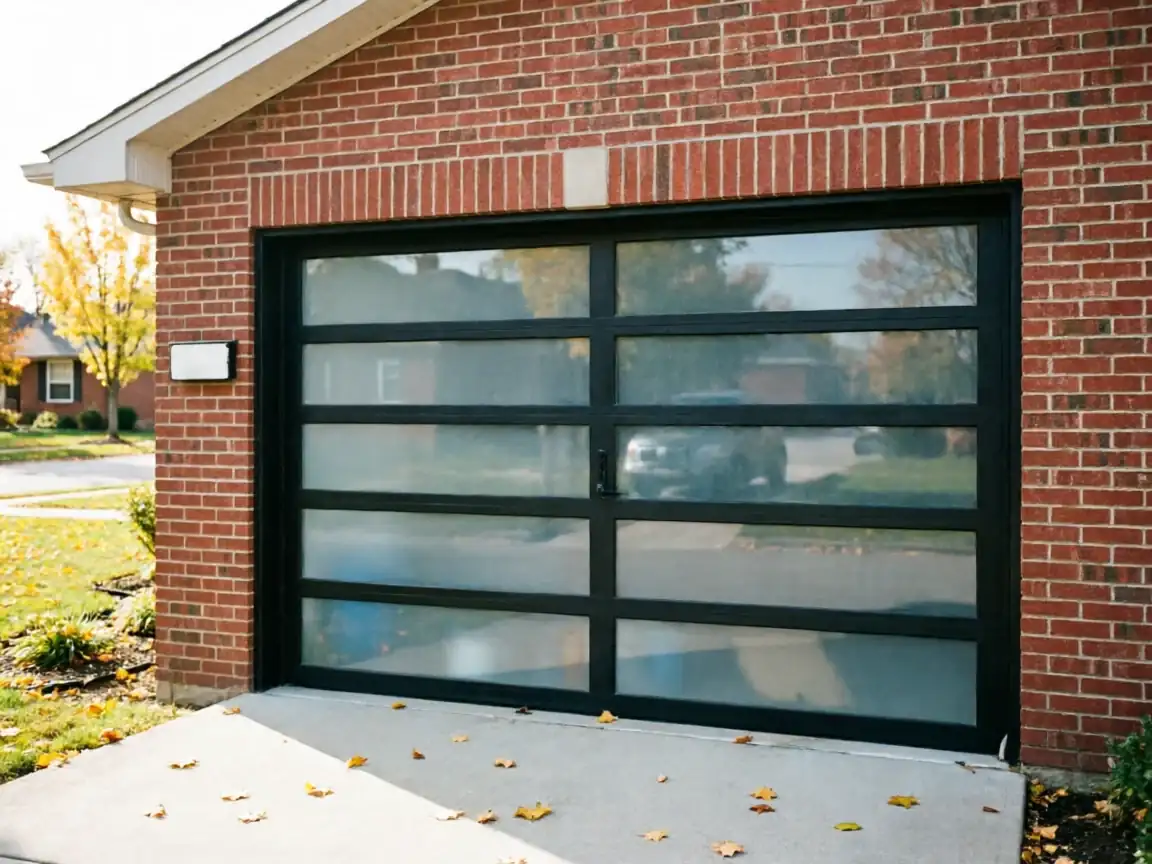
Swapping a garage door yourself is possible if you've done it before and you're not dealing with a nonstandard opening, but on a Bellevue house built around the mid-1970s, the opening size is the thing that trips people up. A door that's off by even half an inch in width binds in the track, and a torsion spring sized wrong for the door's actual weight is a safety problem, not a minor inconvenience - these springs store enough force to cause real injury if they're mismatched or installed under tension without the right bar. If your project is just swapping a decorative panel or a weatherstrip kit, that's a reasonable weekend job. A full door and opener replacement on an older opening is where we'd tell you to call instead of guess.