The Complications
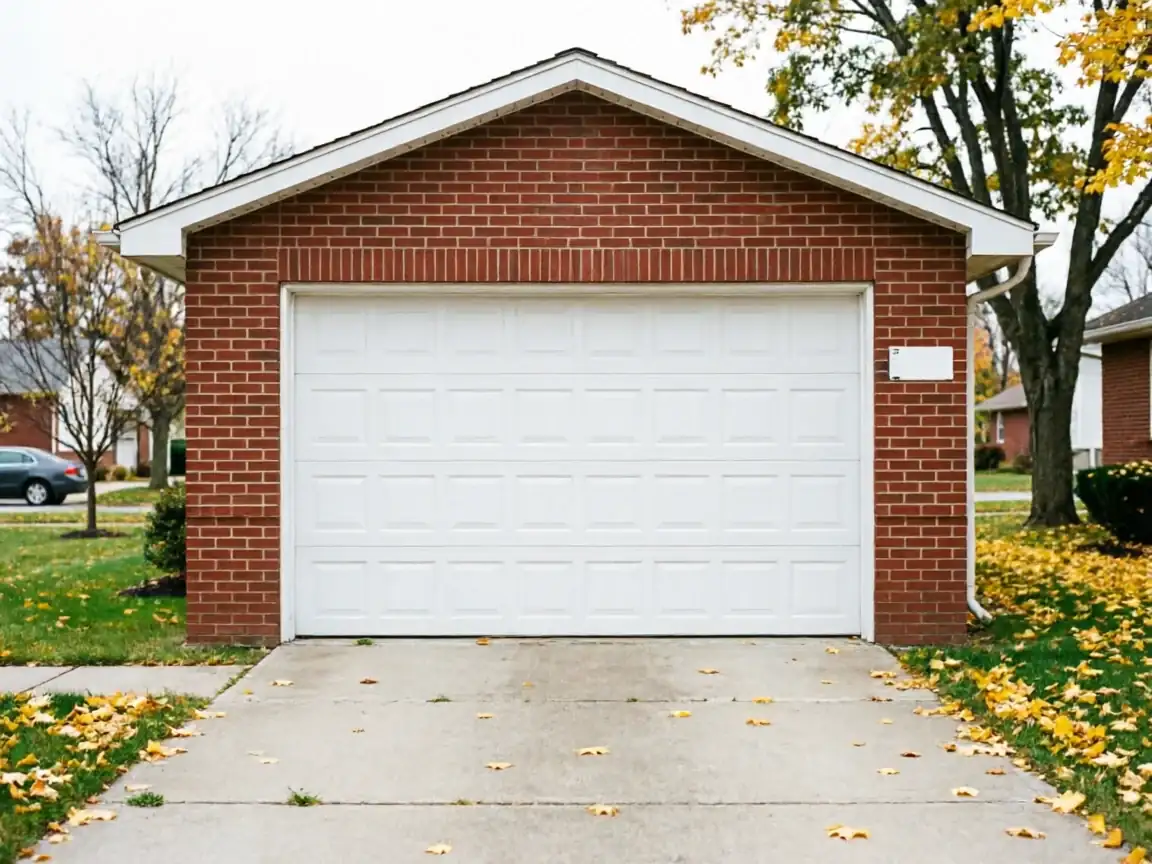
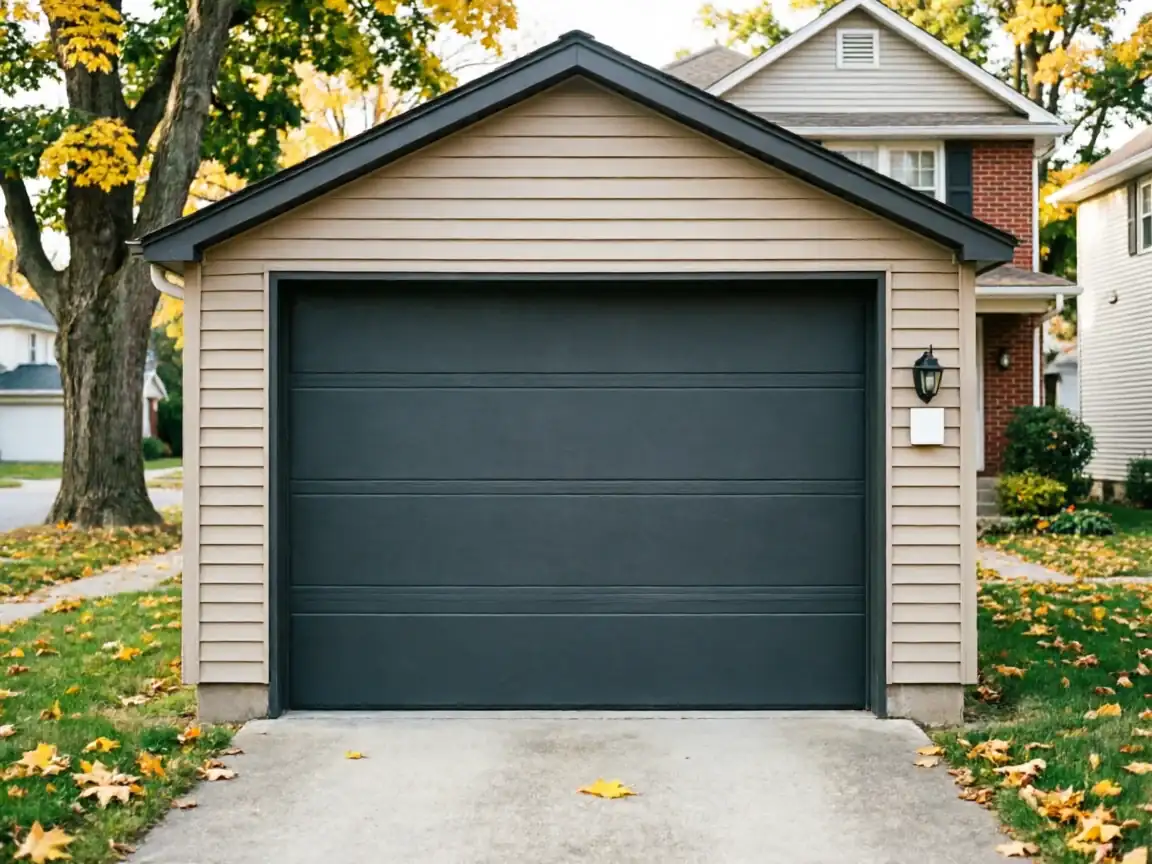
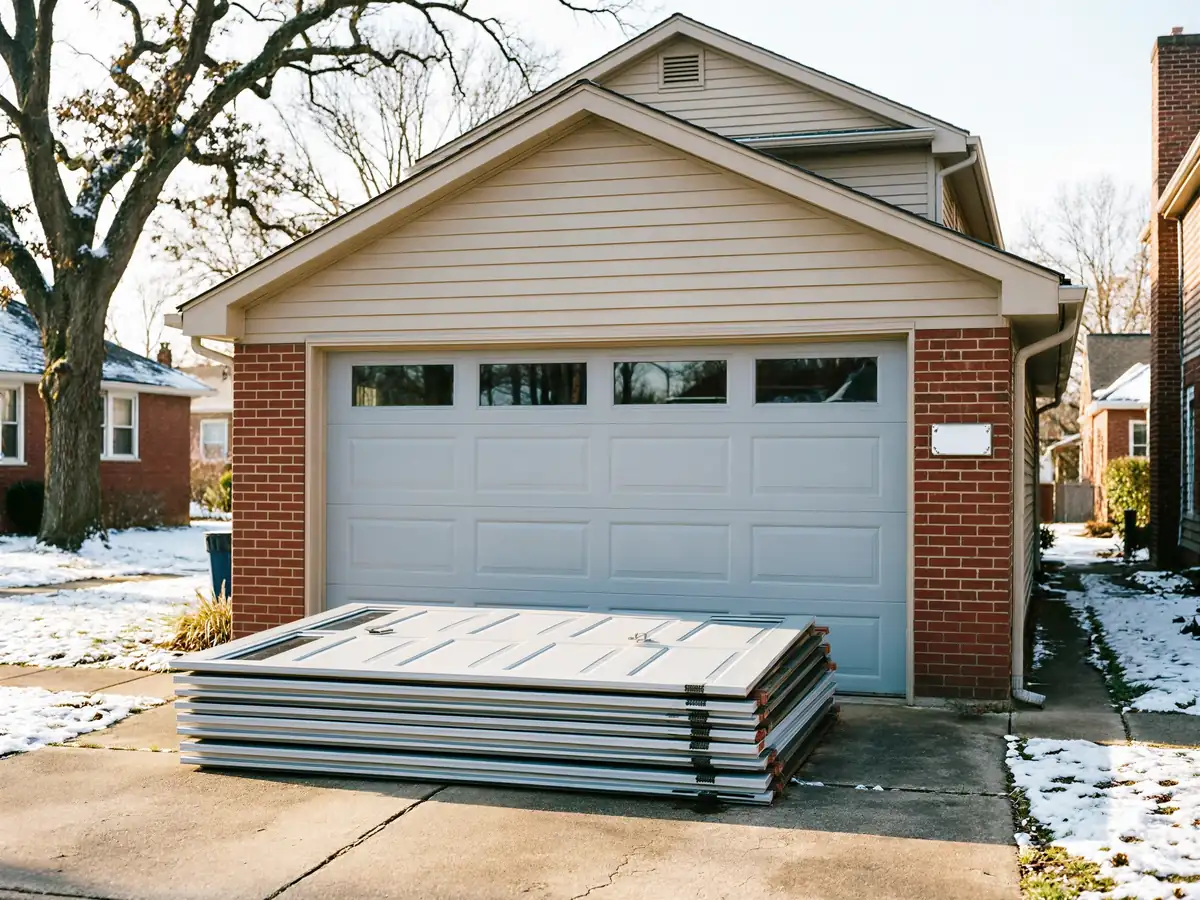
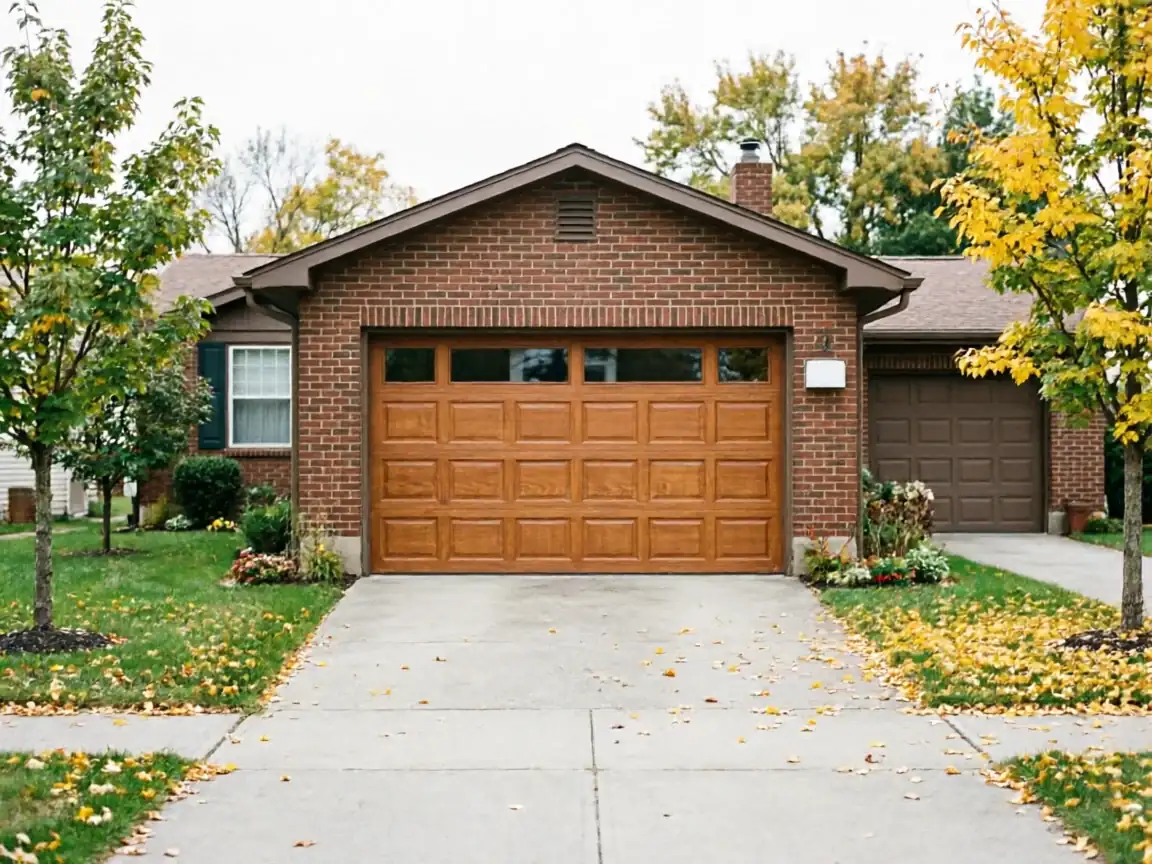
Most houses around Bellevue went up near 1974, which puts a lot of doors and track hardware squarely in the extension-spring, non-insulated era rather than the newer insulated sectional doors you'd find in subdivisions built after 2000. That era of door often runs on hardware that's been replaced once or twice already by whoever owned the house before, sometimes with parts that don't quite match the original spec. Add the cold-moderate winters this part of Illinois gets, and steel tracks and rollers that were fine in October start binding and popping off the rail once temperatures swing hard in January. A door that's 50 years old in its bones, even with newer panels bolted on, doesn't behave like a door installed last year - the opening has settled, the jambs have shifted a little, and that changes how a replacement needs to be squared up.
Stocked Parts
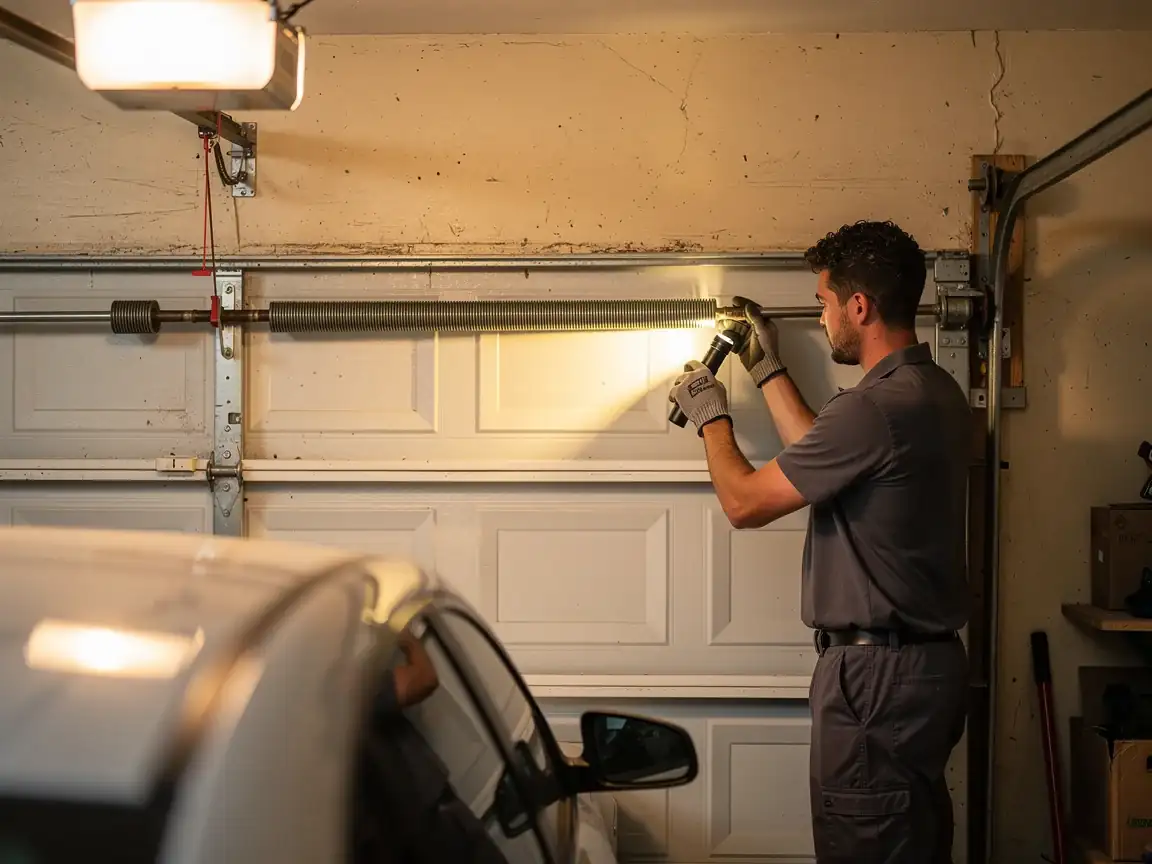
Because the housing stock here clusters around that mid-1970s build date, the parts that fail most often are predictable: extension springs, steel rollers, and the lighter-gauge cable common on doors from that period. Those ride on the truck. What we don't carry standing inventory for are oddball panel sizes or discontinued opener models - if your door is a less common width or an opener brand that stopped making replacement boards years ago, that part gets special-ordered, and that's the honest limitation: we're not going to pretend a part is in stock when it isn't. For the common failures on a 1974-era door, though, there's no reason a repair should turn into a week of waiting.
How We Fix It
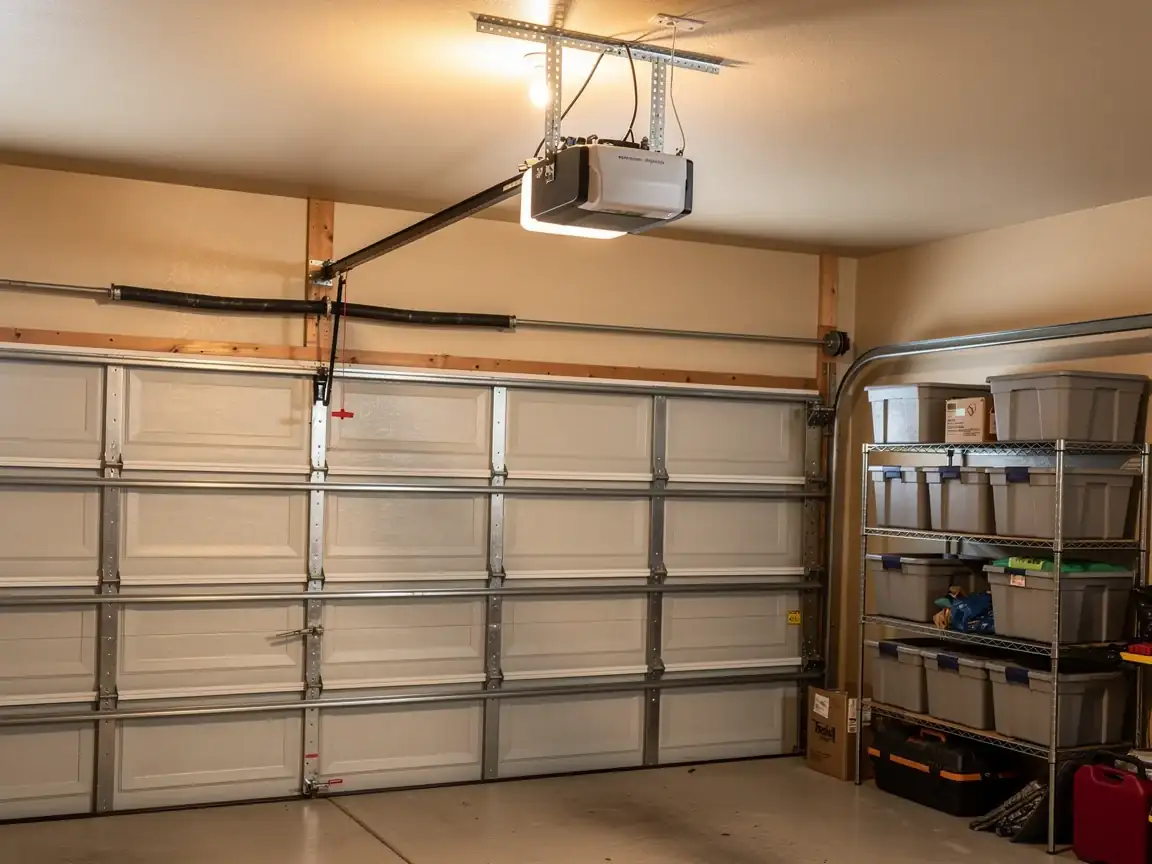
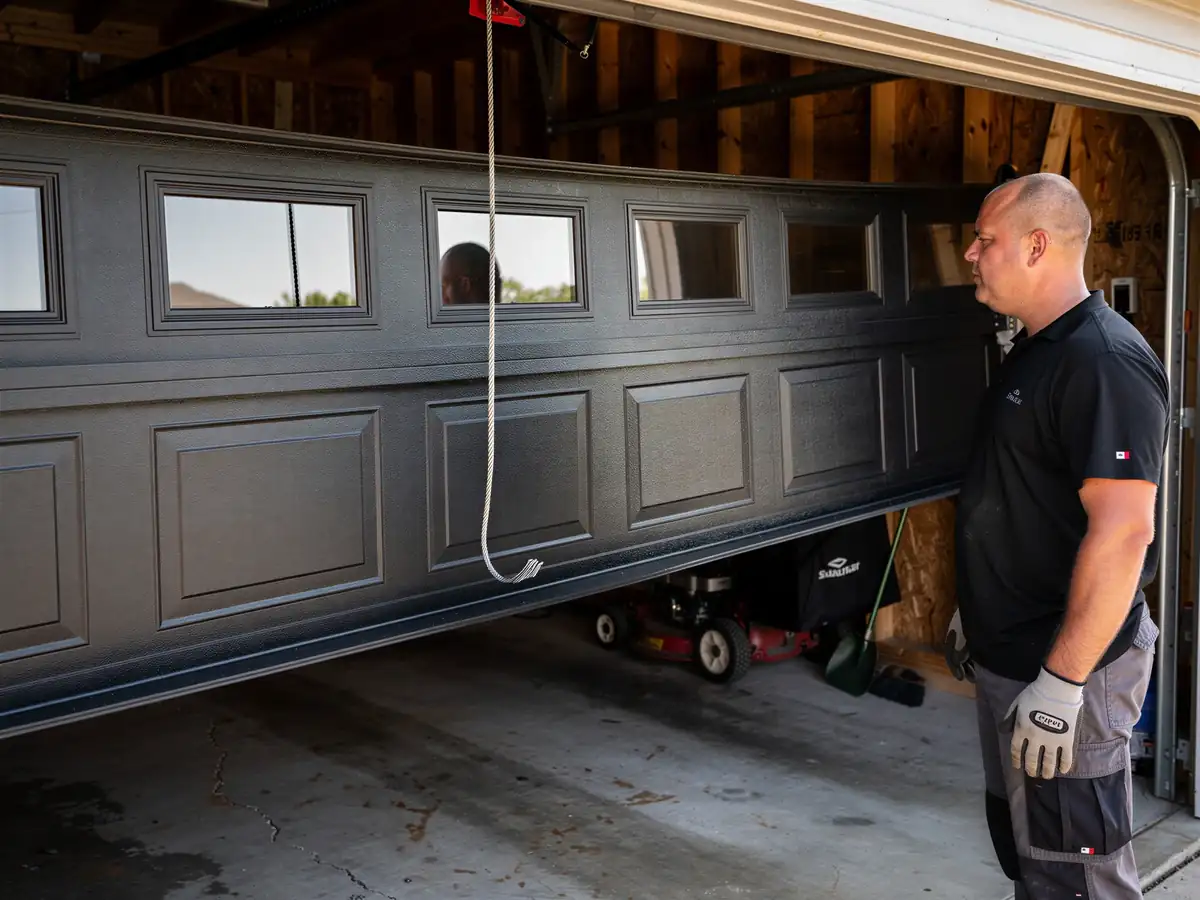
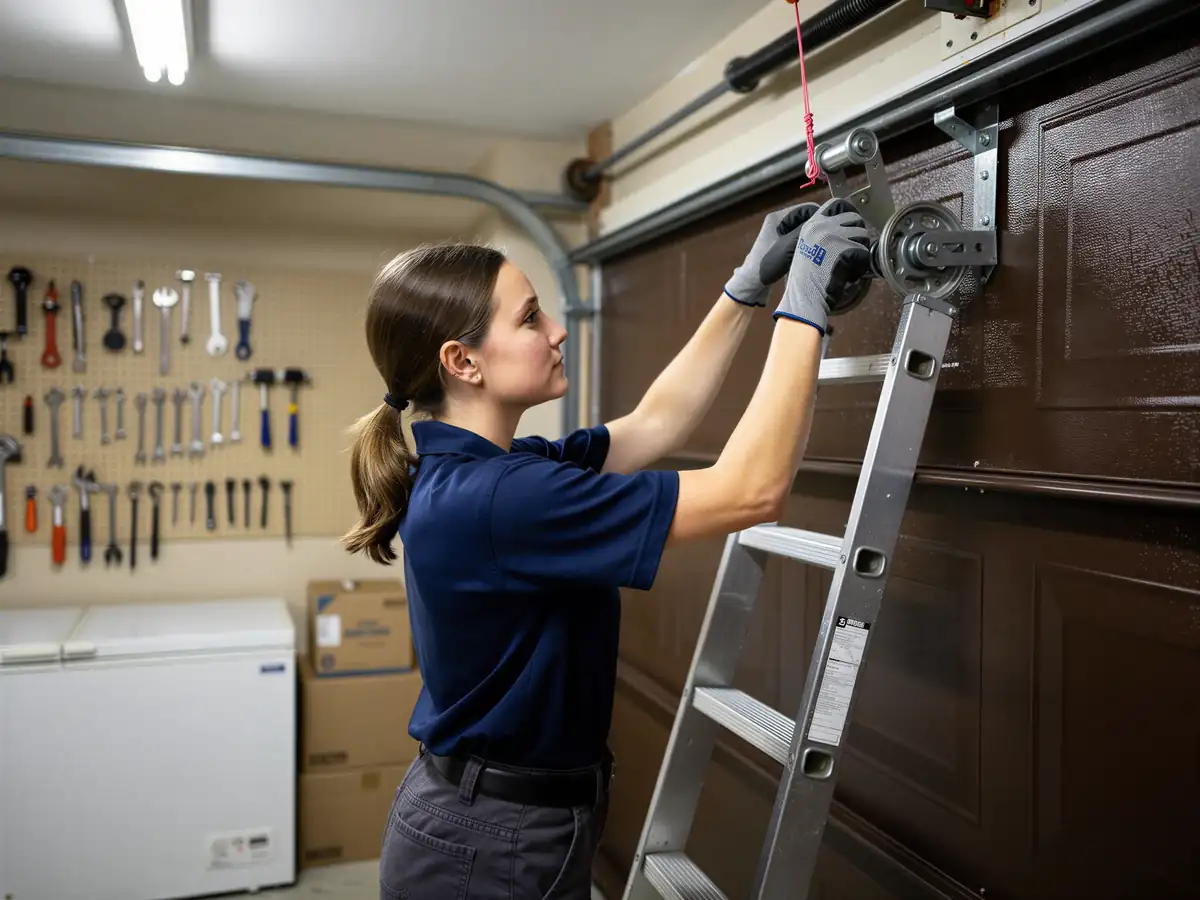
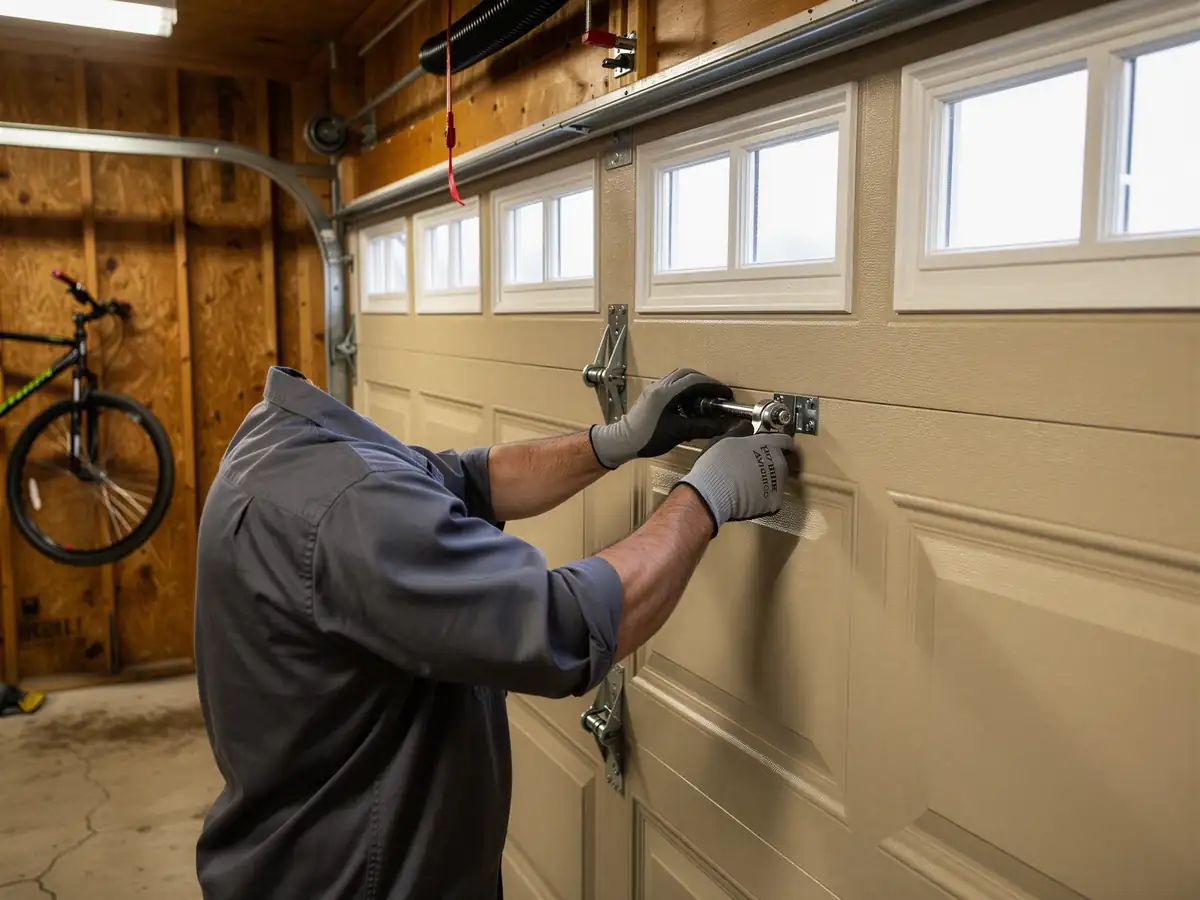
On a spring or cable job, we pull the old hardware, check the drums and the track alignment, and replace with parts rated for the door's weight and size rather than whatever's closest. On the older doors common to this area, that often means swapping extension springs that are original or close to it, which is a different job than working on a newer torsion setup - different safety cables, different mounting. If the track itself is bent or pitted from age, we true it up before putting a new spring under load against bad hardware, since that's the fastest way to burn out a brand-new part. We'll walk through what we're replacing and why before we do it, not after.
The DIY Question
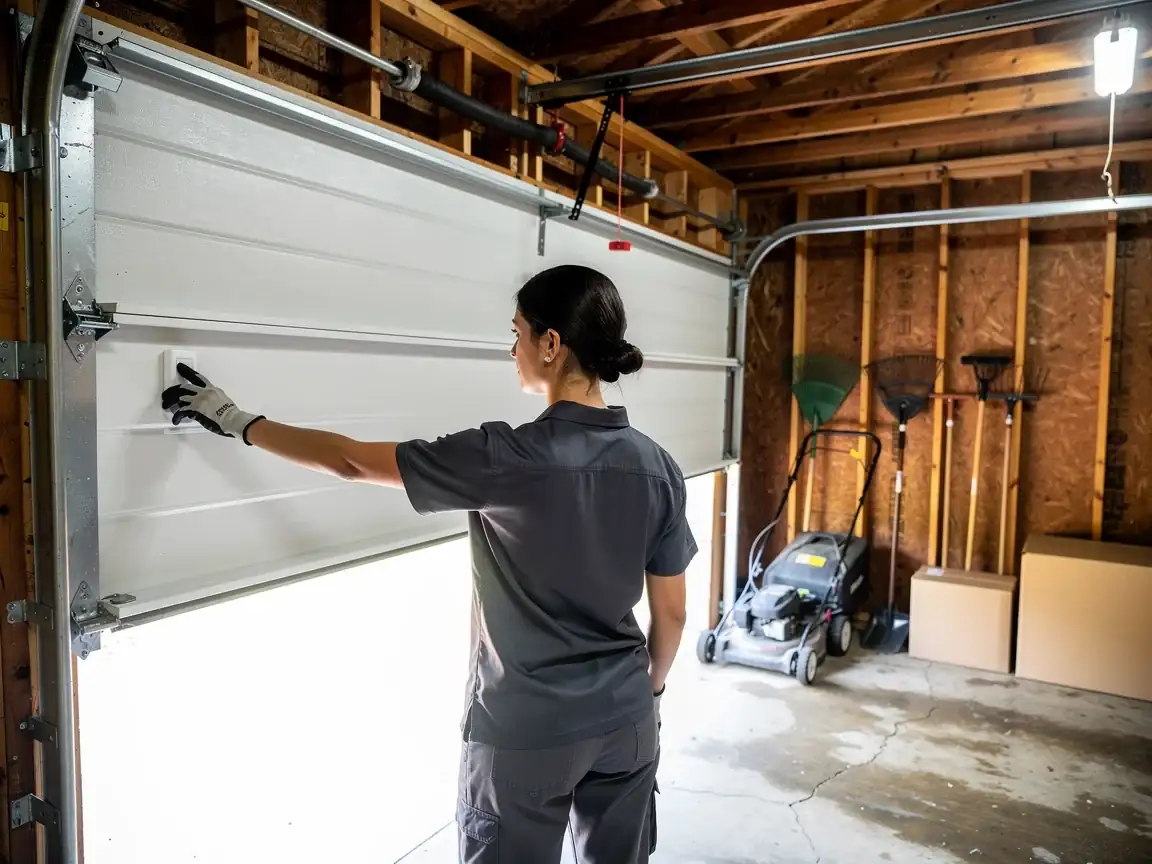
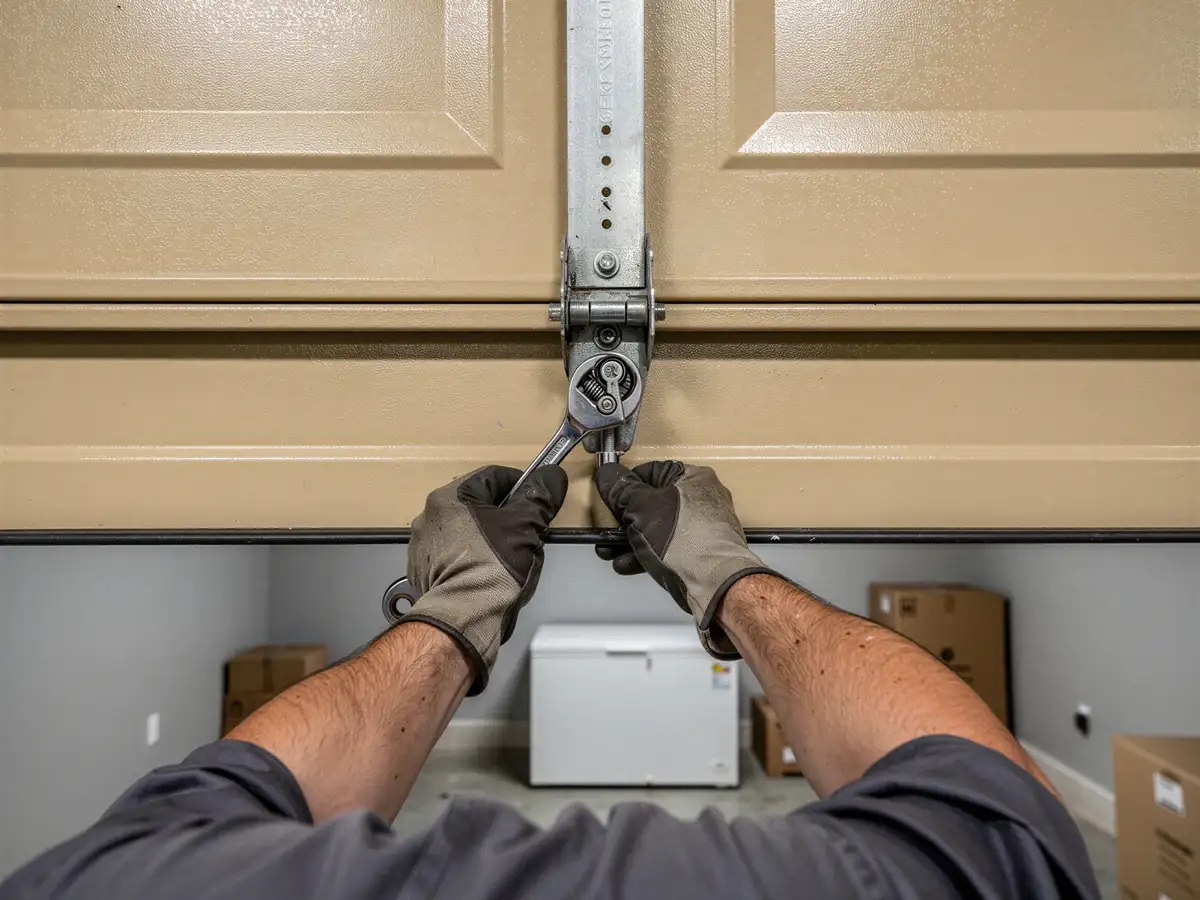
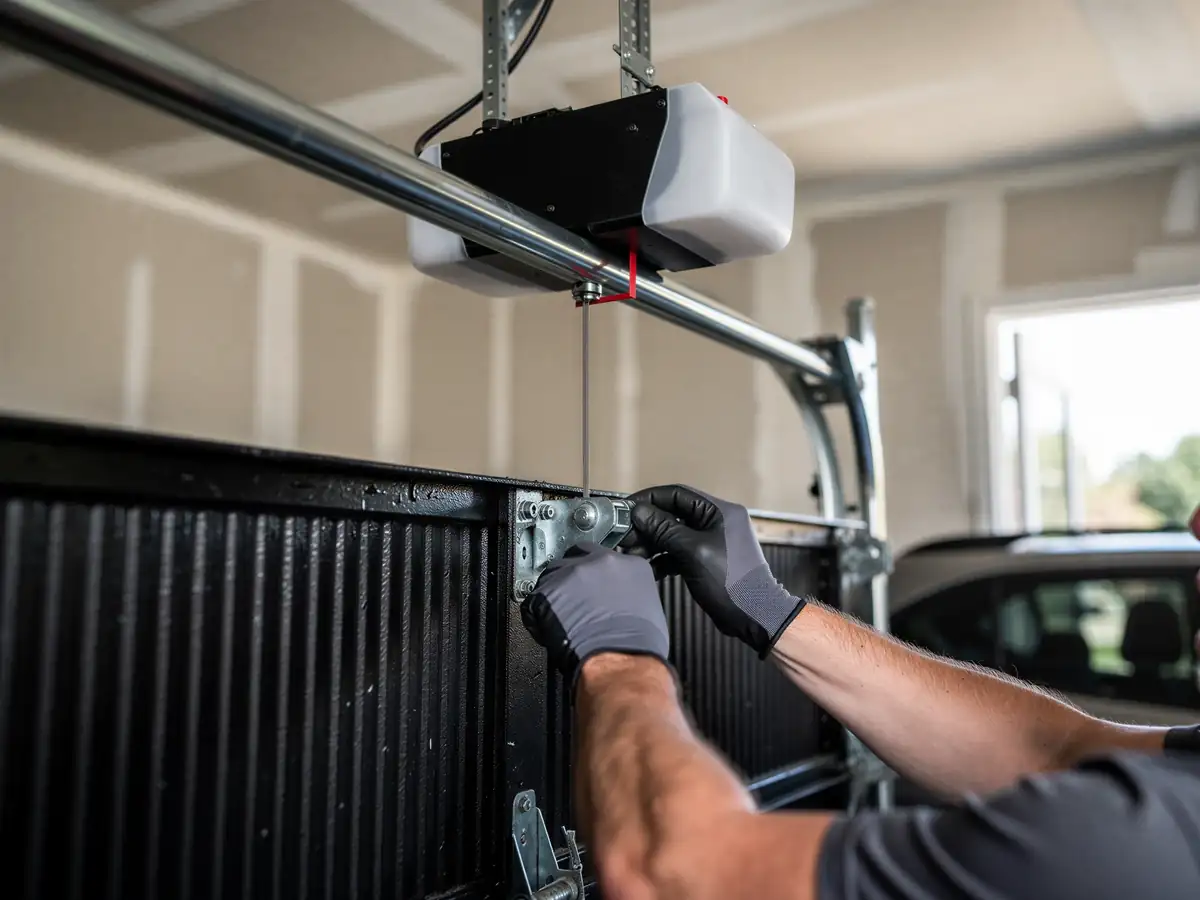
Springs and cables under tension are not a weekend project - that's not a sales line, it's physics, and it's the one thing we won't talk anyone into attempting with a 1974-era extension spring system that may not match current safety standards. Lubricating hinges, tightening loose bolts on the track, or testing the auto-reverse sensor are fine to handle yourself. Replacing a spring, realigning a bent track, or opening an opener's gearbox is where the math on a trip from Peoria starts making sense, especially on an older door where the hardware isn't a simple like-for-like swap.