Getting It Booked In
Creve Coeur is a small town
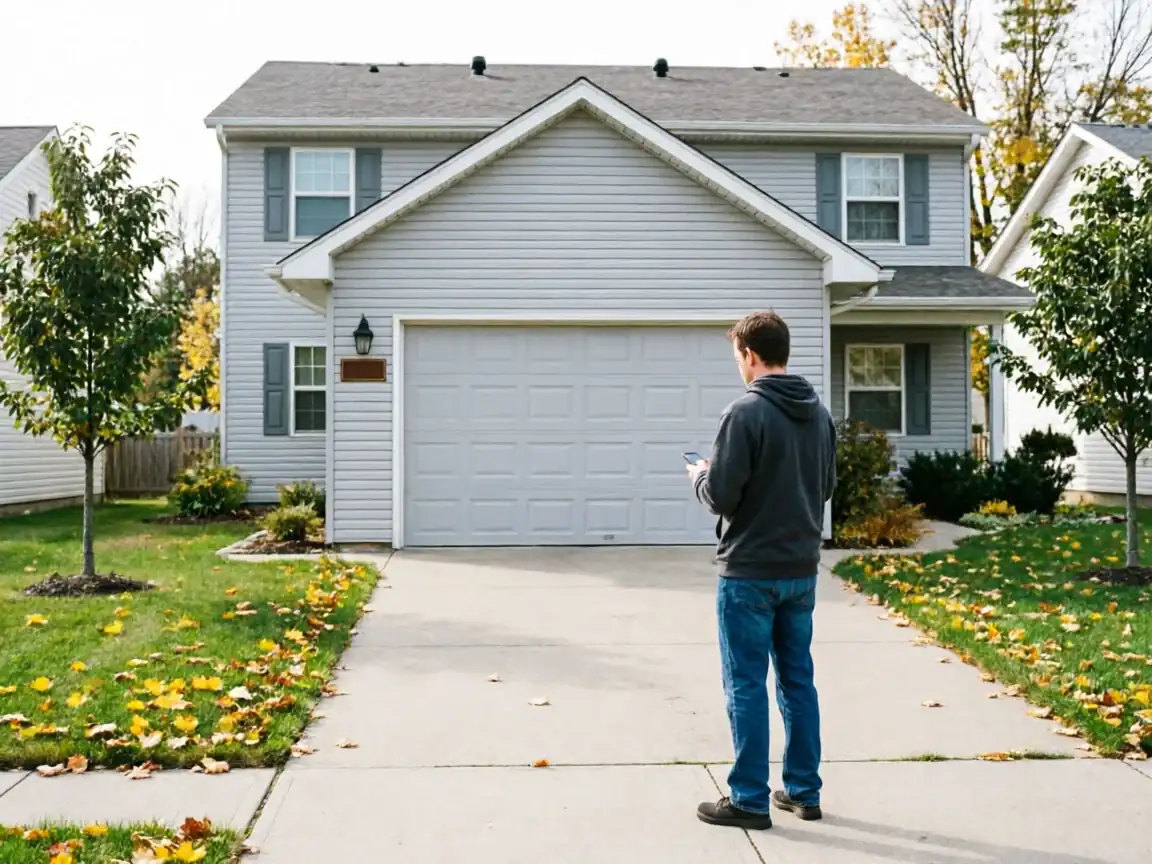
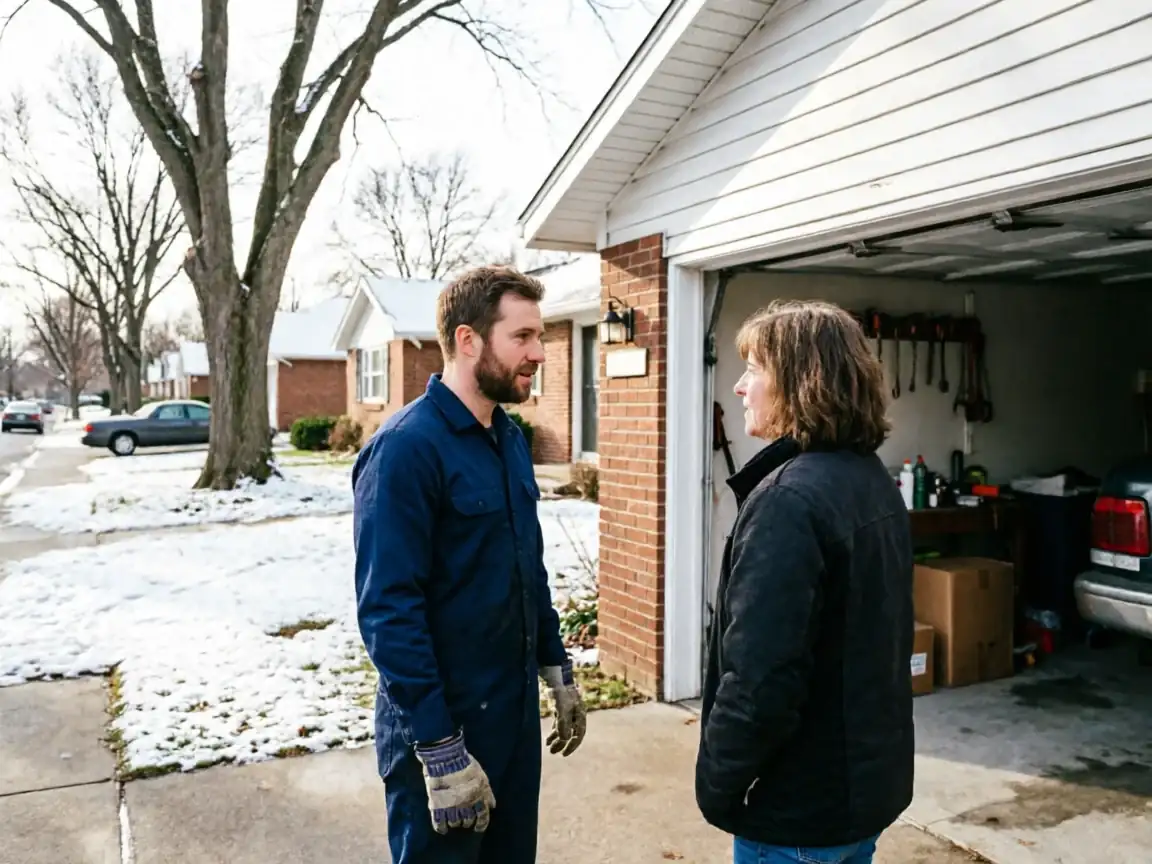
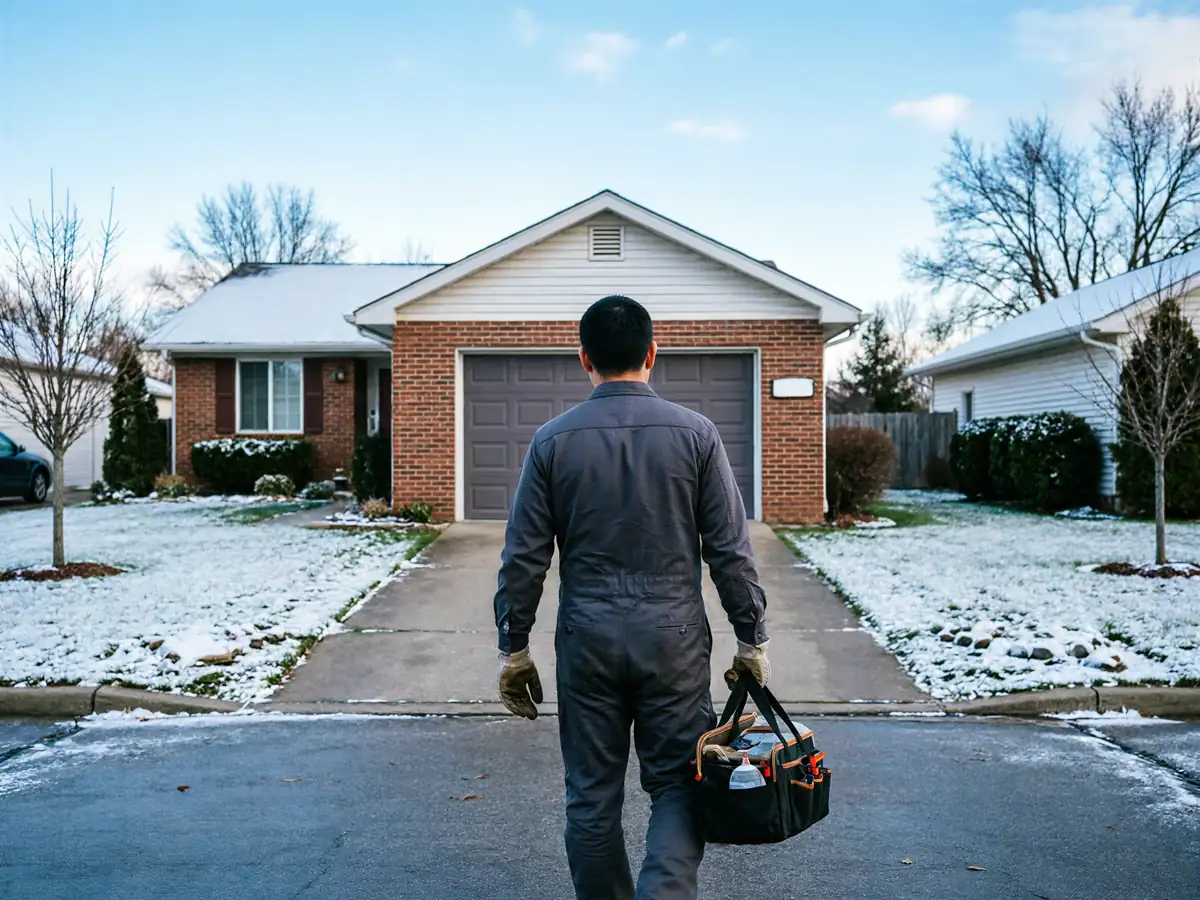
Roughly 2,242 households, not a sprawling suburb - which means the garage door work here tends to cluster around a handful of builds rather than dozens of different developments. We come out from Peoria, about 8 miles away, so there's no local branch sitting in town waiting on a call. What that means in practice: you call, we figure out what's wrong with the door over the phone as best we can (stuck, off track, won't close, spring snapped), and we get a truck routed your way. We don't pad the estimate with a dispatch fee built around guesswork - we ask what you're seeing and hearing from the door before anyone drives out.
- 2,242 households
- 8 miles
Because the town is compact, most of the repair calls we get from this area involve the same era of hardware
Which actually helps - our guy knows roughly what he's walking into before he unloads the truck. That's different from a newer subdivision where every third house has a different builder-grade opener from a different decade.
What It Costs
We're not going to quote a number here that isn't grounded in your actual door, and we don't have a published Creve Coeur price list separate from the rest of the area we cover out of Peoria. What we can tell you: the median household income in this part of the service area is $49,853, noticeably below the wider area's $71,763, and that's part of why we try to be straight about what's a real repair versus what's a "replace the whole door" situation before we start work. A seized torsion spring on an original door from the 1950s often costs less to fix than people expect, because the fix is the spring and maybe the drum, not the whole unit.
Where cost jumps is when the track or the panel is bent badly enough that true-up isn't realistic, or when the opener is original and parts for it haven't been made in decades. We'll tell you flat out when a repair isn't worth chasing.
How Long You Are Without the Door
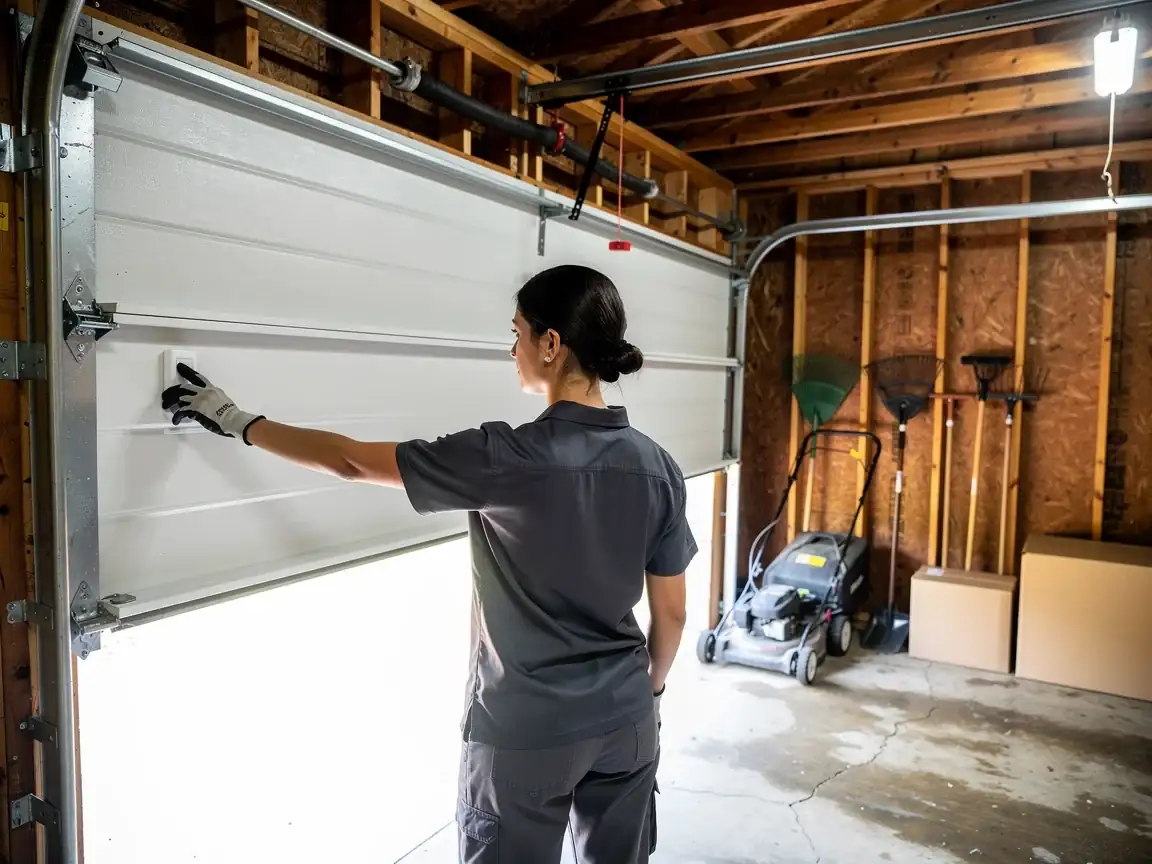
Most single-cause failures - a broken cable, a snapped torsion spring, a roller that's jumped the track - get fixed in one visit once the truck is on site. The open question is always parts. On a door built around 1954, which is close to the median age of housing in Creve Coeur, you can run into hardware sizes and spring winds that aren't sitting on every truck. If what's on hand covers it, the door closes again the same day. If it doesn't, we're ordering a part, and that can mean waiting.
We'd rather tell you that up front than promise a same-day fix and miss it. A door that won't close is a security problem, not just an inconvenience, so if the fix is going to take longer than a day we'll talk through a way to secure the opening in the meantime.
Why This Fails Locally
Creve Coeur's housing centers on 1954
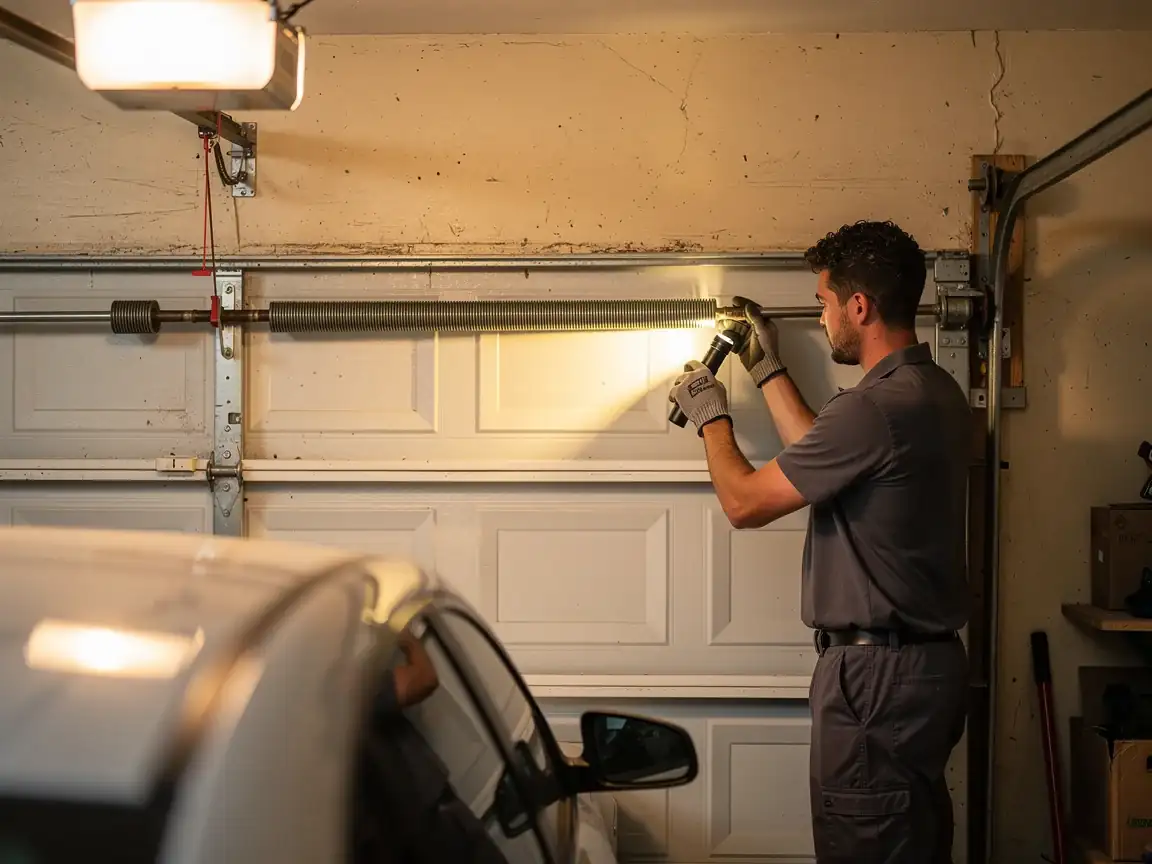
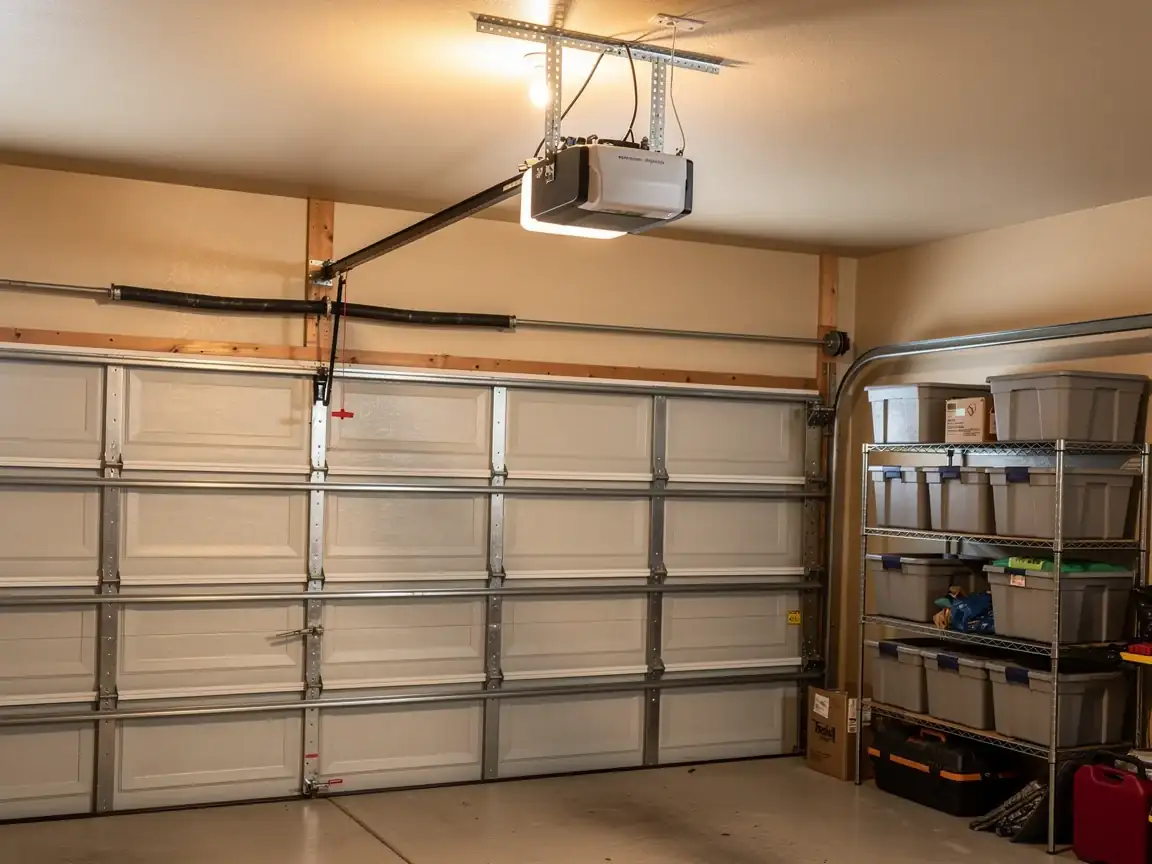
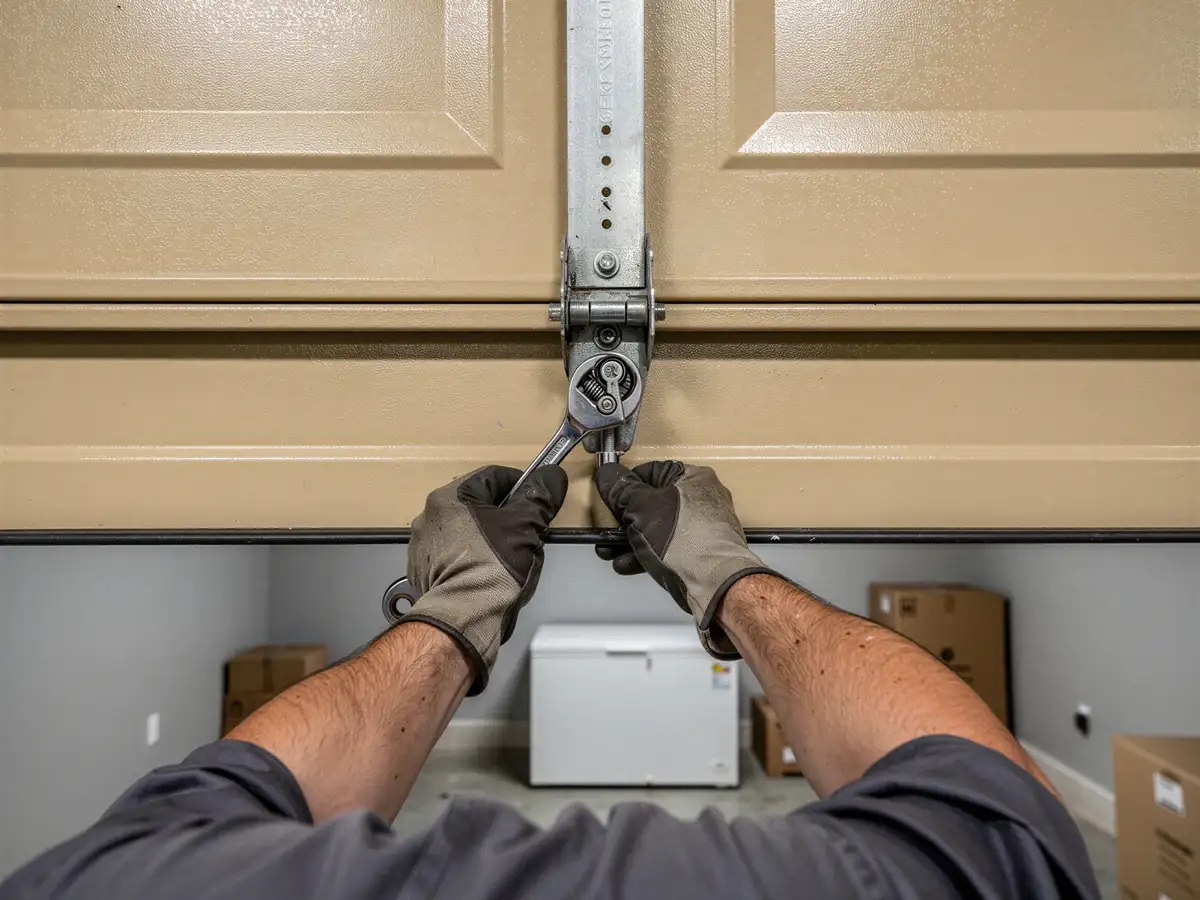
Which puts a lot of doors here a decade or two ahead of the broader area's 1964 median. That gap matters more than it sounds like it should. Doors from this era were often installed with side-mounted torsion springs rather than the center-mounted setups that became standard later, and the drums, cones, and cable routing from that period don't always match what a modern torsion kit assumes. A tech who shows up expecting a 1970s-standard door and finds 1950s hardware underneath a decade's worth of retrofits can misdiagnose the actual point of failure.
Cold-climate swings add a second layer
Steel contracts in winter, and on a door this old the panel seams, the weatherstrip channel, and the track alignment have usually been nudged out of true more than once already. A spring that's been quietly weakening for years tends to let go on the first hard cold snap, not gradually.
Stocked Parts
Because the housing stock in this part of the service area is older than average, we carry the torsion springs, drums, and cable sizes that match 1950s-60s installs, not just the parts that fit a 1990s or 2000s door. That's a direct result of covering towns like Creve Coeur where the median build year sits well before the area-wide 1964 figure - if we only stocked for the newer stuff, every other call out here would turn into a parts-order delay.
What we don't carry on the truck is anything proprietary to a specific opener brand's original 1950s or 60s drive unit - those motors are long out of production, and if yours is still the original, replacement is usually the honest answer rather than a repair.
The Complications
The biggest complication on an older Creve Coeur door isn't the spring or the cable - it's finding out those parts were already replaced once with mismatched hardware by a previous owner or a past repair. A door from 1954 that's had one or two repairs over 70 years can end up with a torsion spring rated for a different door weight, or a track bent slightly and never fully corrected. That kind of thing doesn't show up until the tech is standing in front of it.
Cold weather is the other complication. In a moderate-cold climate like this one, a weak spring or a dry roller that's been fine all summer can fail the first morning it drops hard overnight, because cold steel is less forgiving of wear that's already there. We can't predict exactly when that happens - we can only tell you it's more likely in winter than in July.