Getting It Booked In
Most of the calls we get out of Creve Coeur start the same way
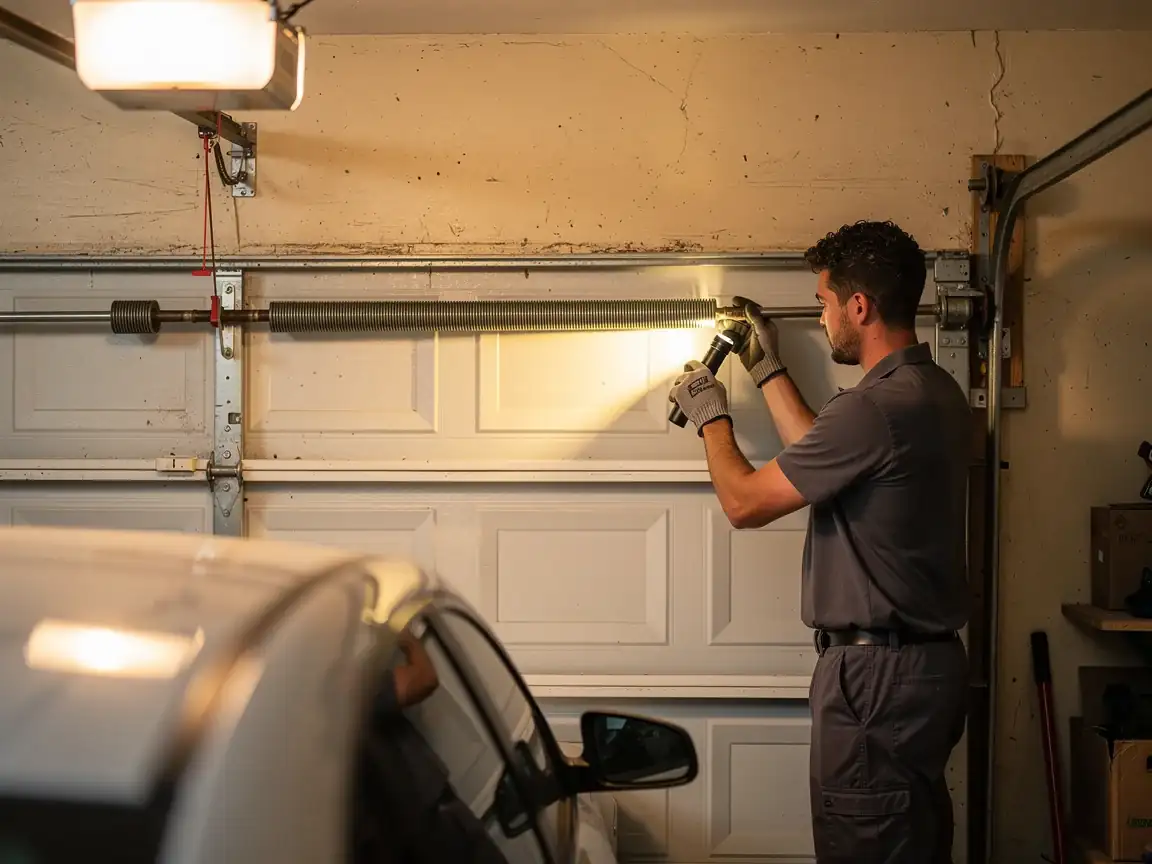
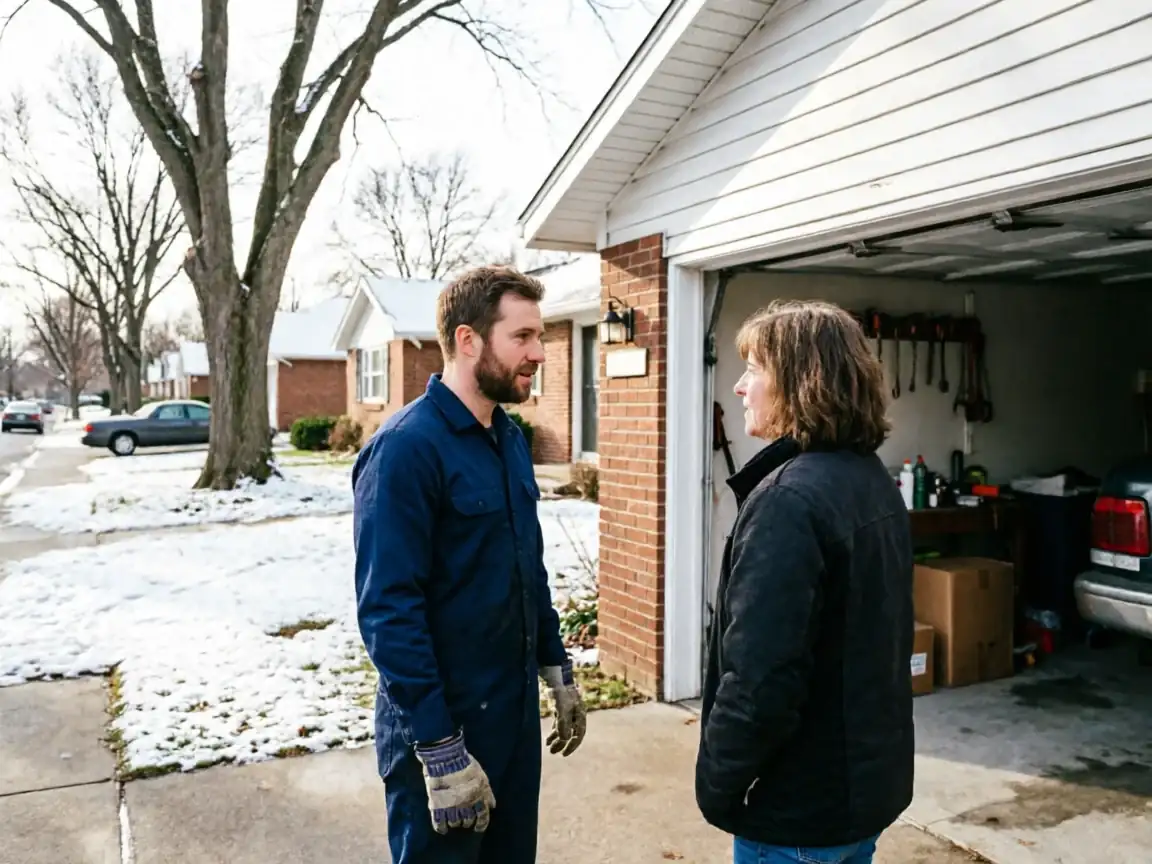
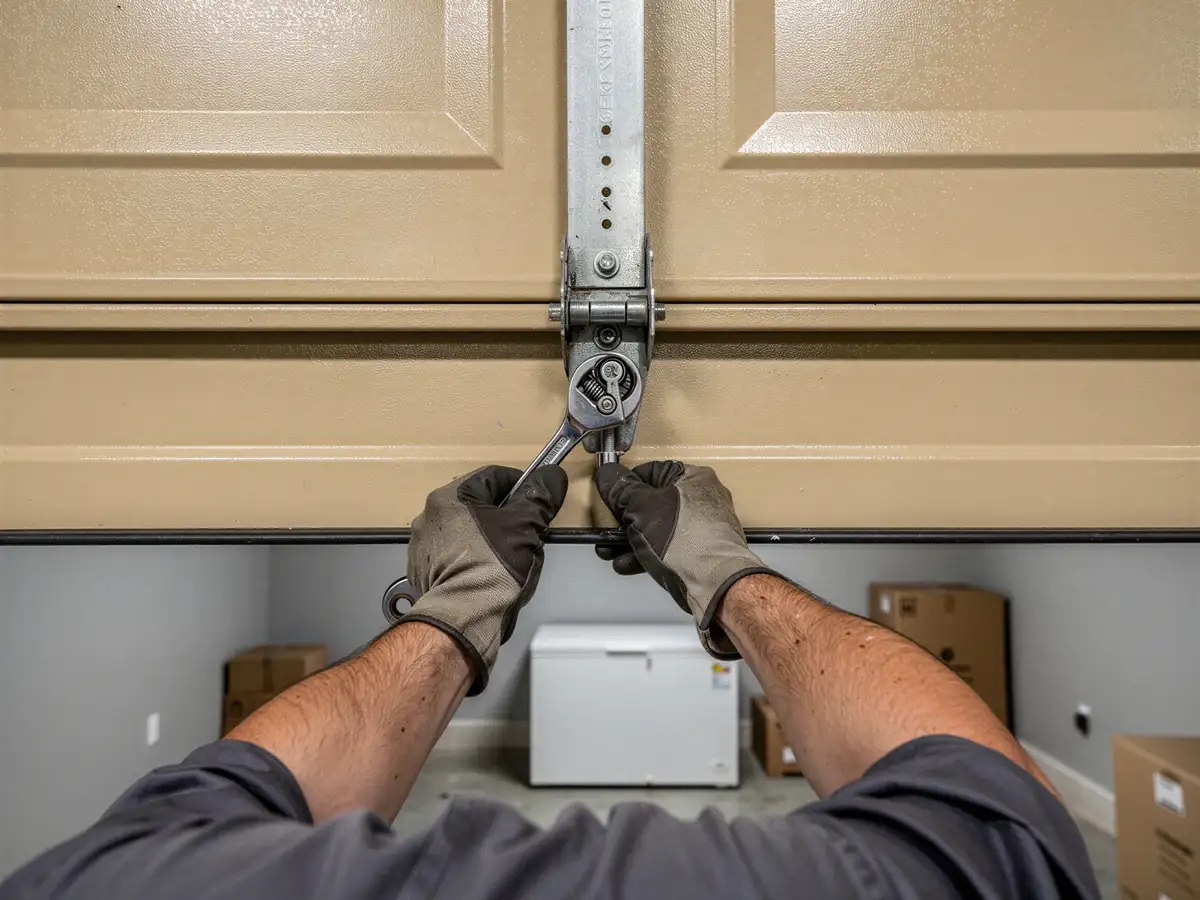
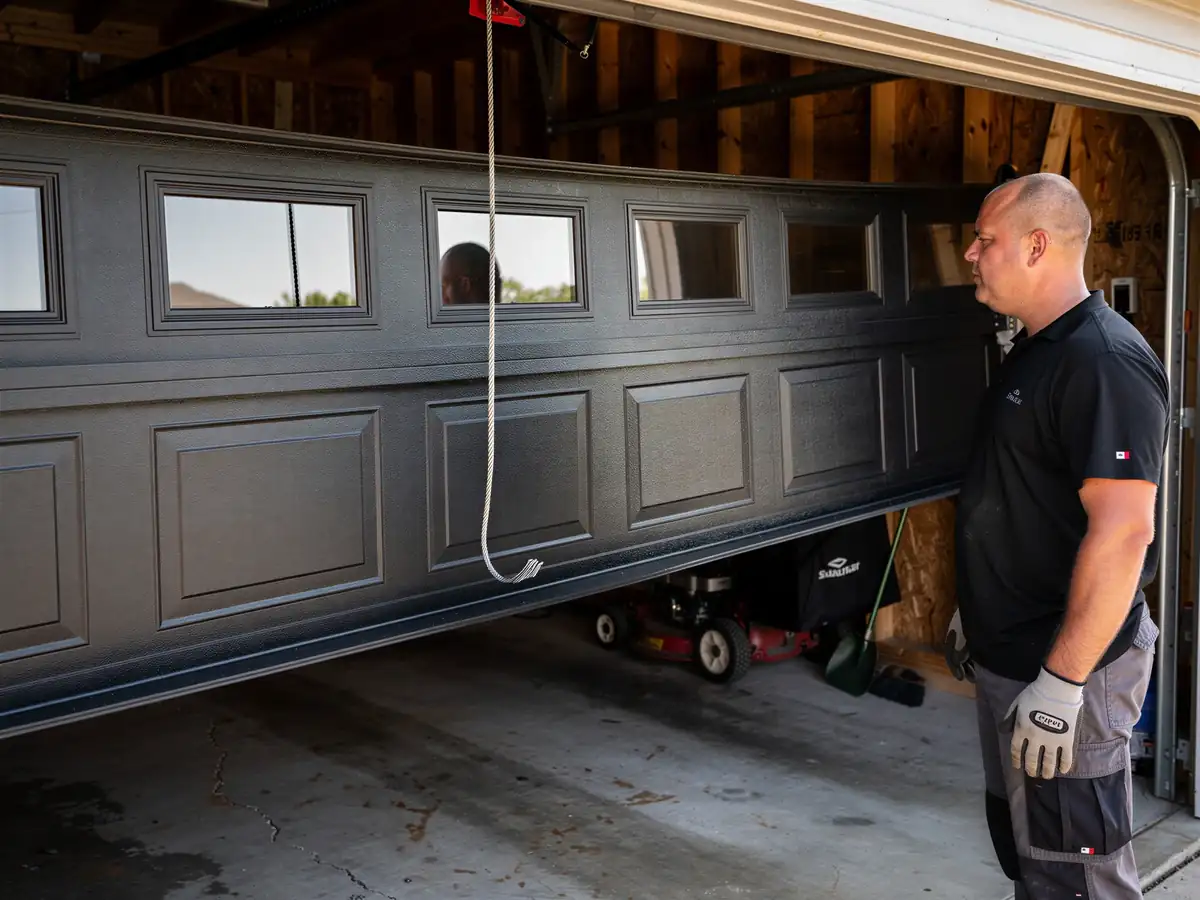
A cable has jumped the drum, or one side of the door is hanging a few inches lower than the other because a cable snapped at the bottom bracket. We work this job from our Peoria base, about 8 miles out, so when you call we're scheduling a drive, not dispatching someone around the corner. Tell us what you're seeing on the phone - a door that won't lift square, a cable curled up loose by the track, or a door that dropped hard and is sitting crooked in the opening. That lets us bring the right drum and cable length instead of guessing once we're on site.
- 8 miles
Creve Coeur's housing stock, much of it going up in the early 1950s
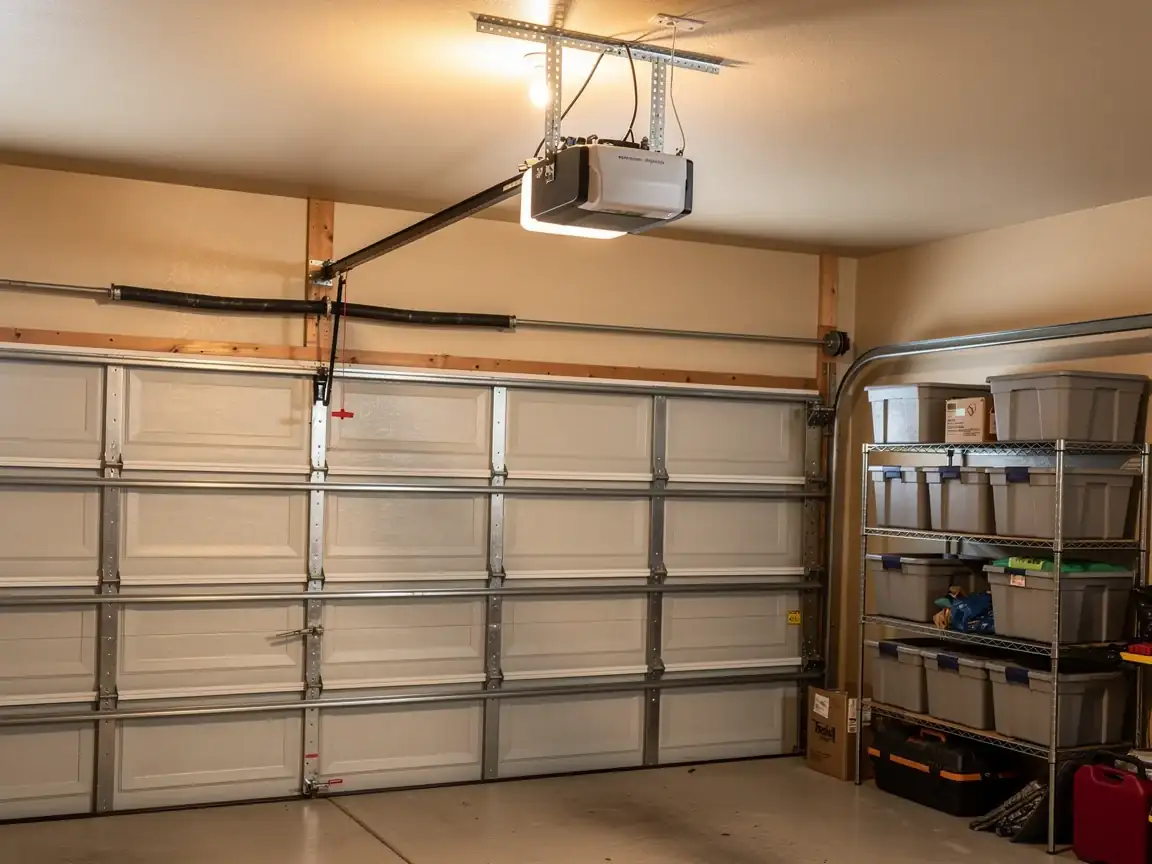
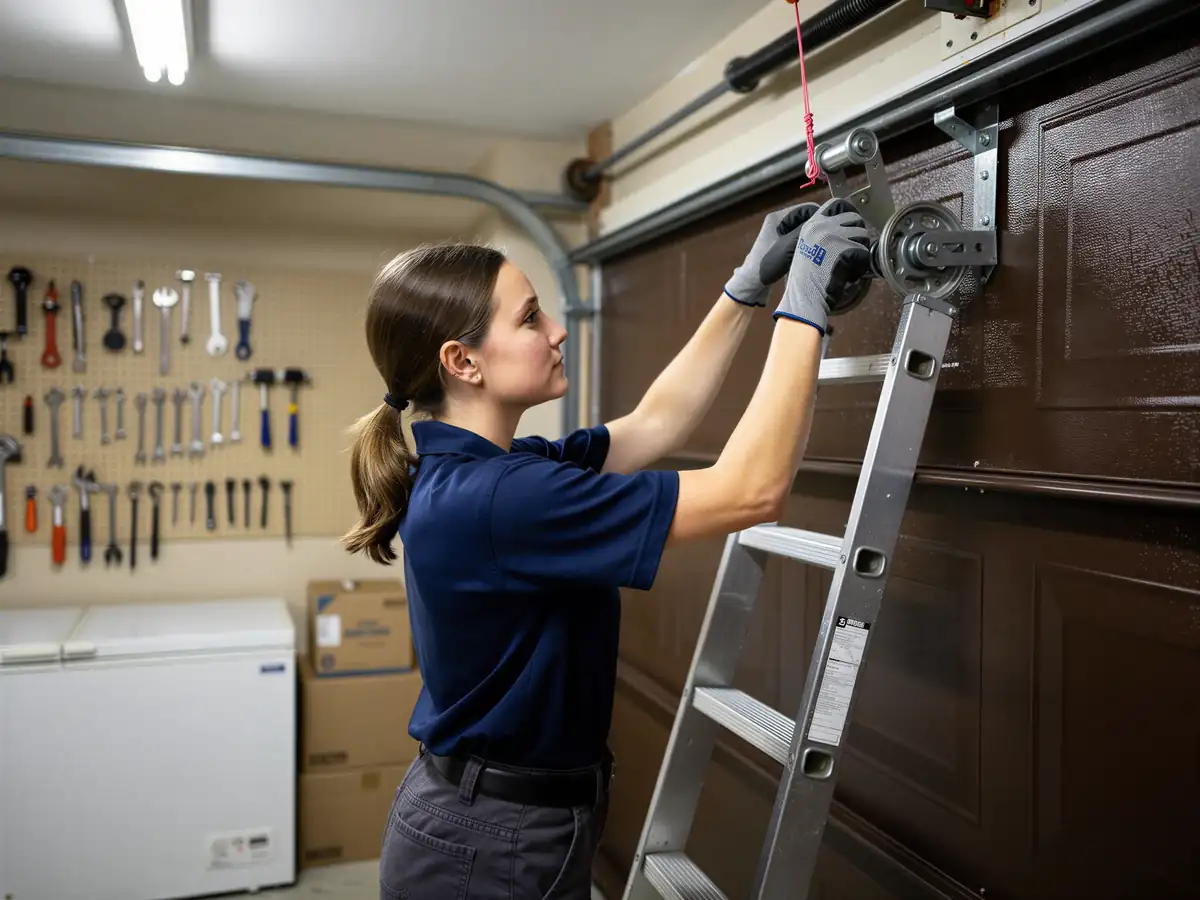
Still carries a fair number of extension spring setups with cable-and-pulley systems rather than the torsion drums you'd find on newer builds. That distinction matters before we even leave the shop, because the fix and the parts are different.
What It Costs
We don't have a fixed number to quote you here without knowing which system your door runs. A simple cable replacement on a standard extension-spring door costs less than a job where the drum is scored, the bottom bracket is bent, or the pulley wheel has cracked and needs swapping too - and on 1950s doors we often find more than one of those at once. We'll give you a real number after we look at the door, not a phone estimate that changes once the panel's open. What we can tell you is that waiting rarely saves money: a frayed cable that finally lets go can drop a door hard enough to bend the track or crack a bottom panel, which turns a cable job into a bigger one.
How Long You Are Without the Door
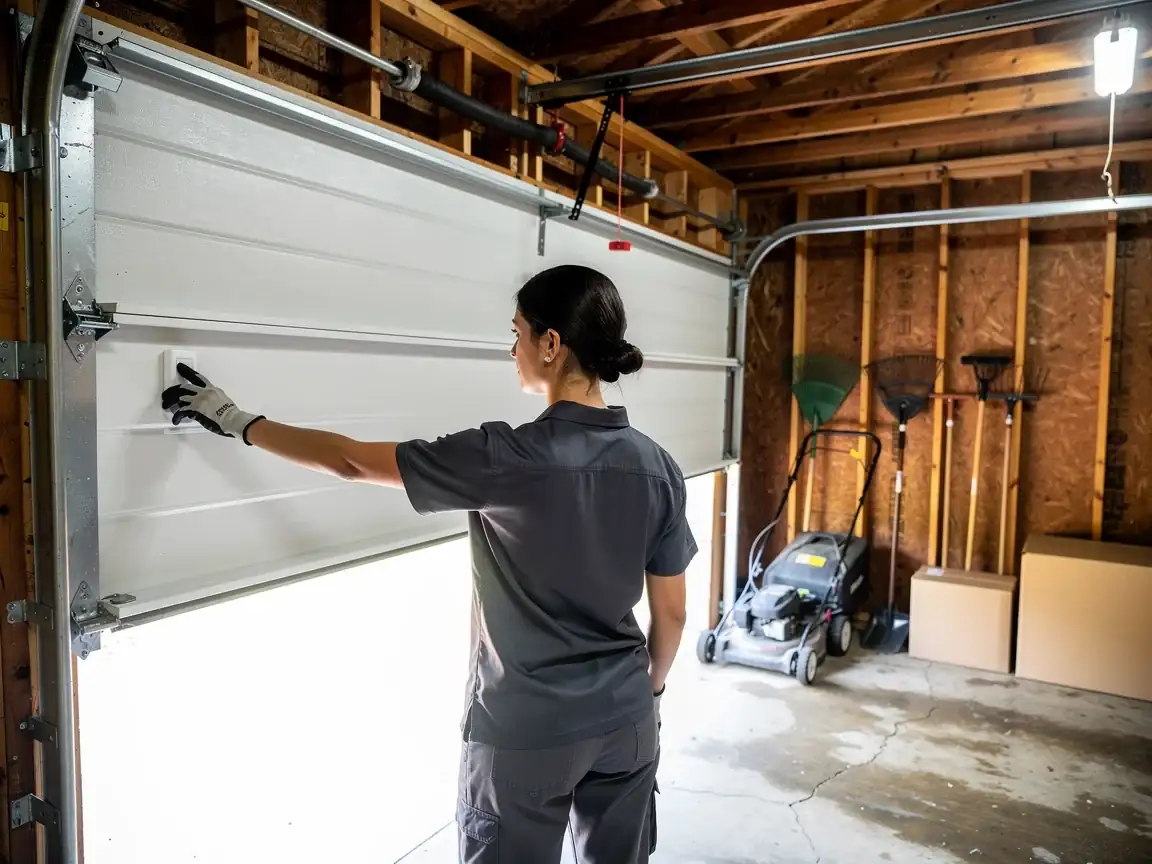
A straight cable swap on a door that's otherwise in decent shape is usually a same-visit fix once we're there with the right length and drum. What stretches it out is what's hiding behind the cable - on a house built around 1954, we've found drums worn oval from decades of use, galvanized cable that's rusted stiff inside the coil, or a pulley bracket that's pulled loose from old wood framing. None of that shows up until the door's open and the old cable's off. If we hit one of those, we'll tell you on the spot rather than finishing a repair we know won't hold.
Why This Fails Locally
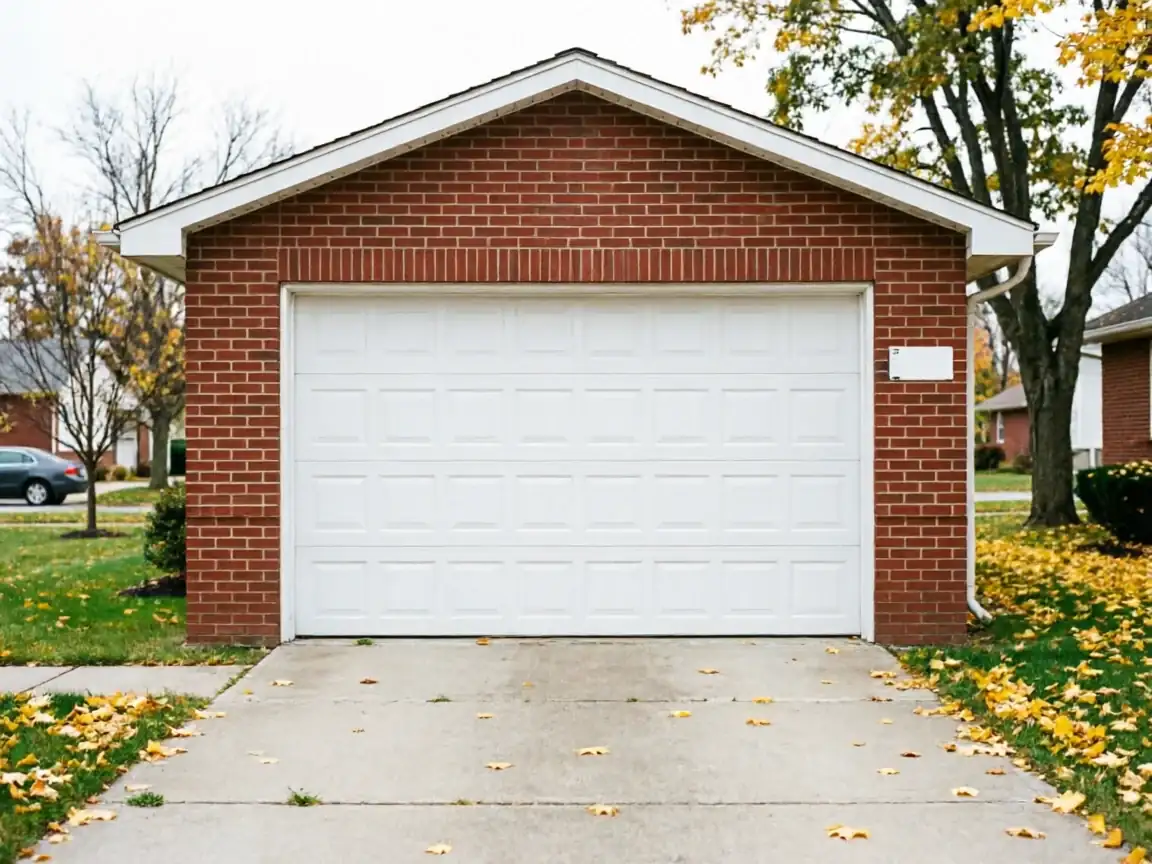
Creve Coeur's housing dates mostly to the 1950s
With a median build year of 1954 - a generation before torsion springs became the standard setup on new garage doors. That means a lot of doors here still run extension springs over pulleys, with cables doing double duty holding tension and guiding the door through its travel. Those cables ride over small pulley wheels for years, and the constant friction frays the strands long before the cable looks obviously bad from the garage floor.
Add the cold-climate swings this area gets
And galvanized cable that's already thinning from wear starts rusting from the inside of the coil outward, which you can't see until it's already let go. This isn't a Creve Coeur-specific defect - it's what happens to a cable-and-pulley door design after 65-plus years of regular use in a climate that freezes and thaws.
Stocked Parts
We carry standard-gauge cable and common drum sizes on the truck for the extension-spring setups that are typical on doors from this era, so most cable jobs don't need a second trip. Pulley wheels and brackets are also common stock items since they wear alongside the cable on the same system. Where we sometimes have to order in is an older or oversized door panel with a bracket pattern that doesn't match anything current - that's less about the cable itself and more about finding hardware that fits a door nobody's made in decades.
The Complications
The complication we see most in Creve Coeur isn't the cable - it's what the cable was attached to. On a door built in the 1950s, the wood jamb the pulley bracket is screwed into has usually taken 65-plus years of seasonal swelling and drying, and the screws can be stripped or the wood soft enough that a new bracket won't hold tight even with a fresh cable installed. If we find that, we'll tell you plainly: a cable repair won't fix a jamb problem, and running new cable into a loose bracket just sets up the next failure. Sometimes the honest answer is reinforcing the mounting point before the cable job, not after.