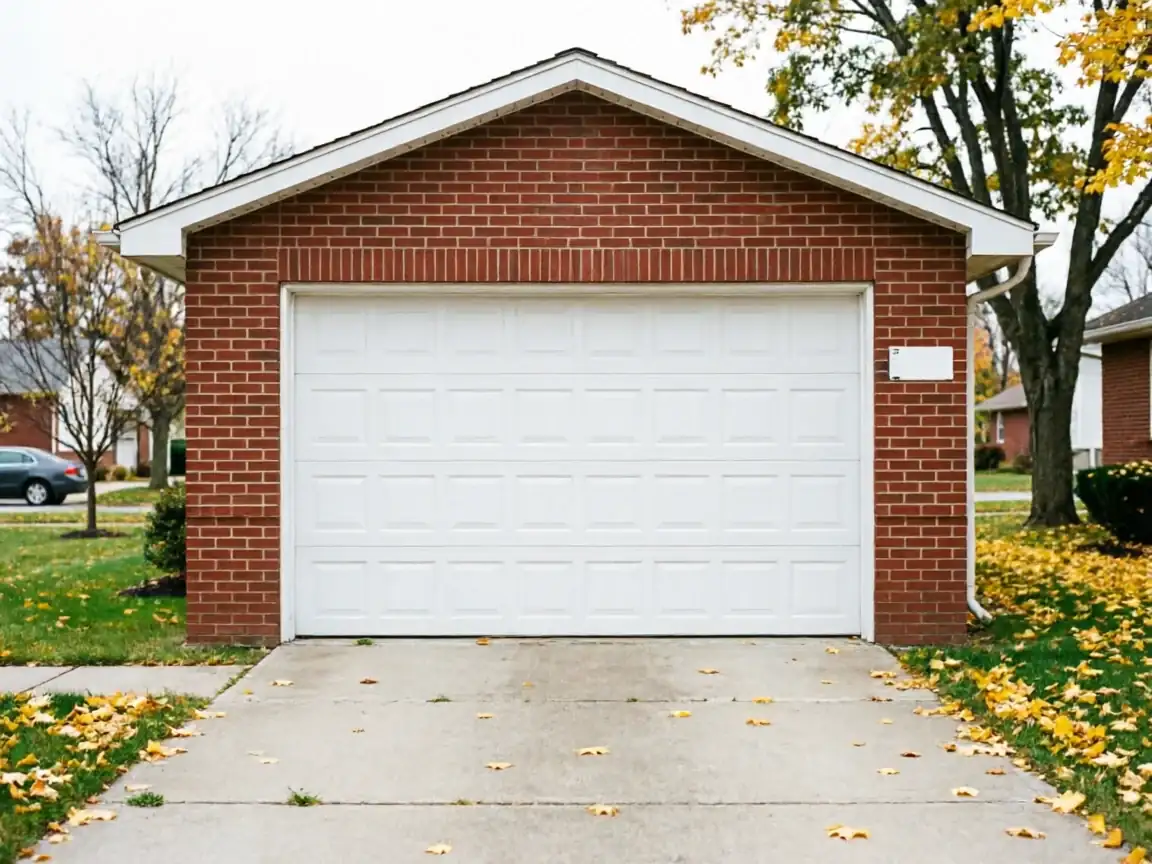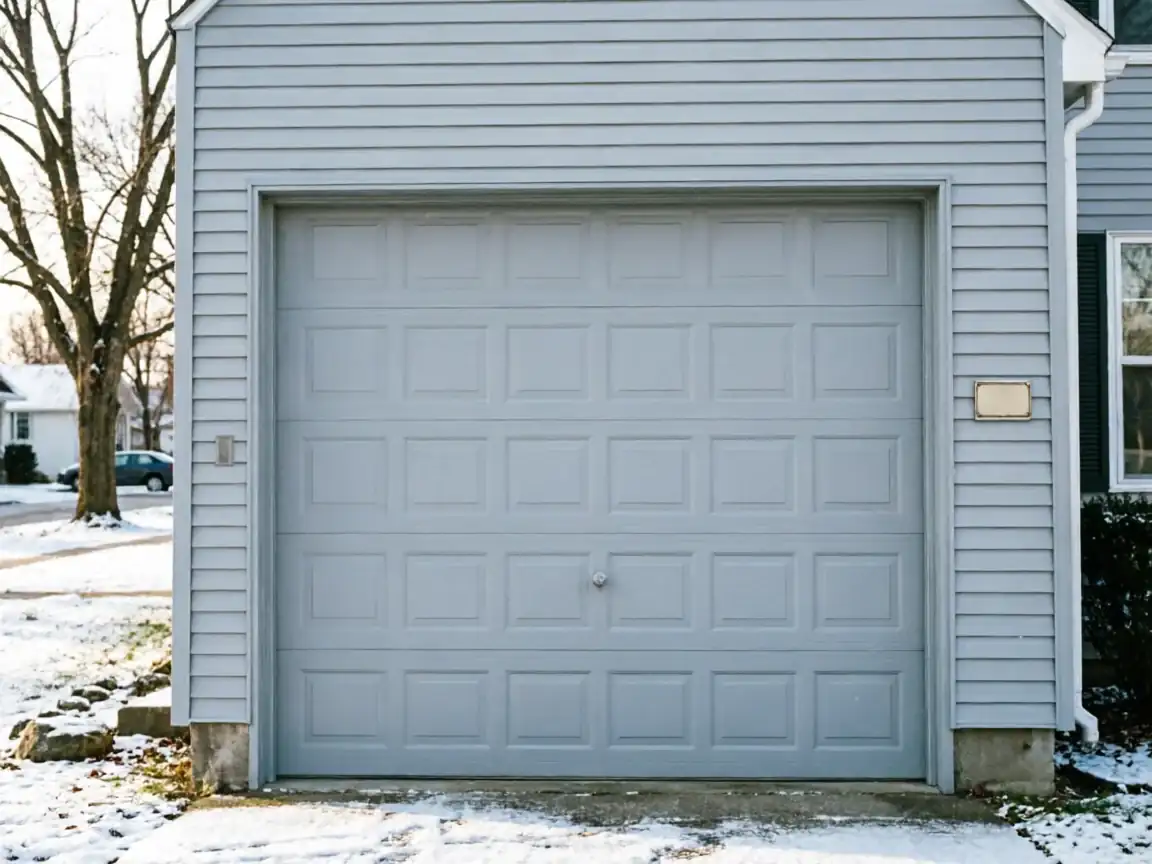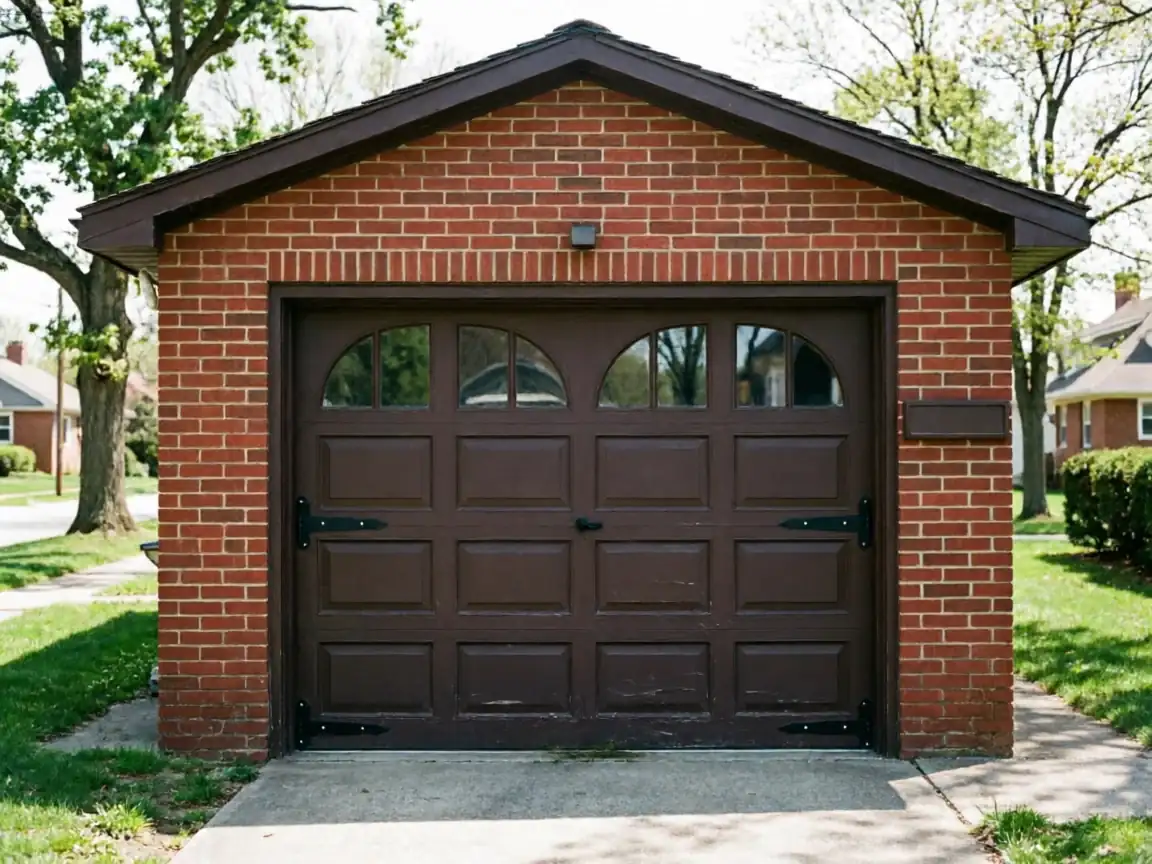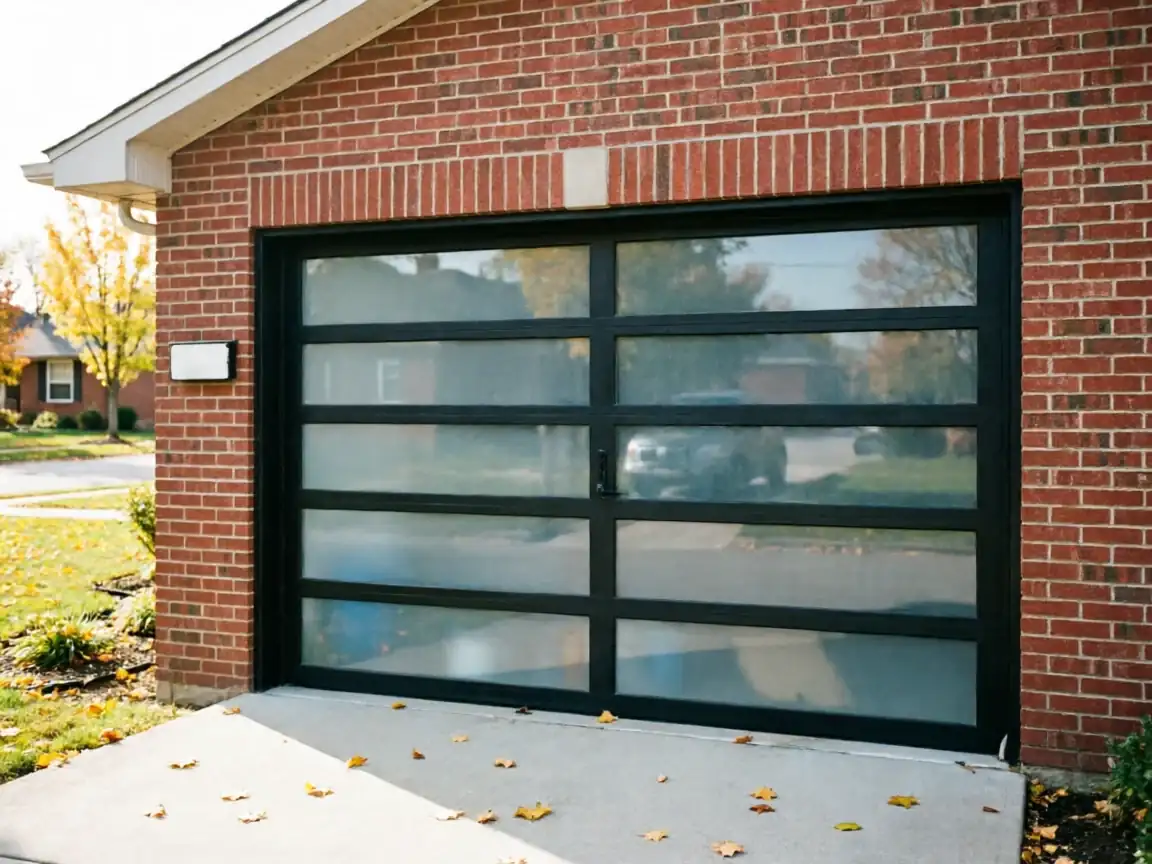
How We Fix It
Germantown Hills sits about 8 miles from our shop in Peoria
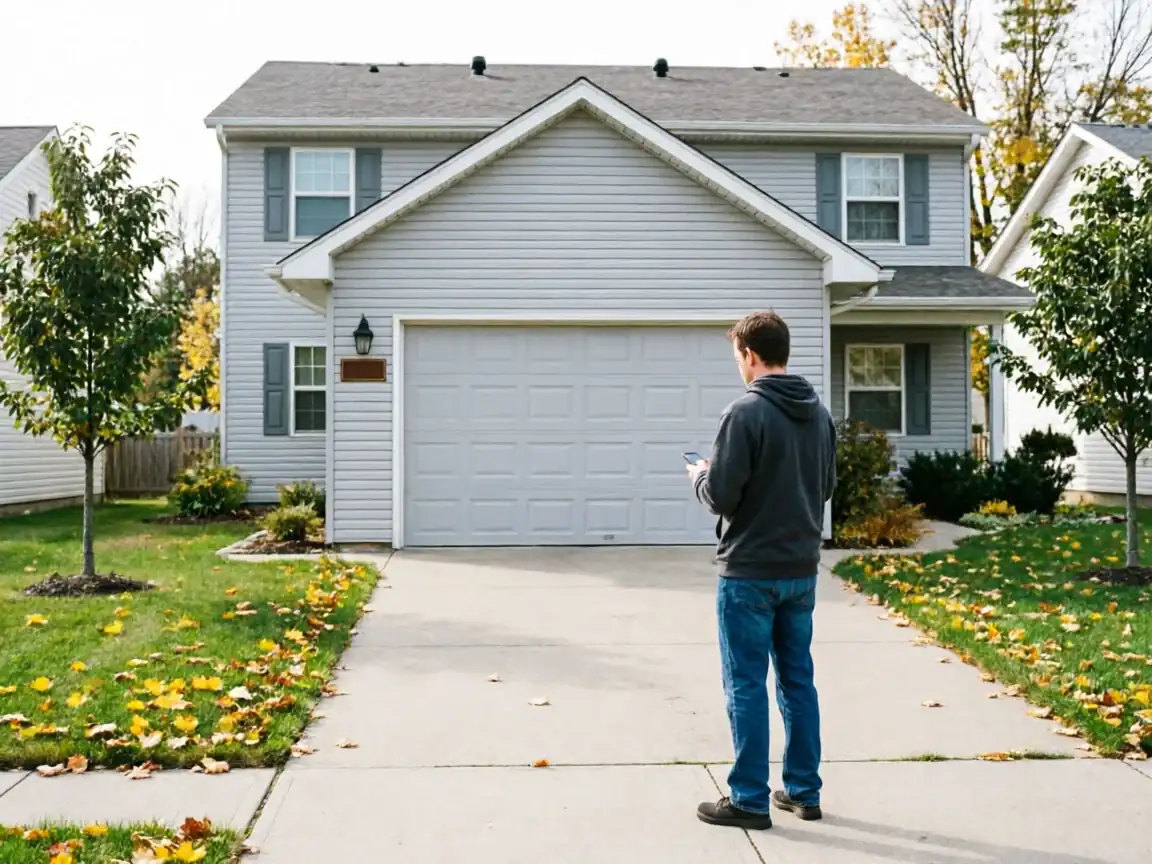
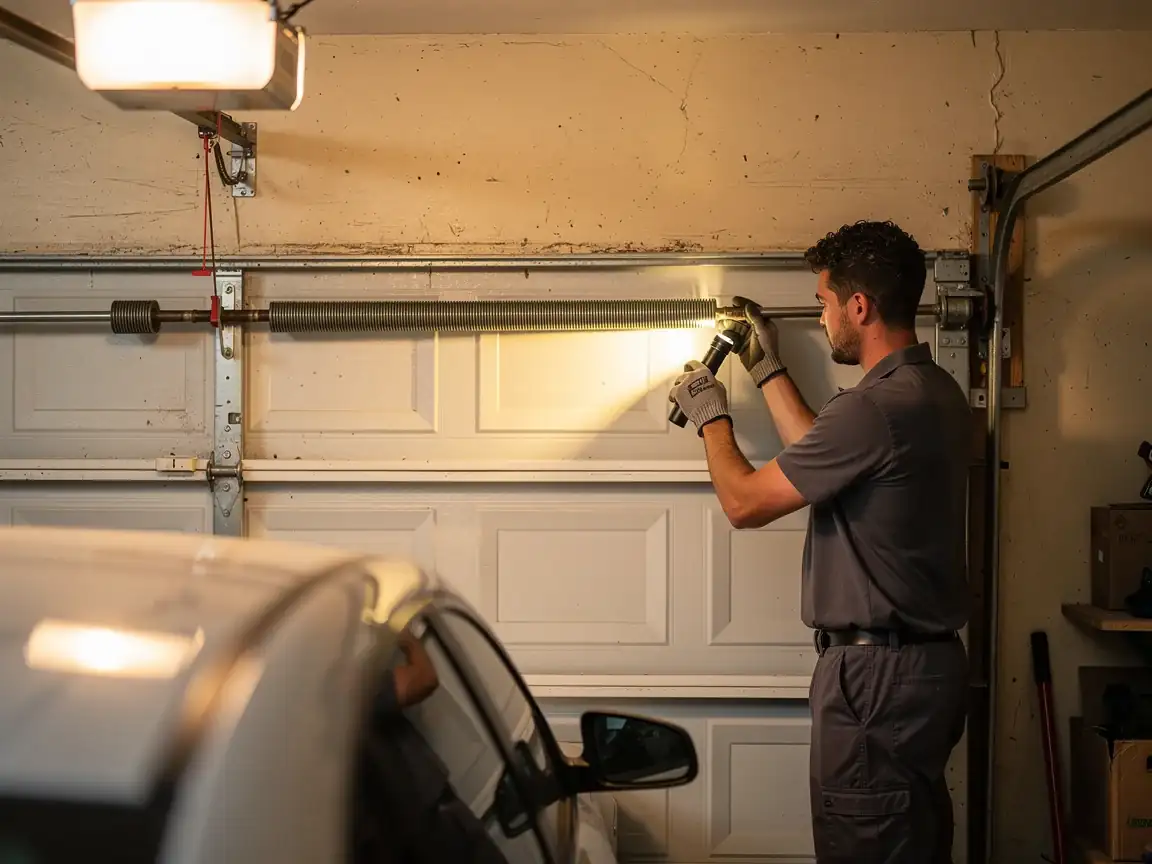
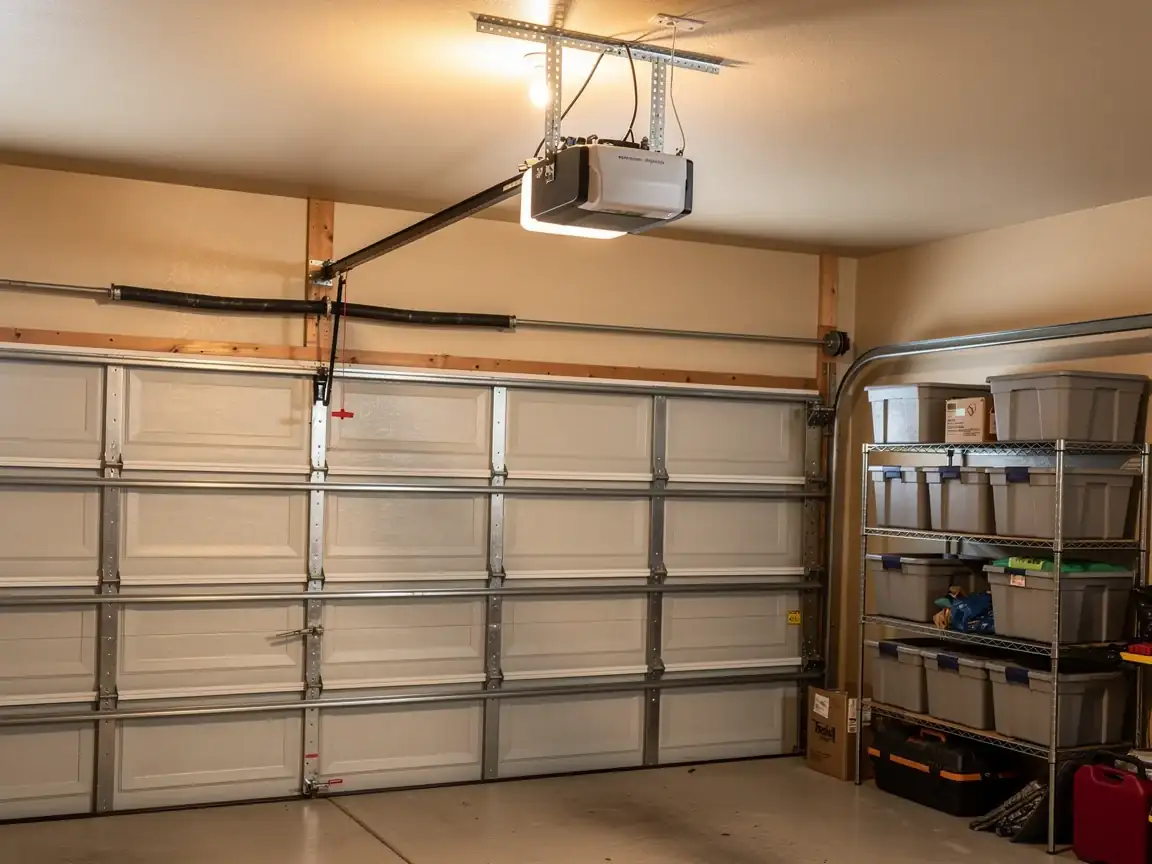
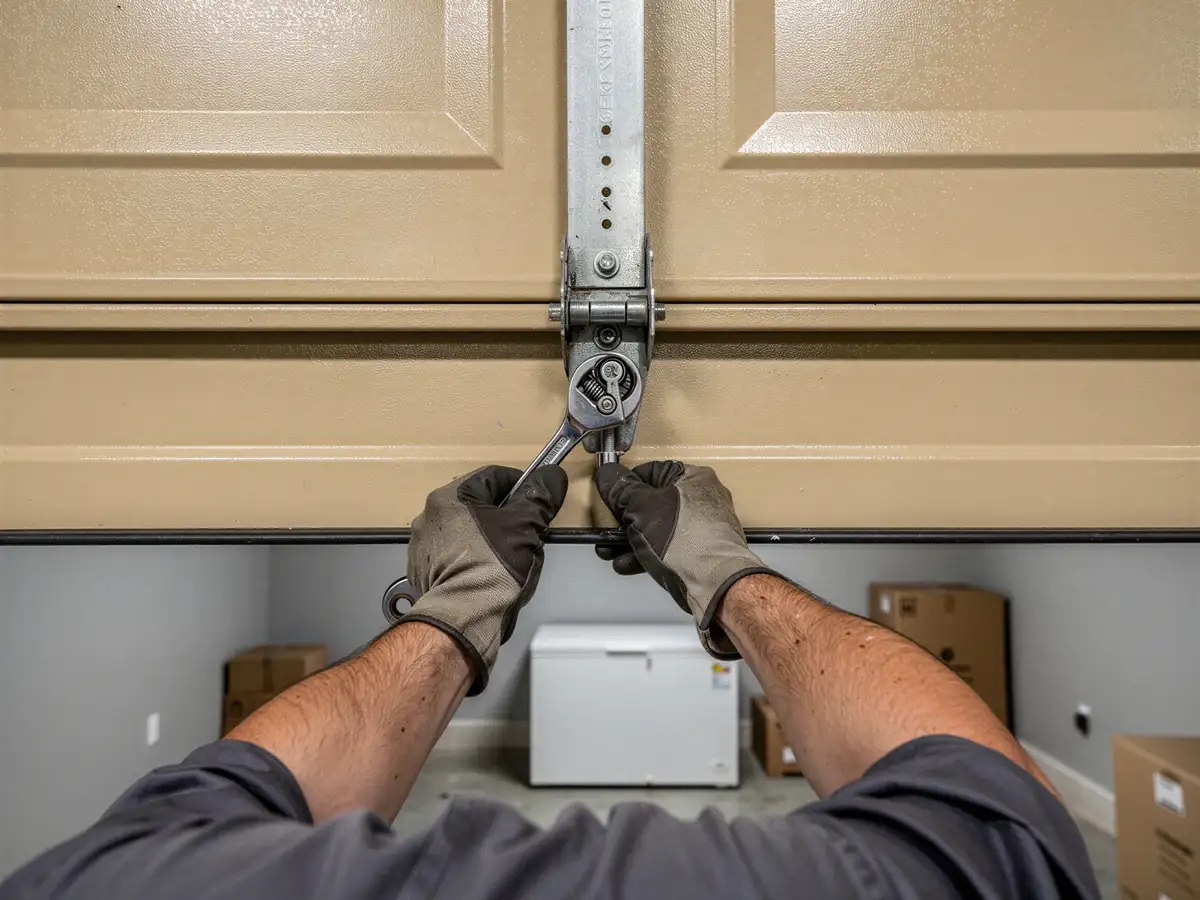
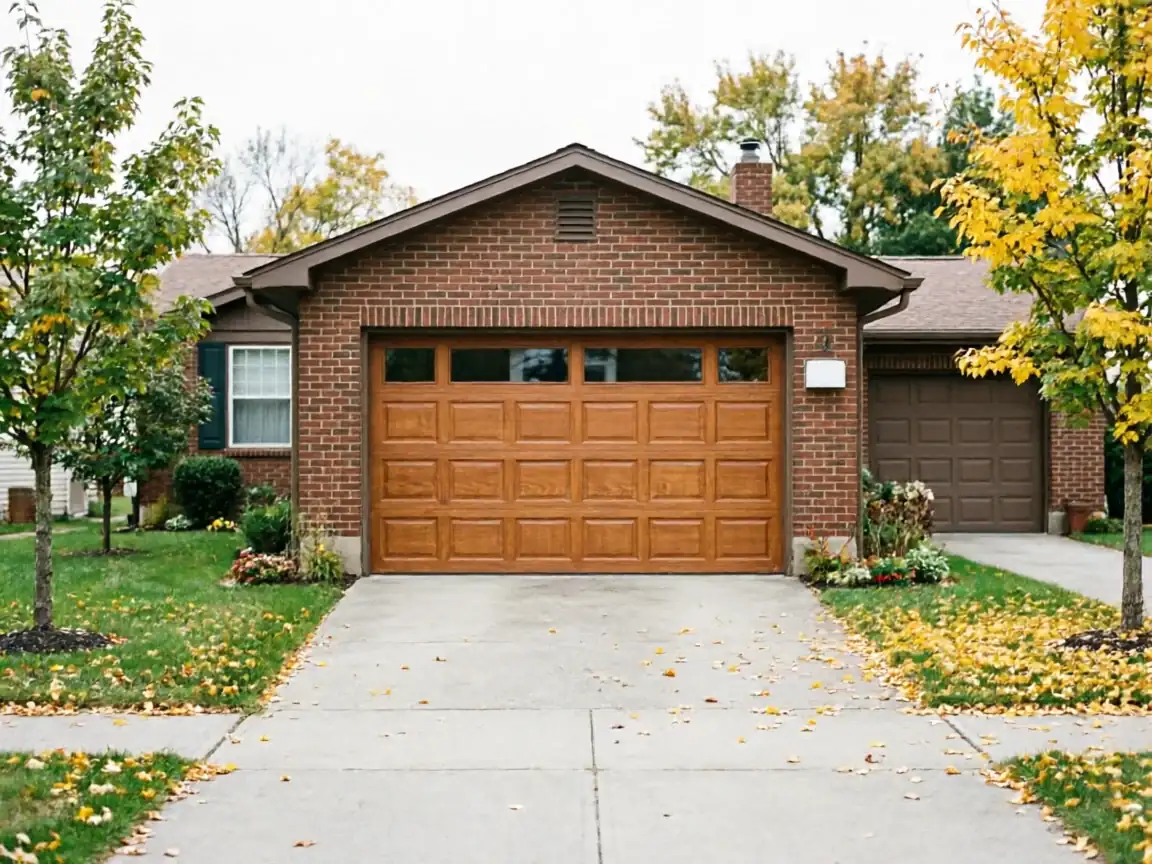
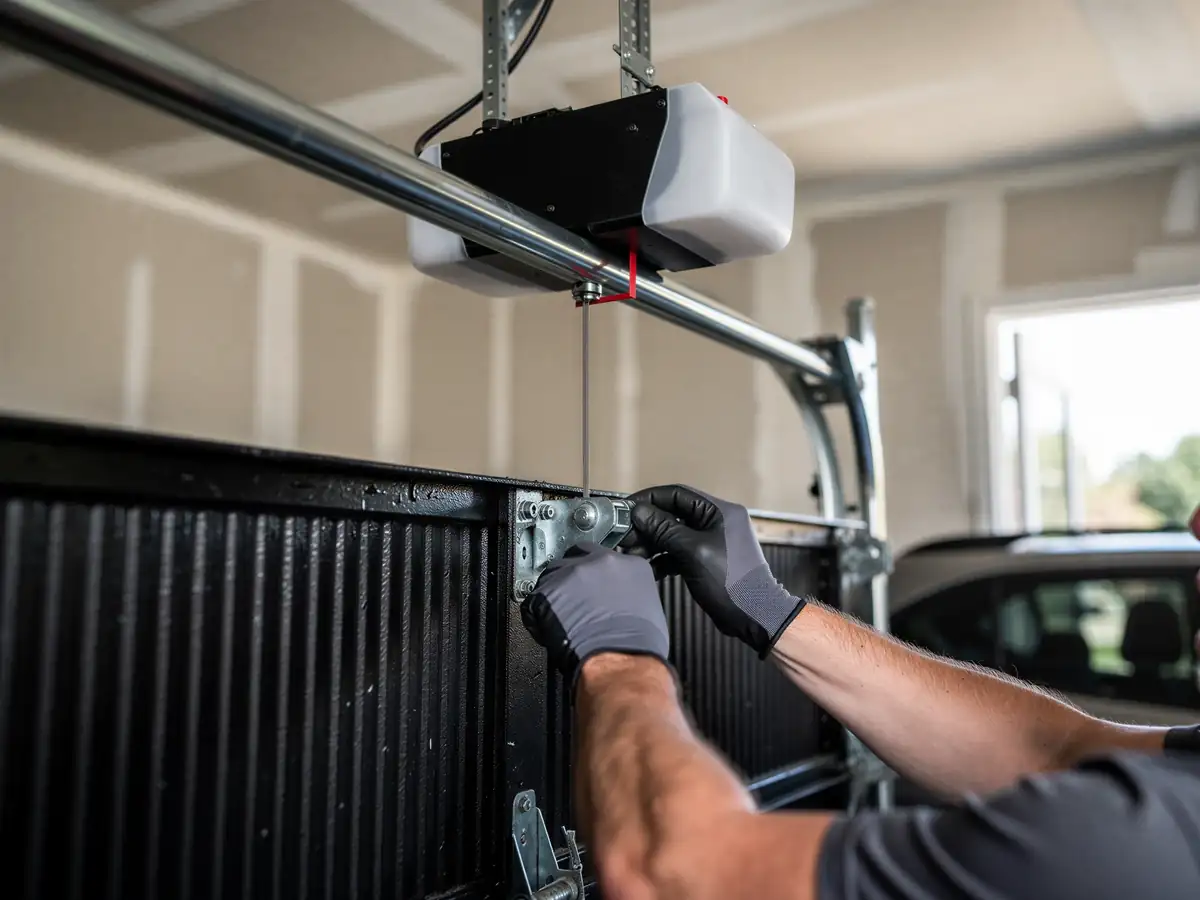
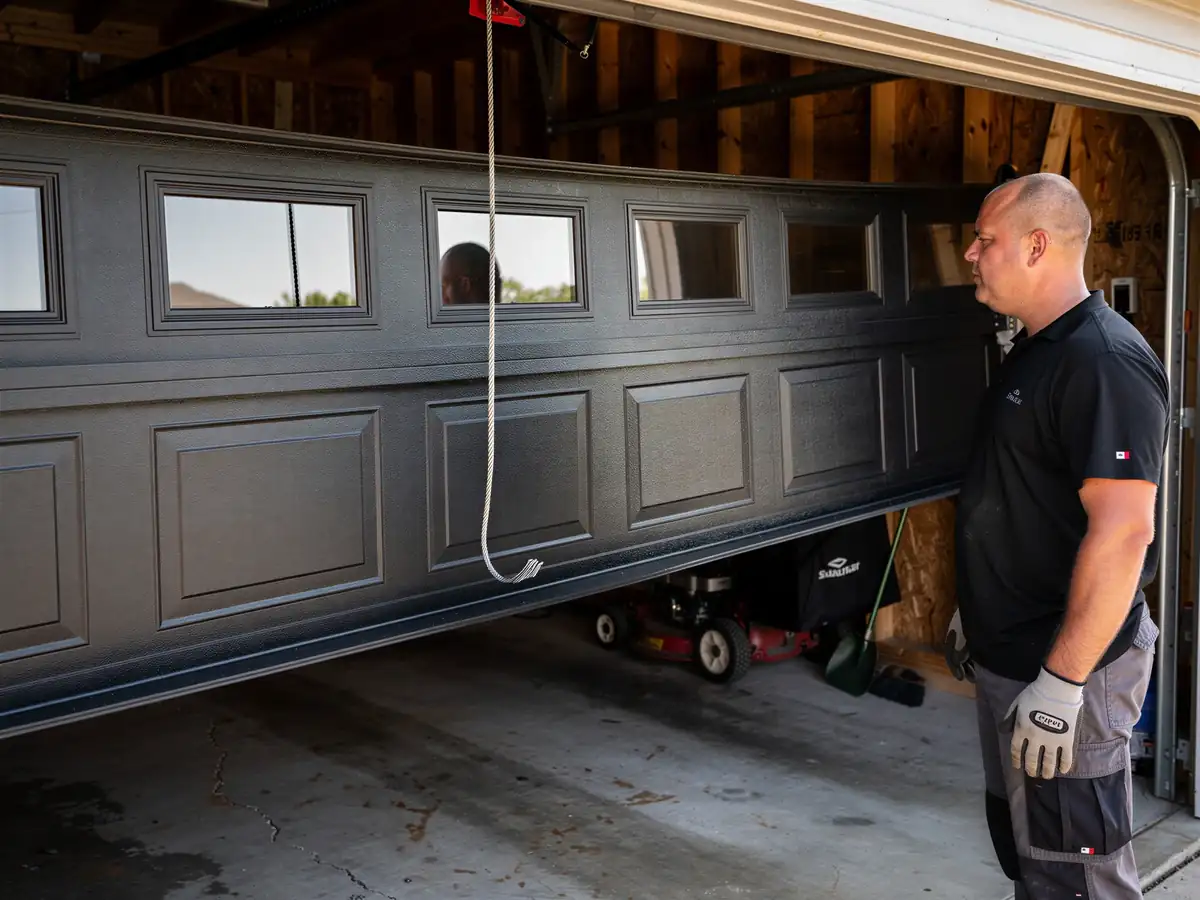
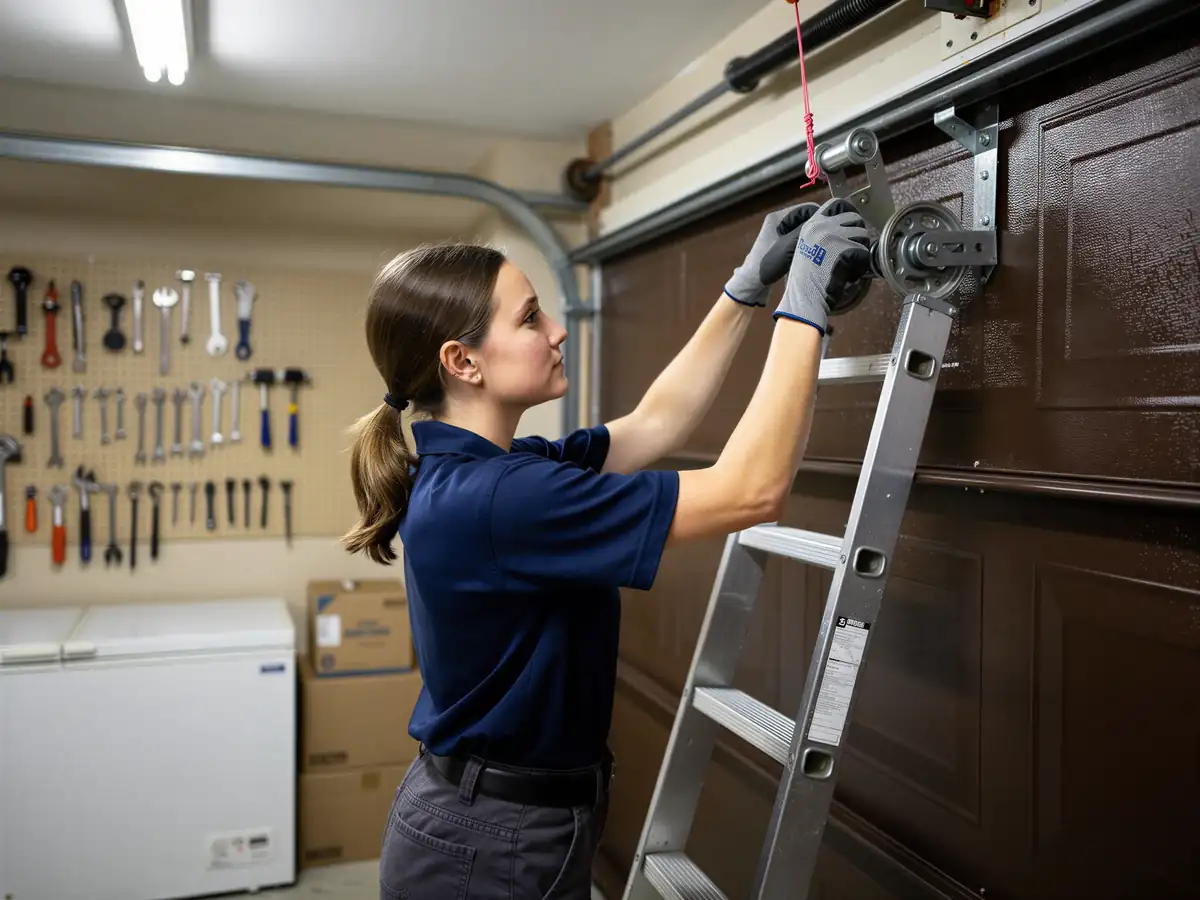
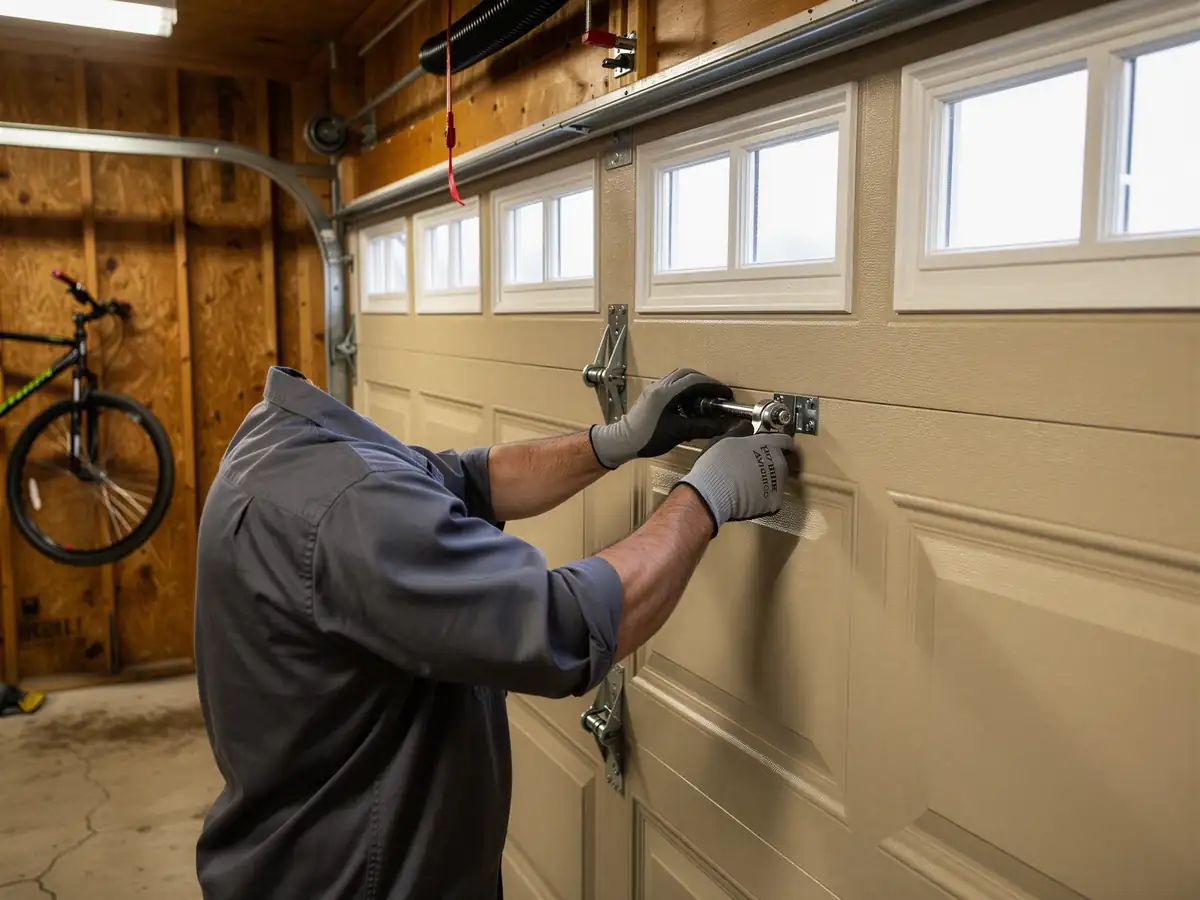
And the fix starts differently here than it does on the older side of the metro. Most houses in this area were built closer to 2002, a good three decades newer than the median build year across the wider service territory. That means standard torsion spring setups, factory-installed safety sensors, and openers that are far more likely to run on circuit boards than on the simple chain-drive units common in 1960s-stock neighborhoods. We diagnose on arrival - spring, cable, track, or opener logic board - and most jobs get fixed same visit once we know which it is. We don't guess at the problem over the phone; a tech has to see the door move to call it right.
- 8 miles
Because the housing stock here skews newer
We're less often dealing with rusted-out galvanized hardware and more often with opener circuit faults, misaligned sensors, or a spring that's simply worn out its rated cycle count. That changes what's in the truck and what gets replaced versus adjusted.
The Complications
A newer build year doesn't mean an easier job every time. Homes from the late 1990s and early 2000s often came with builder-grade openers and springs sized to a bare minimum cycle life, which means failures can show up earlier than owners expect for a 20-some-year-old house. We also see openers here with proprietary circuit boards that aren't stocked everywhere - if yours needs a specific board rather than a universal part, that can mean a short wait while we source it. We'll tell you straight if a repair is going to outlast the door it's bolted to, rather than patch something that's going to fail again in a season.
Stocked Parts
The truck carries standard torsion springs sized for residential double and single doors, extension spring sets, nylon and steel rollers, cables, and universal safety sensor kits - the parts that fit the torsion-and-opener setups common in homes built from the 1990s onward. What we don't always carry is a manufacturer-specific circuit board for an older proprietary opener; those can take a few days to source. Given the build era here, that's a less frequent issue than it would be in an area full of 1960s hardware, but it still happens on occasion.
Getting It Booked In
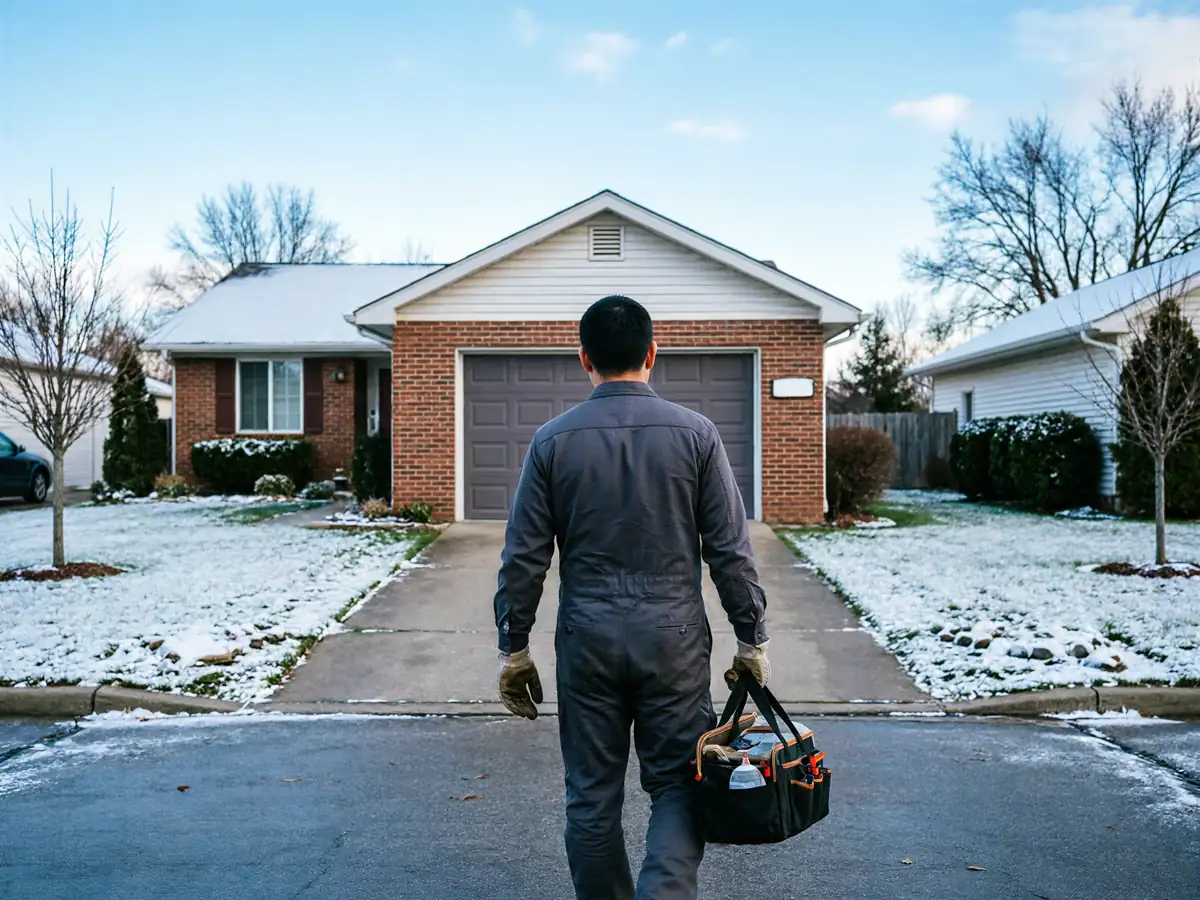
We come out from Peoria, about 8 miles in. When you call, tell us what the door is doing - won't open, won't close, stuck halfway, making noise - and whether the opener light blinks or stays solid. That's usually enough for the tech to bring the right spring size and sensor stock before even seeing the door. We don't operate a branch in Germantown Hills itself; every job here is a dispatch from the Peoria shop, so it helps to have someone able to let the tech into the garage when scheduling.
How Long You Are Without the Door
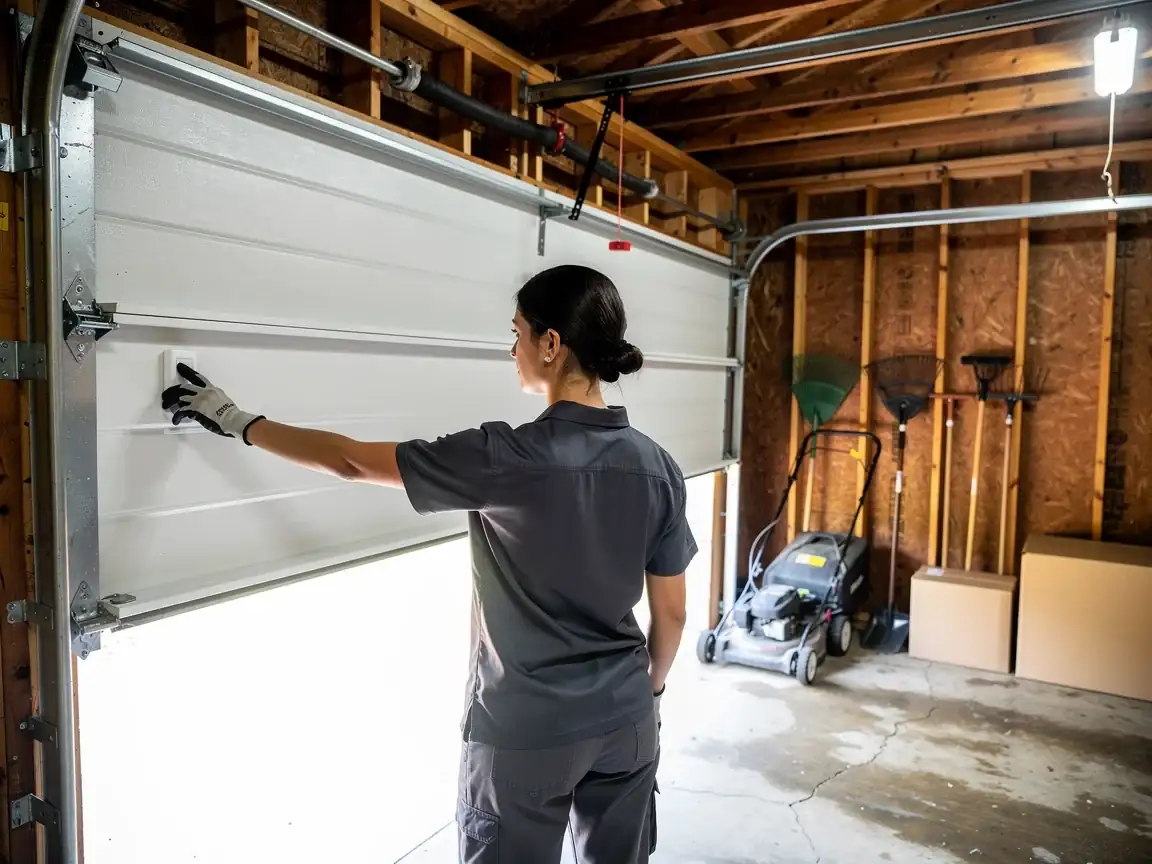
Most spring and sensor repairs on homes built since the 1990s get done in one visit once the tech is on site, since the parts fit standard torsion and safety-sensor setups we carry. If your opener needs a specific circuit board rather than a universal replacement, that's the one scenario where you might be waiting on a part rather than a tech - we'll tell you on diagnosis, not after the fact. We'd rather say